
Reviewed · INCA RUINS & ARCHAEOLOGICAL SITES
From Lima: Pachacamac Archaeological Site Guided Tour
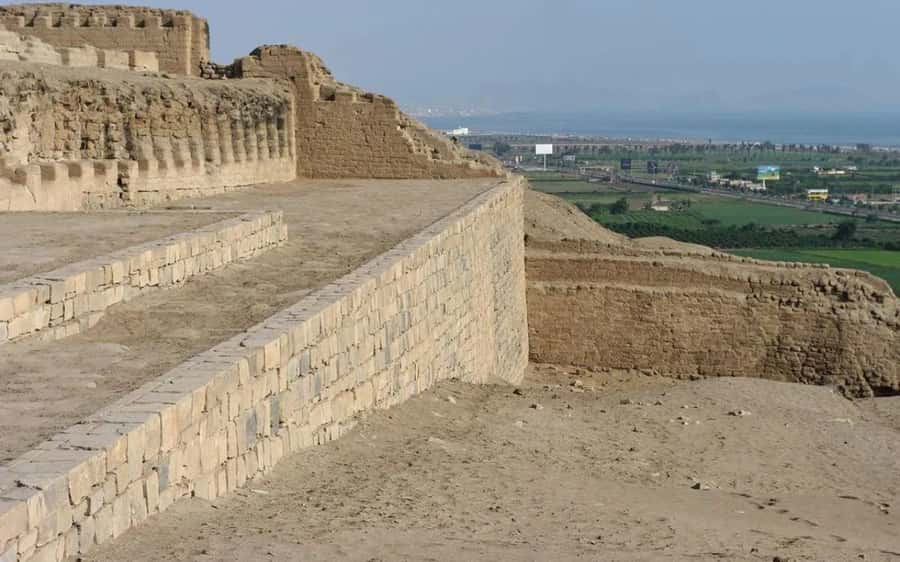
Ancient temples meet the Pacific here. Pachacamac gives you a clear look at Peru’s pre-Inka and Inka cultures, with mud-brick ruins, a useful museum, and a climb to the Temple of the Sun for broad ocean views. I especially like the hotel pickup from central Lima districts and the chance to see a major archaeological site without arranging transport yourself. I also like that the guide explains the site’s changing religious role rather than treating it as a pile of old walls.
The main drawback is the time limit. At 210 minutes, this is a focused introduction, not an all-day archaeological expedition. The site is also not suitable for wheelchair users, and pickup is limited to Miraflores, Barranco, San Isidro, and Lima Center. If you stay elsewhere, you must meet the group in Miraflores.
In This Review
- Key points to know before you book
- Why Pachacamac makes a strong half-day outing
- The ride from Lima sets the tone
- Entering the Pachacamac archaeological compound
- The museum gives the ruins a human context
- Walking toward the Temple of the Sun
- How the guide can change the experience
- Is $50 a fair price?
- Timing, pickup, and practical limits
- Who should book this Pachacamac tour?
- FAQ
- How long does the Pachacamac tour last?
- What is included in the price?
- Which Lima districts have included pickup?
- Can I join if I stay outside the pickup areas?
- Is airport or Callao pickup included?
- Which languages are available?
- Is the tour suitable for wheelchair users?
- What should I bring?
- Can I cancel the booking?
Key points to know before you book
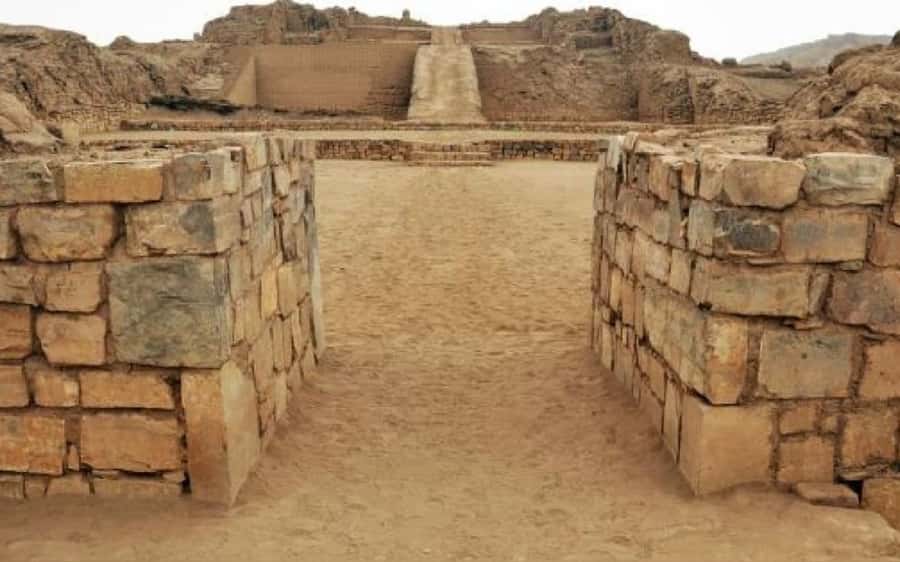
- Pachacamac grew across several ancient kingdoms: Buildings at the site date from around 200 AD and reflect different cultures before and during Inka rule.
- The Temple of the Sun is the visual high point: The walk up leads to an ocean-facing view and helps you understand why this was such an important ceremonial center.
- Mud-brick architecture is part of the lesson: The walls and buildings show how carefully ancient builders worked with the dry coastal climate.
- Pickup saves time in Lima: Transport is included from Miraflores, Barranco, San Isidro, and Lima Center in an air-conditioned vehicle.
- Guide quality matters: Sandy received warm praise for explaining the subject during the drive, while Jonathan guided a small group of three in a comfortable SUV.
- The price is reasonable for a half-day outing: At $50 per person, entrance, transport, and a live English or Spanish-speaking guide are included.
Why Pachacamac makes a strong half-day outing
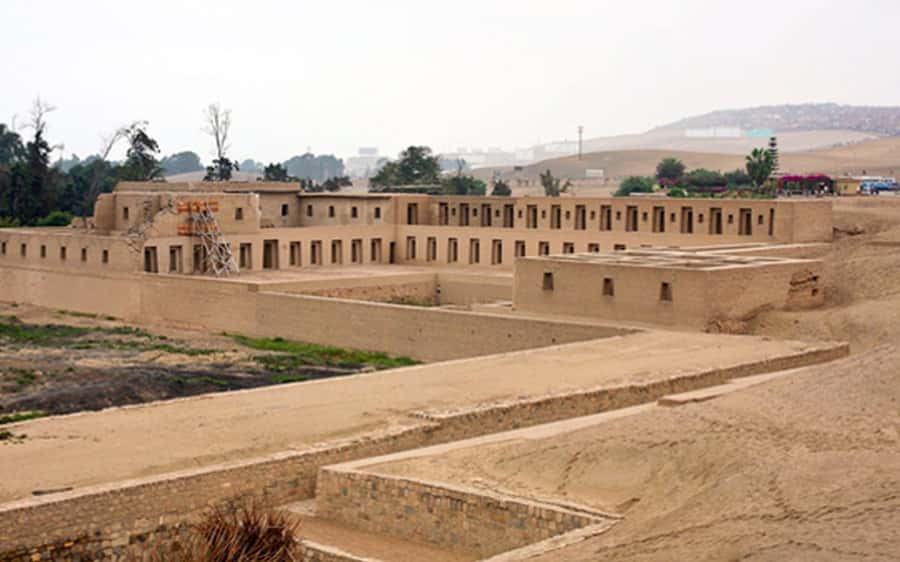
Pachacamac is more than a single Inka ruin. It was a large religious center on Peru’s central coast, with buildings created by different societies over many centuries. The site began around 200 AD and continued to matter as later kingdoms took control of the area.
That long timeline is what makes the visit worthwhile. You are not looking at one frozen moment in history. You are seeing a ceremonial center that changed as different cultures added buildings, adapted traditions, and eventually came under Inka influence.
The Inkas built major pyramids dedicated to the Sun, but the site’s religious importance started before Inka rule. Your guide can help connect those periods, explaining how customs and beliefs developed over time. Without that context, the large earth-colored structures can be difficult to read.
I would choose this tour if you want ancient Peru but do not have time for a long trip outside Lima. It gives you a genuine archaeological visit within a morning or afternoon, rather than keeping you in the city’s modern districts.
More Ruins & Archaeology Tours in Lima
- Lima: Pachacamac Ruins & Barranco Half-Day Guided Tour
★ 4.6 · 296 reviews - Pre Inca Temple of Pachacamac Half-Day Tour from Lima
★ 4.5 · 283 reviews - Tour to the Archaeological Sanctuary of Pachacamac (small group)
★ 5.0 · 260 reviews
The ride from Lima sets the tone
Pickup is included from hotels or apartments in Miraflores, Barranco, San Isidro, and Lima Center. The vehicle is air-conditioned, a useful feature in Lima’s warm coastal climate and busy streets. If you are staying outside these districts, the operator provides a meeting point in Miraflores.
The ride is not just dead time. A good guide can start explaining Pachacamac before you reach the entrance, giving you the names and historical periods you need to follow the site. Sandy was praised for explaining the subject even while the group was still traveling toward Pachacamac. That kind of running commentary makes the visit feel more connected.
You should confirm your pickup location carefully when booking. Airport and Callao pickup are not included, so this is not the easiest choice if you land in Lima and want to go straight to the ruins. It works best after you have checked into accommodation in one of the listed districts.
The small-group experience can vary, but one recent outing had three people in a comfortable SUV. That is a pleasant arrangement if you prefer space to ask questions and do not want to spend half the tour waiting for a large group to gather.
Entering the Pachacamac archaeological compound
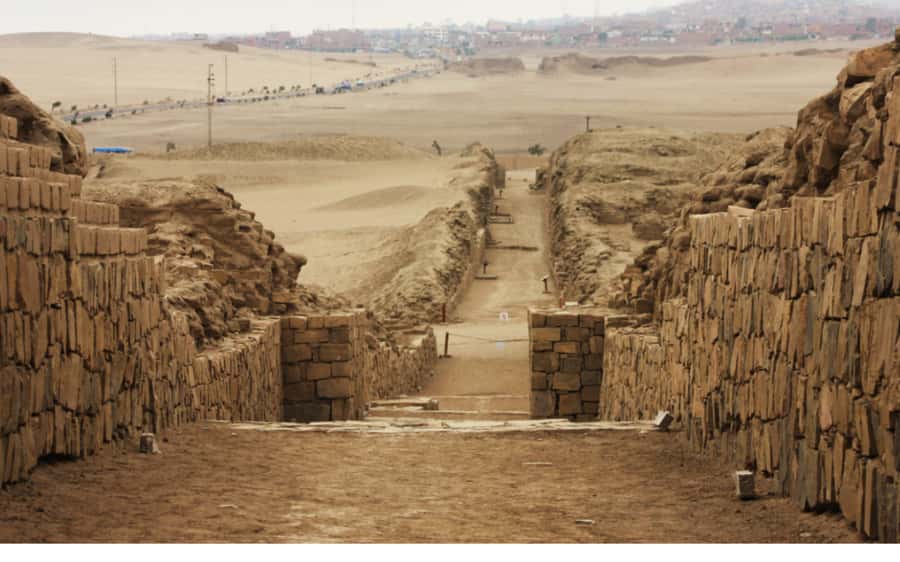
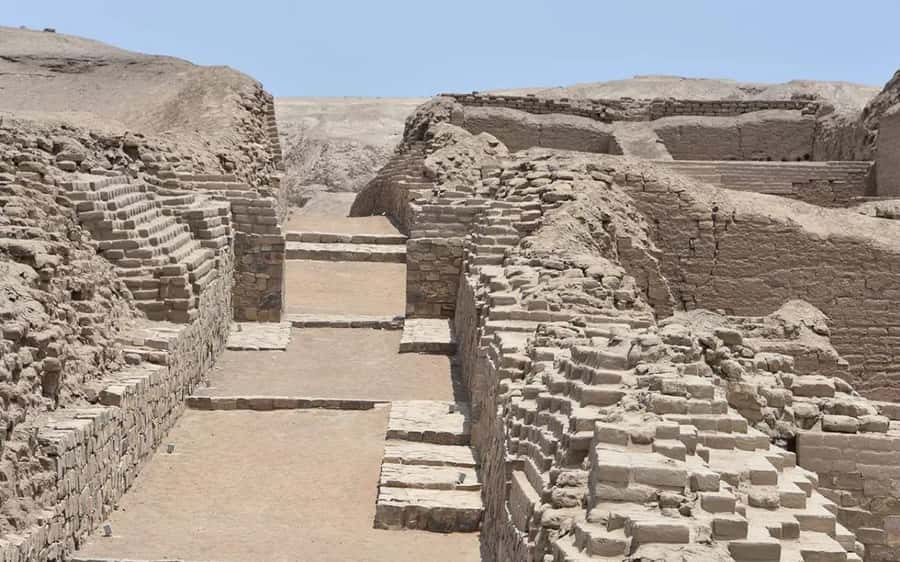
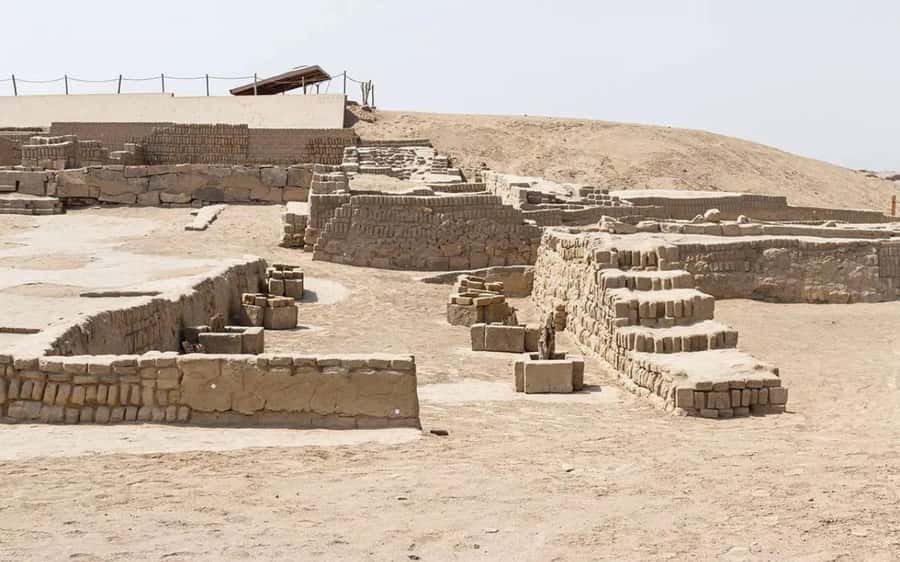
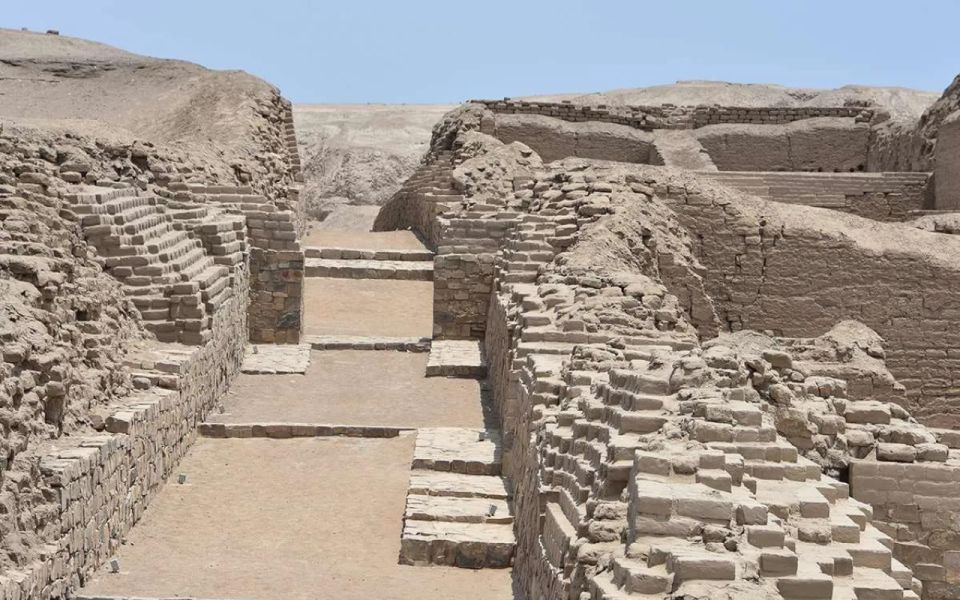
Once inside, you begin to see why Pachacamac was one of the largest religious centers on the Peruvian coast. The buildings spread across a broad area, and many are made from mud blocks. Their survival is impressive, especially when you consider their age and the harsh coastal setting.
Do not expect polished stone walls like those at Machu Picchu. Pachacamac has a different visual character. The soft, earth-colored structures show how builders used local materials and precise construction methods. Your guide helps you notice the shape of walls, platforms, pyramids, and ceremonial spaces instead of simply walking past them.
The architectural precision is one of the most interesting parts of the visit. Mud can look fragile, but here it was formed into sturdy blocks and arranged with care. The ruins remind you that ancient engineering was not limited to stonework.
The site also offers a useful lesson in preservation. You will see how much of the ancient compound remains, but you should expect exposed ruins rather than fully reconstructed buildings. Some areas may be easier to understand with a guide’s explanation than through signs alone.
Comfortable clothing is the main packing advice. Wear practical clothes for walking around an open archaeological site, and avoid bringing large bags or luggage, which are not allowed. Since the tour lasts three and a half hours, sensible footwear and clothing will make the outing more pleasant.
The museum gives the ruins a human context
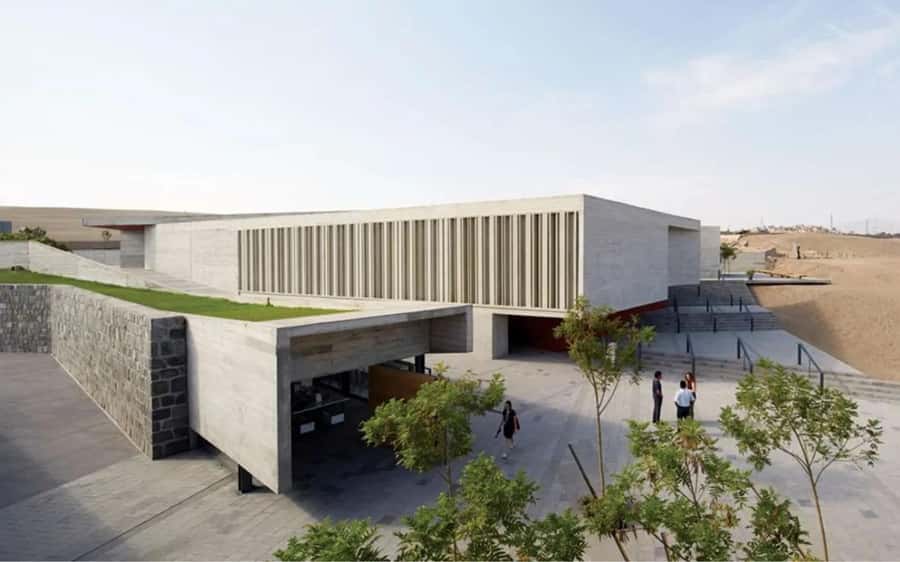
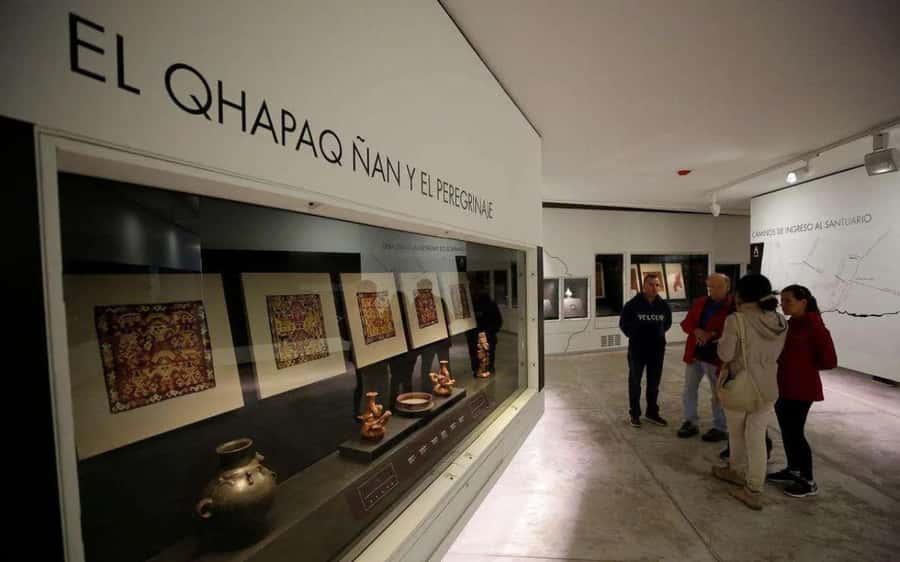
The Pachacamac Archaeological Site and Museum are visited together as part of the experience. The museum helps put the buildings into context by showing the customs and traditions connected with the ancient civilizations that used this religious center.
This matters because ruins alone rarely tell the whole story. A wall can show construction, but it cannot fully explain why people traveled to the site, what ceremonies took place, or how beliefs changed when new kingdoms arrived. The museum gives your guide material to work with and makes the outdoor portion easier to understand.
I like the balance here. You get time among the actual structures, then a chance to consider the objects and cultural information indoors. The combination is more useful than seeing only a museum display or only a set of weathered walls.
The exact order of the museum and ruins may depend on the guide and site conditions. The important point is that both are included, and your admission ticket is covered in the $50 price.
More ruins and archaeology near Lima:
- From Pyramids & Bohemian Streets: Lima Miraflores & Barranco Tour
★ 5.0 · 257 reviews - Caral, The Oldest Civilization in the Americas:Day Trip from Lima
★ 5.0 · 199 reviews - Lima: Pachacamac Inca Archaeological Complex Tour
★ 4.8 · 164 reviews - Lima Bike Tour Miraflores – Barranco + Huaca Pucllana!
★ 4.5 · 137 reviews
Walking toward the Temple of the Sun
The Temple of the Sun is the tour’s most memorable stop. The Inkas built majestic pyramids here in honor of the Sun, and reaching this temple gives you a sense of the site’s ceremonial importance.
The walk up is part of the experience. It is not just a quick photo stop beside the vehicle. You approach the temple on foot and gain a higher view over the surrounding area. One visitor described this walk as amazing, and that praise makes sense: the climb gives the visit a clear physical climax.
From the Temple of the Sun, you can enjoy an ocean view. That is a valuable detail because Pachacamac is not only about walls and dates. The position of the temple links the religious center to the Pacific coast and gives you a memorable visual reference for the region.
You should be prepared for walking and some uphill effort. The tour is not suitable for wheelchair users, and the route may feel demanding if you have mobility concerns. The activity information does not give a distance or exact gradient, so I would not assume the walk is effortless.
Still, for most visitors who can comfortably walk around an archaeological site, the temple is likely to be the highlight. It combines the Inka connection, the ceremonial setting, and the ocean view in one stop.
How the guide can change the experience
Pachacamac rewards good explanation. The buildings are old, broad, and often made from similar-colored materials. Without a guide, you might find it hard to understand which structures belong to which period or why the site mattered.
The tour provides a live guide in English or Spanish. Jonathan received strong praise for explaining the history and culture of the different civilizations across the years, while Sandy was noted for making the journey informative as well as the site visit. Those details suggest that the best part of the tour may be the interpretation rather than the transport.
One warning is worth taking seriously. A German-speaking participant described one guide as poorly informed, uninterested, and rude. That is the only clearly negative account in the supplied feedback, but it reminds you that guide quality can affect a history-focused tour more than almost anything else.
Overall, the score is 4.7 out of 5 from nine ratings, with several perfect scores. The most praised elements are the guides’ explanations, the comfortable vehicle, the answers to questions, and the walk to the Temple of the Sun. I would book this tour if you value conversation and historical context, but I would also keep your expectations realistic: no guided outing is completely independent of the individual guide assigned that day.
Is $50 a fair price?
At $50 per person, the tour offers solid value if you are staying in one of the included Lima districts. The price covers hotel or apartment pickup and drop-off, an air-conditioned vehicle, a live English or Spanish-speaking guide, the guided visit, and all entrance tickets.
You are paying for convenience as much as admission. Reaching Pachacamac independently would require arranging transport, finding the entrance, handling tickets, and making sense of a large archaeological compound on your own. The tour bundles those jobs into a 210-minute outing.
The value is strongest for first-time visitors to Lima or anyone with limited time. If you already have a rental car, speak fluent Spanish, and prefer to set your own pace, you may value the guided package less. You would also need to consider that the tour has a fixed schedule and does not include airport or Callao transfers.
For a small group in a comfortable SUV, the price feels particularly fair. A larger group could make the experience less personal, but the available feedback includes a three-person outing, which suggests that at least some departures are pleasantly intimate.
Timing, pickup, and practical limits
The advertised duration is 210 minutes, or three and a half hours. That is long enough to see the museum, walk among the main ruins, visit the Temple of the Sun, and receive historical explanation without giving up an entire day in Lima.
Starting times depend on availability, so check the schedule before booking. Pickup is included only in Miraflores, Barranco, San Isidro, and Lima Center. If you stay outside those areas, you will receive a Miraflores meeting point instead.
The tour offers free cancellation up to 24 hours before departure and a reserve-now, pay-later option. Those terms are useful if your Lima schedule may change, but you still need to verify the selected date and pickup details before confirming.
Bring comfortable clothes and leave large bags or luggage behind. The experience is not suitable for wheelchair users. No airport or Callao pickup or drop-off is included, so plan a separate transfer if you are arriving by air or staying near the port.
Who should book this Pachacamac tour?
I would recommend it to you if you want a clear introduction to coastal Peru’s ancient cultures and prefer having transport arranged. It suits visitors staying in central Lima districts, couples or small groups who like asking questions, and anyone who wants to see an important archaeological site without spending a full day away from the city.
It is also a good choice if the Temple of the Sun and the ocean view appeal to you. That walk gives the outing a memorable finish and adds a sense of place that an indoor museum alone cannot provide.
I would hesitate if you need wheelchair access, are carrying luggage, or need airport or Callao pickup. I would also choose another plan if you want a long, slow archaeological visit with plenty of time for independent exploration.
For everyone else, book the tour if you value convenience and interpretation. The strongest pattern is clear: a comfortable ride, useful explanations, and a memorable visit to the Temple of the Sun. Just confirm your district, wear practical clothes, and allow the guide to bring the mud-brick walls to life.
FAQ
How long does the Pachacamac tour last?
The tour lasts 210 minutes, or three and a half hours.
What is included in the price?
The $50 price includes hotel or apartment pickup and drop-off in selected Lima districts, an air-conditioned vehicle, a local English-speaking guide, the guided visit, and all entrance tickets.
Which Lima districts have included pickup?
Pickup and drop-off are included in Miraflores, Barranco, San Isidro, and Lima Center.
Can I join if I stay outside the pickup areas?
Yes. If you stay outside the listed districts, the operator provides a meeting point in Miraflores.
Is airport or Callao pickup included?
No. Transfer from or to Lima Airport and the Callao area is not included.
Which languages are available?
The live tour guide is available in English and Spanish.
Is the tour suitable for wheelchair users?
No. The activity is not suitable for wheelchair users.
What should I bring?
Bring comfortable clothes. Large bags and luggage are not allowed.
Can I cancel the booking?
You can cancel up to 24 hours in advance for a full refund. A reserve-now, pay-later option is also available.
Added recently around Lima
- Tour to the sanctuary of Pachacamac★ 4.8 · 8 reviews
- Tour to the magical water circuit with dinner and dance show★ 5.0 · 4 reviews
- Tour of Lima with a visit to the catacombs of San Francisco.★ 4.2 · 24 reviews
- Tour Huaca Pucllana: Pyramids and Pre-Columbian Antiquity★ 4.3 · 12 reviews
- Lima: Palomino Islands Speedboat Tour & Swim with Sea Lions★ 4.8 · 33 reviews
- Surfing experience in Lima★ 5.0 · 6 reviews
- Sandbording in Lima★ 5.0 · 12 reviews
- Pro Sanboarding or skiing in Huacachina from Lima – Day trip★ 4.6 · 8 reviews
Inca Ruins & Archaeological Sites, compared.
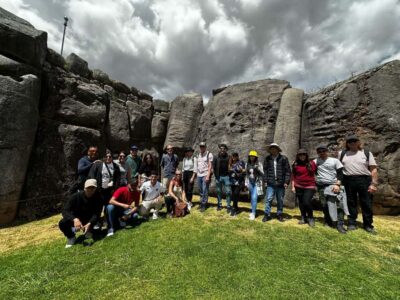
Half-Day City Tour with Sacsayhuaman and Q’enco
Read our review →
City Tour Cusco Qoricancha Sacsayhuaman y Tambomachay
Read our review →
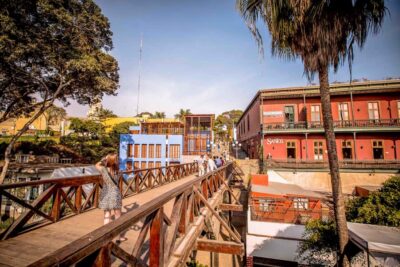
Pachacamac Ruins & Barranco Half-Day Guided Tour
Read our review →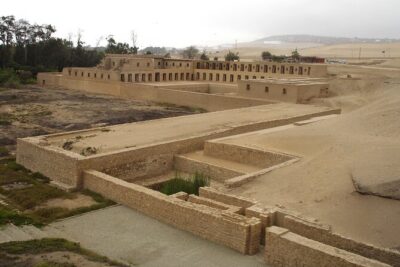
Pre Inca Temple of Pachacamac Half-Day Tour from Lima
Read our review →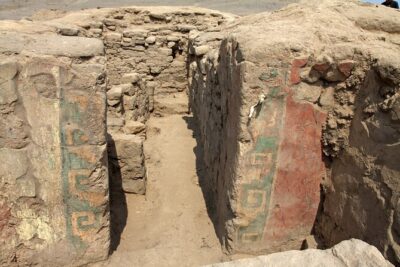
Tour to the Archaeological Sanctuary of Pachacamac (small group)
Read our review →
From Pyramids & Bohemian Streets: Lima Miraflores & Barranco Tour
Read our review →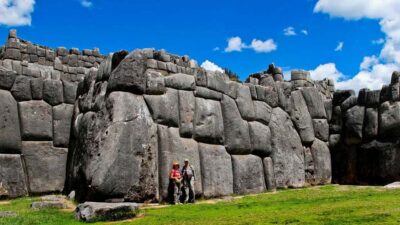
City Tour | Half-Day Tour to 4 Archaeological Sites
Read our review →Browse the lists this tour appears in