
Reviewed · SACRED VALLEY TOURS
From Ollantaytambo: Moray, Maras, and Chinchero Guided Tour
Ancient terraces, salt pools, and living craft traditions fill this day. From Ollantaytambo, you’ll visit Moray’s Inca terraces and the family-run salt pools of Maras, then see how Chinchero artisans turn wool and cotton into brightly colored yarn. I especially like the mix of archaeology and present-day culture, plus the ease of round-trip transport. Guides such as Juan Carlos, Yasmina, and Yesica have earned warm praise for clear English, helpful answers, and taking photos.
The main concern is communication before pickup. Some bookings received little or no information about the meeting time, and one group waited 1.5 hours after the operator failed to appear at the confirmed spot. Confirm the details through WhatsApp before the day begins, and remember that the advertised price does not include the required archaeological ticket or Maras entrance fee.
In This Review
- Key points to know before booking
- Why this Ollantaytambo day trip works well
- Starting from Ollantaytambo
- Moray and the Inca farming experiment
- Maras and the working salt pools
- Chinchero’s textile traditions
- Sacred Valley views between the stops
- Guides can make or break the day
- Food, timing, and what to pack
- Costs, tickets, and overall value
- Who should choose this tour
- Should you book this Moray, Maras, and Chinchero tour?
- FAQ
- Where does the tour begin and end?
- How long does the experience last?
- What sites are included?
- Is transportation included?
- Is a guide included?
- Are entrance fees included in the $80 price?
- Is lunch included?
- What should I bring?
- Can wheelchair users join the tour?
Key points to know before booking
- Moray’s circular terraces reveal an Inca experiment with altitude, temperature, irrigation, and crops.
- Maras contains about 2,000 salt pools, many still managed by local families using traditional methods.
- Chinchero adds a hands-on cultural stop, with demonstrations of spinning, natural dyeing, and textile production.
- The route begins and ends in Ollantaytambo, making it useful if you are staying there rather than in Cusco.
- The listed $80 price excludes entrance fees, including the tourist ticket and the Salineras admission.
- The day is not wheelchair-friendly, and comfortable shoes, water, sun protection, and snacks will make it easier.
Why this Ollantaytambo day trip works well
I like this tour because it covers three very different parts of the Cusco Region without asking you to organize separate taxis, buses, and local guides. You get archaeology at Moray, working agriculture at Maras, and textile traditions at Chinchero in one full-day outing.
The route also gives you a useful view of the Sacred Valley beyond its most famous ruins. You are not only looking at old stonework. You are seeing how farming, salt production, and weaving continue to shape daily life.
The tour costs $80 per person. That is not the cheapest way to see these places, especially once you add the tourist ticket and Maras admission, but the price includes tourist transportation and a professional guide. I see the value mainly in the transport and explanation. Without a guide, Moray’s terraces can look like an impressive set of circles, while Maras can seem like a steep wall of white pools. The right explanations turn both into understandable places.
You should budget an additional 40 soles for the national tourist ticket or 70 soles if you are visiting from abroad, plus 20 soles for entrance to the salt mines. The exact use of the tourist ticket matters, so check that your ticket covers the sites you plan to enter.
More Sacred Valley days out:
- From Cusco: Sacred Valley & Maras Salt Mines Tour with Lunch
★ 4.8 · 2,227 reviews - From Cusco: Moray, Maras Salt Mines & Chinchero Weavers Tour
★ 4.8 · 1,925 reviews - 2-Day Tour: Sacred Valley and Machu Picchu by Train
★ 5.0 · 1,127 reviews
Starting from Ollantaytambo
Pickup is provided at a meeting point in Ollantaytambo, not described as a hotel pickup. That small detail matters. You should confirm the exact location and time before the tour, especially since communication has been uneven for some bookings.
One group arrived 20 minutes early and found nobody there. The guide eventually contacted them by WhatsApp only five minutes before departure. Another group waited 1.5 hours after a missed confirmed pickup. Those problems appear to involve the operator’s communication rather than the sightseeing itself, but they can disrupt a tightly planned Peru itinerary.
I would send a short message the night before asking for four things:
- The exact meeting point
- The pickup time
- The expected return time
- The guide’s name and phone contact
Save the response. If you receive no answer, continue trying through the booking platform and WhatsApp. This is especially important if you have a train, hotel check-in, or other reservation later that day.
Once underway, the included tourist vehicle removes much of the transport hassle. You can focus on the views instead of working out how to connect Ollantaytambo, Moray, Maras, and Chinchero on your own.
Moray and the Inca farming experiment
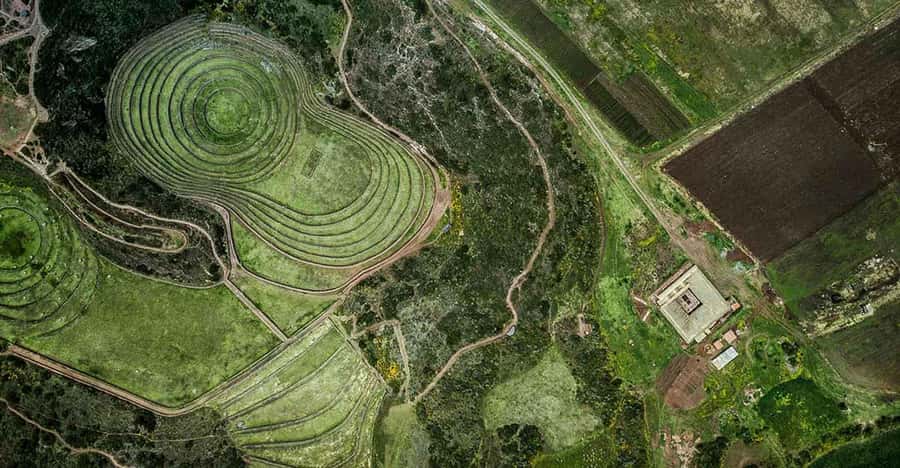
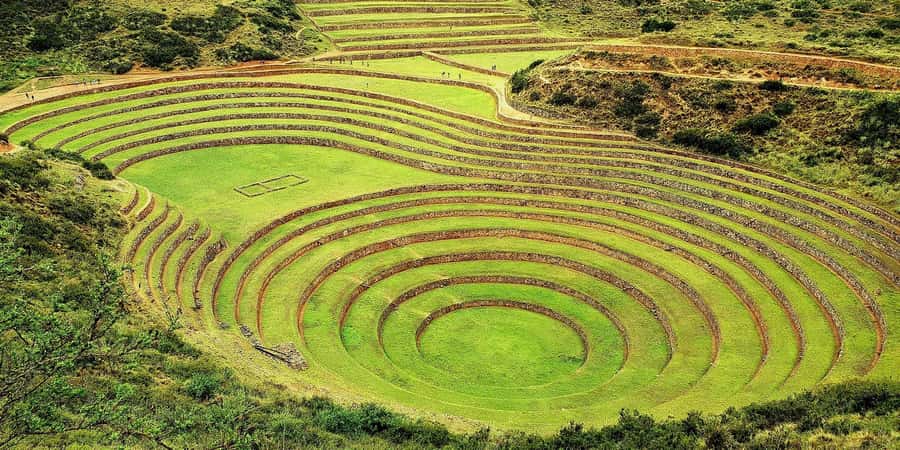
Moray is the first major archaeological stop, and it is the place where the tour’s farming story comes into focus. The site consists of large circular terraces cut into the earth, descending in wide rings toward the center.
The shape is striking, but the important point is how the Incas used the terraces. The guide explains that each level created a slightly different microclimate. Changes in sun, wind, shade, and temperature allowed agricultural testing at different heights.
You will also hear about the irrigation system that supported the terraces. This is one reason I value having a guide here. The site does not come with a simple visual explanation, and the farming purpose can be missed if you only stop for photographs.
Moray is also a good early stop because it gives you a clear idea of the Inca approach to practical design. The terraces were not built only for display. They were connected to food production, water management, and careful observation of the natural conditions.
Wear shoes with a firm sole. The instructions specifically recommend comfortable footwear, and that is sensible for an archaeological site with uneven ground. Bring water and sunscreen too. The high-altitude sun can feel strong even when the air is cool.
Your guide can make a big difference here. Juan Carlos was praised for his English, his willingness to answer questions, and his habit of taking photos for the group. That kind of help is useful when you want a picture without handing your camera to a stranger.
Maras and the working salt pools
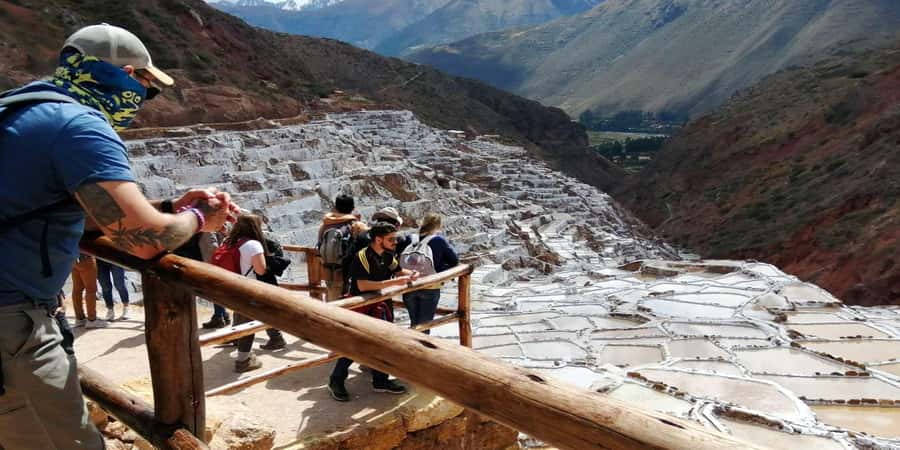
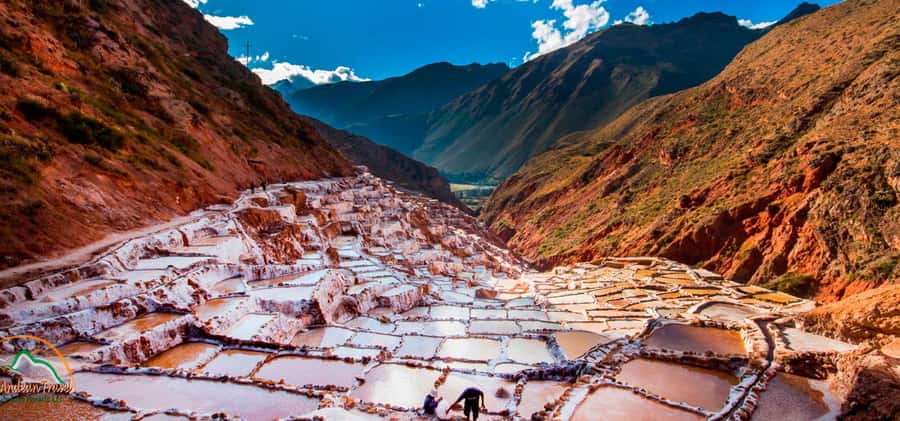
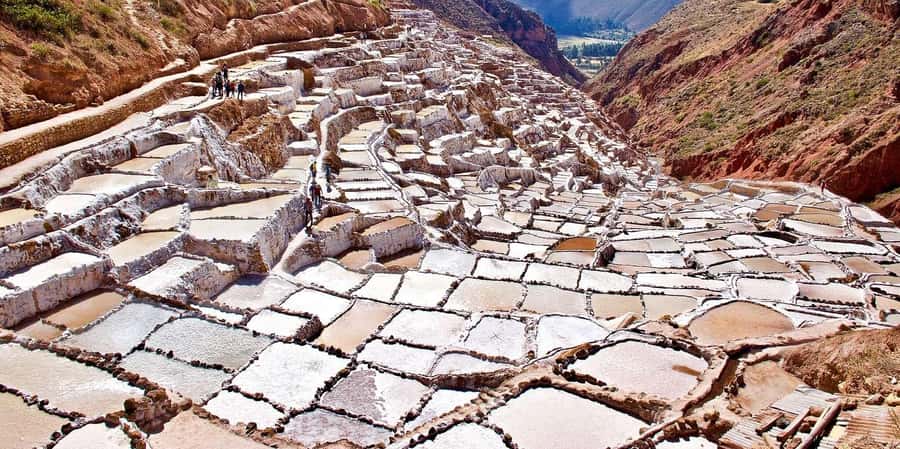
The Maras salt mines offer a very different scene. Instead of stone terraces used for crops, you see thousands of small pools arranged along the hillside. About 2,000 pools are still used by local families to extract salt.
The process is simple in principle. Saltwater moves through the pools, and evaporation leaves salt behind. Families continue to use traditional methods, making this more than an archaeological display. It is a working local industry connected to household income and long-standing practice.
I find Maras valuable because it links the past with the present in a direct way. The pools are visually unusual, but the stronger lesson is that the system remains useful. You are seeing an old method still applied by families today.
The salt pools can look different depending on conditions. Some may appear white and bright, while others may show darker water, wet surfaces, or less salt. Do not expect every pool to look like a postcard. The appeal is in the full hillside pattern and the human work behind it.
Entrance to Salineras is not included. You need to add 20 soles to your budget. This separate fee is easy to overlook when comparing tour prices, so calculate the total before booking.
The stop also requires practical care. You should follow the guide’s directions around the pools and avoid treating the working area like a playground. Bring a camera, but keep your attention on the site rather than only on the viewfinder.
A few more Sacred Valley trips worth lining up side by side
- Private Professional Guide in Machu Picchu from Aguas Calientes
★ 5.0 · 165 reviews - Guided Tour in the Sacred Valley of the Incas – Cusco
★ 5.0 · 125 reviews - 4-Day Machu Picchu , Sacred Valley and Cusco-Private Guided Tour
★ 5.0 · 113 reviews - Machu Picchu: Group Guided Tour
★ 4.7 · 102 reviews
Chinchero’s textile traditions
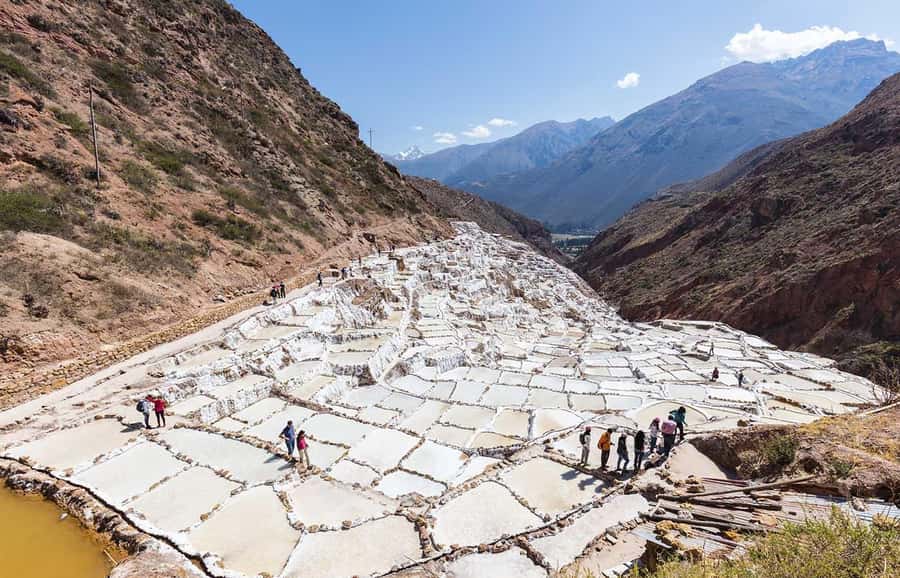
Chinchero provides the cultural center of the day. Here you visit a textile interpretation center and learn how local artisans transform wool and cotton into yarn.
The demonstration covers several stages. You can see how fibers are prepared, spun, and dyed with natural pigments. This gives you a better sense of the labor behind traditional Andean textiles, which are often admired mainly for their color and pattern.
I like this stop because it shows a skill that is still practiced rather than only preserved behind glass. The process makes the finished textiles easier to understand. Colors come from natural materials, and the yarn has passed through several careful stages before it becomes woven cloth.
You should treat the stop as a learning visit, not simply a shopping break. The most useful part is watching the technique and asking questions through the guide. If textiles interest you, this may be the most memorable part of the route because it connects an everyday object with the people and methods that produce it.
The supplied tour information does not specify how long the Chinchero visit lasts or whether purchases are expected. You can enjoy the demonstration without assuming that buying something is required. If you do want a textile, ask about the materials and dyeing process so you understand what you are considering.
Sacred Valley views between the stops
The road links several highland settings, and the views are part of the day rather than empty time between attractions. You will see broad Sacred Valley scenery along the route, with changing elevations and open mountain views.
The tour does not provide a detailed driving schedule, so the exact time spent on the road may vary. One reported day returned to Ollantaytambo around 15:30 after a lunch stop at approximately 13:30. Treat that as a useful example, not a guaranteed timetable.
The route can be especially pleasant when the vehicle moves between stops. You get a chance to rest your feet, look out the window, and understand how the sites fit into the wider region.
Still, this is a full-day tour, not a slow private excursion. The day includes several major stops, transport, explanations, and a return to Ollantaytambo. You should expect a steady pace rather than long periods at every site.
Guides can make or break the day
The strongest praise has gone to the guides. Juan Carlos was described as offering excellent English, answering questions freely, and taking plenty of photos. Yasmina was singled out as an excellent guide, and Yesica also received warm praise.
That matters because the value of the tour rests heavily on interpretation. Moray needs an explanation of microclimates and irrigation. Maras needs context about family ownership and salt extraction. Chinchero benefits from someone who can explain the textile process clearly.
The guide may also help the day run more smoothly once you meet. One group reached the sites before large tour buses because of the route and timing, which made the visits more comfortable. That advantage depends on the day’s schedule, but an organized guide can make a real difference.
The operator, Inspires Viagens, is a separate part of the experience. The sightseeing can be excellent while the pre-tour communication is frustrating. I would book only after confirming the pickup details and keeping your own written record of them.
Food, timing, and what to pack
Lunch is not listed as included, and one group ate around 13:30 after visiting the sites. Bring snacks so you are not relying on that exact timing. A small meal or substantial snack is especially useful if you get hungry early.
Your day pack should include:
- Comfortable shoes
- Water
- Sunscreen
- A sun hat
- A camera
- Snacks
These are not decorative suggestions. You will be outdoors at archaeological and salt-production sites, and the tour description gives no promise of shade or refreshments along the route.
The duration is listed as one day, but no fixed starting time is provided. You need to check availability for the departure options. The return to Ollantaytambo is included, which makes the tour practical for people based there.
If you are connecting to another activity afterward, leave plenty of room in your schedule. The reported return around 15:30 is encouraging, but traffic, stops, and group timing can change the finish.
Costs, tickets, and overall value
At $80, the tour is best judged as a transport-and-guide package rather than an all-inclusive attraction pass. You still pay for the tourist ticket and the Salineras entrance, so the final cost is higher than the headline price.
The included transport is useful because these sites are spread around the Cusco Region. A self-organized day would require arranging transport between three separate locations and deciding how much time to spend at each one. The professional guide adds the historical and cultural explanation that connects the stops.
The price makes the most sense for you if you want convenience, are staying in Ollantaytambo, and prefer having one person manage the route. It makes less sense if you already have private transport or want to spend a long time photographing one site.
You should also check the tourist ticket before departure. The supplied costs are 40 soles for nationals and 70 soles for foreign visitors. Since the ticket is not included, bring enough money for both entrance charges.
Who should choose this tour
I would recommend this experience to you if you want a broad Sacred Valley day with a clear mix of old and living culture. It suits first-time visitors who want Moray and Maras covered efficiently, especially when transport planning feels like work.
It is also a good fit for people who enjoy explanation. The guide’s role is not just to point out the next stop. The best parts depend on understanding why the terraces were built, how salt is gathered, and how fibers become dyed yarn.
You may prefer another arrangement if you need wheelchair access. The tour is specifically listed as unsuitable for wheelchair users.
It may also be a poor match if you need precise communication before departure or have a non-flexible afternoon connection. In that case, confirm every detail well ahead of time, or consider a private arrangement with direct contact.
Should you book this Moray, Maras, and Chinchero tour?
Book it if you want three distinct experiences in one day and value transport, a live English or Spanish guide, and a return to Ollantaytambo. Moray explains Inca farming, Maras shows a working salt system, and Chinchero brings traditional textile making into view.
Go in with realistic expectations. The price does not cover entrance fees, lunch is not included, the schedule is not fully fixed, and the operator’s communication needs checking. If you confirm the meeting details, bring snacks and sun protection, and allow flexibility on the return, this can be a rewarding and efficient day in the Sacred Valley.
FAQ
Where does the tour begin and end?
The tour includes pickup at a meeting point in Ollantaytambo and returns you to Ollantaytambo after visiting Moray, Maras, and Chinchero.
How long does the experience last?
The activity is listed as a one-day tour. The exact starting time depends on availability, and one reported return time was around 15:30.
What sites are included?
The route includes the archaeological site of Moray, the salt pools of Maras, and the town of Chinchero with its textile interpretation center.
Is transportation included?
Yes. Tourist transportation is included for the route from Ollantaytambo to the sites and back.
Is a guide included?
Yes. A professional live guide is included, with tours available in English and Spanish.
Are entrance fees included in the $80 price?
No. The tourist ticket costs 40 soles for nationals and 70 soles for foreign visitors. Entrance to Salineras costs 20 soles.
Is lunch included?
Lunch is not listed as included. Bring snacks, and plan for a meal during the day.
What should I bring?
Bring comfortable shoes, a sun hat, sunscreen, water, a camera, and snacks.
Can wheelchair users join the tour?
No. The experience is listed as unsuitable for wheelchair users.
Added recently around Sacred Valley
- Tour Sacred Valley with Maras and Moray★ 5.0 · 15 reviews
- Full day excursion in the Sacred Valley, Pisac, Ollantaytambo from Cusco City★ 4.5 · 12 reviews
- Full day tour of Sacsayhuaman,Q’enQo, Puka Pukara, and Sacred Valley Tour★ 5.0 · 10 reviews
- Full Day Sacred Valley of the Incas Private Tour★ 5.0 · 10 reviews
- Full Day in the Sacred Valley – The Pantry of Cusco★ 5.0 · 14 reviews
- Full Day Urubamba River Rafting Adventure★ 3.5 · 6 reviews
- Full-Day Tour in the Sacred Valley with Lunch★ 4.5 · 15 reviews
- Full Day Tour Sacred Valley of the Incas (Private)★ 5.0 · 7 reviews
Sacred Valley Tours, compared.
Sacred Valley & Maras Salt Mines Tour with Lunch
Read our review →
Moray, Maras Salt Mines & Chinchero Weavers Tour
Read our review →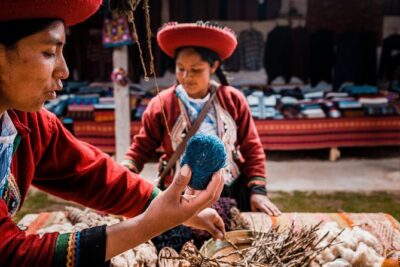
2-Day Tour: Sacred Valley and Machu Picchu by Train
Read our review →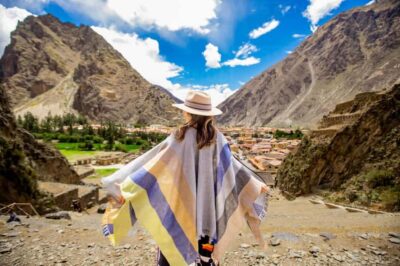
Sacred Valley, Pisac, Ollantaytambo, Salt Mines Moray
Read our review →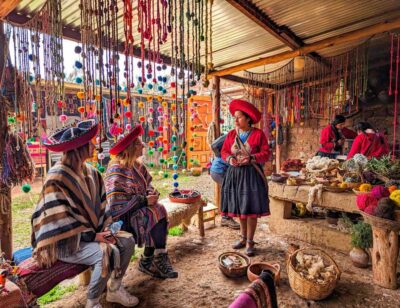
Chinchero,Moray & Salt Mines drop-off in Ollantaytambo
Read our review →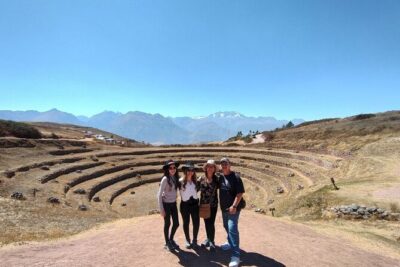
Sacred Valley and Maras Moray Tour with Full Day Buffet Lunch
Read our review →

Browse the lists this tour appears in