
Reviewed · PUNO TOURS
Full Day Guided Tour of the Aymara Route from Puno
Ancient stones meet Lake Titicaca.
This $40 Aymara Route tour takes you beyond Puno to Chucuito, Molloco, the mysterious Portal of Aramu Muru, and Juli. I like the mix of pre-Inca archaeology, local belief, and lakeside scenery. I also like the small-group limit of 15 people and the air-conditioned vehicle. The main caution is timing: the advertised visit lasts about 7 hours and 10 minutes, but one departure ran from 8 a.m. until around 5:30 p.m., so keep your afternoon open.
You will not get the polished, major-site experience found at Sillustani or Lake Titicaca’s best-known islands. Instead, you get a quieter route with modest archaeological remains, strong local legends, and a chance to see another side of the high plateau. The quality of the day may depend heavily on your guide, and optional activities and lunch can add to the basic price.
In This Review
- Key points to know before booking
- Why this route is different from a standard Puno day trip
- Chucuito and the curious stones of Inca Uyo
- Molloco’s Lupaca and Inca burial remains
- Walking toward the Portal of Aramu Muru
- Juli, the Rome of America, and the lakeside stop
- What the $40 price really covers
- Timing, group size, and practical comfort
- What can go wrong on the day
- Who should book the Aymara Route?
- Should you book this $40 day tour?
- FAQ
- Where does the Aymara Route tour start?
- How long does the tour last?
- Can the tour run later than the stated duration?
- What is included in the price?
- Is lunch included?
- Do water activities cost extra?
- What activities are available at Juli Beach?
- Is the cathedral in Juli visited inside?
- How large is the tour group?
- Is the tour suitable for most people?
- What is the cancellation policy?
Key points to know before booking
- Chucuito’s Inca Uyo features about eight carved stone phalluses linked to local fertility beliefs and rituals.
- Molloco shows the meeting of Lupaca and Inca traditions through three square chullpas and one circular burial structure.
- Aramu Muru is a myth-filled rock formation where you can walk, pause, and take part in a ceremony if one is offered.
- Juli Beach adds optional kayaking, ATVs, and jet skis, with water activities costing about $10.
- The $40 price covers transport and entrance fees listed for the route, but not lunch, drinks, or optional water sports.
- Allow extra time, since the day can run well past the stated 7-hour schedule.
Why this route is different from a standard Puno day trip
Puno is best known as the gateway to Lake Titicaca, but the Aymara Route points you toward lesser-known sites along the southern shore and inland plateau. You spend less time on a boat and more time looking at stonework, burial monuments, village squares, and unusual rock formations.
I like this route for people who have already seen the main lake attractions and want a second day with a different rhythm. It is not built around one spectacular monument. Its appeal comes from the connections between places: Aymara traditions, Lupaca burial customs, Inca influence, Catholic colonial architecture, and modern lakeside recreation.
The day lasts approximately 7 hours and 10 minutes, beginning at 8 a.m. The vehicle is air-conditioned, which matters on a long road day at high altitude. The group limit is 15 people, small enough to make questions possible without the feel of a large coach excursion.
The route is also reasonably priced. At $40 per person, transport and listed admission fees make this a useful value if you want several stops without arranging a private vehicle. The catch is that lunch is not included, and water activities at Juli cost extra.
A few more Puno trips worth lining up side by side
- From Cusco: Vinicunca Rainbow Mountain ATV Tour with Meals
★ 4.6 · 1,060 reviews - From Puno: Uros, Amantaní & Taquile Islands 2-Day Tour
★ 4.5 · 452 reviews - Tour to Uros and Taquile Islands in a Fast Boat
★ 5.0 · 419 reviews
Chucuito and the curious stones of Inca Uyo
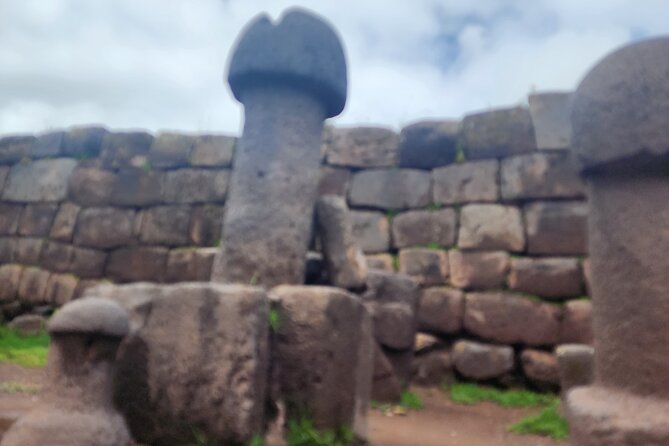
Chucuito is the first stop, and you receive about 30 minutes there. The main attraction is Inca Uyo, often called the Temple of Fertility. Inside are around eight stone phalluses, which have become the focus of stories about fertility and magical rituals for women who have trouble conceiving.
You should approach this stop with some care. The fertility explanation belongs to local belief and legend, and it has not been proven as historical fact. That does not make the site worthless. It shows how people give meaning to unusual ancient objects, and a good guide can help you separate archaeology from later interpretation without dismissing either one.
The site is small, so 30 minutes is enough for a look and an explanation. Do not expect a huge ceremonial complex. The interest is in the oddity of the stones and the way they remain part of local cultural memory.
I would treat Inca Uyo as a short introduction rather than the main reason to book the day. It is distinctive, easy to visit, and useful for setting up the route’s larger theme: the past here is still tied to belief and everyday identity.
Molloco’s Lupaca and Inca burial remains
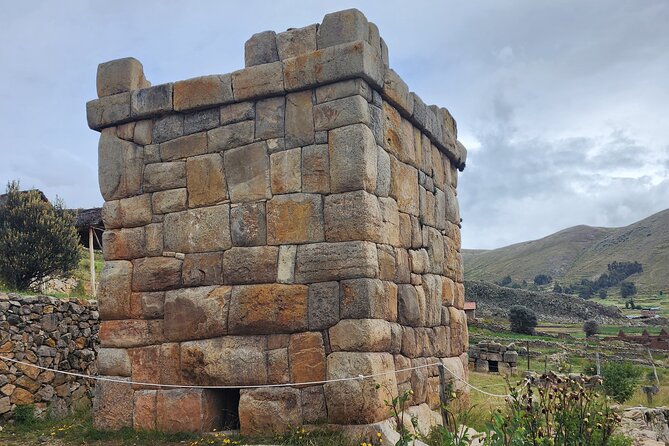
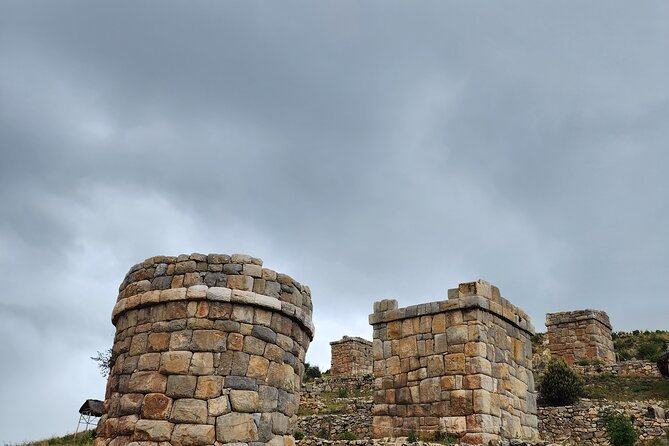
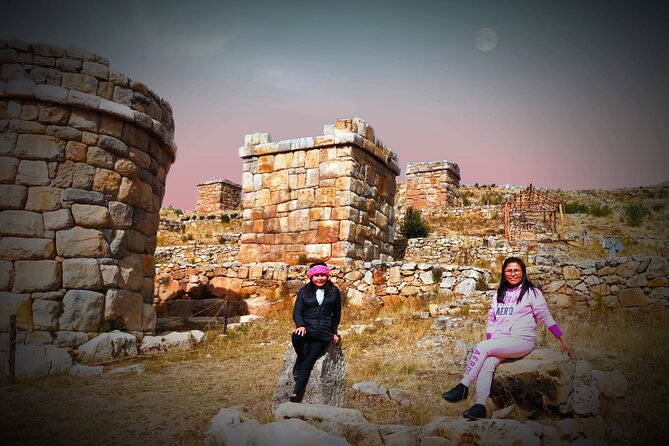
The second stop is Molloco, in the Acora area. You have about 30 minutes to see a pre-Inca settlement associated with the Lupaca culture. The site is especially useful for understanding how local traditions and Inca power existed side by side.
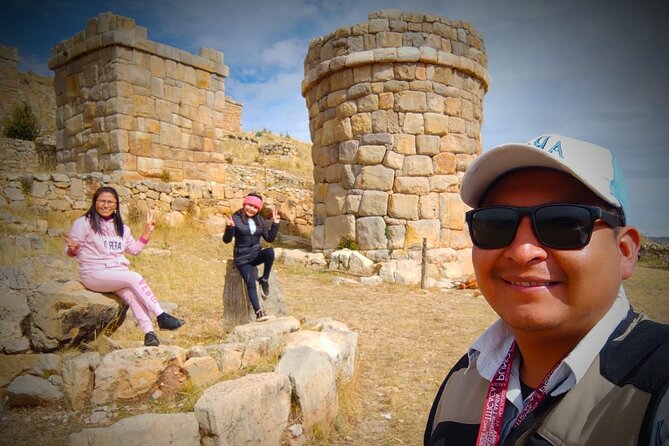
The burial remains include three square-shaped chullpas and one circular chullpa. These structures show different forms of funerary architecture and are presented as evidence of contact between the Lupaca and Inca cultures. The site also helps explain how the Lupaca area was later attached to the Inca Empire.
The remains are modest. If you have already visited Sillustani, you may find Molloco less impressive in scale and preservation. Sillustani is the stronger stop for dramatic burial towers, while Molloco offers a quieter look at cultural contact and local archaeology.
That difference matters. I would not book this route expecting four major monuments. Instead, use the stop as a compact history lesson. The short visit works well if your guide explains the chullpas clearly and gives you a sense of why the site matters.
Admission is listed as free, which helps the overall value. You are paying mainly for the vehicle, guiding, access to the other stops, and the convenience of linking several scattered places in one day.
Walking toward the Portal of Aramu Muru
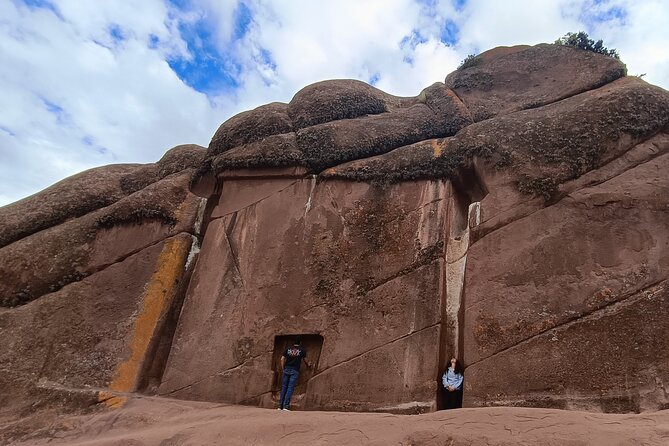
The Portal of Aramu Muru, also called Aramu Muru or Aramomuro in different spellings, is the most unusual stop on the route. It lies south of Ilave in the province of El Collao, between Ilave and Juli along the national road.
You get about an hour here, including a walk among the rock formations. The site carries a powerful mythological reputation, and some people come for meditation or spiritual reflection. A ceremony may also be part of the visit, depending on the guide and the day.
The attraction is not a grand building. It is a carved-looking rock formation and the atmosphere built around it. The stories connected with the portal are part of local and modern spiritual belief, not settled archaeological fact. That makes it important to keep your expectations realistic. You are visiting a place of legend, not a confirmed gateway to another world.
I like the time allowed here because an hour gives you more than a quick photograph. You can walk, look closely at the stone, and take a quiet moment if that suits you. The site can feel meaningful if you enjoy places where landscape, myth, and personal ritual overlap.
At the same time, commercialization can take some of the mystery away. Your experience may depend on how the visit is handled. A respectful guide will give you room to form your own view rather than pushing a spiritual interpretation.
Also leaving from Puno, and nothing like the above:
- From Puno: Floating Islands of the Uros Half-Day Tour
★ 4.4 · 394 reviews - Uros and Taquile Islands on New and Comfortable SpeedBoat
★ 4.5 · 254 reviews - Lake Titicaca (Day Trip) Uros & Taquile Islands
★ 4.5 · 245 reviews - Lake Titicaca 2-Day Tour to Uros, Amantani and Taquile
★ 4.4 · 199 reviews
Juli, the Rome of America, and the lakeside stop
After the Aramu Muru visit, the route reaches Juli. The schedule allows about an hour for the town and its lakeside area. In the main square, you can see the cathedral from outside. Juli is sometimes called the Rome of America because of its historic churches and Catholic influence.
The cathedral visit is not included as an interior tour, and entry to the church is optional. That detail is worth noting if church interiors are a major reason for your interest. The square itself is a short stop, not a full town tour.
The route then continues toward Juli Beach, where you can see Lake Titicaca and choose from optional activities. Kayaking, ATVs, and jet skis are available for an additional cost of about $10 for water activities. These options can add energy to a day that otherwise focuses on ruins and historical sites.
The beach may not match your picture of a pristine resort shoreline. Its value is as a local recreation area and a place to see the lake from a different angle. I would consider the activities only if you want a break from cultural sightseeing and are comfortable paying extra.
Juli is also where the timing can become less predictable. Lunch may be arranged during the stop, but it is not included in the tour price. Since the food cost and restaurant choice are separate from the booking, you should carry some extra money and avoid assuming that lunch is covered.
What the $40 price really covers
The price is one of the strongest parts of this excursion. For $40, you receive transportation in an air-conditioned vehicle and the listed admission fees for Chucuito and the Portal of Aramu Muru. Molloco has no admission charge, and the other listed attractions are either free or optional.
That is good value if you want a guided route rather than negotiating separate transport to several outlying places. The route covers enough ground that a public transport solution would be slower and less convenient, especially if you want explanations at each site.
Still, the base price is not the full cost of the day. Budget separately for:
- Lunch
- Water and other drinks
- About $10 for optional water activities
- Any optional church entry at Juli
One guide, Pablo, received especially warm praise for his organization, pacing, explanations, and extra drone footage. The footage was described as professionally made and provided without an added charge. That is a pleasant bonus, but you should not assume drone videos are guaranteed on every departure.
Guide quality matters here more than at a simple transfer. Inca Uyo, Molloco, and Aramu Muru all need context. Without clear explanations, they can look like a few stones and a rock wall. With a strong guide, they become part of a larger story about fertility beliefs, burial customs, cultural contact, and sacred places.
Timing, group size, and practical comfort
The meeting time is 8 a.m. The formal duration is about 7 hours and 10 minutes, but you should not plan a tight connection or evening reservation immediately afterward. One departure was expected to end around 3 p.m. but continued until roughly 5:30 p.m., partly because of additional stops and lunch arrangements.
That is the most important practical warning. Ask at the start of the day how long the route is expected to take and whether any extra stops have been added. A longer day may be welcome if you have free time. It can be frustrating if you have a train, bus, or dinner booking.
The vehicle is air-conditioned, a useful comfort on a full day of driving. The maximum group size is 15, and most people can participate. Service animals are allowed, and the meeting area is near public transportation.
The walking element at Aramu Muru lasts about an hour. You should be comfortable walking over uneven ground, though the available information does not give a trail difficulty rating. If you have mobility concerns, ask the provider for a more precise description before paying.
You may want water, sun protection, and a light layer. Those are sensible supplies for a full day around Puno, though the tour does not specifically provide water.
What can go wrong on the day
The route has a few possible weak points. First, the stops are not all major attractions. Chucuito’s fertility temple is small, Molloco is less imposing than Sillustani, and Juli may feel underwhelming if you expect a grand colonial town.
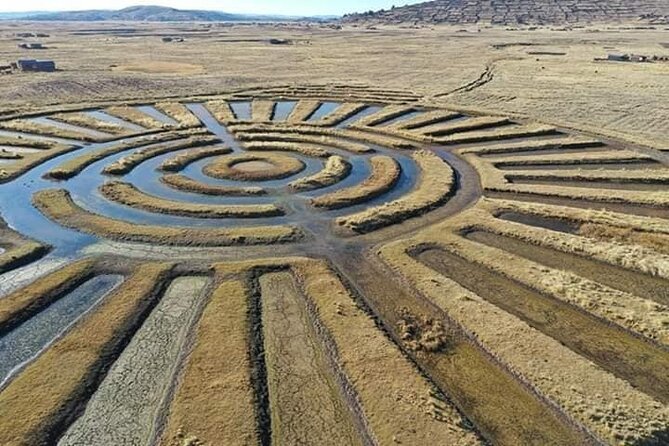
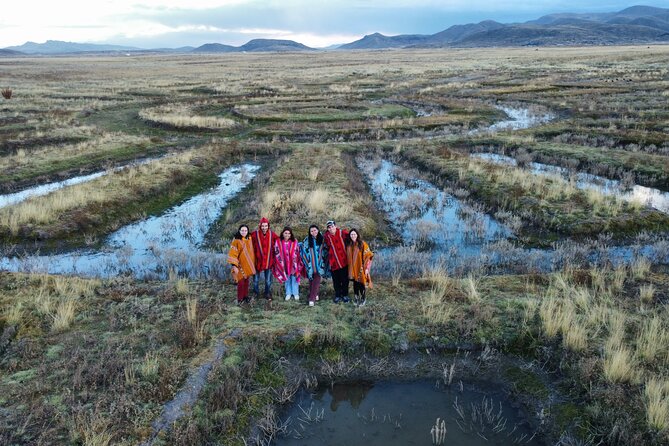
Second, additional stops can appear. A stop at a waru waru, an agricultural field feature, was described as an unpleasant detour because of stagnant water, smells, insects, and animal waste. Since that stop is not part of the core route described here, ask whether it is planned before you set off.
Third, lunch arrangements may not suit everyone. Lunch is not included, and one account described concerns about restaurant cleanliness and food preparation. I would carry a backup snack and ask to see the menu or location before committing to a meal.
Finally, the use of a drone may be fun for some people and intrusive for others. Pablo’s drone footage was a highlight for one group, while another guide’s repeated requests for everyone to wave at the camera felt forced. You should feel free to opt out of photos or video if you prefer to enjoy the sites quietly.
The route is recommended by 98 percent of people who rated it, with an average score of 4.9 from 55 ratings. That is a strong overall result, but the sharp contrast between enthusiastic and very negative experiences tells you something useful: expectations, guide style, added stops, and timing can shape the day a great deal.
Who should book the Aymara Route?
I would recommend this tour to you if you have an extra day in Puno, enjoy archaeology in smaller doses, and want to see places beyond the usual Lake Titicaca circuit. It suits people who like local legends, short walks, and a mix of historical and modern stops.
It is also a good fit if you want an affordable guided day without paying for a private car. The small group size and air-conditioned vehicle make the long route easier than arranging each stop alone.
I would be more cautious if you want spectacular ruins, polished visitor facilities, or a tightly controlled schedule. If Sillustani already impressed you, Molloco may feel secondary. If you are looking for a beautiful beach, Juli Beach may not meet that standard.
The strongest reason to book is the combination of places. The day gives you fertility symbolism in Chucuito, Lupaca and Inca burial remains at Molloco, spiritual legend at Aramu Muru, and a view of Juli and Lake Titicaca. None of these stops carries the whole day alone, but together they create a worthwhile look at southern Puno.
Should you book this $40 day tour?
Book it if you want a reasonably priced, guide-led route through lesser-visited sites and you have plenty of flexibility after 3 p.m. The best version of the day includes a strong guide, careful timing, and enough space at Aramu Muru for a calm visit.
Before booking, be clear about three things: the likely return time, whether lunch or extra stops will be added, and what optional activities cost. If you accept that some sites are modest and that Juli is more of a short lakeside stop than a grand finale, the Aymara Route can be a rewarding second day in Puno.
Free cancellation is available if you cancel at least 24 hours before the start time. Changes or cancellations made within 24 hours are not accepted for a refund.
FAQ
Where does the Aymara Route tour start?
The tour starts in Puno at 8:00 a.m.
How long does the tour last?
The stated duration is approximately 7 hours and 10 minutes.
Can the tour run later than the stated duration?
Yes. One departure continued until about 5:30 p.m., so you should allow extra time after the scheduled end.
What is included in the price?
The $40 price includes an air-conditioned vehicle and the listed admission fees for the included sites.
Is lunch included?
No. Lunch is not included in the tour price.
Do water activities cost extra?
Yes. Water activities at Juli cost about $10.
What activities are available at Juli Beach?
Optional activities include kayaking, ATVs, and jet skis.
Is the cathedral in Juli visited inside?
The cathedral is viewed from the outside. Entry to the church is optional.
How large is the tour group?
The tour has a maximum of 15 people.
Is the tour suitable for most people?
Yes. Most people can participate, and service animals are allowed. The route also includes about an hour of walking at the Portal of Aramu Muru.
What is the cancellation policy?
You can cancel at least 24 hours before the start time for a full refund. Cancellations or changes made less than 24 hours before the start time are not accepted for a refund.
Added recently around Puno
- Walking City tour Puno★ 4.5 · 12 reviews
- Uros Sunset Kayak Private Tour★ 5.0 · 5 reviews
- Uros Reed Floating Islands & Taquile Island Titicaca Puno Full Day★ 4.0 · 38 reviews
- Uyuni Express 3 days from Puno Copacabana and Isla del Sol★ 5.0 · 16 reviews
- Two-Day Tour to Uros with Amantani and Taquile from Puno★ 5.0 · 44 reviews
- Uros Amantani Taquile Full Day tour★ 5.0 · 7 reviews
- Uros Floating Islands★ 3.0 · 13 reviews
- Tour island Uros, Amantani and Taquile 02days/01 night lake titicaca★ 5.0 · 5 reviews
Puno Tours, compared.

Vinicunca Rainbow Mountain ATV Tour with Meals
Read our review →
Tour to Uros and Taquile Islands in a Fast Boat
Read our review →
Uros and Taquile Islands on New and Comfortable SpeedBoat
Read our review →
Lake Titicaca (Day Trip) Uros & Taquile Islands
Read our review →
Lake Titicaca 2-Day Tour to Uros, Amantani and Taquile
Read our review →
Browse the lists this tour appears in