
Reviewed · SACRED VALLEY TOURS
Full Day in the Sacred Valley – The Pantry of Cusco
Sacred Valley sights come thick and fast. This 10-hour tour gives you a useful first look at Cusco’s agricultural heartland, combining Pisac ruins and market time with Awana Kancha and Ollantaytambo. I especially like the air-conditioned vehicle and small maximum group of 16, which make a long day easier, and the strong guide service, with Ricardo Yana Curi receiving repeated praise for clear explanations, patience, humor, and careful timing.
The main drawback is cost clarity. The $68 price does not include the Cusco Tourist Ticket, and lunch drinks are extra. A buffet lunch may also cost more, so you should ask exactly what is included before booking. The Ollantaytambo stop is listed as lasting only one minute, which is almost certainly a scheduling error, but it is worth confirming.
In This Review
- Key points to know before you book
- Why this Sacred Valley day works for first-time visitors
- Awana Kancha: camelids and living textile traditions
- Pisac ruins: terraces, cemetery, and a high view
- Pisac Market: shopping with a little strategy
- Lunch in the valley: check the extra costs
- Ollantaytambo: the grand finish
- The guide can make or break the day
- Transport, group size, and physical effort
- Is $68 good value?
- Who should choose this Sacred Valley tour?
- Should you book it?
- FAQ
- What time does the tour start?
- How long does the tour last?
- Where does the tour end?
- Which language is the guided tour offered in?
- Is lunch included in the price?
- Is the Cusco Tourist Ticket included?
- How many people can join the tour?
- What level of fitness is required?
- Can I cancel for a full refund?
Key points to know before you book

- Awana Kancha begins the day with camelids and weaving: You can see South American camelids and learn about ancestral textile methods without paying a separate admission fee.
- Pisac combines ruins with a famous market: The archaeological complex focuses on terraces and a pre-Hispanic cemetery, while the market gives you time to shop and negotiate.
- Ollantaytambo brings the biggest Inca remains: The old village, canals, cobbled streets, fortress, and ceremonial center give the final part of the day real historical weight.
- Ricardo is a particularly praised guide: His detailed explanations, friendly manner, patience, and ability to keep the day moving are repeated strengths.
- The $68 price is not the complete tour budget: Add the Cusco Tourist Ticket, drinks, and possibly a buffet lunch.
- This is a full day with moderate physical demands: You should be comfortable walking and climbing at archaeological sites.
Why this Sacred Valley day works for first-time visitors
Peru can feel like a lot to take in at once. Cusco sits high in the Andes, the Inca story covers centuries, and the Sacred Valley stretches across several towns and archaeological sites. A guided day helps you connect the pieces without spending time working out transport between each stop.
This tour is designed as an efficient introduction rather than a slow, deeply focused study of one place. You leave at 7:30 a.m., travel in an air-conditioned vehicle, and return to the original meeting point after about 10 hours. That makes it useful if you have limited time in Cusco or want a broad first outing before deciding which sites deserve another visit.
The maximum group size is 16. That is small enough for a guide to keep an eye on the group and answer questions, but it is not a private tour. Your pace will still be shaped by the whole group, especially at the ruins and market.
You receive a professional guide in either English or Spanish, not a bilingual tour. Audio guides are also included. The strongest praise has gone to Ricardo, who led several departures and was described as especially clear about Inca history, careful with timing, and attentive when people needed help on the ruins. One particularly useful detail is that he helped a group reach its hotel after the tour, even carrying a large suitcase up the stairs toward San Blas. That is not a promised service, but it suggests a guide willing to help when plans become awkward.
More Sacred Valley days out:
- From Cusco: Moray, Maras Salt Mines & Chinchero Weavers Tour
★ 4.8 · 1,925 reviews - 2-Day Tour: Sacred Valley and Machu Picchu by Train
★ 5.0 · 1,127 reviews - Cusco: Sacred Valley, Pisac, Ollantaytambo, Salt Mines Moray
★ 4.6 · 1,058 reviews
Awana Kancha: camelids and living textile traditions
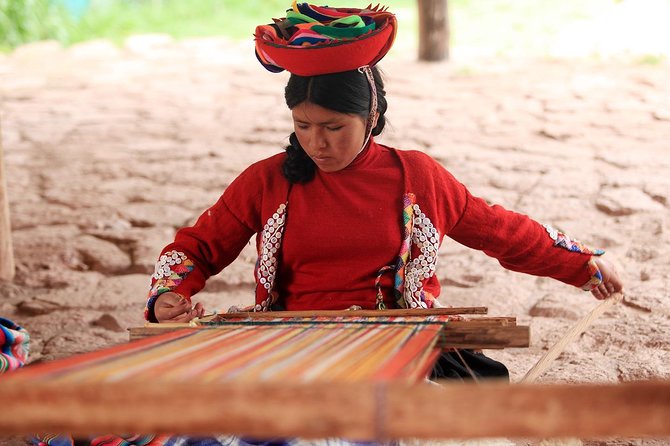
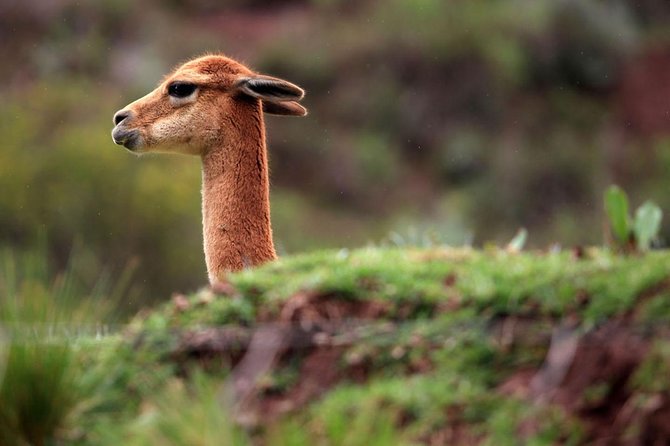
The first stop is Awana Kancha, a textile center where you learn about ancestral weaving techniques and look closely at South American camelids. Admission is listed as free, so this is an easy opening stop that adds cultural context before the archaeological sites.
I like the choice of subject. Textiles are not just souvenirs in the Andes. They carry patterns, techniques, and local identity, and seeing how they are made gives you a better way to understand the woven goods sold later at Pisac Market.
The camelids add another memorable element. You can expect to look closely at the animals of the Andes, rather than simply hearing about them in a museum or from a guidebook. The stop lasts about 25 minutes, so do not expect a long workshop or a detailed textile course. Think of it as a compact introduction that prepares you for the craft stalls later in the day.
Because the visit is short, your experience may depend on how much time the group spends at each part of the center. If you are especially interested in weaving, ask your guide which techniques and materials you are seeing. The audio guide may also help fill in details while you move through the stop.
Pisac ruins: terraces, cemetery, and a high view
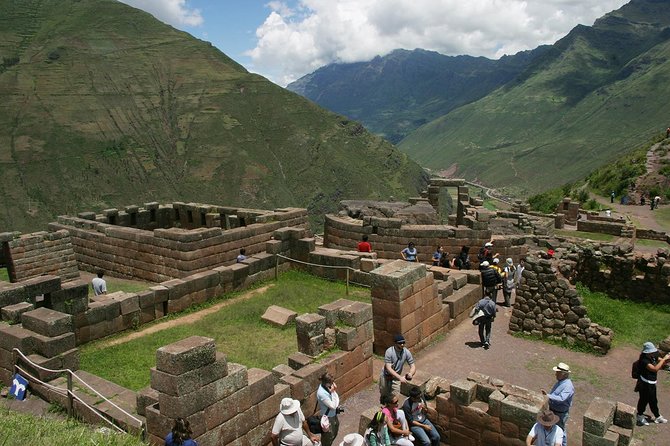
Pisac is the historical core of the day. The archaeological complex includes an agricultural area and a pre-Hispanic cemetery, offering two different ways to understand the site.
The agricultural terraces show how carefully the Inca used steep mountain slopes. They were not only practical farming spaces. They also reveal the planning and engineering needed to grow food in difficult terrain. This connects directly with the tour’s title, The Pantry of Cusco, because the Sacred Valley has long been linked to food production.
The cemetery gives you a more sobering glimpse of the past. It is important to treat this area with respect and listen closely to the guide’s explanation. A good guide can help you understand why the location mattered and how it fit into the wider settlement.
The scheduled visit lasts about 45 minutes. That is enough for a guided overview, but not enough for an unhurried exploration of every corner. I would stay close to the guide at Pisac, since this is where a clear explanation adds the most value. Ricardo was repeatedly praised for making the Inca past understandable, and this is the stop where that skill matters most.
You should also expect some walking and climbing. The tour information calls for a moderate level of physical fitness, and one direct account notes that Ricardo took his time and checked that people were doing well on the ruins. Still, the support of a considerate guide does not remove the need for sensible shoes and a steady pace.
Pisac Market: shopping with a little strategy
After the archaeological complex, you spend about an hour at Pisac Market. This is your chance to shop for handicrafts and practice bargaining, with the stated goal of negotiating a good souvenir price.
I like having a full hour here. Market stops can be frustrating when they last only a few rushed minutes, especially if you want to compare colors, patterns, and prices. An hour gives you time to look around, decide what you actually want, and negotiate without treating the whole visit like a race.
The practical rule is simple: do not buy the first item you see. Walk through the market, compare similar goods, and then return to the piece you like best. Keep your tone friendly. Bargaining works better as a social exchange than as a contest.
The tour is also structured so that Awana Kancha comes first. That gives you a little background on Andean textiles before you reach the stalls. You may recognize techniques or motifs more easily after seeing them introduced earlier.
The limitation is that the market is a shopping stop, not a quiet cultural visit. If you do not plan to buy anything, an hour may feel long. You can still use the time to observe the colors, weaving, and range of handicrafts, but this part of the tour is most useful if you enjoy browsing.
A few more Cusco trips worth lining up side by side
- Classic Inca Trail Trek 4D/3N to Machu Picchu (Group Service)
★ 5.0 · 8,653 reviews - Cusco: Rainbow Mountain and Red Valley Day Trip with Meals
★ 4.9 · 4,893 reviews - Machu Picchu: 4-Day Inca Trail Trek with Panoramic Train Ride
★ 5.0 · 4,568 reviews - Salkantay Classic Trek 5 Days from Cusco
★ 5.0 · 4,062 reviews
Lunch in the valley: check the extra costs
Lunch is not presented as a separate numbered stop, but the tour information says drinks during lunch are not included. Direct experience with this tour also points to a buffet lunch that costs extra, with Tunupa Restaurant in Urubamba recommended on one departure. Live Andean music was also part of that lunch experience.
That combination can be pleasant after a morning of ruins and walking. A buffet lets you choose your portion and avoid spending too much time waiting for a dish, while Andean music adds a sense of place. Still, you should not assume the meal is covered by the $68 price.
Ask before departure:
- Is the buffet lunch optional or part of the planned schedule?
- What is the current lunch price?
- Are drinks extra?
- Is Tunupa the standard restaurant or only one possible recommendation?
This matters because the advertised price looks attractive for a 10-hour guided outing, but your final cost will be higher once you add the Cusco Tourist Ticket and food expenses. The tour can still be good value, especially with transport and guide service included, but you should compare the full day’s cost rather than the headline figure alone.
Ollantaytambo: the grand finish
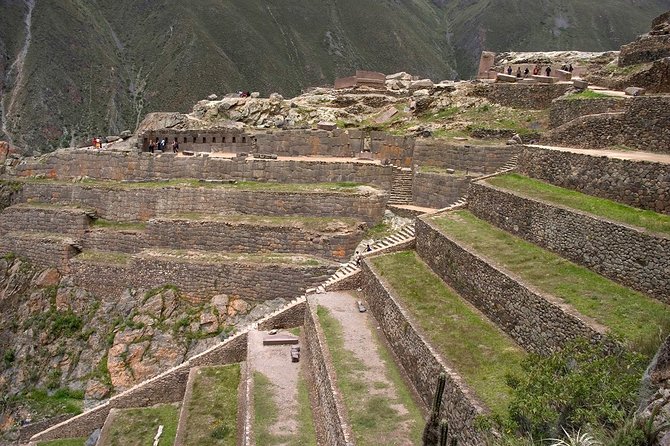
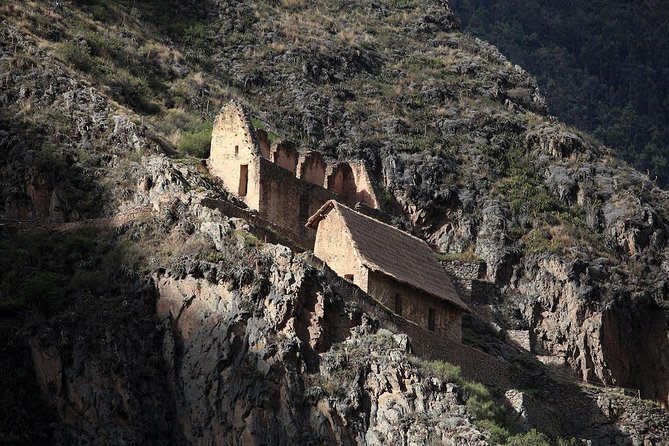
Ollantaytambo is the most dramatic historical stop on the route. It is an Inca-origin village with canals and cobbled streets that remain in use. Above the town rises a ceremonial center and fortress that guarded access to the lower part of the valley.
The combination of living town and archaeological site is what makes Ollantaytambo special. You are not looking at ruins separated from daily life. You can see old street planning and water channels alongside a functioning settlement, then look up toward the high stone complex.
The fortress and ceremonial center also give the guide room to explain military and religious functions together. The site was not simply a defensive wall, and it was not only a ceremonial platform. Its position helped control movement through the valley, while its upper structures showed the importance of the place.
The published schedule assigns one minute to this stop. That cannot realistically describe a full visit to the village, fortress, and ceremonial center, so I would treat it as a likely data error and confirm the actual timing with the operator. The tour descriptions and direct accounts clearly indicate that Ollantaytambo is visited as a substantial part of the day, not as a roadside glance.
If you are staying in Ollantaytambo afterward, ask about ending there rather than returning to Cusco. The stated ending is back at the meeting point, but one guide helped a group reach its hotel after the tour. That assistance was personal rather than a guaranteed transfer, so make your onward plans clear before the day begins.
The guide can make or break the day
A Sacred Valley tour covers several stops, but the guide is what turns the route into a connected experience. Without good explanations, the day can become a sequence of photo stops, market stalls, and names that blur together.
Ricardo Yana Curi receives the most consistent praise. The useful traits are not just his command of Inca history. He was also described as friendly, patient, humorous, detailed, and good at keeping the group on schedule. Those qualities matter because a 10-hour tour can lose its shape if every stop runs late.
Another guide, Pamela, was praised for making Peru easier to understand for beginners and for staying close to the group’s needs. That is important if this is your first visit to Peru and you are still getting used to the altitude, terminology, and pace of sightseeing.
Guide assignments can change, so you should not book on the assumption that Ricardo or Pamela will lead your departure. Still, the pattern of praise suggests that the provider places real value on guide quality. You also receive audio guides, which can help when you want a second explanation or miss a detail during a group talk.
Transport, group size, and physical effort
The air-conditioned vehicle is a practical advantage. The Sacred Valley day is long, and comfortable transport gives you a place to rest between stops. On a road-based excursion, a courteous, careful driver matters just as much as the vehicle itself. Direct praise for the driving supports that part of the service.
The group limit of 16 keeps the outing more manageable than a large coach tour. You should still expect a shared schedule, shared stops, and some waiting for people to rejoin the group. The small size is most useful when the guide explains the ruins or helps with questions.
The tour requires moderate physical fitness. Pisac and Ollantaytambo involve archaeological areas with uneven surfaces and climbing. I would choose supportive footwear, carry water, and avoid packing a heavy day bag. These are simple choices, but they make the difference during a full day at altitude.
Service animals are allowed, and the meeting point is near public transportation. The details provided do not specify the exact meeting address, vehicle accessibility, or restroom arrangements, so you should request those details if they affect your planning.
Is $68 good value?
At $68 per person, the tour is priced attractively for a 10-hour guided day with transport, air conditioning, a professional guide, and a group capped at 16. You also receive audio guides, and admission is listed as free at Awana Kancha and Pisac within the tour details.
The major catch is the Cusco Tourist Ticket, which is not included. Drinks during lunch are extra, and a buffet lunch may also require additional payment. The value is strongest if you want convenience and a clear introduction, rather than the lowest possible out-of-pocket price.
I would compare the tour by asking what you would otherwise pay for transport, site access, and a guide. The guide’s explanations are especially valuable at Pisac and Ollantaytambo, where background turns stone terraces and walls into understandable places. If you arrange each segment yourself, you may gain flexibility, but you will also take on more planning.
Free cancellation is available if you cancel at least 24 hours before the 7:30 a.m. start time. Changes made within 24 hours are not accepted, and late cancellations are not refunded. The operator may also reschedule or refund the tour if poor weather or an insufficient number of bookings forces cancellation.
Who should choose this Sacred Valley tour?
I would recommend it to a first-time Cusco visitor who wants the main Sacred Valley sights in one day. It also suits anyone with a short stay, families who value organized transport, and people who prefer explanations from a guide instead of piecing together the sites alone.
The tour is particularly good for beginners because the guide helps make the region easier to understand. It also works for shoppers who want a proper hour at Pisac Market rather than a rushed stop.
I would hesitate if you want a quiet, slow visit with long stretches at each ruin. The schedule covers a lot, and the day may feel packed. I would also hesitate if you want a fully inclusive price, since tickets, drinks, and possibly lunch sit outside the base fare.
Should you book it?
Book this tour if you want an efficient first look at the Sacred Valley, especially with a strong English or Spanish-speaking guide and a small shared group. The combination of camelids, weaving, Pisac’s terraces and cemetery, market time, and Ollantaytambo gives you a useful spread of culture, shopping, agriculture, and Inca architecture.
Before paying, confirm the current lunch arrangement, the Cusco Tourist Ticket cost, and the real length of the Ollantaytambo visit. If those extra costs fit your budget and you are ready for a long day of walking, the $68 base price offers a sensible way to get oriented.
FAQ
What time does the tour start?
The tour starts at 7:30 a.m.
How long does the tour last?
The experience lasts approximately 10 hours.
Where does the tour end?
The activity ends back at the meeting point.
Which language is the guided tour offered in?
The guided tour is offered in English or Spanish. It is not bilingual.
Is lunch included in the price?
The provided information does not clearly state that lunch is included. A buffet lunch may cost extra, and drinks during lunch are not included.
Is the Cusco Tourist Ticket included?
No. The Cusco Tourist Ticket, also called BTC, is not included.
How many people can join the tour?
The tour has a maximum group size of 16 people.
What level of fitness is required?
A moderate level of physical fitness is recommended because the tour includes archaeological sites with walking and climbing.
Can I cancel for a full refund?
Yes, if you cancel at least 24 hours before the experience start time. Cancellations made less than 24 hours before the start are not refunded.
Added recently around Cusco
- Guided tour of the mountain of colors in Cusco★ 5.0 · 11 reviews
- 2-Day Private Short Inca Trail to Machu Picchu★ 5.0 · 15 reviews
- Tour Sacred Valley with Maras and Moray★ 5.0 · 15 reviews
- San Pedro Market Tour with Peruvian Cooking Class★ 5.0 · 31 reviews
- City Tour Cusco – Group★ 5.0 · 4 reviews
- Walking Culinary Experience★ 5.0 · 41 reviews
- City Tour in Cusco★ 4.5 · 10 reviews
- One Day Tour to Humantay Lagoon★ 5.0 · 8 reviews
Sacred Valley Tours, compared.
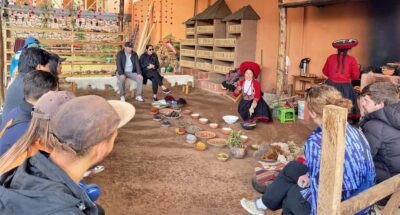
Sacred Valley & Maras Salt Mines Tour with Lunch
Read our review →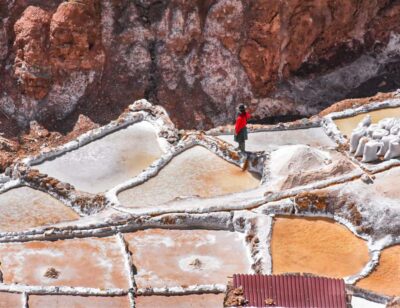
Moray, Maras Salt Mines & Chinchero Weavers Tour
Read our review →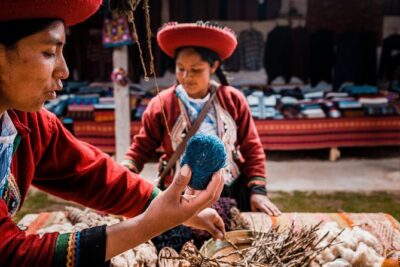
2-Day Tour: Sacred Valley and Machu Picchu by Train
Read our review →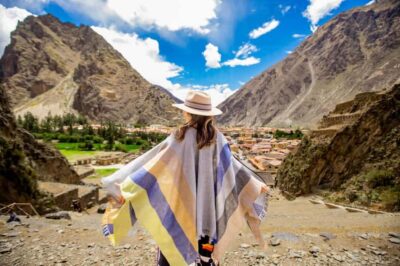
Sacred Valley, Pisac, Ollantaytambo, Salt Mines Moray
Read our review →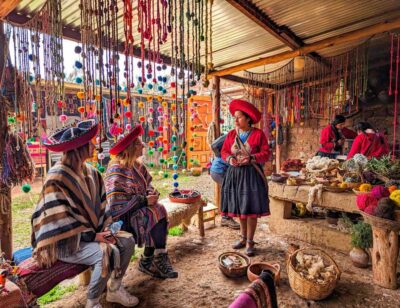
Chinchero,Moray & Salt Mines drop-off in Ollantaytambo
Read our review →
Sacred Valley and Maras Moray Tour with Full Day Buffet Lunch
Read our review →

Browse the lists this tour appears in