
Reviewed · PUNO TOURS
FULL DAY QUECHUA ROUTE on shared service
Three stops, one long day. The Quechua Route links major sights around Puno with local culture, old churches, archaeological remains, and the famous Pukara bulls. I like the strong mix of history and living tradition, plus the low $40 price for a nine-hour shared trip. The main drawback is the pace: with Sillustani, Lampa, Pukara, lunch, and the return to Puno, you should expect a full day on the road rather than a leisurely outing.
I also like that the group is limited to 22 people and that the tour uses an air-conditioned vehicle. Guide Juan Carlos has earned special praise for clear explanations from start to finish, but guide assignments can vary, so you should not assume he will lead every departure. Pickup is offered, yet the stated meeting point is the Qhapaq Adventures office at Jr. Cajamarca 243.
In This Review
- Key points to know before booking
- Why this Quechua route is worth your day
- 8:00 am departure from Puno
- Sillustani and the Atuncolla community stop
- Lampa, the Pink City of Puno
- Pukara: lunch, archaeology, and ceramic bulls
- The return to Puno and the shared-service tradeoff
- What the $40 price really covers
- Who should book this day trip?
- Practical booking advice
- Should you book the Quechua Route?
- FAQ
- Where does the Quechua Route start?
- What time does the tour begin?
- How long does the experience last?
- Which places does the tour visit?
- Is lunch included?
- Is transportation included?
- Is the tour offered in English?
- How many people can join the shared service?
- Can I cancel for a full refund?
Key points to know before booking
- Sillustani begins the day with ancient burial towers, plus a short community tourism stop in Atuncolla.
- Lampa gives you a compact cultural visit covering the Black Pieta, San Santiago de Apostol Temple, and catacombs.
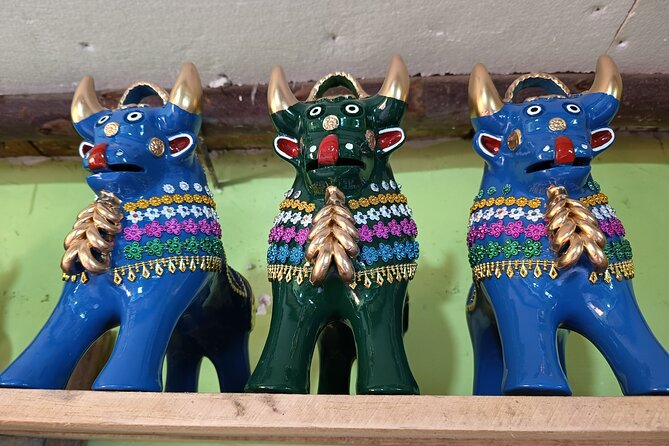
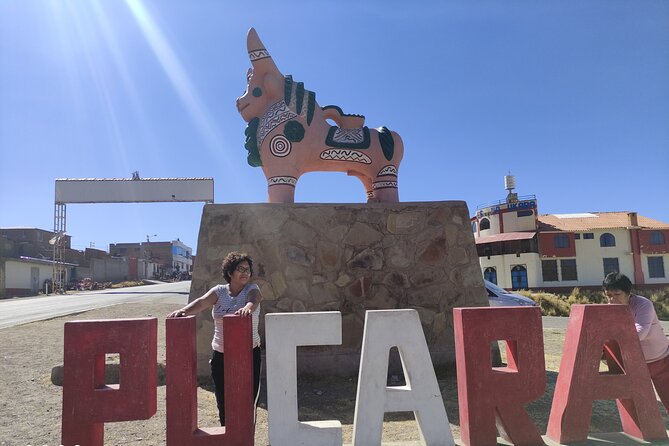
- Pukara combines lunch with local craft tradition, including a workshop devoted to the familiar Pukara bulls.
- The $40 shared price is strong value for transport and several major sights, but lunch is extra.
- The day lasts about nine hours, with roughly one hour at Sillustani, one hour in Lampa, and two hours at Pukara.
- The group can reach 22 people, so this suits social, budget-minded visitors more than people seeking a private guide.
Why this Quechua route is worth your day
Puno is best understood beyond its lakeside promenade. This route takes you inland, across high open country, to places that explain the cultures around the region in different ways.
Sillustani shows the ceremonial side of the past. Lampa brings you into a historic town with religious art and underground spaces. Pukara connects archaeology with a living craft tradition that you can take home in the form of its small ceramic bulls.
I like this three-part design because the stops do not feel identical. You are not spending the whole day looking at one type of ruin. Instead, the route moves from pre-Inca burial structures to colonial-era religious buildings and then to a workshop rooted in local identity.
The shared format keeps the cost down. At $40 per person, the tour includes an air-conditioned vehicle and admission for the Pukara portion, while the listed Sillustani and Lampa visits have no separate admission charge. Lunch is not included, so keep extra money available for the midday meal.
The tradeoff is control. A private tour would give you more freedom to linger, take photographs, or change the order. On this shared trip, the guide must keep a group moving so everyone returns to Puno on time.
A few more Puno trips worth lining up side by side
- From Cusco: Vinicunca Rainbow Mountain ATV Tour with Meals
★ 4.6 · 1,060 reviews - From Puno: Uros, Amantaní & Taquile Islands 2-Day Tour
★ 4.5 · 452 reviews - Tour to Uros and Taquile Islands in a Fast Boat
★ 5.0 · 419 reviews
8:00 am departure from Puno
The day starts at 8:00 am from the office at Jr. Cajamarca 243, Puno 21001. Pickup can be coordinated, but the clearest instruction is to go directly to the office or contact the operator ahead of time.
I would arrive early. The tour has several stops and a long return journey, so a late start can affect the whole group. Confirmation is provided at booking, which makes the meeting plan fairly simple, but you should still confirm pickup details if you are staying somewhere outside the immediate city center.
The air-conditioned vehicle matters here. This is a full-day road trip with time spent moving between towns and archaeological sites. A comfortable vehicle makes the hours between stops easier, especially when the group reaches its maximum of 22 people.
The route is offered in English. Since the quality of a cultural tour depends heavily on explanation, ask at the start who your guide is and how the timing will work. Juan Carlos has been singled out for particularly strong explanations, though the operator may assign a different guide.
Sillustani and the Atuncolla community stop
The first destination is Sillustani, reached after leaving Puno at 8:00 am. Before or around the visit, the route includes a short stop in Atuncolla focused on community tourism.
That detail gives the morning more depth. Sillustani is not just a photo stop. Its archaeological remains include tall burial towers associated with the Colla people, and the setting helps you understand why this place is one of the best-known ancient sites near Puno.
You are scheduled for about one hour at Sillustani. That is enough for a guided look and photographs, but it is not a long archaeological study. I would listen closely to the explanation, then use the remaining time for pictures and a steady walk around the site.
The open setting can make the visit feel dramatic, but it also means you should prepare for exposure. The supplied details do not list weather equipment or refreshments, so bring whatever personal protection you normally need for a high-altitude outing. Keep your own pace sensible and stay with the group’s timing.
The Atuncolla stop is especially useful for people who want more than monuments. Community tourism can show how local life connects with the places being visited. The exact activity is not specified, so you should treat it as a brief cultural introduction rather than a full village program.
The stop also sets the tone for the day. You begin with both ancient remains and present-day community life, rather than treating the region as an outdoor museum.
Lampa, the Pink City of Puno
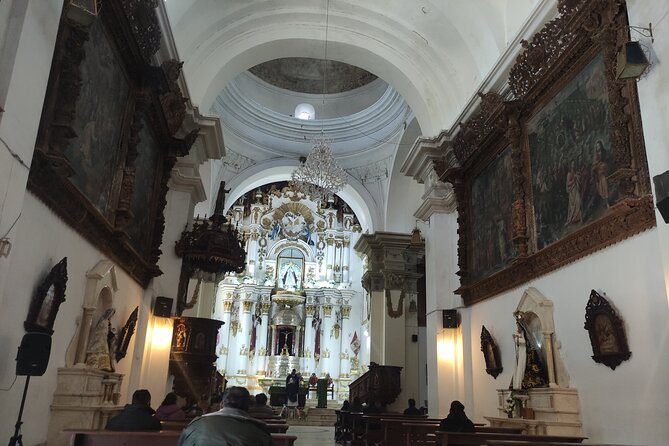
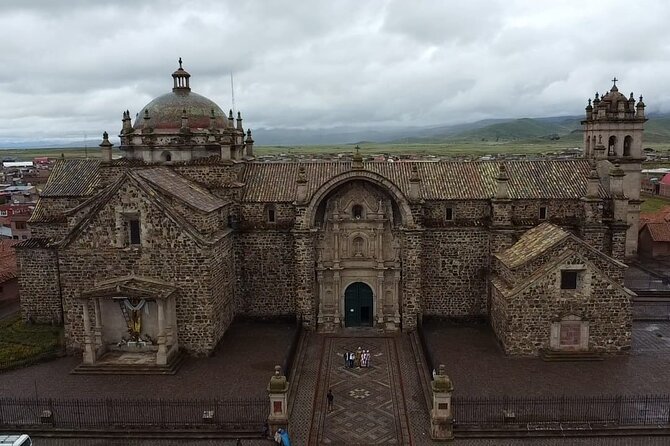
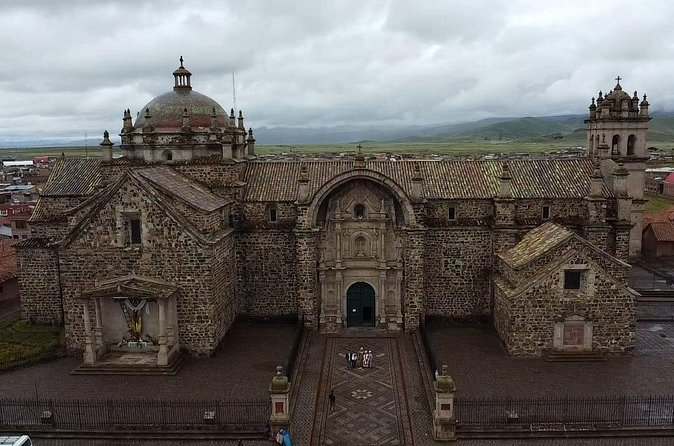
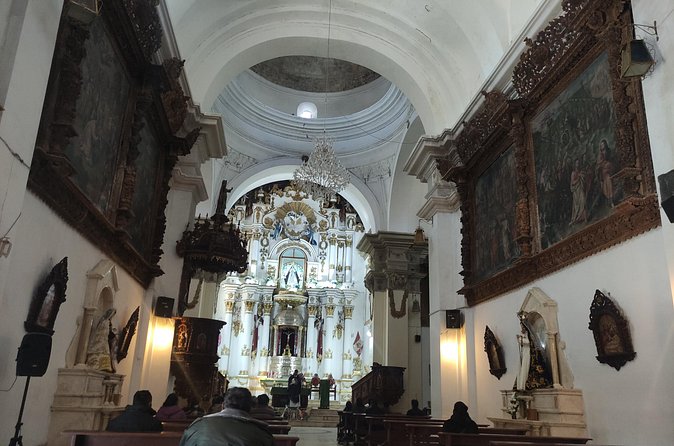
The second stop is Lampa, described as the Pink City of Puno. You have about one hour here, and the visit includes three named sights: the Black Pieta, the San Santiago de Apostol Temple, and the catacombs.
This is a compact but varied town visit. The Black Pieta offers a religious-art focus, while the San Santiago de Apostol Temple adds architectural and devotional context. The catacombs then shift the mood underground.
I like Lampa because it breaks up the archaeological stops. You get a sense of a historic town and its religious spaces, not just isolated remains outside a populated area. The hour will pass quickly, so listen for the guide’s directions and avoid wandering too far from the meeting point.
The stop may also appeal to photographers. One account specifically praised Lampa’s scenery and had enough time for a drone shoot, though drone use is not listed as a standard inclusion. Do not assume that aerial filming is part of your package or automatically permitted. If photography matters to you, ask the guide about local rules and the time available.
The catacombs may not suit everyone. If enclosed or underground places make you uncomfortable, you can ask how much of the visit involves them before entering. The supplied information does not give further details about access or conditions, so the guide is the right person to consult on the day.
Lampa is also a good reminder that the Quechua Route is not only about the Inca period. Its church visit and catacombs add later religious and local history to the ancient sites at Sillustani and Pukara.
Also leaving from Puno, and nothing like the above:
- From Puno: Floating Islands of the Uros Half-Day Tour
★ 4.4 · 394 reviews - Uros and Taquile Islands on New and Comfortable SpeedBoat
★ 4.5 · 254 reviews - Lake Titicaca (Day Trip) Uros & Taquile Islands
★ 4.5 · 245 reviews - Lake Titicaca 2-Day Tour to Uros, Amantani and Taquile
★ 4.4 · 199 reviews
Pukara: lunch, archaeology, and ceramic bulls
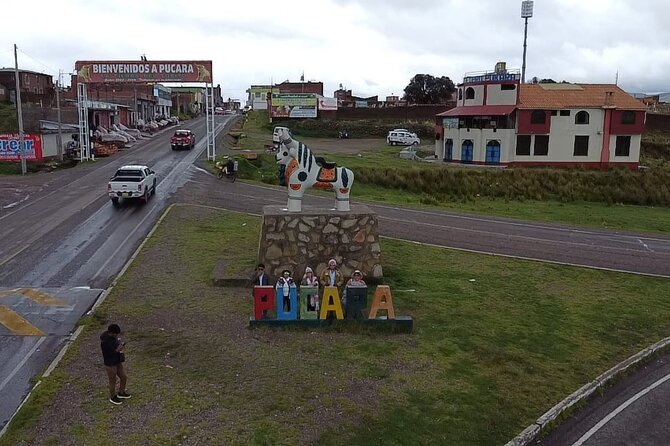
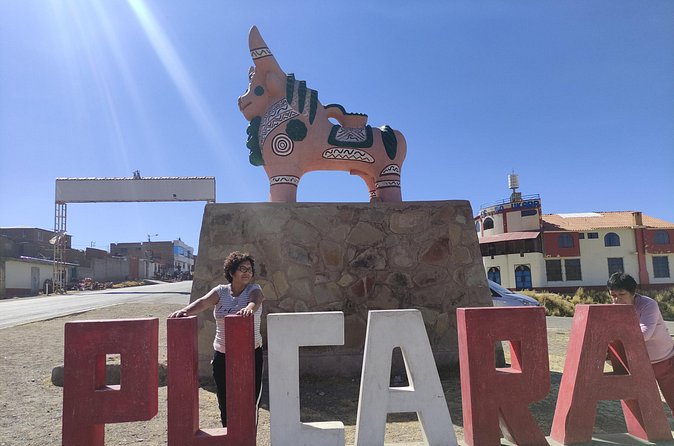
The last major stop is Pukara. The schedule allows two hours for lunch and a visit to the Pukara bullfighting workshop, with admission included for this part of the trip.
Pukara is one of the most important names on this route. The archaeological site connects you with an early highland culture, while the workshop shows how Pukara remains part of local identity today.
The Pukara bulls are among the most recognizable souvenirs in the region. You will see the craft tradition directly rather than only finding finished pieces in a shop. One visitor returned from the trip especially pleased with the Pukara bull figures purchased along the way, so leave room in your bag if you collect small handmade items.
Lunch is not included in the $40 price. The schedule places lunch within the two-hour Pukara stop, but the supplied details do not name the restaurant, menu, or meal cost. I would ask the guide about the lunch arrangement early in the day and carry some extra cash.
Two hours sounds generous compared with the shorter Sillustani and Lampa visits, but it must cover both food and the workshop. You may not have unlimited time at every part of Pukara. If you are most interested in the archaeological site, tell the guide early so you can plan your time properly.
The workshop adds value to the stop. You are not only looking backward at an ancient culture. You also see a craft tradition shaped by the same regional identity, which makes Pukara feel connected to daily life rather than sealed off in the past.
The return to Puno and the shared-service tradeoff
After Pukara, the vehicle returns to Puno and finishes at the original meeting point. The full activity lasts about nine hours, so expect to reach the city later in the afternoon or early evening, depending on road conditions and group timing.
A shared vehicle is the reason this tour costs far less than a private day trip. It also means you need to be comfortable with a fixed schedule. If you want to spend three hours at one place, this is not the right format. The stops are designed to give you a useful introduction to several sites in one day.
One unusual point comes from a personal account connected with the operator’s wider route services. A participant described arranging extra time at Aramu Muru while the rest of the group continued to lunch elsewhere. That flexibility should not be assumed for this Quechua Route, since Aramu Muru is not part of this itinerary, but it suggests that asking the guide about timing may be worthwhile.
The group size of up to 22 is small enough to feel organized but large enough that personal attention may be limited. I would stay near the guide during explanations and note the vehicle’s location before walking around each stop.
What the $40 price really covers
At $40 per person, this is a budget-friendly way to connect three destinations that would take more planning by public transport. The main value comes from the included road transport, the air-conditioned vehicle, the English-language service, and the structure of the day.
You are also paying for a guide who puts the places into context. The strongest praise has focused on clear explanations, friendly service, good organization, and drivers who handle the route well. Juan Carlos is the guide name most clearly linked with strong historical interpretation.
The price does not cover lunch. It also does not promise a private vehicle, personal hotel pickup, or unlimited time at each stop. The listing says pickup is offered, but you need to coordinate it rather than assume it is automatic.
Admission is listed as free for Sillustani and Lampa, while Pukara admission is included. That keeps the extra costs fairly simple. Your main additional expense should be lunch, along with any souvenirs or personal purchases.
I consider this good value for someone who wants a broad introduction to the region without paying private-tour rates. If you already know these sites well or want detailed photography time, the shared format may feel too compressed.
Who should book this day trip?
I would recommend the Quechua Route to first-time visitors in Puno who want variety. It works especially well if you have only one free day and want ancient sites, town culture, religious buildings, and local crafts in one organized outing.
It also suits budget-minded visitors. The $40 rate is far below the private prices described in one account, where comparable full-day arrangements were quoted at several hundred soles. The shared service gives you access to the route without that private-tour cost.
Families can also consider it, since most people can participate and service animals are allowed. Still, remember the nine-hour duration and the limited time at some stops. Young children or anyone who needs frequent breaks may find the schedule tiring.
I would be more cautious about booking it if you dislike group travel, need a flexible timetable, or want to spend a long time at Sillustani or Pukara. In that case, ask Qhapaq Adventures about a private option before paying.
The tour is offered in English, but the data does not specify the guide for every departure. If detailed interpretation is your priority, contact the company and ask about the guide assigned to your date.
Practical booking advice
The tour is often booked about 14 days ahead, so I would reserve early if your Puno dates are fixed. You receive confirmation at booking, and free cancellation is available until 24 hours before the start time.
Inside the 24-hour window, cancellations are not refunded and changes are not accepted. The cutoff uses local time in Peru, so do not leave changes until the last minute.
For the morning, confirm three things:
- The exact pickup arrangement
- The name of the assigned guide
- How lunch at Pukara will be handled
Bring money for lunch and any Pukara crafts. Since the tour includes several sites and a long drive, keep your day free after the scheduled return instead of booking a tight evening connection.
Should you book the Quechua Route?
Book it if you want an affordable, well-organized day that shows several sides of the Puno region. I especially like the contrast between Sillustani’s ancient burial towers, Lampa’s church and catacombs, and Pukara’s living bull-making tradition.
Go in knowing that this is a shared, full-day introduction, not a private archaeological expedition. The schedule is firm, lunch costs extra, and the group may reach 22 people. For $40, though, the combination of transport, English guiding, included Pukara admission, and three distinct stops offers a lot of substance.
If you want strong historical explanation, ask about Juan Carlos. If flexibility matters more than price, choose a private service. For most first-time visitors with one open day in Puno, I would book this route and treat it as a practical introduction to the wider region.
FAQ
Where does the Quechua Route start?
The stated meeting point is Qhapaq Adventures at Cajamarca 243, Puno 21001, Peru. Pickup can also be coordinated with the operator.
What time does the tour begin?
The tour starts at 8:00 am.
How long does the experience last?
The full route takes approximately nine hours and ends back at the original meeting point in Puno.
Which places does the tour visit?
The route visits Sillustani, Lampa, and the Pukara archaeological area and workshop. It also includes a brief stop in Atuncolla for community tourism.
Is lunch included?
No. Lunch is not included in the tour price. Lunch is scheduled during the Pukara stop.
Is transportation included?
Yes. The tour includes an air-conditioned vehicle.
Is the tour offered in English?
Yes. The experience is offered in English.
How many people can join the shared service?
The group can have a maximum of 22 travelers.
Can I cancel for a full refund?
Yes, if you cancel at least 24 hours before the experience begins. Cancellations or changes made within 24 hours are not refunded or accepted.
Added recently around Puno
- Walking City tour Puno★ 4.5 · 12 reviews
- Uros Sunset Kayak Private Tour★ 5.0 · 5 reviews
- Uros Reed Floating Islands & Taquile Island Titicaca Puno Full Day★ 4.0 · 38 reviews
- Uyuni Express 3 days from Puno Copacabana and Isla del Sol★ 5.0 · 16 reviews
- Two-Day Tour to Uros with Amantani and Taquile from Puno★ 5.0 · 44 reviews
- Uros Amantani Taquile Full Day tour★ 5.0 · 7 reviews
- Uros Floating Islands★ 3.0 · 13 reviews
- Full Day Tour to Uros and Amantani Islands★ 5.0 · 4 reviews
Puno Tours, compared.
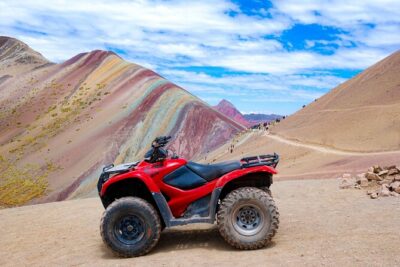
Vinicunca Rainbow Mountain ATV Tour with Meals
Read our review →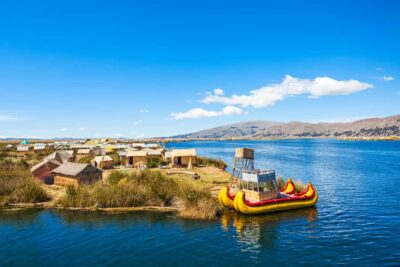
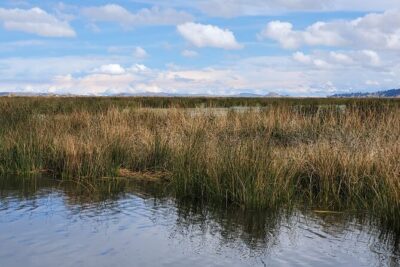
Tour to Uros and Taquile Islands in a Fast Boat
Read our review →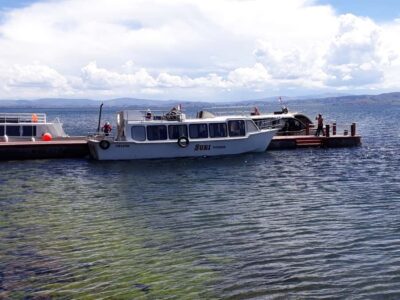
Uros and Taquile Islands on New and Comfortable SpeedBoat
Read our review →
Lake Titicaca (Day Trip) Uros & Taquile Islands
Read our review →
Lake Titicaca 2-Day Tour to Uros, Amantani and Taquile
Read our review →
Browse the lists this tour appears in