Reviewed · SACRED VALLEY TOURS
Full Day Sacred Valley of the Incas (group service)
The Sacred Valley rewards an early start. This full-day outing packs Chinchero, Moray, Salinas de Maras, Ollantaytambo, and Pisac into one long route from Cusco, making it a useful choice if your time is short. I like the wide range of Inca sites and the fact that lunch, entrance tickets, guide service, and transport are included. I also like the textile, salt, and market stops, which add everyday Andean culture to the ruins.
The trade-off is pace. You can expect roughly eight to twelve hours on the road, with a 6:30 a.m. departure and an estimated return to Cusco around 7 p.m. Some rides are bumpy, several sites require uphill walking or stairs, and a bilingual guide may need to explain everything in both Spanish and English. This is a lot of Sacred Valley in one day, not a slow, lingering tour.
In This Review
- Key points to know before booking
- Why this Sacred Valley route works
- Chinchero combines Inca masonry and Andean textiles
- Moray explains Inca crop experiments
- Salinas de Maras turns salt into a local industry
- Urubamba provides a practical buffet lunch
- Ollantaytambo is the day’s strongest Inca town
- Pisac closes the day with ruins and a market
- Transport, language, and group size
- What to bring for a better day
- Who should book this tour?
- Should you book the Sacred Valley day tour?
- FAQ
- What time does the Sacred Valley tour start?
- How long does the tour last?
- What places are visited?
- Is lunch included?
- Are entrance tickets included?
- Is hotel pickup and drop-off included?
- What languages does the guide speak?
- How large is the group?
- Can I cancel for a full refund?
Key points to know before booking
- Five major stops in one day: Chinchero, Moray, Salinas de Maras, Ollantaytambo, and Pisac give you a broad look at the valley.
- A strong value at $84.51: Your price includes transport, a local English and Spanish guide, lunch, and attraction tickets.
- Chinchero adds living culture: You may see spinning and dyeing demonstrations at a textile center, not just another archaeological site.
- The day involves real walking: Stairs, uphill paths, and high-altitude exertion can make the schedule feel strenuous.
- The group is limited to 15 people: That is smaller than a large coach tour, though the vehicle may still feel full.
- The return is not to your hotel: Pickup is included, but the final drop-off is near Cusco’s Plaza de Armas.
Why this Sacred Valley route works
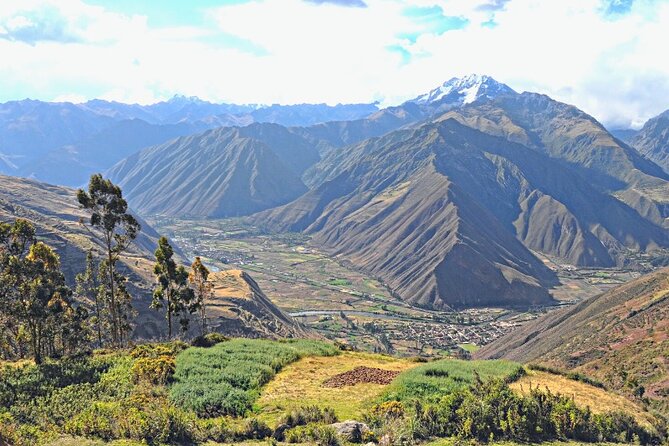
The Sacred Valley is not one single attraction. It is a long corridor of farming communities, Inca towns, ceremonial sites, salt ponds, and mountain views. Seeing it properly takes more than one stop, but many visitors have only one free day between time in Cusco and a visit to Machu Picchu.
This route solves that problem by linking the valley’s main sights in a single loop. You see how the Incas worked with crops at Moray, managed towns at Ollantaytambo and Pisac, and used local resources at Maras. Chinchero adds a link to present-day textile traditions.
I consider the route unusually full for the price. At $84.51 per person, you are paying more than the cheapest walk-up offers found around Cusco, but the package includes the costly and useful pieces: transport, a guide, lunch, and entrance fees. The price also avoids the work of arranging separate taxis or local buses between places spread across the valley.
The main question is not value. It is stamina. You will spend much of the day moving between sites, climbing at some ruins, and returning to the bus on a fixed schedule. If you want detailed photography time or quiet moments at each location, two days would be better.
More Sacred Valley days out:
- From Cusco: Moray, Maras Salt Mines & Chinchero Weavers Tour
★ 4.8 · 1,925 reviews - 2-Day Tour: Sacred Valley and Machu Picchu by Train
★ 5.0 · 1,127 reviews - Cusco: Sacred Valley, Pisac, Ollantaytambo, Salt Mines Moray
★ 4.6 · 1,058 reviews
Chinchero combines Inca masonry and Andean textiles
After hotel pickup, the bus heads to Chinchero, about an hour from Cusco. The archaeological site is known for a square with twelve niches and a colonial temple, giving you a useful look at the way Spanish religious buildings were placed into an older Inca setting.
The scheduled visit lasts about two hours, making this one of the more substantial stops. Your guide explains the site before the group moves on, and you should have some time to look around and take photographs, though the pace can vary with traffic and the day’s timing.
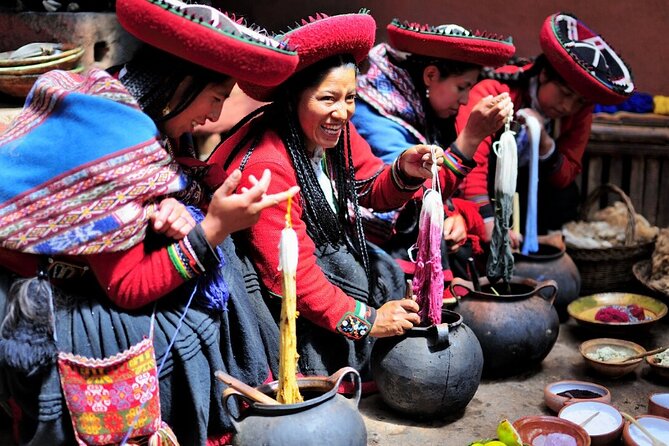
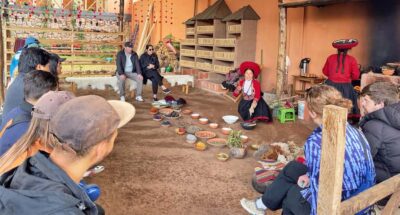
Chinchero is also known for its textile centers. A demonstration can show how local artisans spin fibers and use dyes, techniques linked to older Andean traditions. This is a welcome change from a day made up only of stone walls and ceremonial platforms. You may also find textile products for sale, so bring small bills if you want to shop.
The cultural stop is useful, but keep your expectations clear. It is connected to tourism, and shopping is part of the experience. Still, the explanation of spinning and dyeing gives you a better understanding of the colorful clothing seen in Andean communities.
Moray explains Inca crop experiments
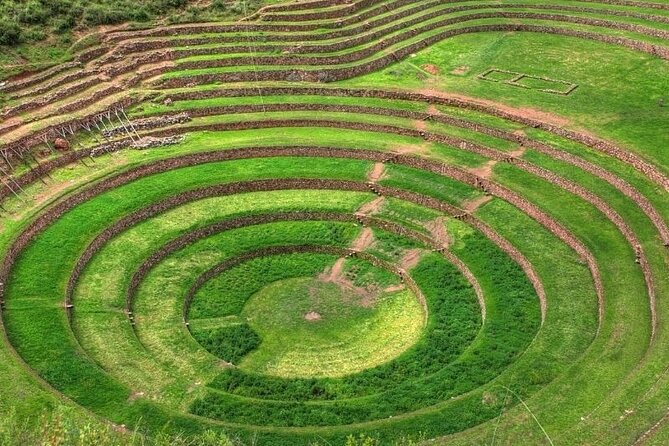
The next archaeological stop is Moray, with about 45 minutes scheduled there. Its great circular terraces are often described as an agricultural testing center. The Incas are said to have used the different terrace levels to work with crops such as corn, quinoa, potatoes, and kiwicha.
The site is visually striking because the terraces sink into the earth in a series of broad rings. From above, the shape is easy to understand. From closer viewpoints, you can see how much stonework went into shaping the slopes.
Forty-five minutes is enough for the basic explanation and photographs, but not for a slow exploration. This is one place where the fixed group schedule matters. Listen closely when the guide explains the farming purpose, then use your remaining time for views and photos.
You should also expect walking here. The tour information specifically warns that some locations involve stairs and uphill movement, and Moray can feel demanding when combined with the altitude around Cusco and the rest of the day.
Salinas de Maras turns salt into a local industry
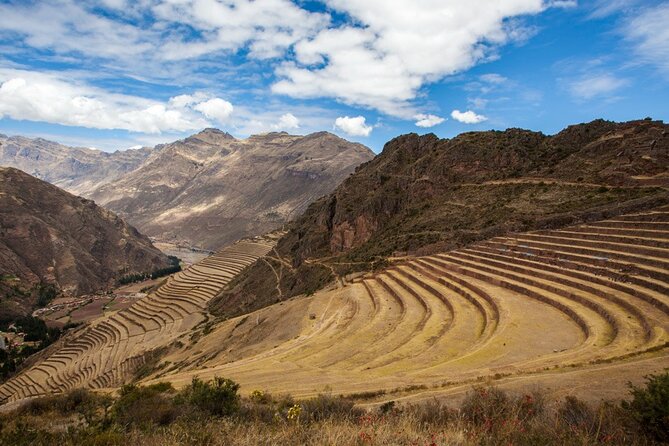
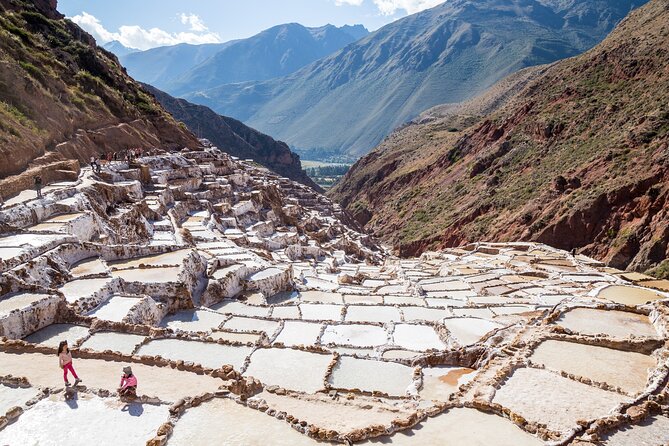
Salinas de Maras is one of the day’s most unusual stops. Hundreds of natural salt pools spread along a ravine, with water feeding the shallow wells. Salt has been collected here for more than 3,000 years, and the site remains an important source of salt for Cusco.
You will see rows of pale and pinkish pools set against the slopes. The color and shape make this very different from the stone ruins earlier in the morning. Products made with salt are sold in the area, including pink and purple fleur de sel and salt-based items associated with therapeutic baths.
This is another stop where the guide’s explanation helps. Without context, the pools can look like a pretty industrial site. With context, you see a working tradition that connects ancient use with a current local product.
The schedule groups Maras with the lunch break, allowing about two hours for this part of the day and the meal. Exact time at the salt pools can depend on the group and road conditions. Wear shoes with a firm sole and clothing that can handle sun, dust, and changing weather.
A few more Cusco trips worth lining up side by side
- Classic Inca Trail Trek 4D/3N to Machu Picchu (Group Service)
★ 5.0 · 8,653 reviews - Cusco: Rainbow Mountain and Red Valley Day Trip with Meals
★ 4.9 · 4,893 reviews - Machu Picchu: 4-Day Inca Trail Trek with Panoramic Train Ride
★ 5.0 · 4,568 reviews - Salkantay Classic Trek 5 Days from Cusco
★ 5.0 · 4,062 reviews
Urubamba provides a practical buffet lunch
Lunch takes place in Urubamba at a buffet restaurant. The meal is included, and the buffet offers several food choices along with desserts. A vegetarian option is available, but you need to request it when booking. Drinks are not included, and alcoholic drinks can be purchased separately.
The food is best viewed as a convenient refueling stop rather than a major culinary event. Some diners have found the restaurant basic, with limited variety. Others appreciated having many choices after a busy morning. The sensible approach is to enjoy the convenience and save your expectations for the scenery and archaeology.
A two-hour lunch stop may sound long, but it covers more than eating. The group needs time to enter, serve food, use the bathrooms, and regroup. Bathrooms are available at nearly all the main stops, which matters on a full-day route.
Ollantaytambo is the day’s strongest Inca town
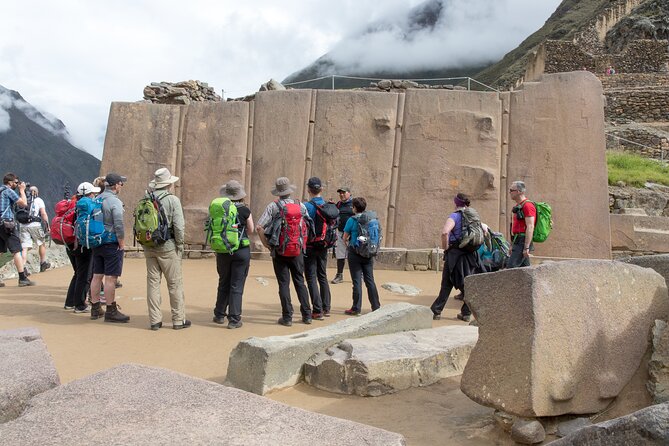
Ollantaytambo is one of the most rewarding stops because it is both an archaeological site and a living town. Its old cobbled streets and water channels retain the basic pattern laid out by Inca planners.
The ceremonial sector includes the Temple of the Sun, the Temple of the Moon, and ceremonial water sources. Large stones and steep slopes give the site a powerful sense of scale, but they also create the most obvious physical challenge. You will climb stairs and walk uneven paths, so take your time and do not feel pressured to match the quickest members of the group.
The scheduled visit is about an hour. That is enough to hear the main explanation and see the key structures, but you will not have unlimited time for every corner. The guide’s pacing matters here. Some guides, including people named Raul, Julie, Mike, Frank, and Julio by name in the supplied material, have been praised for keeping groups together while still helping with photos and questions.
Ollantaytambo can be a particularly good preview if you plan to take a train from here toward Machu Picchu later in your trip. This tour is not a substitute for a longer visit, but it helps you recognize the town’s layout and importance.
Pisac closes the day with ruins and a market
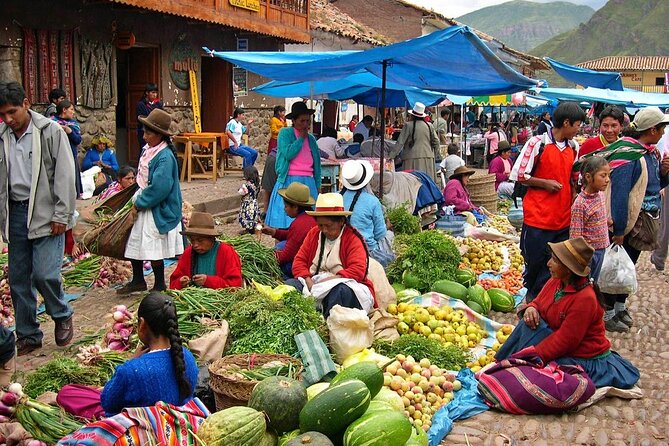
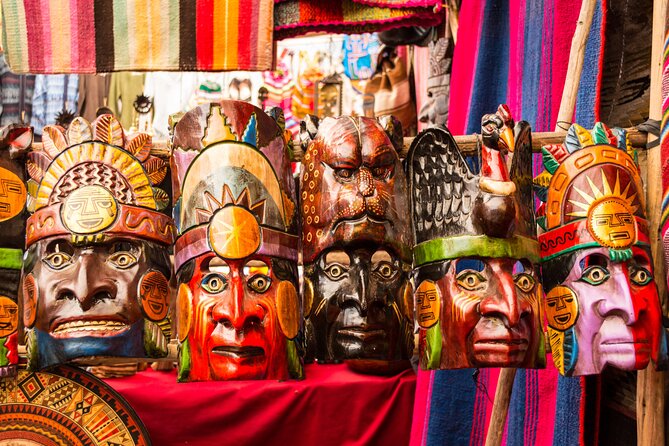
Pisac brings together a hilltop Inca complex, a town, and a well-known craft market. The archaeological structures rise above the town, while the market offers textiles, souvenirs, and local goods.
The itinerary allows about two hours here. That gives you a better chance to shop than at the shorter stops, though the amount of time spent at the ruins and market depends on the guide and the group’s arrival time. The site also offers views across the Sacred Valley and its cultivated fields.
Pisac is one of the places where you may see people from Andean communities wearing traditional multicolored ponchos and chullos. That does not make the town a staged museum. It is a working place where commerce, local dress, and tourism overlap, so shop politely and ask before taking close-up portraits.
This final stop can feel rushed if the bus arrives late. One trip reached the ruins close to sunset and nearly missed entry, with the guide negotiating for a short visit. That possibility explains why the day’s schedule can feel tight, especially after traffic or long stops earlier in the route.
Transport, language, and group size
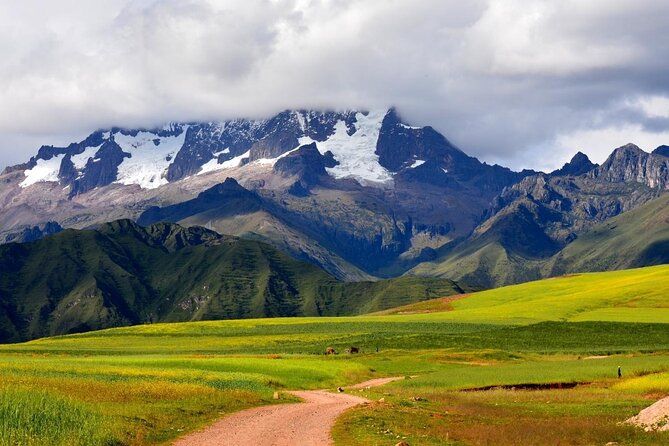
Pickup begins at about 6:30 a.m. from your Cusco accommodation. The practical detail is that hotel pickup may mean a staff member walks you a few blocks to the actual bus rather than the bus stopping directly outside your door. At the end, drop-off is not included at your hotel. The bus returns around 7 p.m., with the final drop-off near the Plaza de Armas.
The group limit is 15 people. That is manageable for a guide, but it does not guarantee a spacious vehicle. One account described a full bus and warm conditions after several stops. If the air inside becomes uncomfortable, ask the driver or guide to turn on the air conditioning or fan.
The tour is offered with an English and Spanish local guide. On bilingual departures, explanations may take longer because the guide repeats information in both languages. Several English-speaking participants had guides who gave extra English explanations, including Frank, Julio, and Julie. That personal effort can make a big difference, but the quality of translation and pacing may vary by departure.
Expect some long, bumpy rides, especially on the later stretches. The road time is part of the cost of seeing five far-flung sites in one day. If you get motion sickness, plan accordingly, though no specific medication or transport arrangement is provided.
What to bring for a better day
Dress for changing weather. The tour operates in all conditions, and the highland sun can feel strong even when the air is cool. Comfortable walking shoes are essential because the ruins include stairs, uneven surfaces, and uphill sections.
You should also carry:
- Water, since drinks are not included
- Sun protection and a hat
- A light layer for early morning and cooler stops
- Small bills for snacks, drinks, and craft purchases
- A phone or camera with enough battery for a long day
Tell the operator about dietary requirements when you reserve. Vegetarian food is available if requested in advance.
Who should book this tour?
I would choose this trip if you have only one day for the Sacred Valley and want to see the major sites without arranging several separate rides. It suits solo visitors, couples, and anyone who values a low planning burden. The group cap of 15 is also preferable to a very large coach.
It works especially well for visitors who enjoy historical explanations, market browsing, and a full schedule. The best guides keep people moving, explain the Inca and pre-Inca cultures, and still make room for photos and questions. A few guides have also helped with photographs, translations, and timing.
I would hesitate if you dislike early starts, crowded buses, bilingual commentary, or walking on steep ruins. Families and older visitors may manage it, since most people can participate, but the tour does not promise a gentle route. Anyone with limited energy should consider splitting the valley into two days.
The cancellation terms are straightforward: cancel at least 24 hours before the start for a full refund. Poor weather or failure to meet the minimum group size can lead to a new date, another experience, or a full refund.
Should you book the Sacred Valley day tour?
Book it if your priority is coverage. For $84.51, you get a full day of transport, guiding, lunch, and attraction tickets, plus a useful mix of archaeology, farming, salt production, textiles, and local markets.
Skip it if you want slow travel. Five major stops require discipline, and the late return can leave you tired. For most short stays in Cusco, though, this is a practical and fairly priced way to see the Sacred Valley’s main sights in one ambitious day. Just arrive ready for stairs, bumpy roads, a bilingual schedule, and very little idle time.
FAQ
What time does the Sacred Valley tour start?
The stated start time is 6:30 a.m. Pickup is provided from your Cusco accommodation.
How long does the tour last?
The experience lasts approximately eight to twelve hours. The expected arrival back in Cusco is around 7 p.m.
What places are visited?
The route includes Chinchero, Moray, Salinas de Maras, Ollantaytambo, the Sacred Valley, and Pisac.
Is lunch included?
Yes. A buffet lunch in Urubamba is included. Vegetarian meals are available if requested when booking.
Are entrance tickets included?
Yes. Tickets for the Sacred Valley attractions are included in the tour price.
Is hotel pickup and drop-off included?
Hotel pickup is included. Hotel drop-off is not included, and the final drop-off is near Cusco’s Plaza de Armas.
What languages does the guide speak?
The tour includes a local guide who speaks English and Spanish. On bilingual departures, the guide may explain information in both languages.
How large is the group?
The group can include a maximum of 15 people.
Can I cancel for a full refund?
Yes, if you cancel at least 24 hours before the experience start time. Cancellations or changes made less than 24 hours before the start are not accepted for a refund.
Added recently around Cusco
- Super valley or vip valley★ 5.0 · 13 reviews
- the Incas’ Sacred Valley★ 5.0 · 27 reviews
- Sacred Valley of the Incas Day Trip from Cusco★ 5.0 · 6 reviews
- Small-Group Tour: Rainbow Mountains Hiking from Cusco★ 4.0 · 5 reviews
- Excursion to the Sacred Valley of the Incas from Cusco★ 5.0 · 8 reviews
- Maras + Moray & Textile Experience★ 5.0 · 14 reviews
- Tour EN Cuatrimoto POR la Montaña 7 Colors Hike 5 Minutes★ 4.5 · 32 reviews
- rainbow mountain★ 4.0 · 4 reviews
Sacred Valley Tours, compared.
Sacred Valley & Maras Salt Mines Tour with Lunch
Read our review →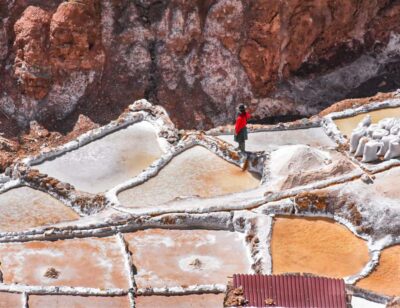
Moray, Maras Salt Mines & Chinchero Weavers Tour
Read our review →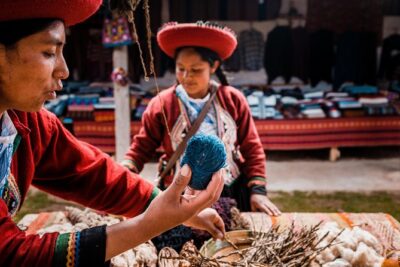
2-Day Tour: Sacred Valley and Machu Picchu by Train
Read our review →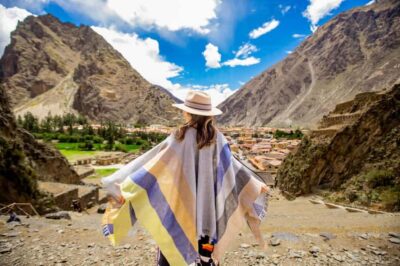
Sacred Valley, Pisac, Ollantaytambo, Salt Mines Moray
Read our review →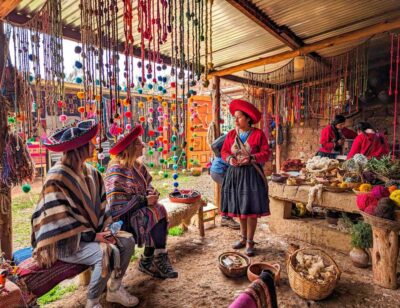
Chinchero,Moray & Salt Mines drop-off in Ollantaytambo
Read our review →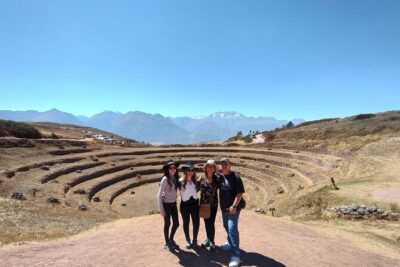
Sacred Valley and Maras Moray Tour with Full Day Buffet Lunch
Read our review →