
Reviewed · MACHU PICCHU TOURS
Inca Quarry Trail Trek to Machu Picchu 4-Day
Andes views come with serious effort. This four-day trek from Cusco follows the Inca Quarry Trail through waterfalls, petroglyphs, mountain passes, lakes, ancient stonework, and Machu Picchu. I like the small maximum group of 12, which should make the walking pace and guide support more personal. I also like that the chef, porters, transport crew, and guides handle the hard practical work.
The main caution is altitude. Day 2 reaches 4,450 meters, or 14,599 feet, followed by another high pass and several hours of walking. The price of $840 includes a great deal, including trains, buses, tents, meals, porters, and airport or hotel transfers, but this is still a demanding camping trip, not a gentle sightseeing tour.
In This Review
- What makes this trek worth considering
- A four-day route with more than Machu Picchu
- Day 1: Petroglyphs, Ñaupa Iglesia, and Perolniyoq Waterfall
- Day 2: The high point at Charkahuaylla
- Day 3: Cachiccata Quarry and the train to Aguas Calientes
- Day 4: Machu Picchu with a guided morning
- What the support team really adds
- Is $840 a fair price?
- Who will enjoy this route most?
- Small details that improve the experience
- Should you book the Inca Quarry Trail?
- FAQ
- How long is the Inca Quarry Trail to Machu Picchu tour?
- What is the highest point on the trek?
- Are meals included?
- Is camping equipment provided?
- Are Huayna Picchu and Machu Picchu Mountain included?
- How large is the group?
What makes this trek worth considering
- Two major mountain passes: Reach Charkahuaylla at 4,450 meters, then climb Buena Negra at 4,370 meters.
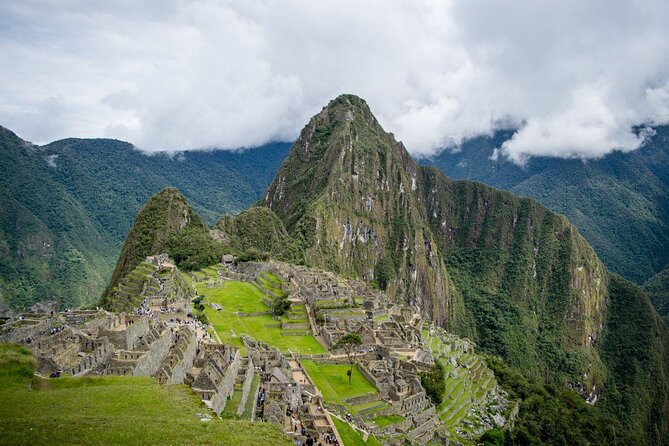
- A less usual route to Machu Picchu: See Perolniyoq Waterfall, Ñaupa Iglesia, Q’orimarca, Intipunku, and Cachiccata Quarry before reaching the famous citadel.
- Strong support in the mountains: A guide, chef, porters, and a second guide for groups of eight or more are included.
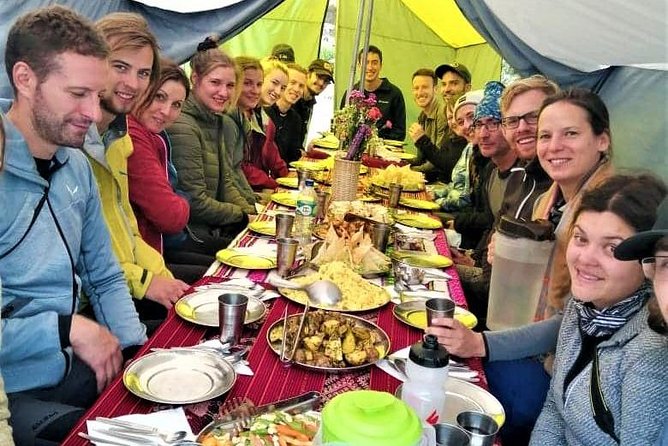
- Fresh meals at camp: The kitchen team serves Peruvian dishes, vegetarian alternatives, snacks, tea, and substantial meals despite the remote setting.
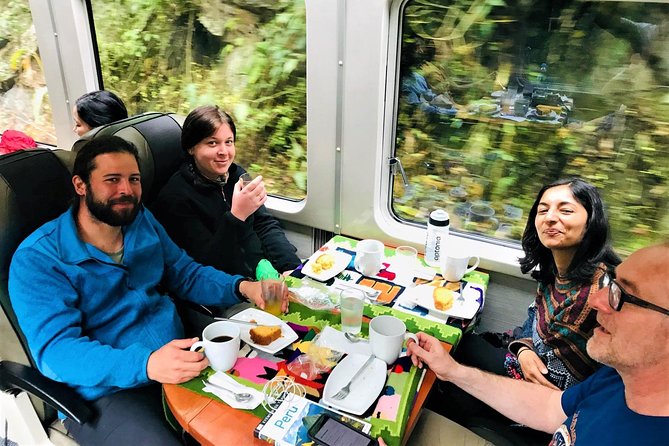
- A comfortable finish: The final night is in Aguas Calientes, with a morning visit to Machu Picchu and one Vistadome panoramic train journey included.
- Personal gear allowance: A porter carries up to 7 kilograms of your belongings, leaving you with a lighter daypack.
A four-day route with more than Machu Picchu
The appeal here is the route itself. Machu Picchu is the grand finale, but the first three days take you through a quieter part of the Sacred Valley, where the reward comes from walking between villages, archaeological sites, waterfalls, and high mountain passes.
You begin around 7:00 a.m. with pickup from your Cusco hotel. Airport and hotel transfers are included, which removes some of the usual first-day confusion. A briefing takes place at 6:00 p.m. the night before, so you can sort out your equipment, confirm the departure, and ask about the altitude before setting off.
The trip is operated by TreXperience, and the service receives a five out of five rating from 227 reviews, with 100 percent recommending it. More important than the headline score is the pattern in the feedback: guides such as Nilton, Jose, Roger, Edy, Danilo, Christian, Monica, and Rene are praised for their care, humor, local knowledge, and attention to walking pace.
More Hiking Tours in Cusco
- Classic Inca Trail Trek 4D/3N to Machu Picchu (Group Service)
★ 5.0 · 8,653 reviews - Machu Picchu: 4-Day Inca Trail Trek with Panoramic Train Ride
★ 5.0 · 4,568 reviews - Salkantay Classic Trek 5 Days from Cusco
★ 5.0 · 4,062 reviews
Day 1: Petroglyphs, Ñaupa Iglesia, and Perolniyoq Waterfall
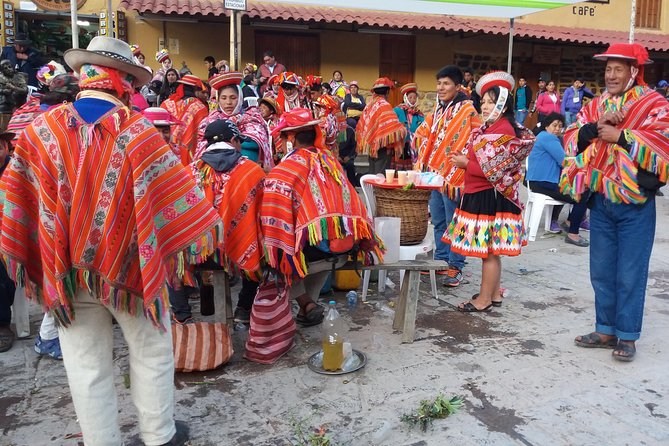
The first day begins in Racca, a community in the Sacred Valley. From there, you walk for about three hours, visiting the petroglyphs of Pachar and the Inca shrine of Ñaupa Iglesia before reaching the village of Soccma for lunch.
Ñaupa Iglesia gives the day an especially interesting start. It is an ancient shrine rather than a large, polished ruin, so your guide’s explanation will matter. This is the sort of stop that can be easy to pass without context. A good guide helps you notice the relationship between the stonework, the surrounding mountains, and Inca ceremonial practices.
After lunch, the route changes character. You hike uphill for another three hours toward Perolniyoq Waterfall, one of the notable waterfalls near Cusco. Its water drops about 328 feet down a rock face, creating a dramatic target after the morning’s cultural stops.
The day ends near Q’orimarca, also called Rayanpata, an archaeological site where camp is set up. The total walking time is about six hours, though the uphill section can make the afternoon feel longer than the distance suggests.
I like this opening because it avoids rushing straight toward the headline attraction. You get archaeology, village life, a waterfall, and your first camp before the hardest altitude day. The drawback is that the day combines a long approach with a substantial climb, so you should arrive in Cusco rested and prepared for a full day on foot.
Day 2: The high point at Charkahuaylla
Day 2 is the physical test. You wake with coffee at your tent, eat breakfast, and begin a four-hour climb to Charkahuaylla, the highest point of the trek at 4,450 meters.
At this altitude, the issue is not simply fitness. Thin air affects strong hikers too, and the pace should be steady rather than hurried. The guide will perform a traditional offering ceremony to the mountain Apus at the summit. This gives the climb a cultural purpose, not just a number to conquer.
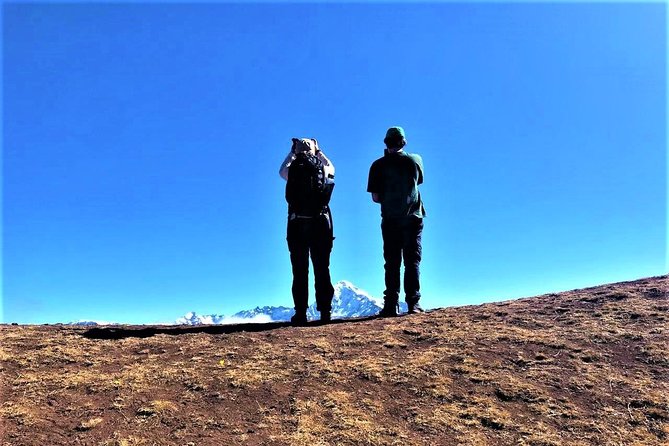
Lunch is served beside a lake before the route rises again toward Buena Negra, which reaches 4,370 meters. From the summit, you get broad views across the Sacred Valley. The second climb means you should not assume the highest point is the end of the hard work.
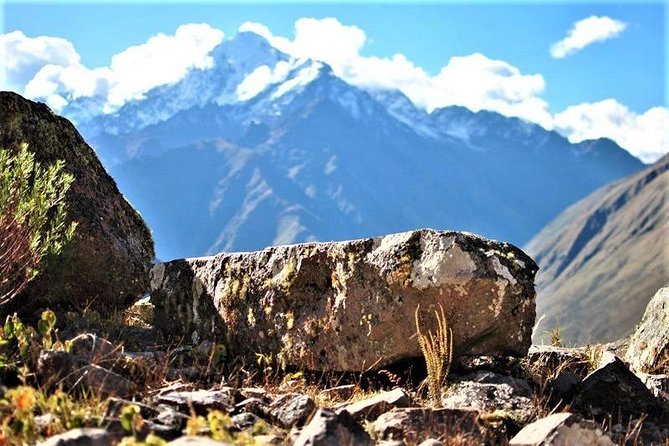
From Buena Negra, the trail descends for about two hours to Intipunku, or Sun Gate. The viewpoint looks toward Veronica Mountain, and this is one of the strongest scenic moments of the trek. Camp is at Choquetacarpo, at about 3,600 meters, in the middle of the Inca Quarry area.
The day lasts around eight hours. It is the part of the itinerary that most clearly separates this trek from an ordinary walk near Cusco. If you want a route with real mountain effort and high passes, this is the appeal. If you dislike steep climbs, altitude, or sleeping at camp after a long day, this is the part to think about carefully.
Weather can change the experience. One trekker described heavy rain on this day, yet found the guides kept spirits high and the tent dry. That does not guarantee clear skies, so pack for wet conditions. A warm sleeping bag is included, but a mattress, sleeping bag upgrade, and trekking poles are optional extras that you may want to discuss before departure.
Day 3: Cachiccata Quarry and the train to Aguas Calientes
The third morning begins with sunrise at camp. The route is mostly downhill, which will feel welcome after the previous day, though downhill walking can still be tiring on knees and legs.
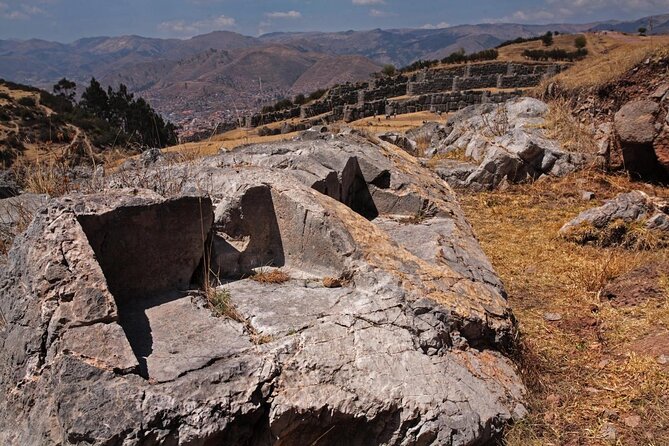
The main stop is Cachiccata Quarry, described as the largest quarry in the Inca Empire. The site was abandoned during the same broad period as Machu Picchu and other Inca centers, after the Spanish invasion. Here, the unfinished stonework offers a useful counterpoint to the completed buildings you will see at Machu Picchu.
This is an important part of the journey because it shows how an Inca project looked before it became a finished monument. The quarry is not as famous as Machu Picchu, but it can help you understand the labor, planning, and stone cutting behind Inca construction.
After lunch, you spend time with people in the Cachiccata community. Then a private bus takes you to Ollantaytambo, where you explore the town and eat dinner at a local restaurant before boarding the train to Aguas Calientes.
The walking time is about six hours, but the day is not over when you leave the trail. You still have the road transfer, town visit, dinner, and train ride. The advantage is comfort: you sleep in Aguas Calientes rather than at another mountain camp. The disadvantage is a busy transition day, so do not expect a slow afternoon.
The included transport is a major part of the $840 value. You receive all transportation from the start of the trek through the return to Cusco, plus a round-trip train with one Vistadome panoramic journey. That can make the overall cost feel reasonable, especially when you add porters, a cook, food, tents, Machu Picchu buses, and guides.
Other ways to reach Machu Picchu:
- Short Inca Trail to Machu Picchu 2D/1N
★ 5.0 · 3,007 reviews - 2-Day Inca Trail to Machu Picchu with Panoramic Train
★ 5.0 · 1,876 reviews - From Cusco: Full-Day Group Tour of Machu Picchu
★ 4.7 · 1,767 reviews - Machu Picchu Day Trip from Cusco
★ 4.5 · 1,644 reviews
Day 4: Machu Picchu with a guided morning
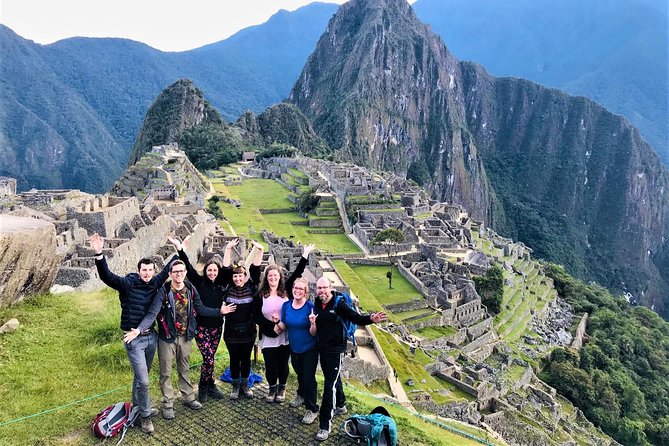
You rise early in Aguas Calientes and take the bus to Machu Picchu. Your guide leads a two to three-hour tour of the citadel, then leaves you time to explore independently.
That balance works well. The guided portion gives you a clear introduction to the site, while the free time lets you move at your own pace. You may also climb Huayna Picchu or Machu Picchu Mountain, but those tickets are optional and must be booked as far in advance as possible. They are not included in the stated price.
After Machu Picchu, you take the bus back to Aguas Calientes. Lunch is not included, but it is easy to find in town. The train and bus then return you to Cusco.
The final day is listed at about four hours, but keep the full transport schedule in mind. Machu Picchu entry times and train arrangements control the day, so follow your guide’s instructions carefully. A valid passport is required, and the passport name, number, expiration date, and country are needed for every person at booking.
What the support team really adds
A self-guided version of this route would be a serious undertaking. Here, the guide handles navigation and interpretation, the chef prepares meals, and porters carry food and equipment. Each person also receives a personal porter allowance of up to 7 kilograms.
The service is not limited to carrying bags. The porters set up camp, and the cooking team prepares hot meals in the mountains. Daniel, Leonardo, Javier, Rolando, and Elisabeth are among the chefs praised for fresh and filling food, including traditional Peruvian dishes such as ceviche, causas, stir-fry, chaufa, and corn cakes.
Vegetarian food is available if requested at booking. Specific dietary requirements should also be given in advance. One useful detail from the feedback is that a pescatarian menu was handled well, so it is worth being precise rather than simply writing a general note about diet.
Guides also appear to be a major strength. Jose was praised for explaining regional history, plants, and local culture while checking the pace and reminding hikers to use sun protection. Roger receives similar praise for making the Inca past and culture meaningful. Edy and Danilo helped maintain morale in rain and fatigue, while assistant guides offered safety support on rougher sections.
Groups of eight or more receive a second guide. With a maximum of 12 people, you should get more attention than on a large coach-style excursion. The group size also matters at camp and during meals, where a smaller party tends to make the experience feel more cooperative.
Is $840 a fair price?
At $840 per person, this is not a cheap Cusco day trip. It is also not just a four-day walk. The package includes airport or hotel transfers, a pre-departure briefing, hotel pickup, all transportation, porters, meals, tents, professional English-speaking guides, Machu Picchu buses, and round-trip train service with one Vistadome ride.
You are paying for logistics that would be difficult to arrange independently. The train, permits, site access, porters, cooking crew, and transfers all need to fit together. The price offers particularly good value if you want support and do not want to organize each part yourself.
Still, check the exclusions. Your first breakfast is not included, and your final lunch in Aguas Calientes is also your responsibility. Entry to Huayna Picchu or Machu Picchu Mountain is extra. A mattress, sleeping bag, and trekking poles are optional, so ask what equipment is supplied and what you need to bring.
Who will enjoy this route most?
I would choose this trek if you want more than the standard Machu Picchu approach. The waterfalls, small archaeological sites, quarry, mountain ceremony, lake, and high passes create a fuller experience of the Sacred Valley.
It suits people with moderate physical fitness who are comfortable walking for six to eight hours and camping at altitude. First-time hikers can do it, but the combination of steep climbs and 4,450-meter altitude should not be underestimated. The support team can make a first trek feel manageable, but it cannot remove the physical demands.
You should also be comfortable with changing weather. Rain is possible, and the route includes exposed high points. Bring suitable layers, sun protection, waterproof clothing, and a daypack with essentials. Trekking poles may be useful, especially on the long descents.
The trek is less suitable if you want a relaxed holiday, private hotel rooms every night, or flexible sightseeing. The group is small, but the schedule is still fixed by trail conditions, transport, trains, and Machu Picchu entry arrangements.
Small details that improve the experience
The 6:00 p.m. briefing is worth attending. Use it to confirm what the porter will carry, ask about optional equipment, and make sure your dietary needs are recorded.
Keep your passport safe and accessible. It is required on the day, and the booking information must match the document used for the trip.
Do not pack your entire suitcase for the trail. The personal porter allowance is 7 kilograms, while you will still carry a daypack. Keep rain protection, water, sun protection, medication, and warm layers with you rather than sending every useful item ahead.
Book mountain tickets early if you want Huayna Picchu or Machu Picchu Mountain. Those additions are separate from the main Machu Picchu visit and are not something to leave until the last minute.
The cancellation terms are strict: the experience is non-refundable and cannot be amended after booking. If poor weather or an insufficient minimum group causes the operator to cancel, you are offered another date or a full refund.
Should you book the Inca Quarry Trail?
I would recommend it if you want a challenging route, strong camp support, and a more varied approach to Machu Picchu. The best parts are the high mountain views, the quarry and smaller ruins, the fresh food, and the care provided by guides and porters.
I would hesitate only if you are unsure about altitude or dislike long hiking days. For everyone else, the $840 price buys a well-supported four-day journey rather than a simple ticket to Machu Picchu. Choose it for the route, not only for the final ruins, and you will get much more from the experience.
FAQ
How long is the Inca Quarry Trail to Machu Picchu tour?
The tour lasts approximately four days. Walking time is about six hours on Day 1, eight hours on Day 2, six hours on Day 3, and four hours at Machu Picchu on Day 4.
What is the highest point on the trek?
The highest point is Charkahuaylla at 4,450 meters, or 14,599 feet. Buena Negra is the second high pass at 4,370 meters, or 14,300 feet.
Are meals included?
Meals prepared by the trek chef are included during the camping portion. Your first breakfast and final lunch in Aguas Calientes are not included. Vegetarian meals and specific dietary requests are available when advised at booking.
Is camping equipment provided?
Four-person tents are provided for every two people. Porters carry food and equipment, and a personal porter can carry up to 7 kilograms of your belongings. A mattress, sleeping bag, and trekking poles are optional.
Are Huayna Picchu and Machu Picchu Mountain included?
No. Tickets for Huayna Picchu or Machu Picchu Mountain are optional and must be booked well in advance. The standard Machu Picchu visit and guided tour are part of the planned final day.
How large is the group?
The maximum group size is 12 people. A second guide is included for groups of eight or more. Children must be accompanied by an adult, and participants should have a moderate level of physical fitness.
More Hiking Days from Cusco
- 4-Day Salkantay Trek with Sky Camp Stay
★ 5.0 · 3,346 reviews - Salkantay Trek 5D/4N with Glass Cabins, Domes and Hobbit House
★ 5.0 · 2,488 reviews - Rainbow Mountain Full Day Trek
★ 5.0 · 1,469 reviews - 5-Day Premium Salkantay Trek
★ 5.0 · 788 reviews
Added recently around Cusco
- Guided tour of the mountain of colors in Cusco★ 5.0 · 11 reviews
- 2-Day Private Short Inca Trail to Machu Picchu★ 5.0 · 15 reviews
- City Tour Cusco – Group★ 5.0 · 4 reviews
- Tour Sacred Valley with Maras and Moray★ 5.0 · 15 reviews
- San Pedro Market Tour with Peruvian Cooking Class★ 5.0 · 31 reviews
- City Tour in Cusco★ 4.5 · 10 reviews
- Walking Culinary Experience★ 5.0 · 41 reviews
- One Day Tour to Humantay Lagoon★ 5.0 · 8 reviews
Machu Picchu Tours, compared.
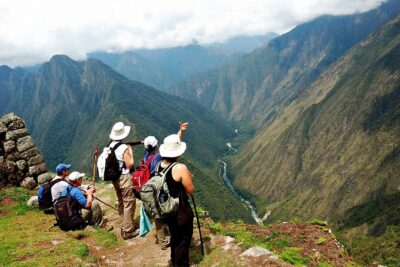
Classic Inca Trail Trek 4D/3N to Machu Picchu (Group Service)
Read our review →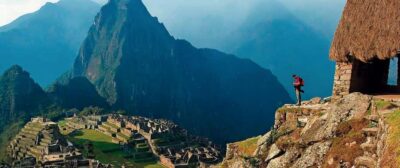
Machu Picchu: 4-Day Inca Trail Trek with Panoramic Train Ride
Read our review →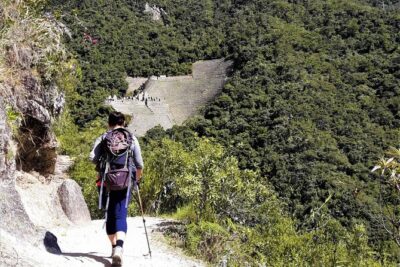
2-Day Inca Trail to Machu Picchu with Panoramic Train
Read our review →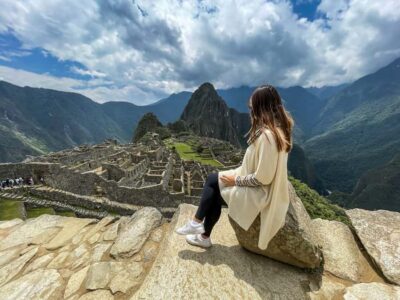
2-Day Tour: Sacred Valley and Machu Picchu by Train
Read our review →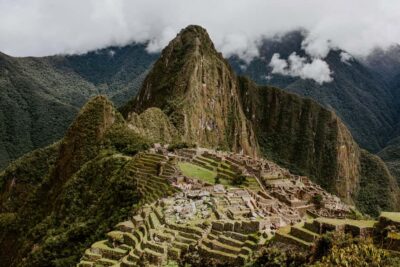
Machu Picchu: Full-Day Tour from Cusco with Optional Lunch
Read our review →Browse the lists this tour appears in