
Reviewed · MACHU PICCHU TOURS
Inca Trail hike 4 days to Machu Picchu with panoramic Train
Machu Picchu is only the finish line. This four-day Inca Trail trip gives you the long way in, with mountain passes, ruined stone settlements, cloud forest, camping, and a guided visit to Machu Picchu. I especially like the excellent food and support crew, along with the way the route reveals several Inca sites before the famous citadel appears. The main drawback is the physical demand, particularly on Day 2, when you climb to 4,215 meters.
I also like that the $799 price includes transport, tents, meals, porters, a chef, guides, airport transfers, and the Vistadome panoramic train back to Cusco. That is a strong package for a four-day trek, though sleeping bags, inflatable mattresses, trekking poles, your final lunch, and optional mountain tickets cost extra.
In This Review
- Key points before you book
- What the $799 price really covers
- Day 1: From Cusco to Patallacta and Ayapata
- Day 2: Dead Woman’s Pass at 4,215 meters
- Day 3: Cloud forest, Phuyupatamarca, and Wiñay Wayna
- Day 4: Sun Gate and the first view of Machu Picchu
- The food, tents, and porter support
- Fitness, altitude, rain, and trail conditions
- Group size, guides, and the human side
- Who should book this trek?
- Final verdict: a strong value for serious hikers
- FAQ
- How long is the Inca Trail tour?
- What time does pickup begin?
- Is transportation included?
- Are meals included?
- Is camping equipment provided?
- Can I request vegetarian or vegan meals?
- Are Huayna Picchu and Machu Picchu Mountain included?
Key points before you book
- Day 2 is the test: You climb to Dead Woman’s Pass at 4,215 meters, then cross another pass before reaching camp.
- The crew carries nearly everything: Porters move tents, food, cooking equipment, tables, chairs, and camp supplies while you carry only your day gear and up to 7 kilograms with the personal porter allowance.
- Food is a major strength: Breakfast, lunch, and dinner are prepared by a trek chef, with vegetarian and vegan meals available if requested in advance.
- The route has more than Machu Picchu: Patallacta, Runcuraccay, Sayacmarca, Phuyupatamarca, Intipata, and Wiñay Wayna add real substance to the walk.
- The final morning starts early: You wait at the Wiñay Wayna checkpoint until 5:30 am, then walk to the Sun Gate before descending to Machu Picchu.
- Acclimatization matters: Cusco sits above 11,000 feet, while the trail reaches roughly 13,828 feet.
What the $799 price really covers
At $799 per person, this is not a bare-bones permit and guide package. You receive pickup in Cusco or the Sacred Valley, transport throughout the trek, a professional English-speaking guide, porters, a chef, camping equipment, meals, and the return journey by Vistadome panoramic train.
Airport transfers are included as well, which can be useful after a long flight. The company can collect you from a hotel or Airbnb apartment in Cusco, and the return transfer takes you back to your hotel after the train and bus ride.
The practical value lies in the support system. On a self-supported trek, you would need to organize food, tents, cooking equipment, permits, transport, and the train separately. Here, the porters carry the heavy gear and the chef prepares three meals a day. You still need to budget for your sleeping bag, inflatable mattress, trekking poles, final-day lunch, and tips.
A sleeping bag can be rented from the company. So can an inflatable mattress and trekking poles. The package includes four-person tents shared by two people, plus a personal porter allowance of up to 7 kilograms. One important detail is that the porter support works collectively. You do not necessarily have one named porter assigned only to you.
The price does not include Huayna Picchu or Machu Picchu Mountain. Those tickets must be booked well ahead of time, and you should not treat either climb as an automatic part of the trip.
More Hiking Tours in Cusco
- Classic Inca Trail Trek 4D/3N to Machu Picchu (Group Service)
★ 5.0 · 8,653 reviews - Machu Picchu: 4-Day Inca Trail Trek with Panoramic Train Ride
★ 5.0 · 4,568 reviews - Salkantay Classic Trek 5 Days from Cusco
★ 5.0 · 4,062 reviews
Day 1: From Cusco to Patallacta and Ayapata
The day begins before dawn. Pickup is scheduled around 4:30 am, depending on your location, followed by the drive to Kilometer 82, the trailhead. After breakfast, you begin with a relatively gentle two-hour walk toward Patallacta.
Patallacta is the first major Inca site on the route. It gives you an early look at the stonework and terraces that will appear throughout the next four days. This opening section is useful because it lets your legs warm up before the trail becomes more demanding.
From Patallacta, you continue for about two hours to Hatunchaca, where lunch is served. Another two hours brings you to the first camp at Ayapata, at about 3,300 meters. The full day covers roughly 13.5 kilometers and takes about eight hours, although the schedule lists the active trek at around seven hours.
Ayapata is a mountain camp, not a lodge. You sleep in tents, eat in camp, and have time to rest before dinner. The first day is rated moderate, but the altitude and early start can make it feel harder than the distance suggests.
The support crew is already working while you walk. On a well-organized day, porters pack the camp behind you and move ahead to prepare the next meal or campsite. That makes the trek far more manageable, but it also gives you a close look at how much labor goes into making this style of hiking comfortable.
Day 2: Dead Woman’s Pass at 4,215 meters
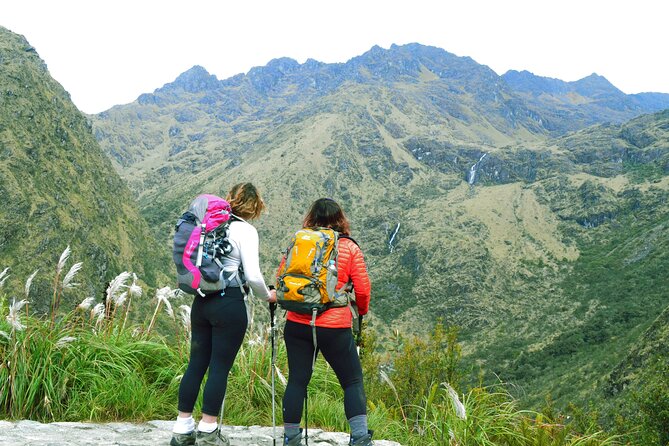
Day 2 is the hardest part of the route. You wake early for coffee or coca tea, eat breakfast, and begin a four-hour climb to Warmiwanuska, better known as Dead Woman’s Pass.
The pass reaches about 4,215 meters, or 13,828 feet. You should expect steep uphill walking, thin air, and a slow pace. This is where acclimatization and patience matter most. Your guide should allow time for rest, water, and recovery, and the guide teams associated with this company have been praised for staying attentive when the trail becomes exhausting.
The reward is not just the view from the summit. Reaching the pass gives you a clear sense of the engineering challenge behind the Inca road. From the top, you descend for about two hours to lunch. Downhill can sound easier, but steep stone steps can be rough on knees and ankles, especially in rain.
After lunch comes the second pass. The climb takes about two hours and feels easier than Dead Woman’s Pass, though you will already have several hours in your legs. Along the way, you visit Runcuraccay and Sayacmarca, two Inca sites that help turn the day into more than a physical test.
The final stretch is a short walk to Chaquicocha, the second camp, at about 3,600 meters. The day covers approximately 16 kilometers and lasts around 10 hours. It is rated moderate to difficult, and I would take that rating seriously.
Chaquicocha is also a good place to look up. When the sky is clear, the camp offers strong stargazing conditions. When the weather turns wet, the same campsite can feel much less comfortable, so pack a dry layer and keep your sleeping clothes protected.
Day 3: Cloud forest, Phuyupatamarca, and Wiñay Wayna
After the demanding second day, Day 3 is shorter and more varied. The route covers about 10 kilometers in roughly five to six hours, with a high point around 3,600 meters and a campsite at 2,600 meters.
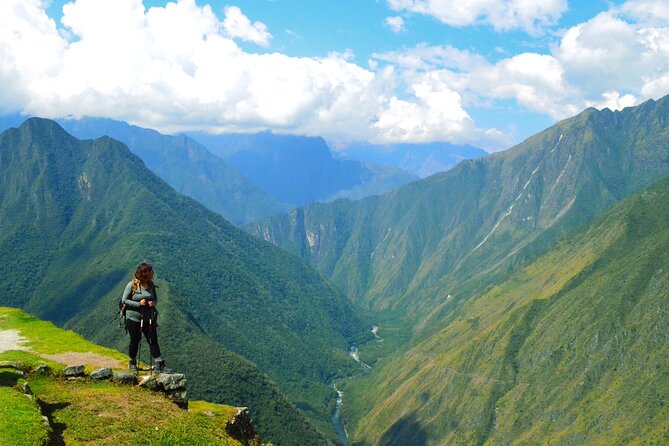
You pass through several ecological zones, including cloud forest. The trail changes character as you descend, with different plants, damp air, and wide views toward Salkantay Mountain. This is one of the best days for scenery because the route shifts from high mountain terrain toward the warmer, greener setting around Machu Picchu.
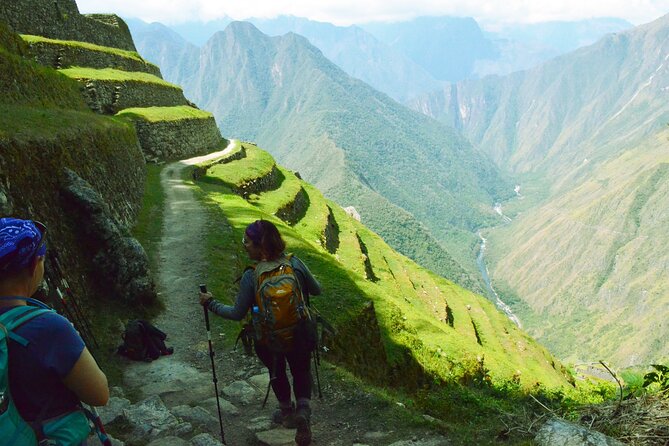
Phuyupatamarca, or City in the Clouds, is one of the key stops. The terraces and stone structures sit dramatically along the trail. You also visit Intipata, known for its terraces connected with the sun. These sites are quieter and less instantly famous than Machu Picchu, but they help you understand that the Inca Trail was a connected route lined with settlements and ceremonial places.
You reach camp around 1:00 pm and have lunch, followed by free time. That pause matters. A four-day walk is easier when the schedule gives your body a chance to recover instead of filling every hour with sightseeing.
Later, you visit Wiñay Wayna, one of the most impressive sites on the route. It is close to the final camp and gives you a strong preview of the stone terraces and steep setting waiting at Machu Picchu. Afterward, you return for tea and dinner.
This day is rated easy, but the preceding two days still count. You may feel tired even when the walking is shorter. The lower camp altitude should help, though conditions can change. One group had its final campsite altered because of rain-related trail conditions and ended up walking farther than planned. That kind of change is possible on a mountain route, so keep some flexibility in your expectations.
Other Inca Trail departures:
- Short Inca Trail to Machu Picchu 2D/1N
★ 5.0 · 3,007 reviews - 2-Day Inca Trail to Machu Picchu with Panoramic Train
★ 5.0 · 1,876 reviews - Inca Trail 4-Day 3-Night Trek to Machu Picchu with Expert Guides
★ 5.0 · 733 reviews - Cusco: 4-Day Inca Trail to Machu Picchu with Accommodation
★ 4.8 · 432 reviews
Day 4: Sun Gate and the first view of Machu Picchu
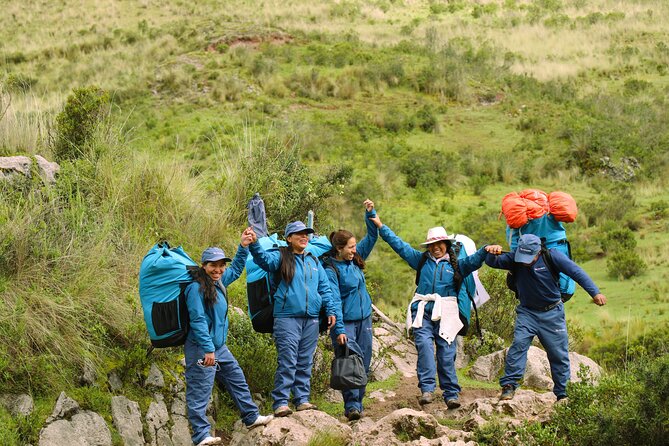
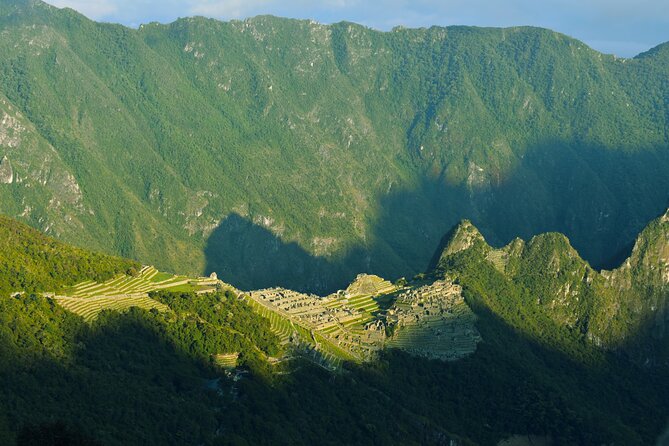
The final morning starts very early. You wait at the checkpoint near Wiñay Wayna until it opens at 5:30 am, then walk for about an hour to the Sun Gate.
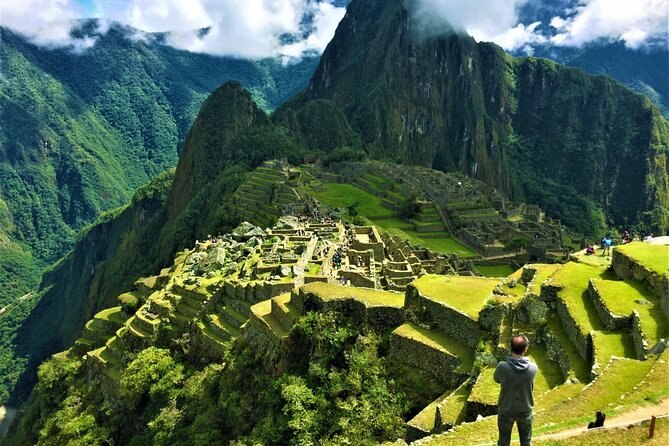
The Sun Gate is the classic arrival point for hikers on the Inca Trail. If the weather cooperates, you can see Machu Picchu from above and possibly watch the morning light spread across the site. Clouds and rain are common possibilities, so the view is not guaranteed, but the approach still feels special because you enter on foot rather than arriving directly by bus.
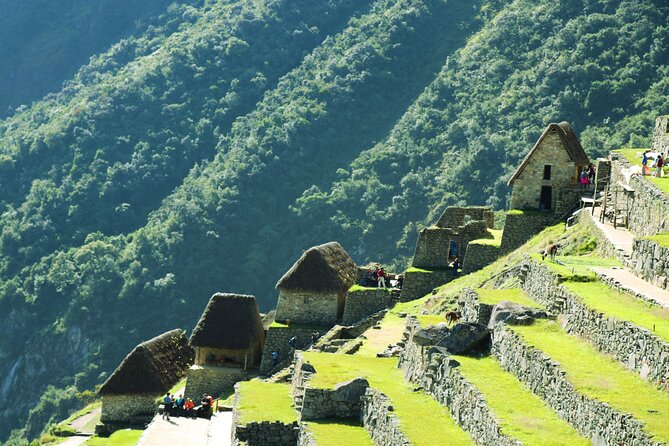
From the Sun Gate, you descend for about an hour to Machu Picchu. The guide then leads a two-hour tour of the ruins, explaining the main structures and the role of the site within the wider Inca world. This guided visit is important. Without context, the stone walls can blur together, especially after four days of hiking.
After the guided portion, you can explore on your own within the permitted route. If you have booked Huayna Picchu or Machu Picchu Mountain, this is the time for that additional climb. The tickets are not included and must be arranged far in advance.
The day’s listed walking distance is about 6 kilometers, with roughly two hours of trail walking, though the overall morning and site visit take around four hours. Your guide explains how to reach Aguas Calientes by bus for lunch. Lunch is not included, so keep cash available.
You then take the Vistadome panoramic train and bus back toward Cusco. The company meets you after the train and returns you to your hotel. That last transfer removes one more piece of transport planning after a tiring morning.
The food, tents, and porter support
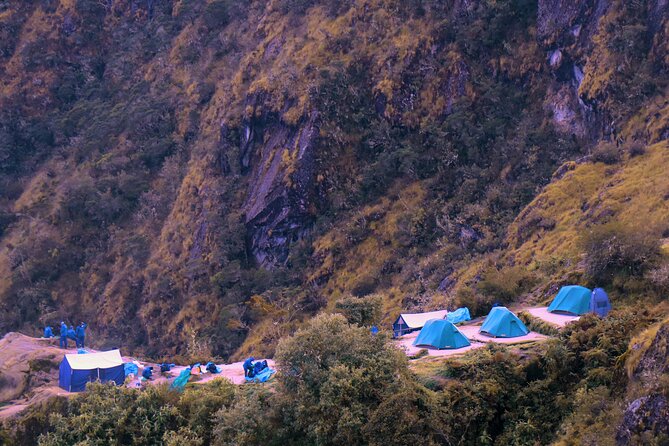
The food receives some of the strongest praise. The chef prepares breakfast, lunch, and dinner each day, and the meals are described as plentiful, varied, and far better than many people expect from a remote campsite. Vegetarian and vegan options are available if you state your needs when booking.
One camp chef, Rolando, was singled out for preparing generous vegetarian meals, while Rosalio was praised for handling different diets. Another group even received a large birthday cake at camp. Those details matter because good food lifts morale on a strenuous trek.
The dining setup is more organized than a simple tent-and-stove operation. The crew carries a dining tent, tables, chairs, cooking gear, and supplies. You can expect camp meals to be served in a proper shared space rather than eating from your lap outside.
The porters carry the heavy load from camp to camp. They move the tents, food, sleeping equipment, cooking supplies, tables, and chairs. They may pass you on the trail, set up the lunch area, pack it again, and prepare the evening camp before you arrive.
That support deserves proper recognition. Tips are collected on the third night, with separate envelopes for porters and cooks. A suggested porter tip is 60 to 80 Peruvian soles, while the guide suggestion is about $10 per day per hiker. The porters often come from rural communities, so bring clean, undamaged soles in smaller denominations. A mix of 50, 20, and 10 sole notes is easier to divide than large bills.
The tents are shared by two people in a four-person tent. A ground pad, pillow, sleeping bag liner, and poncho may be supplied, though the listed inclusions specifically identify the tents and the personal porter allowance. Ask exactly what equipment will be provided before departure, then rent or bring anything not confirmed.
Fitness, altitude, rain, and trail conditions
You need a moderate level of physical fitness. The distance alone is not the main issue. The trail includes long uphill sections, high-altitude passes, steep stone steps, early mornings, and four days of repeated effort.
Arrive in Cusco at least two days before the trek if possible. Cusco is above 11,000 feet, and the route climbs higher. Spending extra time there gives you a better chance to adjust before Dead Woman’s Pass.
Weather can change the experience quickly. One trek had sun on Day 1, rain during the high passes on Day 2, clear weather on Day 3, and rain at Machu Picchu on Day 4. Pack waterproof layers, protect spare clothes inside your bag, and do not assume that the dry season means dry conditions every hour.
The Inca Trail is largely made of original stone paving and steps. Trail-running shoes worked well for one person, while others preferred hiking boots or trekking poles. I would choose footwear with a firm grip and good wet-weather comfort, then decide on poles based on your knees, balance, and hiking habits.
Bathrooms are basic. Early sections use local outhouses that usually charge one or two soles. Carry toilet paper and a supply of one and two sole coins. Small shops and snack sellers appear along part of the route, so keep some soles handy.
Group size, guides, and the human side
The maximum group size is 16 people. That is large enough to create a social atmosphere but small enough for guides to keep track of the group. The usual support team can include several porters and two chefs, depending on group size.
Guide quality makes a major difference on this route. Guides named Jose Luis, Sergio, Filio, Elisban, and Johnny have been praised for patience, storytelling, cultural explanations, and practical help on steep sections. Filio led a coca leaf ceremony, while Elisban was especially valued for pacing the group and helping tired hikers continue safely.
The strongest guide teams do more than point out ruins. They explain Quechua culture, describe how the sites fit together, and watch the group’s condition. Johnny was also praised for creating a warm group spirit, which can matter when everyone is tired and sharing close quarters.
English is the offered language. Children must be accompanied by an adult, and the maximum group size is 16. Passport name, number, expiry date, and country are required for every participant when booking.
Who should book this trek?
I would choose this trip if you want the traditional Inca Trail in a supported format. It suits hikers who care about the route itself, not only the final sight of Machu Picchu. The ruins at Patallacta, Runcuraccay, Sayacmarca, Phuyupatamarca, Intipata, and Wiñay Wayna make the four-day version worthwhile.
It is also a good fit if you want the hard work handled behind the scenes. The chef, porters, camping gear, transport, and train are all arranged. You still hike the trail, but you do not have to carry a full camping load or cook after a 10-hour day.
I would hesitate if you dislike camping, early starts, steep climbs, or uncertain mountain weather. The non-refundable policy is strict: cancellations and amendments receive no refund. If poor weather or an insufficient number of participants causes the company to cancel, you are offered another date, another experience, or a full refund.
Final verdict: a strong value for serious hikers
I would recommend this $799 trek to anyone who wants a full Inca Trail experience with strong logistical support and a well-fed camp routine. The biggest strengths are the porters, the cooking, the range of archaeological sites, and the smooth return by panoramic train.
Book it when you can spend extra time acclimatizing, prepare for a difficult second day, and accept that rain may change the schedule. Bring small soles, toilet paper, waterproof storage, and enough energy for the early mornings. If that sounds manageable, this is a memorable and fairly priced way to reach Machu Picchu.
FAQ
How long is the Inca Trail tour?
The tour lasts four days and ends back at the meeting point in Cusco after the return train, bus, and hotel transfer.
What time does pickup begin?
Pickup begins around 4:30 am, depending on your location in Cusco or the Sacred Valley.
Is transportation included?
Yes. Transportation is included throughout the trek, along with airport transfers, the bus from Machu Picchu to Aguas Calientes, the Vistadome panoramic train, and the return transfer to your hotel.
Are meals included?
Breakfast, lunch, and dinner are included on the first three days. Breakfast is included on the final day, but lunch in Aguas Calientes is not included.
Is camping equipment provided?
Four-person tents are provided for every two people. Sleeping bags, inflatable mattresses, and trekking poles are not included, but they can be rented from the company.
Can I request vegetarian or vegan meals?
Yes. Vegetarian and vegan options are available, but you must provide dietary requirements when booking.
Are Huayna Picchu and Machu Picchu Mountain included?
No. Tickets for Huayna Picchu or Machu Picchu Mountain are separate and must be booked as far in advance as possible.
More Hiking Days from Cusco
- 4-Day Salkantay Trek with Sky Camp Stay
★ 5.0 · 3,346 reviews - Salkantay Trek 5D/4N with Glass Cabins, Domes and Hobbit House
★ 5.0 · 2,488 reviews - Rainbow Mountain Full Day Trek
★ 5.0 · 1,469 reviews - 5-Day Premium Salkantay Trek
★ 5.0 · 788 reviews
Other Ways to Reach Machu Picchu
- From Cusco: Full-Day Group Tour of Machu Picchu
★ 4.7 · 1,767 reviews - Machu Picchu Day Trip from Cusco
★ 4.5 · 1,644 reviews - 2-Day Tour: Sacred Valley and Machu Picchu by Train
★ 5.0 · 1,127 reviews - Machu Picchu: Full-Day Tour from Cusco with Optional Lunch
★ 4.6 · 927 reviews
Added recently around Cusco
- Guided tour of the mountain of colors in Cusco★ 5.0 · 11 reviews
- 2-Day Private Short Inca Trail to Machu Picchu★ 5.0 · 15 reviews
- City Tour Cusco – Group★ 5.0 · 4 reviews
- Tour Sacred Valley with Maras and Moray★ 5.0 · 15 reviews
- San Pedro Market Tour with Peruvian Cooking Class★ 5.0 · 31 reviews
- Walking Culinary Experience★ 5.0 · 41 reviews
- City Tour in Cusco★ 4.5 · 10 reviews
- One Day Tour to Humantay Lagoon★ 5.0 · 8 reviews
Machu Picchu Tours, compared.
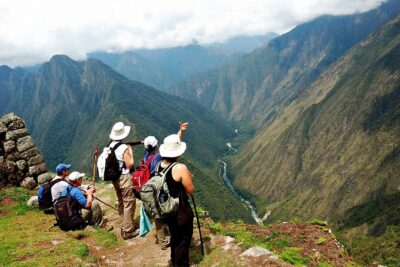
Classic Inca Trail Trek 4D/3N to Machu Picchu (Group Service)
Read our review →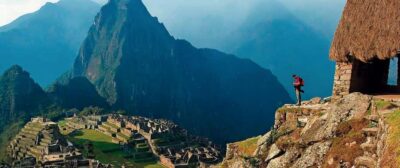
Machu Picchu: 4-Day Inca Trail Trek with Panoramic Train Ride
Read our review →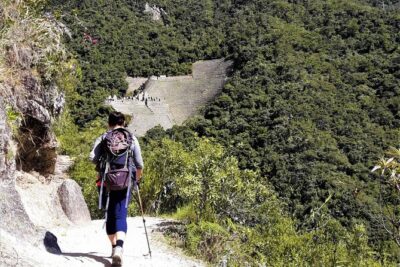
2-Day Inca Trail to Machu Picchu with Panoramic Train
Read our review →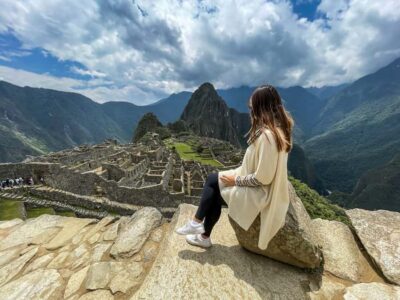
2-Day Tour: Sacred Valley and Machu Picchu by Train
Read our review →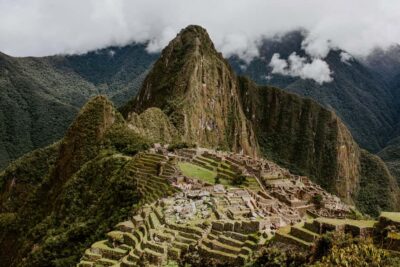
Machu Picchu: Full-Day Tour from Cusco with Optional Lunch
Read our review →Browse the lists this tour appears in