
Reviewed · MACHU PICCHU TOURS
Inca Trail Machu Picchu 4 Days
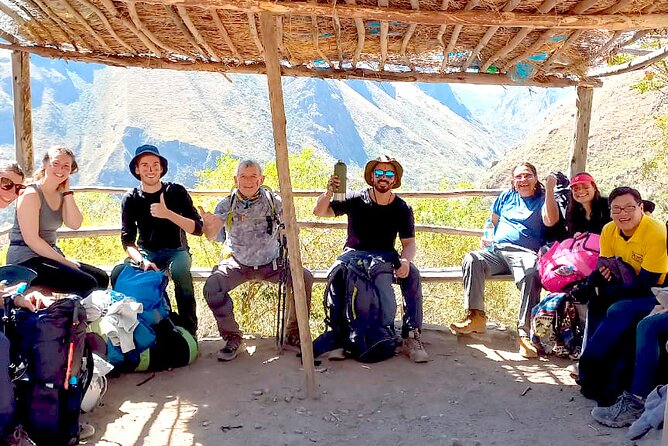
Machu Picchu feels different when you earn it on foot. This four-day route combines high mountain passes, old Inca ruins, cloud forest, and a sunrise approach through the Sun Gate. I especially like the small group size of up to 10 people and the strong support setup, including cooks, porters, camping gear, meals, oxygen, and first aid. The guides also add real value, with Franklin praised for keeping groups together while allowing time to explore.
The main catch is the physical demand. Day two includes the 4,200-meter Death Pass, followed by a steep descent and more climbing, so this is not a casual walk to Machu Picchu. You also need to bring or rent a sleeping bag, pay separately for lunch on the final day, and accept a strict non-refundable booking policy.
In This Review
- What makes this 4-day Inca Trail worth considering
- The $905 price and what you receive
- Day one: Cusco to Kilometer 82 and Ayapata
- Day two: Death Pass and Chaquicocha
- Day three: tunnels, baths, and Wiñayhuayna
- Day four: the Sun Gate and Machu Picchu
- Food, camping, and the people behind the route
- The practical drawbacks to consider
- Who should book this Inca Trail?
- Should you book the 4-day Inca Trail?
- FAQ
- How long is the Inca Trail Machu Picchu tour?
- Where does the tour start?
- Is breakfast included on the first day?
- What is the hardest part of the route?
- Is a sleeping bag included?
- What language is the guide available in?
What makes this 4-day Inca Trail worth considering
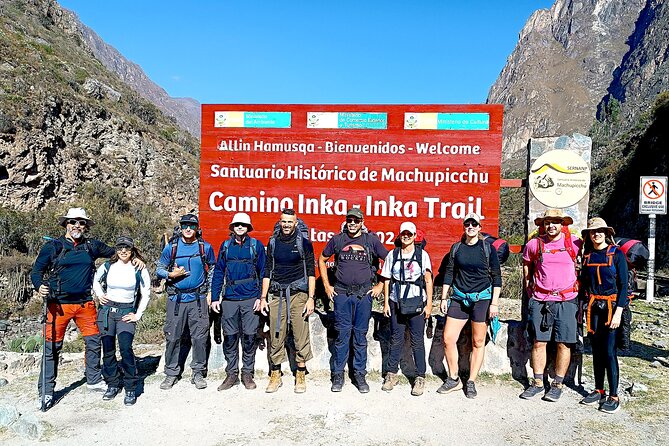
- A genuine arrival at Machu Picchu: You enter through Inti Punku, the Sun Gate, rather than simply arriving by train.
- Three nights under canvas: Camps at Ayapata, Chaquicocha, and the route near Wiñayhuayna make this a full trekking trip.
- A demanding but varied route: Expect river valleys, rainforest, stone steps, tunnels, mountain passes, and ancient terraces.
- Food is a major strength: The cooks serve three breakfasts, lunches, dinners, and snacks, with tea time each evening.
- A manageable group size: The maximum of 10 people gives the guide room to watch the group and answer questions.
- A strong support team: Porters carry tents and kitchen equipment, while the tour supplies oxygen and first-aid support.
The $905 price and what you receive
At $905 per person, this is not a cheap four-day walk. It is also not simply a guide leading you along a path. The price covers the Inca Trail and Machu Picchu permits, transport from Cusco to Kilometer 82, the return train to Ollantaytambo, transport onward to Cusco, camping equipment, food, a cook, porters, a guide, and the bus between Machu Picchu village and the archaeological site.
That package matters because the Inca Trail requires a great deal of moving equipment. Your group needs tents, a dining area, cooking gear, food, tables, chairs, and bathroom equipment. The porters make it possible for you to hike with a lighter personal load rather than carrying the entire camp.
Three breakfasts, three lunches, three dinners, and three snacks are included. Evening tea lasts about 30 minutes before dinner, and the food receives unusually strong praise. One group even received a baked cake at camp, a small luxury after a long day on stone steps.
The price does not include a sleeping bag, breakfast on day one, lunch at Machu Picchu or in Aguas Calientes, or an extra carrier. The extra carrier may matter if you want help with your personal bag. Ask about that before setting out, since the included porters are carrying shared gear and food.
You should also understand the booking risk. This experience is non-refundable and cannot be changed for any reason. Since permits and transport need advance planning, the tour is commonly booked about 60 days ahead, but you should only pay once your dates and fitness plans are firm.
More Inca Trail Tours in Sacred Valley
- Cusco : Sacred Valley & Inca Trail to Machu Picchu 3 days
★ 5.0 · 57 reviews - 2-Day Short Inca Trail Hike to Machu Picchu
★ 5.0 · 27 reviews - Sacred Valley & One Day Inca Trail 3 Days
★ 5.0 · 23 reviews
Day one: Cusco to Kilometer 82 and Ayapata
The day begins at 5:30 am with hotel pickup in Cusco. That early start gets you toward the Sacred Valley and the trailhead at Kilometer 82, but it also means you need to prepare the night before. Breakfast is not included on this first morning.
Before reaching the trail, the group makes a short stop in Ollantaytambo. You have the option of buying breakfast there, which makes this the practical moment to eat and pick up anything you forgot. After that, the group meets at Kilometer 82 to present documents for control and registration.
The route crosses the Urubamba River at about 2,200 meters. From there, the first walking section is described as fairly easy to follow, a useful introduction before the harder days arrive. You hike toward Miskay, a small riverbank area where lunch is served.
At Miskay, the guide explains the archaeological complex of Llactapata. This kind of stop gives the first day more purpose than simply covering distance. You begin to see how the trail links natural features and Inca sites, rather than treating the ruins as isolated photo stops.
After lunch, the route continues toward Wayllabamba at about 3,100 meters, then climbs to Ayapata, where the group spends the night. The day takes about seven hours, so the mileage may look reasonable on paper, but the early start and steady ascent will still make it a full opening day.
Ayapata is your first camp and your first test of the camping routine. You can expect tents, a dining area, tables, chairs, kitchen support, and bathroom equipment supplied by the team. The practical benefit is clear: you do not need to organize camp yourself after hiking all day.
Day two: Death Pass and Chaquicocha
Day two is the physical heart of the trip. The schedule describes about eight hours of hiking, while the walking notes refer to as much as nine hours in cold weather. Plan for the longer figure, since short breaks and group pace can affect the total.
The morning route climbs toward Llulluchapampa at about 3,850 meters. The trail covers roughly three kilometers to the valley, with rainforest scenery and the sound of running water. This section gives you a gradual start before the main climb.
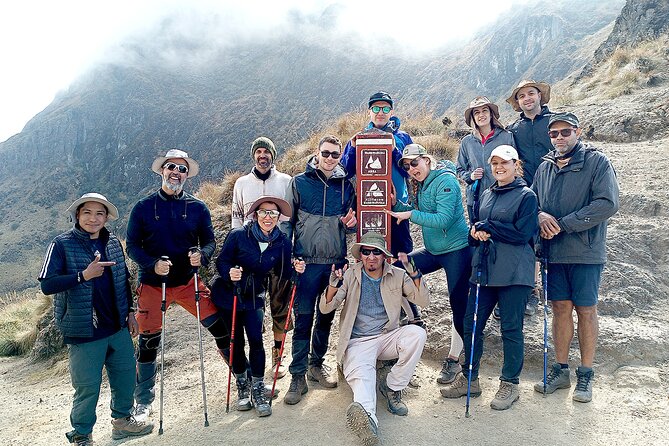
From Llulluchapampa, you continue for two to three hours toward Warmihuañusca, better known as Death Pass. At 4,200 meters, this is the highest point and the hardest climb of the trek. The name is dramatic, but the real challenge is the combination of altitude, cold, and a long uphill section.
The tour is designed around a slow pace, with everyone walking at their own speed and taking short stops. That approach is important. You should not feel pressured to match the fastest person in the group, and the guide can focus on keeping the group together without turning the day into a race.
After a brief stop at the pass, the route drops steeply toward the Pacaymayu River. Descending is easier on your breathing, but it can be tough on your knees. The trail then continues toward the Runkurakay pass at about 3,050 meters before reaching Chaquicocha camp at approximately 3,650 meters.
This is a long and demanding day, with no quick shortcut once you are on the trail. Strong physical fitness is required, and the supplied information specifically warns that you should be in good condition. I would treat training on hills and stairs as essential preparation, not an optional extra.
The reward is the setting at camp. Chaquicocha offers mountain views and a chance to rest after the hardest section. A hot drink, a proper dinner, and a dry tent can feel like first-class service at this point, especially when the cooks are producing several courses and occasional treats.
Day three: tunnels, baths, and Wiñayhuayna
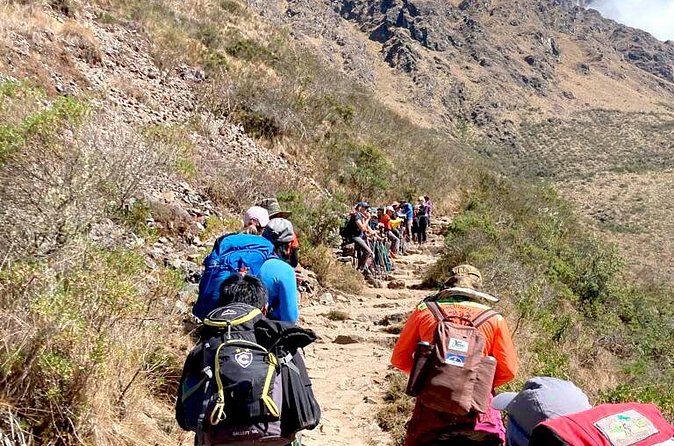
Day three is often described as the most scenic part of the route, and it is also shorter, at about six hours. The ecosystem changes as you walk through rainforest, making the day feel different from the high, cold pass of the previous morning.
From Chaquicocha, the trail reaches two small lakes near the second pass at about 3,950 meters. The route includes a gentle ascent, a small Inca tunnel, and broad views toward the Urubamba River and the Sacred Valley.
You then reach Phuyupatamarca, the City Above the Clouds, at about 3,600 meters. The site is well preserved and includes a long chain of Inca baths. These water features show the engineering skill behind the trail, and the high setting makes the stop especially memorable.
Another Inca tunnel follows before the route reaches Wiñayhuayna, meaning Forever Young, at about 2,650 meters. This is one of the most important archaeological sites on the route, and the descent toward it builds a sense of approach. You are no longer just crossing a mountain range. You are moving through a carefully planned sequence of settlements and ceremonial places.
The day ends with first views of Machu Picchu Mountain. That glimpse is valuable because it gives you a preview without giving away the final arrival. You spend the night near the final section of the trail, ready for the early start to the Sun Gate.
The terrain changes often, but it is not effortless. Inca stone steps can be uneven, and a shorter day still follows two long days of hiking. Take the evening seriously: eat, drink, organize your belongings, and rest.
More Machu Picchu Tours in Sacred Valley
- 2-Day Tour: Sacred Valley and Machu Picchu by Train
★ 5.0 · 1,127 reviews - Sacred Valley & Machu Picchu 2D1N
★ 5.0 · 617 reviews - 6 Days Exploring Cusco, Sacred Valley & Machu Picchu
★ 5.0 · 470 reviews - 2-Day Tour from Cusco: Sacred Valley and Machu Picchu by Train
★ 5.0 · 267 reviews
Day four: the Sun Gate and Machu Picchu
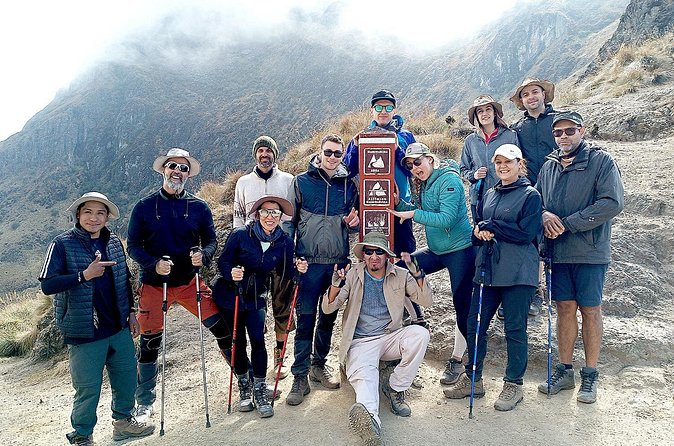
After breakfast, you walk toward Inti Punku, the Sun Gate. This is one of the defining features of the classic Inca Trail. Instead of arriving at Machu Picchu by bus or train and looking back at the route, you approach the citadel from the trail above.
The final uphill section takes nearly an hour. The group aims to reach the Sun Gate for sunrise views over Machu Picchu, although exact visibility can depend on conditions. From Inti Punku, you get the first major view of the citadel and the surrounding mountains.
The route then continues to the archaeological site at roughly 2,400 meters, with entry planned around 8:00 am. A guided visit lasts about two hours. This is where the guide’s explanation matters most, since the stones, terraces, temples, and plazas can otherwise become a blur of impressive masonry.
The supplied guide service is available in Portuguese or Spanish, with language requested in advance. Franklin is specifically praised for explaining the purpose of ruins and their role in Inca culture and economy. Giuliana is also singled out for her helpful attitude and positive energy.
After the guided visit, you have free time to explore on your own. The stated options include the Inca Bridge, additional monuments, and Huayna Picchu for a high panoramic view. The tour data does not confirm that every extra site or mountain entry is included, so check the permit details before assuming you can add Huayna Picchu.
The listed day takes about three hours, but that figure does not mean your full Machu Picchu visit ends after three hours. It refers to the hike and guided portion, while your free time and the transfer to Aguas Calientes add to the day.
Lunch is not included at the archaeological site or in Aguas Calientes. After lunch, you take the return train from Machu Picchu village to Ollantaytambo, depending on availability, then continue by tourist transport to Cusco.
Allow mental space for the return journey. The final day involves an early hike, a major archaeological visit, a descent to the village, lunch, a train, and road transport. It is exciting, but it is not a relaxed afternoon.
Food, camping, and the people behind the route
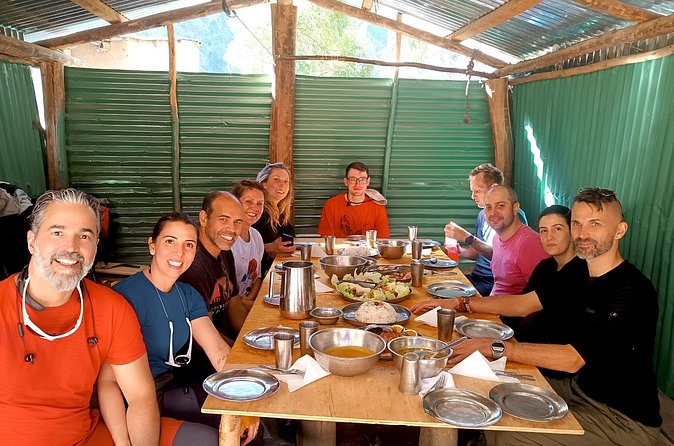
The support team is one of the strongest reasons to consider this trip. The cooks prepare the meals, while porters move the tents, kitchen equipment, food, and camp supplies. Without that system, the trail would become a very different and much heavier undertaking.
The food receives some of the warmest praise. You get three breakfasts, three lunches, three dinners, and three snacks, plus evening tea before dinner. A baked cake at camp is a nice reminder that trekking food does not have to mean plain rice and crackers.
The equipment package includes tents, sleeping mats, a bathroom, dining room, table, and chairs. A sleeping bag is not included, so you need to bring one or arrange a rental. The information does not specify tent sharing arrangements, so ask the provider before departure if that affects your plans.
The maximum group size is 10. That is small enough for the guide to keep track of different walking speeds, yet large enough to provide a social atmosphere. The experience may suit you best if you enjoy group travel but still want some breathing room.
The practical drawbacks to consider
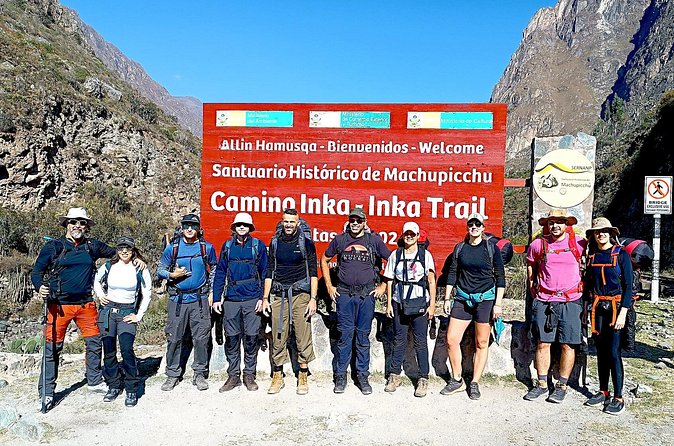
The biggest issue is difficulty. The altitude and steep grades make this a serious trek. Day two is especially hard, and the third day still includes high sections, tunnels, and a long descent. You should have strong fitness and appropriate equipment, as one direct assessment of the route advises.
The schedule can also feel tight. One comment praises the service but notes problems with timing and having to hurry for transport. That warning is worth taking seriously on the final day, when the train departure and road connections shape your afternoon.
The itinerary has a few details that should be confirmed before booking. Day two is described as eight hours in one place and nine hours in another. The return train is listed as dependent on availability, and the bus to Machu Picchu is included, but the exact sequence and timing should be checked.
The non-refundable policy is another serious consideration. You cannot change or cancel for a refund, so this is not a flexible reservation. Make sure your passport information, dates, fitness level, and travel plans are settled first.
Who should book this Inca Trail?
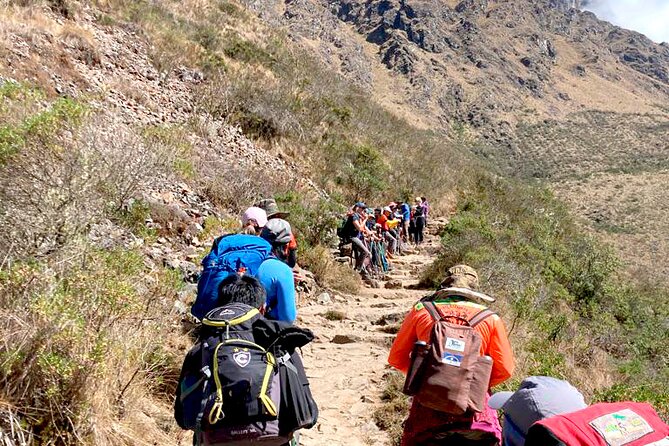
I would recommend it to you if reaching Machu Picchu on foot matters as much as seeing the ruins. The route offers far more than a direct visit: you cross the Urubamba River, pass Llactapata, climb Death Pass, walk through Inca tunnels, see Phuyupatamarca and Wiñayhuayna, and enter through Inti Punku.
It also suits you if you value a well-supported trek. The guide, cook, porters, tents, meals, first-aid supplies, oxygen, and group limit remove much of the logistical burden. You still have to do the walking, but you are not responsible for running the camp.
I would be cautious if you dislike early mornings, shared camping, long uphill days, or fixed schedules. A train-based visit to Machu Picchu will be easier on your body and more flexible, though it will not provide the same sense of arrival.
Should you book the 4-day Inca Trail?
Book this tour if you want the full route, can handle high-altitude hiking, and appreciate having food and camp logistics handled for you. The strongest parts are the dramatic route, the small group, the attentive guide service, and the surprisingly good camp meals.
Before paying $905, confirm the guide language, train timing, sleeping bag plan, extra carrier cost, and what is required for Huayna Picchu or other optional visits. If those details work for you and your schedule is firm, this is a well-supported way to reach Machu Picchu with real time on the trail.
FAQ
How long is the Inca Trail Machu Picchu tour?
The tour lasts approximately four days and includes three nights of camping.
Where does the tour start?
Pickup begins in Cusco at 5:30 am. The group then travels through the Sacred Valley to Kilometer 82, where the hike starts.
Is breakfast included on the first day?
No. Breakfast on day one is not included, but there is an option to stop in Ollantaytambo for breakfast before reaching the trailhead.
What is the hardest part of the route?
The climb to Warmihuañusca, or Death Pass, is described as the most difficult section. The pass reaches about 4,200 meters.
Is a sleeping bag included?
No. You need to provide a sleeping bag separately. Camping equipment such as tents, mats, tables, chairs, a dining area, and bathroom equipment is included.
What language is the guide available in?
The professional guide is available in Portuguese or Spanish. You should request your preferred language in advance.
Other Ways to Reach Machu Picchu
- From Cusco: 2-Day Trip to the Sacred Valley and Machu Picchu
★ 4.6 · 265 reviews - 7-Day New Dawn in Machu Picchu: Lima, Cusco & Sacred Valley
★ 5.0 · 220 reviews - 2 Days Tour Sacred Valley and Machu Picchu From Cusco
★ 5.0 · 216 reviews - Private Professional Guide in Machu Picchu from Aguas Calientes
★ 5.0 · 165 reviews
Other Inca Trail Departures
- Classic Inca Trail Trek 4D/3N to Machu Picchu (Group Service)
★ 5.0 · 8,653 reviews - Machu Picchu: 4-Day Inca Trail Trek with Panoramic Train Ride
★ 5.0 · 4,568 reviews - Short Inca Trail to Machu Picchu 2D/1N
★ 5.0 · 3,007 reviews - 2-Day Inca Trail to Machu Picchu with Panoramic Train
★ 5.0 · 1,876 reviews
Added recently around Sacred Valley
- Tour Sacred Valley with Maras and Moray★ 5.0 · 15 reviews
- Full day excursion in the Sacred Valley, Pisac, Ollantaytambo from Cusco City★ 4.5 · 12 reviews
- Full day tour of Sacsayhuaman,Q’enQo, Puka Pukara, and Sacred Valley Tour★ 5.0 · 10 reviews
- Full Day Sacred Valley of the Incas Private Tour★ 5.0 · 10 reviews
- Full Day in the Sacred Valley – The Pantry of Cusco★ 5.0 · 14 reviews
- Full Day Urubamba River Rafting Adventure★ 3.5 · 6 reviews
- Full-Day Tour in the Sacred Valley with Lunch★ 4.5 · 15 reviews
- Full Day Tour Sacred Valley of the Incas (Private)★ 5.0 · 7 reviews
Machu Picchu Tours, compared.
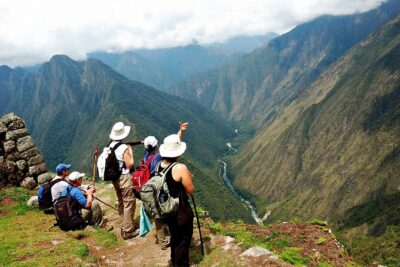
Classic Inca Trail Trek 4D/3N to Machu Picchu (Group Service)
Read our review →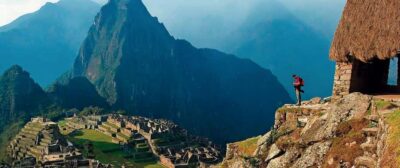
Machu Picchu: 4-Day Inca Trail Trek with Panoramic Train Ride
Read our review →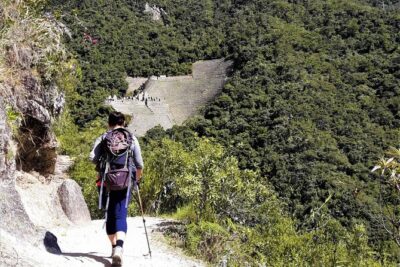
2-Day Inca Trail to Machu Picchu with Panoramic Train
Read our review →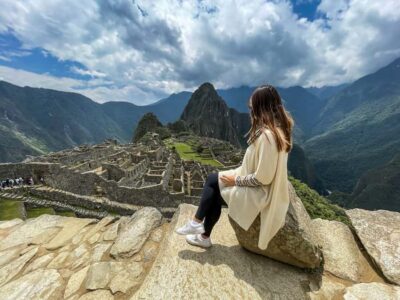
2-Day Tour: Sacred Valley and Machu Picchu by Train
Read our review →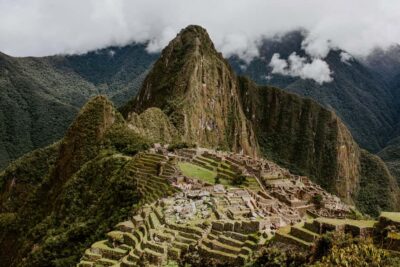
Machu Picchu: Full-Day Tour from Cusco with Optional Lunch
Read our review →Browse the lists this tour appears in