
Reviewed · MUSEUMS
Lima: Larco Museum Entry Ticket & Guided Tour with Pickup
Ancient Peru speaks through clay. This three-hour Larco Museum tour pairs 45,000-plus artifacts with a bilingual guide who explains offerings, war, music, death, and fertility in the Andean worldview. I like the hotel pickup from Miraflores, Barranco, or San Isidro, and I like the small-group limit of 10 people. The main consideration is time: two hours inside a large museum can feel brisk if you want to read every label.
The strongest part is the guiding. Pamela receives repeated praise for clear explanations, patient answers, and lively storytelling, while other guides are described as friendly and professional. You also get door-to-door transport, but pickup and return are included only in the three named districts unless you arrange an extra-fee transfer.
In This Review
- Key points to know before booking
- Why the Larco Museum is worth your Lima afternoon
- Starting with pickup in Miraflores, Barranco, or San Isidro
- Entering a museum built around ancient Peru
- Offerings and sacrifice through ceramic scenes
- Music, warfare, and death in the Andean worldview
- The fertility room, a memorable final stop
- Two hours inside, then 15 minutes for shopping
- What $54 includes, and where the value lies
- Small groups and bilingual guiding
- Accessibility, cancellation, and practical details
- Who will get the most from this tour?
- Should you book the Larco Museum tour?
- FAQ
- How long does the Larco Museum tour last?
- Where is hotel pickup included?
- Can pickup be arranged outside those districts?
- Is the tour available in English?
- How many people are in the group?
- Are meals included?
- Can I cancel the booking?
Key points to know before booking
- The collection covers ancient Peru through the Inca rise: More than 45,000 pieces are arranged by period and theme, making the museum easier to follow than a random display of artifacts.
- The tour focuses on meaning, not just dates: You learn how ceramics portray offerings, sacrifice, music, warfare, death, and fertility.
- The fertility room is memorable and direct: It is an unusual gallery that may surprise some visitors, but it gives important insight into ancient beliefs.
- Hotel pickup saves time in Lima: Pickup and return are included in Miraflores, Barranco, and San Isidro.
- The group is capped at 10 people: That is small enough for questions and a more personal guide experience.
- The $54 price includes the useful extras: Admission, bilingual guiding, transport, a driver, and bottled water are covered, but meals are not.
Why the Larco Museum is worth your Lima afternoon
Lima has many museums, but the Larco Museum is especially useful when you want a clear introduction to ancient Peru. Its collection traces the birth and development of different civilizations before the rise of the Inca Empire. That broad scope gives you a helpful framework for the rest of a Peru trip.
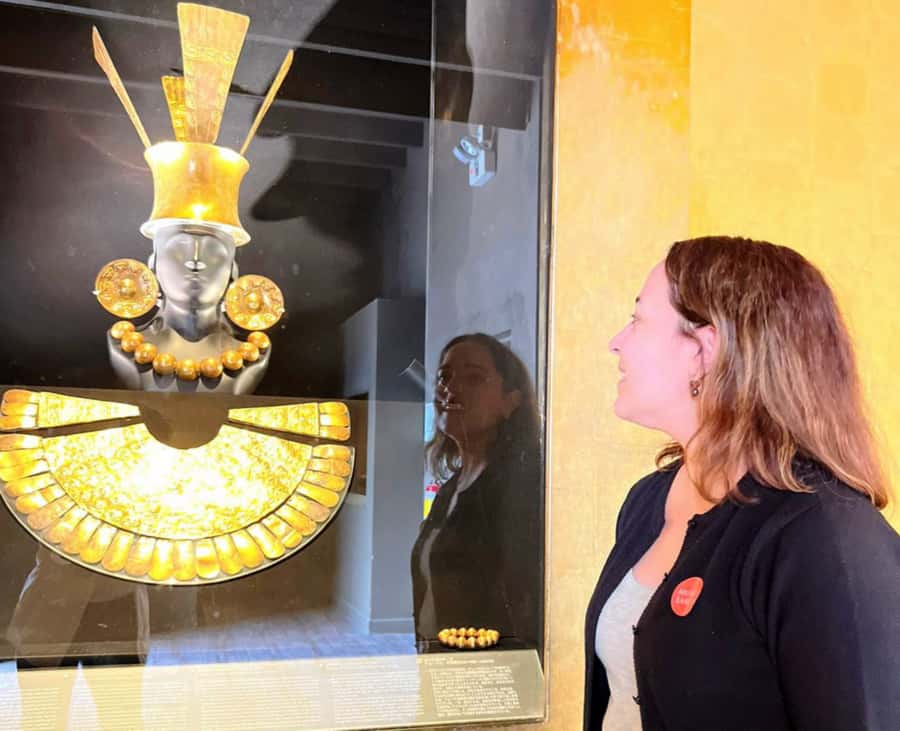
The museum holds more than 45,000 objects, including ceramics, textiles, gold, and silver. The important point is not simply the number. The collection is arranged in chronological and thematic rooms, so you can follow changing ideas and artistic styles instead of staring at isolated objects with no context.
I like this approach for a first visit. Ancient Peruvian cultures can be hard to sort out, especially when several periods and societies appear in the same guidebook. A structured tour helps you understand how the pieces fit together.
The museum also asks bigger questions. What did people offer to the gods? How did they understand illness and death? What did music, warfare, and fertility mean within Andean culture? The answers come through objects rather than only through long wall text.
More Museum Visits in Lima
- Skip the Line: Larco Museum Admission Ticket
★ 5.0 · 659 reviews - Experience Lima: Gastronomic Evening at Larco Museum
★ 4.5 · 95 reviews - Larco Museum, Pisco Old Tavern and Magic Water Circuit Evening Tour
★ 4.5 · 66 reviews
Starting with pickup in Miraflores, Barranco, or San Isidro
Your guide and driver collect you from your accommodation in Miraflores, Barranco, or San Isidro. You should wait in the hotel lobby 15 minutes before the scheduled time, and the guide or driver will ask reception for your last name.
The ride to the museum takes about 25 minutes in the listed van transfer. That time can vary with Lima traffic, but the scheduled transfer is short enough that you are not giving up most of your morning or afternoon in a vehicle.
This pickup arrangement is a real benefit in Lima. You do not need to find the museum on your own, arrange a taxi, or worry about getting back after the visit. It also makes the tour a practical choice for a first day in the city, when you may still be sorting out districts and local transport.
There is one limitation. If you stay outside the three included districts, pickup and drop off can be arranged for a small extra fee. Confirm that cost before booking so the final price is clear.
Entering a museum built around ancient Peru
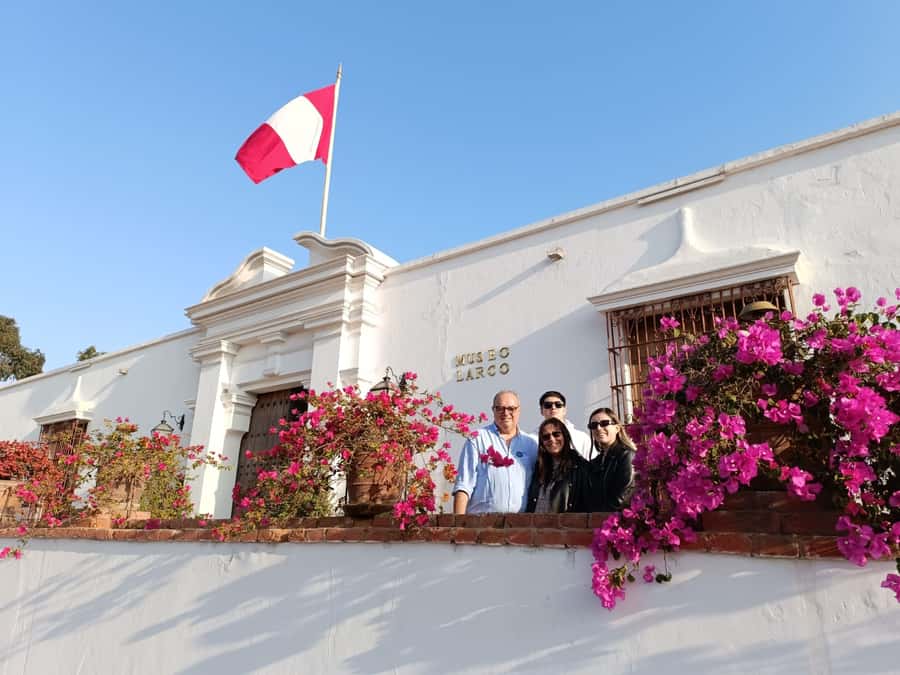
Once you arrive, the visit begins with a short photo opportunity and then a guided exploration of the museum. The museum’s rooms are organized both chronologically and by subject, which lets your guide move between dates, objects, and cultural ideas without losing the thread.
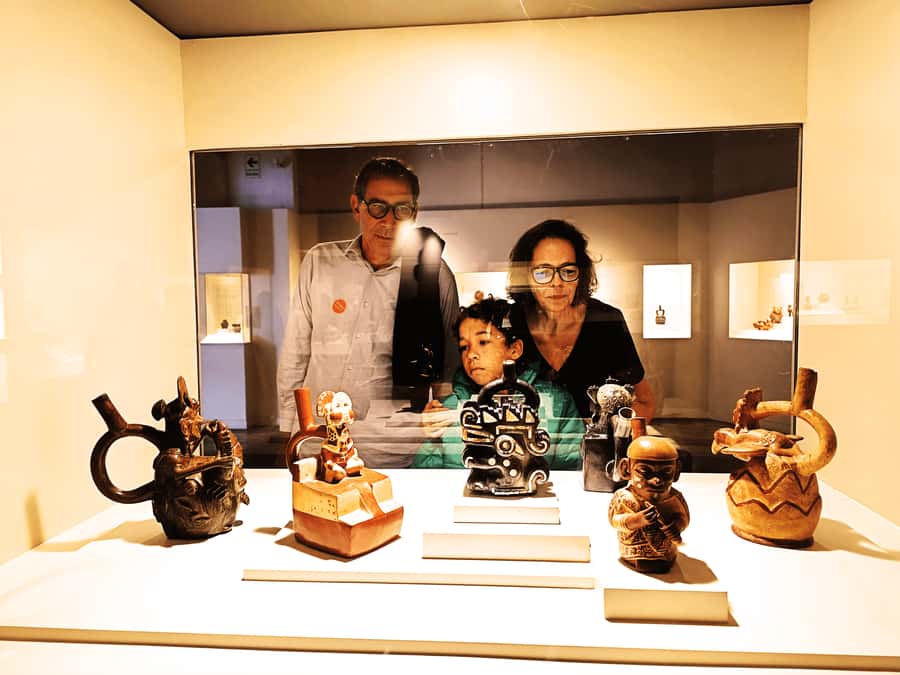
The collection reaches from early ancient Peruvian civilizations to the rise of the Inca Empire. You can expect a mixture of ceramics, textiles, precious metals, and other preserved objects. The ceramics receive special attention because they often show people, animals, rituals, daily activities, and symbolic scenes in a direct visual form.
I find ceramic art especially helpful in a museum setting. A short explanation can turn a small vessel into a record of religious practice or social life. The guide’s job here is not just to identify an object, but to explain what the image may have meant within its culture.
The thematic arrangement also keeps the visit from becoming a long march through dates. Instead, the tour moves toward subjects that connect ancient life with human concerns you still recognize: music, conflict, family, sexuality, ceremony, and death.
Offerings and sacrifice through ceramic scenes
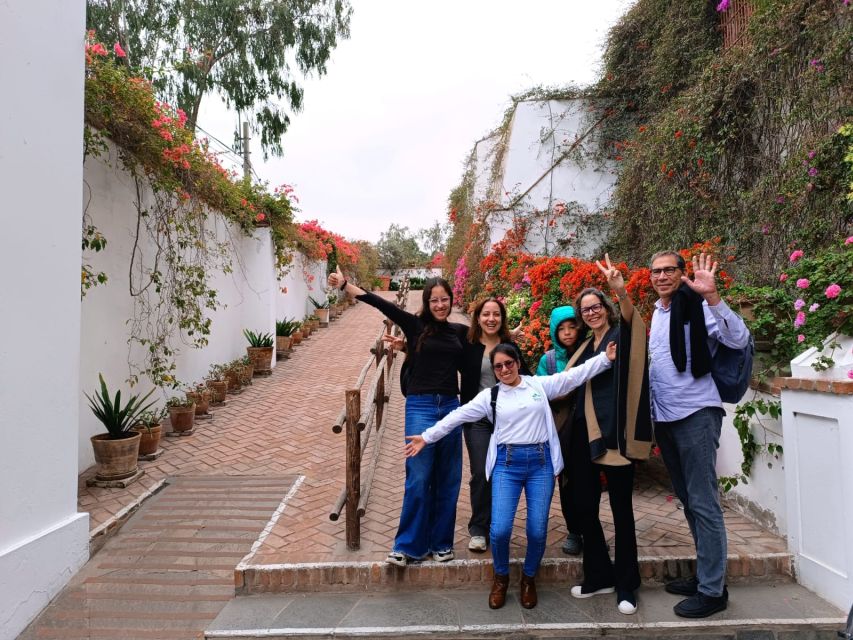
One of the most important sections covers offerings and human sacrifices made before the Incas. This can be a serious subject, and the museum presents it through ceramics that show ritual ideas and practices.
Your guide helps place these objects in the Andean worldview. That context matters because it is easy to look at a scene through modern assumptions and miss its original purpose. The tour is designed to explain how offerings connected people, the natural world, and spiritual forces.
You may find this part more challenging than a standard art display. It does not reduce ancient Peru to beautiful objects. It also deals with belief, power, fear, and death. For many people, that is exactly what makes the visit worthwhile.
The best use of your guide here is to ask questions. The group limit of 10 should make it easier to pause and ask for clarification. If you are particularly interested in ritual or religion, tell the guide early so the explanation can match your interests where time allows.
More museums worth an hour in Lima:
- Pachacamac’s Inka Pyramids Tour including Museum Small-Group
★ 5.0 · 65 reviews - From Lima: Pachacamac Inka Pyramids & The Larco Museum Tour
★ 4.8 · 43 reviews - Lima: Huaca Ruins and Larco Museum at Night with Dinner
★ 4.9 · 35 reviews - Lima city tour: Larco Museum and Huaca Pucllana
★ 4.8 · 33 reviews
Music, warfare, and death in the Andean worldview
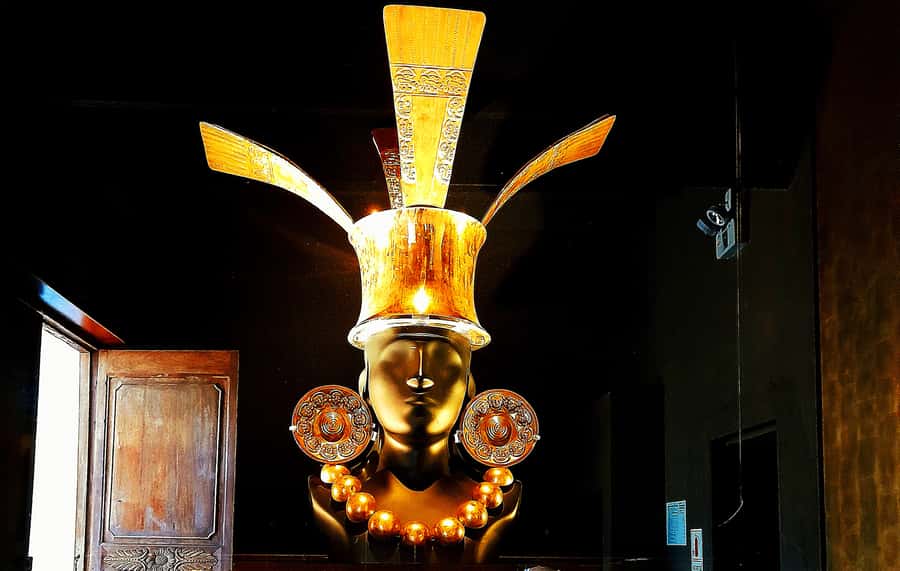
The tour then turns to music, war, and death. These themes show that ancient Peruvian art was not limited to decoration. Objects could record ceremony, authority, violence, mourning, and the way a society understood its place in the world.
The music section offers a way to think about sound in cultures that left no modern recordings. Ceramics and other objects can show instruments, performers, or musical activity. Your guide connects those visual clues to wider social and ritual life.
The war material gives another angle on ancient society. Warfare was tied to power and competition, but the displays also help you see how conflict appeared in art. Again, the guide adds the meaning that a quick solo visit might miss.
The death-related material can be sobering. That is not a reason to skip it. Ancient views of death often reveal how people understood the living world, ancestors, ritual duties, and the afterlife. The tour presents these subjects as part of a larger Andean system rather than as isolated curiosities.
Several ratings specifically praise the guiding style, including strong comments about enthusiasm, storytelling, and patient answers. Pamela is named as an especially effective guide, with a clear ability to connect individual pieces to Peruvian history. Guide assignments can vary, but the feedback points to guiding as the main strength of the experience.
The fertility room, a memorable final stop
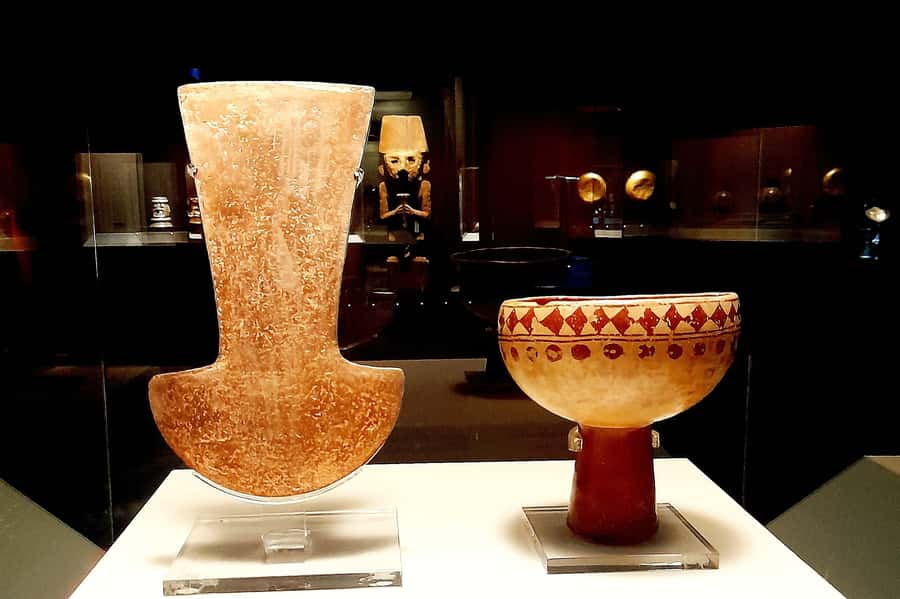
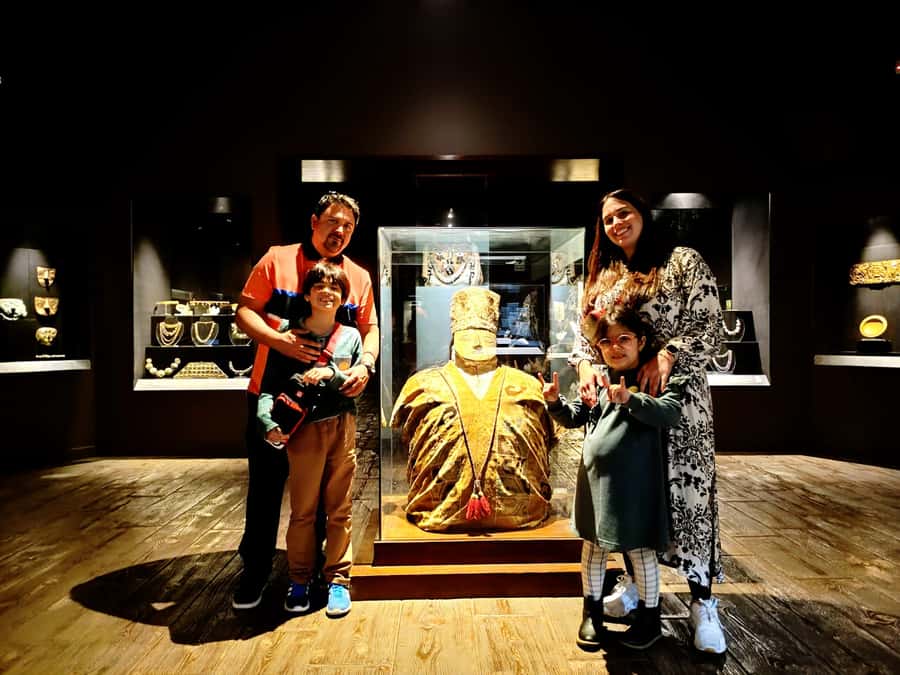
The tour finishes in the fertility room, one of the museum’s most distinctive spaces. The subject is presented openly through art connected with fertility and reproduction.
This room can be surprising, particularly if you expect a conventional history museum. It is also an important cultural stop. Fertility was not a minor topic in ancient societies, and the objects offer a direct look at how people represented human reproduction, sexuality, and the continuation of life.
I would not describe this as a quick photo stop. Give yourself a moment to listen to the explanation and consider the cultural setting. The room may feel unusual, but it is part of the museum’s effort to present ancient Peru as a complete society with private, public, religious, and bodily concerns.
If you are visiting with children, think about their age and your comfort level before booking. The supplied information does not give a specific age recommendation, but the subject matter is plainly adult in places.
Two hours inside, then 15 minutes for shopping
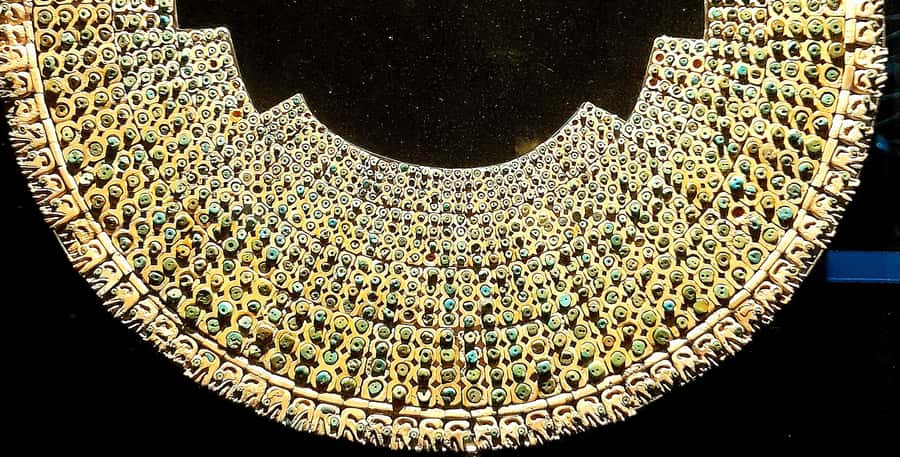
The museum visit is listed at about two hours, followed by roughly 15 minutes for shopping. That is enough time for a guided overview, though not enough to examine every object in a collection this large.
This is where you should set your expectations. The tour is not designed for a slow, label-by-label museum day. It is better for learning the main themes, seeing important examples, and leaving with a clear picture of ancient Peruvian culture.
The shopping period gives you a chance to browse before returning to the van. The information does not specify what is sold or how much time you have beyond the 15-minute estimate, so treat it as a short opportunity rather than a major shopping session.
You may want to return to the museum independently if you are especially interested in ceramics, textiles, gold, or silver. The guided tour gives you a strong first pass, but the scale of the collection rewards a slower second visit.
What $54 includes, and where the value lies
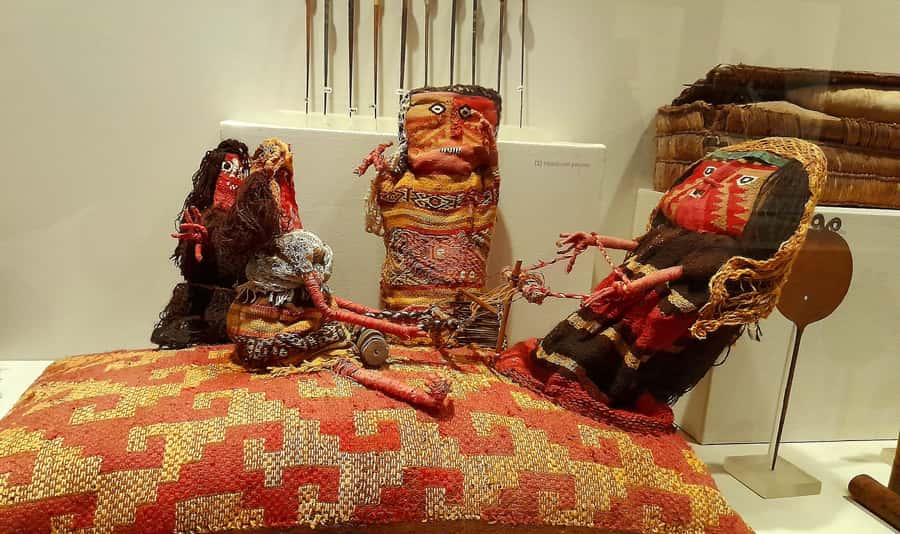
The price is $54 per person. That is not the cheapest way to visit a museum in Lima, so value depends on how much you want transport and interpretation.
The fee includes:
- Hotel pickup and return in Miraflores, Barranco, or San Isidro
- Admission to the Larco Museum
- An official bilingual guide in English or Spanish
- A professional driver
- A bottle of water
- A small-group setting limited to 10 participants
Meals are not included. The tour ends with return to your hotel or a drop off at a restaurant or another chosen location within Miraflores, Barranco, or San Isidro. That last option is handy if you want to continue your afternoon without returning to your room.
I consider the price reasonable for visitors who value convenience. A museum ticket alone does not explain the objects, and separate transport adds time and planning. Here, you pay for a guide, a driver, entrance, and a simple transfer service in one package.
The value is weaker if you are already staying near the museum, prefer to explore alone, or want several hours with each gallery. Independent visitors gain more control over pace. This tour earns its price through structure and ease.
Small groups and bilingual guiding
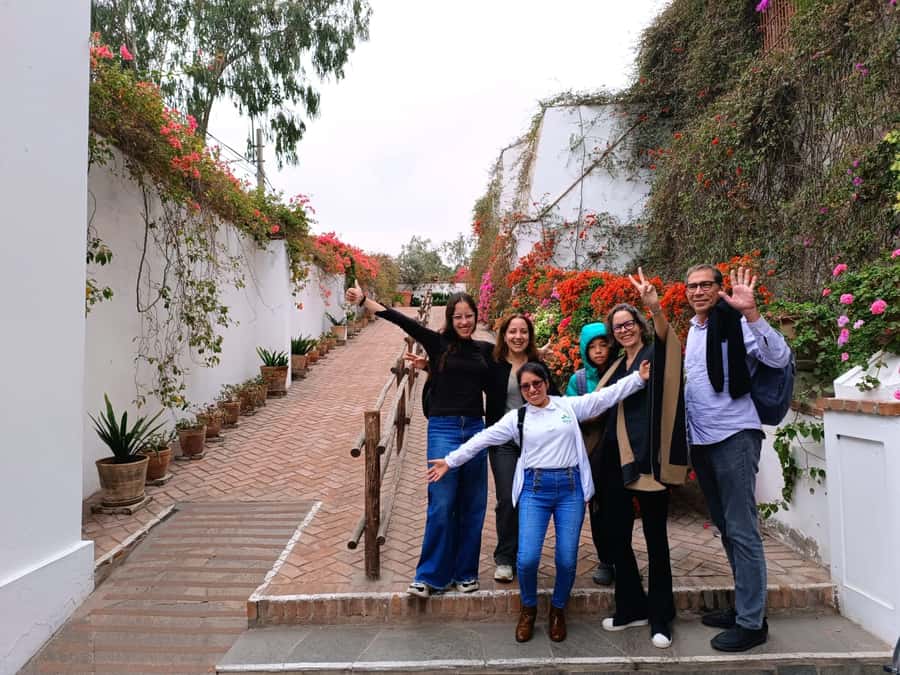
A limit of 10 people is a useful middle ground. You get more personal attention than on a large coach tour without necessarily paying for a private guide.
The tour operates in English and Spanish. If you have questions, ask them during the visit rather than waiting until the end. The praise for patient answers suggests that the guide experience works best when you take part instead of simply following along.
Guide quality can shape a museum tour more than the objects themselves. Pamela receives especially strong praise for her enthusiasm, explanations, and storytelling. Other feedback also describes the tour as informative, professional, and friendly. One short German review calls the experience perfect, while another says the museum is worth visiting and the guide is good.
The overall rating is 4.9 from 23 reviews. That is a small sample, but the pattern is consistent: the museum collection and the guide are the main reasons people value the outing.
Accessibility, cancellation, and practical details
The experience is listed as wheelchair accessible. If you use a wheelchair, it is still sensible to confirm the vehicle and pickup arrangement when booking, since the supplied information does not describe the van’s exact setup.
You can cancel up to 24 hours in advance for a full refund. The reserve now and pay later option keeps your plans flexible, which can help when your Lima schedule is not fixed.
Starting times vary, so check availability for your chosen date. The total duration is about three hours, including two 25-minute van rides, roughly two hours at the museum, and 15 minutes for shopping. The timing leaves some room for a meal before or after, but meals are not part of the tour.
For pickup, be in the lobby 15 minutes early. This small step matters because Lima traffic can affect the schedule, and the driver identifies you through the last name held at reception.
Who will get the most from this tour?
I would choose this tour if you are visiting Lima for the first time and want an organized introduction to ancient Peru. It is also a good fit if you are staying in Miraflores, Barranco, or San Isidro and prefer not to arrange transport.
The tour suits you especially well if you:
- Want historical context rather than a silent museum visit
- Prefer a small group over a large bus
- Enjoy ceramics, ritual art, and cultural interpretation
- Have about three hours available
- Want English or Spanish guiding
- Appreciate hotel pickup and return
You may want another arrangement if you need a very slow museum visit, dislike guided schedules, or plan to spend the whole day at the Larco Museum. The two-hour gallery visit is useful and focused, but the collection is too large to see in full at that pace.
The fertility room also deserves consideration. It is a meaningful part of the tour, but its subject matter is frank. Families and visitors who prefer a strictly conventional museum experience should keep that in mind.
Should you book the Larco Museum tour?
Book it if you want the Larco Museum explained in clear human terms, with transport handled from your hotel. The combination of a major collection, a 10-person limit, bilingual guiding, and pickup makes the $54 price fair for a convenient half-day outing.
I would be most likely to recommend it to first-time Lima visitors, museum fans, and anyone who wants a stronger cultural foundation before visiting archaeological sites elsewhere in Peru. The tour’s best feature is not simply the number of objects. It is the way the guide links offerings, sacrifice, music, war, death, and fertility into one Andean worldview.
Skip it only if you want complete freedom to set your own pace or already have easy transport and a strong plan for exploring the museum independently. For most visitors based in the included districts, this is a practical and thoughtful way to meet ancient Peru.
FAQ
How long does the Larco Museum tour last?
The full experience lasts about three hours. This includes approximately 25 minutes of transport each way, about two hours at the museum, and around 15 minutes for shopping.
Where is hotel pickup included?
Pickup and return are included for accommodations in Miraflores, Barranco, and San Isidro.
Can pickup be arranged outside those districts?
Yes. Pickup and drop off in another district can be organized for a small extra fee.
Is the tour available in English?
Yes. The live guide service is available in English and Spanish.
How many people are in the group?
The tour is a small-group experience limited to 10 participants.
Are meals included?
No. Meals are not included in the $54 price.
Can I cancel the booking?
Yes. You can cancel up to 24 hours in advance for a full refund. You can also reserve now and pay later.
Added recently around Lima
- Tour to the sanctuary of Pachacamac★ 4.8 · 8 reviews
- Tour to the magical water circuit with dinner and dance show★ 5.0 · 4 reviews
- Tour of Lima with a visit to the catacombs of San Francisco.★ 4.2 · 24 reviews
- Tour Huaca Pucllana: Pyramids and Pre-Columbian Antiquity★ 4.3 · 12 reviews
- Lima: Palomino Islands Speedboat Tour & Swim with Sea Lions★ 4.8 · 33 reviews
- Surfing experience in Lima★ 5.0 · 6 reviews
- Sandbording in Lima★ 5.0 · 12 reviews
- Pro Sanboarding or skiing in Huacachina from Lima – Day trip★ 4.6 · 8 reviews
Museums, compared.
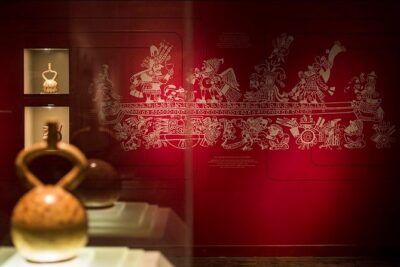
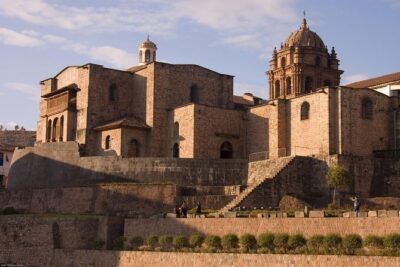
City Tour in Cusco & visit Museum South American Camelid Private.
Read our review →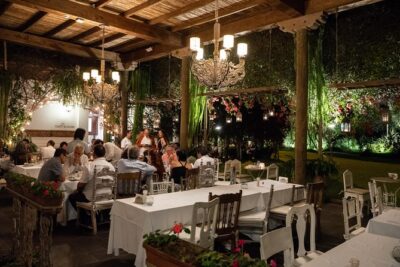
Experience Lima: Gastronomic Evening at Larco Museum
Read our review →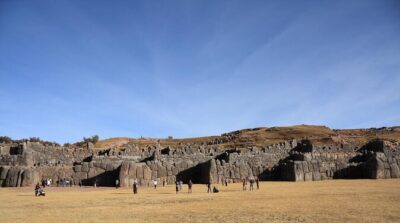
City Tour in Cusco & visit Museum South American Camelid
Read our review →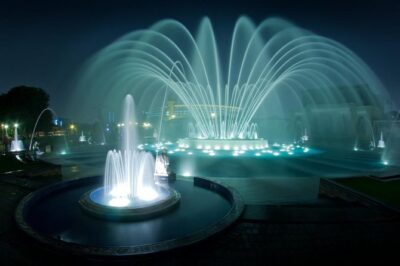
Larco Museum, Pisco Old Tavern and Magic Water Circuit Evening Tour
Read our review →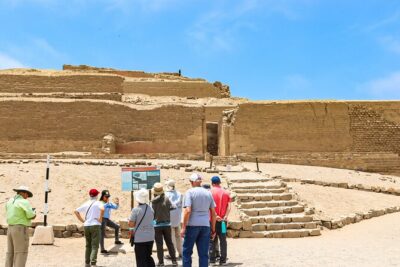
Pachacamac’s Inka Pyramids Tour including Museum Small-Group
Read our review →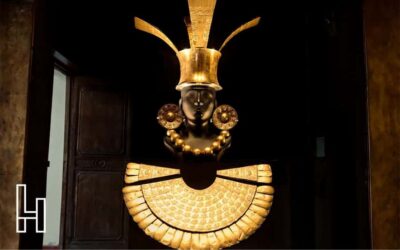
Pachacamac Inka Pyramids & The Larco Museum Tour
Read our review →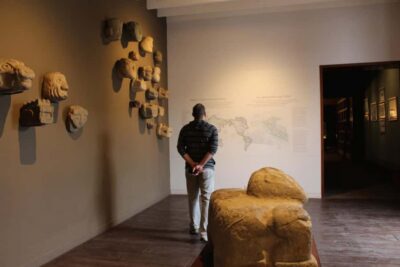
Huaca Ruins and Larco Museum at Night with Dinner
Read our review →Browse the lists this tour appears in