
Reviewed · MUSEUMS
Lima: Larco Museum Entry Ticket
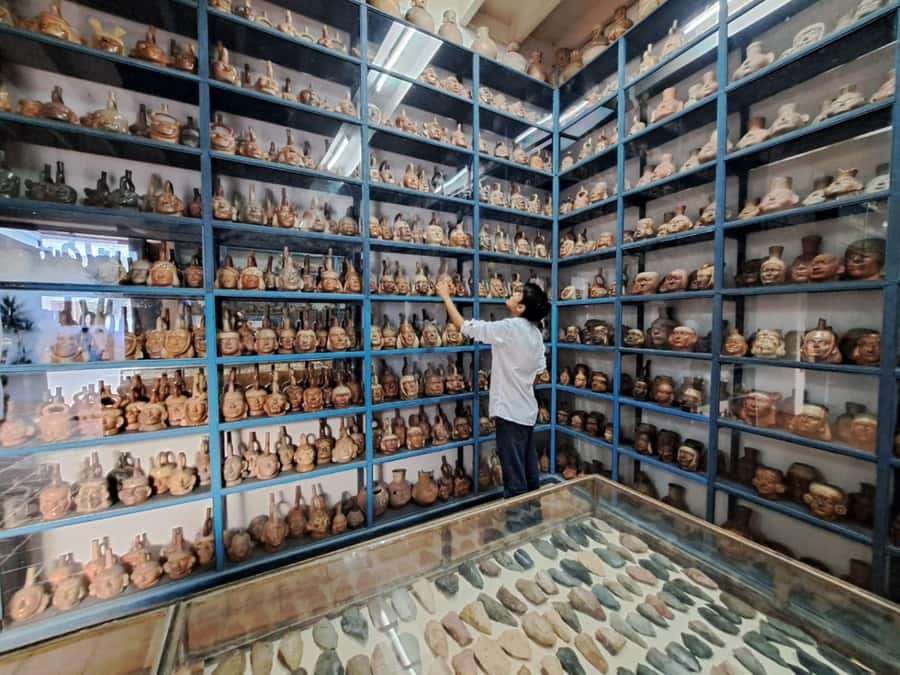
Ancient Peru speaks through clay. Lima’s Larco Museum brings together 45,000 pre-Columbian pieces inside an 18th-century vice-royal mansion, giving you a clear way to see how Peru’s early cultures created, traded, worshipped, and lived. I like the Moche pottery and the finely worked gold and silver, and I also like the calm garden setting.
The museum’s erotic art collection adds a subject rarely treated so openly in older history museums. The main consideration is time: two hours gives you a useful visit, but the collection is so large that you will need to choose your priorities instead of trying to see every object.
In This Review
- Key points at a glance
- Why the Larco Museum works so well in Lima
- What two hours can realistically cover
- Moche pottery and the human side of ancient Peru
- Gold and silver reveal ancient technical skill
- Textiles reward a slower look
- The erotic art collection asks direct questions
- An 18th-century mansion adds atmosphere
- What the $25 price gives you
- Arrival details that can prevent a bad start
- Who will get the most from this museum
- Booking, cancellation, and practical flexibility
- My advice for using your visit well
- Should you book the Larco Museum ticket?
- FAQ
- How long does the Larco Museum visit last?
- How much does entry to the Larco Museum cost?
- What does the ticket include?
- Where do I enter the museum?
- What identification should I bring?
- Can I bring luggage or a large bag?
- Is the GetYourGuide voucher enough to enter?
Key points at a glance
- 45,000 pieces in one museum: See ancient Peruvian ceramics, textiles, metals, and other objects across a wide span of cultures.
- Moche pottery tells human stories: Look for scenes of daily life, ceremonial activity, and expressive human figures.
- The erotic art collection is unusually direct: This gallery explores sexuality as part of pre-Columbian belief and society.
- The mansion is part of the experience: The 18th-century vice-royal building gives the museum a graceful, historic setting.
- The gardens offer a quiet pause: The flowers and greenery make a pleasant break after the galleries.
- Plan for a ticket email: Your GetYourGuide voucher confirms the booking, but the actual museum ticket arrives by email the day before.
Why the Larco Museum works so well in Lima
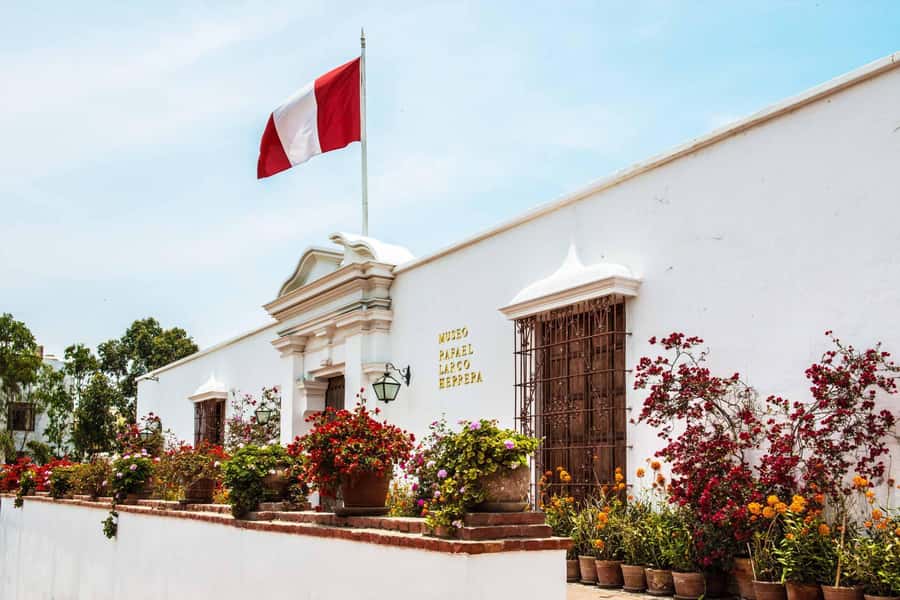
Many museums ask you to admire objects one by one. The Larco Museum is more useful when you look for patterns across the collection. Ceramics, textiles, jewelry, and ritual objects show how different Peruvian societies expressed power, faith, status, work, and intimacy.
I like this approach because it gives you more than a quick parade of old objects. The detailed explanations help place each piece in a cultural setting, which matters when an artifact has been separated from its original temple, tomb, or home.
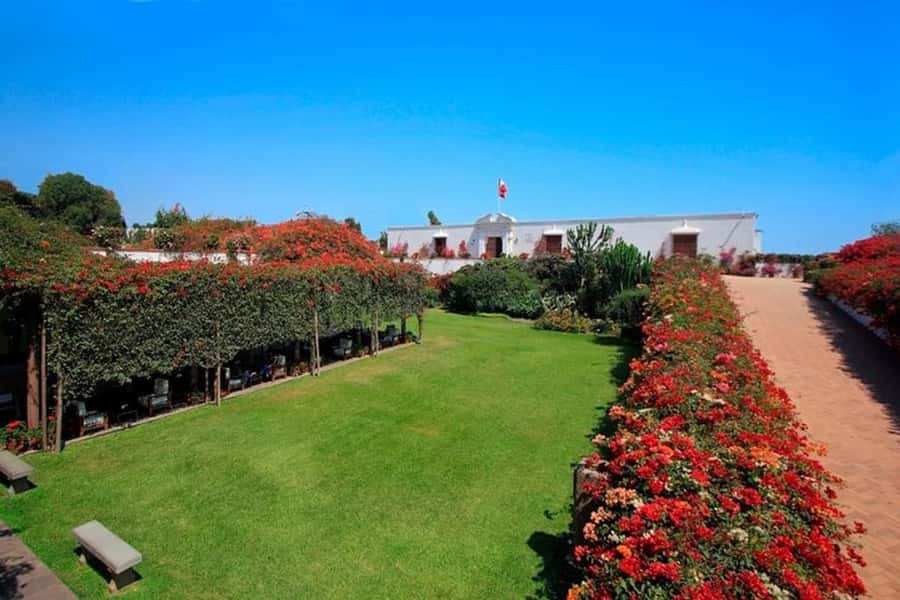
The museum is in Lima Province, and the experience takes place in a restored 18th-century vice-royal mansion. That setting changes the pace of the visit. Instead of moving through a plain modern box, you pass through historic rooms and then out into gardens filled with flowers and greenery.
A verified booking review gave the museum four out of five, praising both the interior and exterior, along with the flowers and a small attached restaurant. That matches the practical appeal of the place: you can pair serious museum time with a pleasant rest outdoors and a meal nearby.
More Museum Visits in Lima
- Skip the Line: Larco Museum Admission Ticket
★ 5.0 · 659 reviews - Experience Lima: Gastronomic Evening at Larco Museum
★ 4.5 · 95 reviews - Larco Museum, Pisco Old Tavern and Magic Water Circuit Evening Tour
★ 4.5 · 66 reviews
What two hours can realistically cover
The stated duration is two hours. That is a sensible first visit, especially if you have other plans in Lima, but you should arrive with a simple plan.
Start with the broad collection of pre-Columbian art. Then give extra time to the areas that interest you most. If you enjoy ancient technology, focus on metalwork and textiles. If you prefer social history, spend longer with the Moche ceramics and the erotic art collection.
You will not be able to study all 45,000 objects in two hours. That is not a flaw in the ticket. It simply means you should treat the visit as a well-sized introduction rather than an attempt to finish the entire museum.
I would allow a few minutes at the beginning to get oriented, then divide the rest of the visit between the main galleries, the erotic art section, and the gardens. You might spend less time in any one gallery if you are traveling with children or with someone who prefers a quick cultural stop.
The museum’s explanations are important, so avoid rushing past every label. A small number of objects can teach you more when you understand their purpose and setting. The collection is large, but the value comes from making connections rather than counting rooms.
Moche pottery and the human side of ancient Peru
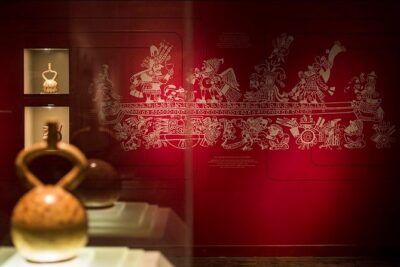
The Moche pottery is one of the main reasons to visit. These works are known for detailed and sometimes provocative images of people, animals, ceremonies, and ordinary activities.
I like Moche ceramics because they can feel direct. A vessel may show a face, a body, a ritual act, or a scene from daily life with enough detail to make the ancient maker’s subject clear. You are not looking only at decoration. You are looking at ideas about identity, belief, status, and the body.
The pottery also helps you read the rest of the museum. Once you notice how carefully ancient artists represented people and actions, the goldwork and textiles become easier to understand as part of the same social world.
Some pieces may be confronting. The museum’s approach is educational, not coy, so you should expect depictions that deal openly with sexuality and ceremonial practice. That directness is useful for adults who want a fuller picture of pre-Columbian society, but it may not suit every family group.
Take your time with the labels around the pottery. The written context helps explain why a scene mattered and prevents you from judging it only by modern standards. You may find that the most memorable pieces are not necessarily the largest or most elaborate, but the ones that show a recognizable human moment.
Gold and silver reveal ancient technical skill
The gold and silver pieces offer a different kind of appeal. Here, the focus shifts from painted or molded imagery to material, shine, precision, and status.
Ancient Peruvian societies developed advanced metalworking skills, and the collection includes elaborate jewelry and ceremonial items. These objects were not simply attractive possessions. Their materials and workmanship could signal rank, religious importance, or a connection to ceremony.
I recommend looking at the objects from two angles. First, notice the technical work: thin surfaces, repeated forms, careful detail, and the treatment of the metal. Then think about who could have owned or used such an item and what its presence might have communicated.
Gold can make a museum display feel glamorous, but the Larco collection is more useful when you remember that these pieces belonged to a working culture with skilled makers, leaders, priests, and ritual traditions. The objects are beautiful, but they also show how power was made visible.
The silver and gold galleries may be especially appealing if you have already visited archaeological sites and want to understand the objects connected to ancient ceremonies. If your main interest is everyday life, keep enough time for the pottery and textiles too. Metalwork is impressive, but it does not tell the whole story.
More museums worth an hour in Lima:
- Pachacamac’s Inka Pyramids Tour including Museum Small-Group
★ 5.0 · 65 reviews - From Lima: Pachacamac Inka Pyramids & The Larco Museum Tour
★ 4.8 · 43 reviews - Lima: Huaca Ruins and Larco Museum at Night with Dinner
★ 4.9 · 35 reviews - Lima city tour: Larco Museum and Huaca Pucllana
★ 4.8 · 33 reviews
Textiles reward a slower look
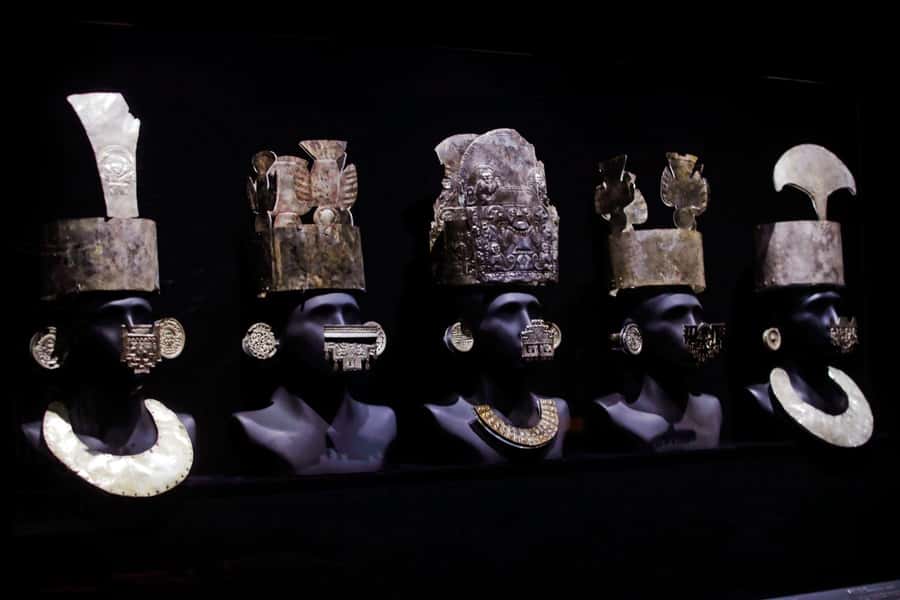
Pre-Columbian textiles are easy to pass too quickly. Their small details may not have the instant impact of a gold ornament, yet they show patience, planning, and control of color and pattern.
The collection includes intricate textiles with strong color work and careful weaving traditions. I suggest looking closely at repeated motifs, borders, and changes in texture. These details show that cloth was not merely practical. It could carry visual meaning and indicate skill or status.
Textiles also remind you that ancient Peruvian art was not limited to stone or pottery. People made objects for the body, the home, ceremonies, and public display. A piece of woven material can say something about labor and organization as clearly as a ceremonial object.
The displays may be most rewarding for visitors who enjoy close observation. You will get more from them if you pause instead of treating them as a quick passage between the pottery and metalwork rooms. The museum’s explanations help you understand the importance of the techniques and designs.
The erotic art collection asks direct questions
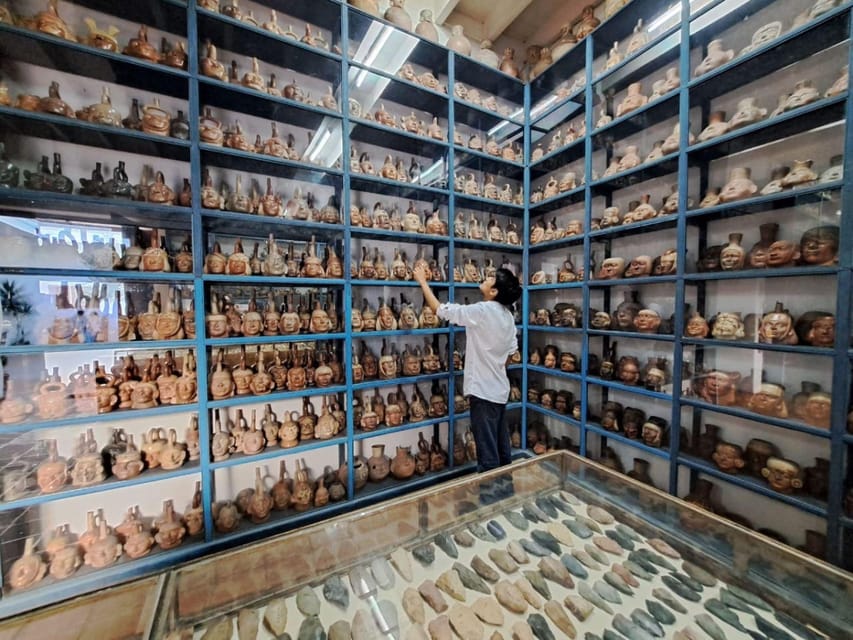
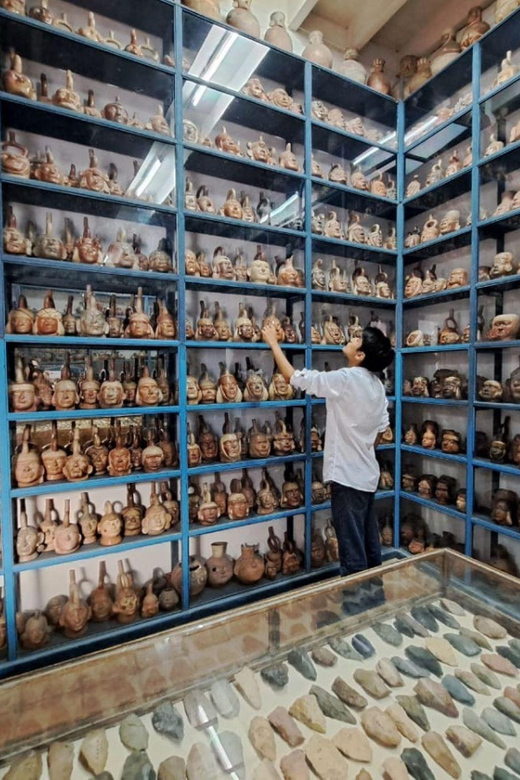
The pre-Columbian erotic art collection is the section that many people remember most. It presents sexuality as part of ancient Peruvian culture, not as a separate subject to hide away.
The objects can be explicit. That is worth knowing before you arrive, especially if you are planning a family visit. The gallery offers a chance to consider how sexuality, fertility, ritual, humor, and social ideas appeared in ancient art.
I appreciate this section because it complicates the usual picture of the ancient world. Museums often focus on rulers, warfare, temples, and burial objects. Here, the human body and sexual behavior receive clear attention, giving you another way to think about belief and social life.
Do not assume that every object has one obvious meaning. The museum provides explanations about cultural and symbolic significance, and those notes are worth reading before forming an opinion. The collection is most useful when you treat it as evidence of how a society represented the body, rather than as a collection of curiosities.
This gallery may not be comfortable for every visitor. If you prefer a more traditional art museum, you can spend less time there. If you want an honest look at subjects that shaped ancient life, it is an important part of the visit.
An 18th-century mansion adds atmosphere
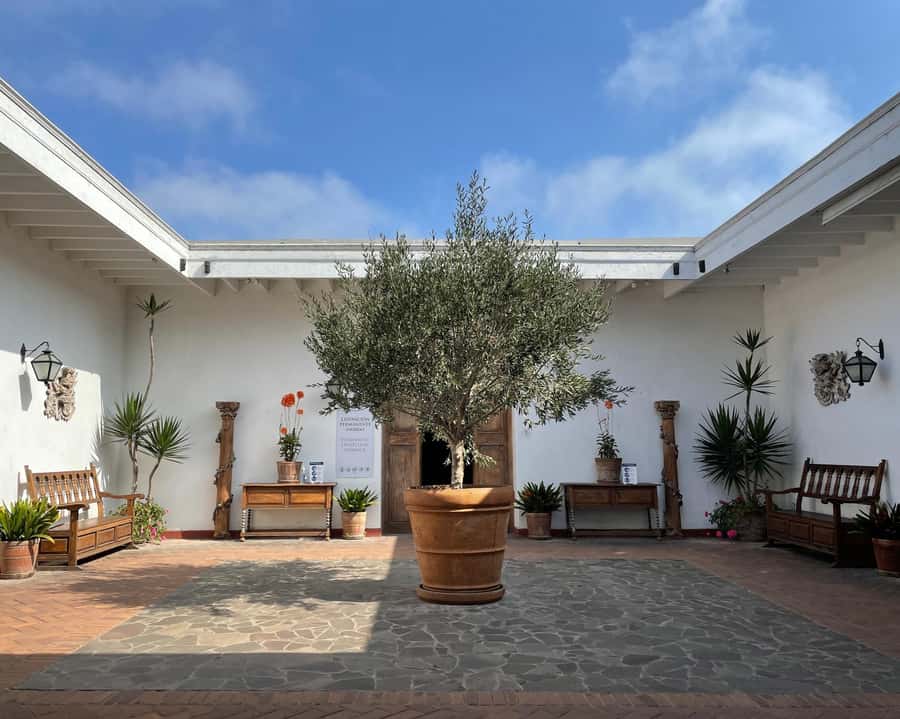
The museum building is not just a container for the collection. The restored 18th-century vice-royal mansion gives the visit an architectural setting with its own character.
The contrast is part of the appeal. You move from objects made centuries before European rule into a later colonial-era home, then into gardens designed for quiet. Those layers create a useful reminder that Lima contains several historical periods close together.
I like the building because it makes the museum feel less hurried. The rooms and gardens encourage you to pause, and that works well after looking at dense displays of ceramics, textiles, and metalwork.
Do not expect the mansion itself to replace the collection. The ancient Peruvian objects are the main reason to come, and the building supports them rather than competing with them. Still, the setting gives the museum a more personal feel than a standard gallery.
The flowers and gardens are among the most appealing details for a break. After two hours of looking closely at objects and labels, you can step outside, slow down, and collect your thoughts. A small restaurant attached to the museum adds another practical option, though food and drinks are not included with the entry ticket.
What the $25 price gives you
The entry price is $25 per person. That is not the cheapest museum admission in Lima, so value depends on how much attention you give the collection.
For someone interested in Peruvian archaeology, the price is reasonable because you receive access to a large collection covering pottery, textiles, gold, silver, and erotic art in one place. You also get the historic mansion and gardens, not just a single gallery.
The ticket includes museum entry only. Food and drinks cost extra, including anything you choose at the attached restaurant. You should budget accordingly if you plan to turn the visit into a longer stop.
There is no guide included in the information provided, so you should expect a self-guided museum visit. The detailed explanations help, but you will control your own pace and decide which subjects deserve more time.
The ticket also lets you skip the ticket line. That can save useful minutes, particularly when your Lima schedule is tight. It does not mean you should arrive without checking the entry instructions. The actual museum ticket is sent by email the day before, and the GetYourGuide voucher itself is not valid for access.
Arrival details that can prevent a bad start
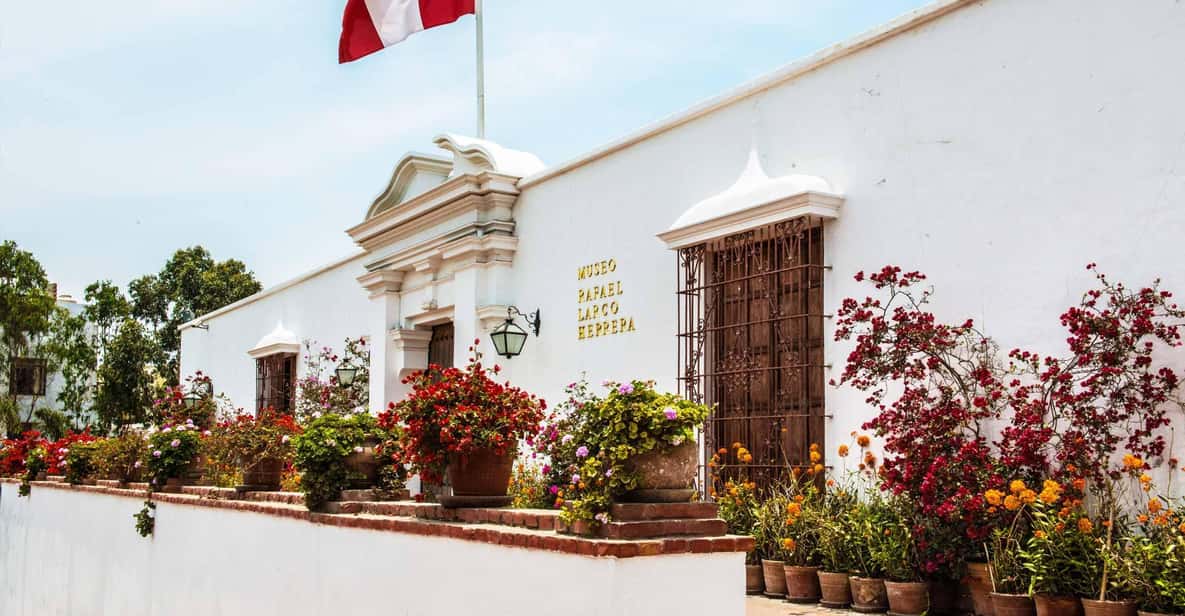
Enter through the museum’s main gate. The listed coordinates are -12.0722329, -77.07063459999999, which you can use when checking the location on your map.
Bring your passport or ID card. You may be asked to show identification, and carrying the same document used for the booking is the safest choice.
Do not bring luggage or large bags. This is an easy detail to miss if you are arriving between hotels or heading directly to the airport. Plan to leave large items elsewhere before you come.
Check your email the day before the visit. The entry ticket arrives separately from the booking confirmation, and you need to show that ticket at the main gate. Saving it where you can find it quickly will make arrival simpler.
Starting times depend on availability. Since the visit lasts about two hours, look for a time that leaves room for your other plans rather than squeezing it between two fixed appointments.
Who will get the most from this museum
I would recommend the Larco Museum to anyone who wants a broad introduction to ancient Peruvian art without visiting several separate institutions. The range is the main strength. You can compare ceramics, cloth, jewelry, and ceremonial objects in one setting.
It suits history fans and art lovers, but you do not need specialist knowledge. The explanations give you a way into the collection, and the objects themselves offer plenty to notice.
It is also a good choice for people who want a quieter cultural stop in Lima. The gardens and mansion soften the pace, while the attached restaurant gives you somewhere to pause after the galleries.
Families should think about the erotic art section before booking. The material is part of the museum’s educational purpose, but it may not suit every child. Adults interested in ancient ideas about sexuality will find the collection especially valuable.
The main drawback is the size of the collection compared with the two-hour visit. If you dislike leaving rooms unexplored, you may feel rushed. The answer is to choose a few priorities before you enter and accept that a first visit will be selective.
Booking, cancellation, and practical flexibility
You can cancel up to 24 hours in advance for a full refund, which gives you useful protection if your Lima plans change. You can also reserve now and pay later, so you do not need to pay at the time of booking.
Those terms matter most if your schedule is still moving. Lima itineraries can involve flights, day trips, and changing arrival times, so flexible booking reduces the risk of paying for a visit you cannot use.
Remember that flexibility does not remove the need to check your ticket email. The cancellation terms concern your booking, while museum entry depends on the separate ticket sent the day before.
My advice for using your visit well
Before you arrive, decide which three subjects matter most to you. My choice would be Moche pottery, the erotic art collection, and the gold and silver work, with the gardens saved for the end.
Read enough of the explanations to understand the objects, but do not try to read every word. If a particular type of art catches your attention, follow it through the galleries and compare examples.
Keep your pace calm. Two hours can feel generous if you focus, but short if you stop at every object. The museum rewards selective attention more than hurried completeness.
Leave a few minutes for the mansion and gardens. The flowers and outdoor setting are not an afterthought. They give you a pleasant reset after the darker, more concentrated work of looking at ancient objects.
Should you book the Larco Museum ticket?
Book it if you want one Lima museum to cover a wide range of pre-Columbian art, or if you value a historic building and gardens as much as the displays. The $25 price makes the most sense when you use the full two hours and take time with the explanations.
Skip it if you have very little interest in archaeology, if the erotic art section would make your group uncomfortable, or if you need a fully guided experience. For most curious visitors, though, this is a strong cultural stop with enough variety to hold your attention and enough quiet space to keep the visit from feeling exhausting.
FAQ
How long does the Larco Museum visit last?
The stated duration is two hours. Starting times depend on availability, so check the available time slots when booking.
How much does entry to the Larco Museum cost?
The listed price is $25 per person.
What does the ticket include?
The ticket includes entry to the Larco Museum. Food and drinks are not included.
Where do I enter the museum?
Enter through the museum’s main gate at the listed location, coordinates -12.0722329, -77.07063459999999.
What identification should I bring?
Bring your passport or ID card.
Can I bring luggage or a large bag?
No. Luggage and large bags are not allowed.
Is the GetYourGuide voucher enough to enter?
No. The voucher confirms your booking but is not valid for museum access. The actual entry ticket is sent by email the day before the activity, and you should show that ticket at the main gate.
Added recently around Lima
- Tour to the sanctuary of Pachacamac★ 4.8 · 8 reviews
- Tour to the magical water circuit with dinner and dance show★ 5.0 · 4 reviews
- Tour of Lima with a visit to the catacombs of San Francisco.★ 4.2 · 24 reviews
- Tour Huaca Pucllana: Pyramids and Pre-Columbian Antiquity★ 4.3 · 12 reviews
- Lima: Palomino Islands Speedboat Tour & Swim with Sea Lions★ 4.8 · 33 reviews
- Surfing experience in Lima★ 5.0 · 6 reviews
- Sandbording in Lima★ 5.0 · 12 reviews
- Pro Sanboarding or skiing in Huacachina from Lima – Day trip★ 4.6 · 8 reviews
Museums, compared.

City Tour in Cusco & visit Museum South American Camelid Private.
Read our review →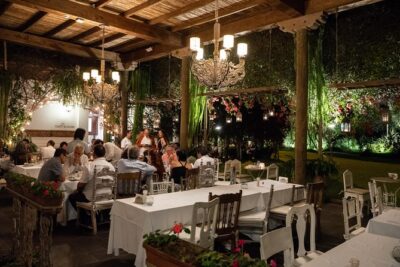
Experience Lima: Gastronomic Evening at Larco Museum
Read our review →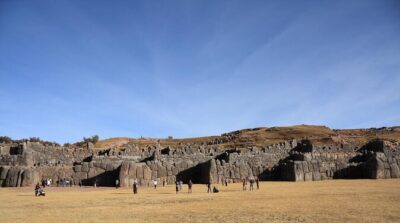
City Tour in Cusco & visit Museum South American Camelid
Read our review →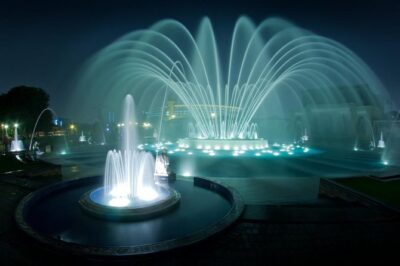
Larco Museum, Pisco Old Tavern and Magic Water Circuit Evening Tour
Read our review →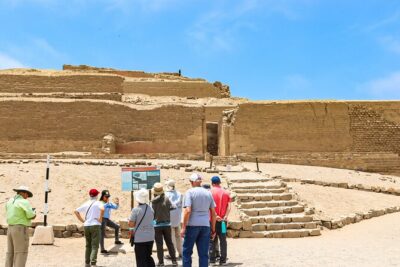
Pachacamac’s Inka Pyramids Tour including Museum Small-Group
Read our review →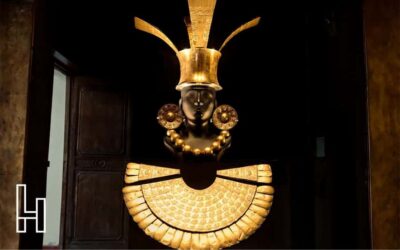
Pachacamac Inka Pyramids & The Larco Museum Tour
Read our review →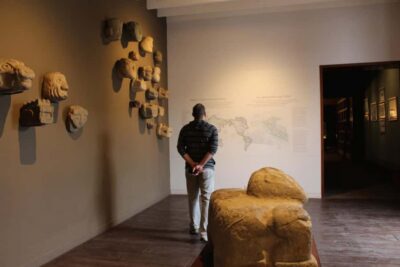
Huaca Ruins and Larco Museum at Night with Dinner
Read our review →Browse the lists this tour appears in