
Reviewed · MACHU PICCHU TOURS
Machu Picchu & Sacred Valley: 2 Day Combo Tour
Two days pack in a lot of Peru. This trip links Pisac, Ollantaytambo, and Machu Picchu with trains, guided visits, meals, and one night in Aguas Calientes, making it a practical choice if your time in Cusco is short. I especially like the way the tour combines major Inca sites with a market, local villages, and an alpaca and textile stop. The guides also earn strong praise, with names such as Samuel, Javier, Reny, Marcelo, and Jose Luis repeatedly tied to clear explanations and patient help.
The main drawback is the tight schedule. You leave Cusco early, spend much of the first day moving between sites and the train, then start the second day early again. The listed price of $443 per person also does not cover the Cusco tourist ticket, the $24 roundtrip bus between Aguas Calientes and Machu Picchu, drinks, or lunch in Aguas Calientes. Those extra costs matter when you compare the tour with arranging the same trip yourself.
In This Review
- Key points at a glance
- Why this two-day plan works
- Day one begins in Cusco and Pisac
- Urubamba provides the lunch break
- Ollantaytambo is the day one highlight
- The train to Aguas Calientes changes the pace
- Early morning at Machu Picchu
- Free time inside the sanctuary
- The long return to Cusco
- What the $443 price really covers
- The guides make or break the experience
- Who should book this tour
- Should you book the two-day combination?
- FAQ
- How long does the tour last?
- Is hotel pickup included?
- Is accommodation included?
- Is the train to Aguas Calientes included?
- Is the bus from Aguas Calientes to Machu Picchu included?
- What is not included in the $443 price?
Key points at a glance
- Pisac gives you both ruins and a traditional market, so the first day begins with archaeology and everyday local commerce.
- Ollantaytambo is the strongest Sacred Valley stop, with huge Inca stonework and a living town below the ruins.
- The train from Ollantaytambo to Aguas Calientes takes about 1 hour and 50 minutes, giving you a comfortable break after the road journey.
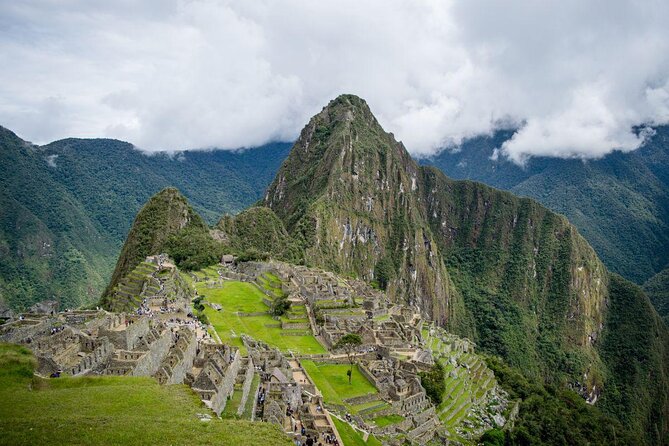
- Machu Picchu includes about two hours with a guide, followed by free time for photos and a closer look at the sanctuary.
- The small-group format is limited to a maximum of eight people, while several guides are praised for their English, patience, and command of Inca culture.
- The $443 price covers the major framework of the trip, but you should budget separately for the tourist ticket, Machu Picchu bus, drinks, and one lunch.
Why this two-day plan works
Trying to combine the Sacred Valley and Machu Picchu in a short visit can become a transport puzzle. This tour takes care of the main connections: hotel pickup in Cusco, a guided Sacred Valley route, the train to Aguas Calientes, a hostel night, entry to Machu Picchu, and the return trip to Cusco.
I like this structure because you do not spend your first day rushing straight from Cusco to the citadel. Pisac and Ollantaytambo give you useful context first. By the time you reach Machu Picchu, you have already seen how Inca sites fit into the wider valley.
The trip is not a slow cultural program. It is a carefully packed sightseeing run. You will spend a good deal of time in transport, and the second day ends with a late return to Cusco. Still, for a two-day visit, the plan covers the essentials without asking you to organize separate train tickets, lodging, admission, and guides.
More Machu Picchu Tours in Sacred Valley
- 2-Day Tour: Sacred Valley and Machu Picchu by Train
★ 5.0 · 1,127 reviews - Sacred Valley & Machu Picchu 2D1N
★ 5.0 · 617 reviews - 6 Days Exploring Cusco, Sacred Valley & Machu Picchu
★ 5.0 · 470 reviews
Day one begins in Cusco and Pisac
Pickup is listed around 7:00 to 7:30 am from your hotel, with a meeting time of 6:30 am. Confirm the exact pickup instructions at the briefing, since early morning coordination matters in Cusco. Hotel or hostel pickup is included, but Airbnb pickup is not allowed.
The first major stop is Pisac. You have about an hour to visit the archaeological center and the traditional market. The combination is useful: the ruins introduce you to the Inca presence in the Sacred Valley, while the market shows the area as a living community rather than simply an open-air museum.
You can buy local souvenirs here, but do not let shopping swallow the whole stop. The main value is the contrast between the stone terraces and religious or civic remains above the town, and the market activity below. If you enjoy textiles, crafts, and small local products, this is a good place to begin browsing.
The exact visit can also include an alpaca and animal sanctuary, with an explanation of textile production. That stop is not spelled out in the formal schedule, so treat it as a possible addition rather than a guaranteed feature. It can be worthwhile, especially for families and anyone interested in how Andean wool becomes clothing.
Urubamba provides the lunch break
After Pisac, the route continues toward Urubamba for lunch. The included lunch appears to apply to the Sacred Valley portion of the trip, while lunch in Aguas Calientes on the second day is specifically excluded.
This break is important because the morning starts early and the afternoon continues at a steady pace. You should not expect a long, leisurely meal, but having lunch arranged removes one small decision from a busy day. Drinks are not included, so keep extra money ready.
Urubamba also helps break up the road journey between the Sacred Valley stops. The tour is not only a string of ruins. You get a sense of the valley as a populated agricultural area, with smaller communities along the route. One useful part of a guided trip like this is having someone explain places you would otherwise pass without a second thought.
Ollantaytambo is the day one highlight
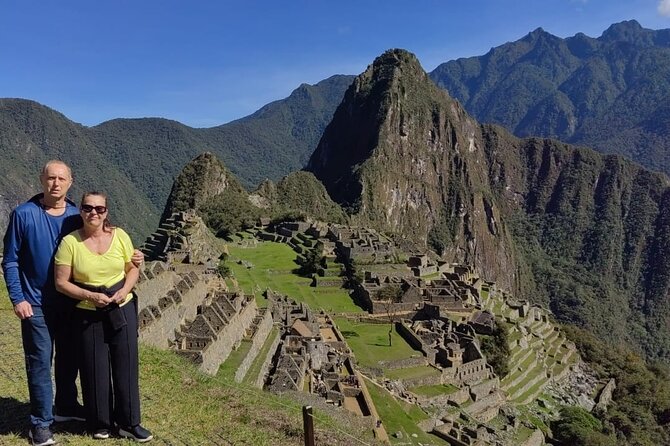
Ollantaytambo receives about two hours, and that is the right amount of time for a first visit if your main goal is to understand the site and take in the views. The Inca constructions here are imposing, with massive stones arranged on the mountainside above the town.
The site is also special because Ollantaytambo is not just an archaeological park. The town below retains an old street plan and remains part of daily life. You see local people in traditional dress, but remember that this is a real community, not a stage set. Your guide can help explain what belongs to the ancient complex and what belongs to the later town.
I would give Ollantaytambo your full attention. Pisac has the market appeal, but Ollantaytambo offers the more powerful lesson in Inca engineering and military planning. The climb and uneven ground require a moderate level of fitness, and you should wear shoes that feel secure.
The formal details say admission to the stops is free, but the Cusco tourist ticket is not included. That ticket costs PEN 70 per person. Confirm exactly which sites the ticket covers before departure, and keep it accessible during the Sacred Valley portion.
Other ways to reach Machu Picchu:
- Classic Inca Trail Trek 4D/3N to Machu Picchu (Group Service)
★ 5.0 · 8,653 reviews - Machu Picchu: 4-Day Inca Trail Trek with Panoramic Train Ride
★ 5.0 · 4,568 reviews - Short Inca Trail to Machu Picchu 2D/1N
★ 5.0 · 3,007 reviews - 2-Day Inca Trail to Machu Picchu with Panoramic Train
★ 5.0 · 1,876 reviews
The train to Aguas Calientes changes the pace
From Ollantaytambo, you go to the train station and board the service to Aguas Calientes. The journey takes about 1 hour and 50 minutes in Expedition or Voyager class, according to the package details.
This is one of the trip’s practical strengths. After the road touring, the train gives you a more relaxed way to reach the town at the foot of Machu Picchu. Someone meets you in Aguas Calientes and takes you to the hostel, so you are not left trying to find your lodging after dark or after a long day.
The overnight stay is in a shared room. One positive account identifies the accommodation as Casa de la Luna and says it was decent, with breakfast beginning at 5:00 am. The exact property may depend on availability, so do not assume that name is guaranteed. What matters is that the lodging is functional and positioned for an early start.
A shared room will not suit everyone. If you want privacy, a quiet hotel, or a higher level of comfort, ask about the accommodation before paying. If you mainly need a bed, breakfast, and a place to leave your bags, it fits the purpose.
Early morning at Machu Picchu
Day two starts early. The published plan says you walk from Aguas Calientes to Machu Picchu, then take a roughly two-hour guided visit. The separate roundtrip bus costs $24 per person and is not included.
That detail deserves careful attention. A walk from town to the sanctuary entrance requires physical effort, while the bus is an optional paid extra according to the tour information. Ask the operator during the pre-trip briefing how the group will handle the ascent and what time you must leave. The schedule can be demanding, and a small mistake in the morning can reduce your time inside the site.
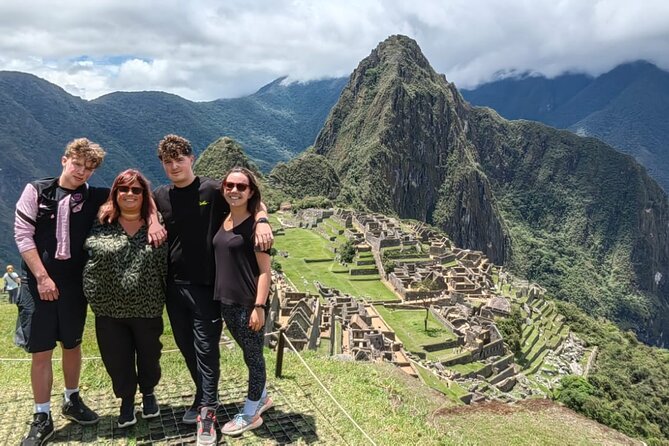
Once inside, your guide leads you around key areas such as the Main Plaza, the Circular Tower, the Sacred Solar Clock, and the Royal Quarters. The guide is not just there to point out stones. A good explanation helps you understand how the citadel was organized and why particular spaces mattered.
Samuel receives especially strong praise for his command of Machu Picchu and Inca culture, his clear English, patience with questions, and willingness to take photographs. Javier is also praised for explaining the site with energy and care. These details matter because a two-hour guided visit moves quickly. You want a guide who can explain the big picture without drowning you in dates.
The package mentions Machu Picchu Circuit 2 in one account. That circuit offers views of the citadel from above and takes you into the main area. Circuit assignments can be subject to the site’s current ticket system, so confirm the circuit included with your entry.
Free time inside the sanctuary
After the guided portion, you have free time to take photographs, look around, or walk through the remaining areas permitted by your circuit. This is a valuable feature. The guide provides structure, but the quiet minutes afterward let you absorb the place at your own speed.
Do not expect unlimited wandering. Machu Picchu now operates with controlled routes, and your ticket determines where you can go. Use the guided time for questions, then use the free time for views, pictures, and a second look at details you missed.
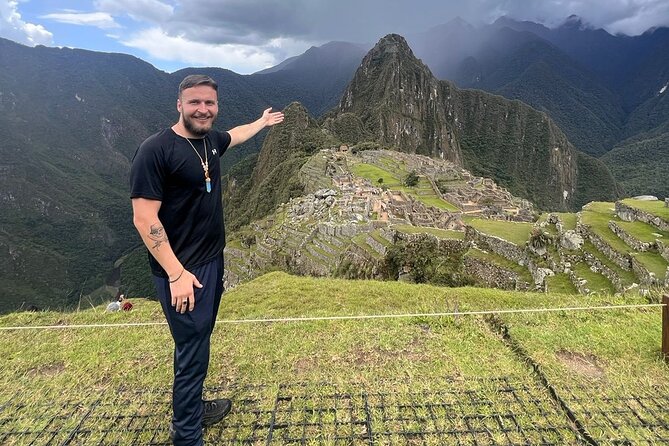
The weather can change quickly in the mountains. One especially fortunate visit had sunshine, very little cloud, and clear views, but you should be ready for rain and low cloud. The tour runs on a fixed schedule, so pack a light waterproof layer and protect your phone or camera.
The long return to Cusco
The return begins by going back to Aguas Calientes. The listed train leaves at about 6:20 pm for Ollantaytambo, followed by road transport to Cusco. The final transfer takes about three hours, so you should expect to arrive tired and late.
This is the least glamorous part of the tour, but it is also where a package has real value. The train and ground connections are arranged together, and the return transport from Ollantaytambo to Cusco is included. You do not need to bargain for a taxi at the end of a long day.
Lunch in Aguas Calientes is not included. You should plan enough time and money for that meal, while keeping an eye on the departure schedule. The town has many places to eat, but the important point is simple: do not treat the included Sacred Valley lunch as coverage for day two.
What the $443 price really covers
At $443 per person, this is not a budget day trip. The price becomes easier to justify when you count the package’s moving parts:
- Sacred Valley transport and guide
- Breakfast and lunch
- Roundtrip train between Ollantaytambo and Aguas Calientes
- One hostel night in a shared room
- Machu Picchu entrance
- Professional English or Spanish guide
- Transport between Ollantaytambo and Cusco
- Hotel or hostel pickup, excluding Airbnb
You still need to add PEN 70 for the Cusco tourist ticket and $24 for the roundtrip bus between Aguas Calientes and Machu Picchu. Drinks and lunch in Aguas Calientes are also extra. That means the real cost is higher than the advertised figure, even before personal souvenirs or other add-ons.
The value here is convenience, not luxury. You are paying to have the core route organized and to receive support throughout the trip. The office team is reported to keep in touch by WhatsApp, and several accounts describe regular messages and clear instructions. That can be especially useful if you are traveling alone or feel uneasy about train connections.
The group limit is a maximum of eight people, which should make it easier to hear the guide and ask questions. The actual quality will still depend on the guide assigned to your departure, but the small-group design is a clear advantage over a large coach.
The guides make or break the experience
The strongest part of this trip is the guiding. Samuel receives praise for his patient, detailed Machu Picchu tour. Javier is praised for his explanations of the site and Inca culture. Reny is described as passionate, organized, and reassuring for a solo woman traveling alone.
Marcelo is praised for making the Sacred Valley enjoyable for teenagers, while Jose Luis is credited with explaining smaller towns along the route. Primo and Christian are also singled out for attentive support and strong explanations.
That range of names suggests the operator has several capable guides, but it does not guarantee a particular person. Ask who will lead each section if having an English-speaking guide is important to you. The package lists English and Spanish service, so check your language preference at booking.
A good guide adds far more than facts. The Sacred Valley can otherwise feel like a rapid sequence of photo stops. A guide helps you see the connection between the valley, Inca building, local crafts, agriculture, and Machu Picchu.
Who should book this tour
I would recommend this trip if you have only two days available and want the main highlights arranged for you. It suits first-time visitors who prefer a guided route, solo visitors who value regular support, and families who want transport and meals handled in one booking.
It also works well for people who want both major ruins and everyday cultural stops. Pisac’s market, the possible textile visit, traditional dress in Ollantaytambo, and the guide’s comments on smaller communities make the trip broader than a simple Machu Picchu transfer.
You should think twice if you dislike early mornings, shared lodging, fixed train times, or long transit days. This is not the right choice for someone seeking a slow Sacred Valley stay or a private, high-comfort experience. The physical demands are moderate, and the walk or bus decision at Machu Picchu should be settled before you go.
The cancellation rule is strict: the experience is non-refundable and cannot be changed after booking. Check your dates, passport details, preferred language, pickup location, and extra costs before making payment.
Should you book the two-day combination?
Book it if your priority is seeing the Sacred Valley and Machu Picchu in a short, organized trip. You get a solid route, a useful overnight stop, the main train connections, Machu Picchu entry, and guides who are repeatedly praised for patience and clear explanations.
Skip it if you want more free time, private accommodation, or complete control over every stop. The schedule is full, the extra charges add up, and the shared hostel will feel basic.
For most visitors with limited time in Cusco, I think the convenience is worth serious consideration. Just confirm the pickup time, accommodation, Machu Picchu circuit, walking or bus plan, and all excluded costs during the briefing. That small bit of preparation will help you enjoy the big payoff: two days that connect the Sacred Valley’s living towns and Inca ruins with one of the world’s great mountain citadels.
FAQ
How long does the tour last?
The tour lasts approximately two days. Day one runs from Cusco through Pisac, Urubamba, and Ollantaytambo before continuing by train to Aguas Calientes. Day two includes Machu Picchu and the return trip to Cusco.
Is hotel pickup included?
Hotel or hostel pickup in Cusco is included. Pickup from an Airbnb is not allowed. The listed start time is 6:30 am, while the stated hotel pickup window is approximately 7:00 to 7:30 am, so confirm your exact time at the briefing.
Is accommodation included?
Yes. One hostel night in Aguas Calientes is included in a shared room. A booking account identifies the accommodation as Casa de la Luna, but the specific property should be confirmed before departure.
Is the train to Aguas Calientes included?
Yes. Roundtrip train transportation between Ollantaytambo and Aguas Calientes is included in Expedition or Voyager class.
Is the bus from Aguas Calientes to Machu Picchu included?
No. The roundtrip bus costs $24 per person and is listed as an additional expense. The tour details also describe walking from Aguas Calientes to Machu Picchu, so ask the operator how your group will handle this part.
What is not included in the $443 price?
The Cusco tourist ticket costs PEN 70 per person and is not included. You also pay separately for the Machu Picchu bus, lunch in Aguas Calientes, drinks, and any optional extras.
More Sacred Valley Days Out
- From Cusco: Moray, Maras Salt Mines & Chinchero Weavers Tour
★ 4.8 · 1,925 reviews - Cusco: Sacred Valley, Pisac, Ollantaytambo, Salt Mines Moray
★ 4.6 · 1,058 reviews - Cusco:Chinchero,Moray & Salt Mines drop-off in Ollantaytambo
★ 4.8 · 793 reviews - Sacred Valley and Maras Moray Tour with Full Day Buffet Lunch
★ 5.0 · 670 reviews
Added recently around Cusco
- Guided tour of the mountain of colors in Cusco★ 5.0 · 11 reviews
- 2-Day Private Short Inca Trail to Machu Picchu★ 5.0 · 15 reviews
- City Tour Cusco – Group★ 5.0 · 4 reviews
- Tour Sacred Valley with Maras and Moray★ 5.0 · 15 reviews
- San Pedro Market Tour with Peruvian Cooking Class★ 5.0 · 31 reviews
- Walking Culinary Experience★ 5.0 · 41 reviews
- City Tour in Cusco★ 4.5 · 10 reviews
- Rainbow Mountain Small-Group Full-Day Hike from Cusco with Meals★ 4.5 · 15 reviews
Machu Picchu Tours, compared.
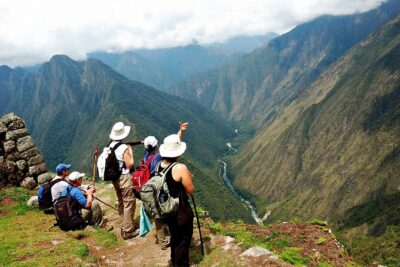
Classic Inca Trail Trek 4D/3N to Machu Picchu (Group Service)
Read our review →
Machu Picchu: 4-Day Inca Trail Trek with Panoramic Train Ride
Read our review →
2-Day Inca Trail to Machu Picchu with Panoramic Train
Read our review →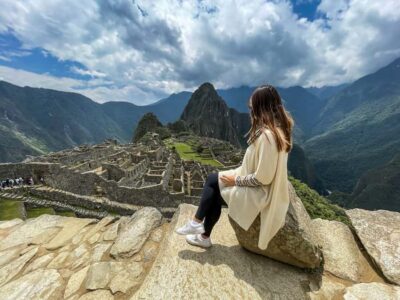

2-Day Tour: Sacred Valley and Machu Picchu by Train
Read our review →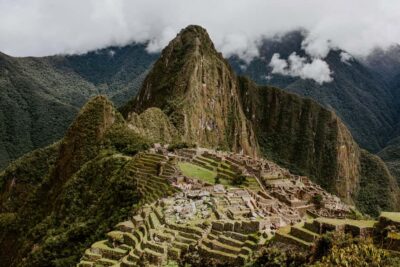
Machu Picchu: Full-Day Tour from Cusco with Optional Lunch
Read our review →Browse the lists this tour appears in