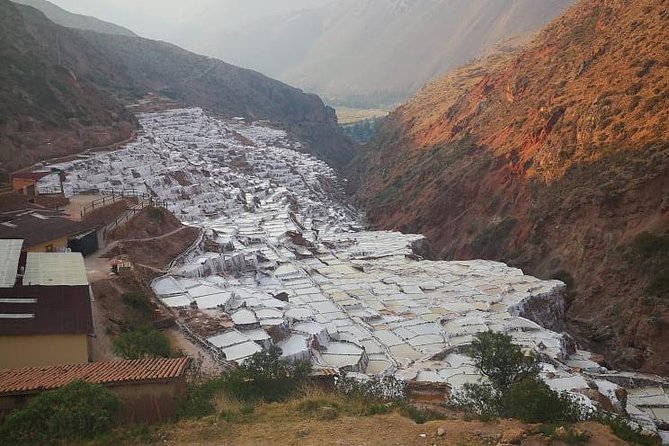
Reviewed · SACRED VALLEY TOURS
Moray and Salinera de Maras Half Day
Ancient terraces meet glittering salt pools. This six-hour outing gives you two very different sights near Cusco: the Inca agricultural terraces at Moray and the bright salt ponds of Maras. I like the low $14 price and the ease of having round-trip transport arranged, especially when you want a short taste of the Sacred Valley without committing to a full-day tour.
I also like that a professional guide brings meaning to both sites. Guides such as Washington and Mario have been praised for clear explanations and attentive service. The main caution is that entrance fees are not included, and the bus may feel uncomfortably hot if there is no air conditioning or open window.
In This Review
- Key points to know before booking
- Why Moray and Maras work well together
- Moray and the Inca agricultural terraces
- Maras salt fields and the PEN 20 entrance fee
- Chinchero textiles and the commercial side of the day
- Transport, timing, and comfort
- Guide quality can shape the whole experience
- Is the $14 price really good value?
- Who should book this half-day outing?
- Booking and cancellation advice
- Should you book Moray and Maras?
- FAQ
- How long does the Moray and Maras tour last?
- Are entrance tickets included in the tour price?
- What is included?
- Is lunch provided?
- Does the tour visit Chinchero?
- Can I cancel for a full refund?
Key points to know before booking
- Moray is the strongest history stop: The huge circular terraces offer a clear look at how the Incas used unusual terrain for agriculture.
- Maras provides the visual contrast: Hundreds of salt ponds create a bright, striking scene that feels completely different from Moray.
- The $14 price is only the tour cost: Add PEN 70 for Moray and PEN 20 for the Maras salt mine, for PEN 90 in required entrance fees.
- Chinchero adds a practical cultural stop: You visit a textile shop and see textile production, though the stop may feel commercial to some visitors.
- Bring snacks: Lunch is not provided, and the day can run about six hours.
- Confirm pickup carefully: Most arrangements work well, but one serious complaint involved a missed pickup and slow communication.
Why Moray and Maras work well together
Moray and Maras are close enough to visit in one outing, yet they offer very different experiences. Moray is about Inca farming and large-scale earthworks. Maras is about salt production, small pools, and a working local industry.
That contrast gives the day a good rhythm. You begin with a site that asks you to look closely at the shape of the terraces and think about how they were used. Later, you reach the salt fields, where the sight is more immediate and photographic.
I find this combination useful if you have limited time in Cusco. It does not try to cover every major site in the Sacred Valley. Instead, it concentrates on two unusual places, then adds Chinchero as a cultural stop.
The tour begins at 8:30 in the morning and lasts approximately six hours. That is long enough to feel worthwhile, but short enough to leave part of your afternoon free in Cusco. The exact flow may vary, so you should not count on returning at a precise minute.
More Sacred Valley days out:
- From Cusco: Moray, Maras Salt Mines & Chinchero Weavers Tour
★ 4.8 · 1,925 reviews - 2-Day Tour: Sacred Valley and Machu Picchu by Train
★ 5.0 · 1,127 reviews - Cusco: Sacred Valley, Pisac, Ollantaytambo, Salt Mines Moray
★ 4.6 · 1,058 reviews
Moray and the Inca agricultural terraces
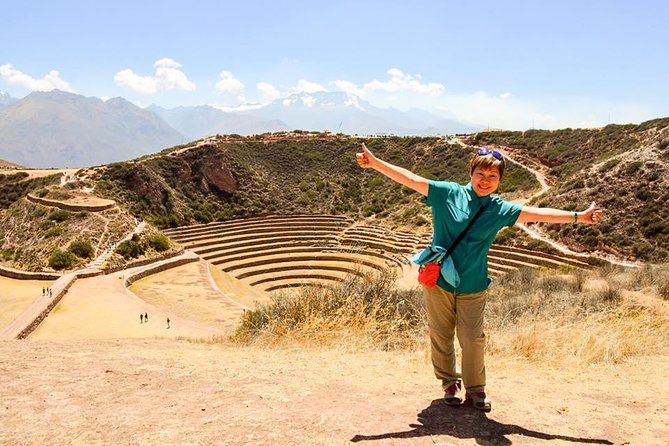
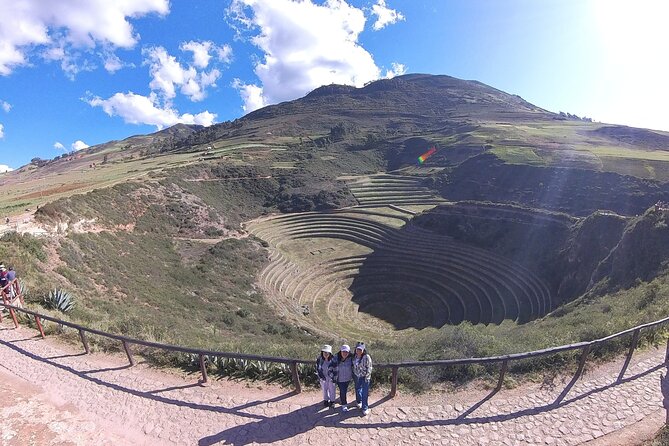
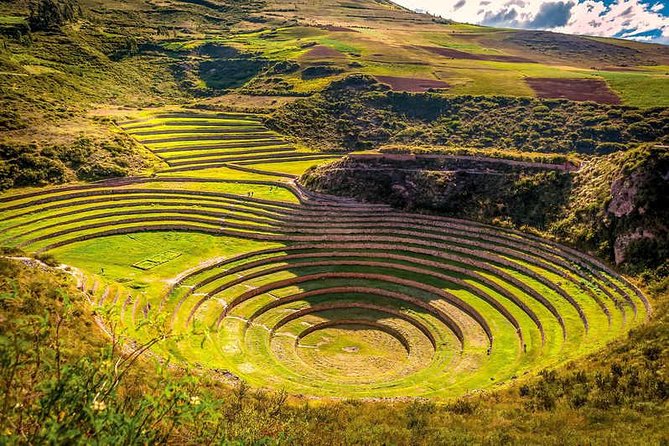
Moray is the more thought-provoking stop. The archaeological center is known for its great circular terraces, which descend into a bowl-like formation. From above, the site looks almost engineered rather than natural.
Your guide explains how the Incas used the terraces for agriculture. That context matters because the site can otherwise seem like a dramatic set of rings in the ground. With an explanation, you begin to see Moray as a place connected to farming, planning, and the use of different growing conditions.
The visit is especially worthwhile if you enjoy ancient engineering more than decorative ruins. There are no grand walls or carved statues competing for attention. The shape of the terraces does the work.
You should listen carefully during this stop, since the guide’s explanation is a major part of the value. A good guide can help you understand why the terraces were built and how the site fits into Inca agricultural practice. Washington, one guide named in positive feedback, was praised for giving useful information and helping with ticket choices.
The extra PEN 70 entrance fee is significant compared with the $14 tour price. Still, Moray is the part of the day where a guide adds the most. If you are trying to decide which ticket matters most, make sure you budget for this one.
Bring water and protection from the sun. The supplied information does not specify the walking distance or surface conditions, so you should be ready for a site visit rather than a simple roadside photo stop. Most people can take part, but you will want sensible shoes for an archaeological area.
Maras salt fields and the PEN 20 entrance fee
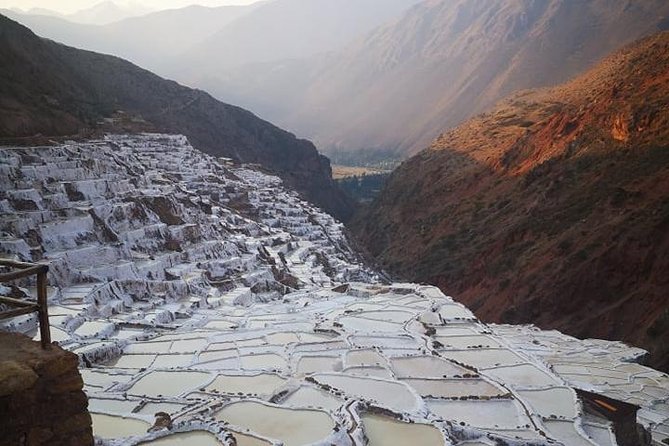
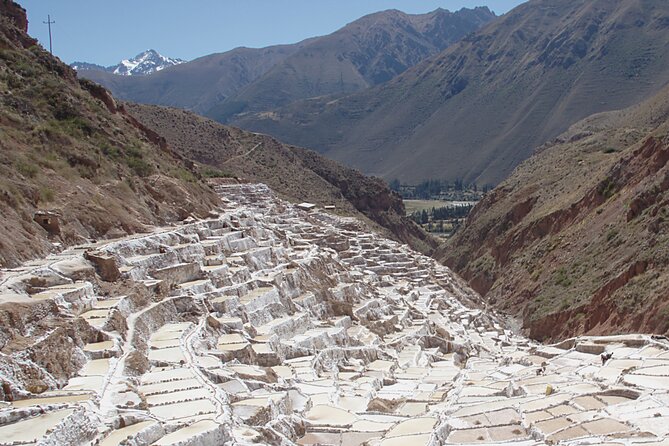
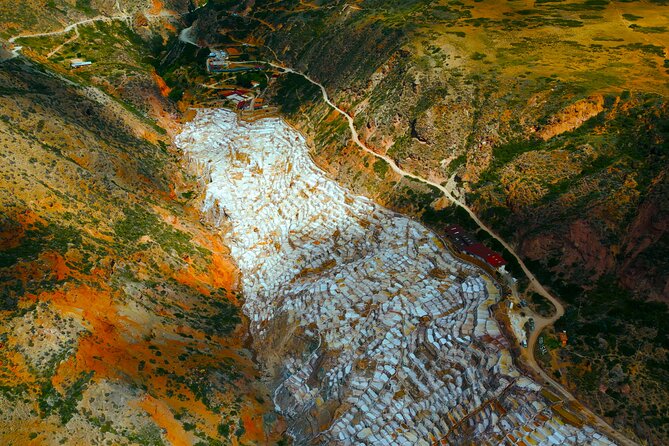
The Maras salt fields offer a completely different view. Instead of broad terraces for farming, you see many small salt ponds arranged across the slope. The pools can appear bright and pale, creating one of the most memorable visual stops near Cusco.
The salt is produced in the ponds, giving the visit a connection to present-day work rather than only to the past. Your guide explains how the salt production works, which helps you understand that this is more than a scenic viewpoint.
The entrance fee is PEN 20 per person and is paid separately. Make sure you carry enough local currency, since the tour price does not cover it. Together with the Moray ticket, the required entrance charges add PEN 90 per person.
The Maras stop is likely to be a highlight if you enjoy unusual sights and photography. It is also a good counterpoint to Moray. After listening to a longer explanation about agricultural terraces, you get a place where the pattern of the salt ponds is easy to appreciate at a glance.
There may also be an extra stop at a shop selling products made with Maras salt, including chocolate and salt items. This was a pleasant surprise for some people, but you should treat it as optional shopping time rather than a central part of the experience.
Chinchero textiles and the commercial side of the day
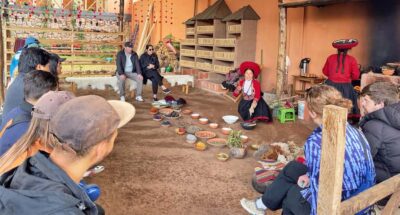
Chinchero adds a textile manufacturing visit to the tour. You stop at a textile shop and see how local textile products are made.
This can be a useful addition because it gives the day a human and practical element. Moray and Maras are both strongly tied to place, but Chinchero gives you a chance to see craft production and browse finished goods.
The stop will appeal most if you are interested in Peruvian textiles or want to buy a locally made item. It may feel less appealing if you prefer archaeological sites and outdoor scenery without shopping.
Keep your expectations clear. This is a textile shop visit, not a full museum or a long workshop. The amount of explanation and sales attention may depend on the guide and group. The same applies to the salt-product shop, which is not always part of the advertised core stops.
One positive account described the Chinchero stop as a lovely addition. That makes sense for an outing that otherwise focuses on ruins and salt ponds. Just remember that an extra stop can also reduce the time available for returning directly to Cusco.
A few more Cusco trips worth lining up side by side
- Classic Inca Trail Trek 4D/3N to Machu Picchu (Group Service)
★ 5.0 · 8,653 reviews - Cusco: Rainbow Mountain and Red Valley Day Trip with Meals
★ 4.9 · 4,893 reviews - Machu Picchu: 4-Day Inca Trail Trek with Panoramic Train Ride
★ 5.0 · 4,568 reviews - Salkantay Classic Trek 5 Days from Cusco
★ 5.0 · 4,062 reviews
Transport, timing, and comfort
Round-trip transport is included, which is a major reason this tour offers good value. You do not have to arrange separate rides to two outlying sites, and a guide travels with you to explain what you are seeing.
The tour starts at 8:30 in the morning. Pickup details should be confirmed carefully, especially if you are staying at a hotel with more than one entrance or in an area where vehicles cannot stop easily.
Most of the pickup arrangements appear to go smoothly. One account described the meeting point as easy to find, and another said the agency made contact the day before to arrange hotel pickup. But there was also a serious complaint about a missed pickup, delayed replies, and a vehicle offered nearly an hour after the planned start.
That problem does not appear to define every departure, but it is important enough to act on. Make sure the operator has your exact hotel address and a working phone number. If you have a morning flight, train, or other fixed booking afterward, this is not the outing I would use.
Bus comfort is another consideration. One person reported that the vehicle had no air conditioning and no open windows, making the ride extremely hot. The bus portions are reportedly not very long, but heat can make even a short ride unpleasant.
Carry water, a small snack, and light clothing. Lunch is not included. A snack is particularly useful if the tour returns later than expected or includes an added shop stop.
Guide quality can shape the whole experience
The guide is central here because both major sites benefit from explanation. Moray needs historical and agricultural context. Maras needs an explanation of salt production. Without that, you may see attractive shapes without understanding their purpose.
Several guides received strong praise for being friendly, funny, attentive, and clear. Washington was singled out for helping with the most suitable tourist ticket and checking that everyone was comfortable. Mario was praised for explaining both visits well.
That said, guide style can vary. One person found the commentary excessive, including talk about subjects outside the places being visited. If you prefer quiet travel between stops, you may find a nonstop lecture tiring.
The best approach is to treat the guide as a major benefit, but not assume every guide will match your preferred pace. If you like detailed explanations, this format should suit you. If you want long stretches of silence, you may need to politely signal that you would like some quiet time.
There was also one complaint about an attempt to add an unplanned lunch stop instead of returning directly to Cusco. The matter was resolved after clarification. Before departure, confirm the expected return plan so everyone understands what is included.
Is the $14 price really good value?
At $14 per person, the tour cost is remarkably low for round-trip transport and a professional guide. But the true cost is higher once you add the two entrance fees.
Your basic required expenses are:
- Tour price: $14 per person
- Moray entrance: PEN 70 per person
- Maras salt mine entrance: PEN 20 per person
- Lunch: not included
- Optional shopping: extra
The tickets total PEN 90 per person. Currency conversion will vary, so I would compare the complete cost rather than judging the tour by the advertised price alone.
Even with the extra fees, the day remains affordable for many people. You get transport to two separate attractions, guided explanations, and a Chinchero textile visit. Organizing separate transport could be less convenient and may not save much money.
The low price also explains why you should keep expectations realistic. This is not a private tour with a custom schedule. It is a shared outing where transport comfort, guide style, and added stops may vary.
The strongest value comes if you want to see Moray and Maras without paying for a full private vehicle. It is less appealing if you want control over every stop, a guaranteed quiet ride, or a carefully timed return to Cusco.
Who should book this half-day outing?
I would recommend it to first-time visitors who want to see two distinctive sites without spending a full day on the broader Sacred Valley. It also suits solo visitors and couples who appreciate an affordable group trip.
History and agriculture enthusiasts will probably prefer Moray. Photographers and anyone drawn to unusual scenery may find Maras the most rewarding. People interested in traditional crafts should enjoy the Chinchero visit, provided they are comfortable with a shop setting.
This may not be the best choice for you if you dislike organized group travel. The schedule includes several stops, the guide may talk frequently, and the shop visits may feel like interruptions.
It is also a poor fit if you need a fully dependable return time. The planned duration is about six hours, but transport delays or an added lunch stop could affect the schedule. Families and older visitors should also consider the reported vehicle heat and the fact that the exact walking conditions are not specified.
Booking and cancellation advice
Confirmation is provided when you book, and free cancellation is available if you cancel at least 24 hours before the local start time. Changes or cancellations made less than 24 hours before departure are not accepted for a refund.
I would book this tour at least a few days ahead, and ideally earlier during busy periods. It is booked an average of 20 days in advance, which suggests that planning ahead is sensible.
After booking, confirm your hotel address and pickup details. Save the operator’s contact information, then send a short message if you have not received clear instructions before the morning of departure.
Should you book Moray and Maras?
Yes, if you want an inexpensive, efficient introduction to two unusual sites near Cusco. Moray offers the stronger historical lesson, while Maras supplies the striking scenery. Chinchero adds a useful look at textile production.
I would book it for the low cost, included transport, and well-regarded guides such as Washington and Mario. I would also budget PEN 90 for entrance fees, bring snacks and water, and prepare for a potentially warm bus.
Skip it if you need a private schedule, quiet transport, or a guaranteed return time. For everyone else, this is a practical half-day outing with enough variety to feel like a real day beyond Cusco.
FAQ
How long does the Moray and Maras tour last?
The experience lasts approximately six hours and begins at 8:30 am.
Are entrance tickets included in the tour price?
No. The Moray entrance fee is PEN 70 per person, and the Maras Salt Mine entrance fee is PEN 20 per person.
What is included?
Round-trip transportation and a professional tour guide are included.
Is lunch provided?
No. Lunch is not included, so bringing a snack is a practical idea.
Does the tour visit Chinchero?
Yes. The outing includes a stop at a textile shop and a visit connected with textile manufacturing in Chinchero.
Can I cancel for a full refund?
Yes, if you cancel at least 24 hours before the experience start time. Cancellations or changes made less than 24 hours before departure are not accepted for a refund.
Added recently around Cusco
- the Incas’ Sacred Valley★ 5.0 · 27 reviews
- Sacred Valley of the Incas Day Trip from Cusco★ 5.0 · 6 reviews
- Super valley or vip valley★ 5.0 · 13 reviews
- Small-Group Tour: Rainbow Mountains Hiking from Cusco★ 4.0 · 5 reviews
- Excursion to the Sacred Valley of the Incas from Cusco★ 5.0 · 8 reviews
- Maras + Moray & Textile Experience★ 5.0 · 14 reviews
- Tour EN Cuatrimoto POR la Montaña 7 Colors Hike 5 Minutes★ 4.5 · 32 reviews
- rainbow mountain★ 4.0 · 4 reviews
Sacred Valley Tours, compared.
Sacred Valley & Maras Salt Mines Tour with Lunch
Read our review →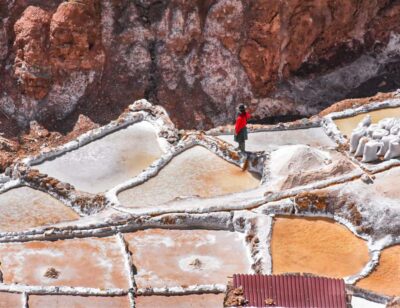
Moray, Maras Salt Mines & Chinchero Weavers Tour
Read our review →
2-Day Tour: Sacred Valley and Machu Picchu by Train
Read our review →
Sacred Valley, Pisac, Ollantaytambo, Salt Mines Moray
Read our review →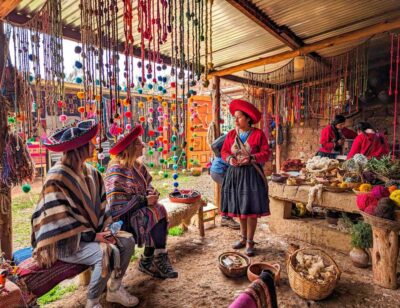
Chinchero,Moray & Salt Mines drop-off in Ollantaytambo
Read our review →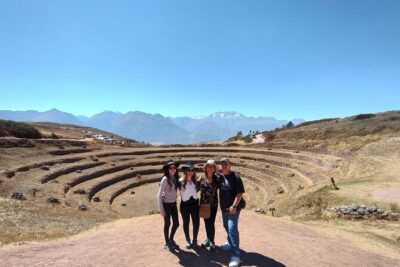
Sacred Valley and Maras Moray Tour with Full Day Buffet Lunch
Read our review →