
Reviewed · MUSEUMS
Mujica Gallo’s Private Gold Collection and Weapons of the World Museum
Gold tells only half the story. This private Lima tour pairs Peru’s pre-Inca and Inca metalwork with one of the world’s largest private weapons collections. I like the small private format and the chance to see objects from Mochica, Chimu, and Inca cultures with a guide who explains their use. I also like the hotel pickup and drop-off, which saves you a taxi ride to Surco.
The main concern is time. The tour lasts about three hours, and some guides give only around 20 minutes to explore the Weapons of the World Museum alone. At $89 per person, that is fair if you value transportation and personal interpretation, but less appealing if you want a slow look at every case.
In This Review
- Key points to know before booking
- Why this unusual Lima museum pairing works
- From your Lima hotel to Surco
- The Private Gold Collection and Peru’s metalwork
- Masks, ritual objects, and the human side of the collection
- The Weapons of the World Museum: five halls and 20,000 objects
- The biggest issue: guided time in the weapons galleries
- How good is the $89 price?
- Who will enjoy this three-hour outing?
- Practical ways to get more from the visit
- Should you book the Gold and Weapons Museum tour?
- FAQ
- Where is the museum tour located?
- How long does the tour last?
- What museums are included?
- Are entrance fees included?
- Is this a private tour?
- How many people are required to book?
- What can I see at the Gold Museum?
- How large is the Weapons of the World Museum?
- Can I cancel for a full refund?
Key points to know before booking
- Two museums in one visit: You see the Private Gold Collection and the Weapons of the World Museum during one outing from Lima.
- More than 2,000 metal pieces: Gold, silver, and brass objects from Mochica, Chimu, and Inca cultures form the core of the first museum.
- A huge weapons collection: More than 20,000 objects fill five gallery halls, including swords, crossbows, and antique firearms.
- A private group experience: Only your party participates, with a private guide and hotel transportation included.
- The schedule can feel tight: The gold collection receives the main explanation, while the weapons section may be largely self-guided.
- Best for museum-focused visitors: The tour suits you if you want cultural context and easy transport more than an unhurried museum day.
Why this unusual Lima museum pairing works
Lima has many attractions tied to Peru’s ancient cultures, but this outing offers a different angle. It focuses on objects that show how people made, used, displayed, and valued metal, then places that story beside weapons from around the world.
The first museum is about craftsmanship and ritual. The second is about military power, status, technology, and conflict. That contrast gives the three-hour visit a clear shape. You move from masks and ceremonial objects to swords and firearms, from local civilizations to an international collection.
I find that pairing useful because it prevents the gold displays from becoming a blur of shiny objects. Your guide can explain why a nose ornament, vessel, or mask mattered, then the weapons galleries show how power was expressed in another form.
The collection is linked to Mujica Gallo, a Peruvian collector who spent his life helping recover objects connected with Peru’s past, especially cultures from northern Peru. He established the Peruvian Gold Museum Foundation, which houses the collection.
The museum is in Surco, a cultural district away from Lima’s central historic core. Hotel pickup and return make the location much easier to manage, especially if you do not want to arrange a taxi across the city.
More Museum Visits in Lima
- Skip the Line: Larco Museum Admission Ticket
★ 5.0 · 659 reviews - Experience Lima: Gastronomic Evening at Larco Museum
★ 4.5 · 95 reviews - Larco Museum, Pisco Old Tavern and Magic Water Circuit Evening Tour
★ 4.5 · 66 reviews
From your Lima hotel to Surco
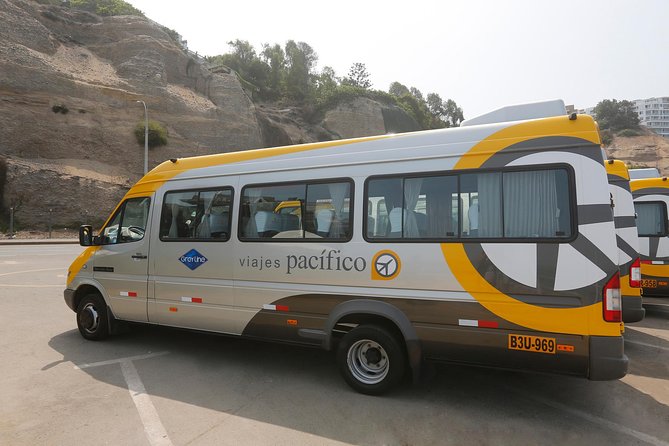
The tour begins with pickup at your hotel in Lima. You then travel by minivan to Surco, where the museum complex is located.
The transportation is not a glamorous feature, but it is a useful one. The price includes both hotel pickup and drop-off, so you do not have to negotiate separate transport or find the museum on your own. Since this is a private tour, the vehicle serves only your group rather than a large busload of people.
The exact pickup time is not provided, so you should confirm the details when you book. The experience is commonly reserved well in advance, with bookings averaging about 75 days ahead. That does not mean you must plan that early, but it suggests that you should not leave it until the last minute if your Lima schedule is fixed.
A minimum of two people is required per booking. This is important for solo visitors, who cannot book the experience alone under the stated conditions.
The Private Gold Collection and Peru’s metalwork
The first major stop is the Museo Oro del Peru, or Gold Museum of Peru. The foundation displays more than 2,000 pieces made from gold, silver, and brass. The objects are tied mainly to Mochica, Chimu, and Inca cultures, with additional material from pre-Inca and post-Inca periods.
Your guide’s role matters most here. The collection includes objects that can look mysterious without explanation. A mask shaped with animal features, for example, is more interesting when you understand the symbolic role of birds, monkeys, or lizards in the art of ancient Peru.
You can expect to see nose pieces, pots, utensils used for religious purposes, masks, ornaments, and other decorative objects. Some pieces show technical skill through fine shaping and surface detail. Others help explain how precious metals were linked to ceremony, rank, and belief.
The displays also include mummies, textiles from Inca and Paracas cultures, pottery, and garments. That wider selection helps place the metalwork in a larger cultural setting. You are not looking only at isolated luxury items. You are seeing how metal objects fit alongside clothing, ceramics, burial practices, and ritual life.
The museum’s strongest appeal is its range of materials. Gold gets the attention, but the silver and brass pieces matter too. They help you compare color, finish, and function. The collection also gives you a chance to consider the importance of metalworking across several periods rather than treating Peru’s past as one single culture.
The term gold museum can create a misleading expectation. This is not simply a room of treasure designed for quick admiration. The value comes from the mix of objects and the explanations around them. You will get more from the visit if you listen for clues about who used each item and why it was made.
Masks, ritual objects, and the human side of the collection
The animal masks are among the most memorable objects described for this museum. Masks showing lizards, birds, and monkeys bring a playful edge to a collection that can otherwise feel formal and ceremonial.
Look closely at the precision of the decoration. These are not plain sheets of metal. Their details reveal a high level of control over shape and surface. Your guide can help you notice features that are easy to miss when you are simply moving from case to case.
The religious utensils and ceremonial vessels are also important. They remind you that gold and other metals were not valued only for their monetary worth. In ancient Peru, certain objects carried social and spiritual meaning. A pot or nose ornament could communicate status, identity, or connection to ritual.
Some mummies are displayed as part of the collection. Their presence adds a more serious note to the visit. If you prefer museums that focus only on beautiful objects, this part may feel heavier, but it also gives the collection a human dimension.
The textile and pottery rooms broaden the visit beyond metal. Paracas and Inca textiles show another kind of technical skill, while pottery helps you compare decoration and function in a different material. I would pay attention to these sections even if gold is your main reason for booking.
More museums worth an hour in Lima:
- Pachacamac’s Inka Pyramids Tour including Museum Small-Group
★ 5.0 · 65 reviews - Lima in a Day: City Sightseeing Tour, Larco Museum and Magic Water Circuit
★ 4.5 · 63 reviews - Lima´s Vibrant Heritage & Larco Museum of Cultures Half Day Tour
★ 5.0 · 48 reviews - From Lima: Pachacamac Inka Pyramids & The Larco Museum Tour
★ 4.8 · 43 reviews
The Weapons of the World Museum: five halls and 20,000 objects
The second section is the Weapons of the World Museum, described as one of the finest private collections of its kind. More than 20,000 artifacts are arranged across five gallery halls.
The size changes the pace of the visit. You will not be looking at a small display of a few famous weapons. You will see an extensive collection that spans different periods and regions, including ancient crossbows, swords, and antique guns.
The weapons are interesting not just as military tools. They also reveal changes in technology, social rank, design, and political power. A sword can be a practical weapon, a ceremonial object, or a marker of status. A firearm can show how quickly military technology changed the balance between groups.
The collection also gives you a broad international view after the first museum’s close focus on Peru. That shift is part of the appeal. You begin with local cultures and then move into a much wider story of human conflict and invention.
The scale is both the strength and the problem. Twenty thousand objects sound impressive, but the museum can feel overwhelming if you try to see everything. You will need to choose what interests you most, especially if the schedule leaves little time for an independent visit.
The biggest issue: guided time in the weapons galleries
You should clarify how the museum portion will be handled before you set out. The guide is expected to explain the gold collection, but the weapons section may not receive the same level of guided attention.
In one reported experience, the guide left about 20 minutes for independent viewing of the entire weapons collection. That is plainly not enough time for five halls and more than 20,000 artifacts. You would be forced to walk quickly, skip large sections, or focus on only a few cases.
This does not make the museum uninteresting. It means the tour’s value depends heavily on how your guide divides the three hours. Some visitors praised the guide’s explanations of tradition and culture, while others felt the overall visit was too short for the price.
I would ask one direct question before booking: how much time will be guided in each museum, and how much time will I have to explore on my own? The answer will help you decide if this is the right format.
If you mainly want the gold collection explained, the schedule may work well. If the weapons museum is your main reason for going, a rushed visit could leave you frustrated.
How good is the $89 price?
At $89 per person, the tour is not a bargain museum admission. You are paying for a private guide, hotel pickup and drop-off, transportation to Surco, and entrance fees. If you would otherwise need to arrange a taxi and find the museum yourself, those services add real value.
The private format is also useful for couples, families, or small groups with shared interests. You can ask questions without waiting for a large group to catch up. The guide can also adjust explanations to your level of interest, at least in principle.
The price is harder to justify if the independent weapons visit is very short. A costly private tour should give you more than transportation and a quick walk through the second collection. The strongest version of this experience includes clear explanations in the gold museum and enough time to appreciate the weapons galleries.
I would think of the price this way:
- Good value: You want hotel transport, a private guide, and a compact introduction to both museums.
- Reasonable value: You are especially interested in the Peruvian gold collection and want the weapons museum as an added stop.
- Questionable value: You want to study the weapons collection carefully or spend a full afternoon with the exhibits.
The overall rating is 4.4 from 22 ratings, which points to a generally positive experience but not a flawless one. The praise centers on the impressive gold and weapons collections and strong explanations from the guide. The criticism centers on late starts, short timing, and the lack of a fully guided weapons visit.
Who will enjoy this three-hour outing?
I would recommend this experience to you if you like museums, ancient cultures, collecting, and objects with a story behind them. It is also a good fit if you have limited time in Lima and want two unusual collections handled in one half-day.
Families with older children may find the weapons galleries especially engaging. Swords, crossbows, and antique guns offer an easy entry point into the past, while the gold museum adds art and ritual to the day.
The experience is less suited to you if you want a slow archaeological museum visit with long explanations at every display. It is also not ideal for a solo visitor because at least two people are required per booking.
Most people can participate, according to the supplied tour information, but no detailed accessibility information is provided. If you have specific mobility needs, ask the operator before booking rather than assuming the minivan and museum route will suit you.
The tour is private, so only your group participates. That is a major benefit for anyone who prefers a quieter, more flexible outing. It does not guarantee a longer visit, though. The schedule still matters.
Practical ways to get more from the visit
Start by deciding which collection matters most to you. If the answer is gold, listen carefully during the first museum and ask about the Mochica, Chimu, and Inca pieces. If weapons are your priority, say so early and ask how much time you will have in those five halls.
Do not assume that the word private means the entire three hours will be guided. Private means your group is alone with the guide, but the weapons section may still be partly self-guided.
Keep an eye on the clock once you reach the weapons museum. With more than 20,000 objects, you need a plan. Pick a few areas or object types that interest you instead of trying to see every case.
It is also worth remembering that the gold museum is not limited to gold. Give attention to the silver, brass, textiles, ceramics, garments, and mummies. Those pieces help explain the setting in which the metal objects were made and used.
The tour includes entrance fees, so you do not need to budget separately for admission. Free cancellation is available if you cancel at least 24 hours before the start time. Changes or cancellations made within 24 hours are not accepted for a refund.
Should you book the Gold and Weapons Museum tour?
Book it if you want a convenient, private introduction to two distinctive Lima collections, especially if your time is limited and you value hotel transportation. The gold museum is the main cultural strength, with pre-Inca and Inca objects, ceremonial pieces, textiles, pottery, and helpful interpretation.
Book with caution if the Weapons of the World Museum is your chief goal. The collection is enormous, but the three-hour schedule can leave too little time, particularly if your guide gives only a brief independent visit.
Before paying $89, confirm the planned timing and ask whether the guide will accompany you through the weapons galleries. If the answer is clear and the schedule gives both museums fair attention, this can be a memorable addition to your Lima plans. If not, choose it for the gold collection and treat the weapons museum as a quick extra rather than the main event.
FAQ
Where is the museum tour located?
The experience takes place in Surco, a cultural district of Lima. Hotel pickup and drop-off are included.
How long does the tour last?
The tour lasts approximately three hours.
What museums are included?
The tour includes the Museo Oro del Peru, also known as the Gold Museum of Peru, and the Weapons of the World Museum.
Are entrance fees included?
Yes. Admission tickets are included in the tour price.
Is this a private tour?
Yes. Only your group participates, and a private guide is included.
How many people are required to book?
A minimum of two people per booking is required.
What can I see at the Gold Museum?
You can see more than 2,000 gold, silver, and brass pieces linked mainly to Mochica, Chimu, and Inca cultures. The collection also includes mummies, textiles, pottery, and garments.
How large is the Weapons of the World Museum?
The collection contains more than 20,000 artifacts arranged across five gallery halls. Objects include crossbows, swords, and antique guns.
Can I cancel for a full refund?
Yes. You can cancel at least 24 hours before the experience starts for a full refund. Cancellations or changes made within 24 hours are not refunded or accepted.
Added recently around Lima
- Yoga Classes in Miraflores, Lima★ 4.5 · 20 reviews
- Magic Water Circuit Tour★ 4.0 · 5 reviews
- Private Walking Tour Lima Heritage Downtown Half Day★ 4.5 · 12 reviews
- Wonders of Peru & Huaraz 16-Day Tour★ 5.0 · 8 reviews
- Water Magic Circuit Lima Night Tour by Panoramic Bus★ 4.5 · 11 reviews
- Visit to the Larco Museum in Lima★ 5.0 · 5 reviews
- Guided Tours in Colonial and Modern Lima★ 5.0 · 54 reviews
- Bizarre Foods Tour for Adventurous Foodies★ 5.0 · 9 reviews
Museums, compared.
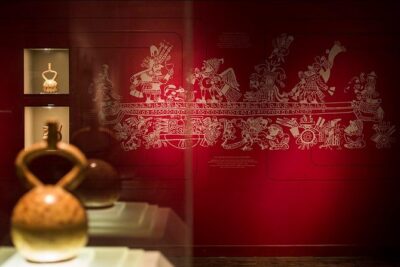

City Tour in Cusco & visit Museum South American Camelid Private.
Read our review →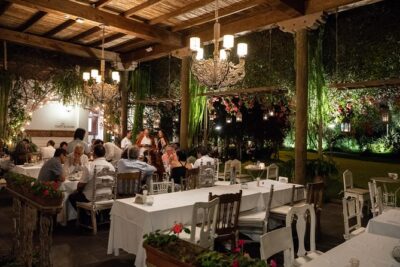
Experience Lima: Gastronomic Evening at Larco Museum
Read our review →
City Tour in Cusco & visit Museum South American Camelid
Read our review →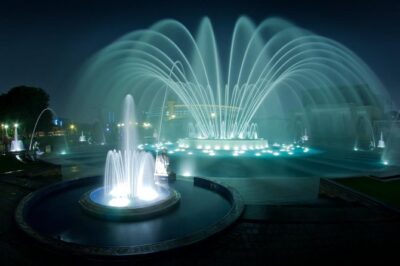
Larco Museum, Pisco Old Tavern and Magic Water Circuit Evening Tour
Read our review →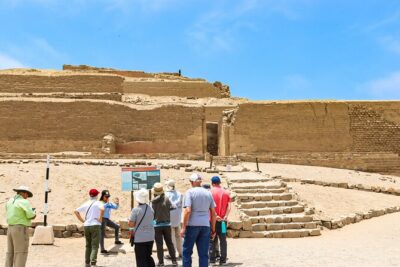
Pachacamac’s Inka Pyramids Tour including Museum Small-Group
Read our review →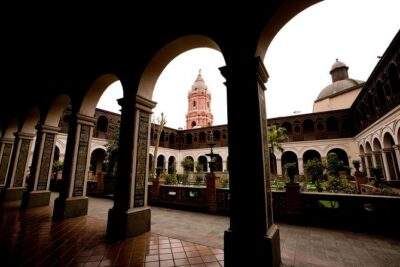
Lima in a Day: City Sightseeing Tour, Larco Museum and Magic Water Circuit
Read our review →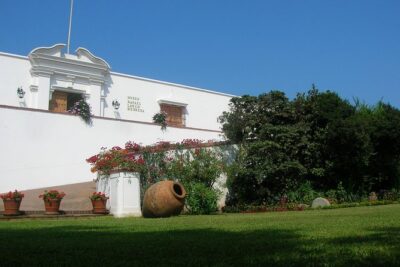
Lima´s Vibrant Heritage & Larco Museum of Cultures Half Day Tour
Read our review →Browse the lists this tour appears in