
Reviewed · INCA RUINS & ARCHAEOLOGICAL SITES
Pachacamac Archaeological Complex and Barranco
Ancient gods, modern art, one morning. This half-day outing pairs Barranco’s creative streets with the vast Pachacamac sanctuary, giving you two very different views of Lima before lunch. I like the smart contrast between urban culture and ancient religion, and I like that entrance fees, transport, and a professional guide are included. The main tradeoff is time: Pachacamac is a huge site, so four hours allows a useful introduction rather than a slow, thorough archaeological study.
The 9:00 a.m. departure also works well if you want your afternoon free for museums, food, or a proper rest. Guides have been praised for clear English, patience, and strong knowledge of Peruvian history. Christian, Rosa, Jennifer, and others have made especially good impressions, while drivers such as Freddie have helped keep the outing smooth. Bring sunscreen, sunglasses, and a hat, since much of Pachacamac is open and exposed.
In This Review
- Key points at a glance
- Why Barranco and Pachacamac work well together
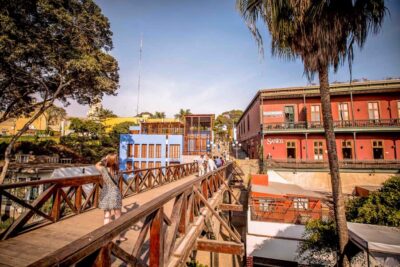
- Barranco in 30 minutes: a quick look at Lima’s bohemian side
- Pachacamac’s broad ceremonial grounds
- The Pachacamac museum makes the ruins easier to read
- Guides can make or break this morning
- What $59 buys you in practical terms
- Timing, pickup, and the shape of the morning
- Who should book this half-day outing
- Should you book Pachacamac and Barranco?
- FAQ
- What is included in the Pachacamac and Barranco tour?
- What time does the tour begin?
- Which languages are available for the guide?
- Is the Bridge of Sighs included?
- Are food and drinks included?
- What should I bring?
Key points at a glance
- Barranco adds a lively cultural opening: Spend about 30 minutes among boulevards, galleries, restaurants, residences, and the famous Bridge of Sighs area.
- Pachacamac is far larger than a single temple: A vehicle helps you reach different parts of this major coastal ceremonial center.
- The site museum gives the ruins a timeline: Exhibits cover the sanctuary from about A.D. 200 through the arrival of the Incas in 1470.
- Guides are the tour’s strongest feature: Clear explanations, friendly manner, and multilingual guiding have earned particular praise.
- The $59 price covers the major basics: Pickup, drop-off, guide service, and both admissions are included.
- The morning schedule protects your afternoon: You finish with time left for Lima’s other sights, meals, or downtime.
Why Barranco and Pachacamac work well together
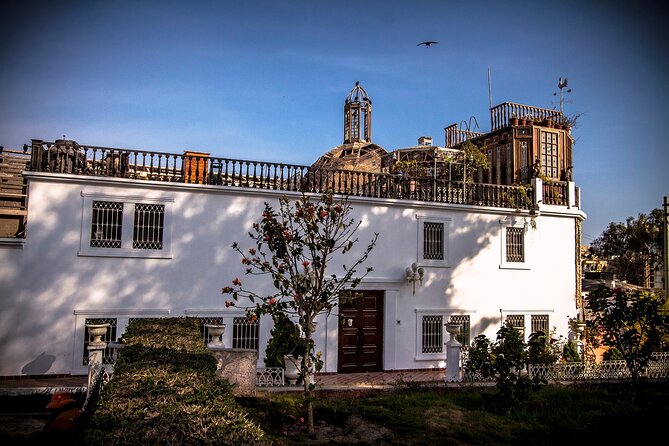
Lima can feel like several cities pressed together. Barranco gives you the modern, artistic side. Pachacamac takes you out toward the coast’s ancient ceremonial world. This tour makes that contrast its central idea, rather than asking you to spend the whole morning looking at one type of monument.
I like the pairing because Barranco is not treated as a filler stop before the main attraction. Even in roughly 30 minutes, you get a look at one of Lima’s best-known cultural districts, with boulevards, residences, hotels, galleries, and restaurants. It is also associated with nightlife, though this morning visit naturally focuses more on its streets and atmosphere than on its evening scene.
Then the mood changes sharply. Pachacamac is broad, dry, and imposing. The sanctuary served as an important religious center on the Peruvian coast before and during Inca rule. Seeing Barranco first gives you a useful reminder that Lima is not only a colonial or modern capital. Its story reaches back many centuries before the city you see today.
More Ruins & Archaeology Tours in Lima
- Lima: Pachacamac Ruins & Barranco Half-Day Guided Tour
★ 4.6 · 296 reviews - Pre Inca Temple of Pachacamac Half-Day Tour from Lima
★ 4.5 · 283 reviews - Tour to the Archaeological Sanctuary of Pachacamac (small group)
★ 5.0 · 260 reviews
Barranco in 30 minutes: a quick look at Lima’s bohemian side
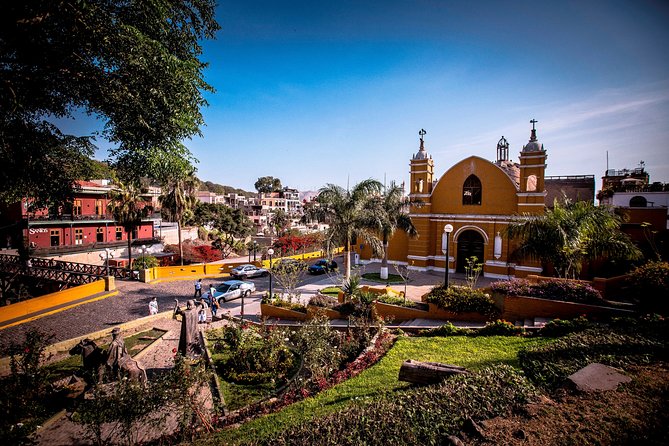
The Barranco portion is short, so you should set your expectations properly. You are getting an introduction, not a long neighborhood walk with time for galleries, coffee, or shopping. That said, the brief stop can be valuable if you are new to Lima or staying in another part of the city.
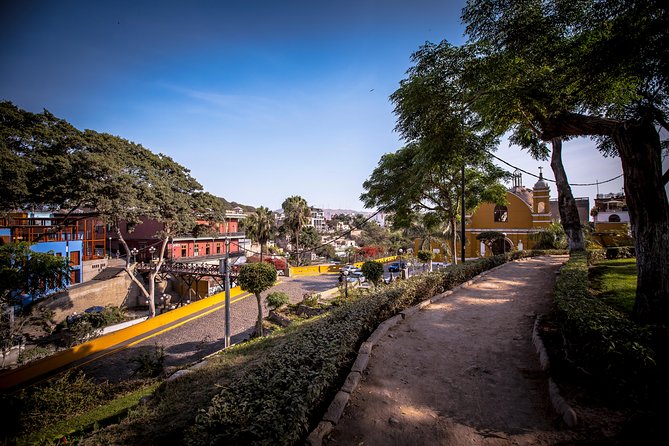
The area is known for its artistic character, restaurants, hotels, and public spaces. One tour experience also included the Bridge of Sighs, a welcome surprise for anyone interested in Barranco’s familiar landmarks. The district’s appeal comes from the mix of residential streets and creative energy, not from one single monument.
I would pay attention to the guide’s commentary here. A good guide can turn a quick walk into a clearer picture of how modern Lima lives, socializes, and presents its artistic side. Rosa was praised for connecting Peruvian history with the lived experiences of people in modern Peru, which is the sort of context that can make a short neighborhood stop matter.
The limitation is obvious: 30 minutes passes quickly. If Barranco is a priority for you, plan to return independently for more time. This tour gives you a taste and helps you decide if the district deserves a longer visit later.
Pachacamac’s broad ceremonial grounds
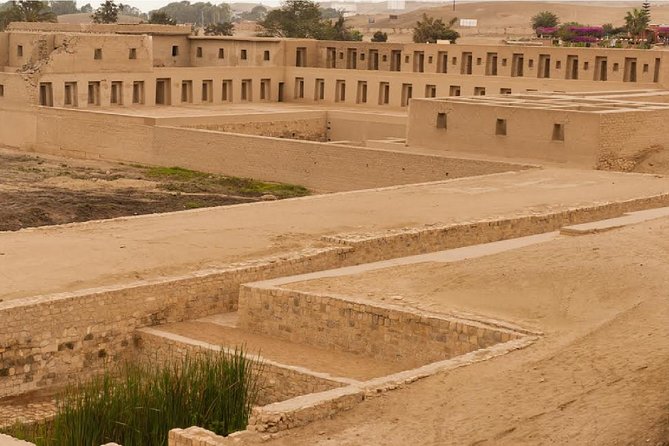
Pachacamac is the main event, and its scale explains why the tour uses a vehicle to reach different areas. This is not a compact ruin where you walk from one temple to the next in a few minutes. The complex contains remains from several periods, and the changing construction styles help show how different societies used and reshaped the sanctuary.
The site was one of the most important ceremonial centers on Peru’s coast during pre-Inca and Inca times. Its religious role is central to the visit. You are not simply looking at old walls. You are trying to understand why people built such a large center, how worship shaped the site, and how later rulers adapted places that already carried spiritual importance.
I found the idea of seeing several building periods especially useful. Without a guide, a large archaeological area can become a string of earthen walls that blur together. The guide’s job is to point out changes in construction and explain what they reveal about the people who used the sanctuary.
The scale can also be tiring. Much of the site is exposed, and Lima’s sun can be strong even when the city feels cool or gray. Wear practical shoes and carry sun protection. Sunscreen, sunglasses, and a hat are specifically advised, and I would treat those items as essentials rather than extras.
Because the tour lasts about four hours in total, you should not expect to inspect every corner at length. The vehicle saves energy and makes the visit possible within the morning, but you still need to accept a brisk pace. If you want long periods for photography or close study, a private or longer archaeological visit may suit you better.
The Pachacamac museum makes the ruins easier to read
The Museo de Sitio y Santuario Arqueológico de Pachacamac is included, and this is a major advantage. The museum organizes the sanctuary’s cultural sequence by theme, covering roughly A.D. 200 through the establishment of Inca control in 1470.
That timeline matters. At the ruins, you see the physical remains. In the museum, you get a clearer sense of change over time. The two stops work together: one shows the place itself, while the other helps explain the long sequence of cultures connected with it.
I would pay close attention to the museum before or after the outdoor portion, depending on how the guide arranges the visit. Either way, it gives you a framework for understanding why the complex looks the way it does. The experience becomes less about memorizing names and more about seeing how a sacred center developed across centuries.
The museum visit lasts about 30 minutes, so it is focused rather than exhaustive. That is appropriate for a half-day tour, though visitors with a strong interest in archaeology may wish for more time. The included admission is still valuable, since the museum prevents the outdoor visit from becoming disconnected from its cultural setting.
More ruins and archaeology near Lima:
- From Pyramids & Bohemian Streets: Lima Miraflores & Barranco Tour
★ 5.0 · 257 reviews - Caral, The Oldest Civilization in the Americas:Day Trip from Lima
★ 5.0 · 199 reviews - Lima: Pachacamac Inca Archaeological Complex Tour
★ 4.8 · 164 reviews - Lima Bike Tour Miraflores – Barranco + Huaca Pucllana!
★ 4.5 · 137 reviews
Guides can make or break this morning
The strongest praise for this experience centers on the guides. Several were described as friendly, patient, clear, and well informed. Christian received particular approval for speaking understandable English, while Rosa was thanked for bringing insight into both historical events and modern Peruvian life. Jennifer was also praised for her friendly manner and strong command of the site.
That kind of guiding matters at Pachacamac. The complex is large, the history covers many centuries, and the remains do not always explain themselves. A good guide helps you notice construction differences, religious meaning, and the connection between the sanctuary and the societies that used it.
The tour can operate in English, Spanish, and Portuguese. One guide handled English for some people and Spanish for others in the same group, which is useful for mixed-language parties. Still, a multilingual group may mean the guide repeats parts of the explanation. That can lengthen certain stops or make the pace feel less even.
The praise for patience is also worth noting. One guide made sure a participant saw all the promised sites and happily shared details about colonial Peruvian history. If you like asking questions, this sounds like a good setting for it. I would use the travel time and museum stop to ask about the parts of Peruvian history that interest you most.
What $59 buys you in practical terms
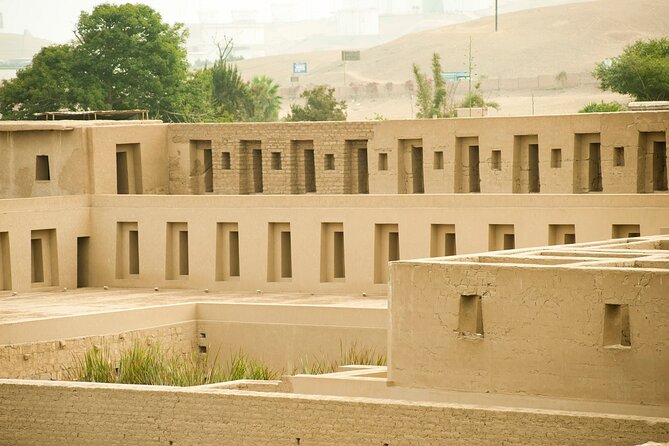
At $59 per person, the value rests on what is bundled into the morning. Pickup and drop-off, a professional guide, admission to the Pachacamac archaeological complex, and admission to the site museum are all included. You are paying for a structured visit instead of arranging transport, tickets, and interpretation separately.
The price looks fair if you want convenience and context. Pachacamac lies away from Lima’s central sightseeing areas, and having transport matters because the complex itself is spread out. The vehicle used between areas is not a luxury detail. It helps the group cover more ground in a limited time.
You should budget separately for snacks, drinks, and personal expenses. Food and beverages are not included, so eat beforehand or carry something suitable for the morning. The tour starts at 9:00 a.m., and the morning schedule means you may prefer a solid breakfast before pickup.
The maximum group size is 50 people. That is the biggest caution in the value calculation. A group of that size can make the price attractive, but it may feel less personal than a small-group or private tour. The guide’s clear communication and patience become especially important when many people need to hear the same explanation.
Timing, pickup, and the shape of the morning
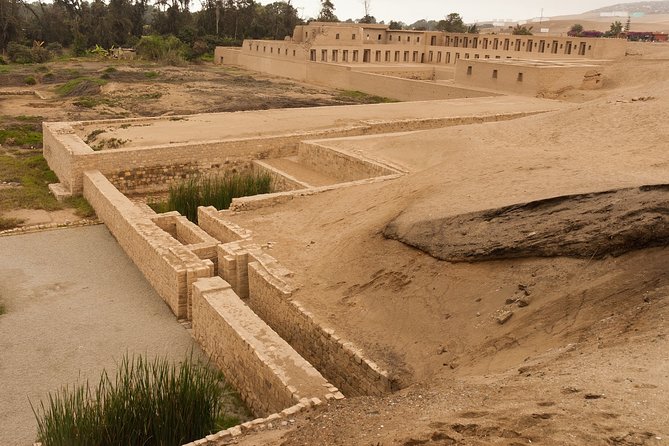
The tour lasts approximately four hours and begins at 9:00 a.m. You must provide the name of your hotel so pickup can be coordinated. Since pickup and drop-off are included, the experience is easier for you than finding your own way to Pachacamac.
The morning departure is one of the best features. You can visit Barranco and Pachacamac without giving up the whole day. Afterward, you still have room for lunch, a museum, another Lima neighborhood, or simple downtime.
The exact amount of time spent in transit can vary with Lima traffic, and the supplied details do not promise a precise return time. I would avoid booking a separate activity immediately afterward. Leave a cushion, especially if you have an evening flight or a fixed reservation.
Most people can participate, and children must be accompanied by an adult. The stated rates do not apply to Peruvians or foreign passengers staying in Peru for more than 60 days, since the listed total does not include applicable sales taxes for those cases. If that applies to you, confirm the final amount with the local operator.
Who should book this half-day outing
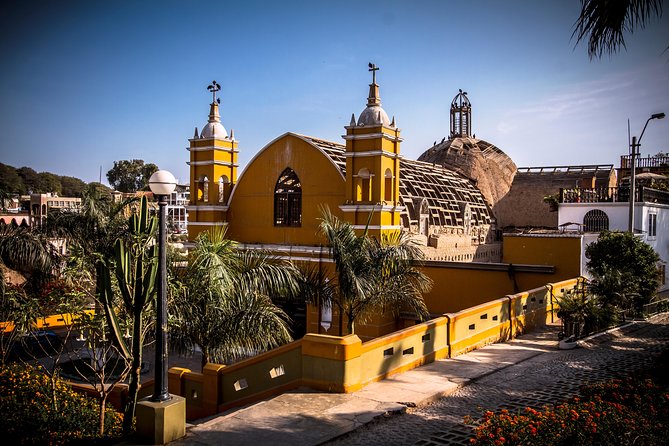
I would recommend it most strongly to first-time visitors who want historical context without giving up an entire day. You get modern Lima, an important archaeological center, the site museum, transport, and a guide in one compact package.
It also suits you if you prefer explanations to wandering alone. Pachacamac’s size and long cultural sequence can be hard to grasp without help. The guide gives the ruins a clearer shape and can answer questions as you go.
Families may appreciate the vehicle between different sections, though children still need adult supervision. Art lovers and people curious about Lima’s neighborhoods will enjoy Barranco, while history-minded visitors will get the most from the sanctuary and museum.
I would be more cautious if your main goal is a slow archaeological study. The 30-minute Barranco visit and roughly one hour at the ruins offer a broad introduction, not an unhurried research visit. A group of up to 50 may also feel too large if you want quiet conversation with the guide.
The high rating of 4.8 from 17 published ratings, with 94 percent recommending the experience, fits the tour’s main strengths: strong guides, useful transport, and a well-chosen mix of sights. Those figures do not remove the time and group-size limits, but they support the idea that this is a dependable introduction to two very different parts of Lima.
Should you book Pachacamac and Barranco?
Book it if you want a practical, well-priced morning that connects Lima’s artistic present with its ancient religious past. I especially like it for a first or second day in the city, when a guide can help you get your bearings and show you places you might not reach easily on your own.
Skip it if you want to spend hours in Barranco, study every archaeological detail, or avoid a potentially large group. For most people, though, the included transport, admissions, museum visit, and strong guiding make $59 a reasonable price for a focused four-hour introduction.
Free cancellation is available when you cancel at least 24 hours before the start time. Changes or cancellations made later are not accepted for a refund.
FAQ
What is included in the Pachacamac and Barranco tour?
Pickup and drop-off, a professional guide, admission to the Pachacamac archaeological complex, and admission to the Pachacamac site museum are included.
What time does the tour begin?
The tour begins at 9:00 a.m. and lasts approximately four hours.
Which languages are available for the guide?
Guiding is available in English, Spanish, and Portuguese.
Is the Bridge of Sighs included?
The Barranco portion can include the Bridge of Sighs area. One described experience specifically included seeing the Bridge of Sighs during the tour.
Are food and drinks included?
No. Snacks and beverages are not included, so you should plan for those separately.
What should I bring?
Bring sunscreen, sunglasses, and a hat. Children must be accompanied by an adult, and you should provide your hotel name to coordinate pickup.
Added recently around Lima
- Yoga Classes in Miraflores, Lima★ 4.5 · 20 reviews
- Magic Water Circuit Tour★ 4.0 · 5 reviews
- Private Walking Tour Lima Heritage Downtown Half Day★ 4.5 · 12 reviews
- Wonders of Peru & Huaraz 16-Day Tour★ 5.0 · 8 reviews
- Water Magic Circuit Lima Night Tour by Panoramic Bus★ 4.5 · 11 reviews
- Visit to the Larco Museum in Lima★ 5.0 · 5 reviews
- Guided Tours in Colonial and Modern Lima★ 5.0 · 54 reviews
- Bizarre Foods Tour for Adventurous Foodies★ 5.0 · 9 reviews
Inca Ruins & Archaeological Sites, compared.
Half-Day City Tour with Sacsayhuaman and Q’enco
Read our review →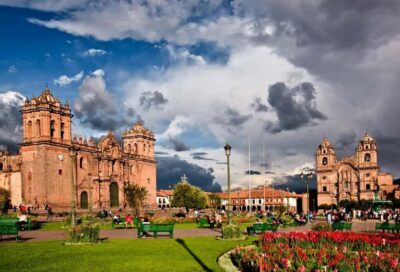
City Tour Cusco Qoricancha Sacsayhuaman y Tambomachay
Read our review →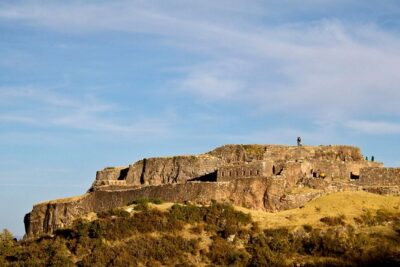
Pachacamac Ruins & Barranco Half-Day Guided Tour
Read our review →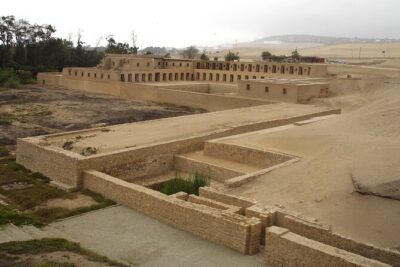
Pre Inca Temple of Pachacamac Half-Day Tour from Lima
Read our review →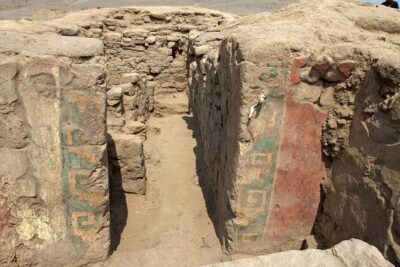
Tour to the Archaeological Sanctuary of Pachacamac (small group)
Read our review →
From Pyramids & Bohemian Streets: Lima Miraflores & Barranco Tour
Read our review →
City Tour | Half-Day Tour to 4 Archaeological Sites
Read our review →Browse the lists this tour appears in