
Reviewed · INCA RUINS & ARCHAEOLOGICAL SITES
Pachacamac from Callao Port
Pachacamac puts Lima’s ancient power within reach. This half-day trip takes you from Callao Port to one of Peru’s major religious centers, with admission, transport, and an English-speaking guide included. I like the small-group format and the chance to see the Temple of the Sun, Plaza of the Pilgrims, and Accllahuasi in one outing. The main caution is traffic, plus uncertainty over the actual group size.
I also like that the tour returns you to the port meeting point, a useful feature when you have a ship schedule to protect. The guide can add real value, especially if you get someone as passionate as Carlos, who earned high praise for making the history clear and memorable. Still, this is not a quick roadside stop: the drive can take about an hour each way, and the vehicle and group arrangements may not always match the advertised description.
In This Review
- Key points to know before booking
- Why Pachacamac matters outside Lima
- Leaving Callao Port at 9:00 am
- The road to Pachacamac is part of the day
- Starting with the Pachacamac museum
- Walking through the Accllahuasi and Plaza of the Pilgrims
- Reaching the Temple of the Sun
- What the $70 price really covers
- The guide can make or break the visit
- Who should book this Callao shore excursion?
- Should you book Pachacamac from Callao Port?
- FAQ
- Where does the tour start?
- What time does the tour begin?
- Where does the tour finish?
- How long does the experience last?
- What is included in the $70 price?
- Is lunch included?
- Is the tour offered in English?
- How many people can join the tour?
- Is admission to Pachacamac included?
- Can I cancel for a full refund?
Key points to know before booking
- Pachacamac covers about 200 hectares, so the visit gives you a sense of a large ceremonial center rather than a single temple.
- The Temple of the Sun is the visual high point, reached after parking and climbing to the highest part of the complex.
- The museum comes first for some groups, helping explain the site before you walk among the ruins.
- The advertised group size needs checking, since the details refer to a maximum of 10, then 12, while one booking reportedly had 16 people.
- The entire outing lasts about four and a half hours, including round-trip transport from Puerto del Callao.
- The $70 price includes transport, a guide in English, and entrance fees, but not lunch.
Why Pachacamac matters outside Lima
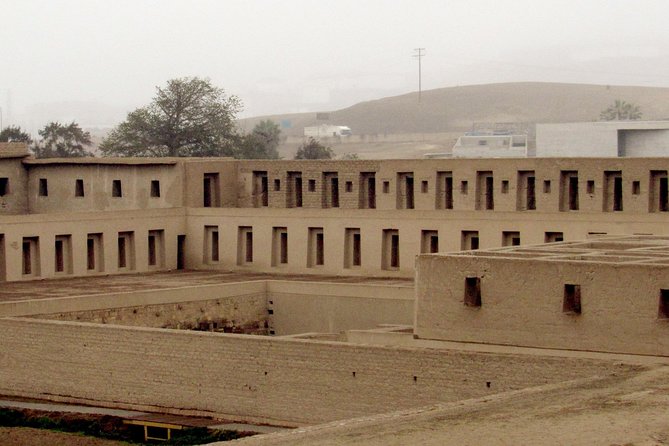
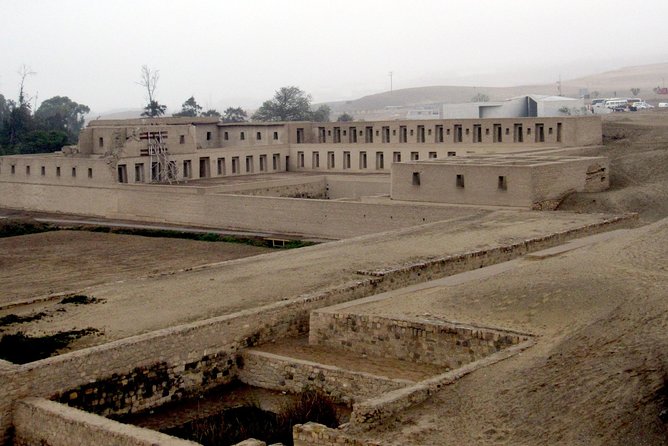
Pachacamac was one of the most important religious sanctuaries in this part of Peru. It sits on the right bank of the Lurín River and covers roughly 200 hectares, making the site feel more like an ancient religious district than a compact ruin.
The sanctuary began under the influence of the Wari civilization and continued in use during the Inca Empire. That long span is one of the best reasons to visit. You are not looking at one isolated Inca monument. You are seeing a place that remained important across different cultures and periods.
The site was connected to the worship of Pachacamac, whose wooden idol was destroyed after the Spanish arrived and looted the complex. That loss gives the visit a sobering edge. Much of what you see today is made of earth and adobe, while the central sacred object that once gave the sanctuary its name is gone.
I would not rank Pachacamac among Peru’s most visually dramatic archaeological sites. It does not have the mountain setting of Machu Picchu or the tight stonework of Cusco. Its value is different: scale, religious importance, and the chance to place Lima within a much older story.
More Ruins & Archaeology Tours in Lima
- Lima: Pachacamac Ruins & Barranco Half-Day Guided Tour
★ 4.6 · 296 reviews - Pre Inca Temple of Pachacamac Half-Day Tour from Lima
★ 4.5 · 283 reviews - Tour to the Archaeological Sanctuary of Pachacamac (small group)
★ 5.0 · 260 reviews
Leaving Callao Port at 9:00 am
The meeting point is Puerto del Callao, at Rada Exterior E Interior, listed near the coordinates XV44+2WQ. The scheduled departure is 9:00 am, and the tour finishes back at that same meeting point.
For a cruise passenger, the return arrangement is a major plus. You do not need to find your own way back from the outskirts of Lima, and round-trip transport is already part of the price. Pickup communication was reported as good, including assistance meeting the cruise terminal shuttle bus.
You should still allow extra mental space for port procedures and Lima traffic. The drive to Pachacamac can take about an hour, and heavy traffic may make the road time feel longer. That is not a fault unique to this tour. It is simply part of moving between Callao and the southern edge of Lima.
The tour begins at 9:00 am, so check your ship’s arrival procedures carefully. The supplied information does not promise ship-delay protection or a private port pickup beyond the stated meeting point. For that reason, I would confirm the exact meeting instructions before departure day.
The road to Pachacamac is part of the day
This trip is not built around speed. You are spending about four and a half hours away from the port, with a sizeable portion used for transport.
That time is not entirely lost. A good guide can explain the Inca Empire, the earlier Wari influence, and the role of Pachacamac while you are on the road. One especially strong experience came from guide Carlos, praised for his patient, friendly, and passionate approach. His ability to answer questions and connect the facts gave the journey more purpose.
The quality of the vehicle matters here. One less positive account described a van that was uncomfortable and awkward to enter, with passengers using the front passenger door because there was no side door. The same account found the driving unsettling. That is a specific complaint, not proof that every departure uses the same vehicle, but it is worth keeping in mind.
The group size also deserves attention. The tour is presented as a small-group outing for up to 10 people, while the additional information gives a maximum of 12. One booking reported 16 people. If a truly small group is important to you, ask Tours.pe to confirm the expected number before you pay.
Starting with the Pachacamac museum
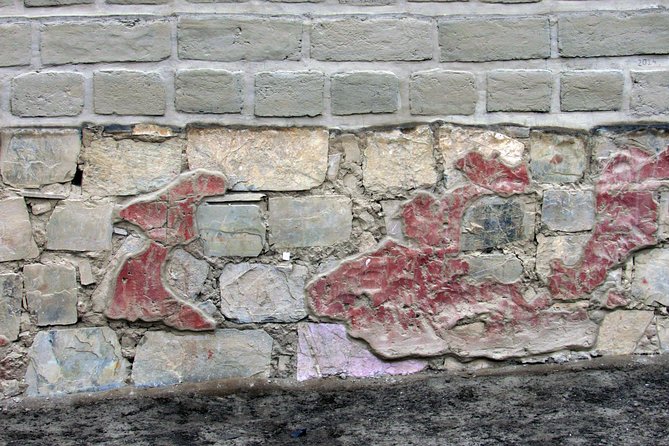
The museum can be a useful first stop because the archaeological site is broad and made up of many structures. A museum visit gives you a basic map of the sanctuary and helps explain what the different buildings were used for.
I like this approach when the guide keeps it focused. The objects and interpretation can make the ruins easier to read, especially if this is your first visit to a pre-Columbian site in Peru. You begin to understand that Pachacamac was not simply a collection of walls. It was a place of pilgrimage, ritual, administration, and worship.
But time is limited. The full tour lasts about four and a half hours, while the listed visit to the site is about one hour and 30 minutes. One booking felt that too much time went to the museum and not enough to the archaeological remains. If you prefer open-air ruins to display cases, make that preference clear to your guide early.
The best balance is a short, useful museum orientation followed by time outside. The museum should prepare you for Pachacamac, not replace it.
More ruins and archaeology near Lima:
- From Pyramids & Bohemian Streets: Lima Miraflores & Barranco Tour
★ 5.0 · 257 reviews - Caral, The Oldest Civilization in the Americas:Day Trip from Lima
★ 5.0 · 199 reviews - Lima: Pachacamac Inca Archaeological Complex Tour
★ 4.8 · 164 reviews - Lima Bike Tour Miraflores – Barranco + Huaca Pucllana!
★ 4.5 · 137 reviews
Walking through the Accllahuasi and Plaza of the Pilgrims
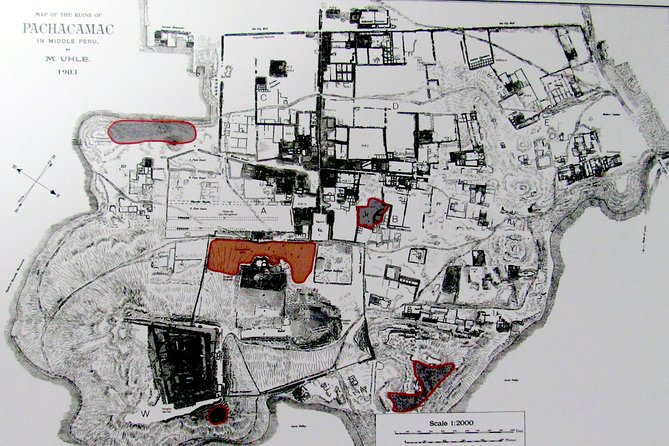
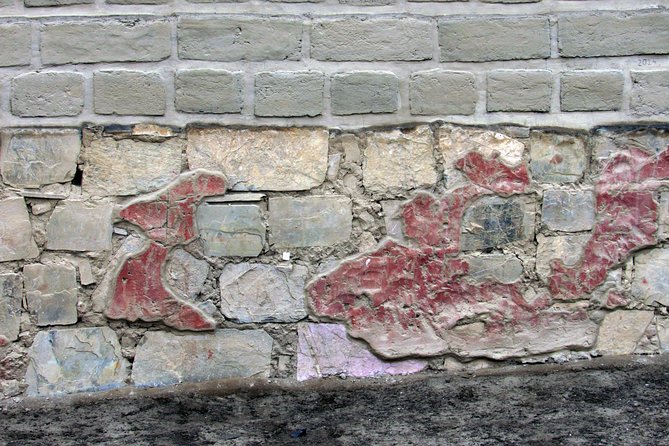
The visit continues through several parts of the complex, including the Accllahuasi, also called the Temple of the Moon, and the Plaza of the Pilgrims.
These names point to the range of activity once centered here. The Accllahuasi is especially important because it reflects the religious and social organization of the sanctuary. The Plaza of the Pilgrims helps you picture Pachacamac as a destination for people arriving from across the region, not just as a local temple.
Expect a large archaeological setting rather than a perfectly preserved city. Adobe structures and open spaces can be difficult to interpret without explanation, so the guide’s role matters. I would pay close attention to how the guide connects each section to the wider religious purpose of Pachacamac.
The supplied description says the group walks through different sections, but it also notes that much of the complex is covered by minibus between areas. That is helpful because the site is extensive. It also means the visit is not one long, steady walk from entrance to exit.
Wear shoes you can manage on uneven ground and bring protection from the sun if needed. The information confirms walking and a climb to the Temple of the Sun, but it does not give detailed accessibility notes. Most people can participate, and service animals are allowed.
Reaching the Temple of the Sun
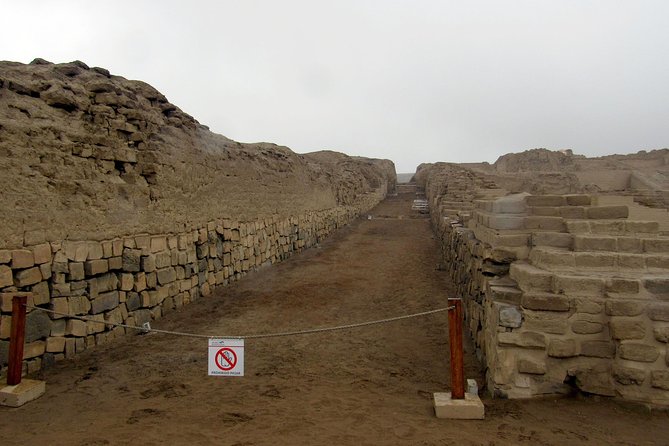
The Temple of the Sun is the final major highlight. After the minibus transfer, the group parks and climbs to the highest point of the complex.
This is where the scale of Pachacamac becomes easiest to grasp. From a higher position, you can look across the broad sanctuary and understand why a short visit can feel incomplete. The climb is not described in detail, so I would not assume it is strenuous, but anyone with limited mobility should ask the operator for current information.
The Temple of the Sun also gives the tour a strong finish. You move from museum context, to individual buildings, to a high point that ties the whole site together. It is not a polished stone monument, but the setting and size help explain the power this sanctuary once held.
One account described the archaeological complex as vast and found the Temple of the Sun especially worthwhile. That matches my view of how to approach Pachacamac: do not expect one perfect photo stop. Give the site time to build its effect.
What the $70 price really covers
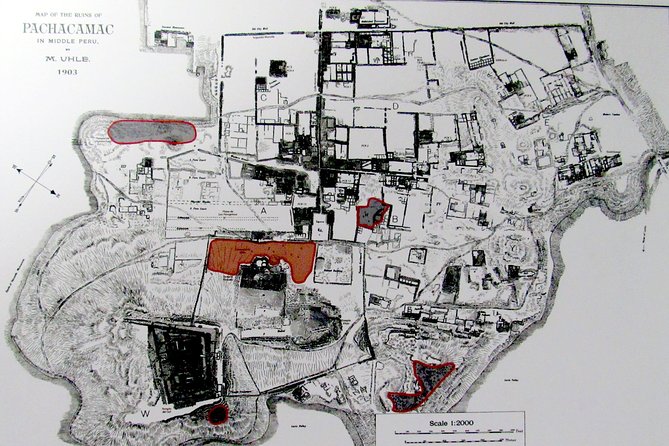
At $70 per person, the tour is priced as a practical shore excursion rather than a bare admission ticket. The fee includes round-trip transportation, an English-speaking guide, and entrance fees to Pachacamac. Lunch is not included.
The value depends on your alternative. If you tried to arrange transport from Callao independently, you would need to handle the long cross-city journey, entrance arrangements, and timing back to the port yourself. The tour removes much of that work and gives you a guide to explain a site that can be hard to understand on your own.
The value drops if you are expecting a private experience, a guaranteed group of 10 or fewer, or a long uninterrupted walk through the ruins. The mixed group-size information makes that point especially important. You are paying for convenience and interpretation, not luxury transport.
I would also factor in your personal interest. If ancient religious sites fascinate you, $70 is a fair way to reach Pachacamac during a port day. If your main goal is a short outing with dramatic scenery, the heavy traffic and modest visual drama may make the price feel less appealing.
The guide can make or break the visit
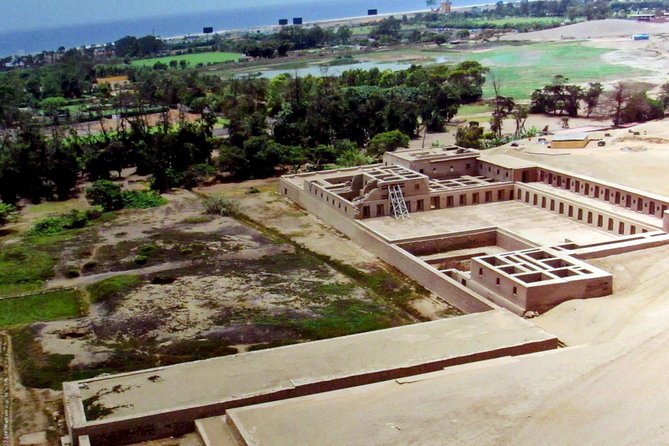
The strongest praise centers on the guiding. Carlos was singled out for his dedication, patience, friendliness, and command of the subject. A guide who can answer questions and explain the site with energy changes the entire experience.
That matters at Pachacamac because the remains do not explain themselves. Adobe walls, plazas, and temple platforms need context. A good guide helps you see the sanctuary as a functioning religious center rather than a series of worn structures.
The tour is offered in English, so English-speaking visitors should have access to the main explanations. Still, guiding styles differ. If you have a particular interest in Wari culture, Inca religion, or the Spanish destruction of the idol, ask about those subjects during the visit.
The four-star overall rating from five ratings suggests a generally positive but not flawless experience. I would read that as a useful warning to keep expectations realistic. Strong guiding and good coordination can produce a memorable outing, while vehicle comfort and group size may vary.
Who should book this Callao shore excursion?
I would recommend Pachacamac to you if you want to see an important Peruvian archaeological site without arranging transport on your own. It suits cruise passengers who have enough time for a four-and-a-half-hour trip and want an English-speaking guide to explain what they are seeing.
It is also a good fit if you value historical context more than polished monuments. The Wari and Inca connections, the pilgrimage role, and the destroyed wooden idol give the site real depth.
I would hesitate if you dislike long road transfers, need a guaranteed very small group, or want most of your time spent walking among ruins. The site visit is listed at about 90 minutes, and traffic can claim a large part of the day.
The tour is suitable for most participants, and service animals are allowed. Free cancellation is available if you cancel at least 24 hours before the local start time. Changes or cancellations inside that window are not accepted, and the minimum number of participants must be met for the departure to run.
Should you book Pachacamac from Callao Port?
Book it if you want a convenient, guided introduction to Lima’s ancient religious world and you are comfortable giving up several hours to traffic. The included admission, transport, and guide make the $70 fee reasonable for a cruise-day outing.
Before booking, I would confirm the actual group size and the pickup details. I would also ask how much time is planned for the museum versus the ruins. With a strong guide such as Carlos, Pachacamac can become a thoughtful and worthwhile visit. With a crowded van and rushed site time, it may feel less satisfying.
FAQ
Where does the tour start?
It starts at Puerto del Callao, at Rada Exterior E Interior, listed near XV44+2WQ in Callao, Peru.
What time does the tour begin?
The scheduled start time is 9:00 am.
Where does the tour finish?
The activity ends back at the meeting point in Callao.
How long does the experience last?
The tour lasts approximately four hours and 30 minutes.
What is included in the $70 price?
The price includes transportation, an English-speaking tour guide, and entrance fees to Pachacamac.
Is lunch included?
No. Lunch is not included in the tour price.
Is the tour offered in English?
Yes. The experience is offered in English and includes an English-speaking guide.
How many people can join the tour?
The tour is described as having a maximum of 10 people in its highlights, while the additional information gives a maximum of 12 travelers. One booking reported a group of 16, so confirm the expected group size with Tours.pe.
Is admission to Pachacamac included?
Yes. Admission to Pachacamac is included.
Can I cancel for a full refund?
Yes, if you cancel at least 24 hours before the experience start time. Cancellations made less than 24 hours in advance are not refunded, and changes inside that period are not accepted.
Added recently around Lima
- Yoga Classes in Miraflores, Lima★ 4.5 · 20 reviews
- Magic Water Circuit Tour★ 4.0 · 5 reviews
- Private Walking Tour Lima Heritage Downtown Half Day★ 4.5 · 12 reviews
- Wonders of Peru & Huaraz 16-Day Tour★ 5.0 · 8 reviews
- Water Magic Circuit Lima Night Tour by Panoramic Bus★ 4.5 · 11 reviews
- Visit to the Larco Museum in Lima★ 5.0 · 5 reviews
- Guided Tours in Colonial and Modern Lima★ 5.0 · 54 reviews
- Bizarre Foods Tour for Adventurous Foodies★ 5.0 · 9 reviews
Inca Ruins & Archaeological Sites, compared.
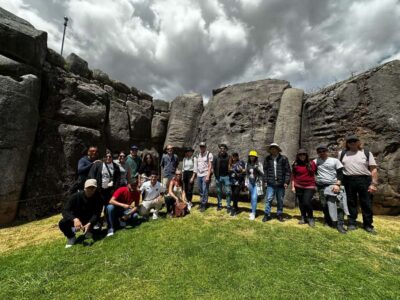
Half-Day City Tour with Sacsayhuaman and Q’enco
Read our review →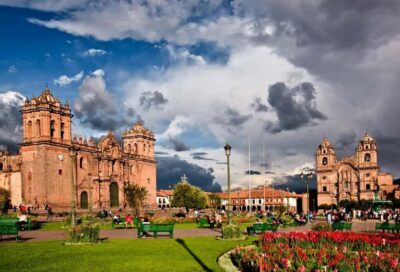
City Tour Cusco Qoricancha Sacsayhuaman y Tambomachay
Read our review →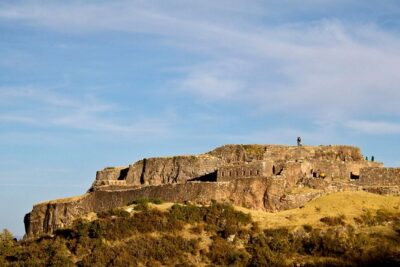
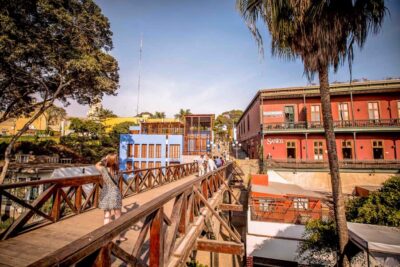
Pachacamac Ruins & Barranco Half-Day Guided Tour
Read our review →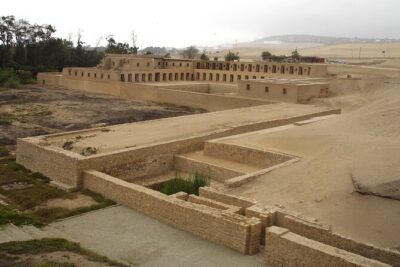
Pre Inca Temple of Pachacamac Half-Day Tour from Lima
Read our review →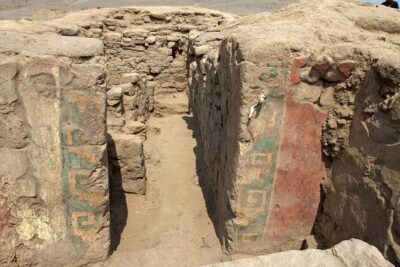
Tour to the Archaeological Sanctuary of Pachacamac (small group)
Read our review →
From Pyramids & Bohemian Streets: Lima Miraflores & Barranco Tour
Read our review →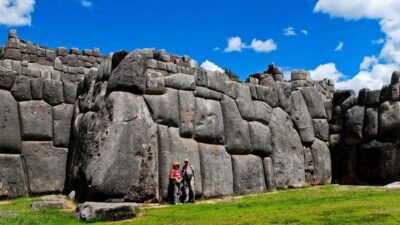
City Tour | Half-Day Tour to 4 Archaeological Sites
Read our review →Browse the lists this tour appears in