
Reviewed · SACRED VALLEY TOURS
Private tour of Sacred valley: Pisac, Ollantaytambo and Chinchero
Six Inca sites, one busy morning. This private Sacred Valley outing packs Pisac, Ollantaytambo, and Chinchero into about five hours, with private transport and an English-speaking guide. I like the personal format, which lets your group ask questions and move at its own pace, and I like that an Andean buffet in Urubamba breaks up the ruins with a proper meal. The main drawback is the tight schedule: each archaeological site receives less than an hour, and entrance fees are extra.
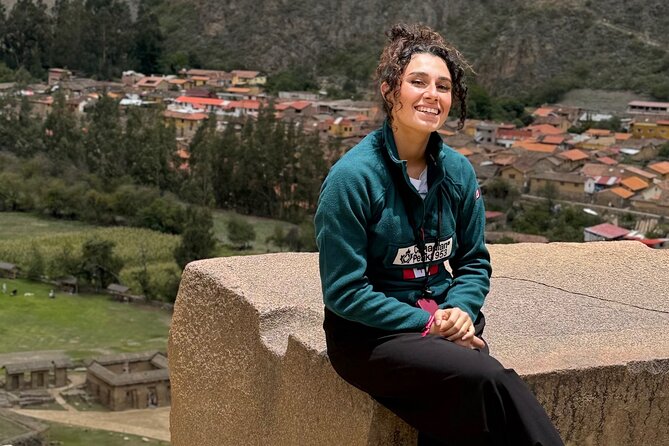
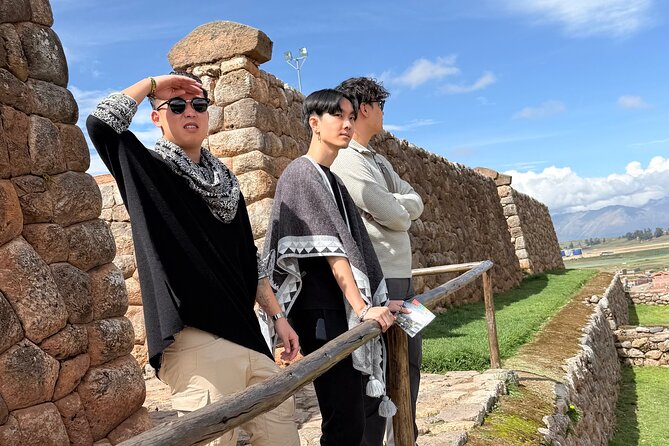
The day also includes two hands-on cultural stops, a silver workshop in Pisac and a textile center in Chinchero. Guide Miha, also identified as Mihai in tour feedback, has been praised for clear explanations, careful attention to the group, and help with photographs. Still, this is a highlights tour, not a slow, reflective visit to the Sacred Valley.
In This Review
- Key points to know before booking
- Why this Sacred Valley route works
- Pisac Archaeological Park: terraces and city planning
- Pisac silver workshops: a short look at Andean craft
- Urubamba buffet: a useful midday pause
- Ollantaytambo: the architectural high point
- Chinchero Archaeological Complex: Inca and colonial layers
- Chinchero textile center: from alpaca fiber to finished cloth
- Guide quality and the value of a private vehicle
- Is $211.93 a fair price?
- Who should book this five-hour tour?
- Booking advice and cancellation terms
- Should you book this Sacred Valley experience?
- FAQ
- Where does the tour start?
- Is hotel pickup and drop-off included?
- How long does the tour last?
- Is the tour private?
- Which languages are available?
- Are archaeological entrance fees included?
- Is lunch included?
- Can I cancel for a full refund?
Key points to know before booking
- Pisac gives you the clearest look at Inca city planning, with terraces, ceremonial areas, and residential spaces spread across a large archaeological complex.
- The private setup matters, especially if you want to ask questions or need help with English translation.
- Urubamba lunch is included, with an Andean buffet of hot dishes, salads, and regional food.
- Ollantaytambo packs major Inca architecture into one stop, including terraces, ceremonial buildings, and the Temple of the Sun.
- Chinchero adds living craft traditions, with demonstrations of spinning, weaving, and natural dyeing.
- The listed price is $211.93 per group of up to one person, so confirm the final price for your actual party before paying.
Why this Sacred Valley route works
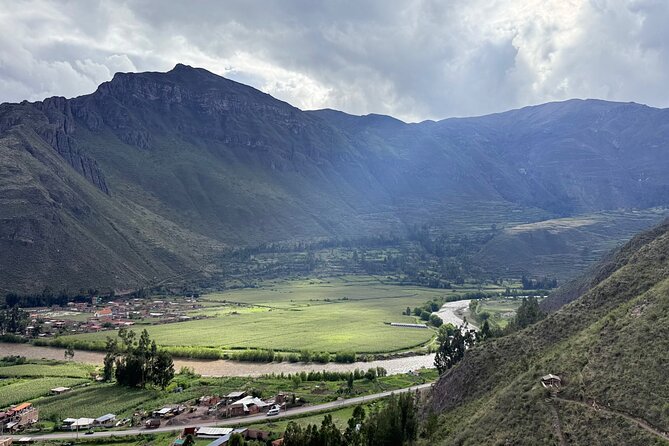
The Sacred Valley is not one single attraction. It is a long corridor of towns, farmland, ruins, and mountain scenery, and each major site tells a different part of the Inca story. This tour links three important places without asking you to arrange separate taxis, tickets, and meals.
I see the route as a quick introduction to Inca planning and local craft traditions. Pisac shows how agriculture and settlement worked together. Ollantaytambo shows military, ceremonial, and urban design at a grander scale. Chinchero connects an Inca royal estate with textile skills that remain important today.
The private format is the strongest practical feature. Only your group takes part, and pickup and drop-off are included. That saves you the usual effort of finding transport between sites. It also gives you a better chance to ask about details that catch your eye, from stonework to weaving methods.
The timing requires discipline. The plan allows one hour at Pisac, 30 minutes at the silver workshops, one hour for lunch, one hour at Ollantaytambo, 45 minutes at Chinchero, and 30 minutes at the textile center. Those are useful windows, but they include a lot of ground to cover. If you want long walks, quiet photography, or extra time at market stalls, this schedule may feel rushed.
More Sacred Valley days out:
- From Cusco: Moray, Maras Salt Mines & Chinchero Weavers Tour
★ 4.8 · 1,925 reviews - 2-Day Tour: Sacred Valley and Machu Picchu by Train
★ 5.0 · 1,127 reviews - Cusco: Sacred Valley, Pisac, Ollantaytambo, Salt Mines Moray
★ 4.6 · 1,058 reviews
Pisac Archaeological Park: terraces and city planning
Pisac is the first major archaeological stop, with one hour set aside for the visit. The site offers a useful way to understand how an Inca city functioned rather than treating the ruins as a collection of isolated walls.
You will see a large complex that combines agricultural terraces, ceremonial spaces, and residential areas. That combination is the point. The terraces were not simply decorative slopes. They show how the Incas shaped steep ground for farming, while the ceremonial and residential sections reveal the organization of daily and religious life.
I would pay close attention to how the guide explains the relationship between the different parts of the site. A good explanation can turn a series of stone structures into a readable plan. The supplied tour information places particular emphasis on Pisac as a major cultural and agricultural center, so this is likely to be one of the most useful stops for understanding the wider valley.
Admission is not included. The stated entrance cost for the archaeological sites is PEN70 per person. Keep that separate from the advertised tour price.
One hour is enough for a guided overview, but not for every corner of an extensive complex. If Pisac is your main reason for booking, ask the operator how much walking is expected and exactly which sections are covered during the allotted time.
Pisac silver workshops: a short look at Andean craft
After the archaeological park, the tour spends 30 minutes at jewelry workshops in Pisac. This is a very different kind of stop, and that change of pace is welcome after the ruins.
Local craftspeople create handmade silver jewelry influenced by Inca symbols, Andean beliefs, and natural forms. You can watch parts of the making process, examine the detail of the pieces, and choose from designs connected to the culture of the Sacred Valley.
The visit is free, but it is also a commercial stop. That does not make it worthless. Seeing how local artisans present their work can help you understand the continuing role of Andean motifs in modern craft. If you buy something, the practical question is simple: choose a piece because you like it, not just because a symbol sounds ancient.
Thirty minutes is a short window. Expect an introduction and time to browse rather than a full workshop course. The stop works best if you enjoy handmade goods and want a direct connection between the archaeological material you just saw and present-day design.
Urubamba buffet: a useful midday pause
Lunch in Urubamba lasts one hour and is included in the tour price. The meal is an Andean buffet with hot dishes, salads, and regional specialties prepared with local ingredients.
This is more than a convenience. A full meal gives you a chance to sit down between the major sites, and a buffet lets you sample several flavors without having to decide on one unfamiliar dish. The setting is described as comfortable, with views of the surrounding scenery.
Beverages are not included, so budget separately for drinks. The available information does not specify the exact menu or whether dietary needs can be handled, so contact the provider in advance if you need special arrangements.
The food receives strong praise in the available tour feedback, with particular approval for the quality of lunch and the setting. That makes this one of the safer parts of the plan for anyone who wants a proper break rather than a hurried snack in the vehicle.
A few more Cusco trips worth lining up side by side
- Classic Inca Trail Trek 4D/3N to Machu Picchu (Group Service)
★ 5.0 · 8,653 reviews - Cusco: Rainbow Mountain and Red Valley Day Trip with Meals
★ 4.9 · 4,893 reviews - Machu Picchu: 4-Day Inca Trail Trek with Panoramic Train Ride
★ 5.0 · 4,568 reviews - Salkantay Classic Trek 5 Days from Cusco
★ 5.0 · 4,062 reviews
Ollantaytambo: the architectural high point
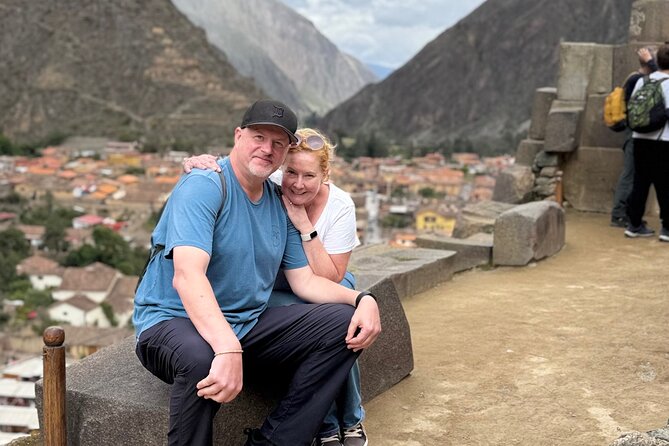
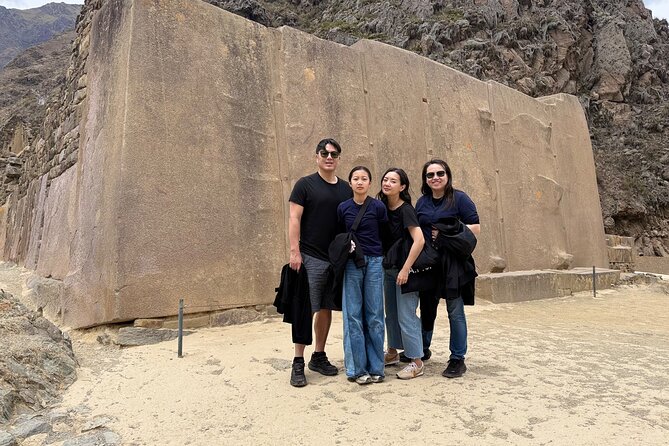
Ollantaytambo receives one hour, and I would treat it as the architectural centerpiece of the day. The settlement is described as remarkably well preserved, with stone terraces, ceremonial buildings, and the famous Temple of the Sun.
The site was important as a strategic, religious, and administrative center. Your guide can help connect those roles to what you see on the ground. The terraces show the scale of Inca engineering, while the ceremonial structures point to the symbolic and religious importance of the settlement.
Ollantaytambo is also valuable because its layout makes Inca urban design easier to grasp. You are not simply looking at a lone temple. You are moving through a planned settlement with practical, ceremonial, and defensive purposes.
One hour allows for a focused explanation and a look at the major structures. It does not allow unlimited wandering. The stonework deserves attention, so resist the temptation to treat the stop as only a photograph break. Ask your guide to point out the features that best explain the site’s purpose.
Admission is extra, with the listed archaeological-site fee of PEN70 per person. Since the tour visits more than one archaeological complex, confirm how the operator handles the required tickets before the day begins.
Chinchero Archaeological Complex: Inca and colonial layers
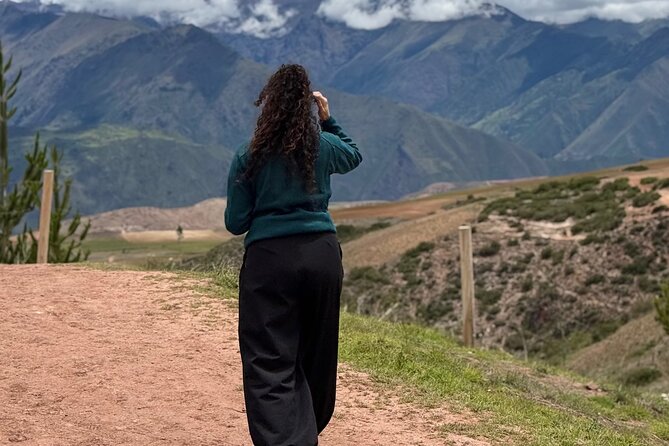
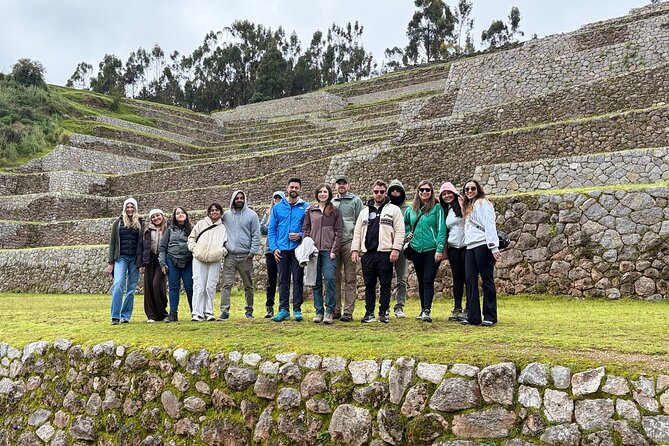
The Chinchero archaeological complex receives 45 minutes. It is known for ceremonial platforms and broad agricultural terraces, and it was recognized as a royal estate of the Inca elite.
This stop adds an important layer to the route. At Chinchero, Inca planning is presented alongside later colonial structures. That combination helps you see that the story of the Sacred Valley did not end with the Spanish conquest. Older spaces were reused, altered, and placed beside newer buildings.
The site also offers broad views of the Andean highlands. Since the schedule is short, use the arrival and departure moments well. Look beyond the masonry and notice how the terraces and buildings relate to the surrounding slopes.
Chinchero can feel less substantial than Ollantaytambo if you judge sites only by monumental stonework. Its value lies in the combination of royal-estate history, agricultural design, ceremonial use, colonial layers, and highland scenery. A strong guide is especially useful here because the physical remains may need more explanation than the grander ruins.
The entrance fee is not included. Physical fitness should be moderate, and you should expect some walking around archaeological ground rather than a vehicle-based viewing experience.
Chinchero textile center: from alpaca fiber to finished cloth
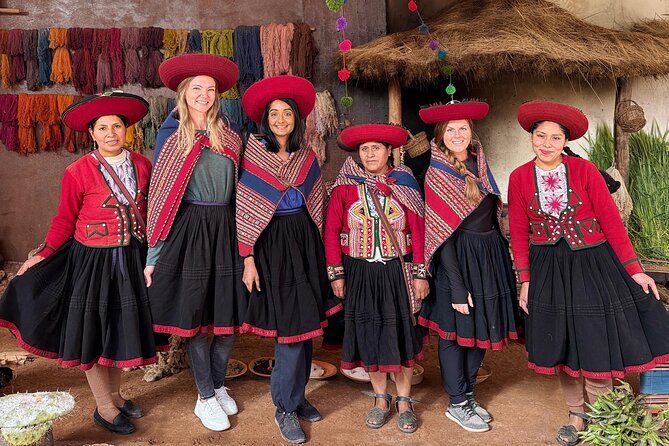
The final stop is a 30-minute visit to a Textile Interpretation Center. Here, local artisans demonstrate traditional methods of spinning, weaving, and dyeing natural fibers, including alpaca wool.
The most useful part is seeing the full process. The demonstration covers the preparation of fiber, the creation of thread, and the use of plant-based dyes. These techniques have been passed down through generations, so the visit gives you a clearer sense of how textile work connects skill, material, and local identity.
You can examine the textiles closely and purchase handmade products if you wish. The stop is free, but purchases are optional. I would use the demonstration to ask about the fibers and dyes before looking at the merchandise. That makes the visit more than a shopping stop.
The textile presentation also received special praise in tour feedback, including the chance to see how alpaca materials are handled. It is a good final contrast with the stone ruins, showing that the valley’s culture is expressed through active craft as well as ancient monuments.
Guide quality and the value of a private vehicle
The guide can make or break a condensed archaeological day. The strongest comments about this tour focus on clear explanations, careful attention to the whole group, English translation, and help with photographs.
Miha is specifically praised as a well-prepared guide with training in tourism and social sciences. If Miha leads your departure, you can reasonably hope for a guide who explains more than dates and names. Still, guide assignment can vary, so do not treat a particular person as guaranteed unless the provider confirms it.
Private transportation is included, along with hotel pickup and drop-off. The stated start time is 9:00 am. The company sends pickup details the night before, and the driver contacts you through WhatsApp on the day to confirm the time. Have your phone available for that message.
The tour is offered in English, and guiding is also listed in Spanish and Portuguese. Ask for your preferred language at booking. The private format suits families and small groups especially well. One piece of tour feedback describes a private group of four enjoying the freedom of having the vehicle and guide to themselves.
Is $211.93 a fair price?
The displayed price is $211.93 per group, listed for up to one person. That wording is unusual for a private experience, so confirm the total cost for your group before booking. Do not assume the shown amount automatically covers several people.
The price includes private transportation, hotel pickup and drop-off, a guide, guided visits, and the Andean buffet lunch. Those inclusions have real value in the Sacred Valley, where arranging transport between scattered sites can take time and create uncertainty.
You must add PEN70 per person for archaeological-site entrance fees, plus drinks at lunch. The actual value depends on your group size and the final confirmed price. For a solo visitor, the private vehicle and guide may feel expensive compared with a shared departure, but you gain privacy and direct attention. For a small family or group, private transport can be more reasonable, especially if you value convenience.
The price is strongest for someone who wants one organized day with several major stops. It is less compelling for someone who prefers to spend half a day at one ruin and explore at a slower pace.
Who should book this five-hour tour?
I would recommend it to a first-time visitor based in Cusco who wants a compact introduction to the Sacred Valley. It covers major ruins, food, silverwork, and textiles in one manageable booking.
It also suits you if you want:
- A private guide rather than a large shared group
- Hotel pickup and drop-off
- English, Spanish, or Portuguese guiding
- A proper buffet lunch included
- Help understanding the ruins and local crafts
- A flexible setting for family questions and photographs
I would think twice if your priority is long, unhurried exploration. The five-hour duration and six stops leave little spare time. Visitors focused mainly on photography may want more time at Pisac or Ollantaytambo, while shoppers may prefer a dedicated market visit rather than brief craft demonstrations.
You should also be comfortable with moderate physical activity. The tour does not present itself as strenuous, but archaeological complexes involve walking, terraces, and uneven ground.
Booking advice and cancellation terms
The tour offers free cancellation if you cancel at least 24 hours before the local start time. Cancellations or changes made within 24 hours are not refunded or accepted.
At booking, confirm three things: the final price for your party, the entrance-ticket arrangement, and the language of your guide. Also ask about any dietary requirements before lunch day. These small checks prevent the most common surprises.
Should you book this Sacred Valley experience?
Book it if you want breadth, private transport, and a guide-led introduction in one day. The route covers the Sacred Valley’s major archaeological themes while adding two living craft traditions and a well-regarded lunch.
Skip it if you want a slow archaeological visit or if the five-hour schedule feels too compressed. For most first-time visitors with limited time in Cusco, though, this is a practical and culturally varied choice. Confirm the unusual group-price wording and budget for PEN70 per person in site fees, then enjoy the day with realistic expectations: plenty of highlights, but not much time to linger.
FAQ
Where does the tour start?
The tour starts with hotel pickup in Cusco at approximately 9:00 am. The company sends pickup details the night before and uses WhatsApp to confirm the time on the day.
Is hotel pickup and drop-off included?
Yes. Private hotel pickup and drop-off are included.
How long does the tour last?
The tour lasts approximately five hours.
Is the tour private?
Yes. Only your group participates in the private activity.
Which languages are available?
Guiding is listed in English, Spanish, and Portuguese.
Are archaeological entrance fees included?
No. Entrance fees are listed separately at PEN70 per person for the archaeological sites.
Is lunch included?
Yes. An Andean buffet lunch in Urubamba is included. Beverages are not included.
Can I cancel for a full refund?
Yes, if you cancel at least 24 hours before the experience start time. Cancellations or changes within 24 hours are not refunded.
Added recently around Cusco
- Guided tour of the mountain of colors in Cusco★ 5.0 · 11 reviews
- 2-Day Private Short Inca Trail to Machu Picchu★ 5.0 · 15 reviews
- City Tour Cusco – Group★ 5.0 · 4 reviews
- Tour Sacred Valley with Maras and Moray★ 5.0 · 15 reviews
- San Pedro Market Tour with Peruvian Cooking Class★ 5.0 · 31 reviews
- Walking Culinary Experience★ 5.0 · 41 reviews
- City Tour in Cusco★ 4.5 · 10 reviews
- One Day Tour to Humantay Lagoon★ 5.0 · 8 reviews
Sacred Valley Tours, compared.
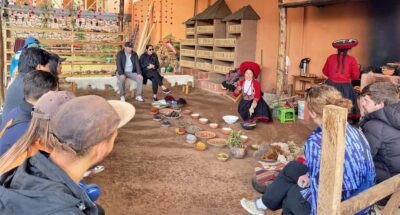
Sacred Valley & Maras Salt Mines Tour with Lunch
Read our review →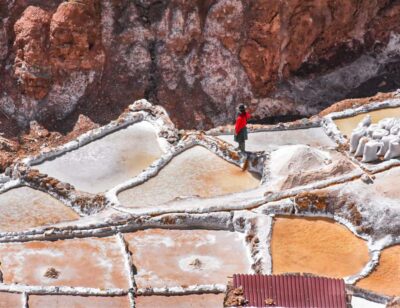
Moray, Maras Salt Mines & Chinchero Weavers Tour
Read our review →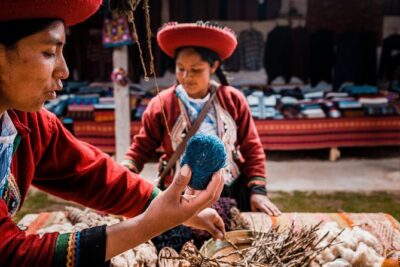
2-Day Tour: Sacred Valley and Machu Picchu by Train
Read our review →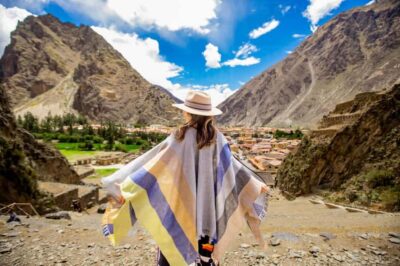
Sacred Valley, Pisac, Ollantaytambo, Salt Mines Moray
Read our review →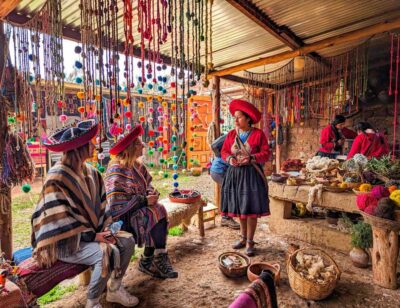
Chinchero,Moray & Salt Mines drop-off in Ollantaytambo
Read our review →
Sacred Valley and Maras Moray Tour with Full Day Buffet Lunch
Read our review →

Browse the lists this tour appears in