
Reviewed · DAY TRIPS IN PUNO
Puno: Chucuito, Aramu Muru, and Juli Day Trip
Ancient stones, living legends, and lakeside towns. This nine-hour trip gives you a useful look beyond Puno, linking the Temple of Fertility, the Chullpas of Molloco, and Juli’s grand churches with the mysterious Aramu Muru. I especially like the range of stops and the small-group format, which can make the long day feel more personal. The main consideration is cost: at $40 per person, you still pay entrance fees and meals, and one person felt a local agency could offer the same trip for less.
I also like that pickup is available from your Puno hotel, not just the Plaza Mayor. Guides such as Pablo have earned praise for clear explanations and attentive service, while another guide used literary sources to explain Inca architecture and construction. Still, you should bring warm clothes, water, sunscreen, and some small cash because entry prices are not included and exact change may be useful.
In This Review
- Key points at a glance
- Why this Puno day trip is worth considering
- Leaving Puno for Chucuito
- The Chullpas of Molloco and ancient farming
- Aramu Muru, the Gate of the Gods
- Juli and its title, Rome of Latin America
- Lunch, local food, and what is actually included
- Guides, group size, and language
- Comfort, timing, and practical planning
- Who should book this excursion?
- Should you book the Chucuito, Aramu Muru, and Juli tour?
- FAQ
- How long does the tour last?
- Where can I be picked up?
- Which languages are available?
- How large is the group?
- Is lunch included in the price?
- Are entrance fees included?
- What should I bring?
- Is the tour suitable for wheelchair users?
Key points at a glance
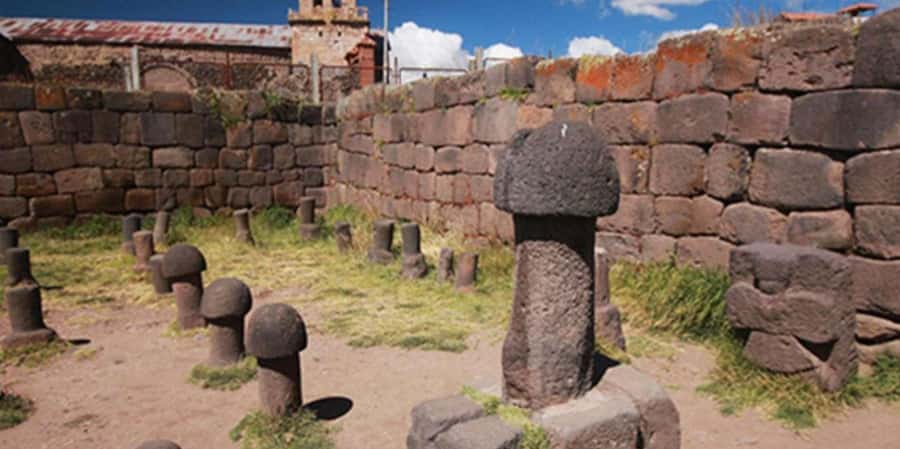
- Chucuito begins the day with Lake Titicaca views and a visit to the unusual Temple of Fertility.
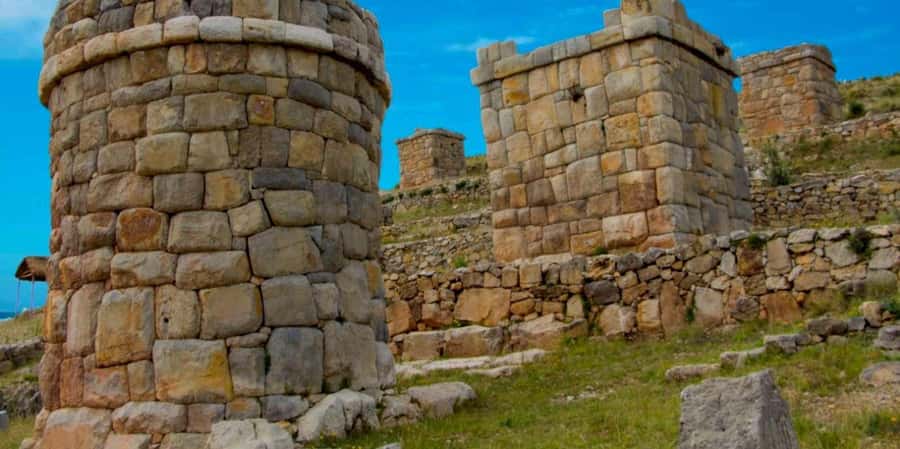
- The Chullpas of Molloco show pre-Columbian funerary towers in a quieter setting than Puno’s better-known sights.
- Waru Waru Andinos reveals an old farming system designed to protect crops from frost.
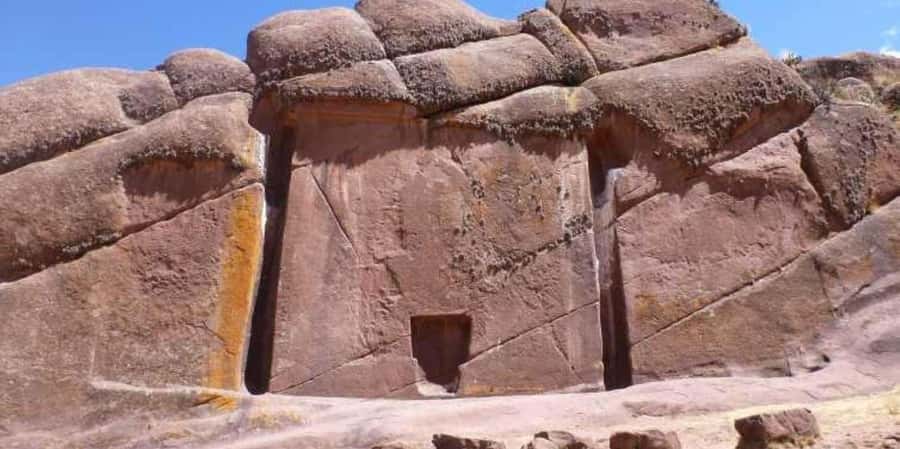
- Aramu Muru mixes stonework, legend, and spiritual ceremony, but you may need to choose between a viewpoint walk and a shaman ceremony if time is tight.
- Juli earns its nickname, Rome of Latin America, through its cluster of churches and large paintings by Cusco artists.
- The small group is limited to 15 people, with English and Spanish guiding, hotel pickup, and drop-off included.
Why this Puno day trip is worth considering
Puno is often treated as a base for Lake Titicaca, but the surrounding towns tell a broader story. This excursion takes you south and west of the city to places connected with pre-Columbian burial customs, high-altitude farming, Catholic church art, and Andean beliefs that remain part of local life.
That mix is the tour’s best feature. You are not spending nine hours looking at one kind of monument. One stop is archaeological, another is agricultural, another is religious, and Aramu Muru brings in a strong dose of legend.
I would choose this outing if you have already seen central Puno and want a full day with a guide. You will get more from the sites if someone explains how the stones, farming methods, sacred places, and churches fit into the region’s past.
The tradeoff is time. Nine hours is a long day, and the tour covers several places. You may leave some stops wishing you had another half hour, especially Aramu Muru or Juli. One person specifically wanted more time at Aramu Muru and had to choose between walking to a view and taking part in a shaman ceremony.
More Day Trips in Puno
- Lake Titicaca (Day Trip) Uros & Taquile Islands
★ 4.5 · 245 reviews - Speedboat Day Trip to Uros and Taquile From Puno
★ 5.0 · 113 reviews - Full day trip to Lake Titicaca, the Uros and Taquile Islands.
★ 4.5 · 34 reviews
Leaving Puno for Chucuito
Pickup is available at your hotel in Puno, with the Plaza Mayor as another meeting point. You are asked to wait in the hotel lobby from ten minutes before the scheduled time. The drive to the first major area takes about 30 minutes by van, so the morning begins gently rather than with a long road journey.
Chucuito sits on a hill with views toward Lake Titicaca. That setting gives the first stop a clear sense of place. You are not visiting an isolated ruin with no context. The town, its high position, and the lake help explain why settlements here have long been tied to farming, ceremony, and movement across the plateau.
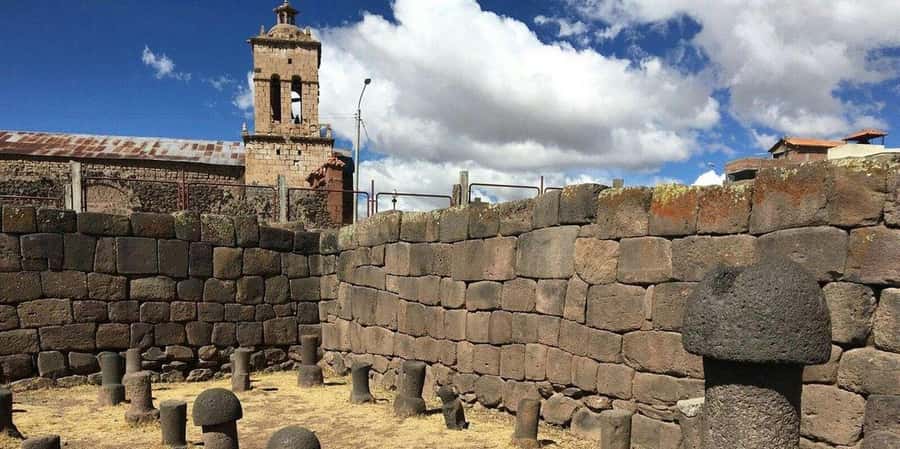
The stop is centered on the Temple of Fertility, an archaeological site associated with fertility beliefs. The name is likely to attract attention, but the real value comes from hearing how local ideas about fertility and reproduction were expressed in stone and ritual.
I would listen closely here rather than rushing for photographs. The site is small enough that a guide’s explanation can make the difference between a quick curiosity and a meaningful first lesson in the region’s older traditions.
The Chullpas of Molloco and ancient farming
The Chullpas of Molloco add a different piece to the day. These pre-Columbian funerary towers were built for the dead, and their form gives you a chance to think about how Andean societies honored important people and organized sacred spaces.
The towers are not simply decorative ruins. They point to beliefs about death, status, and remembrance. Ask your guide how the construction methods compare with other stonework in the Puno region. One especially well-regarded guide explained Inca architecture and building techniques with references to written sources, which is useful if you want more than a quick legend at each stop.
The next visit, the Waru Waru Andinos, shifts from burial customs to practical farming. These are ancient raised-field systems designed to create a small protective climate around crops. Water in the channels can help reduce the effects of frost, a serious concern in the high-altitude Andes.
This is one of the most useful stops for understanding how people lived here. The system shows that Andean engineering was not only about massive walls and temples. It also involved careful work with soil, water, temperature, and planting conditions.
I like this part because it gives the day some balance. You see how people treated the dead, then how they protected the living food supply. Wear shoes you can walk in, since the tour includes several outdoor visits and uneven ground may be present.
Aramu Muru, the Gate of the Gods
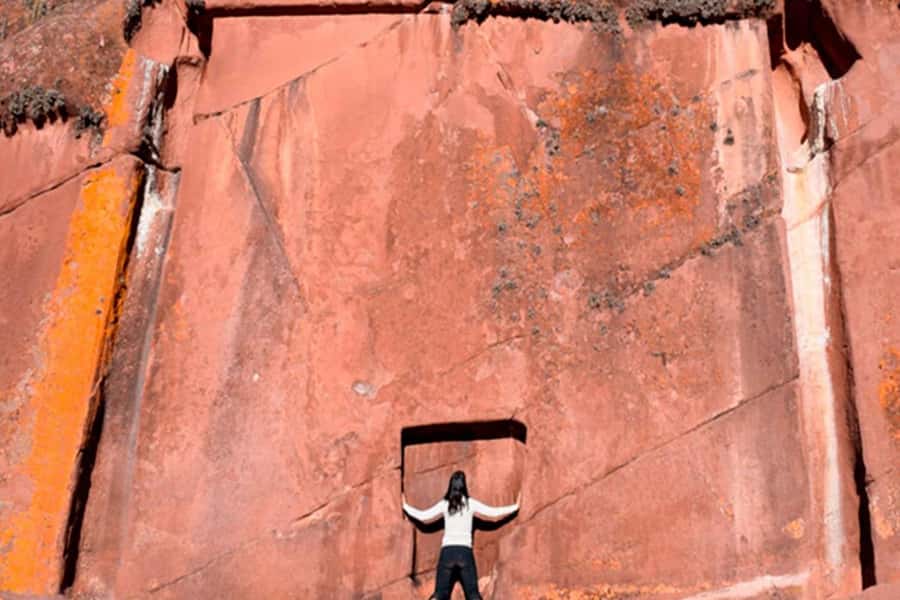
Aramu Muru is the day’s most mysterious stop. Also called the Gate of the Gods, it is a carved stone portal linked to an ancient legend. According to the story, the opening will one day allow various deities to arrive on Earth.
You do not need to accept the legend literally to appreciate the place. The unusual stone form, the isolated setting, and the stories attached to it create a different mood from the formal churches and archaeological towers earlier in the day.
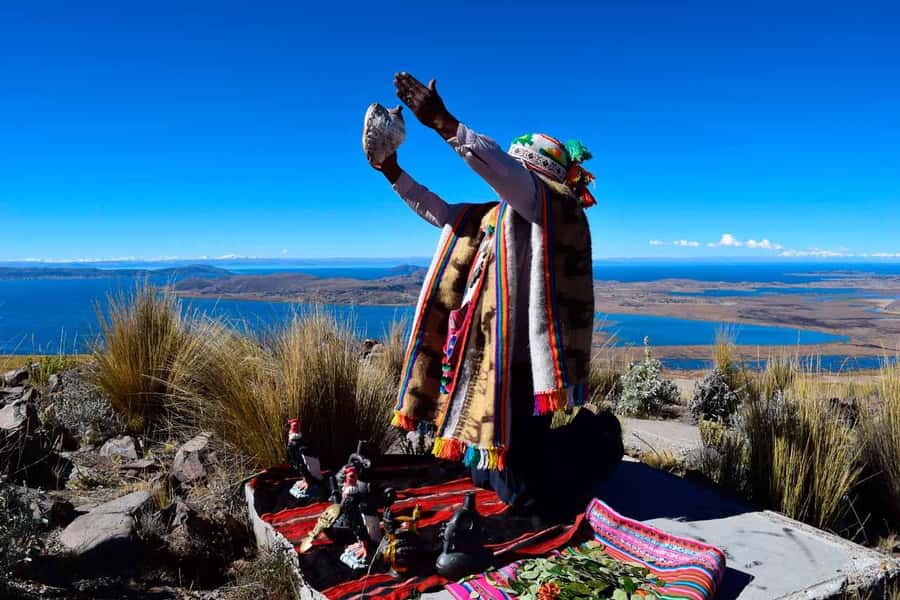
This is also where the tour can feel most spiritual. A shaman ceremony may be offered, adding a ritual element to the visit. One practical issue is that time may force a choice between walking up for a view and joining the ceremony. If both matter to you, ask the guide at the start of the stop how much time is available.
That comment is important because the advertised visit includes a break, photographs, and a guided explanation, but the day has many stops to fit in. Aramu Muru can easily become the place where you want to linger. If you care most about the stone portal and the spiritual side, tell the guide early.
Bring a camera for personal use, but do not let photographs replace the explanation. The mysteries surrounding Aramu Muru are part of the appeal, yet the site is more rewarding when you understand the difference between documented archaeology and local legend.
A few more Puno trips worth lining up side by side
- From Cusco: Vinicunca Rainbow Mountain ATV Tour with Meals
★ 4.6 · 1,060 reviews - From Puno: Uros, Amantaní & Taquile Islands 2-Day Tour
★ 4.5 · 452 reviews - Tour to Uros and Taquile Islands in a Fast Boat
★ 5.0 · 419 reviews - From Puno: Floating Islands of the Uros Half-Day Tour
★ 4.4 · 394 reviews
Juli and its title, Rome of Latin America
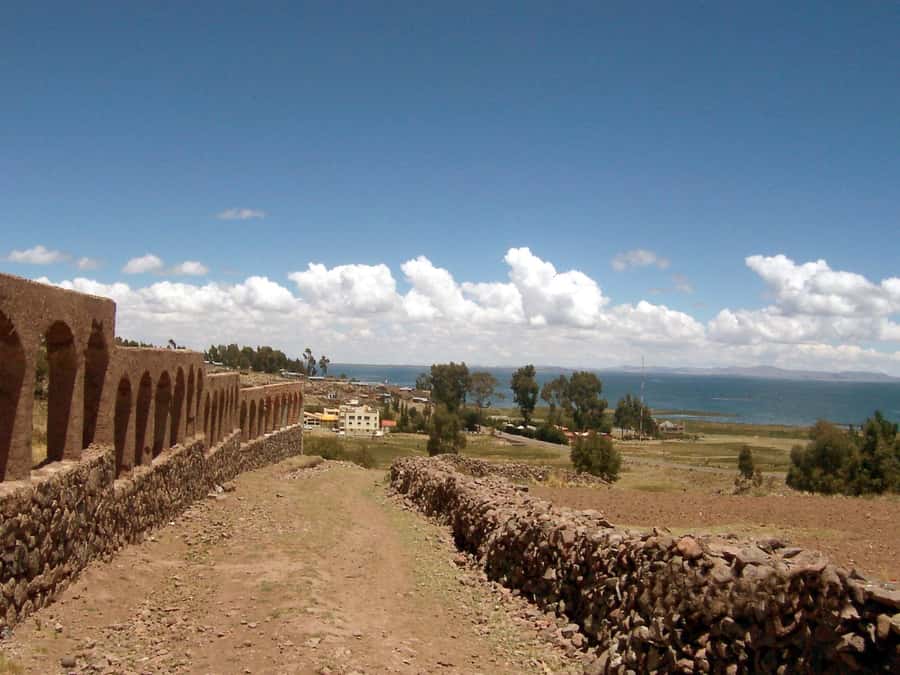
After the archaeological and spiritual stops, the tour continues to Juli. The city is known as the Rome of Latin America because of its concentration of churches. You visit the Church of San Pedro, San Juan de Letrán, and Santo Domingo.
The churches matter not only for their exteriors. They contain large paintings by artists from Cusco, giving you a chance to see how Catholic art took root in the Andes and developed its own regional character.
I would save energy for this walk. Juli is not just a quick photo stop on the way back to Puno. Its churches give the guide room to explain colonial religious art, local history, and the role of the city as a religious center.
The amount of time here can vary in how it feels. One person preferred more time in town rather than a lunch stop that offered mainly street food. That is useful advice for anyone who enjoys wandering, browsing, or studying church art. The schedule covers a lot, so you should not expect a leisurely independent afternoon in Juli.
Still, this is probably the strongest stop for architecture and painting. If your main interest is colonial art, make that clear to your guide. A small group of no more than 15 people should make it easier to stay near the guide and ask questions.
Lunch, local food, and what is actually included
Lunch is planned at a local restaurant in Juli, but the meal is not included in the $40 price. You should budget separately and carry water and some cash for food and entrance fees.
The food feedback is mixed but generally promising. One person described the food as very good, while another found the lunch stop disappointing because the available option was street food and felt like a poor use of time. You should treat lunch as a practical break rather than the central reason to book the tour.
If you have dietary needs, the information provided does not specify menu choices or special arrangements. Ask before departure rather than assuming the restaurant can meet your needs.
The price deserves a close look. At $40, you receive transport, hotel pickup and drop-off, a live guide, and visits to several places across the Puno Region. That is fair if you value convenience and explanations, especially with a small group.
However, entrance fees, lunch, and extra expenses come on top. One person felt the tour was nearly twice the price of using a local agency, though that same person still praised the local guide. If keeping costs low is your first concern, compare prices in Puno before booking. If you prefer arranging everything in advance and having transport from your hotel, the higher price may be worthwhile.
Guides, group size, and language
The tour operates in Spanish and English and is limited to 15 participants. That is small enough for a guide to keep the group together without the impersonal feel of a large coach excursion.
Guide quality appears to be a major strength. Pablo and driver Adrian were praised for being attentive and professional. Another guide gave detailed explanations of Inca architecture and cited literary sources. That level of preparation matters at places such as Molloco and Waru Waru Andinos, where the physical remains may not explain themselves.
English delivery may not always be equally easy for every listener. One person found it hard to keep up with the English at times. If English is not your first language, stay close to the guide and ask for a slower explanation when needed.
The use of a drone was also praised on one outing. Since this is not listed as a standard feature, I would not book specifically expecting aerial filming. Consider it a possible extra rather than a promise.
Comfort, timing, and practical planning
The tour lasts about nine hours, with roughly 30-minute van segments listed for the journey. The full day includes outdoor archaeological sites, walking in towns, church visits, and time around Aramu Muru.
You should wear comfortable shoes and warm clothing. Puno’s high elevation can make a sunny day feel cool, and temperatures may change during the outing. Sunscreen is essential, even when the air feels cold. Bring water and a camera, and avoid smoking, which is not allowed on the activity.
The tour is not suitable for wheelchair users. The supplied details do not give a step-free route or specific accessibility arrangements, so anyone with mobility concerns should ask the provider before reserving.
Hotel pickup and drop-off are included from any hotel in Puno. The listed meeting and return points also include Plaza Mayor de Puno. Check the starting time when you book, since departure times depend on availability.
The cancellation policy allows a full refund when you cancel at least 24 hours in advance. You can also reserve and pay later, which helps if your Puno schedule depends on weather or transport connections.
Who should book this excursion?
I would recommend it to you if you want a broad introduction to the Puno Region in one day. It suits people who enjoy history, archaeology, church art, local legends, and guided explanation more than people who want a slow day at one site.
It is also a good fit if you have limited time in Puno. Chucuito, Molloco, Waru Waru Andinos, Aramu Muru, and Juli would take more effort to arrange independently, especially if you do not speak Spanish or want to drive.
You may want to skip it if you dislike packed schedules, want long independent walks, or are trying to keep every expense low. The extra entrance fees and lunch reduce the appeal of the headline price, and the tour may not allow enough time to do every optional activity at Aramu Muru.
Should you book the Chucuito, Aramu Muru, and Juli tour?
Book it if you want variety, a helpful guide, and easy transport from Puno. The strongest parts are the range of subjects, the churches of Juli, the farming technology at Waru Waru Andinos, and the atmospheric stories surrounding Aramu Muru.
Before paying, confirm the entrance fees, the lunch plan, and how much time will be available at Aramu Muru. If you are happy with a full day that keeps moving, $40 can be a reasonable price for the convenience. If you want the lowest possible cost, check local Puno agencies first.
FAQ
How long does the tour last?
The tour lasts nine hours, including transportation, guided visits, meal time, and the return to Puno.
Where can I be picked up?
Pickup is included from any hotel in Puno. Plaza Mayor de Puno is also listed as a pickup point. Wait in your hotel lobby from ten minutes before the scheduled pickup.
Which languages are available?
The live guide is available in English and Spanish.
How large is the group?
The tour is a small-group experience limited to 15 participants.
Is lunch included in the price?
No. Meals are not included, so you should budget separately for lunch at the local restaurant stop in Juli.
Are entrance fees included?
No. Entrance fees are not included in the $40 price. Bring some cash, as exact change may be useful.
What should I bring?
Bring comfortable shoes, warm clothing, sunscreen, water, and a camera for personal use.
Is the tour suitable for wheelchair users?
No. The experience is not suitable for wheelchair users.
Added recently around Puno
- Sun island and Copacabana | From Puno or La Paz / Day Trip★ 4.1 · 5 reviews
- Aymara Route Mystical Cultural Tour★ 4.7 · 27 reviews
- Puno: Uros and Taquile Islands Full-Day Tour with Lunch★ 4.5 · 17 reviews
- Puno: History and Culture Walking Tour★ 4.1 · 13 reviews
- Puno: Lake Titicaca, Uros, and Taquile Full-Day Tour★ 4.5 · 4 reviews
- Puno: 3-hour trip to the floating Uros Islands★ 4.5 · 9 reviews
- Puno: Lake Titicaca Day Tour★ 4.5 · 17 reviews
- Puno: 2 Day Visit to Uros, Amantani and Taquile★ 4.5 · 13 reviews
Day Trips in Puno, compared.
Lake Titicaca (Day Trip) Uros & Taquile Islands
Read our review →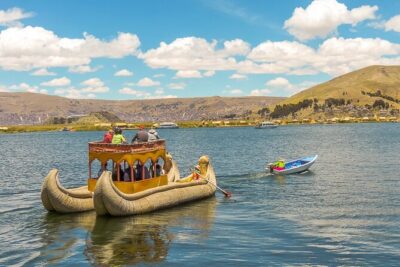
Speedboat Day Trip to Uros and Taquile From Puno
Read our review →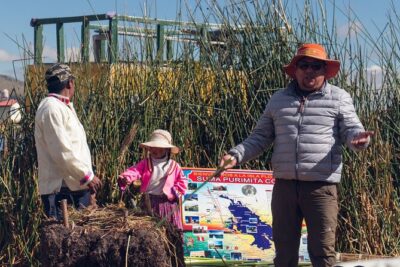
Full day trip to Lake Titicaca, the Uros and Taquile Islands.
Read our review →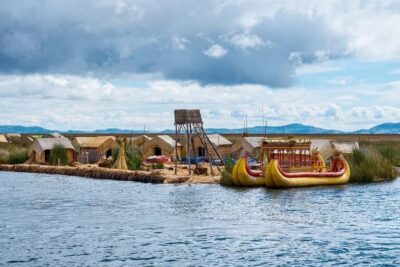
Day Trip to Uros Floating Islands and Amantani Island
Read our review →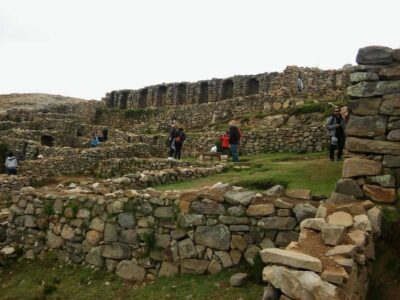
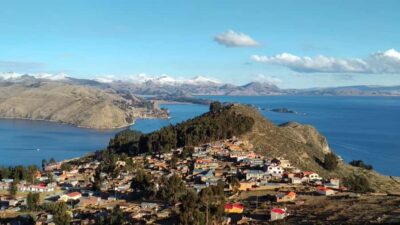
Sun island and Copacabana | From Puno or La Paz / Day Trip
Read our review →Browse the lists this tour appears in