
Reviewed · PUNO TOURS
Puno: Full-Day Route of the Sun Tour to Cusco with Lunch
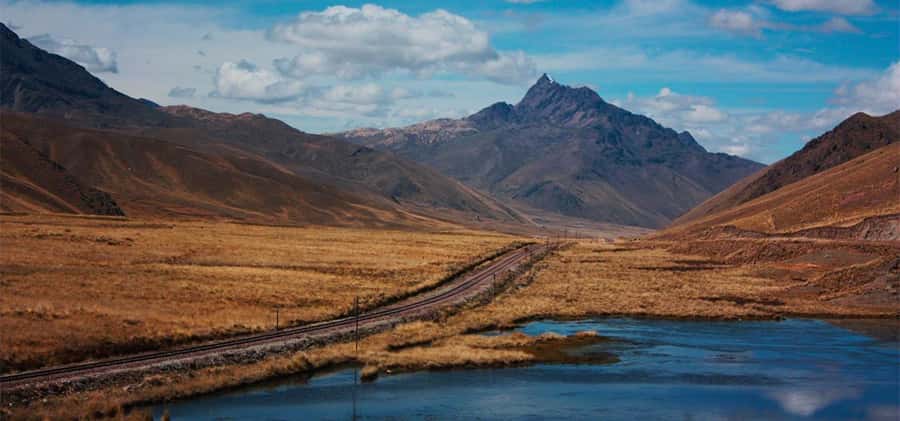
The road to Cusco is part of the adventure. This full-day Route of the Sun journey turns an ordinary transfer into a guided trip through Andean archaeology, mountain scenery, and colonial art. I especially like the comfortable bus with its bathroom and drinks, plus the chance to visit Pucará, Raqchi, La Raya, and Andahuaylillas without arranging separate transport. The main drawback is the long day and the extra 53 soles for site admissions, which is paid in person.
You leave Puno early and reach Cusco around 5:30 PM, so this is not a quick bus ride. Still, I think it offers strong value at $44 per person, particularly when you consider the buffet lunch, bilingual guide, guided visits, and hotel-style comfort on board. The stops are fairly brief, but they break up the journey well.
In This Review
- Key points to know before booking
- Why this is better than a straight Puno to Cusco bus
- Pucará and the first Andean civilization
- Abra La Raya and the high Andes
- Buffet lunch in Marangani, Sicuani
- Raqchi and the 15-meter Temple of Wiracocha
- Andahuaylillas and the Church of Saint Peter
- Comfort on a very long bus day
- Timing, luggage, and arrival in Cusco
- The guide makes the difference
- What the $44 price really includes
- Who should book this Route of the Sun trip?
- Final verdict: a smart way to cross the Andes
- FAQ
- How long does the Route of the Sun tour take?
- Where does the tour begin in Puno?
- Where does the tour finish in Cusco?
- Is the buffet lunch included?
- Are entrance fees included?
- What languages are available?
- Does the bus have a bathroom?
- Are drinks included?
- Is hotel drop-off included in Cusco?
Key points to know before booking
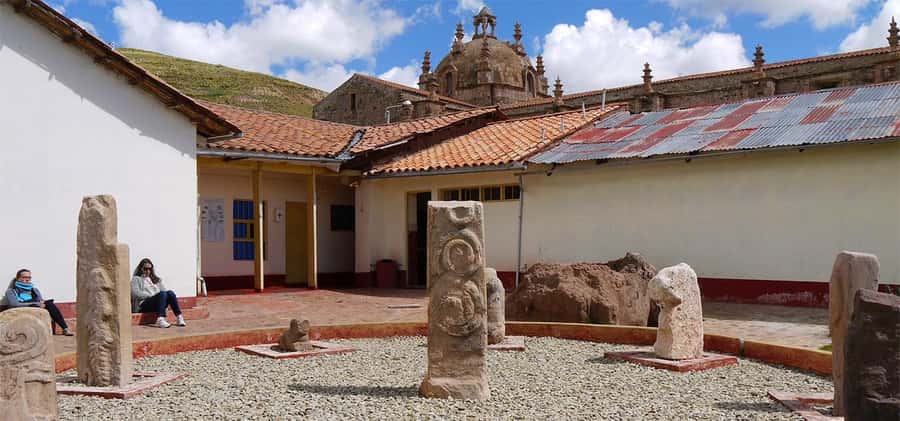
- Pucará gives the trip an archaeological start: Learn about the first major settlement in the Lake Titicaca basin and visit its Lithic Museum.
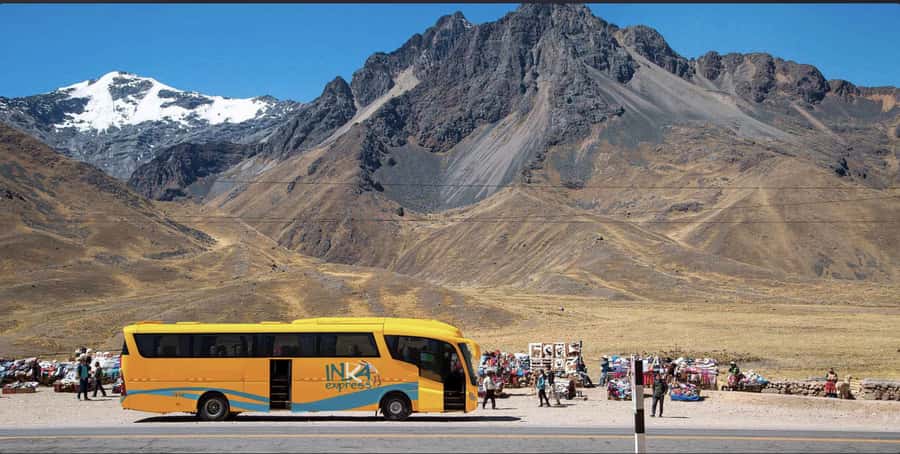
- Abra La Raya is the high point of the route: You stop at the watershed between Puno and Cusco for mountain views and photographs.
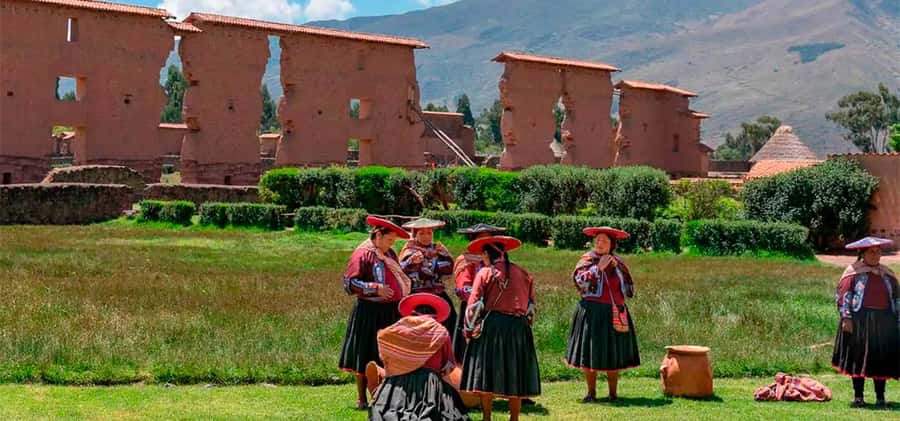
- Raqchi is the most impressive ruin stop: The Temple of Wiracocha has walls rising about 15 meters.
- Andahuaylillas saves its best surprise for indoors: The modest exterior gives way to gold leaf and detailed colonial murals.
- The bus is built for a full day: Reclining seats, generous legroom, power outlets on some buses, a toilet, drinks, and oxygen are useful comforts.
- Budget for the entrance fees: Admission to Pucara, Raqchi, and Andahuaylillas costs 53 soles in total and is not included.
Why this is better than a straight Puno to Cusco bus
A direct public bus gets you from one city to the other. This trip gives you a day of guided sightseeing along the way. That difference matters because several of these stops are difficult to arrange independently when you also need to arrive in Cusco the same day.
The route is also a practical alternative to the train. You get dramatic Andean scenery, cultural visits, and lunch for $44, while avoiding the much higher cost associated with rail travel. You will spend roughly 11 hours on the road, but the day feels more varied because the bus stops at regular intervals.
I like the balance of movement and sightseeing. The first stop comes about two hours after departure, followed by a short mountain stop, lunch, Raqchi, and Andahuaylillas. You are not sitting still for the entire journey, though you should still expect a very full day.
The bus leaves from Terminal Terrestre Puno at Jiron Primero de Mayo 703 to 705 at about 6:40 AM. Arrive early enough to find the correct company booth and vehicle. The InkaExpress area can be easy to miss, and one passenger had trouble locating it because the sign was vague and staff were not immediately visible.
A few more Puno trips worth lining up side by side
- From Cusco: Vinicunca Rainbow Mountain ATV Tour with Meals
★ 4.6 · 1,060 reviews - From Puno: Uros, Amantaní & Taquile Islands 2-Day Tour
★ 4.5 · 452 reviews - Tour to Uros and Taquile Islands in a Fast Boat
★ 5.0 · 419 reviews
Pucará and the first Andean civilization
The morning begins at Pucará, where you spend about 45 minutes with a guide. The museum focuses on the Late Formative Period, around 500 BC to 200 AD, and introduces you to the Pucará culture.
This is more than a quick stop for photographs. Pucará was the first major settlement in the Titicaca basin and once covered more than a square kilometer. Priests, artisans, farmers, shepherds, officials, and warriors lived and worked there. That context helps you see the Andes as a place of organized societies long before the Inca period.
The Lithic Museum adds useful background before later stops on the route. You begin to recognize the long development of Andean religion, art, and settlement instead of treating every ruin as simply Inca.
Entry is not included. The admission fee for Pucara is part of the combined 53 soles paid on arrival for the three main sites. If you do not pay, you may need to remain outside while the group visits the museum, so include this cost in your budget.
The visit is short, and anyone wanting a detailed archaeological study will find it limited. For most people, though, it is a well-chosen introduction to the region.
Abra La Raya and the high Andes
At around 11:00 AM, the bus reaches Abra La Raya, the highest point between Puno and Cusco. The stop lasts about 10 minutes, so it is mainly a chance to step outside, take photographs, and look across the surrounding Andes.
This is the place to appreciate the scale of the journey. The road has climbed from the Titicaca region toward the mountain divide between the two departments. The pass marks a watershed, with water flowing toward different regions on either side.
Ten minutes is enough to stretch your legs and take in the view, but not enough for a long walk or quiet time. Bring a jacket, even if Puno began with sunshine. At this altitude, conditions can feel cold and exposed.
The guide adds meaning to what could otherwise be just a roadside viewpoint. Without that explanation, La Raya might become another photograph from a bus window. With it, the pass becomes a clear geographic marker between Puno and Cusco.
Buffet lunch in Marangani, Sicuani
Lunch follows at about 11:35 AM and lasts close to 50 minutes. The buffet includes beef, chicken, and fish, along with side dishes, warm and raw salads, desserts, and herbal drinks. Tea, coffee, coca tea, and other infusions are also available.
This is a useful inclusion on a long transfer. You do not need to search for a restaurant in an unfamiliar town, and the buffet gives you several choices. Drinks and snacks are also provided on the bus, including Coca Cola, Inca Kola, mineral water, and herbal infusions.
The lunch receives mixed praise. Some people find it delicious and appreciate the variety, while others find portions of the food bland or not especially warm. The timing can feel rushed if several buses arrive together, since you have to collect food and eat within the scheduled break.
I would treat lunch as convenient rather than a major food experience. It does the job well, and the traditional Andean options are welcome, but the archaeological stops are the main reason to choose this trip.
Also leaving from Puno, and nothing like the above:
- From Puno: Floating Islands of the Uros Half-Day Tour
★ 4.4 · 394 reviews - Uros and Taquile Islands on New and Comfortable SpeedBoat
★ 4.5 · 254 reviews - Lake Titicaca (Day Trip) Uros & Taquile Islands
★ 4.5 · 245 reviews - Lake Titicaca 2-Day Tour to Uros, Amantani and Taquile
★ 4.4 · 199 reviews
Raqchi and the 15-meter Temple of Wiracocha
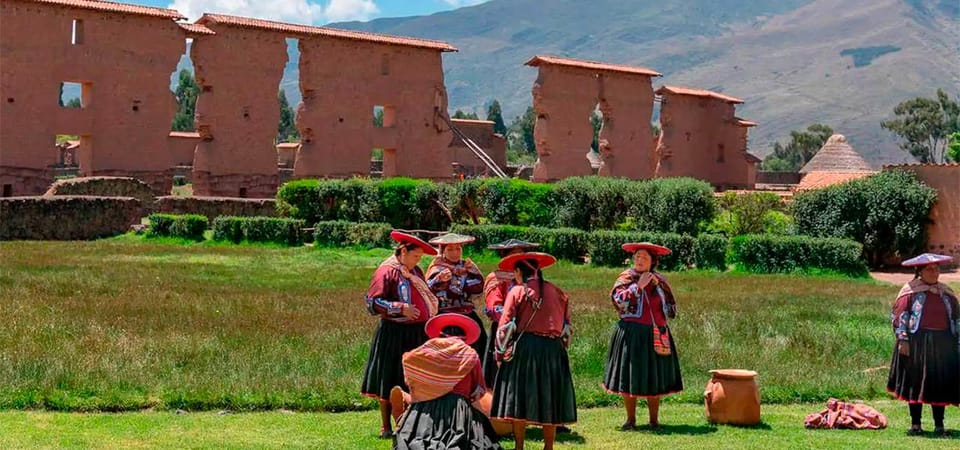
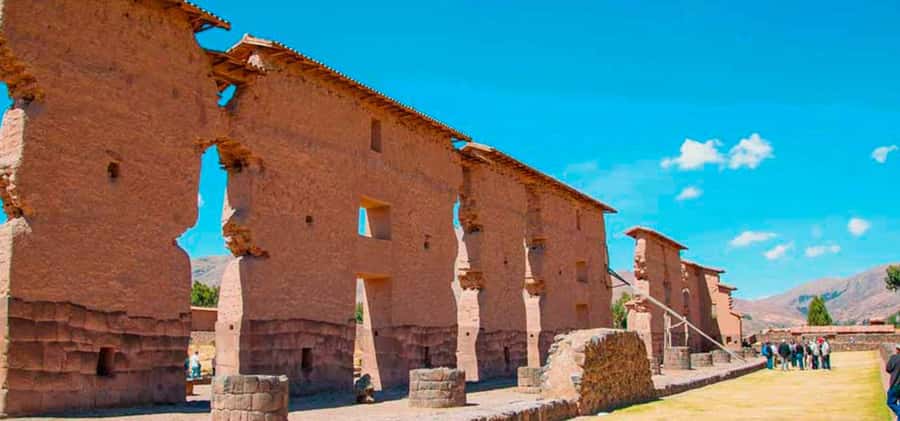
Raqchi is the longest sightseeing stop, lasting about an hour and a half. This archaeological complex is one of the most rewarding parts of the route, especially if you enjoy large-scale ruins and religious architecture.
The focus is the Temple of Wiracocha, a monumental structure dedicated to the invisible Superior God of the Andean people. Its walls rise about 15 meters, giving you a clear sense of the size and ambition of the original complex.
Raqchi has a different feel from Pucará. Pucará introduces an early Andean society through museum objects and archaeological context. Raqchi lets you walk through a major ceremonial site and see the scale of later construction directly.
The guide is important here. Several guides have been praised for explaining Andean beliefs and the cultural meaning of the site rather than giving only dates and names. Guides such as Ellie, Manuel, Juan Carlos, and Matthias have been singled out for clear explanations and attentive service on different departures, though your guide will depend on the day.
Entry is extra and included in the same 53 soles package. You will have time to look around, listen to the tour, and take photographs, but this is still an organized group visit. If you prefer to explore ruins slowly and alone, the fixed schedule may feel restrictive.
Raqchi is also a sensible place to buy souvenirs. Handicrafts here and at Pucará can offer better value than similar items in Cusco or Aguas Calientes, according to practical advice from people who have taken the route. Still, compare prices and avoid letting shopping cut into your site visit.
Andahuaylillas and the Church of Saint Peter
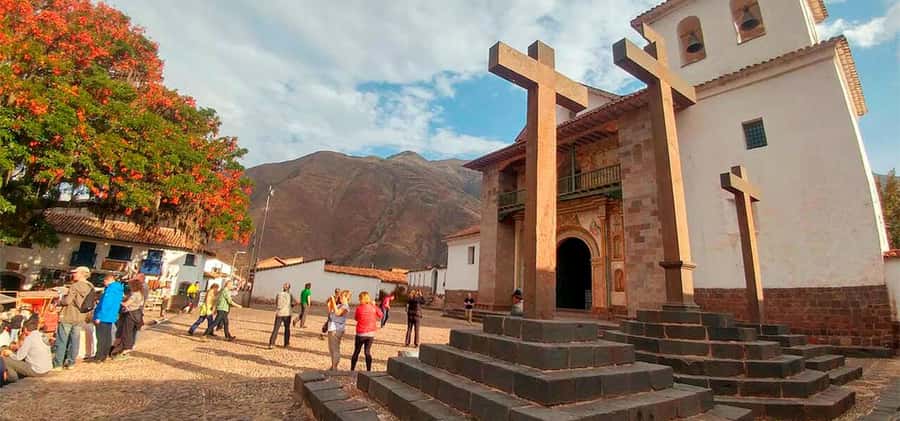
The final major stop is the village of Andahuaylillas, reached around 3:30 PM. You spend about 45 minutes visiting the Church of Saint Peter the Apostle, a 16th-century Jesuit church.
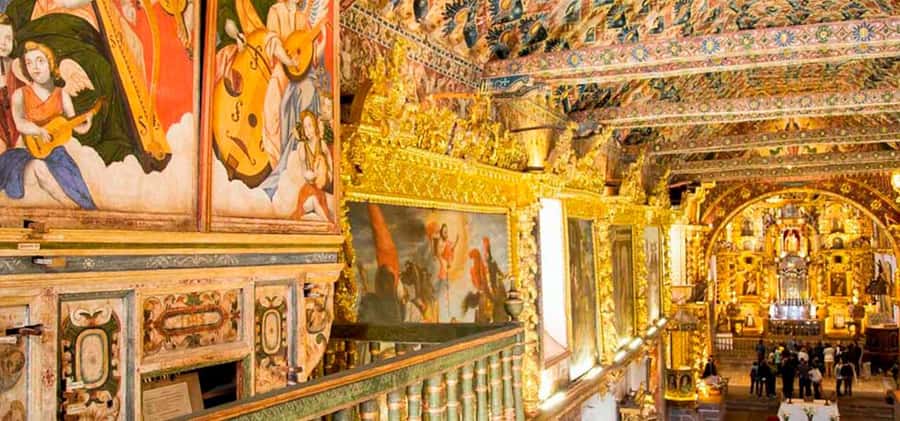
From the outside, the church can look plain. Inside, it is a different story, with gold leaf, elaborate decoration, and detailed murals covering the walls. The contrast is the point: do not judge this stop from the entrance facade.
The church is often called the Sistine Chapel of America, but the real pleasure is seeing its art in person and understanding its place in the colonial period. The murals and ornament combine European religious themes with local artistic traditions, creating one of the most visually striking interiors on the route.
This visit is short, so pay attention when the guide explains what you are seeing. Photography rules may apply inside, and the church is a place where a quiet, respectful visit matters more than rushing from one detail to another.
Admission is not included. Like Pucará and Raqchi, Andahuaylillas forms part of the 53 soles entrance payment.
Comfort on a very long bus day
The transport is one of the tour’s strongest features. The climate-controlled bus has reclining seats, plenty of legroom, a clean bathroom, and space for you to relax between stops. Drinks are supplied, and an oxygen tank is carried on board.
Some departures also have power outlets, which are handy after a day of photographing mountain scenery. You should still bring a charging cable, snacks you enjoy, and a light layer of clothing. The supplied food and drinks reduce the need to pack heavily, but a small personal bag keeps essentials close.
The driver matters on a mountain route, and the service has been praised for careful, professional driving. One pair of passengers specifically appreciated driver Benny’s calm manner, while guides such as Ellie and Manuel were praised for making the long journey feel more like a tour than a transfer.
The bus is not a luxury coach in the sense of a private vehicle or premium train carriage. You share the ride with a group, follow a set timetable, and spend many hours seated. But for this price, the comfort level is a major advantage.
Timing, luggage, and arrival in Cusco
The schedule is tightly arranged:
- 6:40 AM: Departure from the Puno bus terminal
- 8:50 AM: Pucará Museum
- 11:00 AM: Abra La Raya
- 11:35 AM: Buffet lunch
- 1:00 PM: Raqchi
- 3:30 PM: Andahuaylillas
- 5:30 PM: Arrival at the Cusco bus terminal
The final arrival point is Av. Alameda Pachacuteq 499-B in Cusco. You receive a bus-station drop-off, not a hotel transfer, so arrange your own ride or walk onward from there.
This timing makes the tour especially useful if you are moving between Puno and Cusco and want to turn transport into sightseeing. It is less suitable if you arrive in Cusco late in the afternoon and have an evening booking that cannot move. Mountain roads and group schedules can occasionally affect exact arrival times, so avoid placing an important fixed appointment immediately afterward.
Hotel drop-off in Cusco is not included. Transportation to the Puno meeting point is also your responsibility.
The guide makes the difference
The bus carries a bilingual guide who speaks English and Spanish. The best guides do more than announce the next stop. They explain the beliefs, architecture, and cultural setting behind each place, then help the group move through the day without confusion.
English-language service has been especially strong on several departures. Ellie was praised for her clear English, enthusiasm, and regular offers of hot drinks. Manuel was noted for helping with large luggage and answering travel questions. Juan Carlos was praised for adding extra information and occasional surprises.
Your exact guide is not guaranteed, so I would not book solely for a particular person. Still, the guide-led format is a real advantage. On a normal public bus, you would pass these places without context or stop at all.
What the $44 price really includes
At $44, the price is attractive for a full-day transfer with four guided stops. You receive:
- Climate-controlled bus transportation
- Bilingual English and Spanish guiding
- Guided visits at Pucará, La Raya, Raqchi, and Andahuaylillas
- Buffet lunch
- Tea, coffee, coca tea, and other herbal infusions
- Soft drinks and mineral water
- Onboard bathroom
- Oxygen tank
- Arrival at the Cusco bus terminal
The key extra expense is the 53 soles entrance fee for Pucara, Raqchi, and Andahuaylillas. Breakfast is also not included. Add those costs before comparing the tour with a public bus.
I consider the total value good because you are paying not only for transport but also for access, guiding, lunch, and a carefully planned route. The train may offer a different type of scenery and comfort, but this bus trip gives you several cultural stops for far less money.
Who should book this Route of the Sun trip?
I would choose this tour if you want to travel from Puno to Cusco in one day and prefer a guided experience over a direct bus. It suits first-time visitors who want a clear introduction to Andean archaeology, colonial art, and high-altitude scenery without organizing every detail themselves.
It also works well for people who value comfort. The reclining seats, bathroom, drinks, and careful driver make a long journey easier. The tour is a good fit for English and Spanish speakers who want explanations during the drive.
You may want another option if you dislike fixed schedules, short visits, or group travel. The 45-minute museum and church visits offer a taste rather than a full study. Lunch can be hurried when several buses arrive together, and the added admission fee may irritate you if you expect the advertised price to cover every stop.
Final verdict: a smart way to cross the Andes
I would book the Route of the Sun if Puno and Cusco are both part of your Peru trip. The ride is long, but it replaces a dull transfer with Pucará’s early Andean culture, La Raya’s high pass, Raqchi’s huge temple walls, and Andahuaylillas’ remarkable church interior.
The strongest reasons to go are the comfortable bus, excellent guiding, steady schedule, and very good price. Just budget the 53 soles entrance fee, arrive early at the Puno terminal, and keep your Cusco evening free of tight plans. If you can accept a full day and sample-sized visits, this is one of the most useful ways to travel between the two cities.
FAQ
How long does the Route of the Sun tour take?
The activity lasts about 11 hours. The listed schedule runs from approximately 6:40 AM in Puno to 5:30 PM in Cusco.
Where does the tour begin in Puno?
You meet at Terminal Terrestre Puno, at Jiron Primero de Mayo 703 to 705.
Where does the tour finish in Cusco?
The bus arrives at the Cusco terminal at Av. Alameda Pachacuteq 499-B, Cusco 08007.
Is the buffet lunch included?
Yes. A buffet lunch in Marangani, Sicuani, is included, with beef, chicken, fish, side dishes, salads, desserts, and herbal infusions.
Are entrance fees included?
No. Entry to Pucara Museum, the Raqchi Complex, and Andahuaylillas costs 53 soles and is paid in person.
What languages are available?
The live guide service is available in English and Spanish.
Does the bus have a bathroom?
Yes. The included transport has a clean bathroom on board.
Are drinks included?
Yes. The bus provides Coca Cola, Inca Kola, mineral water, tea, coffee, coca tea, and other herbal infusions.
Is hotel drop-off included in Cusco?
No. The tour ends at the Cusco bus station, and hotel transportation is not included.
Added recently around Puno
- Sun island and Copacabana | From Puno or La Paz / Day Trip★ 4.1 · 5 reviews
- Aymara Route Mystical Cultural Tour★ 4.7 · 27 reviews
- Puno: Uros and Taquile Islands Full-Day Tour with Lunch★ 4.5 · 17 reviews
- Puno: History and Culture Walking Tour★ 4.1 · 13 reviews
- Puno: Lake Titicaca, Uros, and Taquile Full-Day Tour★ 4.5 · 4 reviews
- Puno: 3-hour trip to the floating Uros Islands★ 4.5 · 9 reviews
- Puno: Lake Titicaca Day Tour★ 4.5 · 17 reviews
- Puno: 2 Day Visit to Uros, Amantani and Taquile★ 4.5 · 13 reviews
Puno Tours, compared.
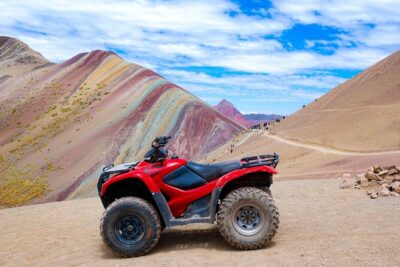
Vinicunca Rainbow Mountain ATV Tour with Meals
Read our review →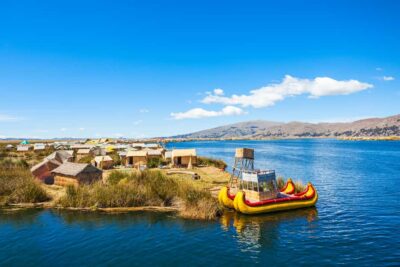
Tour to Uros and Taquile Islands in a Fast Boat
Read our review →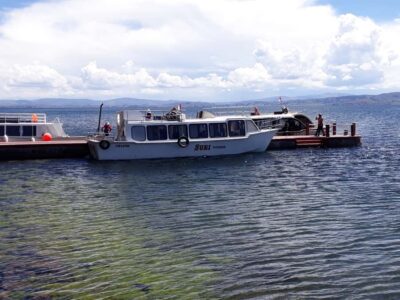
Uros and Taquile Islands on New and Comfortable SpeedBoat
Read our review →
Lake Titicaca (Day Trip) Uros & Taquile Islands
Read our review →
Lake Titicaca 2-Day Tour to Uros, Amantani and Taquile
Read our review →
Browse the lists this tour appears in