
Reviewed · MACHU PICCHU TOURS
Sacred Valley and Machu Picchu 2 Day Tour with Accommodation
Machu Picchu is only part of the story. This two-day trip links the Sacred Valley’s Inca sites with a guided visit to the famous citadel, which gives you a much fuller picture than a quick day trip from Cusco. I especially like the mix of Pisac’s mountain terraces and Ollantaytambo’s living Inca town, plus the smooth train connection to Aguas Calientes. The main drawback is the fast pace, with a long first day and only one night before Machu Picchu.
The $629 price per person covers a lot: transport from Cusco, trains, buses, hotel, meals, site guiding, and Machu Picchu admission. Guides such as Evert Quispe, Jorge Arce, and Anto de Iglesia have earned praise for clear English, strong local knowledge, and help with timing and photos. Still, you need to add about $46 for Sacred Valley admission, and the hotel standard can vary.
In This Review
- Key points to know before you book
- Why this two-day route works well from Cusco
- Pisac: terraces, temples, and wide Sacred Valley views
- Pisac Market: crafts, food, and a busy shopping stop
- Urubamba lunch: a practical pause in the valley
- Ollantaytambo: Inca stonework and a living old town
- The train to Aguas Calientes and your overnight stay
- Machu Picchu: a guided morning at the citadel
- Returning through Aguas Calientes and Ollantaytambo
- What the $629 price really covers
- Who will enjoy this trip most?
- Should you book this Sacred Valley and Machu Picchu tour?
- FAQ
- Where does the tour start?
- Where does the tour end?
- How long is the tour?
- Is accommodation in Aguas Calientes included?
- Are train tickets included?
- Are buses to Machu Picchu included?
- Is lunch included?
- Are Sacred Valley entrance fees included?
Key points to know before you book
- Pisac combines Inca terraces with a colorful market, giving you both ancient sites and present-day Andean culture.
- Ollantaytambo is more than a ruin, since its old streets, water channels, and town plan still reflect Inca design.
- The overnight in Aguas Calientes saves a tiring return to Cusco, so you can reach Machu Picchu early the next morning.
- The package handles the complicated transport, including trains, buses, hotel transfers, and the return to Cusco.
- A small group of up to 15 people should feel more personal than a large coach tour.
- Sacred Valley entrance fees and optional mountain hikes cost extra, so check your total budget before paying.
Why this two-day route works well from Cusco
Machu Picchu takes planning. You need a train, a bus up the mountain, an official entry, a guide, and a way back to Cusco. Add the Sacred Valley, and the details can become a small travel puzzle.
This tour takes care of the main moving parts. You meet at Plaza de Armas in Cusco at 7:00 am, travel through the Sacred Valley, reach Ollantaytambo in time for the train, sleep in Aguas Calientes, and return to Cusco the next day.
I like this format because it avoids trying to visit Machu Picchu and return to Cusco in one exhausting day. You get an overnight near the entrance instead. That means less rushing on the morning of your main visit, even though the first day remains busy.
The group limit is 15 people. That is small enough for questions and personal help, but it is not a private tour. The vehicle, guide, and exact hotel may affect how intimate the experience feels.
More Machu Picchu Tours in Sacred Valley
- 2-Day Tour: Sacred Valley and Machu Picchu by Train
★ 5.0 · 1,127 reviews - Sacred Valley & Machu Picchu 2D1N
★ 5.0 · 617 reviews - 6 Days Exploring Cusco, Sacred Valley & Machu Picchu
★ 5.0 · 470 reviews
Pisac: terraces, temples, and wide Sacred Valley views
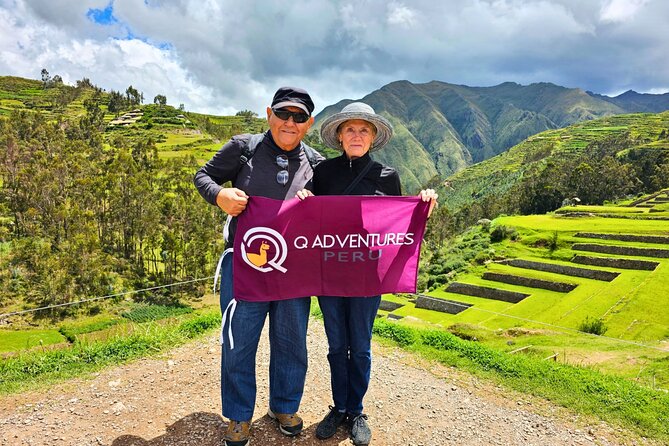
Your first major stop is the Pisac archaeological site, usually visited for about two hours. The ruins sit high above the valley, where the Incas carved broad farming terraces into the mountain.
These terraces are not just attractive stone steps. They show how the Incas used steep ground for agriculture and managed water, soil, and elevation. Your guide can help you read the site as an engineered settlement rather than a pile of old walls.
You will see remains linked to temples, homes, and altars. The Intihuatana, a carved ritual stone connected with Inca astronomy, is one of the notable features. The views across the Sacred Valley and toward the Urubamba River are a major reason to bring your camera, but the site also rewards careful listening.
Pisac involves uneven ground, old steps, and climbing. The itinerary allows two hours, which is enough for a useful visit but not for a slow, private exploration of every corner. Wear shoes with a good grip and keep water handy.
The guide can make a major difference here. Evert Quispe is praised for explaining Inca culture with energy and for adding present-day local context. That matters at Pisac, where the meaning of the site is easier to grasp when the ruins are connected to Andean life today.
Pisac Market: crafts, food, and a busy shopping stop
After the ruins, you spend about an hour at the Pisac Market. This is the social and commercial counterpoint to the archaeological site.
Stalls carry textiles, jewelry, pottery, souvenirs, local foods, spices, fruit, vegetables, snacks, and herbal teas. You can speak with sellers and look at the work behind the crafts, although the short stop means you may need to choose between browsing slowly and shopping.
This is a useful place to buy gifts because you can compare several types of Andean handicrafts in one area. Take a moment to inspect quality and ask about materials before purchasing. If you are not interested in shopping, the market still gives you a glimpse of the region’s daily trade and food culture.
The market is also where the tour shifts from ancient Peru to modern Peru. That balance is one of the strongest parts of the route. You are not only looking at monuments. You are seeing how local commerce and craft continue around the same valley that supported Inca settlements.
Urubamba lunch: a practical pause in the valley
The next stop is Urubamba, mainly for a buffet lunch. The meal includes local and international choices, and lunch is included in the tour price.
This break serves a practical purpose. By this point, you have been walking and listening since early morning, so sitting down for a full meal gives you a chance to rest before Ollantaytambo. You also get a short look at a town surrounded by mountains and farmland.
Do not expect Urubamba to be a major sightseeing stop on this schedule. The town is included as a meal break rather than a detailed cultural visit. That is fine for a two-day itinerary, but it is worth knowing if you hoped for more time in local neighborhoods.
Since lunch is included, the package offers better value than a plan where every meal is left to you. Dinner in Aguas Calientes, drinks, extra snacks, and personal purchases are not included.
Other ways to reach Machu Picchu:
- Classic Inca Trail Trek 4D/3N to Machu Picchu (Group Service)
★ 5.0 · 8,653 reviews - Machu Picchu: 4-Day Inca Trail Trek with Panoramic Train Ride
★ 5.0 · 4,568 reviews - Short Inca Trail to Machu Picchu 2D/1N
★ 5.0 · 3,007 reviews - 2-Day Inca Trail to Machu Picchu with Panoramic Train
★ 5.0 · 1,876 reviews
Ollantaytambo: Inca stonework and a living old town
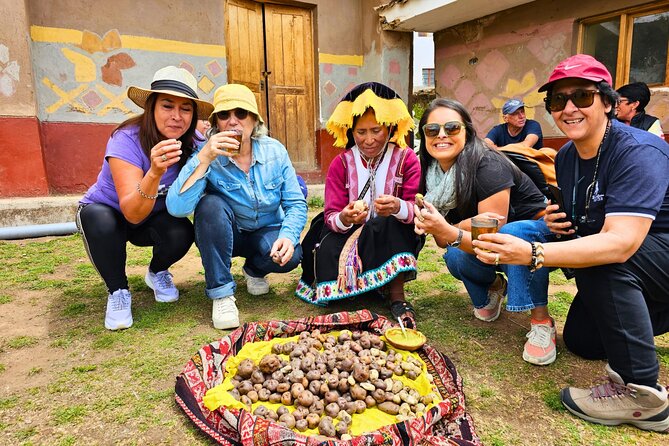
Ollantaytambo is the strongest Sacred Valley stop for many people. You spend about an hour at the archaeological site, then continue to the train station.
The fortress area includes large terraces, stone stairways, and impressive walls set against the surrounding mountains. The scale of the stonework helps explain why Ollantaytambo feels different from a simple ruin site. It was a major Inca center with military, religious, and administrative importance.
The climb can be tiring, especially after Pisac. The time allowance is fairly short, so your guide will need to keep the group moving. Jorge Arce has been praised for giving detailed explanations at both Ollantaytambo and Machu Picchu, while also answering many questions from families. A guide who manages time well is valuable here because missing the train is not a small inconvenience.
The old town below the ruins is just as interesting. Narrow cobbled streets, old water channels, and the basic town plan have continued from the Inca period. This is not a museum frozen behind a rope. People still live and move through the town.
That living quality gives Ollantaytambo a human scale. You can look at the stones, then walk through streets that still follow an old plan. The visit is brief, but it is one of the best chances on the trip to see Inca design as part of ordinary life.
The train to Aguas Calientes and your overnight stay
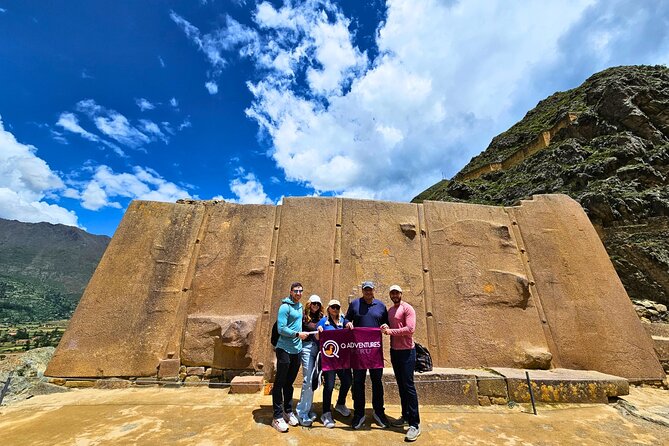
From Ollantaytambo, you board the train to Aguas Calientes, also called Machu Picchu Town. The ride takes you through Andean scenery and marks the shift from the broad Sacred Valley to the mountain setting around Machu Picchu.
Round-trip train tickets are included. That removes one of the biggest planning tasks on this route, though you should still pay attention to the departure time and stay close to your group at the station.
You arrive in Aguas Calientes in the evening and spend the night at a selected local hotel. Breakfast is included the next morning. Hotel quality can be the weak point of the package, particularly if you choose a one-star option. One guest specifically reported that the bathroom was not in good condition, so I would ask what hotel category and room standard apply before booking.
Aguas Calientes has restaurants, cafes, shops, and hot springs. You have free time to eat dinner and walk around town. The thermal baths may appeal after a long day, but they are not included, and the schedule may leave you wanting an early night before Machu Picchu.
The overnight is still a smart choice. You are already near the mountain in the morning, rather than facing a pre-dawn transfer from Cusco.
Machu Picchu: a guided morning at the citadel
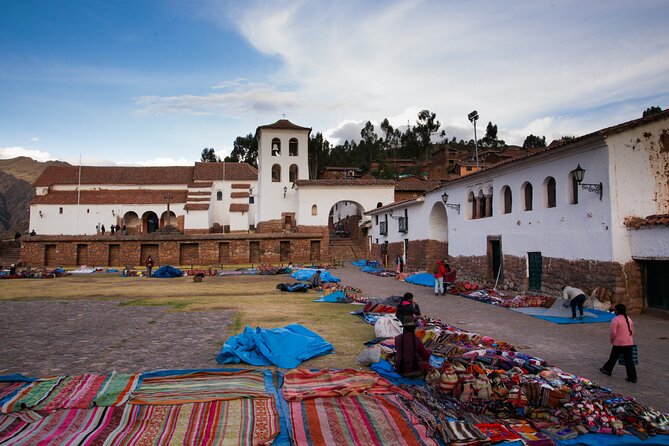
Day two begins with a bus from Aguas Calientes up to Machu Picchu. The bus tickets are included, as is entry to the citadel.
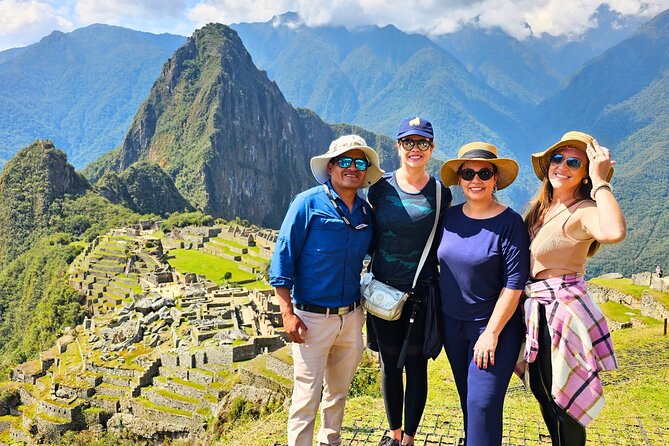
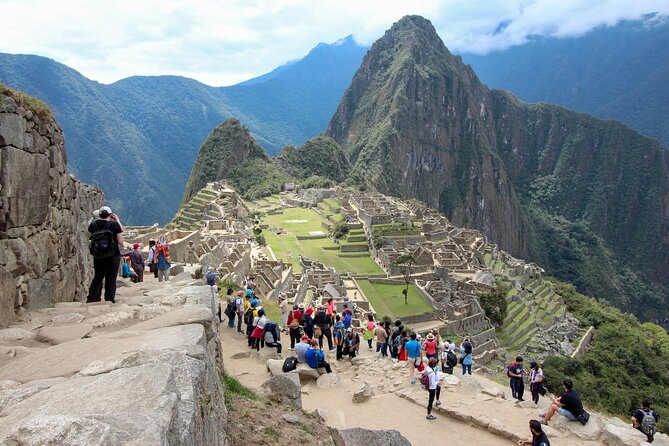
The guided visit lasts about two and a half hours. You will see important areas such as the Temple of the Sun and the Intihuatana stone while your guide explains the site’s architecture, purpose, and place in Inca culture.
This is where the quality of the guide matters most. Anto de Iglesia has been praised for clear historical explanations and for knowing good photo locations. Evert Quispe is also described as energetic, organized, and careful about keeping the group on schedule. Jorge Arce has received similar praise for answering questions and explaining the site in detail.
A guide turns Machu Picchu from a striking collection of walls into a place with structure and meaning. You can admire the mountain views on your own, but the Temple of the Sun and Intihuatana are far more useful when someone explains what you are seeing.
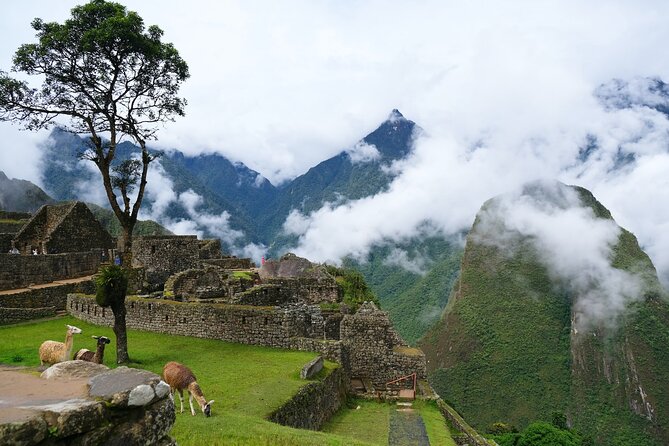
Weather can change the mood of the visit. Mist may briefly cover the ruins and then lift again. That can limit views, but it can also give the site a dramatic feel. The tour cannot control the weather, so keep expectations flexible.
The package does not include Huayna Picchu or Machu Picchu Mountain hikes. Those are optional activities with their own entry arrangements. If one of those climbs is your main goal, confirm availability before booking rather than assuming it is part of this plan.
Returning through Aguas Calientes and Ollantaytambo
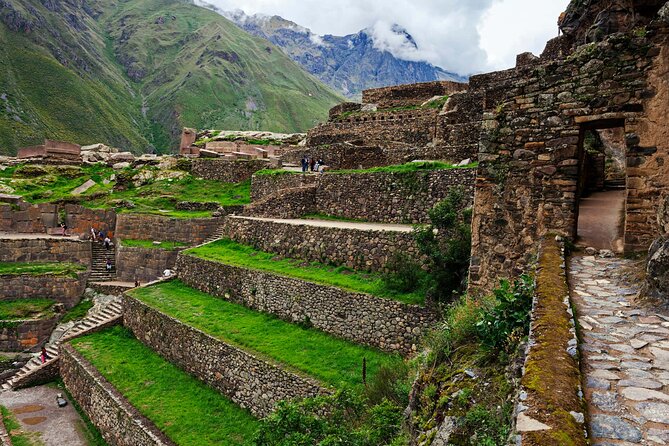
After the guided visit, you return to Aguas Calientes. You have time for lunch, local shopping, or a short walk before the train back to Ollantaytambo.
The return journey takes about four hours in total, including the train and onward transfer to Cusco. Scenic views continue along the route, but this is a travel day, not a second sightseeing day.
All scheduled transfers from the train stations and sites are included. Transport outside the planned route, such as extra taxis, is your responsibility. The tour ends back at the Plaza de Armas meeting point.
The return is efficient, but it can feel long after an early morning at Machu Picchu. If you want a quiet evening in Cusco, this plan may leave you tired. On the other hand, it gets the major sights done in only two days, which is useful for a short Peru visit.
What the $629 price really covers
At $629 per person, this is not a low-cost independent trip. But the comparison is not simply tour price versus bus fare.
The fee includes:
- Transportation from Cusco and scheduled transfers
- Round-trip train travel between Ollantaytambo and Aguas Calientes
- Round-trip buses to Machu Picchu
- Machu Picchu admission
- One hotel night in Aguas Calientes
- Breakfast and lunch
- A bilingual professional guide
- Guided visits in Machu Picchu and key Sacred Valley sites
- Assistance during the trip
Those inclusions have real value because train times, Machu Picchu entry, and transfers need to line up. You are paying for coordination as well as transport.
The extra cost is the Sacred Valley admission fee, listed at about $46. You also pay for dinner, drinks, souvenirs, hot springs, tips, travel insurance, and any optional mountain hikes. Tips for guides, drivers, and staff are left to your discretion.
I would compare the final cost, not just the advertised price. If you value a guide, hotel, and organized transport, $629 can be reasonable. If you are comfortable arranging trains, accommodation, and site tickets yourself, an independent plan may offer more control.
Who will enjoy this trip most?
This tour suits you if you want the major Sacred Valley sites and Machu Picchu without managing every transfer. It is especially useful for first-time visitors to Peru, couples, families, and anyone with only two days available from Cusco.
It also suits people who want explanation rather than photos alone. The most praised guides, including Evert, Jorge, and Anto, are described as warm, energetic, and willing to answer questions. Several guide accounts emphasize strong English and a talent for keeping the group on time.
You should think twice if you dislike early starts, stairs, fixed schedules, or changing hotels. You may also prefer a longer itinerary if you want more time in Urubamba, Pisac Market, Ollantaytambo, or Aguas Calientes.
Most people can participate, but the archaeological sites include climbs and uneven paths. The tour does not promise special access arrangements, so ask the provider about your specific mobility needs before paying.
Booking requires care because the experience is non-refundable and cannot be changed after purchase. Confirmation is immediate in most cases, but bookings made within two days of departure may take up to 48 hours and depend on availability.
Should you book this Sacred Valley and Machu Picchu tour?
I would book it if you want a well-organized two-day route with a real guide and minimal transport stress. The combination of Pisac, Ollantaytambo, the overnight in Aguas Calientes, and a guided Machu Picchu visit gives you more context than a rushed citadel-only trip.
Before paying, confirm the hotel category, Sacred Valley admission fee, train schedule, and whether your preferred Machu Picchu circuit or optional mountain hike is available. Choose this package for convenience, strong guiding, and efficient coverage. Skip it if you want a slower pace, upgraded accommodation, or complete control over every stop.
FAQ
Where does the tour start?
The tour starts at Plaza de Armas de Cusco, at Del Medio 123, Cusco 08000, Peru. The listed start time is 7:00 am.
Where does the tour end?
The tour ends back at the meeting point in Cusco after the return transfer from Ollantaytambo.
How long is the tour?
The experience lasts approximately two days and includes one overnight stay in Aguas Calientes.
Is accommodation in Aguas Calientes included?
Yes. One night at a selected hotel in Aguas Calientes is included. The hotel standard may vary, so confirm the category before booking.
Are train tickets included?
Yes. Round-trip train tickets between Ollantaytambo and Aguas Calientes are included.
Are buses to Machu Picchu included?
Yes. Round-trip bus tickets between Aguas Calientes and Machu Picchu are included.
Is lunch included?
Yes. Lunch is included, with a buffet offering local and international food. Breakfast is also included.
Are Sacred Valley entrance fees included?
No. Sacred Valley site entrance fees are listed separately at about $46. Machu Picchu admission is included.
More Sacred Valley Days Out
- From Cusco: Moray, Maras Salt Mines & Chinchero Weavers Tour
★ 4.8 · 1,925 reviews - Cusco: Sacred Valley, Pisac, Ollantaytambo, Salt Mines Moray
★ 4.6 · 1,058 reviews - Cusco:Chinchero,Moray & Salt Mines drop-off in Ollantaytambo
★ 4.8 · 793 reviews - Sacred Valley and Maras Moray Tour with Full Day Buffet Lunch
★ 5.0 · 670 reviews
Added recently around Cusco
- Super valley or vip valley★ 5.0 · 13 reviews
- the Incas’ Sacred Valley★ 5.0 · 27 reviews
- Sacred Valley of the Incas Day Trip from Cusco★ 5.0 · 6 reviews
- Small-Group Tour: Rainbow Mountains Hiking from Cusco★ 4.0 · 5 reviews
- Excursion to the Sacred Valley of the Incas from Cusco★ 5.0 · 8 reviews
- Maras + Moray & Textile Experience★ 5.0 · 14 reviews
- Tour EN Cuatrimoto POR la Montaña 7 Colors Hike 5 Minutes★ 4.5 · 32 reviews
- rainbow mountain★ 4.0 · 4 reviews
Machu Picchu Tours, compared.
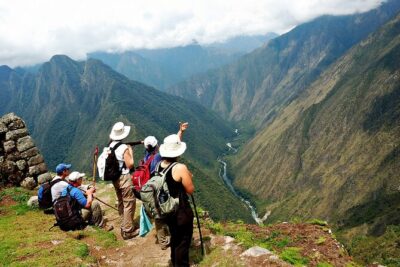
Classic Inca Trail Trek 4D/3N to Machu Picchu (Group Service)
Read our review →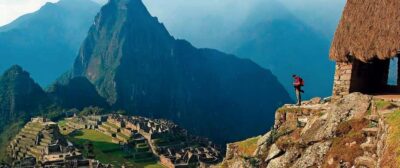
Machu Picchu: 4-Day Inca Trail Trek with Panoramic Train Ride
Read our review →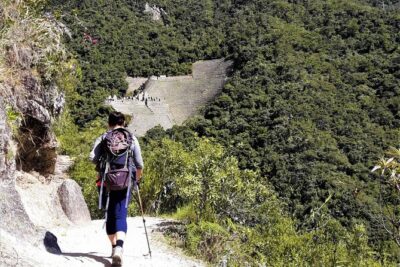
2-Day Inca Trail to Machu Picchu with Panoramic Train
Read our review →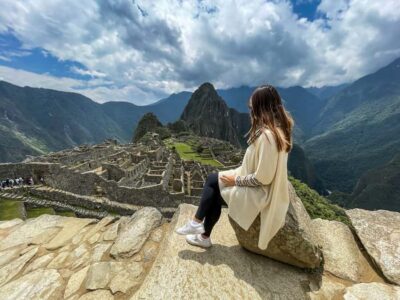

2-Day Tour: Sacred Valley and Machu Picchu by Train
Read our review →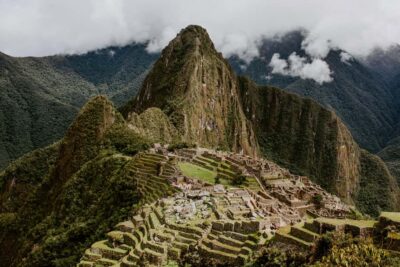
Machu Picchu: Full-Day Tour from Cusco with Optional Lunch
Read our review →Browse the lists this tour appears in