
Reviewed · MACHU PICCHU TOURS
Sacred Valley and Machu Picchu 2 Days Tour
Machu Picchu is only half the story. This two-day trip links the famous citadel with the Sacred Valley’s farming terraces, salt pools, Inca stonework, and living textile traditions. I especially like the small maximum of 10 people and the way the route packs several major sights into one carefully connected journey. Guides such as Urbano and Chino are praised for clear explanations, calm support, and helping with photographs. The main consideration is pace: four Sacred Valley stops on day one and an early Machu Picchu visit make this a full, busy two days.
I also like that the price includes round-trip train travel, entrance tickets, meals, and taxes, which removes much of the usual planning work. The $560 cost is not cheap, but it can be fair value when you add up the rail journey, Machu Picchu admission, Sacred Valley ticket, transport, and guiding. Check the meal details carefully, though, since the first breakfast, bottled water, the Maras salt mines ticket, and lunch after Machu Picchu are not included.
In This Review
- Five things to know before booking
- Why this two-day route works from Cusco
- Chinchero, where Inca walls meet a colonial church
- Moray and the Incas’ high-altitude farming experiments
- Maras, with more than 3,000 working salt pools
- Ollantaytambo, the day’s strongest Inca stonework
- Machu Picchu with Circuit 2 and an early start
- Trains, meals, and what the $560 covers
- What the guides add to the experience
- Who will like this tour most
- Practical advice for making the two days smoother
- Should you book it?
- FAQ
- What time does the tour start?
- How long is the tour?
- What is included in the price?
- What is not included?
- Which Machu Picchu route is used?
- How many people can join the tour?
Five things to know before booking
- Chinchero combines Inca walls with a colonial church and a weaving demonstration.
- Moray’s giant terraces show how Inca farming was tested across different heights and climates.
- Maras has more than 3,000 salt pools, but its 20-sol entrance fee is extra.
- Ollantaytambo gives you some of the Sacred Valley’s most impressive stonework in a compact visit.
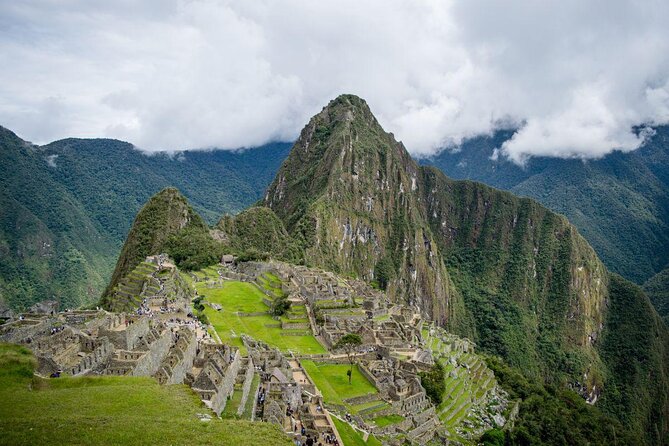
- Machu Picchu uses Circuit 2, including the classic photo area and major temples.
- The two-day schedule is efficient, but not leisurely, especially with an early start.
Why this two-day route works from Cusco
The appeal here is simple: you see the Sacred Valley before reaching Machu Picchu, so the famous citadel does not float in isolation. The first day introduces the farming, building, weaving, and salt-making traditions that shaped Inca life. The second day puts those ideas into a dramatic mountain setting.
You begin at 7:00 am. That early start matters because the route covers several places before you continue toward the train connection. Rather than spending a full day on only one major site, you get a broad look at the valley and then a focused visit to Machu Picchu.
The group size is limited to 10 people. That is small enough for questions and easier movement than a large coach group, though it does not guarantee a private tour. One booking became private because of the group arrangement, and the company has also adjusted timing when train schedules required it. That flexibility can make a real difference on a tightly timed trip.
The strongest part of the service is the guiding. Urbano is praised for explaining Inca culture, local plants and animals, and small practical details such as making strong rope from grass. Chino is described as an excellent English-speaking guide with a firm grasp of the route and a supportive manner. Guides also helped with photos and timed visits to reduce crowd pressure.
More Machu Picchu Tours in Sacred Valley
- 2-Day Tour: Sacred Valley and Machu Picchu by Train
★ 5.0 · 1,127 reviews - Sacred Valley & Machu Picchu 2D1N
★ 5.0 · 617 reviews - 6 Days Exploring Cusco, Sacred Valley & Machu Picchu
★ 5.0 · 470 reviews
Chinchero, where Inca walls meet a colonial church
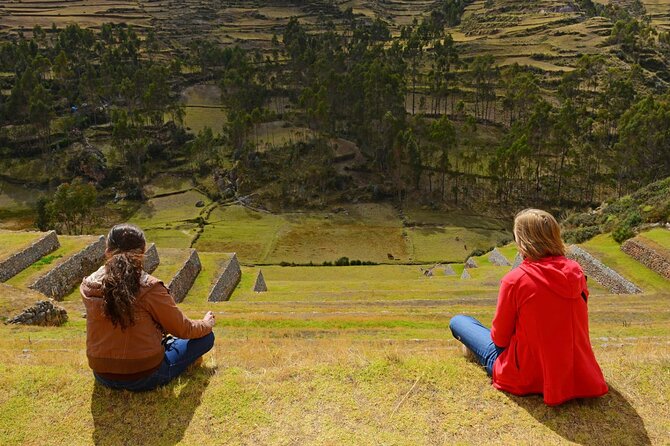
Chinchero is a good opening stop because it shows two layers of Peru in one place. You see broad Inca walls, terraces, and carefully fitted stonework beside a colonial church. The contrast is not subtle, and that is exactly why it works.
You have about an hour here. The archaeological remains preserve the shape and construction style of an Inca settlement, while the church reflects the later colonial period. A guide can help you understand how these different periods share the same site rather than treating the stop as a quick photo break.
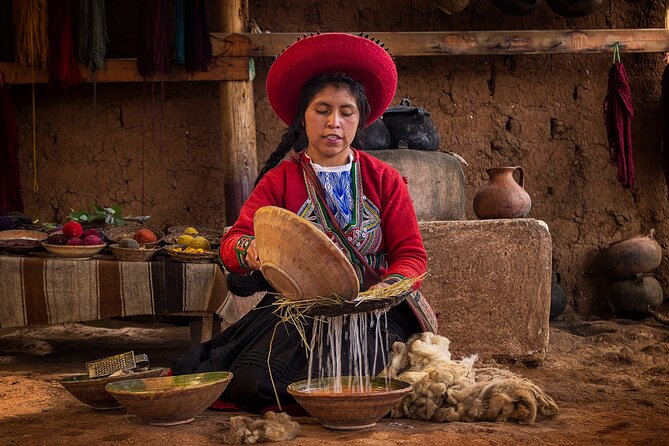
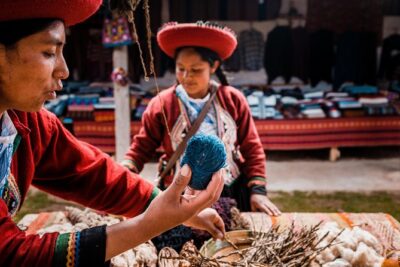
The weaving activity adds a more human side to the visit. You learn about textile techniques and the natural materials used to produce traditional cloth. This is also a place to buy handmade souvenirs. I would treat the shopping as optional, but the demonstration is worthwhile because it connects the polished archaeological remains with skills still practiced today.
Admission is listed as free for this stop, while the broader Sacred Valley ticket is included in the tour. The exact ticket arrangement is worth confirming at booking, but you should not face a separate Chinchero charge under the stated inclusions.
Moray and the Incas’ high-altitude farming experiments
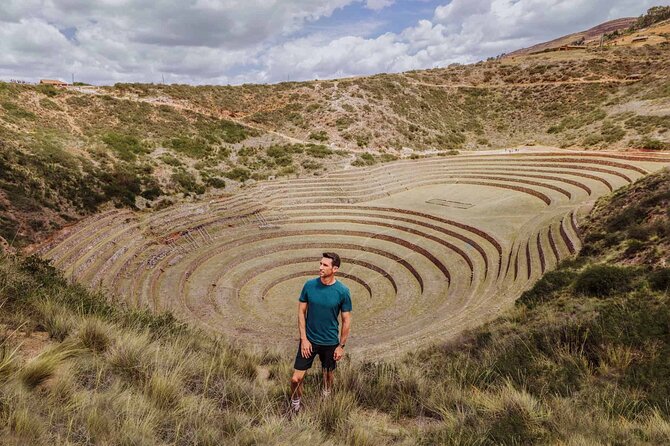
Moray takes about 40 minutes, yet it is one of the most unusual stops. Huge circular terraces descend into the earth, creating a pattern that looks almost theatrical from above. The site is associated with Inca experiments involving crops, altitude, and different growing conditions.
You will hear about Andean foods such as corn, potatoes, and beans. That context gives the terraces more meaning. Moray is not simply an attractive arrangement of stone rings. It points to the practical challenge of farming across the Andes, where elevation and local conditions change quickly.
The setting adds to the experience. The terraces sit among crop fields, native trees, and views toward snow-capped mountains. You should have time to look around and listen, but this is not a long walk or an extended archaeological study. If you prefer slow photography, the 40-minute stop may feel brief.
Moray admission is included. Bring your attention to the explanation, not only your camera. The design is memorable, but the reason it was built is the part that makes the site useful.
Maras, with more than 3,000 working salt pools
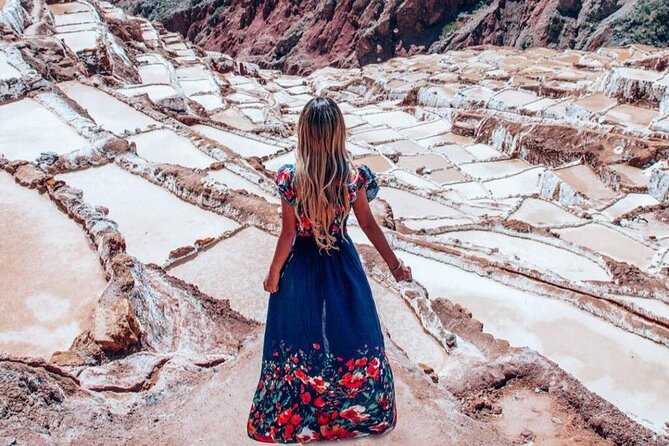
The salt mines at Maras are the most visually surprising part of day one. Thousands of small pools spread across the mountainside, each fed by salty water that evaporates and leaves crystals behind. The pools have been used since before the Inca period and remain in use today.
The visit lasts about 40 minutes. You learn how the salt is collected, what type of salt is produced, and how the process works from water flow to crystal. That ongoing use gives Maras a different character from a ruin. It is not only an old site being preserved for display. It is also a working local practice.
The separate entrance fee is 20 soles, and it is not included in the $560 price. This is a small cost beside the total tour price, but it is exactly the sort of detail that can surprise you if you do not carry local currency or check the inclusions.
The paths and viewpoints can feel exposed, so give yourself time to look carefully rather than rushing for a single picture. The salt pools are repetitive in shape, but the changing colors and mountain setting make the stop worth keeping on the route.
Other ways to reach Machu Picchu:
- Classic Inca Trail Trek 4D/3N to Machu Picchu (Group Service)
★ 5.0 · 8,653 reviews - Machu Picchu: 4-Day Inca Trail Trek with Panoramic Train Ride
★ 5.0 · 4,568 reviews - Short Inca Trail to Machu Picchu 2D/1N
★ 5.0 · 3,007 reviews - 2-Day Inca Trail to Machu Picchu with Panoramic Train
★ 5.0 · 1,876 reviews
Ollantaytambo, the day’s strongest Inca stonework
Ollantaytambo is a compact but powerful finish to day one. The complex contains enormous, finely cut stones, terraces, fountains, and buildings whose original purposes are not always clear. You get a sense of the engineering skill here without needing a long trek through a vast site.
The listed visit is about 40 minutes. That is enough for a guided introduction and key views, though you may wish for more time if you enjoy examining masonry or taking photographs. The site can feel like a rapid final chapter after Chinchero, Moray, and Maras, so listen closely to the guide’s explanation.
Ollantaytambo also matters as a transport link in this journey. After the Sacred Valley visits, you continue toward the train used for the Machu Picchu portion. The route is designed to make the valley sightseeing and rail connection work together, rather than requiring you to backtrack to Cusco.
That efficient design is a major benefit. The tradeoff is that you do not get the leisurely village time or extended archaeological exploration that a slower Sacred Valley itinerary might offer.
Machu Picchu with Circuit 2 and an early start
Day two is built around roughly four hours at Machu Picchu. You follow Circuit 2, a route that includes major temples and the classic photo area. For a first visit, this is a sensible choice because it gives you a broad introduction rather than focusing on one narrow section.
The citadel sits high among steep mountains and forest. The setting is the reason photographs can never quite capture the whole experience. You see the stonework, but you also see how carefully the site was placed within its surroundings.
An early visit can help you enjoy the ruins before larger crowds arrive. Timing was used effectively for some visitors, with guides choosing places and moments that offered better views and fewer people. Crowd levels and access depend on the official schedule, but the guide’s local experience is valuable here.
Several visitors also combined the visit with a climb of Huayna Picchu. The supplied tour details do not promise that climb, so you should not assume it is part of the standard package. If you have a separate Huayna Picchu ticket and the schedule permits it, ask how it fits with Circuit 2 and the four-hour visit.
After the guided Machu Picchu visit, you take the bus down to Aguas Calientes. From there, the return train goes to Ollantaytambo. Lunch after Machu Picchu is not included, so plan for that meal and any drinks yourself.
Trains, meals, and what the $560 covers
At $560 per person, this is a mid-to-high-priced organized excursion rather than a bargain day trip. The value depends on how much planning you want to hand over. The package includes the round-trip train, Machu Picchu ticket, Sacred Valley ticket, all listed fees and taxes, breakfast, lunch, and dinner.
Those inclusions cover the costly and difficult-to-arrange pieces. Train tickets and Machu Picchu entry can be complicated to coordinate, especially when the visit must fit a fixed circuit and schedule. Having a guide manage the movement between bus, train, archaeological sites, and meals can reduce stress.
There is one confusing meal note. Breakfast is included, but the first breakfast is specifically excluded. Read that as a warning not to assume food is provided from the moment you leave Cusco. Bottled water is also not included, and lunch after the Machu Picchu visit is your responsibility.
I would compare the price against the cost of buying rail tickets, site admission, transport, meals, and a guide separately. You are also paying for coordination. For a short stay in Cusco, that service may be worth more than saving money with separate arrangements.
What the guides add to the experience
A good guide is especially important here because the sites can otherwise blur together: walls, terraces, pools, train, ruins, and more walls. The strongest guiding accounts describe Urbano as warm, responsible, entertaining, and good at explaining both major events and small details.
He also made extra stops when time allowed, including a waterfall seen along the road. That sort of flexibility is a bonus, not a guarantee, since train times and site rules control the day. Still, it shows the benefit of having a guide who is alert to what interests you.
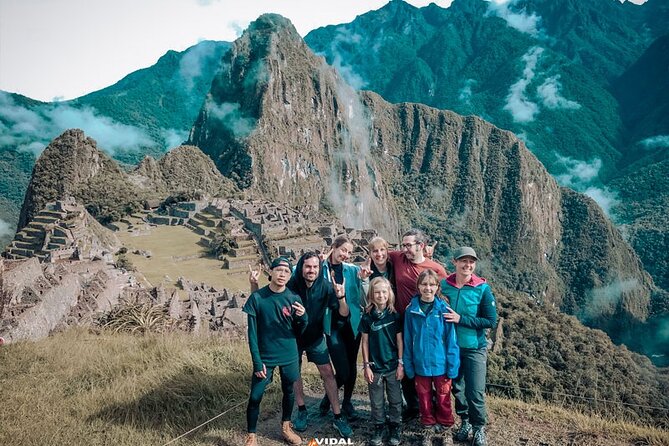
English-language service was praised highly for Chino as well. He was described as engaging and supportive along the route, while the driver Freddy earned praise for safe driving, a clean van, and a cheerful approach despite very early starts. Another guide, Vidal, was praised for handling a family trip well, including time with an 11-year-old child.
The company also received strong marks for answering questions during trip planning. That matters because this itinerary contains several moving parts. Ask who your guide and driver will be, what train times are planned, and how the meals are arranged before you pay.
Who will like this tour most
I would choose this tour if you have limited time in Cusco and want the major Sacred Valley sights plus Machu Picchu without building the trip yourself. It suits first-time visitors, families who want support, and anyone uneasy about coordinating rail tickets and site entrances.
It also works well for people who value explanation over wandering alone. The guides add information about Inca building, farming, textiles, salt production, local plants, animals, and modern Peru. That turns a fast route into a connected story.
You should think twice if you dislike early starts, fixed transport schedules, or short visits. Four Sacred Valley stops on one day can feel rushed, especially if you want long walks or quiet time at each site. The tour is also non-refundable and cannot be changed after booking, so your dates and plans need to be firm.
Most people can participate, and the tour is near public transportation, but the supplied information does not describe detailed accessibility arrangements. If you have mobility concerns, ask the operator directly about walking surfaces, steps, buses, and site access.
Practical advice for making the two days smoother
Carry water money because bottled water is excluded. Bring at least 20 soles for the Maras admission, plus enough for lunch after Machu Picchu and any handmade goods at Chinchero.
Use the first day to ask questions about the second. Find out where you will sleep, when breakfast is served, and how the train connection works. A clear briefing can prevent confusion when you are tired and moving between buses, trains, and the citadel.
Keep your day-one expectations realistic. Chinchero, Moray, Maras, and Ollantaytambo each deserve more time than this schedule allows, but the benefit is seeing four very different places in one sweep. I would focus on one memorable idea at each stop rather than trying to inspect everything.
For photos, ask the guide when to pause. Urbano has been especially praised for finding good photo points and helping with pictures. You will get more from the experience if you look first and photograph second.
Should you book it?
I would book this tour if you want a well-organized introduction to the Sacred Valley and Machu Picchu in only two days. The strongest reasons are the included rail and entry costs, the small group limit, the experienced guides, and the range of places covered.
I would not book it if you want an unhurried Sacred Valley stay or maximum control over every stop. In that case, a longer private itinerary would give you more breathing room. For a short visit, though, $560 can be reasonable value, provided you budget for the Maras ticket, first breakfast, water, and post-Machu Picchu lunch.
FAQ
What time does the tour start?
The stated start time is 7:00 am.
How long is the tour?
The tour lasts approximately two days.
What is included in the price?
The price includes breakfast, lunch, dinner, all fees and taxes, round-trip train tickets, the Machu Picchu ticket, and the Sacred Valley ticket.
What is not included?
The first breakfast is not included, despite breakfast being listed among the inclusions. Bottled water, the 20-sol Maras salt mines ticket, and lunch after Machu Picchu are also excluded.
Which Machu Picchu route is used?
The visit follows Circuit 2 and includes the main temples and the classic photo area.
How many people can join the tour?
The maximum group size is 10 people.
More Sacred Valley Days Out
- From Cusco: Moray, Maras Salt Mines & Chinchero Weavers Tour
★ 4.8 · 1,925 reviews - Cusco: Sacred Valley, Pisac, Ollantaytambo, Salt Mines Moray
★ 4.6 · 1,058 reviews - Cusco:Chinchero,Moray & Salt Mines drop-off in Ollantaytambo
★ 4.8 · 793 reviews - Sacred Valley and Maras Moray Tour with Full Day Buffet Lunch
★ 5.0 · 670 reviews
Added recently around Cusco
- Super valley or vip valley★ 5.0 · 13 reviews
- the Incas’ Sacred Valley★ 5.0 · 27 reviews
- Sacred Valley of the Incas Day Trip from Cusco★ 5.0 · 6 reviews
- Small-Group Tour: Rainbow Mountains Hiking from Cusco★ 4.0 · 5 reviews
- Excursion to the Sacred Valley of the Incas from Cusco★ 5.0 · 8 reviews
- Maras + Moray & Textile Experience★ 5.0 · 14 reviews
- Tour EN Cuatrimoto POR la Montaña 7 Colors Hike 5 Minutes★ 4.5 · 32 reviews
- rainbow mountain★ 4.0 · 4 reviews
Machu Picchu Tours, compared.
Classic Inca Trail Trek 4D/3N to Machu Picchu (Group Service)
Read our review →
Machu Picchu: 4-Day Inca Trail Trek with Panoramic Train Ride
Read our review →
2-Day Inca Trail to Machu Picchu with Panoramic Train
Read our review →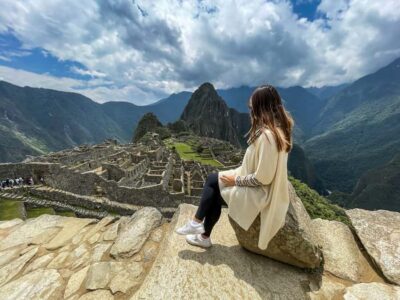
2-Day Tour: Sacred Valley and Machu Picchu by Train
Read our review →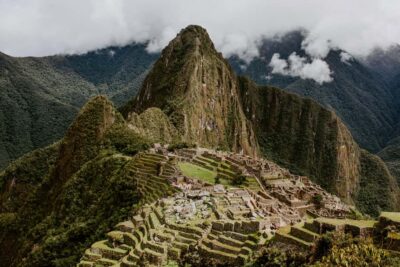
Machu Picchu: Full-Day Tour from Cusco with Optional Lunch
Read our review →Browse the lists this tour appears in