
Reviewed · MACHU PICCHU TOURS
Sacred Valley and Machu Picchu in 2 Days
Machu Picchu is only half the story. This two-day trip links Cusco with the Sacred Valley’s best-known Inca sites, then sends you by train to Aguas Calientes for an early visit to Machu Picchu. I like the compact route and the fact that the group is limited to 10 people. I also like the strong hands-on support from the team, with guides such as Andy, Paul, Sandro, Samuel, and Sam helping with directions, tickets, timing, and local explanations.
The main drawback is the pace. Day 1 begins with a pickup between 6:20 and 6:50 am and packs four major stops into one morning and afternoon. You also return to Cusco on Day 2, so this is a good choice for a short schedule, but not for anyone wanting long, quiet visits at every site. The $425 price is reasonable for the transport, train, hotel night, breakfast, lunch, and guided Machu Picchu visit, though dinner and some admission details need your attention.
In This Review
- Key points to know before booking
- Why this two-day route works
- Chinchero, where weaving and colonial Peru meet
- Moray’s circular terraces and an unusual Inca question
- Maras and the bright salt terraces
- Ollantaytambo, the day’s strongest archaeological stop
- Aguas Calientes gives you a useful pause
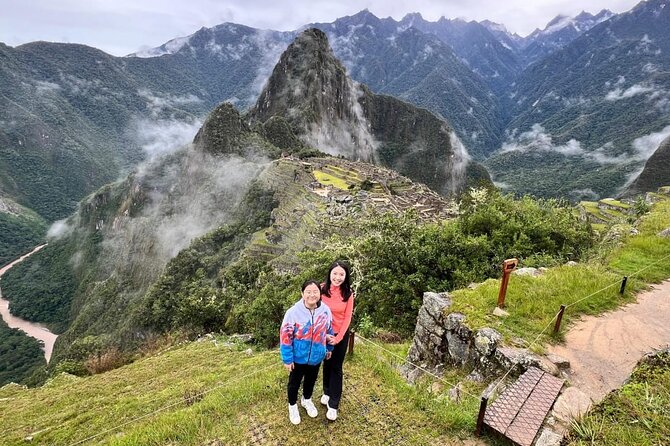
- Machu Picchu on Circuit 2, from 8:00 to 11:00 am
- The return to Cusco takes most of the afternoon
- Is $425 a fair price?
- Who should book this tour?
- Final call: a strong short route with a busy rhythm
- FAQ
- How long does the experience last?
- Where does the tour begin?
- Which places are visited in the Sacred Valley?
- Is accommodation in Aguas Calientes included?
- Is Machu Picchu entry included?
- What meals are included?
- How large is the group?
- What happens after Machu Picchu?
Key points to know before booking
- Four Sacred Valley stops in one day: Chinchero, Moray, Maras, and Ollantaytambo give you a broad look at Inca culture and Spanish colonial Peru.
- Aguas Calientes overnight: Staying near Machu Picchu lets you reach the citadel early instead of making a punishing same-day run from Cusco.
- Circuit 2 at Machu Picchu: The three-hour guided visit covers the main viewpoints and classic sites inside the citadel.
- Small group of up to 10 people: This should make it easier to hear the guide and ask questions than on a large coach tour.
- Strong trip support: Guides and coordinators have helped with station pickups, ticket questions, weather timing, and unexpected plan changes.
- A strict cancellation rule: The booking is non-refundable and cannot be changed, so you should be certain about your dates before paying.
Why this two-day route works
Cusco sits high in the Andes, and Machu Picchu lies far away by rail. Trying to see both in a single day can leave you staring at ruins through a fog of fatigue. This plan breaks the journey into two parts: a full day in the Sacred Valley, then an overnight in Aguas Calientes before Machu Picchu.
That overnight is the smart part of the schedule. You arrive in Aguas Calientes around 6:30 pm, check into your hotel, and have the evening to rest before breakfast at 6:00 am. The early start is still early, but it is far more manageable than leaving Cusco before dawn and attempting the entire return trip after visiting Machu Picchu.
The group limit of 10 also matters. The Sacred Valley stops can feel rushed in a small group, but a smaller party usually makes transfers and guide conversations easier. At Machu Picchu, it should help you stay close to the guide during the three-hour Circuit 2 visit.
You should know that this is not a relaxed two-day holiday. Day 1 starts early and includes several transfers. Day 2 ends with a minibus ride from Ollantaytambo to Cusco, with arrival around 6:30 pm. Think of it as a well-organized route through the region’s major sights, not a slow village-to-village trip.
More Machu Picchu Tours in Sacred Valley
- 2-Day Tour: Sacred Valley and Machu Picchu by Train
★ 5.0 · 1,127 reviews - Sacred Valley & Machu Picchu 2D1N
★ 5.0 · 617 reviews - 6 Days Exploring Cusco, Sacred Valley & Machu Picchu
★ 5.0 · 470 reviews
Chinchero, where weaving and colonial Peru meet
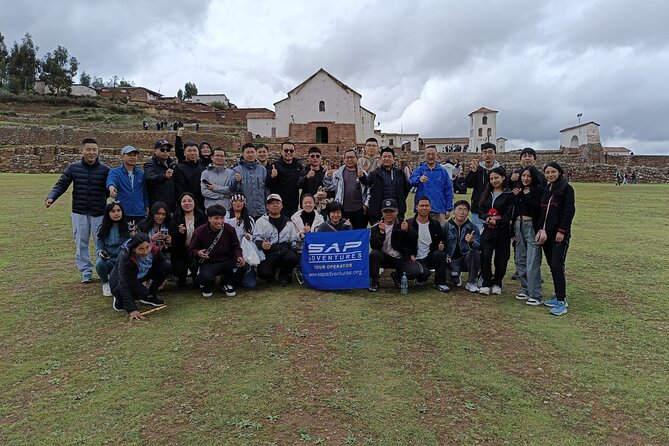
The first Sacred Valley stop is Chinchero, a town known for traditional weaving and its colonial church. It gives the day a human and cultural opening before the larger archaeological sites appear.
The appeal here is contrast. You can connect living textile traditions with the remains of the Inca world, then see how Spanish colonial buildings were placed over or beside older foundations. The stop is especially useful if you want more than a quick photograph of stone walls. Your guide can help explain how local culture continued through major political and religious changes.
The early pickup, scheduled between 6:20 and 6:50 am, is important here. You may still be finding your coffee when the vehicle arrives. Have your belongings ready and confirm your pickup details in advance, since the separate meeting-point information lists a start time of 12:00 am while the detailed schedule gives the morning pickup window. The practical reading is that you should follow the confirmed pickup instructions sent after booking.
Moray’s circular terraces and an unusual Inca question
Moray is one of the most distinctive stops on the route. Its circular agricultural terraces sink into the earth in a series of broad rings. The shape is memorable, but the real value comes from asking how the Incas used the site.
The tour describes Moray as a place connected with agricultural experimentation. The terraces show how carefully the Incas worked with altitude, temperature, and growing conditions. You do not need to be an archaeology specialist to appreciate the design. From above, the circles look almost modern in their geometry, yet their purpose was tied to food production and mountain farming.
This is also one of the stops where a guide adds real value. Without explanation, Moray can seem like a striking set of pits. With context, it becomes evidence of careful planning and practical science. Keep your expectations in check, though. The stop is one part of a busy day, so you may not have a long period for quiet observation.
Maras and the bright salt terraces
Near Maras, the trip reaches the famous salt mines. Saltwater flows through hundreds of small pools cut into the mountainside, where evaporation leaves salt behind. The sight is unusually bright and graphic, especially when the pools catch the sun.
This stop adds variety to the day. Chinchero shows textile culture, Moray shows farming design, and Maras shows an old system of mineral production. Together, the three visits make the Sacred Valley feel like a working region rather than a collection of abandoned ruins.
The salt mines are also a good reminder that practical local industries can be as interesting as monumental archaeology. You are not simply looking at a place built for rulers. You are seeing a method of producing a basic ingredient through water, sun, and careful control.
As with Moray, the visit is tied to the group schedule. You will want comfortable shoes and enough attention for uneven ground, but the supplied information does not specify walking distances or the exact access conditions. Ask the operator if you need a precise mobility assessment before booking.
Other ways to reach Machu Picchu:
- Classic Inca Trail Trek 4D/3N to Machu Picchu (Group Service)
★ 5.0 · 8,653 reviews - Machu Picchu: 4-Day Inca Trail Trek with Panoramic Train Ride
★ 5.0 · 4,568 reviews - Short Inca Trail to Machu Picchu 2D/1N
★ 5.0 · 3,007 reviews - 2-Day Inca Trail to Machu Picchu with Panoramic Train
★ 5.0 · 1,876 reviews
Ollantaytambo, the day’s strongest archaeological stop
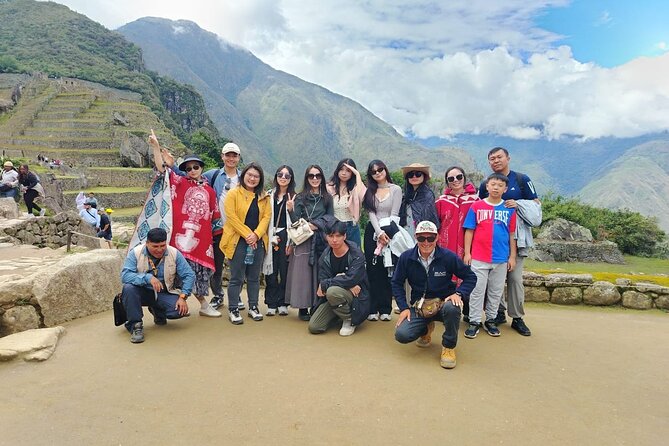
Ollantaytambo is the final major Sacred Valley visit before the train. It is known for its impressive archaeological site and Inca fortress, and it gives you the clearest sense of the valley’s military and ceremonial power.
The site has scale. Large stone terraces climb the slope, while the surrounding mountains make the construction feel even more ambitious. You can look at the walls as engineering, defense, and religious architecture all at once. The guide’s explanation helps connect the stonework with the wider Inca state.
Ollantaytambo also matters because it is the rail departure point. At about 4:30 pm, you board the train to Aguas Calientes. That means the stop is not only sightseeing. It is also the point where the day changes from road travel to rail travel.
The schedule leaves little room for a long independent wander. Keep an eye on your group and listen carefully for train instructions. Missing the departure would cause a serious problem, and this is not the moment to browse one more market stall.
Aguas Calientes gives you a useful pause
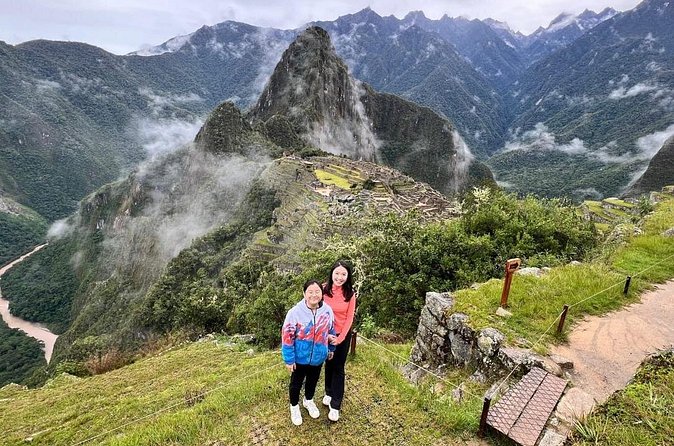
The train reaches Aguas Calientes at about 6:30 pm, followed by hotel check-in. This town is the practical base for Machu Picchu, and the overnight stay gives you a chance to reset after a full day.
Your package includes the hotel night and breakfast, though dinner is not included. Plan for that evening meal yourself. The supplied details do not name the hotel, so you should ask for the property and room information if that matters to your planning.
The support offered by SAP Adventures seems particularly useful at this stage. One solo visitor received help at the station, assistance with purchasing a Machu Picchu ticket, and suggestions for the next day. Samuel was specifically praised for meeting the arrival, explaining the plan, and helping the trip run smoothly.
That kind of support is valuable in Aguas Calientes, where train times, bus queues, and entrance schedules can make a simple plan feel complicated. You still need to pay attention, but you are not left to work out every connection alone.
Machu Picchu on Circuit 2, from 8:00 to 11:00 am
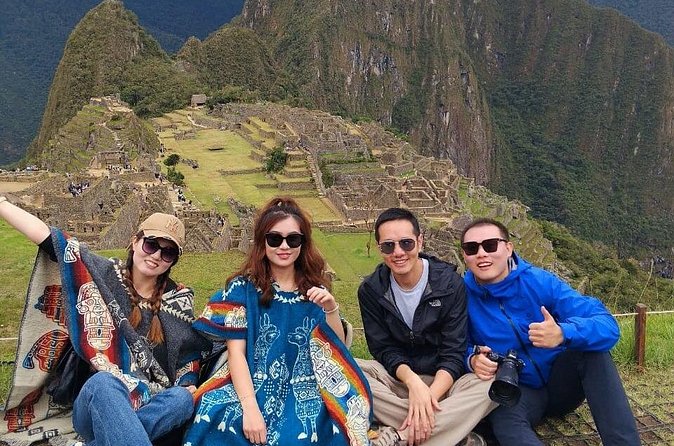
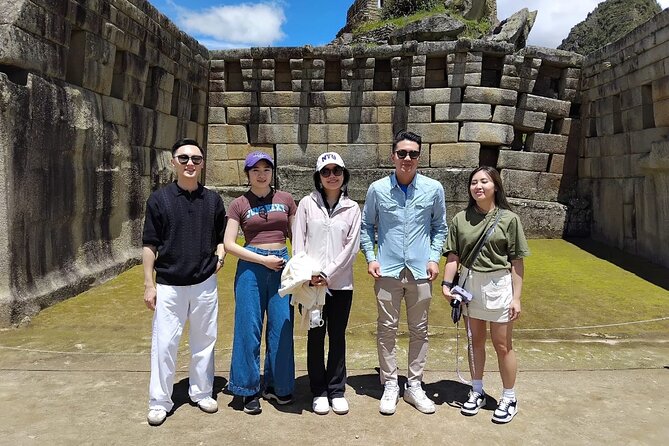
Day 2 starts with breakfast at 6:00 am. At 7:00 am, you take the bus from Aguas Calientes up to Machu Picchu. The guided visit runs from about 8:00 to 11:00 am and uses Circuit 2, the route described as covering the citadel’s most iconic sites.
Three hours is enough time for a proper introduction. You can expect the guide to organize the visit around the principal views and important structures rather than leaving you to wander without context. The main benefit is interpretation: the stonework, terraces, plazas, and buildings become parts of a larger Inca story instead of disconnected photo stops.
Several guides received especially strong praise for their care at Machu Picchu. Sam was noted for watching the weather and choosing a departure time that reduced waiting at the bus station. He also explained that fog might clear, shared stories while people waited, and helped locate good places for photographs. That is useful advice at a mountain site where conditions can change quickly.
The schedule also gives you a warning: do not treat 11:00 am as a vague suggestion. You return by bus at 12:30 pm, and the train leaves Aguas Calientes at 2:55 pm. Build in time to descend, collect your belongings, and reach the station. The return trip is part of the experience, but it is still a connection you need to catch.
The return to Cusco takes most of the afternoon
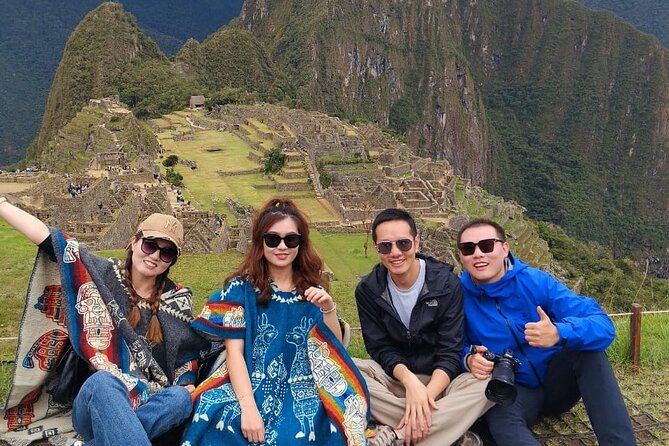
After the bus back to Aguas Calientes, you take the 2:55 pm train to Ollantaytambo. A tourist minibus then carries you to Cusco, with arrival and hotel transfer expected around 6:30 pm.
This arrangement is convenient because it handles the complicated sequence for you. You do not need to separately arrange the train, the Sacred Valley road transfer, and the final ride into Cusco. Several accounts also highlight timely transfers and quick responses when plans changed.
The tradeoff is a long final day. Once Machu Picchu ends, you still have the bus, train, and minibus. If you have a late flight that night, do not assume the 6:30 pm arrival leaves a comfortable margin. The schedule says arrival in Cusco, not a guaranteed airport arrival time, and traffic or transfer delays can affect your plans.
Is $425 a fair price?
At $425 per person, the cost is not low, but the package covers many expensive moving parts. It includes breakfast, lunch, the train ticket to Aguas Calientes, tourist minibus transportation, the hotel night, and a guided Machu Picchu visit.
The value comes from coordination. Buying each part separately can be tiring, especially when you must match a train from Ollantaytambo with a hotel check-in, a morning bus, a Machu Picchu entry time, and the return route to Cusco. A small group and active assistance add practical value for a first visit.
Still, check exactly what your price covers before you commit. Dinner is excluded, and the Day 2 details label admission as free even though the visit is scheduled on Circuit 2. The broader package information refers to admission being included for the experience, but the wording is not perfectly clear. Ask for confirmation of your Machu Picchu entry ticket, hotel name, and any costs not listed.
The price is easiest to justify if you value support and have limited time. If you are an experienced independent planner, you may prefer to compare the cost of arranging the same route yourself. The tour becomes more attractive for solo visitors or anyone who does not want to manage Peru’s rail and mountain connections alone.
Who should book this tour?
I would choose this trip if you want the major Sacred Valley stops and Machu Picchu in a short, organized package. It suits people who value clear instructions, included transport, and a guide who can adjust to weather, queues, and practical problems.
It is also a good fit for solo visitors. The assistance described by the company includes station coordination, ticket help, and quick replies when plans changed because of illness. That sort of backup can make a big difference when you are on your own.
Friends and small groups can also benefit. The plan has been adjusted for people with onward flight needs, and the maximum group size of 10 keeps the experience more personal than a large bus excursion.
I would hesitate if you dislike early starts, strict train times, or full sightseeing days. I would also avoid booking until your dates are firm. The cancellation policy is strict: the experience is non-refundable and cannot be changed for any reason.
Final call: a strong short route with a busy rhythm
I recommend this tour for a first visit to the Cusco region when your schedule is tight. Its best features are the smart overnight in Aguas Calientes, the small group, the four varied Sacred Valley stops, and the active support provided by guides including Andy, Paul, Sandro, Samuel, and Sam.
The key question is not whether the route includes enough. It certainly does. The question is whether you want this much in two days. If you do, $425 buys convenience and useful guidance. If you want long pauses, independent exploration, or a gentler pace, arrange a longer stay instead.
FAQ
How long does the experience last?
The tour lasts approximately two days. Day 1 runs for about eight hours before the evening train and hotel check-in, while Day 2 runs for about six hours before the return to Cusco.
Where does the tour begin?
Pickup is from your hotel in Cusco, scheduled between 6:20 and 6:50 am on Day 1. The meeting-point information also lists a start time of 12:00 am, so confirm the exact pickup instructions after booking.
Which places are visited in the Sacred Valley?
The route visits Chinchero, Moray, Maras, and Ollantaytambo. These stops cover traditional weaving and a colonial church, circular agricultural terraces, salt mines, and an Inca fortress and archaeological site.
Is accommodation in Aguas Calientes included?
Yes. The schedule includes hotel check-in in Aguas Calientes at about 6:30 pm on Day 1. The hotel name is not provided in the tour details.
Is Machu Picchu entry included?
The experience includes a guided visit to Machu Picchu on Circuit 2, but the Day 2 details label admission as free while other package information says admission is included. Confirm the exact ticket arrangement before booking.
What meals are included?
Breakfast and lunch are included. Dinner is not included, so you need to arrange and pay for your evening meal in Aguas Calientes.
How large is the group?
The group can include a maximum of 10 people. This is a relatively small group for a guided route through the Sacred Valley and Machu Picchu.
What happens after Machu Picchu?
You take a bus back to Aguas Calientes at about 12:30 pm, then a 2:55 pm train to Ollantaytambo. A tourist minibus continues to Cusco, with arrival and hotel transfer expected around 6:30 pm.
More Sacred Valley Days Out
- From Cusco: Moray, Maras Salt Mines & Chinchero Weavers Tour
★ 4.8 · 1,925 reviews - Cusco: Sacred Valley, Pisac, Ollantaytambo, Salt Mines Moray
★ 4.6 · 1,058 reviews - Cusco:Chinchero,Moray & Salt Mines drop-off in Ollantaytambo
★ 4.8 · 793 reviews - Sacred Valley and Maras Moray Tour with Full Day Buffet Lunch
★ 5.0 · 670 reviews
Added recently around Cusco
- Super valley or vip valley★ 5.0 · 13 reviews
- the Incas’ Sacred Valley★ 5.0 · 27 reviews
- Sacred Valley of the Incas Day Trip from Cusco★ 5.0 · 6 reviews
- Small-Group Tour: Rainbow Mountains Hiking from Cusco★ 4.0 · 5 reviews
- Excursion to the Sacred Valley of the Incas from Cusco★ 5.0 · 8 reviews
- Maras + Moray & Textile Experience★ 5.0 · 14 reviews
- Tour EN Cuatrimoto POR la Montaña 7 Colors Hike 5 Minutes★ 4.5 · 32 reviews
- rainbow mountain★ 4.0 · 4 reviews
Machu Picchu Tours, compared.
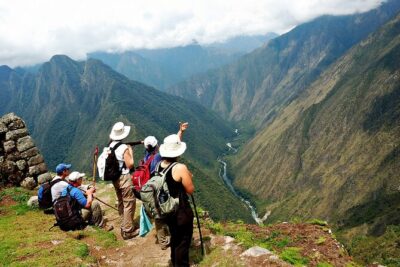
Classic Inca Trail Trek 4D/3N to Machu Picchu (Group Service)
Read our review →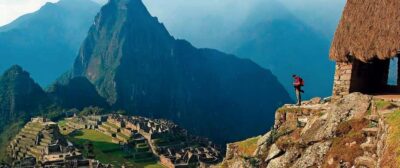
Machu Picchu: 4-Day Inca Trail Trek with Panoramic Train Ride
Read our review →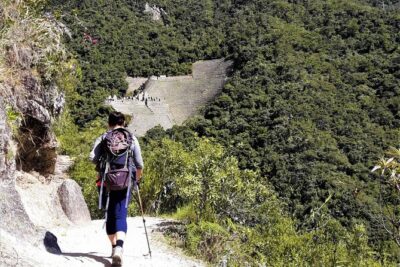
2-Day Inca Trail to Machu Picchu with Panoramic Train
Read our review →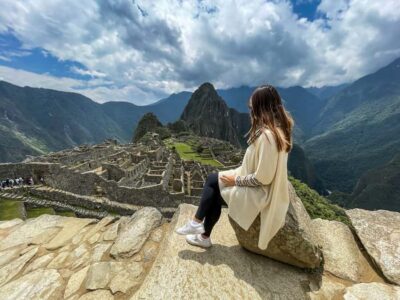

2-Day Tour: Sacred Valley and Machu Picchu by Train
Read our review →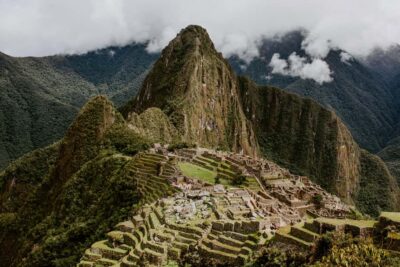
Machu Picchu: Full-Day Tour from Cusco with Optional Lunch
Read our review →Browse the lists this tour appears in