Reviewed · SACRED VALLEY TOURS
Sacred Valley: Chinchero, Moray, Maras, Ollantaytambo and Pisaq
Sacred Valley, packed into one day. This $30 tour from Cusco links six major stops, from Chinchero textiles and Maras salt wells to the Inca sites of Ollantaytambo and Pisac. I like the efficient route and the included buffet lunch, which saves you the trouble of arranging transport and food across a wide valley.
I also like the small maximum group of 18 and the guide’s focus on stories and explanations at each place. The main drawback is the long day: 11 to 12 hours, with several short visits and extra entrance fees that add PEN 90 per person.
In This Review
- Key points at a glance
- Why this Sacred Valley route works
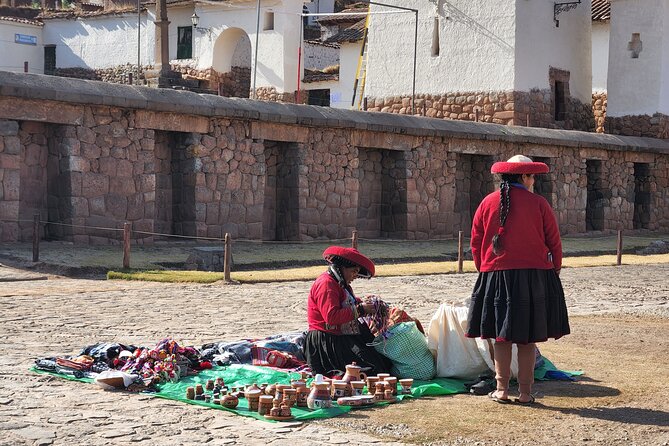
- Chinchero begins the day with textiles and stonework
- Maras shows an unusual working salt site
- Moray explains the Inca agricultural experiment
- Urubamba provides a welcome lunch break
- Ollantaytambo feels like a living Inca town
- Pisac closes the day with a market and ruins
- What the $30 price really covers
- The early start and 18-person limit
- Who should book this day trip?
- Should you book this Sacred Valley tour?
- FAQ
- How long does the tour last?
- Where does the tour start?
- Where does the tour end?
- Is hotel pickup included?
- What entrance fees are extra?
- Is lunch included?
- Is the tour offered in English?
- How large is the group?
- Can I cancel for a refund?
Key points at a glance
- Six Sacred Valley stops in one day: Chinchero, Maras, Moray, Urubamba, Ollantaytambo, and Pisac are covered from a Cusco departure.
- A strong value at $30: Air-conditioned transport, a buffet lunch, and an English and Spanish-speaking guide are included.
- Bring extra money for tickets: Maras costs PEN 20, and the Tourist Ticket costs PEN 70 per person.
- The day starts early: Pickup begins around 6:30 a.m. from central Cusco hotels or a meeting point.
- The tour is story-led: The strongest praise centers on clear explanations, local stories, and the interest of each place.
- Expect a fast pace: Most sightseeing stops last 30 to 45 minutes, so this suits you if you want broad coverage rather than long visits.
Why this Sacred Valley route works
The Sacred Valley is not one single attraction. It is a string of towns, terraces, markets, salt ponds, and archaeological sites spread across a broad area. Seeing the main places independently can require several taxi rides, careful timing, and decisions about where to eat.
This tour solves that problem in a practical way. You leave Cusco at about 6:30 a.m., ride in an air-conditioned vehicle, and return near Plaza Regocijo in the city center after a full day. The route covers different kinds of sights rather than repeating the same type of stop.
You get textile work at Chinchero, salt production at Maras, agricultural terraces at Moray, a meal in Urubamba, monumental Inca stonework at Ollantaytambo, and a market plus archaeological site at Pisac. That range is the main reason I see value here.
The trade-off is time. A 30-minute stop gives you a useful introduction, but not a slow visit. You should book this experience if you want to understand how the valley fits together in one day. If you prefer sitting quietly at one ruin or spending hours in a market, this schedule may feel tight.
More Sacred Valley days out:
- From Cusco: Moray, Maras Salt Mines & Chinchero Weavers Tour
★ 4.8 · 1,925 reviews - 2-Day Tour: Sacred Valley and Machu Picchu by Train
★ 5.0 · 1,127 reviews - Cusco: Sacred Valley, Pisac, Ollantaytambo, Salt Mines Moray
★ 4.6 · 1,058 reviews
Chinchero begins the day with textiles and stonework
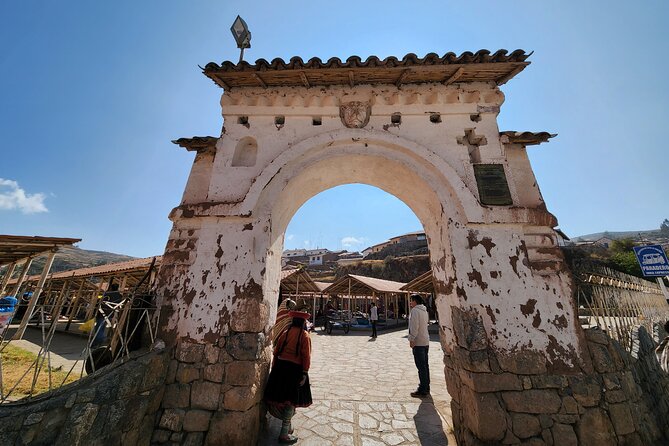
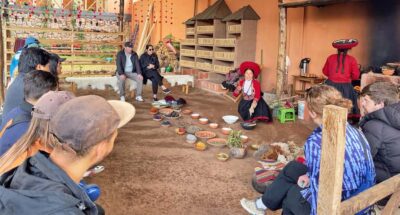
After roughly 40 minutes on the road, the first stop is Chinchero. The visit begins at an Andean textile manufacturing center, followed by the archaeological complex.
The textile center gives the day a human element before the larger ruins begin. You can see how local textile production fits into the culture of the highland communities, while the guide provides context about what you are seeing. This is also a useful place to ask questions early, when you still have plenty of time with the guide.
The archaeological complex then shifts your attention to stonework and the remains of an important Andean site. The planned visit lasts about 45 minutes, and admission is not included in the tour price. Keep the extra ticket cost in mind before you set out.
Chinchero is a good opening stop because it combines a working cultural setting with archaeology. It is not just another photo break. Still, 45 minutes moves quickly, especially if the textile center takes part of the visit. Stay close to the guide and listen for the stories, since the explanations are one of the best parts of this experience.
Maras shows an unusual working salt site
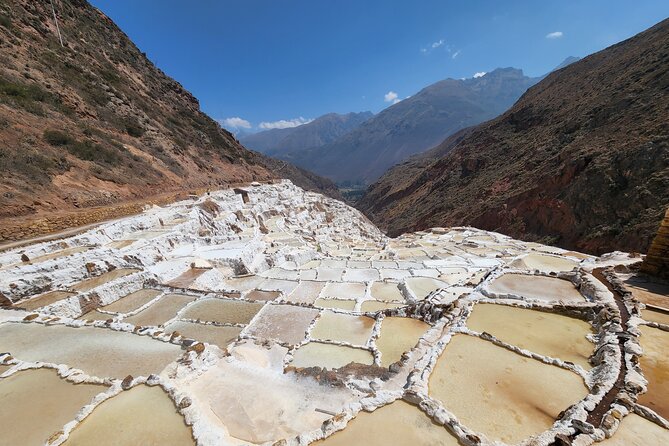
From Chinchero, the vehicle takes about 30 minutes to reach the Salineras de Maras. The visit lasts around half an hour, and the admission charge is PEN 20 per person.
Maras is different from the other stops because you are looking at salt extraction wells rather than a conventional ruin. The site consists of many salt pools used for collecting salt, creating a striking pattern across the mountainside. The tour gives you a brief chance to see how the wells operate and how local production remains part of the area’s identity.
The short visit has both advantages and limits. You can understand the basic layout without spending a large part of the day here, but you will not have much spare time if you want to pause at every viewpoint or examine the salt pools closely.
I recommend keeping your camera ready and your walking pace steady. The schedule allows roughly 30 minutes, so this is a place for a focused visit. Also remember that Maras has its own fee, separate from the Tourist Ticket required for other archaeological sites.
Moray explains the Inca agricultural experiment
After approximately 20 minutes of driving, you reach Moray. The stop lasts around 30 minutes, and admission is not included in the basic tour price.
Moray is presented as an experimental site of Inca agriculture. Its unusual circular terraces make it one of the most distinctive places on the route. Rather than simply looking at walls or foundations, you are viewing a carefully shaped agricultural setting that raises questions about how crops were studied and grown in the Andes.
This is a good point in the day for the guide’s explanations to do real work. From a quick visit, Moray can look like a series of large circles cut into the earth. With context, the site becomes easier to understand as an organized place connected to farming.
Thirty minutes is enough for an introduction and photographs, but not for an unhurried exploration. The tour’s value here depends heavily on the guide. The included guide speaks English and Spanish, and the strongest praise for the experience focuses on clear explanations and stories at each site. That matters at Moray, where a thoughtful explanation adds much more than a quick look.
A few more Cusco trips worth lining up side by side
- Classic Inca Trail Trek 4D/3N to Machu Picchu (Group Service)
★ 5.0 · 8,653 reviews - Cusco: Rainbow Mountain and Red Valley Day Trip with Meals
★ 4.9 · 4,893 reviews - Machu Picchu: 4-Day Inca Trail Trek with Panoramic Train Ride
★ 5.0 · 4,568 reviews - Salkantay Classic Trek 5 Days from Cusco
★ 5.0 · 4,062 reviews
Urubamba provides a welcome lunch break
After Moray, the group continues to Urubamba for a buffet lunch lasting about one hour. Lunch is included, and the meal is buffet style.
This break is important because the first half of the day involves an early start, road time, and several visits. A buffet lets you choose your meal and keeps the group moving without requiring a separate restaurant decision. It also gives you time to sit down before the afternoon stops.
Cold drinks are not included. Bottled water and soft drinks cost extra, so bring cash or plan to purchase them along the way. Since the tour includes no promise of drinks with lunch, carrying water from the morning is sensible.
The lunch stop is practical rather than a major attraction. That is fine. On a schedule this full, you need a reliable meal break. Just remember that the one-hour pause is part of the tour’s overall timing, not extra sightseeing time.
Ollantaytambo feels like a living Inca town
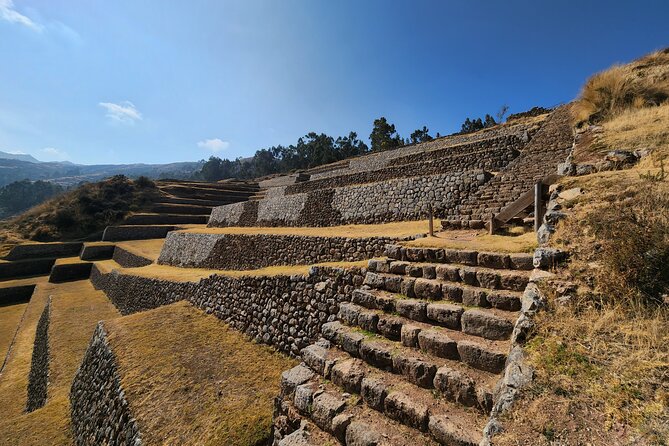
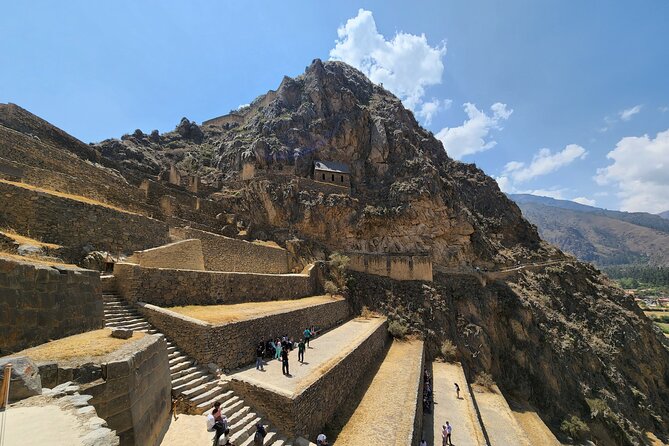
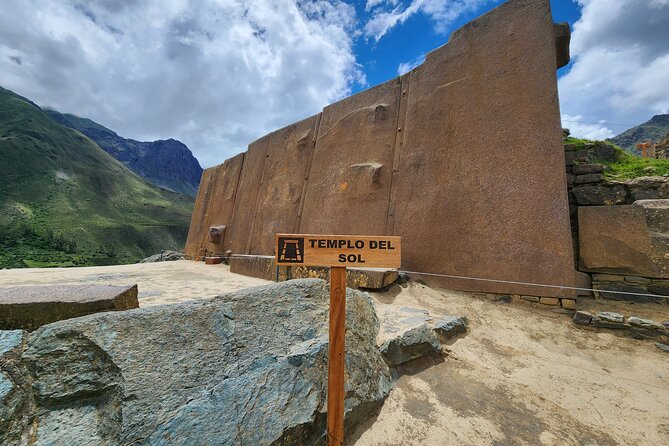
After lunch, the group heads to Ollantaytambo. The planned visit lasts about 45 minutes, and the stop is described as a visit to the main sites of what is now considered the living Inca city.
Ollantaytambo gives the itinerary a strong change of mood. After the salt wells and agricultural terraces, you are back among major stone structures and an inhabited town. The phrase living Inca city points to the way the old urban setting remains part of present-day life rather than existing only as an isolated archaeological park.
The 45-minute visit is enough to see the main areas with a guide, but it is not a leisurely town walk. If you like to stop often for photographs, you will need to manage your time carefully. Listen first, then take pictures during the pauses.
This stop is especially useful if you are trying to compare different kinds of Inca planning. Moray shows agricultural design, while Ollantaytambo brings you closer to monumental construction and an active town setting. The guide’s stories help connect those separate experiences.
Pisac closes the day with a market and ruins
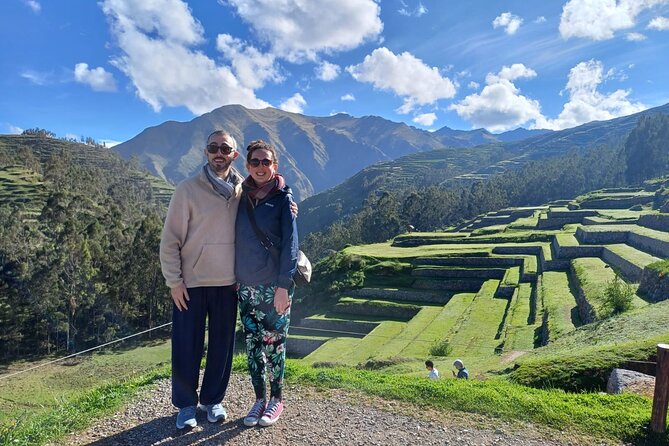
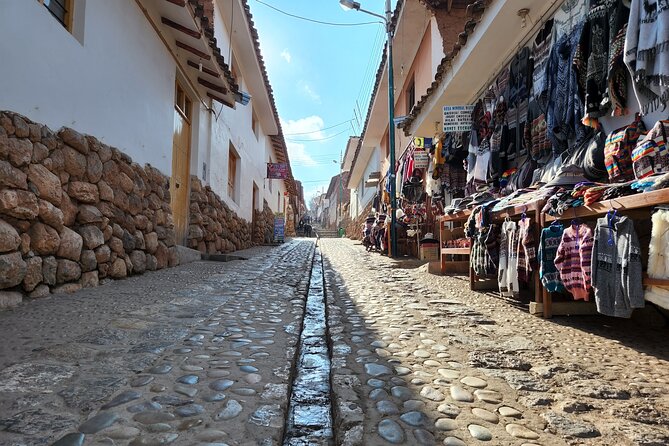
The final major stop is Pisac. The tour visits the traditional market and then the archaeological site, with approximately 45 minutes allocated to the visit before the return to Cusco.
The market adds a commercial and local dimension to the day. You can look at traditional goods and get a sense of how Pisac functions beyond its ruins. As with Chinchero, the market is best treated as a cultural stop rather than only a place to shop.
The archaeological site then brings the tour back to Inca remains. Having already visited Chinchero, Moray, and Ollantaytambo, you can compare the different settings and forms of construction. The guide’s explanations matter here too, since a short stop can otherwise become a quick walk and a few photographs.
The drawback is fatigue. By the time you reach Pisac, you may have been on the road for most of the day. The market and ruins are a worthwhile final pairing, but you should not expect the same energy you had at the first stop. Comfortable shoes, water, and a willingness to keep moving will help.
After Pisac, the vehicle returns to Cusco and leaves you one block from the main square, near Plaza Regocijo.
What the $30 price really covers
At $30 per person, this is an inexpensive way to cover a large part of the Sacred Valley. The price includes an air-conditioned vehicle, buffet lunch, a professional guide in English and Spanish, and a first aid kit for emergencies.
The transport is the biggest saving. Arranging separate rides to Chinchero, Maras, Moray, Urubamba, Ollantaytambo, and Pisac would be more complicated than the low tour price suggests. You are paying for a coordinated route and a full day of road connections.
The required fees change the final cost. Maras costs PEN 20 per person, while the Tourist Ticket costs PEN 70 per person. That adds PEN 90 to the advertised price. The lunch also excludes bottled water and soft drinks.
Even with those additions, the tour offers solid value if you want to visit all six areas in one day. The price is less appealing if you plan to skip several stops or want long, independent visits at each location.
The early start and 18-person limit
Pickup begins at about 6:30 a.m. from hotels in Cusco’s historic center when the vehicle can reach them. If your accommodation is outside the accessible pickup area, you will receive a meeting point with the guide. The stated start and end point is Plaza Regocijo, and the return drop-off is one block from Cusco’s main square.
That arrangement is convenient for a central stay, but you should confirm the pickup instructions before the morning of the tour. A 6:30 a.m. departure is not optional in practical terms, since the route covers a lot of ground.
The maximum group size is 18 people. That is not a private tour, but it is more manageable than a large coach group. You have a better chance of hearing the guide and staying together at the short stops.
The guide speaks English and Spanish. The clearest praise for the experience is directed at the explanations and stories at each location. Since several sites can look confusing without context, this is a meaningful part of the tour rather than a minor extra.
Who should book this day trip?
I would choose this tour if you have limited time in Cusco and want a broad introduction to the Sacred Valley. It suits you especially well if you prefer organized transport, want lunch handled for you, and value a guide who explains the places rather than simply pointing them out.
It also works for people who want to compare several types of Andean sites in one day. Chinchero offers textiles and archaeology, Maras shows salt extraction, Moray focuses on agriculture, Ollantaytambo presents a living Inca town, and Pisac combines a market with ruins.
I would hesitate if you dislike early starts, long vehicle days, or fixed schedules. The 11 to 12-hour duration is substantial, and most sightseeing periods last only 30 to 45 minutes. You may feel rushed if your ideal visit includes long meals, extended shopping, or quiet time at each site.
The tour requires good weather. If poor weather forces cancellation, you are offered another date or a full refund. You can also cancel for a full refund up to 24 hours before the start time. Changes or cancellations inside that window are not accepted.
Should you book this Sacred Valley tour?
Book it if you want maximum coverage for a low base price and can accept a fast, early, full-day schedule. The combination of six major stops, lunch, air-conditioned transport, and an English-speaking guide is hard to beat at $30, even after adding PEN 90 in entrance fees.
Skip it if you want a slow archaeological visit or plan to spend serious time in the Pisac market. For everyone else, this is a sensible first look at the Sacred Valley, with the guide’s explanations and local stories adding real value to a packed route.
FAQ
How long does the tour last?
The experience lasts approximately 11 to 12 hours, beginning around 6:30 a.m. and returning to central Cusco later in the day.
Where does the tour start?
The listed start point is Plaza Regocijo in Cusco. Pickup is offered from hotels in the historic center when the tour vehicle has access.
Where does the tour end?
The transport leaves you one block from Cusco’s main square, near Plaza Regocijo.
Is hotel pickup included?
Pickup is available from hotels within Cusco’s historic center where the vehicle can reach them. In other cases, the guide provides a meeting point.
What entrance fees are extra?
Maras costs PEN 20 per person. The Tourist Ticket costs PEN 70 per person. These fees are not included in the tour price.
Is lunch included?
Yes. Lunch is a buffet meal in Urubamba. Bottled water, soft drinks, and other cold drinks are not included.
Is the tour offered in English?
Yes. The professional guide provides service in English and Spanish.
How large is the group?
The tour has a maximum of 18 participants.
Can I cancel for a refund?
You can cancel at least 24 hours before the start time for a full refund. Cancellations or changes made less than 24 hours before the start time are not accepted, and poor-weather cancellations offer a different date or a full refund.
Added recently around Cusco
- Super valley or vip valley★ 5.0 · 13 reviews
- the Incas’ Sacred Valley★ 5.0 · 27 reviews
- Sacred Valley of the Incas Day Trip from Cusco★ 5.0 · 6 reviews
- Small-Group Tour: Rainbow Mountains Hiking from Cusco★ 4.0 · 5 reviews
- Excursion to the Sacred Valley of the Incas from Cusco★ 5.0 · 8 reviews
- Maras + Moray & Textile Experience★ 5.0 · 14 reviews
- Tour EN Cuatrimoto POR la Montaña 7 Colors Hike 5 Minutes★ 4.5 · 32 reviews
- rainbow mountain★ 4.0 · 4 reviews
Sacred Valley Tours, compared.
Sacred Valley & Maras Salt Mines Tour with Lunch
Read our review →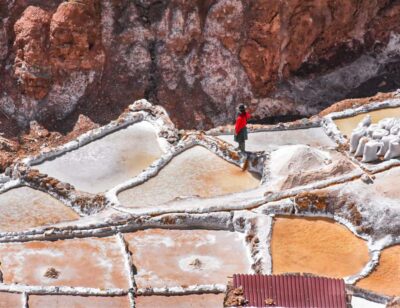
Moray, Maras Salt Mines & Chinchero Weavers Tour
Read our review →
2-Day Tour: Sacred Valley and Machu Picchu by Train
Read our review →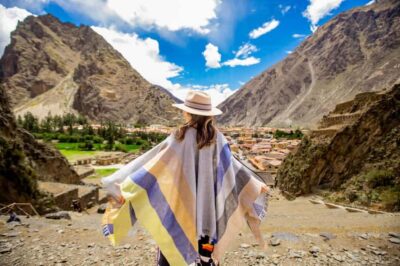
Sacred Valley, Pisac, Ollantaytambo, Salt Mines Moray
Read our review →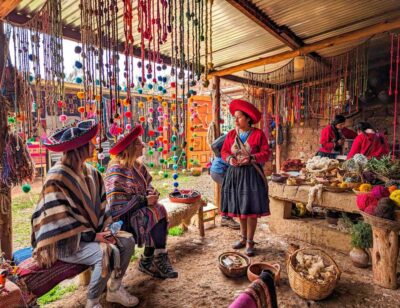
Chinchero,Moray & Salt Mines drop-off in Ollantaytambo
Read our review →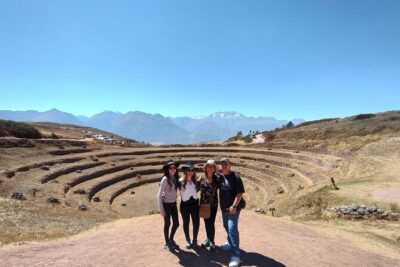
Sacred Valley and Maras Moray Tour with Full Day Buffet Lunch
Read our review →