Reviewed · SACRED VALLEY TOURS
Sacred Valley Group Tour from Cusco
The Sacred Valley packs a lot into one day. This $35 group tour from Cusco links Pisac, Ollantaytambo, Urubamba, and Chinchero with a guide, transport, and buffet lunch included. I especially like the chance to see several major Inca sites without arranging separate taxis, and the textile demonstration at Chinchero adds a useful look at living Andean craft.
I also like that the group is limited to 18 people, at least in principle, and that the guides receive strong praise for clear explanations and friendly service. The main drawback is the long day, with roughly 9 to 10 hours on the road, rough stretches of driving, short visits at some sites, and possible stops at craft shops that can feel more sales-focused than cultural.
The tour usually begins between 7:30 and 8:00 in the morning and can finish around 8:00 in the evening. You will need to pay an additional PEN 70 for the Cusco Tourist Ticket, so the real cost is higher than the advertised fare. Still, for a first look at the Sacred Valley, this is a useful and affordable introduction.
In This Review
- Key points to know before booking
- Why this Sacred Valley day trip can be good value
- The early Cusco pickup and the long road west
- Pisac: impressive ruins with limited time
- Urubamba buffet lunch and a welcome pause
- Ollantaytambo: the strongest archaeological stop
- Chinchero: Inca ruins, church art, and textile craft
- Guides make the biggest difference
- What to pack for this particular route
- Who should book this tour?
- Cancellation and booking details
- FAQ
- How long does the Sacred Valley group tour last?
- Is lunch included?
- Is the Cusco Tourist Ticket included?
- How many people can join the tour?
- What places does the tour visit?
- What should I bring?
- Should you book the Sacred Valley group tour?
Key points to know before booking
- Pisac comes first, with a short guided visit to its high Inca ruins and broad valley views.
- Urubamba lunch is included, usually a varied buffet with local dishes, desserts, coffee, and tea. Drinks cost extra.
- Ollantaytambo gets about 40 minutes, enough for the main areas but not a leisurely exploration.
- Chinchero combines ruins, a colonial church, and textile demonstrations, though craft sales can take up much of the stop.
- The PEN 70 Tourist Ticket is extra, and you should carry cash in soles for admission and purchases.
- Guide quality is a major strength, with positive comments about Fredy, Ronald, Mihail, Julio, Rosa, Rafael, and Jenkinson.
Why this Sacred Valley day trip can be good value
At $35 per person, the tour is priced for convenience rather than privacy. You get a professional guide, a dedicated tourist vehicle with driver, and buffet lunch. That saves you the trouble of negotiating separate transport between sites, a real advantage in the Sacred Valley, where distances are long and public transport does not line up neatly with a sightseeing schedule.
The extra PEN 70 Tourist Ticket matters. It is not a small add-on when you are watching your budget, and the tour price does not cover it. Bring the exact amount or enough soles in cash, since the ticket is listed as a separate expense.
You may also spend money at textile and silver workshops. These stops can be interesting, especially if you want to understand how wool is dyed, spun, and woven or how local silver jewelry is made. But you should know in advance that the demonstrations may lead directly into sales presentations.
The best value comes if you want a broad first introduction rather than a slow, detailed visit. In one day, you see three important cultural areas, eat a substantial lunch, and get a guide’s explanation of Inca sites and local traditions. The trade-off is time. This is a sampler, not a relaxed archaeological study.
More Sacred Valley days out:
- From Cusco: Moray, Maras Salt Mines & Chinchero Weavers Tour
★ 4.8 · 1,925 reviews - 2-Day Tour: Sacred Valley and Machu Picchu by Train
★ 5.0 · 1,127 reviews - Cusco: Sacred Valley, Pisac, Ollantaytambo, Salt Mines Moray
★ 4.6 · 1,058 reviews
The early Cusco pickup and the long road west
The day begins with hotel pickup in Cusco between about 7:30 and 8:00. One practical annoyance is that the van may spend up to 30 minutes collecting other passengers around central Cusco. A central meeting point might be faster, but hotel pickup is easier if you have luggage or are still finding your way around town.
The vehicle is generally marked for Kantu Peru Tours, and pickup has been reported as punctual once the time is confirmed. Pre-trip communication can be uneven, so I would contact the operator in advance through the provided WhatsApp details and make sure you know the exact pickup time.
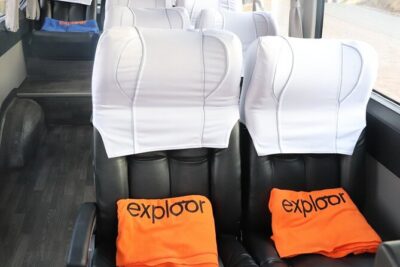
The driving is part of the experience, but it is not always gentle. Some roads are rough, and one account described a driver who passed vehicles quickly and took blind curves aggressively. Other drivers were praised for careful driving, so the standard may vary. If you are prone to motion sickness, bring your usual medication, snacks, and water. A small daypack is much easier than a large suitcase in a full van.
The group limit is 18 people. That is smaller than the big coaches used by some valley operators, but it is still a group tour. Expect a shared pace, shared stops, and little control over how long you stay at each site.
Pisac: impressive ruins with limited time
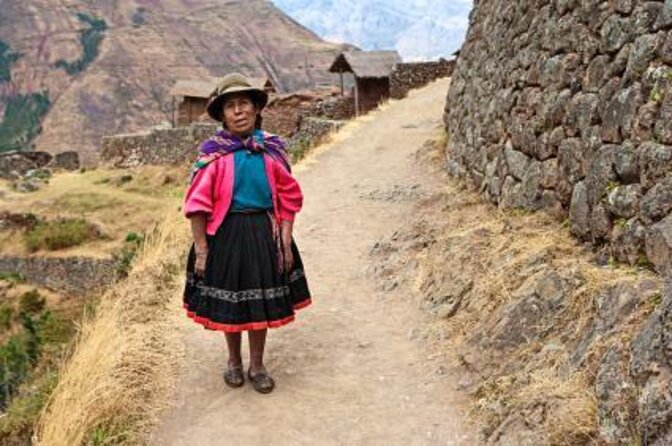
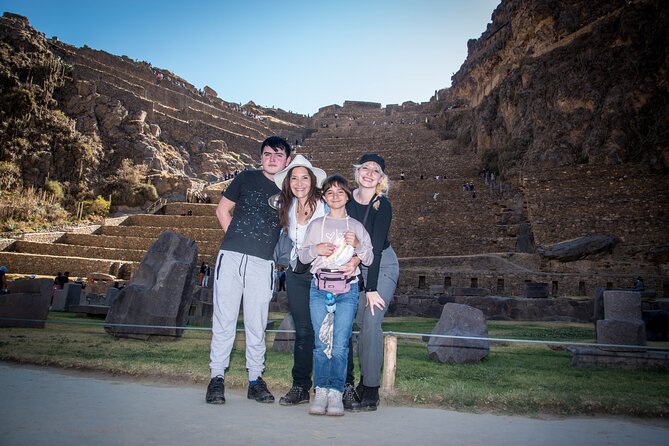
Pisac is the first major stop, reached after leaving Cusco. The ruins sit high above the town, and the position gives you a strong sense of why the site mattered. You can look across the valley from terraces and stone structures while your guide explains the Inca settlement and its setting.
The planned guided visit is about 30 minutes. That is enough to hear the main story and see the key areas, but it is not enough to explore every path or linger over the views. Wear shoes with a good grip, since archaeological sites in the Andes often involve uneven ground and steps.
The route may also include a silver workshop or local craft stop before or around the Pisac visit. These demonstrations can show how jewelry is made and how stones are used. If you enjoy buying local goods, this creates an opportunity. If you prefer ruins over shopping, keep your expectations clear and do not feel obliged to purchase anything.
Pisac is one of the places where a private tour would give you more freedom. On the group version, you follow the guide and return to the van on schedule. That limitation is reasonable for the price, but it is worth knowing before you book.
Urubamba buffet lunch and a welcome pause
After Pisac, the van continues toward Urubamba, usually about an hour away. Lunch is included, and this is one of the tour’s most praised features. The meal is generally buffet style, with a broad selection of Peruvian dishes, side dishes, desserts, coffee, and tea. Drinks are extra.
The lunch stop gives you a proper break from the van and a chance to try local flavors without searching for a restaurant during a tightly timed day. One group was taken to the Alhambra restaurant, while smaller groups used other nearby restaurants. The exact venue may vary, so do not treat a specific restaurant name as guaranteed.
A buffet also works well for a mixed group. You can choose familiar food, try something new, and control how much you eat before more driving. I would avoid overloading your plate if you are adjusting to Cusco’s altitude and the winding roads.
Urubamba sits at a lower elevation than Cusco, but you should still take the day slowly. Drink water, keep sunscreen handy, and remember that appetite and energy can behave differently at altitude.
A few more Cusco trips worth lining up side by side
- Classic Inca Trail Trek 4D/3N to Machu Picchu (Group Service)
★ 5.0 · 8,653 reviews - Cusco: Rainbow Mountain and Red Valley Day Trip with Meals
★ 4.9 · 4,893 reviews - Machu Picchu: 4-Day Inca Trail Trek with Panoramic Train Ride
★ 5.0 · 4,568 reviews - Salkantay Classic Trek 5 Days from Cusco
★ 5.0 · 4,062 reviews
Ollantaytambo: the strongest archaeological stop
After lunch, the route continues to Ollantaytambo. The drive takes about an hour, and the archaeological park is located above a traditional town of the same name. For many people, this is the highlight of the day.
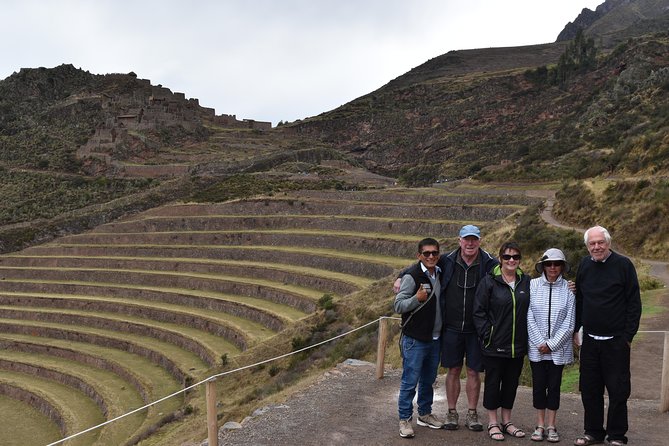
The site is known for its large stone terraces, steep stairways, and carefully fitted Inca masonry. Your guide focuses on the most important areas during a visit of roughly 40 minutes. That is enough to understand the site’s scale and purpose, but you will not have much time for independent wandering.
Ollantaytambo also matters because it remains a living town rather than an isolated ruin. The relationship between the old Inca settlement and the modern streets below helps you see how Andean communities developed around these sites. If you are continuing by train toward Machu Picchu, Ollantaytambo may also be a useful place to finish the tour rather than return to Cusco.
One important detail comes from the actual operation of the tour: the drop-off may be possible in Ollantaytambo, but you should confirm it when booking. At least one person stayed there and carried luggage on the vehicle, missing Chinchero as a result. This can be convenient if your route continues onward, but it means you may not see every listed stop.
The 40-minute visit can feel rushed, especially if the site is crowded. Guides such as Ronald, Julio, and Rosa were praised for clear explanations and for trying to time visits around the busiest periods. Even with good timing, Ollantaytambo attracts many vans, and you may encounter the same groups throughout the day.
Chinchero: Inca ruins, church art, and textile craft
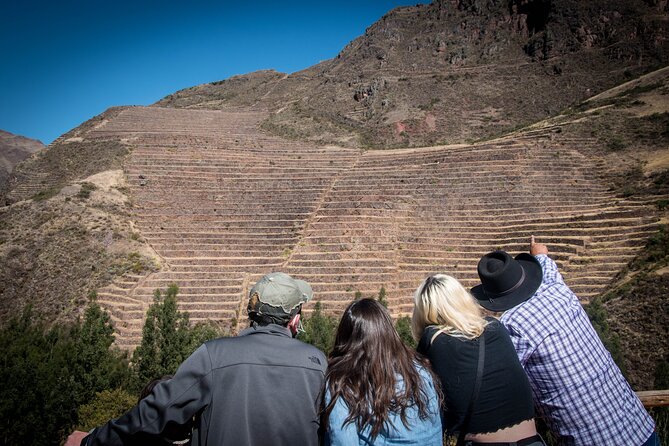
The final listed stop is Chinchero, about an hour from Ollantaytambo. This high town is known for traditional weaving families and for keeping older textile methods in use. The stop usually combines an archaeological area, a colonial church with distinctive artwork, and a demonstration at a weaving center such as Kantu.
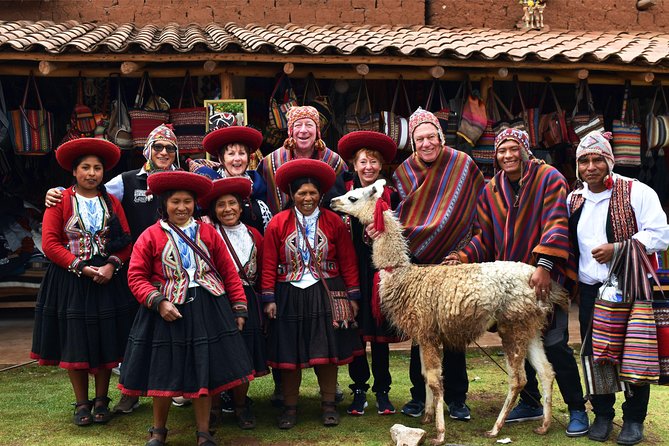
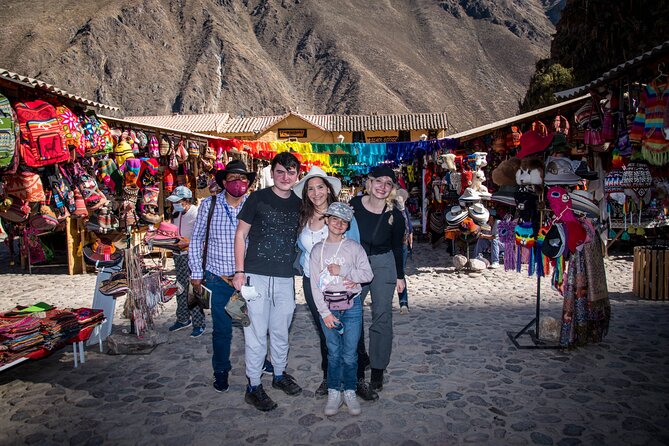
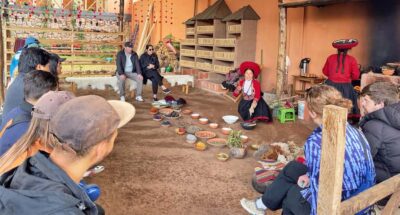
The textile presentation is one of the more useful parts of the visit. You may see alpaca and sheep wool being cleaned, dyed with natural materials, spun, and woven. This gives context to the scarves, hats, blankets, and other goods sold in the market. Buying something can support local craft production, but you should decide based on quality and price rather than pressure.
The sales element is the clearest weakness at Chinchero. Some visits have included a silver workshop as well as the textile cooperative, with demonstrations followed by strong encouragement to buy. The presentation can be informative, but the balance may tilt toward shopping.
There is also a risk that the archaeological site itself receives less attention than promised. One account described viewing the Chinchero ruins from an adjacent road instead of entering the site, leaving the Tourist Ticket unused for that location. This may depend on timing, local arrangements, or the day’s schedule, but you should ask your guide directly if entering the site is part of the plan.
The church adds another layer to the stop. Its painted interior and colonial art show how Spanish religious traditions were placed over an older Inca setting. Chinchero is valuable precisely because it joins archaeology, religion, and present-day craft in one place. Just do not expect a long, quiet visit.
Guides make the biggest difference
The guides are the tour’s strongest asset. Names praised in trip accounts include Fredy, Ronald, Mihail, Julio, Rosa, Rafael, and Jenkinson. Their reported strengths include clear English, humor, careful explanations, and stories that connect the sites to Inca culture.
Ronald was especially praised for speaking clearly in English and slowly enough for people to follow when he switched languages. Mihail was described as friendly and well informed, while Rosa received praise for detailed explanations and close attention to the group. Rafael and Jenkinson were also noted for making the walk enjoyable.
That said, group tours depend heavily on the assigned guide. The strongest guides help you understand what you are seeing and manage the timing well. A less effective guide can make a short archaeological stop feel even shorter.
A fair tip is appropriate if your guide explains the sites well, keeps the group together, and helps with practical questions. Tips are not included in the price.
What to pack for this particular route
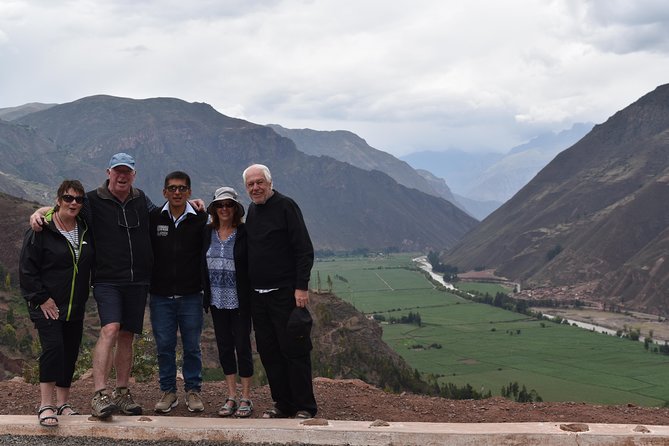
The Andes can shift from bright sun to cold rain during the same day. Bring light layers and something warm, plus sunglasses, a cap, and sunscreen.
A waterproof jacket or rain poncho is recommended from October through March. Carry a refillable water bottle, snacks, your passport or original identification documents, and cash in soles. You may need cash for the Tourist Ticket, drinks, souvenirs, or unexpected small purchases.
Comfortable shoes matter more than stylish ones. Pisac, Ollantaytambo, and Chinchero involve uneven surfaces, steps, or walking on rough ground. The operator asks for moderate physical fitness and does not recommend the tour for people with severe mobility limitations.
Bring a camera and spare batteries if photography matters to you. The day is long, and you may not always find a convenient place to charge devices.
Who should book this tour?
I would recommend it to a first-time Cusco visitor who wants to see the main Sacred Valley sites in one day without arranging private transport. It also suits budget-conscious people who value an included lunch and a guide more than free time.
It is a good choice before visiting Machu Picchu because it gives you useful context for Inca engineering, agriculture, stonework, and Andean traditions. Ollantaytambo can also fit well into a larger route if you plan to continue from there.
I would choose a private vehicle instead if you dislike early starts, winding roads, craft sales, or fixed schedules. A private option would let you stay longer at Pisac and Ollantaytambo, skip shopping stops, and set a slower pace. It would also cost more.
The tour is not ideal if you want a deep visit to every ruin. The official schedule allows only around 30 to 40 minutes at each main site, and the return to Cusco can be late. If you need to catch a train, flight, or other fixed connection, allow plenty of extra time.
Cancellation and booking details
You can cancel for a full refund up to 24 hours before the local start time. Changes or cancellations made within 24 hours are not accepted for a refund.
The experience is provided by Kantu Peru Tours. Confirmation is received at booking, but I would still confirm pickup details before the day begins, especially if your accommodation is in central Cusco or you are planning to finish in Ollantaytambo.
FAQ
How long does the Sacred Valley group tour last?
The tour lasts approximately 9 to 10 hours. The stated schedule runs from about 7:30 or 8:00 in the morning until around 8:00 in the evening.
Is lunch included?
Yes. A buffet lunch in Urubamba is included. Drinks are not included and must be paid for separately.
Is the Cusco Tourist Ticket included?
No. The Cusco Tourist Ticket costs PEN 70 per person and is listed as an additional expense. Bring cash in local currency.
How many people can join the tour?
The maximum group size is 18 people.
What places does the tour visit?
The planned route includes Pisac, the Ollantaytambo Archaeological Park, and the Chinchero Archaeological Complex. It also includes a lunch stop in Urubamba and a textile demonstration in the Chinchero area.
What should I bring?
Bring original identification documents, cash in soles, a small backpack, water, snacks, comfortable shoes, sunglasses, a cap, sunscreen, warm layers, and a waterproof jacket or poncho from October through March. A camera and spare batteries are also recommended.
Should you book the Sacred Valley group tour?
Book it if you want the best low-cost introduction to several Sacred Valley highlights and you are comfortable with a long day, fixed timing, and a shared van. The included lunch, capable guides, and wide range of stops make the $35 fare appealing, even after adding the PEN 70 admission ticket.
Skip it if you want quiet ruins, long photo stops, or complete control over the route. The craft presentations can feel pushy, Chinchero may receive less archaeological time than expected, and road conditions or driving style may affect your comfort.
For most first-time visitors with moderate fitness and limited time, I think this is a worthwhile overview. Go prepared, confirm the pickup time, carry cash, and treat the textile stops as optional shopping rather than the main purpose of the day.
Added recently around Cusco
- Super valley or vip valley★ 5.0 · 13 reviews
- the Incas’ Sacred Valley★ 5.0 · 27 reviews
- Sacred Valley of the Incas Day Trip from Cusco★ 5.0 · 6 reviews
- Small-Group Tour: Rainbow Mountains Hiking from Cusco★ 4.0 · 5 reviews
- Excursion to the Sacred Valley of the Incas from Cusco★ 5.0 · 8 reviews
- Maras + Moray & Textile Experience★ 5.0 · 14 reviews
- Tour EN Cuatrimoto POR la Montaña 7 Colors Hike 5 Minutes★ 4.5 · 32 reviews
- rainbow mountain★ 4.0 · 4 reviews
Sacred Valley Tours, compared.
Sacred Valley & Maras Salt Mines Tour with Lunch
Read our review →
Moray, Maras Salt Mines & Chinchero Weavers Tour
Read our review →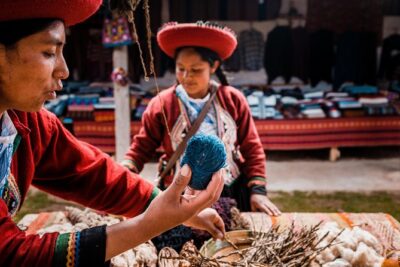
2-Day Tour: Sacred Valley and Machu Picchu by Train
Read our review →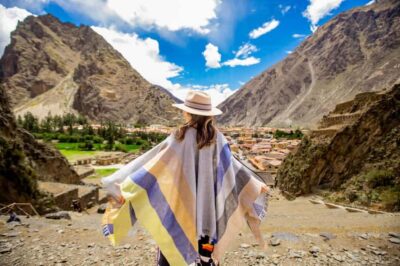
Sacred Valley, Pisac, Ollantaytambo, Salt Mines Moray
Read our review →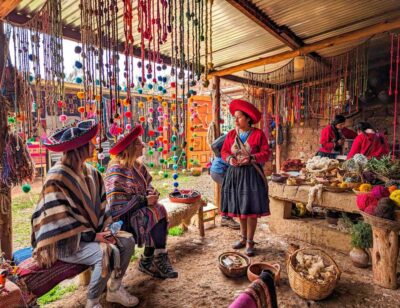
Chinchero,Moray & Salt Mines drop-off in Ollantaytambo
Read our review →
Sacred Valley and Maras Moray Tour with Full Day Buffet Lunch
Read our review →