
Reviewed · SACRED VALLEY TOURS
Sacred Valley of Incas (Day Trip)
The Sacred Valley tells the Inca story in stone. This 12-hour trip from Cusco links Pisac, Urubamba, Ollantaytambo, and Chinchero, giving you a broad look at ruins, markets, mountain views, village life, and colonial Peru in one long day. At $79 per person, it is a practical way to see several important places without arranging separate transport.
I especially like the mix of major archaeological sites and living communities. Pisac and Ollantaytambo provide the big Inca sights, while Urubamba slows the pace with lunch and mountain scenery, and Chinchero offers a more local feel. The main drawback is the schedule: four stops in about 12 hours means plenty of road time and only a short visit at Chinchero.
The tour begins at 8:30 a.m. with hotel pickup in Cusco’s historic center. A group of up to 15 people keeps the trip smaller than a large coach outing, though you should confirm exactly what is included in the price, especially lunch and site entry. The service is offered in English, and the provider’s team includes Antonio, a tour coordinator praised for practical help, and Eric, a guide noted for clear explanations of Andean history and the Spanish conquest.
In This Review
- Key Points Before You Book
- Why the Sacred Valley Works as a Full-Day Trip
- Pisac: Terraces, Stonework, and Market Energy
- Urubamba: A Useful Pause Beneath High Peaks
- Ollantaytambo: The Day’s Great Stone Fortress
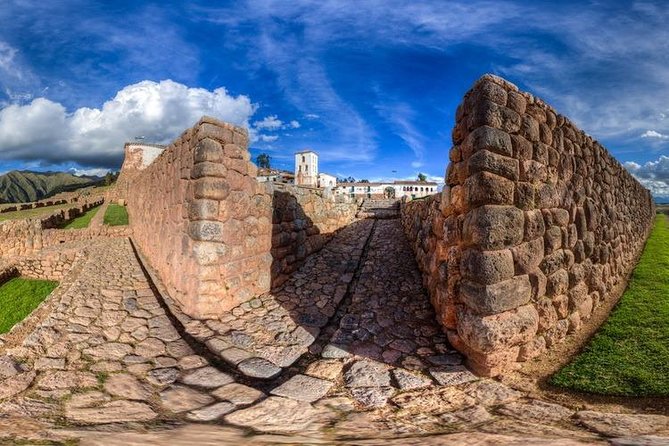
- Chinchero: High Plains, Inca Foundations, and a Colonial Church
- Altitude, Walking, and the Order of the Day
- Guide Service and the Human Side of the Tour
- Is $79 a Fair Price?
- Who Should Book This Sacred Valley Route?
- FAQ
- Where does the tour begin?
- Does pickup include private residences or Airbnb accommodations?
- How long does the Sacred Valley trip last?
- Which language is offered?
- How many people can join the group?
- Is lunch included?
- How long is the visit to Pisac?
- How long is the visit to Urubamba?
- How long is the visit to Ollantaytambo?
- How long is the visit to Chinchero?
- Should You Book It?
Key Points Before You Book
- Pisac combines a hilltop Inca complex with a famous craft town, so you get archaeology and shopping in one stop.
- Urubamba is the lunch break, valued less for ruins than for its broad mountain setting and relaxed pace.
- Ollantaytambo has some of the most impressive stonework of the day, along with steep terraces and a preserved Inca village.
- Chinchero reaches 3,765 meters, offering high plains, traditional adobe buildings, an Inca wall, and a colonial church.
- Pickup is limited to hotels in Cusco’s historic center, not private residences or hotels outside that area.
- The group limit is 15 people, a useful middle ground between a private outing and a large bus tour.
Why the Sacred Valley Works as a Full-Day Trip
The Sacred Valley is not one single attraction. It is a long corridor of settlements, farmland, ruins, market towns, and mountain passes. That makes a guided day trip useful, since the sites are spread out and the order of stops matters.
This route gives you four different views of the region. Pisac focuses on Inca engineering and craft traditions. Urubamba shows the valley as a place where people still live, eat, farm, and rest. Ollantaytambo delivers the most dramatic fortress setting. Chinchero connects Inca foundations with colonial architecture and present-day village life.
At $79, the value comes from combining transport, a full day of coordination, and an English-language guide. You are not simply paying for admission to one ruin. You are paying to connect several places that would be awkward to visit independently in a single day.
Still, this is not a slow, leisurely tour. The listed stops total about seven hours, leaving roughly five hours for driving, pickup, lunch, and transitions. That is normal for a route covering this much ground, but you should expect a busy day rather than long stretches of quiet exploration.
More Day Trips in Cusco
- Cusco: Rainbow Mountain and Red Valley Day Trip with Meals
★ 4.9 · 4,893 reviews - Cusco: #1 Rainbow Mountain & Red Valley Day Trip with Meals
★ 4.8 · 2,342 reviews - Cusco: Rainbow Mountain & Red Valley Premium Day Trip with Meals
★ 5.0 · 2,249 reviews
Pisac: Terraces, Stonework, and Market Energy
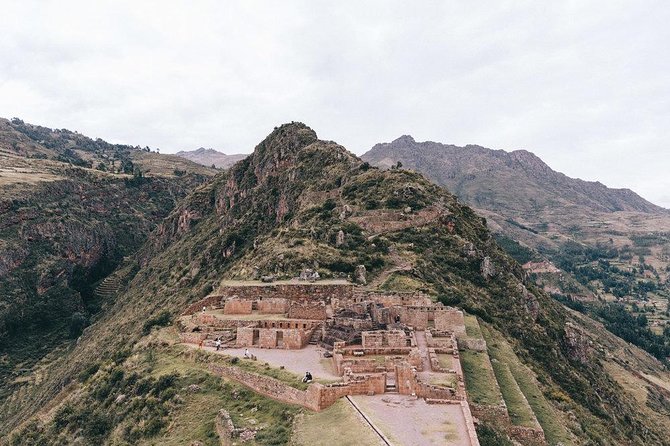
Pisac is the first major stop and one of the most rewarding. The town is known for its colorful craft fairs, traditionally held on Thursdays and Sundays, while the archaeological complex sits high above the settlement.
The ruins are spread across steep slopes. Their most memorable feature is the enormous system of agricultural terraces, called andenes, which climb the mountainsides like hanging gardens. These were not just decorative walls. They helped the Incas farm difficult ground, and some terraces remain in agricultural use.
The archaeological park also includes old residential areas, lookout towers, the Intihuatana, and a large pre-Columbian cemetery. The Intihuatana is often described as a solar clock or sacred stone, and it gives the site a clear connection to Inca astronomy and ritual life.
I like Pisac because it helps you see how practical Inca construction could be. The walls, terraces, paths, and lookout points work together. You are looking at a settlement designed around steep land, water, farming, defense, and ceremony.
The town below adds another layer. Pisac’s name may come from p’isaqa, a local partridge, and some specialists think the former city was shaped like that bird. The local market tradition also connects the town to nearby communities, including the Varayocs, traditional authorities who attend Mass in Quechua.
The drawback is that Pisac can feel like two separate experiences squeezed together: a substantial hilltop ruin and a market town. With about two hours here, your guide will need to manage the timing carefully. If the craft stalls matter to you, ask how much time is planned for shopping compared with the archaeological site.
Urubamba: A Useful Pause Beneath High Peaks
Urubamba is the least archaeology-focused stop, and that is exactly why it earns its place. The town sits in the middle of the Sacred Valley, surrounded by tall Andean peaks, with a calmer feel than the more heavily visited ruin sites.
This is the planned lunch stop. The supplied details do not state that lunch is included, so you should treat the meal as an additional expense unless the operator confirms otherwise. That small point matters when you are comparing the $79 price with other tours.
Urubamba is known for its hotels, spa facilities, and access to outdoor activities. You may find this pause refreshing after the uphill walking at Pisac. It gives you time to eat, look around, and enjoy the valley without trying to interpret another complex of stones.
For some people, two hours in Urubamba may feel too long. If your main goal is Inca architecture, this is the stop most likely to seem like a break rather than a highlight. If you prefer a day with some breathing room, it is a sensible part of the schedule.
I also see value in stopping here because it shows the Sacred Valley as more than an open-air museum. Urubamba is a working town and a base for hotels, restaurants, and outdoor trips. That ordinary, lived-in side helps balance the grand ruins.
Ollantaytambo: The Day’s Great Stone Fortress
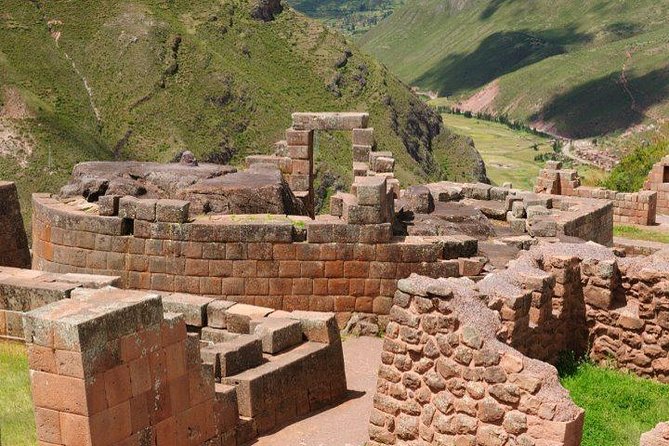
Ollantaytambo is likely to be the dramatic high point. The village preserves its Inca street plan and buildings, while the huge complex above it rises between two mountains.
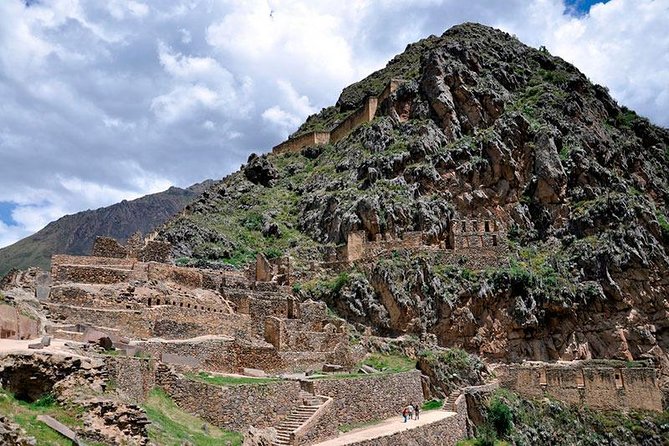
The main climb leads toward a ceremonial temple connected with the worship of water. Terraces run one above another, and the stairway is steep. You should be ready for sustained uphill walking, especially after already visiting Pisac.
The fortress protected the entrance to the valley and was built as a defensive stronghold. The scale is striking, but the details are just as important: the Temple of Inti, the Incamisana, the baths of the Ñustas, funerary towers at Cachiccata, and the steep agricultural terraces on the hillside.
Across the valley, Pinculluna, also called Tunupa, holds remains that appear to have been used as food storage buildings. These structures make the wider setting easier to understand. Ollantaytambo was not only a ceremonial center. It was tied to defense, food supply, water, farming, and regional control.
The village itself deserves attention. Its preserved Inca design gives you a chance to see how the old urban plan still shapes daily life. Nearby communities include the Huayruros de Willoc, recognizable by red and black ponchos and hats.
Two hours is enough to see the principal features, but it is not enough for a relaxed examination of every corner. The terraces are steep, and the altitude is listed at about 9,160 feet. Move at your own pace and listen closely to the guide’s instructions about where to meet again.
Ollantaytambo can also be the most crowded-feeling part of the route, simply because it is such a major stop. The group size limit of 15 helps, but this remains a popular place. Your best experience will come from focusing on the stonework and views rather than trying to photograph every step.
More Day Trips in Sacred Valley
- From Cusco: 2-Day Trip to the Sacred Valley and Machu Picchu
★ 4.6 · 265 reviews - Maras, Moray and Chinchero Private Day Trip from Cusco
★ 5.0 · 131 reviews - Rafting & Zip line Urubamba River 1 Day
★ 5.0 · 75 reviews - Sacred Valley (VIP) – Full Day Trip
★ 4.5 · 71 reviews
Chinchero: High Plains, Inca Foundations, and a Colonial Church
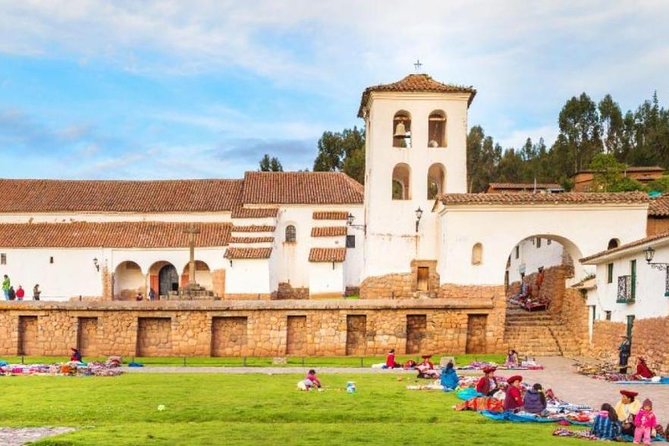
Chinchero sits high on the Anta plains at about 3,765 meters, or roughly 12,350 feet. That makes it the highest stop listed on this route, and the wind and altitude may be noticeable even if the walking is lighter than at Ollantaytambo.
The reward is a strong combination of scenery and culture. From the village, you can see toward the Sacred Valley, the Vilcabamba range, and the snow-covered summit of Salkantay. Chinchero is also linked to the local story of the rainbow’s mythical birthplace.
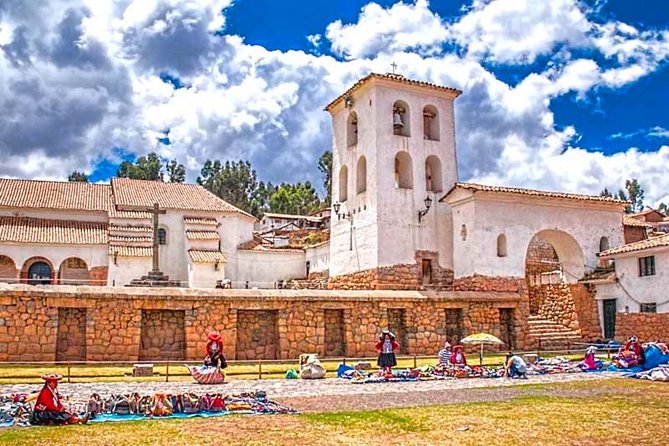
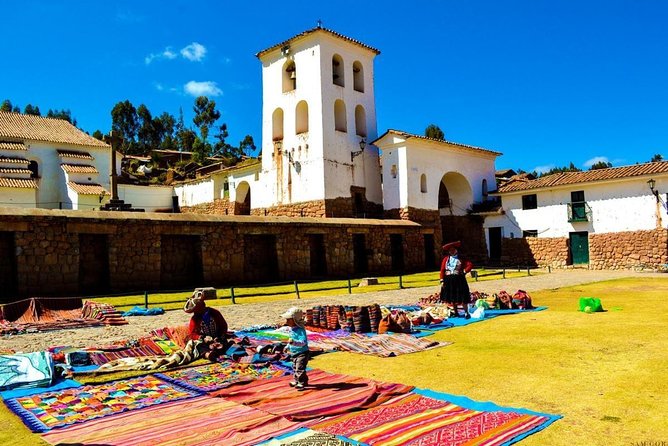
The village is made up largely of adobe houses, and traditional dress remains part of local life. The Sunday market is considered less focused on tourism than the market at Pisac, but this tour does not specify that it runs only on Sundays or that your departure day will match it. If the market is important to you, confirm the operating day before booking.
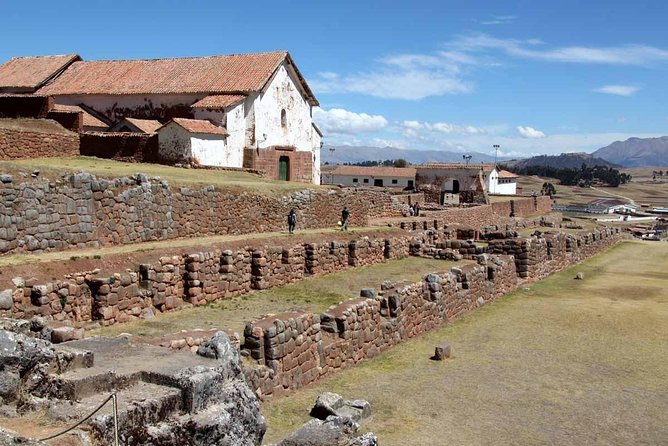
The main plaza contains a massive Inca wall with ten trapezoidal niches. An early seventeenth-century adobe church was built over the foundations of an Inca temple or palace. Inside, the floral and religious designs on the walls and ceiling show how Spanish colonial worship was placed directly on top of an earlier sacred site.
That physical overlap is one of Chinchero’s most useful lessons. You do not need a long lecture to understand that Peru’s past is layered. Inca stonework, Spanish religious buildings, adobe homes, traditional clothing, and modern market life all occupy the same small town.
The listed visit lasts one hour, so keep your expectations realistic. You will see the central sights, but you will not have time for the three-hour walk around Lake Piuri. The church is open for Mass on Sundays, another detail worth checking if your schedule allows.
Altitude, Walking, and the Order of the Day
Cusco sits at a high altitude, and the Sacred Valley is often used as a gentler place to adjust. One supplied account specifically praised the valley as a useful outing while acclimatizing because parts of it are lower than Cusco.
That does not mean every stop is low. Chinchero is higher than the valley floor, and Ollantaytambo reaches about 9,160 feet. Pisac’s ruins also involve steep terrain and uphill walking. You should plan for stairs, uneven surfaces, and changes in elevation.
Wear practical shoes and carry water. The tour information does not promise special equipment, walking assistance, or medical support, so anyone with mobility concerns should ask the provider what is possible before paying.
The 8:30 a.m. start is helpful. An early departure gives the group time to cover the long route and reach the four stops without returning late into the night. Pickup is only available from hotels in Cusco’s historic center. If you are staying in an Airbnb or a hotel outside that area, you will need to clarify the meeting arrangement.
Guide Service and the Human Side of the Tour
Good guiding matters in the Sacred Valley because the ruins can otherwise become a blur of terraces and stone walls. The strongest praise connected with this provider centers on organization, care, and clear explanations of Inca culture and the Spanish conquest.
Antonio is identified as a tour coordinator who offered help before the outing, including advice and tips in Cusco. Eric is named as a guide whose explanations made the history and facts easier to follow. Those details suggest a service that takes communication seriously, although the exact guide for your departure may vary.
A group maximum of 15 is another practical plus. You should have a better chance of hearing the guide and asking questions than you would on a large coach. It is not a private tour, however, so the pace and photo stops will still be shared with other people.
The company has received a top overall rating from four supplied ratings, but that is a small sample. I would treat the praise as encouraging rather than conclusive. The consistent themes are prompt organization, transport, care, and historical explanation.
Is $79 a Fair Price?
For a 12-hour guided route with hotel pickup in central Cusco and four major stops, $79 is a reasonable price. The value is strongest if you want to see the Sacred Valley in one day and do not want to arrange taxis, drivers, or separate transfers.
The price is less attractive if you want a slow visit, extensive shopping, or long walks away from the main sites. You are paying for coverage and convenience, not a private pace.
Check three points before booking:
- Confirm whether lunch is included or paid separately.
- Ask how admission is handled, since each stop is listed without a separate admission charge.
- Confirm the pickup point if your hotel is outside the historic center or is a private residence.
The experience is non-refundable and cannot be changed after booking. That makes it especially important to check your hotel location, date, and plans before committing.
Who Should Book This Sacred Valley Route?
I would recommend it to a first-time visitor who wants a broad introduction to the valley. It suits you if you value organized transport, English guiding, a manageable group, and a balance of ruins, towns, scenery, and culture.
It is also a sensible choice if you are using the Sacred Valley to get used to Peru’s altitude before visiting other high sites. The valley includes lower areas than Cusco, though Chinchero and Ollantaytambo still require care.
You may want a different plan if you dislike long driving days, need extensive time at each ruin, or want to focus only on archaeology. A private tour could give you more control, but it would likely cost more. This group outing is best for breadth, not leisurely depth.
FAQ
Where does the tour begin?
The tour begins with pickup at 8:30 a.m. from hotels within Cusco’s historic center.
Does pickup include private residences or Airbnb accommodations?
No. Pickup is not included for private residences, such as Airbnb properties, or hotels outside Cusco’s historic center.
How long does the Sacred Valley trip last?
The experience lasts approximately 12 hours.
Which language is offered?
The tour is offered in English.
How many people can join the group?
The maximum group size is 15 people.
Is lunch included?
The itinerary includes a lunch stop in Urubamba, but the supplied details do not confirm that lunch itself is included in the price.
How long is the visit to Pisac?
The planned stop at Pisac lasts about two hours.
How long is the visit to Urubamba?
The planned stop in Urubamba lasts about two hours.
How long is the visit to Ollantaytambo?
The planned stop at Ollantaytambo lasts about two hours.
How long is the visit to Chinchero?
The planned stop at Chinchero lasts about one hour.
Should You Book It?
Book this tour if you want a well-organized introduction to the Sacred Valley for $79 and are happy to trade a slower pace for four major stops. Pisac and Ollantaytambo provide the strongest ruins, Urubamba gives you a needed meal break, and Chinchero adds high-altitude village life and colonial history.
Before paying, confirm your pickup location, lunch arrangements, and the exact meeting details. If those fit your plans, this is a good-value day for seeing the valley’s main sights with an English-speaking guide and a group capped at 15 people.
More Sacred Valley Days Out
- From Cusco: Moray, Maras Salt Mines & Chinchero Weavers Tour
★ 4.8 · 1,925 reviews - 2-Day Tour: Sacred Valley and Machu Picchu by Train
★ 5.0 · 1,127 reviews - Cusco: Sacred Valley, Pisac, Ollantaytambo, Salt Mines Moray
★ 4.6 · 1,058 reviews - Cusco:Chinchero,Moray & Salt Mines drop-off in Ollantaytambo
★ 4.8 · 793 reviews
Added recently around Cusco
- Super valley or vip valley★ 5.0 · 13 reviews
- the Incas’ Sacred Valley★ 5.0 · 27 reviews
- Sacred Valley of the Incas Day Trip from Cusco★ 5.0 · 6 reviews
- Small-Group Tour: Rainbow Mountains Hiking from Cusco★ 4.0 · 5 reviews
- Excursion to the Sacred Valley of the Incas from Cusco★ 5.0 · 8 reviews
- Maras + Moray & Textile Experience★ 5.0 · 14 reviews
- Tour EN Cuatrimoto POR la Montaña 7 Colors Hike 5 Minutes★ 4.5 · 32 reviews
- rainbow mountain★ 4.0 · 4 reviews
Sacred Valley Tours, compared.
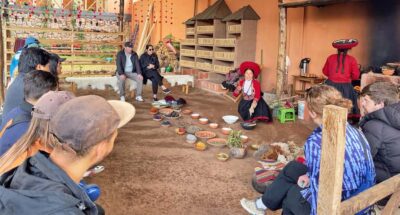
Sacred Valley & Maras Salt Mines Tour with Lunch
Read our review →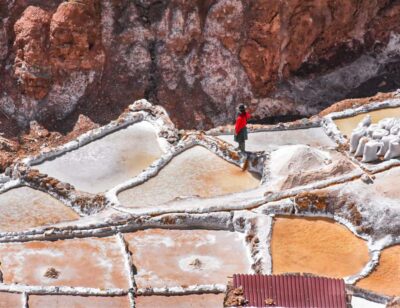
Moray, Maras Salt Mines & Chinchero Weavers Tour
Read our review →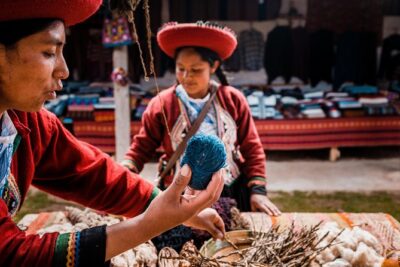
2-Day Tour: Sacred Valley and Machu Picchu by Train
Read our review →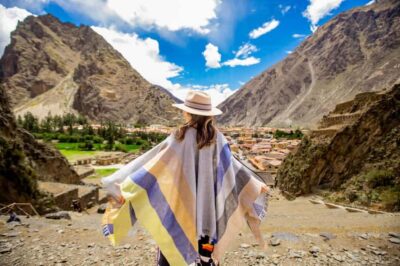
Sacred Valley, Pisac, Ollantaytambo, Salt Mines Moray
Read our review →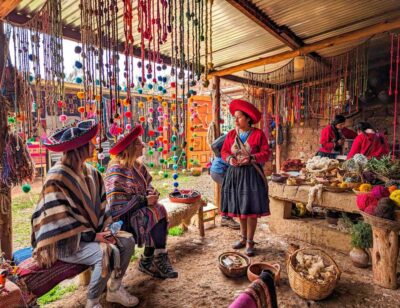
Chinchero,Moray & Salt Mines drop-off in Ollantaytambo
Read our review →
Sacred Valley and Maras Moray Tour with Full Day Buffet Lunch
Read our review →

Browse the lists this tour appears in