
Reviewed · SACRED VALLEY TOURS
Sacred Valley of the Incas – Full Day 2024
Big views come early. This private Sacred Valley tour brings you from Cusco to alpaca country, Pisac, Urubamba, Ollantaytambo, and possibly Chinchero, with a guide, lunch, and private transportation included. I especially like the mix of Inca sites and living Andean culture, plus the chance to see working farms, weaving, jewelry, and local towns rather than only ruins. The guide Walter has earned repeated praise for clear explanations in Portuguese and for taking photos.
The main drawback is the long day. The tour can run from seven to eleven hours, and the S/70 entrance fee, about $20 per person, is not included in the $150 price. Chinchero is also listed as optional, so you should confirm exactly which stops will be included before setting out.
In This Review
- Key points at a glance
- Why this Sacred Valley route works
- Alpacas and Andean camelids at Manos de la Comunidad
- Taray viewpoint and the Urubamba River
- Pisac ruins, terraces, and mountain tombs
- Pisac town, jewelry, and the commercial stop
- Buffet lunch in Urubamba
- Ollantaytambo, the living Inca town
- Chinchero and Andean weaving
- What the $150 price really covers
- Timing, fitness, and the private-tour advantage
- The guide and driver can shape the day
- Who should book this Sacred Valley day?
- Should you book it?
- FAQ
- How long does the Sacred Valley tour last?
- What time does the tour start?
- Is this a private tour?
- What is included in the tour price?
- Is the entrance fee included?
- Is lunch included?
- Which places does the tour visit?
- Does the tour include a visit to Machu Picchu?
- Is a certain fitness level required?
Key points at a glance
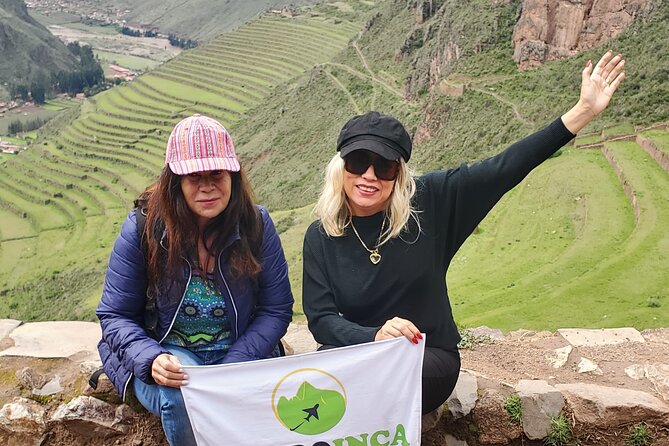
- Private transport for your group: You avoid a large coach and have a guide and driver focused on your party.
- Seven substantial stops: The route includes an alpaca farm, Taray viewpoint, Pisac, Urubamba, Ollantaytambo, and optional Chinchero.
- Walter is a strong guide choice: He is praised for patient explanations, Portuguese-language guiding, and helping with photographs.
- Lunch is included: A buffet meal in Urubamba offers several choices and local ingredients.
- The entrance fee is extra: Budget S/70, about $20, per person in addition to the tour price.
- Expect a full day in the Andes: The listed stop times add up to nearly six hours before driving time.
Why this Sacred Valley route works
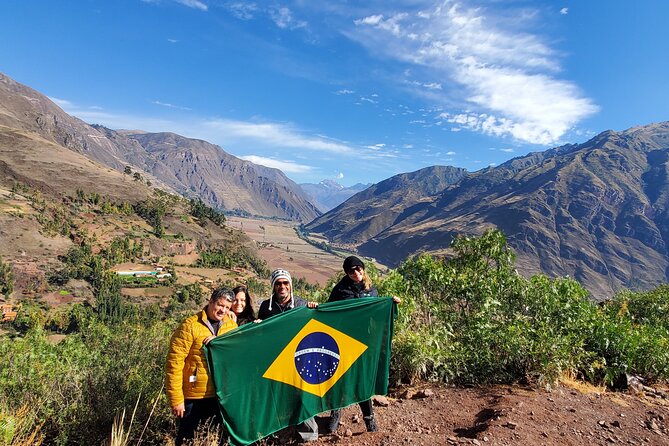
The Sacred Valley is not one single sight. It is a broad corridor of farming towns, mountain slopes, Inca terraces, old streets, and busy modern communities. This tour gives you a quick but useful survey of that mix in one day.
I like the way the route begins with people, animals, and scenery before moving into major archaeological sites. You first meet llamas, alpacas, vicuñas, and guanacos, then look across the valley from Taray, and only after that spend time at Pisac. The sequence gives you a little context before the stonework begins.
The private format matters. You are not joining a large group with strangers, and the schedule can feel more personal. The supplied details identify the driver as Milton, who was praised for careful driving, while Walter received repeated praise for history talks, patience, and help with photos. Those details are useful if you value a guide who does more than point at ruins.
Still, this is not a slow, deeply focused archaeological day. You are covering a lot of ground, and some stops are short. If you want long walks, quiet study of every temple, or extra time in one village, the packed route may feel rushed.
More Sacred Valley days out:
- From Cusco: Moray, Maras Salt Mines & Chinchero Weavers Tour
★ 4.8 · 1,925 reviews - 2-Day Tour: Sacred Valley and Machu Picchu by Train
★ 5.0 · 1,127 reviews - Cusco: Sacred Valley, Pisac, Ollantaytambo, Salt Mines Moray
★ 4.6 · 1,058 reviews
Alpacas and Andean camelids at Manos de la Comunidad
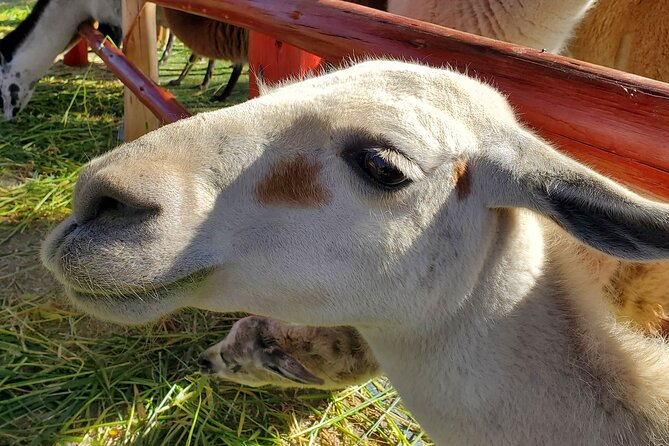
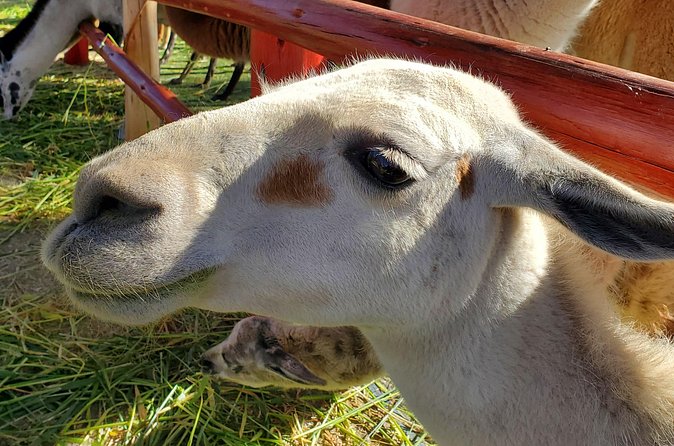
The first stop lasts about 40 minutes at Manos de la Comunidad or another alpaca farm. Here you learn to tell apart four South American camelids: llamas, alpacas, vicuñas, and guanacos.
That may sound like a light introduction, but it gives you a practical way to understand Andean life. These animals differ in size, fiber, habits, and importance. The visit also connects the natural setting with local textiles and craft traditions you will see later in the day.
I would treat this as a short orientation, not a full farm visit. The admission is listed as free, and the stop is designed to introduce the animals and their role. If you enjoy close views of local wildlife and want an easy start before the archaeological sites, it is a good fit.
The stop can also be useful for families. It offers a change from stone walls and museum-style explanation, though the supplied information does not promise any specific animal-handling activity.
Taray viewpoint and the Urubamba River
At Mirador Taray, you have about 15 minutes to take in the Sacred Valley from above. The view includes the Urubamba River and the farming lands spread through the Andean valley.
Fifteen minutes is enough for a quick look and photographs, but not a long walk or extended pause. Bring your camera out before you arrive, since the schedule is brief. Several comments about the tour praise the scenery and the help with photos, making this one of the places where a guide who knows the good angles can add real value.
The viewpoint also helps you read the valley as a place where agriculture still matters. From above, the river and cultivated fields make the scale easier to grasp than they do from a vehicle. You get a visual sense of why the Incas valued this corridor.
Pisac ruins, terraces, and mountain tombs
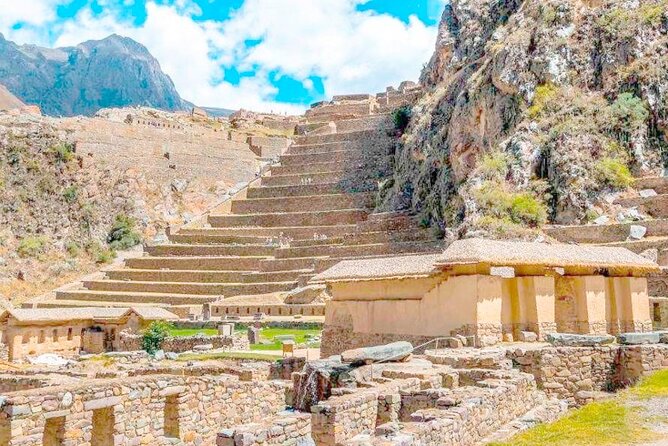
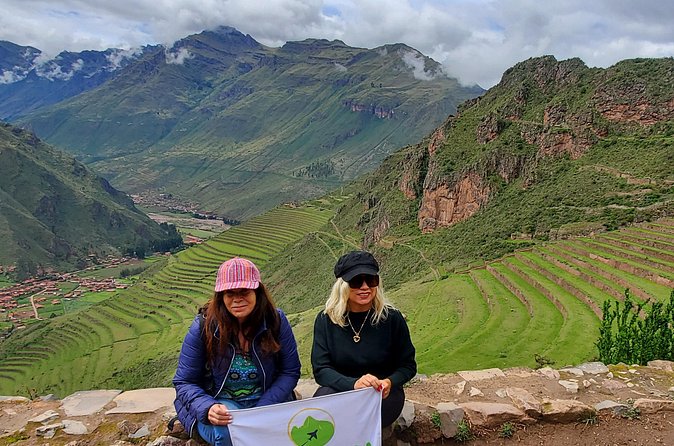
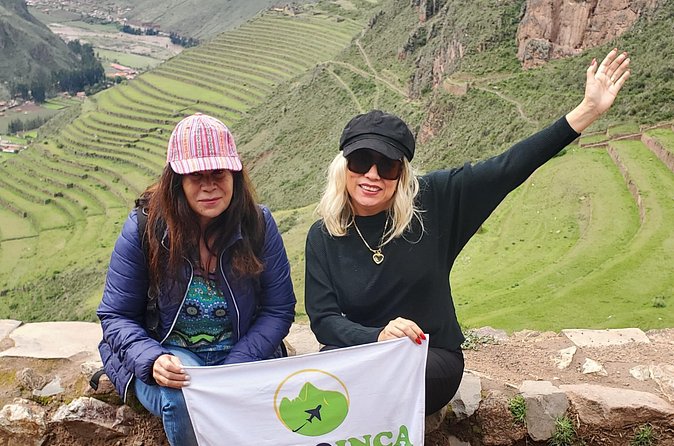
Pisac is the first major archaeological stop, with about one hour at the site. The Inca settlement climbs the mountain and includes temples, houses, large defensive walls, agricultural terraces, and hundreds of tombs.
This is a strong part of the tour because it brings together several kinds of Inca construction. The terraces show farming skill on steep ground. The walls and citadel area suggest defense and control. The temples and settlement remains point to religious and civic life, while the tombs remind you that this was also a place connected to burial practices.
One hour will let you see the main areas with a guide, but you should not expect to inspect every corner at a relaxed pace. The site is on a mountain, and the tour asks for a moderate level of physical fitness. Comfortable shoes are a sensible choice, though the supplied information does not specify footwear or trail conditions.
This is where Walter’s role becomes important. The ruins are impressive, but a row of stones can remain just that without explanation. The direct comments about his history talks, patience, and clear Portuguese make him especially useful for anyone who wants the site explained rather than simply photographed.
The entrance fee is not included in the tour price. The stated charge is S/70, around $20, per person, and it covers the required entry cost noted for the experience. Confirm the current payment details when booking, since the price is given in local currency and dollars.
A few more Cusco trips worth lining up side by side
- Classic Inca Trail Trek 4D/3N to Machu Picchu (Group Service)
★ 5.0 · 8,653 reviews - Cusco: Rainbow Mountain and Red Valley Day Trip with Meals
★ 4.9 · 4,893 reviews - Machu Picchu: 4-Day Inca Trail Trek with Panoramic Train Ride
★ 5.0 · 4,568 reviews - Salkantay Classic Trek 5 Days from Cusco
★ 5.0 · 4,062 reviews
Pisac town, jewelry, and the commercial stop
After the ruins, the route continues to Pisac town for about 40 minutes. The focus here is jewelry, including the different metals used and the way local artisans make and sell their work directly to tourists.
This stop gives the day a more modern, commercial side. You are not just looking at old walls. You are also seeing how craft production is presented and sold today. That contrast can make the valley feel more like a lived-in place rather than an outdoor museum.
The practical question is how much shopping you want. Forty minutes is not a long time, so you may prefer to listen to the explanation, browse quickly, and decide for yourself if anything suits you. The tour does not state that purchases are required, and admission is listed as free.
If you are interested in metals and jewelry-making, this may be more than a souvenir stop. If shopping is not your priority, it may feel like a pause between the archaeological sites. A private tour gives you a better chance to discuss that balance with your guide.
Buffet lunch in Urubamba
The midday stop is in Urubamba, where you have about one hour for a buffet lunch. The meal offers several choices, with fresh ingredients sourced from the area, and lunch is included in the tour price.
That inclusion improves the value of the package. You do not have to spend part of the morning choosing a restaurant or arranging a meal while the group waits. A buffet also makes it easier to choose a familiar dish or try something different, although the available menu is not specified.
The one-hour limit keeps the route moving. You will have time to eat, but this is not a long food-focused stop. If you have dietary needs, ask about the available options before booking, since the tour details only confirm several buffet choices and local ingredients.
Urubamba is also a sensible midpoint. By this stage, you have already had animals, scenery, ruins, and shopping. A seated meal gives you a break before the afternoon visit to Ollantaytambo.
Ollantaytambo, the living Inca town
Ollantaytambo receives about one hour after lunch. It is known as the Last Living Inca City because its original Inca streets remain in use by local residents.
This is one of the most memorable parts of the route. At a major ruin, you look at the remains of an earlier society. In Ollantaytambo, old street plans and stone construction are still part of an active town. That connection makes the Inca past easier to picture.
The visit also includes the Inca citadel, built to defend the people from possible attackers. The site adds another layer to the day: Pisac shows terraces, temples, homes, and tombs, while Ollantaytambo brings defense, urban planning, and a living settlement into view.
The town is also the gateway to Machu Picchu. Trains can travel from Ollantaytambo to Aguas Calientes, the town below Machu Picchu. That makes this stop especially useful if Ollantaytambo is part of your wider Peru route, though this tour itself does not include train tickets or a Machu Picchu visit.
One hour is enough for an introduction but not a full exploration of both town and citadel. Pay attention to the meeting time, since it would be easy to linger among the old streets and lose track of the schedule.
Chinchero and Andean weaving
Chinchero is listed as the final, optional stop and takes about one hour and 20 minutes. It was a royal estate and ceremonial center during the Inca Empire, and it is associated with Tupac Inca Yupanqui, the tenth Inca ruler.
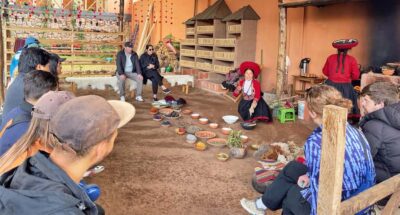
The visit combines an Inca palace with local textile traditions. You learn about weaving techniques and natural dyes used by artisans. That makes Chinchero a valuable finish because it connects an ancient royal center with skills that remain part of local culture.
The longer stop gives you more breathing room than the Taray viewpoint or Pisac town. You can listen to the explanation, see the palace area, and spend time with the textile work without having to move on immediately.
Because the stop is marked optional, ask before departure if it will be included in your version of the day. The total duration can range from seven to eleven hours, and Chinchero is likely one reason for that variation. You should not assume every departure follows exactly the same final route.
What the $150 price really covers
The listed cost is $150 per person. It includes private transportation, lunch, and a tour guide. You also pay the stated S/70, about $20, entrance fee separately.
For a private full-day outing, that package can offer fair value, especially if you are traveling with family or friends and prefer not to share a vehicle with a large group. The price pays for the convenience of a dedicated driver, a guide, and a planned route that covers several major sights.
The value is less clear if you want to spend most of your day at one archaeological site. This tour is designed for range, not depth. You pay for transport across the valley and for the guide’s interpretation at several stops, not for a long, quiet visit to a single ruin.
There are also no extra activity charges listed at the alpaca farm, viewpoint, Pisac town, Urubamba, Ollantaytambo, or Chinchero. The main additional cost identified is the entrance fee. Since the experience is non-refundable and cannot be changed after booking, check the date, group size, Chinchero option, and entrance requirement carefully before paying.
Timing, fitness, and the private-tour advantage
The advertised start time is 7:30 a.m., with a total duration of roughly seven to eleven hours. The seven listed stops account for close to six hours of scheduled visits, so the remaining time is used for driving and transitions.
You should expect a full day, not a casual outing. The tour requires a moderate level of physical fitness, particularly at the mountain archaeological sites. The information does not give a detailed accessibility description, so ask the provider about walking surfaces, steps, and vehicle access if those details matter to you.
The tour is private, meaning only your group participates. That is a major advantage for families, couples, or friends who want to ask questions without holding up a coach full of people. It may also help if you need a little flexibility at the jewelry stop or want the guide to explain more about a specific Inca site.
The experience is near public transportation, but the exact meeting point is not provided in the supplied details. Confirm the pickup or meeting location, since a 7:30 a.m. departure requires a clear morning plan in Cusco.
The guide and driver can shape the day
The strongest praise centers on the staff. Walter is repeatedly singled out for his history explanations, patient manner, Portuguese-language guiding, and ability to take good photos. If you speak Portuguese, that language support could make the sites much easier to follow.
Milton is identified as a careful and attentive driver. That matters on a long mountain route, where much of the day is spent moving between sites. You may spend more time in the vehicle than expected, so a calm driver is not a minor detail.
The tour has a perfect rating from 18 reviews and is recommended by 100 percent of the people who rated it. That is encouraging, especially because the praise is specific rather than limited to general approval. Still, the sample is small, and the practical drawbacks remain: a long schedule, an extra entrance charge, and an optional final stop.
Who should book this Sacred Valley day?
I would recommend it to you if you want a broad first look at the Sacred Valley from Cusco. It suits people who value private transport, want lunch arranged, enjoy a guide-led history lesson, and prefer to see several different sides of the region in one day.
It is also a good match for Portuguese-speaking visitors, given Walter’s repeated praise for explaining the sites in Portuguese. Families and small groups may appreciate the private format and the mix of animals, viewpoints, ruins, crafts, food, and old streets.
I would be more cautious if you dislike shopping stops, have limited stamina for a long day, or want a slow archaeological study. The route covers a lot, but the one-hour visits at Pisac and Ollantaytambo require focus and punctuality.
Should you book it?
Book this tour if your priority is variety and convenience. For $150 per person, plus the S/70 entrance charge, you receive private transportation, lunch, and a guide across a full day of important Sacred Valley sights.
Before booking, confirm the exact meeting point, the current entrance fee, and whether Chinchero will be included. If those details work for your schedule, the combination of Walter’s praised guiding, Milton’s careful driving, Andean scenery, and major Inca sites makes this a strong introduction to the valley.
FAQ
How long does the Sacred Valley tour last?
The experience lasts approximately seven to eleven hours.
What time does the tour start?
The listed start time is 7:30 a.m.
Is this a private tour?
Yes. Only your group participates in this private activity.
What is included in the tour price?
Private transportation, lunch, and a tour guide are included.
Is the entrance fee included?
No. The stated entrance fee is S/70, about $20, per person.
Is lunch included?
Yes. Lunch is served at a local restaurant in Urubamba and is buffet-style, with several choices and fresh local ingredients.
Which places does the tour visit?
The route includes an alpaca farm or similar farm, Taray viewpoint, Pisac archaeological site, Pisac town, Urubamba, and Ollantaytambo. Chinchero is listed as optional.
Does the tour include a visit to Machu Picchu?
No. Ollantaytambo is described as a gateway to Machu Picchu, and trains can travel from there to Aguas Calientes, but this tour does not list a Machu Picchu visit or train ticket.
Is a certain fitness level required?
Yes. The tour recommends a moderate level of physical fitness.
Added recently around Cusco
- Super valley or vip valley★ 5.0 · 13 reviews
- the Incas’ Sacred Valley★ 5.0 · 27 reviews
- Sacred Valley of the Incas Day Trip from Cusco★ 5.0 · 6 reviews
- Small-Group Tour: Rainbow Mountains Hiking from Cusco★ 4.0 · 5 reviews
- Excursion to the Sacred Valley of the Incas from Cusco★ 5.0 · 8 reviews
- Maras + Moray & Textile Experience★ 5.0 · 14 reviews
- Tour EN Cuatrimoto POR la Montaña 7 Colors Hike 5 Minutes★ 4.5 · 32 reviews
- rainbow mountain★ 4.0 · 4 reviews
Sacred Valley Tours, compared.
Sacred Valley & Maras Salt Mines Tour with Lunch
Read our review →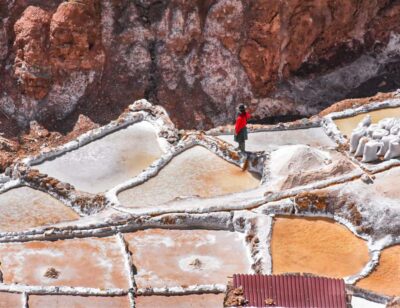
Moray, Maras Salt Mines & Chinchero Weavers Tour
Read our review →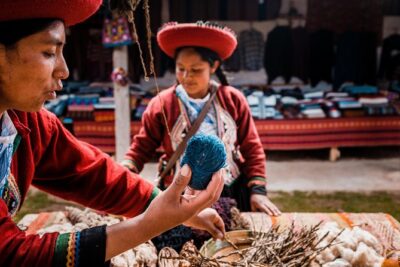
2-Day Tour: Sacred Valley and Machu Picchu by Train
Read our review →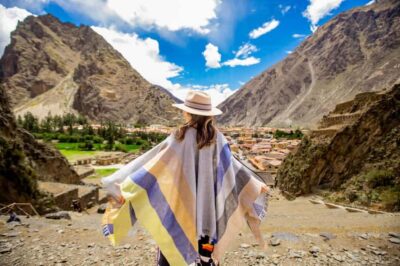
Sacred Valley, Pisac, Ollantaytambo, Salt Mines Moray
Read our review →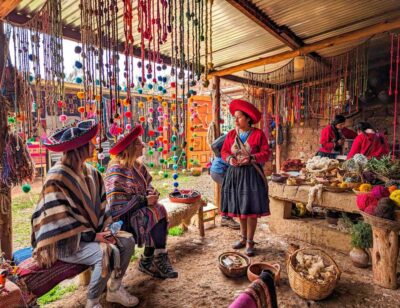
Chinchero,Moray & Salt Mines drop-off in Ollantaytambo
Read our review →
Sacred Valley and Maras Moray Tour with Full Day Buffet Lunch
Read our review →