Reviewed · SACRED VALLEY TOURS
Sacred Valley of the Incas Tour
The Sacred Valley rewards an early start. This private, seven-hour trip from Cusco brings together Ollantaytambo’s living Inca town and the unusual terraces of Moray, with Maras salt pools and Pisac added to the day. I like the freedom of private transport, and I like that guide Cesar is praised for making the past, local customs, and practical details easy to understand. The main catch is time: four stops are packed into one long day, with about four and a half hours spent on the road.
You can be picked up at a Cusco hotel, Airbnb, airport, or location in the Sacred Valley. I also like the flexible drop-off, including Ollantaytambo train station if that suits your onward plans. Before booking, clarify the entrance-ticket cost, since the tour details say both that all fees and taxes are included and that entrance tickets are not included.
In This Review
- Key points to know before you book
- What this Sacred Valley day is really designed to do
- Ollantaytambo: the strongest opening stop
- Moray and the science behind the terraces
- Maras: salt made one pool at a time
- Pisac Market and the valley’s living culture
- The road between the stops
- Cesar’s guiding style
- What is included, and what needs checking
- Who should book this tour?
- Should you book the Sacred Valley of the Incas Tour?
- FAQ
- How much does the tour cost?
- How long does the tour last?
- Where can pickup take place?
- Where can I be dropped off?
- Is this a private tour?
- Is the tour offered in English?
- What should I expect physically?
- Can I cancel for a full refund?
Key points to know before you book
- Ollantaytambo gets the most time: Three hours lets you study the Inca terraces, Temple of the Sun, steep stairway, and old town without racing through.
- Moray and Maras show practical Andean ingenuity: One site concerns crop adaptation, the other centuries of salt production.
- Pisac adds people and commerce: Its market, mountain views, terraces, and local potato varieties give the day a living cultural side.
- This is a private tour: Your group travels alone, so Cesar can adjust explanations and pacing to your interests.
- The driving is a major part of the day: You will spend around four and a half hours moving between sites.
- The guide receives the strongest praise: Cesar is described as warm, patient with children, helpful to solo visitors, and good at arranging a smooth day.
What this Sacred Valley day is really designed to do
At $80 per person, this tour is priced as a private experience rather than a bare-bones group outing. You get an air-conditioned vehicle, private transport, onboard WiFi, a professional guide, and pickup and drop-off options. That matters in the Sacred Valley, where the points of interest are spread across a large area and public transport would make this exact combination difficult in one day.
The price is attractive if you are traveling with a small group and value a dedicated vehicle and guide. It is less straightforward if you are traveling alone, because the per-person cost stays the same and lunch is extra. Entrance tickets also need clarification before you pay, as the supplied details conflict on that point.
The tour is offered in English and operates daily from 8:00 a.m. to 6:00 p.m. The advertised duration is about seven hours, though the stated travel time suggests a full, active day. You should expect sitting in the vehicle for long stretches, then walking at archaeological sites and viewpoints.
The private format is the important part. You are not tied to the pace of a large coach group. Cesar can spend more time on a subject that catches your attention, explain local customs in plain language, and help you make practical choices about photographs and stops. One family described his patience with children as a major strength, while a solo guest felt comfortable relying on him throughout the day.
More Sacred Valley days out:
- From Cusco: Moray, Maras Salt Mines & Chinchero Weavers Tour
★ 4.8 · 1,925 reviews - 2-Day Tour: Sacred Valley and Machu Picchu by Train
★ 5.0 · 1,127 reviews - Cusco: Sacred Valley, Pisac, Ollantaytambo, Salt Mines Moray
★ 4.6 · 1,058 reviews
Ollantaytambo: the strongest opening stop
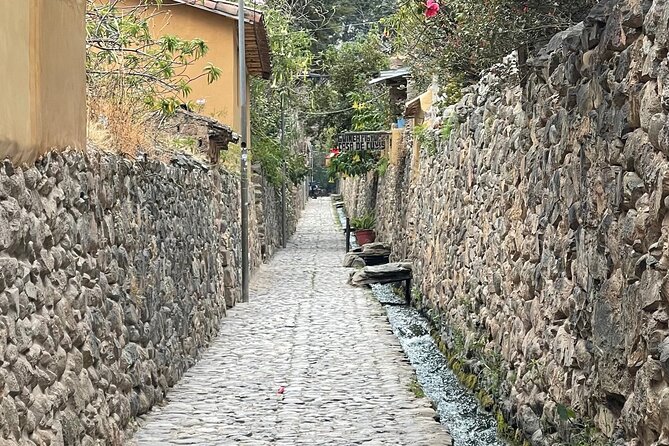
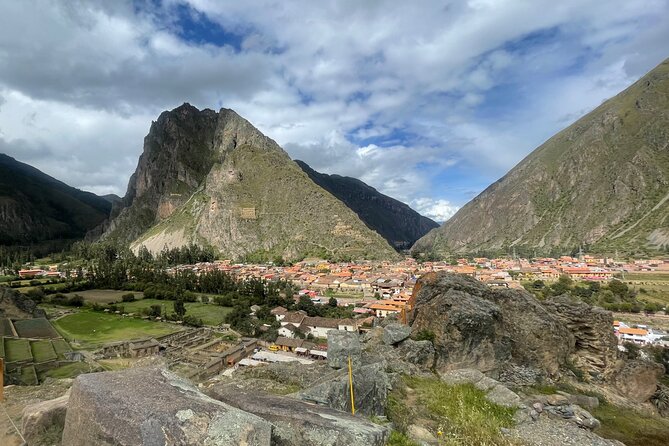
Ollantaytambo is the heart of the tour. At about 2,900 meters, it is described as the last living Inca village that preserves the original design of its buildings. That means you are not only looking at isolated stones. You are walking through a town where the old street plan and building style remain part of daily life.
The archaeological park receives three hours, the longest stop of the day. That is sensible. The site has enough to see that a quick photo stop would do it poor justice.
The Temple of the Sun is reached by a steep staircase beside a series of large terraces. The stonework and scale make clear why Ollantaytambo is often treated as one of the Sacred Valley’s major sites. The fortress rises between two mountains, giving it a defensive position over the valley.
Across the area, the mountain called Pinkuylluna, or Tunupa, carries the remains of Inca structures that appear to have served as storage buildings for food. From Ollantaytambo, you can connect the terraces, storehouses, town plan, and defensive position into one picture of how the settlement worked.
This is also where the tour’s cultural side becomes most visible. Nearby communities gather here, and traditional ponchos and hats are part of what you may see around town. The experience is not limited to a ruin site. It links agriculture, food storage, defense, architecture, and local life.
The drawback is physical. Steep steps and high altitude can make the visit tiring, especially if you have only recently arrived in Cusco. The tour requires a moderate fitness level, so bring water, wear sensible shoes, and give yourself time on the stairs. There is no prize for reaching the top first.
Moray and the science behind the terraces
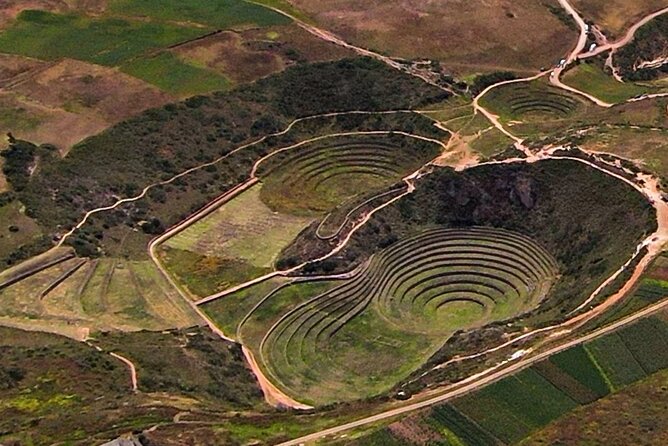
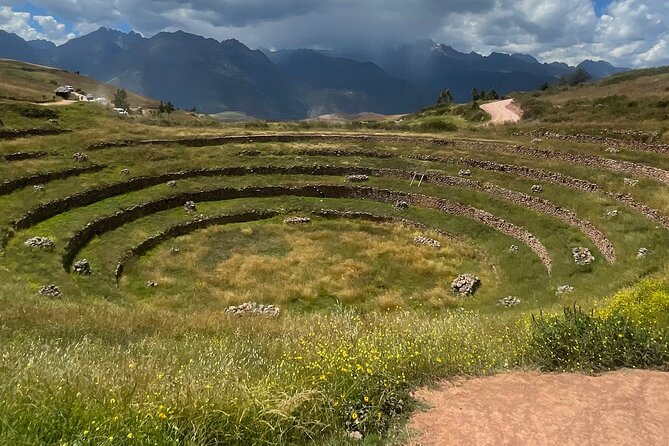
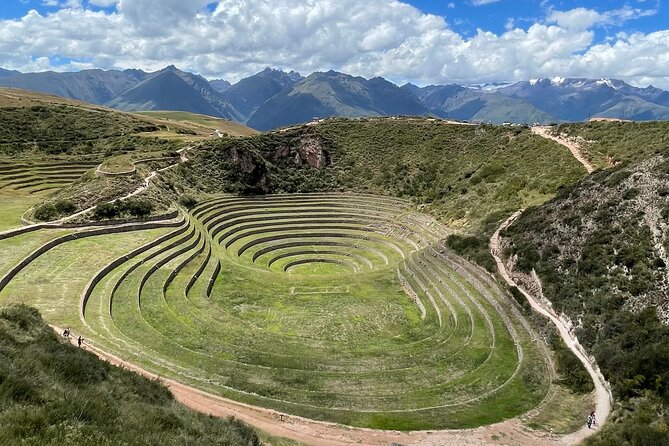
Moray sits above 3,500 meters and gives the day a very different feel from Ollantaytambo. Its circular terraces are associated with agricultural experimentation, where plants and seeds could be adapted to different ecological levels.
The idea is useful because it moves the conversation beyond temples and military sites. The Incas were also managing crops across sharp changes in altitude, temperature, and growing conditions. At Moray, the shape of the terraces helps you understand the practical side of Andean farming.
You receive about one hour here. That is enough for an introduction, photographs, and an explanation from your guide, but it is not a long study visit. I would listen carefully to Cesar at this stop, since the site makes more sense when someone explains why the terraces were built and what role they may have played.
Moray is also among the highest points on this route. You may notice the altitude more here than in the lower parts of the valley. Keep your pace steady and avoid treating the short stop as a race.
Maras: salt made one pool at a time
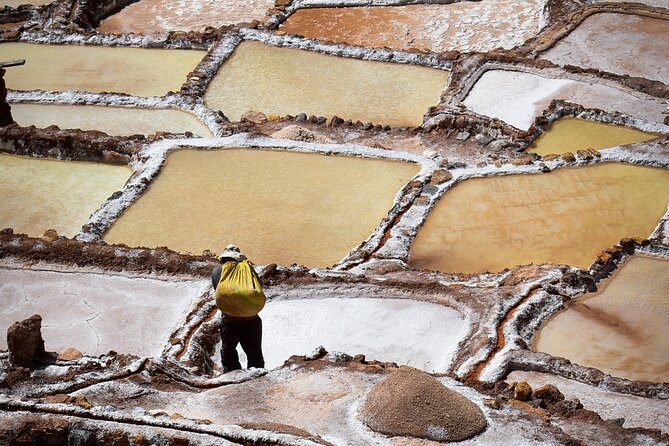
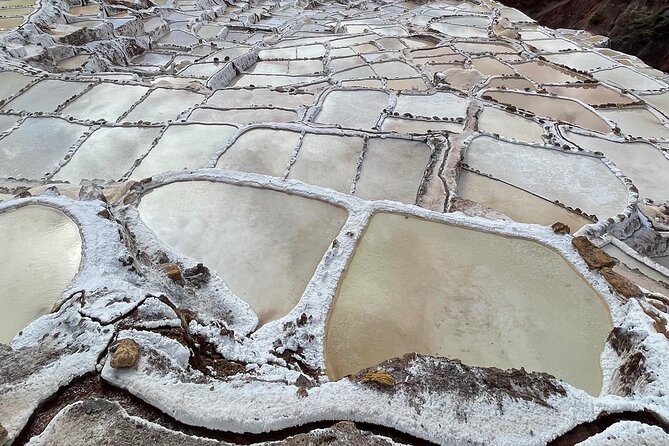
The Salinas de Maras offers a striking change of subject. Instead of monumental stonework, you see hundreds of salt pools supplied by a natural saltwater spring from the mountains.
The water fills each small pool, and salt has been collected here by hand for hundreds of years. The appeal is both visual and practical. You can see how a natural resource becomes a working product through a simple system repeated across the hillside.
The stop lasts about one hour. That gives you time to take in the rows of pools and hear how the process works, though the precise access and viewing conditions can vary. Ask your guide where you can safely stand and what parts of the area are active.
Maras is a good reminder that the Sacred Valley is not only an archaeological destination. People have continued using local resources in traditional ways. I find that this kind of stop balances the grand ruins with a working piece of Andean life.
You should also be ready for a commercial element. Salt is a natural product here, and you may find it available for purchase. The information supplied does not specify shopping arrangements, so treat any buying time as optional rather than a guaranteed part of the schedule.
A few more Cusco trips worth lining up side by side
- Classic Inca Trail Trek 4D/3N to Machu Picchu (Group Service)
★ 5.0 · 8,653 reviews - Cusco: Rainbow Mountain and Red Valley Day Trip with Meals
★ 4.9 · 4,893 reviews - Machu Picchu: 4-Day Inca Trail Trek with Panoramic Train Ride
★ 5.0 · 4,568 reviews - Salkantay Classic Trek 5 Days from Cusco
★ 5.0 · 4,062 reviews
Pisac Market and the valley’s living culture
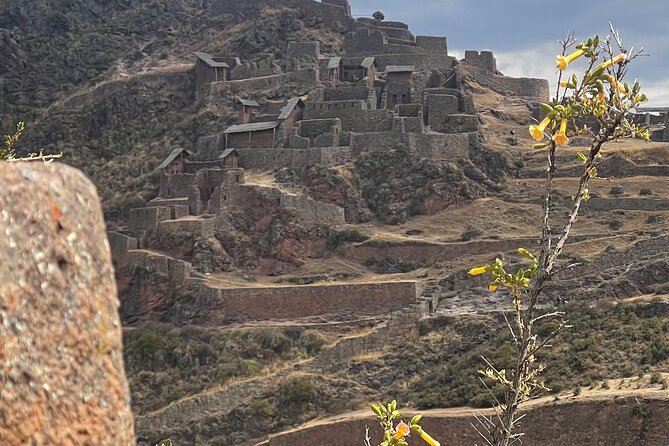
Pisac receives two hours and closes the loop between ancient agriculture and present-day communities. The area includes Inca terraces and storehouses, while the market brings crafts and local commerce into the day.
The surrounding Andes are a major part of the appeal. After the monumental terraces at Ollantaytambo and Moray, Pisac gives you a broad setting in which to see how settlements and farming fit into the valley.
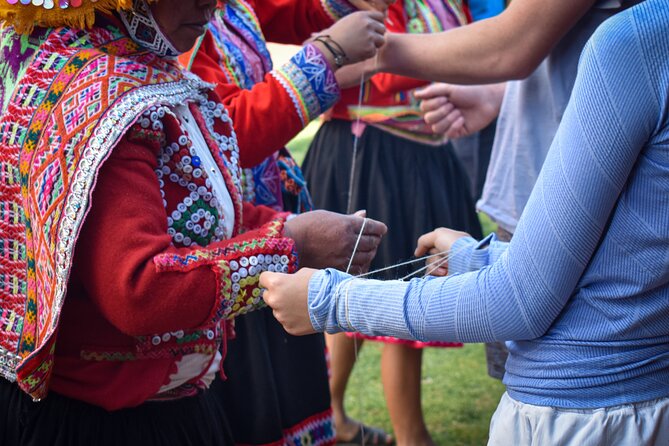
The market is the clearest place to look for handmade goods and a direct connection with local sellers. You may also hear about the many varieties of potatoes preserved by Andean communities in the area. That detail matters because food remains one of the strongest links between the Inca past and modern life.
Two hours is a useful amount of time, but the stop can feel different depending on your interests. If you enjoy browsing crafts, you may want every minute. If markets are not your thing, you may prefer to use the time for views and conversation with Cesar.
Keep your shopping expectations sensible. The supplied information confirms a craft market, but it does not promise particular products, prices, or demonstrations. The best use of the stop is to look, ask questions, and buy only what you genuinely want to carry.
The road between the stops
The biggest practical issue is the amount of driving. The tour notes about four and a half hours of travel are needed to reach all four places. That leaves roughly two and a half hours for visits within a seven-hour day, although the listed stop times add up to seven hours by themselves.
That mismatch is worth discussing before departure. The itinerary may be an approximate schedule, or the total duration may stretch beyond the advertised seven hours. Ask the operator how long the complete day usually lasts and how the stops are timed.
The private vehicle makes the road time easier. You can travel with your own group, use the air conditioning, and ask for adjustments when possible. WiFi is listed onboard, though connection quality can change as you move through mountain areas.
One past guest specifically praised driver Ollidon for handling winding roads and traffic smoothly. If you are prone to motion sickness, tell the operator before the day begins. The route includes mountain roads, and a calm driver can make a real difference.
The air-conditioned vehicle is also useful for storing layers and keeping the ride comfortable as temperatures change with altitude. Still, you should not confuse comfortable transport with a relaxed day. This is a sightseeing circuit, not a slow retreat.
Cesar’s guiding style
The guide can make or break a day like this. The strongest praise for Cesar focuses on his ability to explain history and culture without turning the visit into a list of dates.
You can expect a guide who takes an active interest in your comfort and questions. He has been praised for helping families with children, supporting solo visitors, recommending restaurants, and offering advice about photographs and local places.
That wider support is worth noting. Cesar has also arranged airport and hotel pickups, onward drop-offs, and other parts of larger Peru trips. For this tour, the useful point is that he appears comfortable handling logistics as well as explanations.
His style is described as friendly, patient, communicative, and respectful. Those qualities matter when you spend several hours together in a vehicle. The private setting gives you room to ask about language, customs, food, local communities, or the meaning of what you are seeing.
The tour may be especially good for first-time visitors to Peru. A solo traveler can gain reassurance from having one person manage the route, while families can benefit from a guide who adjusts the explanation for different ages. If you prefer to wander silently and make every choice yourself, a private guided day may feel more structured than you want.
What is included, and what needs checking
The stated inclusions are:
- Air-conditioned vehicle
- Private transportation
- WiFi onboard
- All fees and taxes
- Professional guide
- Pickup and drop-off
Lunch and snacks are not included. Plan for that cost, since the day runs through the middle of the day and the schedule is too tight to assume a long meal break.
There is a contradiction about entrance tickets. One part says admission tickets are included, while another specifically lists entrance tickets as not included. Contact TRIPMAPI before booking and ask for the exact ticket arrangement and final price. This is the one detail I would not leave vague.
Pickup is available from the Cusco airport, a Cusco hotel, an Airbnb, or a location in the Sacred Valley. You can be returned to your original pickup point, Ollantaytambo train station, or another preferred location. Confirm the exact address and drop-off plan in advance, especially if you are connecting with a train.
The experience is private, and only your group participates. Service animals are allowed, and the tour is near public transportation, though the tour itself uses private transport.
Who should book this tour?
I would recommend it to you if you want the major Sacred Valley stops in one private day and prefer having a guide explain what you are seeing. It is a good fit for families, solo visitors, and small groups that value flexible pickup and drop-off.
It also suits people who want more than ruins. Ollantaytambo supplies architecture and defense, Moray shows agricultural planning, Maras presents traditional salt production, and Pisac adds markets and living Andean culture.
I would hesitate if you dislike long drives, steep steps, or tightly scheduled sightseeing. You should also think twice if you want a leisurely visit to each place. Four locations, high-altitude walking, and several hours on the road make this a full day.
For the best experience, book with enough time to prepare. The tour is commonly reserved about 32 days ahead, so waiting until the last moment may not be wise. Bring water, comfortable shoes, layers, and some cash for food or purchases. Most important, ask about the entrance fees and the likely total length of the day.
Should you book the Sacred Valley of the Incas Tour?
Book it if you want a private overview led by Cesar, with transport handled from start to finish and enough time at Ollantaytambo to make the day worthwhile. His praised patience, cultural explanations, photo advice, and care with solo guests and children are the tour’s strongest assets.
Do not book it blindly if the seven-hour timing matters to you. Confirm the travel schedule, lunch plan, and entrance-ticket cost first. Once those points are clear, the $80 price can be good value for a private vehicle, guide, and flexible drop-off, especially when shared by a small group.
FAQ
How much does the tour cost?
The listed price is $80 per person. Lunch, snacks, and entrance tickets are listed as not included, although the same details also say all fees and taxes and admission tickets are included. Ask TRIPMAPI to confirm the final cost before booking.
How long does the tour last?
The advertised duration is approximately seven hours. The tour information also says about four and a half hours are spent traveling between the sites, so confirm the expected total timing with the provider.
Where can pickup take place?
Pickup is offered from the Cusco airport, a hotel or Airbnb in Cusco, or a location in the Sacred Valley of Cusco.
Where can I be dropped off?
You can be dropped off at the same place where you were picked up, at Ollantaytambo train station, or at another preferred location.
Is this a private tour?
Yes. Only your group participates in the activity.
Is the tour offered in English?
Yes. English is one of the offered languages.
What should I expect physically?
A moderate level of physical fitness is recommended. The tour includes walking at archaeological sites, steep stairs at Ollantaytambo, and visits at altitudes reaching more than 3,500 meters at Moray.
Can I cancel for a full refund?
Yes, if you cancel at least 24 hours before the experience start time. Cancellations or changes made less than 24 hours before the start time are not refunded. If poor weather causes the tour to be canceled, you will be offered another date or a full refund.
Added recently around Cusco
- Super valley or vip valley★ 5.0 · 13 reviews
- the Incas’ Sacred Valley★ 5.0 · 27 reviews
- Sacred Valley of the Incas Day Trip from Cusco★ 5.0 · 6 reviews
- Small-Group Tour: Rainbow Mountains Hiking from Cusco★ 4.0 · 5 reviews
- Excursion to the Sacred Valley of the Incas from Cusco★ 5.0 · 8 reviews
- Maras + Moray & Textile Experience★ 5.0 · 14 reviews
- Tour EN Cuatrimoto POR la Montaña 7 Colors Hike 5 Minutes★ 4.5 · 32 reviews
- rainbow mountain★ 4.0 · 4 reviews
Sacred Valley Tours, compared.
Sacred Valley & Maras Salt Mines Tour with Lunch
Read our review →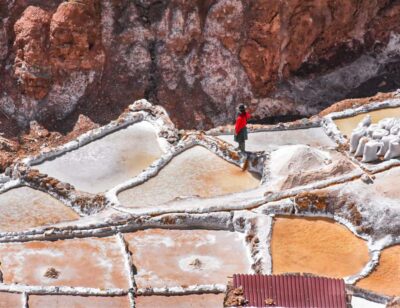
Moray, Maras Salt Mines & Chinchero Weavers Tour
Read our review →
2-Day Tour: Sacred Valley and Machu Picchu by Train
Read our review →
Sacred Valley, Pisac, Ollantaytambo, Salt Mines Moray
Read our review →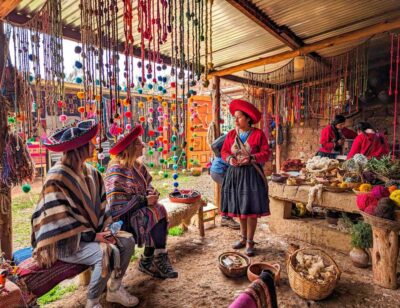
Chinchero,Moray & Salt Mines drop-off in Ollantaytambo
Read our review →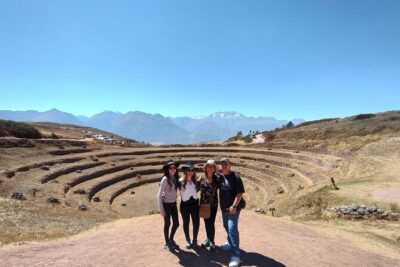
Sacred Valley and Maras Moray Tour with Full Day Buffet Lunch
Read our review →