
Reviewed · SACRED VALLEY TOURS
Sacred Valley Plus 1 Day: Maras, Moray, Pisac, Chinchero & Ollantaytambo
Five Sacred Valley stops make one long, useful day. This Cusco outing combines Inca ruins, salt pools, farming terraces, weaving traditions, and mountain scenery without asking you to arrange several separate rides. I especially like the small group of up to eight and the chance to learn why each site mattered, rather than simply taking photos and moving on.
I also like that hotel transport and a fluent English or Spanish-speaking guide are included. The drawback is the pace: five major stops in roughly 10 hours means an early start, plenty of time in the vehicle, and only a short visit at some places. The $205.48 price is fair for a small-group day with a guide and private transport between sites, but it is not a bargain if you prefer slow, unhurried sightseeing.
In This Review
- Key points to know before you book
- Why this Sacred Valley route works
- Maras and its bright salt pools
- Moray and the strange circular terraces
- Chinchero and living textile traditions
- Pisac, terraces, and mountain views
- Ollantaytambo, the grand finale
- What the guides add to the day
- Transport, timing, and the real pace
- Price, tickets, and what you still pay
- Who should choose this full-day outing?
- Should you book the Maras, Moray, Pisac, Chinchero, and Ollantaytambo tour?
- FAQ
- What time does the Sacred Valley tour start?
- How long does the tour last?
- Which places are visited?
- Is transportation included?
- Is lunch included?
- How large is the group?
- Is a guide included?
- Is the tour refundable if I cancel?
Key points to know before you book
- Five major sites in one day: Maras, Moray, Pisac, Chinchero, and Ollantaytambo cover several very different sides of the Sacred Valley.
- A genuinely small group: The maximum is eight people, which makes questions and schedule adjustments easier.
- A 7:00 am start: You will need to be ready early in Cusco for hotel pickup.
- The guide adds real value: Guides such as Joaquin, Jacob, Alberto, Dalia, and Frank have been praised for clear explanations, patience, and care.
- Lunch is not included: Plan to pay separately for food, and note that breakfast and dinner are also excluded.
- Tickets need attention: A partial tourist ticket into the Sacred Valley is included, but the supplied details do not spell out every admission covered.
Why this Sacred Valley route works
The Sacred Valley is not one single sight. It is a long corridor of villages, terraces, mountains, farms, temples, and old roads, with each stop showing a different piece of Andean life. This route tries to fit the main highlights into one full day.
That makes it useful if your time in Cusco is limited. Instead of choosing between Moray and Ollantaytambo, or between Pisac and Chinchero, you see all five. You also get a guide to connect the sites, which matters here. Without context, a terrace can look like a stone wall, and a salt pool can look like a shallow white puddle. The stories explain the work, planning, and beliefs behind them.
The tradeoff is simple: range comes before leisure. You will see a lot, but you will not have an entire afternoon to linger at one ruin, browse every market stall, or sit over a long meal. I would choose this outing for your first full day in the valley, especially if you want an overview before returning to particular places on your own.
More Day Trips in Cusco
- Cusco: Rainbow Mountain and Red Valley Day Trip with Meals
★ 4.9 · 4,893 reviews - Cusco: #1 Rainbow Mountain & Red Valley Day Trip with Meals
★ 4.8 · 2,342 reviews - Cusco: Rainbow Mountain & Red Valley Premium Day Trip with Meals
★ 5.0 · 2,249 reviews
Maras and its bright salt pools
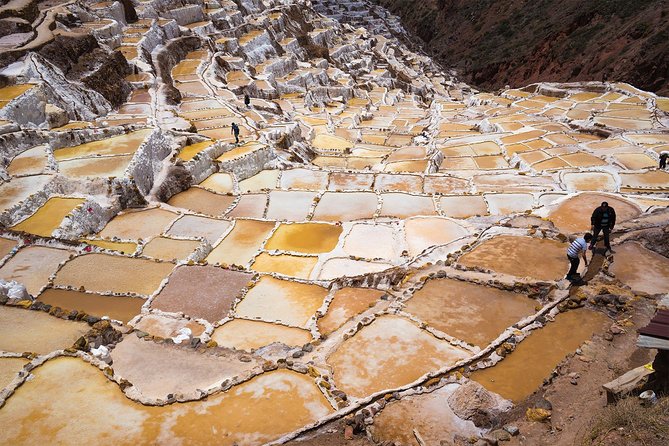
Maras is one of the day’s most unusual stops. Salt pools spread across the mountainside in rows, creating a pale, geometric pattern that looks almost unreal from above. The pools are tied to a traditional salt-making system, where mineral-rich water is directed into shallow basins and left to evaporate.
You will get a strong photo stop here, but the place is more interesting when you pay attention to the labor involved. These are not decorative ponds built for visitors. They are working salt pans, shaped and maintained over time.
The supplied tour details identify the Salt Mines of Maras as part of the route, but they do not specify how long you stay or precisely where you view them. Expect this to be a short, active stop rather than a relaxed walk through a large museum. Wear shoes with a good grip and bring sun protection. The Andean sun can feel sharp even when the air is cool.
The salt pools also give the day some variety. After looking at monumental stonework, you are seeing a living agricultural and commercial tradition. That contrast is one of the route’s strengths.
Moray and the strange circular terraces
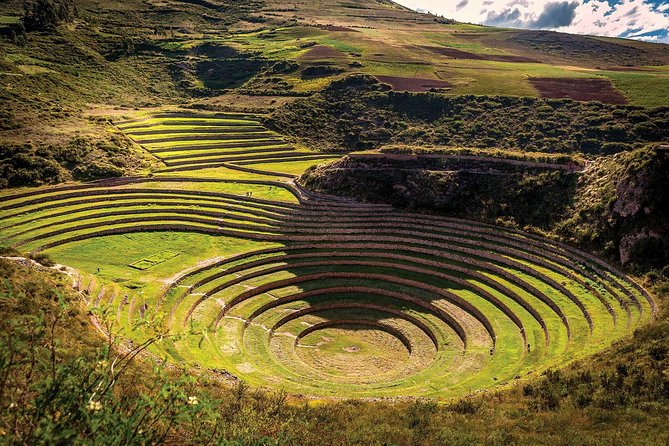
Moray is the visual surprise of the tour. Its great circular terraces sink into the earth in broad rings, giving the site an almost amphitheater-like shape. The terraces were used for agriculture, and their design shows the careful way the Inca worked with altitude, soil, and water.
You do not need to be an archaeology expert to appreciate Moray. The scale and shape make the site easy to understand at a glance, while a good guide can explain why the terraces were built and what they tell you about Inca farming.
This is also a place where the guide’s timing matters. The circular terraces are best understood from a viewpoint, so a clear explanation can help you notice the design instead of rushing straight to photographs. The stop may feel brief because the full route has four other major sites, but Moray is distinctive enough to earn its place.
Bring water and take your time on steps and uneven paths. The tour is open to most people, but the day includes ruins, hills, and repeated walking. If altitude affects you, tell the guide early. Alberto, one of the guides praised for this route, was noted for watching the pace and helping people handle the stairs and hills.
Chinchero and living textile traditions
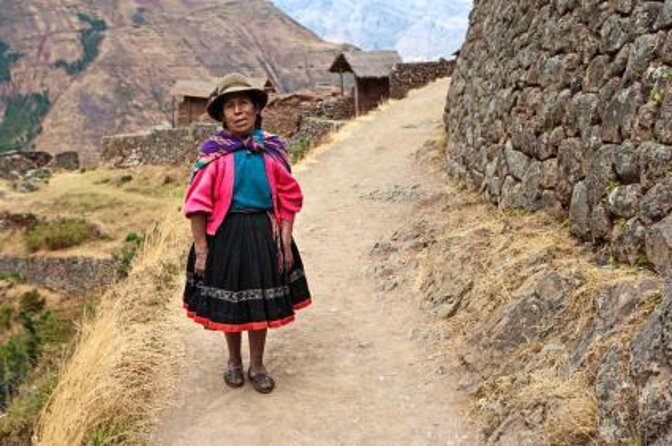
Chinchero adds a human side to the day. Here you see colonial architecture alongside Indigenous Inca and pre-Inca remains, then learn about traditional textile work that continues today.
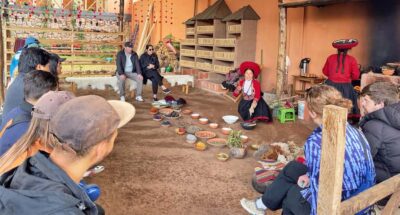
The textile demonstration is more than a shopping stop when it is handled well. You may see how alpaca wool is dyed and learn how colors are produced from local materials. One especially useful detail shared from this experience is a demonstration of alpaca-wool dyeing at a weaving cooperative.
I like this part because it connects the old stone sites with present-day skills. The Sacred Valley is not only an archaeological display. People still farm, weave, trade, and maintain customs in the same broad region where earlier Andean societies built their settlements.
The practical caution is that weaving cooperatives often include opportunities to buy textiles. You should feel free to look, ask questions, and purchase only if you want something. The important value here is the demonstration and the conversation, not the pressure to spend more.
Chinchero can also help you understand why a route with several different stops is worthwhile. A ruin gives you the remains of a system. A textile practice shows how cultural knowledge can continue in daily life.
More Day Trips in Sacred Valley
- From Cusco: 2-Day Trip to the Sacred Valley and Machu Picchu
★ 4.6 · 265 reviews - Maras, Moray and Chinchero Private Day Trip from Cusco
★ 5.0 · 131 reviews - Rafting & Zip line Urubamba River 1 Day
★ 5.0 · 75 reviews - Sacred Valley (VIP) – Full Day Trip
★ 4.5 · 71 reviews
Pisac, terraces, and mountain views
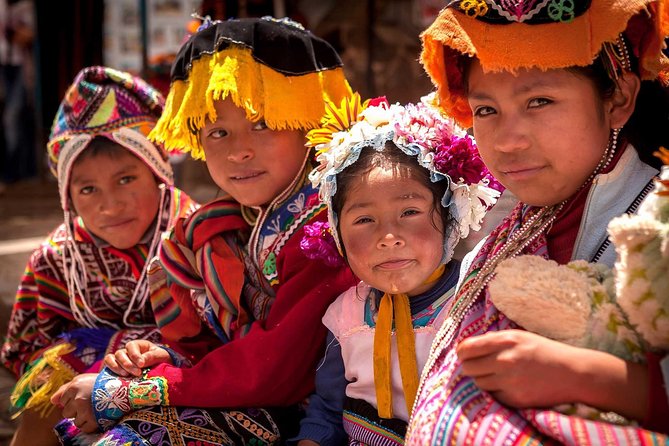
Pisac brings together architecture, agriculture, and dramatic scenery. Its terraces climb the slopes in broad bands, showing how much effort went into making steep land productive. The ruins also include fine stonework and structures that help explain the settlement’s importance.
I would pay close attention to the terraces rather than treating them as background scenery. They are not simply attractive stripes on a hillside. They reveal how food production, water control, and settlement planning were linked.
The route description also highlights the beautiful architecture at Pisac. Your guide can help you distinguish between the different kinds of spaces and explain what you are looking at. This is where the historical guidance becomes especially useful, since a large complex can otherwise blur into a series of walls and stairways.
Pisac adds another physical challenge. You will encounter steps, slopes, and uneven ground, and the day has already included walking at other locations. Comfortable shoes are essential. If you want a slow, detailed examination of every part of the site, a dedicated visit would be better. If you want the main impression and a clear explanation, this day trip gives you a strong introduction.
Ollantaytambo, the grand finale
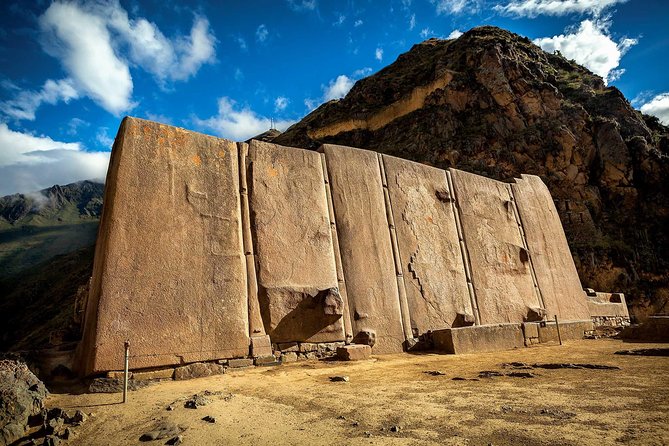
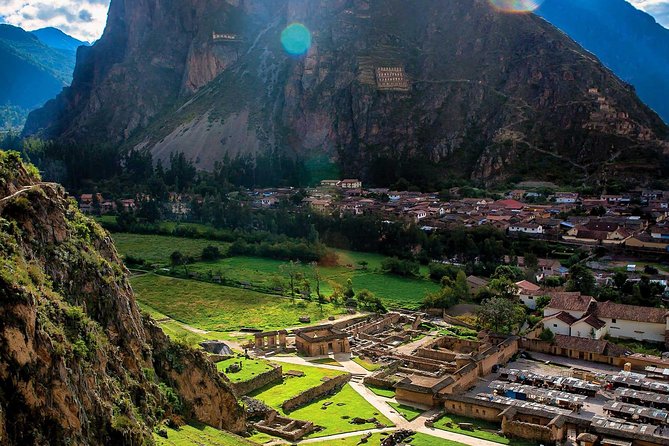
Ollantaytambo is likely to be the most imposing stop. Massive stonework rises above the settlement, with terraces and a mountain setting that make the scale easy to appreciate. The site includes Inca and pre-Inca remains, and the town below is known for its beautiful colonial architecture.
This is the place where the route’s title, Sacred Valley Plus, makes sense. You are not just visiting small ruins or viewpoints. Ollantaytambo gives you a major ceremonial and defensive complex with a powerful visual finish.
A guide can bring out details you might miss, from the engineering of the stonework to the role of the terraces and the settlement’s position in the valley. Joaquin has been praised for using myths, stories, and historical explanation to make the ruins easier to picture as active places rather than empty walls.
The timing deserves an honest warning. After four earlier stops, you may arrive here tired. The site has slopes and stairs, so do not expect a gentle final stroll. Still, the scale makes it a rewarding last stop. If I had to name the place most likely to stay with you after the day, Ollantaytambo would be near the top.
What the guides add to the day
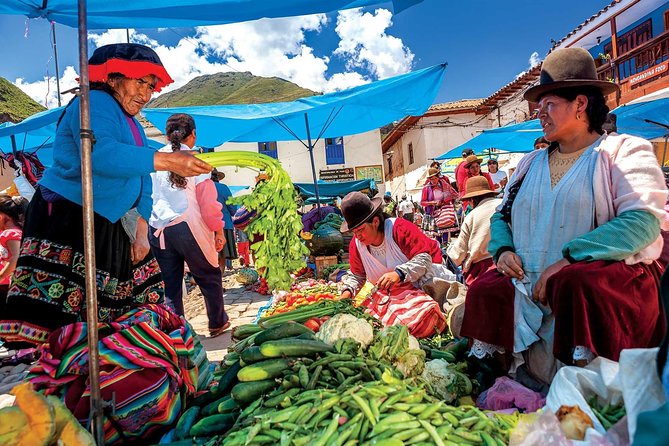
The strongest part of this experience appears to be the guiding. The most praised guides include Joaquin, Jacob, Alberto, Dalia, and Frank, with repeated attention to their patience, warmth, organization, and ability to explain Inca history.
Joaquin is known for bringing ruins to life with stories and myths. Alberto has been praised for answering many questions and looking after people dealing with altitude and stairs. Dalia and Jacob have been described as attentive and ready early, with a focus on comfort and smooth coordination. Frank was praised for being kind, informed, and accommodating.
You should not assume that one particular guide will be assigned to you. Still, these names give you a useful sense of the company’s guiding style. The experience works best when you ask questions. Ask about farming, religion, building methods, local communities, or how pre-Inca sites fit into the wider story. The guides are not simply there to point toward a wall and announce its age.
One small touch mentioned in connection with related days was a snack basket in the van. That is not listed as a standard inclusion for this tour, so do not count on it. Bring your own water and snacks unless the operator confirms otherwise.
Transport, timing, and the real pace
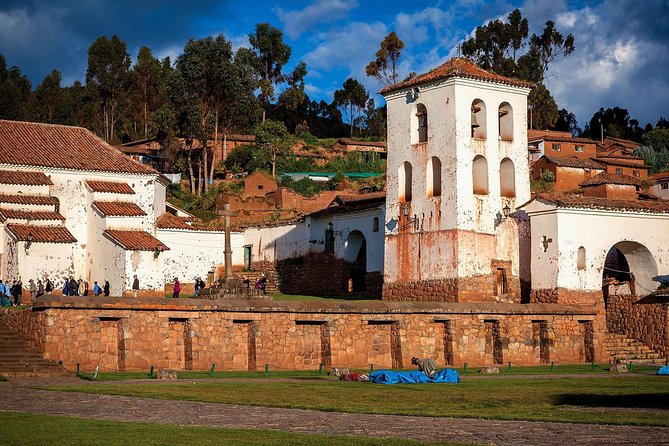
Pickup begins at 7:00 am from your Cusco hotel. Transportation from site to site and the return transfer are included, which is a major advantage in the Sacred Valley. You can watch the mountains and villages pass by instead of concentrating on directions, parking, and unfamiliar roads.
The advertised duration is about 10 hours, while the detailed stop description also refers to eight hours. I would plan your day around the longer figure. With five stops, hotel pickup, road time, and a return to Cusco, this is a full-day commitment.
The group limit of eight is important. A small van can move more easily than a large coach, and you can hear the guide without a struggle. It also gives the guide a better chance to adjust the pace when someone needs a short break or wants to ask a question.
The day will still include substantial driving. That is the price of covering Maras, Moray, Pisac, Chinchero, and Ollantaytambo in one outing. If you dislike long road days, split these sights over two days. If you want maximum coverage, the vehicle time is useful rather than wasted.
Price, tickets, and what you still pay
At $205.48 per person, this is a higher-priced day tour. The value comes from the small group, hotel transfers, transport between all five places, and a guide who can explain the sites in English or Spanish.
A larger bus tour may cost less, but you would likely give up some personal attention and flexibility. A private tour would normally cost more, especially for one or two people. This option sits in the middle: more personal than a mass tour, less exclusive than a fully private day.
A partial tourist ticket into the Sacred Valley is included. The supplied details do not identify every entrance covered by that ticket, so you should confirm the exact admissions before paying. Lunch is not included, and neither are breakfast, dinner, or travel insurance. Budget for food separately and check whether any additional site fee applies.
That uncertainty does not make the tour poor value, but it does mean you should read the final ticket details carefully. A low headline price can become less attractive if several admissions are extra. Here, the transport and guide remain the main reasons to book.
Who should choose this full-day outing?
I would recommend it for you if:
- You have only one day for the Sacred Valley.
- You want both famous ruins and cultural experiences.
- You prefer a guide to explain what you are seeing.
- You want hotel pickup and transport handled for you.
- You are comfortable with an early start and a busy schedule.
- You like small groups and the chance to ask questions.
It is also a sensible first-day orientation if you are spending more time around Cusco. The day introduces the region’s farming systems, stonework, villages, textiles, and colonial layers. You can then decide which place deserves a slower return visit.
I would hesitate if you want long photo sessions, relaxed meals, or a gentle walking day. The route covers five sites, and the hills and stairs can be demanding. It is not a lazy drive through the valley with occasional roadside stops.
Most people can participate, but the information provided does not promise a step-free route. If you have mobility concerns, ask the operator what can be adjusted before booking. The fixed, non-refundable cancellation rule also matters: once booked, the amount is not returned if you cancel or request a change. If the minimum group size is not reached and the operator cancels, you are offered another date or experience, or a full refund.
Should you book the Maras, Moray, Pisac, Chinchero, and Ollantaytambo tour?
Book it if you want the biggest possible introduction to the Sacred Valley in one day, especially with a small group and strong guiding. The route has excellent variety: salt production at Maras, agricultural design at Moray, textiles and village culture at Chinchero, terraces at Pisac, and monumental stonework at Ollantaytambo.
Do not book it expecting a slow, quiet examination of every site. This is a carefully packed day, not a leisurely custom itinerary. At $205.48, it earns its price when you value expert explanation, door-to-door transport, and a group capped at eight. For a first look at the valley, that is a sensible trade.
FAQ
What time does the Sacred Valley tour start?
The tour starts at 7:00 am, with pickup from your hotel in Cusco.
How long does the tour last?
The experience lasts approximately 10 hours. The detailed tour information also mentions an eight-hour itinerary, so you should allow the full day.
Which places are visited?
The route visits Maras, Moray, Pisac, Chinchero, and Ollantaytambo in the Sacred Valley.
Is transportation included?
Yes. Transportation from site to site and transfers to and from your Cusco hotel are included.
Is lunch included?
No. Lunch, dinner, and breakfast are not included.
How large is the group?
The group has a maximum of eight people.
Is a guide included?
Yes. A fluent English or Spanish-speaking guide provides guided service from site to site.
Is the tour refundable if I cancel?
No. The experience is non-refundable and cannot be changed for any reason. If the operator cancels because the minimum number of participants is not met, you are offered a different date or experience, or a full refund.
More Sacred Valley Days Out
- From Cusco: Moray, Maras Salt Mines & Chinchero Weavers Tour
★ 4.8 · 1,925 reviews - 2-Day Tour: Sacred Valley and Machu Picchu by Train
★ 5.0 · 1,127 reviews - Cusco: Sacred Valley, Pisac, Ollantaytambo, Salt Mines Moray
★ 4.6 · 1,058 reviews - Cusco:Chinchero,Moray & Salt Mines drop-off in Ollantaytambo
★ 4.8 · 793 reviews
Added recently around Cusco
- Super valley or vip valley★ 5.0 · 13 reviews
- the Incas’ Sacred Valley★ 5.0 · 27 reviews
- Sacred Valley of the Incas Day Trip from Cusco★ 5.0 · 6 reviews
- Maras + Moray & Textile Experience★ 5.0 · 14 reviews
- Small-Group Tour: Rainbow Mountains Hiking from Cusco★ 4.0 · 5 reviews
- Excursion to the Sacred Valley of the Incas from Cusco★ 5.0 · 8 reviews
- Tour EN Cuatrimoto POR la Montaña 7 Colors Hike 5 Minutes★ 4.5 · 32 reviews
- rainbow mountain★ 4.0 · 4 reviews
Sacred Valley Tours, compared.
Sacred Valley & Maras Salt Mines Tour with Lunch
Read our review →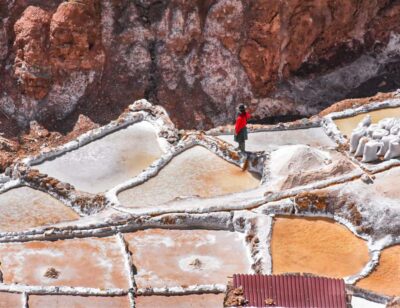
Moray, Maras Salt Mines & Chinchero Weavers Tour
Read our review →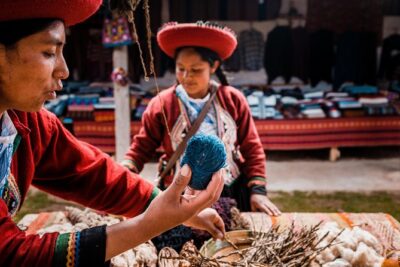
2-Day Tour: Sacred Valley and Machu Picchu by Train
Read our review →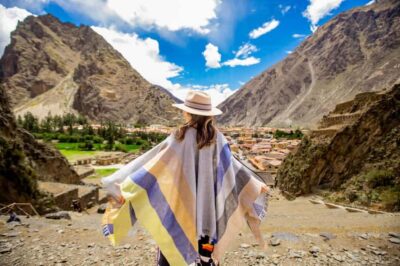
Sacred Valley, Pisac, Ollantaytambo, Salt Mines Moray
Read our review →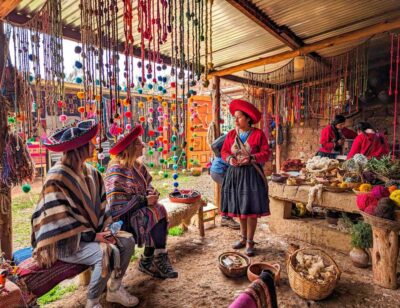
Chinchero,Moray & Salt Mines drop-off in Ollantaytambo
Read our review →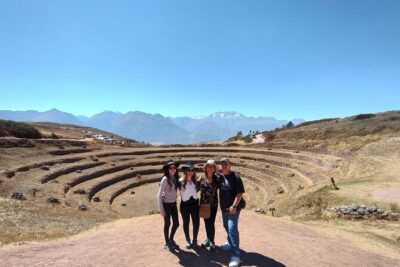
Sacred Valley and Maras Moray Tour with Full Day Buffet Lunch
Read our review →

Browse the lists this tour appears in