Reviewed · SACRED VALLEY TOURS
Sacred Valley & Salt Flats Tour (A Journey to the Heart of the Incas)
Sacred Valley days are best spent outdoors. This 14-hour Cusco tour links Chinchero, Maras, Moray, Urubamba, Ollantaytambo, and Pisac in one long sweep through Inca country. I like the broad mix of textile culture, salt terraces, farming sites, mountain views, and major ruins. I also like the small group limit of 16 and the buffet lunch, which keeps the day practical as well as scenic. The main drawback is simple: admission tickets cost extra, and the schedule packs a lot into one day.
You meet at Cusco’s Plaza de Armas at 6:30 a.m. and return there, or nearby, at the end. That early start helps fit in the major sites, but you should expect a full, busy day with several stops and plenty of time in a vehicle. Guides such as JC and William have been praised for making the history clear, answering questions, and keeping the mood friendly.
In This Review
- Key details before you book
- Why this route works for a first Sacred Valley day
- Chinchero, where textiles meet Inca foundations
- Maras and the salt terraces
- Moray and the Inca agricultural experiment
- Lunch in Urubamba and what the buffet adds
- Ollantaytambo, the day’s monumental stop
- Pisac, terraces and a final valley view
- What the $49 price really covers
- Timing, transport, and fitness
- Who should book this Sacred Valley tour?
- Should you book it?
- FAQ
- Where does the tour start?
- Where does the tour end?
- How long does the experience last?
- What sites are included?
- Is lunch included?
- Are admission tickets included?
- Do I need cash for the salt terraces?
- How many people can join the tour?
Key details before you book
- Six major stops in one day: Chinchero, Maras, Moray, Urubamba, Ollantaytambo, and Pisac create a wide-ranging Sacred Valley route.
- A buffet lunch is included: You get a substantial meal with a selection of Peruvian dishes in Urubamba.
- Bring extra admission money: Attraction tickets are not included, with total costs listed at about $23. The salt terraces have also been reported as requiring 20 soles in cash.
- The day begins at 6:30 a.m.: You need to be ready early at Cusco’s Plaza de Armas.
- The group is capped at 16 people: That is more personal than a large coach outing, while still keeping the price low.
- Expect light to moderate walking: The route includes archaeological sites, terraces, viewpoints, and uneven outdoor ground.
Why this route works for a first Sacred Valley day
The Sacred Valley is not one single attraction. It is a long corridor of farming towns, old settlements, ceremonial sites, and dramatic mountain terrain. This tour gives you a useful first look at several different sides of it, rather than spending the entire day at just one ruin.
I like the way the route combines living culture with archaeology. At Chinchero, you begin with local textile traditions and a market setting. At Maras and Moray, the focus shifts to clever use of land and water. Ollantaytambo brings you to monumental stonework, while Pisac closes the day with terraces and a high viewpoint.
That variety is the tour’s strongest feature. You will not get a slow, detailed study of every site, but you will see how the Incas and later communities used this fertile valley. If you have only one free day before or after time in Cusco, the route gives you a lot for the price.
The trade-off is pace. The day is advertised as roughly 14 hours, while the main sightseeing portion is described as about 12 hours. Either way, this is not a relaxed morning outing. You should be comfortable with an early start, repeated stops, and a late return.
More Sacred Valley days out:
- From Cusco: Moray, Maras Salt Mines & Chinchero Weavers Tour
★ 4.8 · 1,925 reviews - 2-Day Tour: Sacred Valley and Machu Picchu by Train
★ 5.0 · 1,127 reviews - Cusco: Sacred Valley, Pisac, Ollantaytambo, Salt Mines Moray
★ 4.6 · 1,058 reviews
Chinchero, where textiles meet Inca foundations
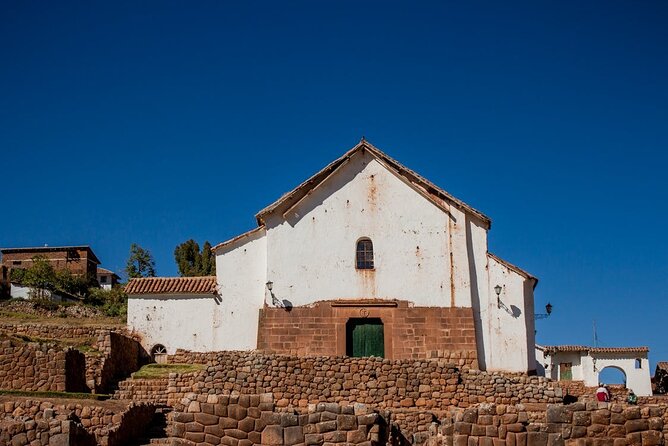
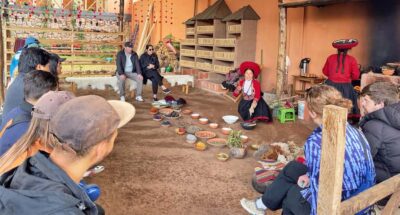
Chinchero is a strong opening stop because it connects present-day Andean life with older Inca remains. The town is known for its market and traditional textiles, so you get a chance to see local craft traditions alongside archaeological structures.
This is where a good bilingual guide matters. A guide can explain what you are seeing without turning the stop into a simple shopping break. Guides named JC and William have been praised for clear storytelling, friendly service, and a willingness to answer questions. Your guide may be someone else, but the tour is designed around English and Spanish commentary.
Give yourself time to look closely at the textiles rather than rushing through. The point is not only to buy something. Traditional weaving shows how local identity remains tied to patterns, materials, and community skill.
The limitation is that this stop can feel brief on a route with six destinations. If Chinchero is your main reason for booking, you may want a more focused textile visit. If you want a broad introduction to the valley, it is a useful first chapter.
Maras and the salt terraces
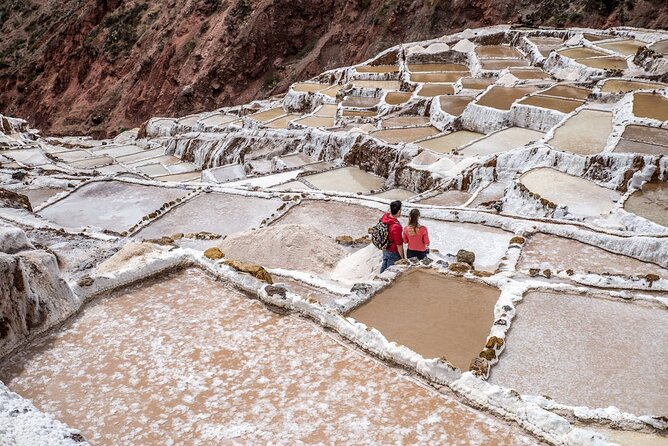
The Salineras de Maras offer one of the day’s most unusual sights. Salt terraces spread across a steep setting, forming a pale, patterned patchwork that looks very different from the stone ruins elsewhere on the route.
The terraces are valuable because they show practical resource use rather than only ceremonial or military building. Salt is produced from salty water that flows through the area, with many small pools used to collect and dry it. The visual effect is striking, especially when the terraces contrast with the surrounding hills.
You should pay close attention to the admission detail here. Entrance tickets are not part of the $49 tour price, and the supplied information lists attraction tickets at about $23 in total. One direct tip is to carry cash for a 20 soles per person salt mine fee. Costs can change, so confirm the current amount when booking, but do not arrive assuming every stop is covered.
There is also some walking at Maras. The overall route requires low to moderate fitness, not serious hiking, but outdoor surfaces may be uneven. Comfortable shoes will make this stop easier.
Moray and the Inca agricultural experiment

Moray is famous for its huge circular terraces cut into the earth. The rings descend toward a lower center, creating one of the most memorable forms on the Sacred Valley route.
The site matters because it shows the Incas working with altitude, temperature, and cultivation. The terraces are often discussed as an agricultural complex, and their shape makes it easier to understand why this place has drawn so much attention. You can look down into the circles and see how carefully the land was organized.
This is a stop where a guide can add real value. Without explanation, you may see only large rings in the ground. With context, you begin to connect the site to farming, planning, and the wider valley economy.
Moray is also a good example of why the itinerary benefits from variety. After the salt terraces, you are looking at another form of resource management. The two stops are close enough in theme to make sense together, but visually they are quite different.
Do not expect a long independent walk here. The route is built around a series of short visits, and the group must keep moving to reach Ollantaytambo and Pisac later in the day.
A few more Cusco trips worth lining up side by side
- Classic Inca Trail Trek 4D/3N to Machu Picchu (Group Service)
★ 5.0 · 8,653 reviews - Cusco: Rainbow Mountain and Red Valley Day Trip with Meals
★ 4.9 · 4,893 reviews - Machu Picchu: 4-Day Inca Trail Trek with Panoramic Train Ride
★ 5.0 · 4,568 reviews - Salkantay Classic Trek 5 Days from Cusco
★ 5.0 · 4,062 reviews
Lunch in Urubamba and what the buffet adds
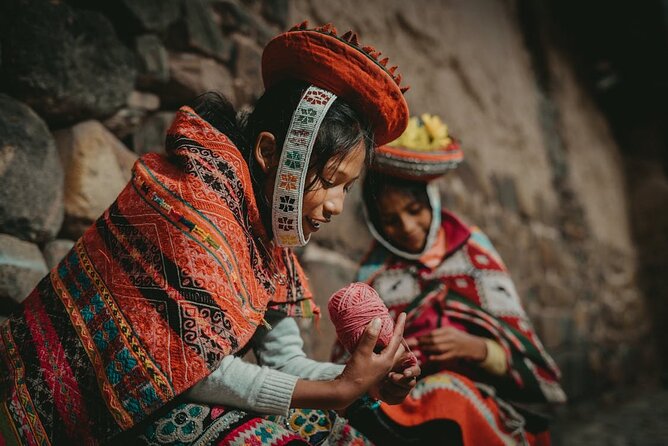
Lunch comes after the morning sites in Urubamba. A buffet of Peruvian food is included, and this is more than a minor convenience on such a long outing.
I like having lunch built into the plan because it removes one common source of stress. You do not need to hunt for a restaurant while watching the clock, and you can try several dishes instead of committing to one unfamiliar plate. The food has been praised for its variety and generous portions.
One useful detail is that the buffet is not just a snack stop. It has been described as a large meal with many typical dishes. That makes it a worthwhile part of the $49 price, especially when you also receive transportation, a bilingual guide, and bottled water.
The compromise is flexibility. A group meal means you follow the tour’s timing and restaurant choice. If you prefer a quiet, independent lunch or have strict dietary needs, ask about the available dishes before you rely on the buffet.
Urubamba also breaks up the sightseeing rhythm. By this point, you have already covered Chinchero, Maras, and Moray. A proper meal gives you a chance to sit down before the afternoon ruins.
Ollantaytambo, the day’s monumental stop
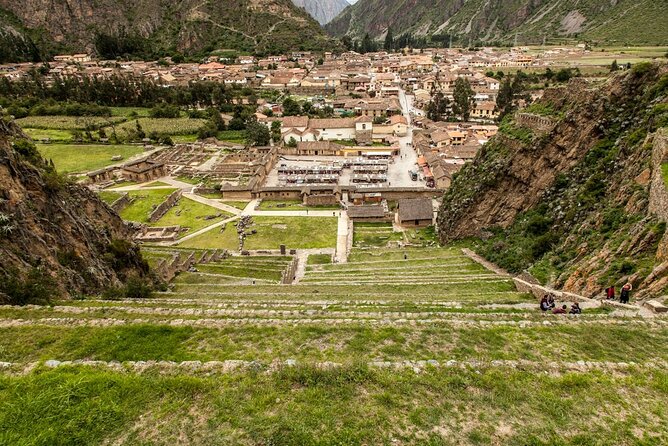
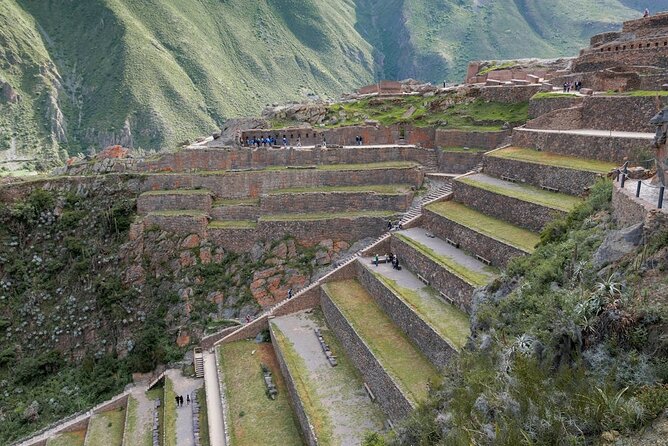
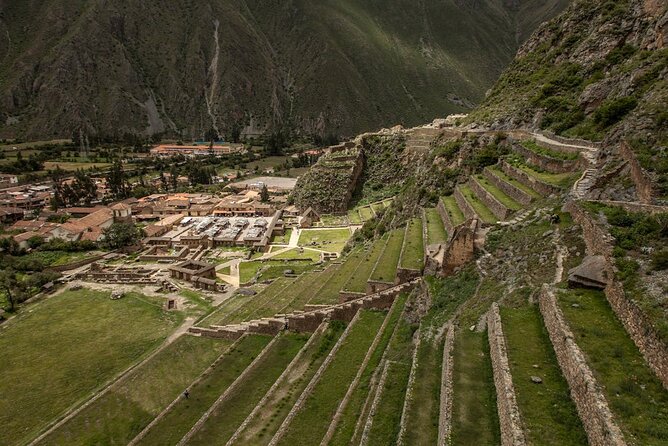
Ollantaytambo is one of the most important archaeological sites on the route. Its massive stonework and imposing position give the afternoon a strong sense of scale.
This is a place where the difference between seeing and understanding becomes clear. A quick look at stone walls is impressive, but the guide’s stories help explain how the site fits into Inca planning and the wider valley. The tour information describes Ollantaytambo as monumental, and that is the right expectation: this stop is about large construction, steep slopes, and the power of the setting.
You should be ready for more walking and stairs here than at a simple viewpoint. The tour is suitable for most people, but low to moderate fitness is still the sensible standard. Take your time on uneven sections and do not feel pressured to race ahead of the group.
The major drawback is limited time. Ollantaytambo can reward a full day by itself, especially if you enjoy archaeology. On this combined route, you get a meaningful introduction, but not every corner or detail.
Pisac, terraces and a final valley view
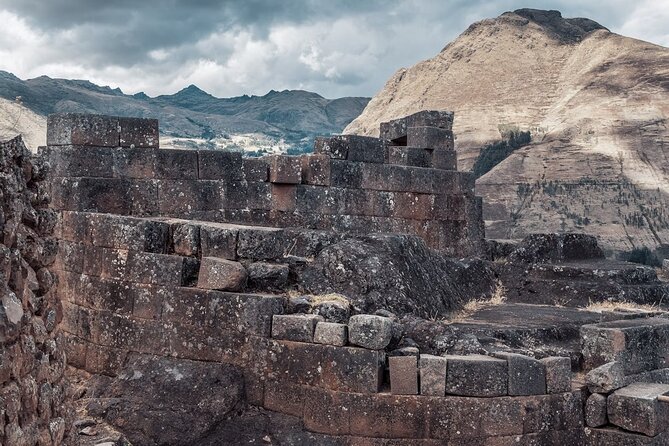
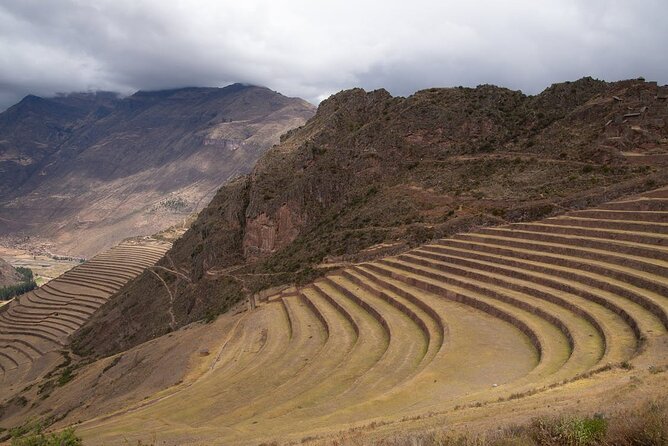
The final major stop is Pisac, known for its viewpoint and agricultural terraces. Ending here gives the day a scenic finish, with the high ground helping you see how the valley’s farms and settlements fit together.
The terraces are not just decorative. They show the scale of Inca farming and the effort required to make steep ground productive. From the viewpoint, you can take in the physical relationship between the ruins, the cultivated slopes, and the valley below.
After a long day, Pisac can feel like both a reward and a test of endurance. The views are a strong finish, but you may be tired by the time you arrive. Keep some water with you, use the included bottle early in the day, and save a little energy for the last site.
The return to Cusco ends near the Plaza de Armas. That central finish is handy if you are staying in the historic center, though the exact return point may be nearby rather than precisely at the same spot.
What the $49 price really covers
At $49 per person, this tour is priced as a budget-friendly way to cover a large section of the Sacred Valley. The included package is solid:
- Certified bilingual guide in English and Spanish
- Transport during the sightseeing route
- Buffet lunch with Peruvian dishes
- One bottle of water
The price becomes less simple once you add entrance fees. Around $23 is listed for attraction admissions, and the salt terraces may require a separate 20 soles cash payment. Your true day cost is therefore higher than the headline figure.
Even so, the value is good if you want one organized route. Private transport, a guide, and lunch would normally make a self-planned day more expensive and less convenient. The strongest value comes from the number of stops, not from having long periods of free time at each one.
The group limit of 16 is another positive. You are not signing up for an enormous crowd, and a smaller group gives you a better chance to hear the guide and ask questions. It is still a group tour, so do not expect a fully custom schedule.
Timing, transport, and fitness
The 6:30 a.m. meeting time is essential to the plan. You need to reach the Plaza de Armas before departure and be ready for a full day on the road. Confirmation is provided at booking, so check the meeting instructions carefully.
Transport is included throughout the visits to the archaeological centers. The route has several driving sections, which is unavoidable when you combine this many sites in one day. If you dislike long road days, a shorter Sacred Valley outing may suit you better.
Walking is described as low to moderate in difficulty. You do not need advanced fitness, but the day includes ruins, terraces, viewpoints, and outdoor paths. Wear shoes with a firm sole and bring cash for the extra fees.
Free bathrooms are available along the way, which is a small but useful comfort on a 14-hour schedule. Bottled water is included, though carrying a little extra is sensible if you prefer to drink often.
Who should book this Sacred Valley tour?
I would choose this tour if you want a first overview of the valley and prefer someone else to handle the driving, route, and lunch. It suits people who enjoy cultural explanation, archaeological sites, and scenic stops more than slow museum-style visits.
It is also a good fit for budget-minded visitors who want a lot included. The guide, transport, buffet, and water cover the basic needs, while the small group keeps the outing from feeling entirely impersonal.
I would hesitate if you want to spend half a day at Ollantaytambo, shop slowly in Chinchero, or photograph one location without watching the clock. The route is broad by design. You see more, but each stop receives a limited slice of the day.
Naturea Peru offers free cancellation up to 24 hours before the start time. Changes made inside that 24-hour window are not accepted, and no refund is provided for a late cancellation. The tour also depends on good weather and a minimum number of bookings. If the operator cancels for either reason, you are offered another date, another experience, or a full refund.
Should you book it?
Book this Sacred Valley and Salt Flats Tour if you want maximum coverage in one day, a bilingual guide, a substantial lunch, and transport for $49 before admission fees. The most praised parts are the guides’ storytelling, the well-organized service, the food, and the chance to see several very different Inca sites.
Go in with the right expectations. Bring cash, prepare for a long day, wear good walking shoes, and accept that the schedule will be active. If that sounds like a fair exchange for Chinchero, Maras, Moray, Ollantaytambo, and Pisac in one outing, this is a practical and rewarding choice.
FAQ
Where does the tour start?
The tour starts at the Plaza de Armas in Cusco at 6:30 a.m.
Where does the tour end?
The tour ends at the Plaza de Armas in Cusco or near the Plaza de Armas.
How long does the experience last?
The full experience lasts approximately 14 hours. The sightseeing itinerary is described as taking about 12 hours.
What sites are included?
The route includes Chinchero, the Salineras de Maras, Moray, Urubamba for lunch, Ollantaytambo, and Pisac.
Is lunch included?
Yes. A buffet lunch featuring Peruvian cuisine is included.
Are admission tickets included?
No. Admission tickets are not included. The listed estimate for attraction tickets is approximately $23.
Do I need cash for the salt terraces?
Yes, you should bring cash. A 20 soles per person entry fee for the salt mines is noted in the tour information.
How many people can join the tour?
The tour has a maximum group size of 16 people.
Added recently around Cusco
- Super valley or vip valley★ 5.0 · 13 reviews
- the Incas’ Sacred Valley★ 5.0 · 27 reviews
- Sacred Valley of the Incas Day Trip from Cusco★ 5.0 · 6 reviews
- Small-Group Tour: Rainbow Mountains Hiking from Cusco★ 4.0 · 5 reviews
- Excursion to the Sacred Valley of the Incas from Cusco★ 5.0 · 8 reviews
- Maras + Moray & Textile Experience★ 5.0 · 14 reviews
- Tour EN Cuatrimoto POR la Montaña 7 Colors Hike 5 Minutes★ 4.5 · 32 reviews
- rainbow mountain★ 4.0 · 4 reviews
Sacred Valley Tours, compared.
Sacred Valley & Maras Salt Mines Tour with Lunch
Read our review →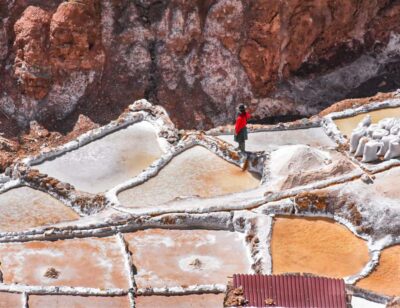
Moray, Maras Salt Mines & Chinchero Weavers Tour
Read our review →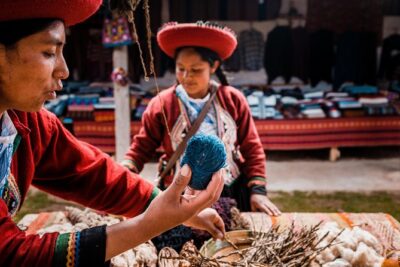
2-Day Tour: Sacred Valley and Machu Picchu by Train
Read our review →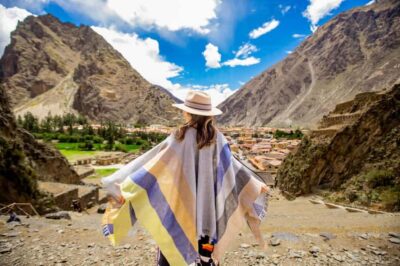
Sacred Valley, Pisac, Ollantaytambo, Salt Mines Moray
Read our review →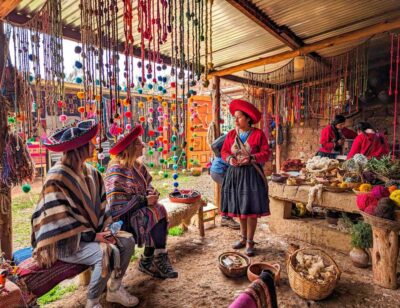
Chinchero,Moray & Salt Mines drop-off in Ollantaytambo
Read our review →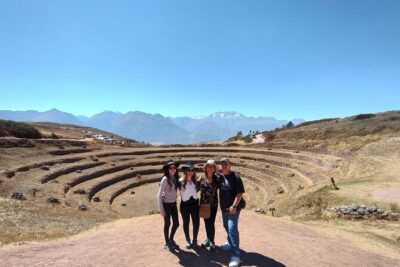
Sacred Valley and Maras Moray Tour with Full Day Buffet Lunch
Read our review →