
Reviewed · SACRED VALLEY TOURS
Sacred Valley with Peru Vip : Pisac, Ollantaytambo and Chinchero
The Sacred Valley packs a lot into one day. This private Cusco tour links the camelid reserve at Awana Kancha with three major Inca sites, a buffet lunch, hotel pickup, and a private vehicle. I like the private format, which lets your guide adjust the pace, and I like the range of places covered, from carved stone terraces to living Quechua traditions. The main caution is simple: this is a full 9-hour-30-minute day, and some site walks are strenuous.
You pay $299 per person, so this is not a budget outing. Still, the price includes transport, a professional guide, lunch, entrance tickets, and assistance throughout the day. Guides such as Wilbert and Willie have been praised for their warmth, photography, storytelling, and ability to match the pace to the altitude. Just know that the commentary may occasionally repeat itself, especially on a long day with several Inca sites.
In This Review
- Key points to know before you go
- Why this private Sacred Valley day works
- Awana Kancha: a gentle start with llamas and vicuñas
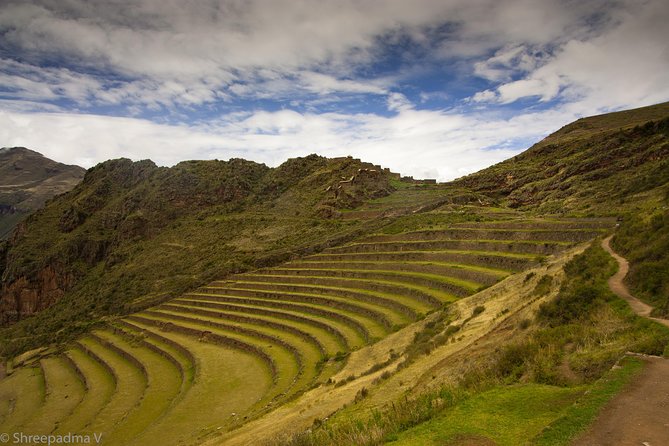
- Pisac: terraces, stonework, and a mountain stronghold
- Buffet lunch: a useful break in the middle of the route
- Ollantaytambo: an Inca town you can still read
- Chinchero: carved limestone beside a living town
- The guide and driver can shape the whole day
- How strenuous is the tour?
- Is $299 per person a fair price?
- Who should book this Sacred Valley tour?
- Should you book Peru Vip’s Sacred Valley route?
- FAQ
- How long does the Sacred Valley tour last?
- Is hotel pickup included?
- Is this a private tour?
- Which places are visited?
- Are entrance tickets included?
- Is lunch included?
- Are there strenuous walks?
- Can the tour be canceled for bad weather?
Key points to know before you go
- A private 9-hour-30-minute route gives your group its own vehicle, guide, and schedule.
- Awana Kancha offers close views of llamas, alpacas, and vicuñas before the archaeological sites.
- Pisac and Ollantaytambo provide two very different looks at Inca planning, defense, farming, and stonework.
- Chinchero adds Inca walls, carved limestone shrines, terraces, and a church-centered town square.
- Lunch and entrance tickets are included, which makes the day easier to manage and improves the value.
- Some walks are strenuous, so good shoes, water, and a sensible pace matter.
Why this private Sacred Valley day works
The Sacred Valley is not one single sight. It is a long corridor of towns, farms, mountains, temples, terraces, and old roads. Trying to connect the major places on your own can take careful planning, especially when you add ticketing, driving, meal stops, and the altitude around Cusco.
This tour solves that problem in a tidy way. You are picked up at your hotel, ride in private tourist transport, and have a guide with you at each major stop. Your group does not share the activity with strangers, which matters here because the day includes uneven paths and a fair amount of walking.
I especially like the route’s variety. Awana Kancha is a gentle opening, with South American camelids. Pisac brings high mountain ruins and agricultural terraces. Ollantaytambo feels more like a complete Inca settlement, with old streets, homes, canals, and massive stones. Chinchero adds another layer, with carved limestone features and an Inca wall beside the present-day church.
The pace is brisk, but not absurd. Each archaeological stop is listed at about one hour, and you also have a 30-minute stop at Awana Kancha. That is enough for an introduction to each place, but not enough for a slow, scholarly study of every terrace and wall.
More Sacred Valley days out:
- From Cusco: Moray, Maras Salt Mines & Chinchero Weavers Tour
★ 4.8 · 1,925 reviews - 2-Day Tour: Sacred Valley and Machu Picchu by Train
★ 5.0 · 1,127 reviews - Cusco: Sacred Valley, Pisac, Ollantaytambo, Salt Mines Moray
★ 4.6 · 1,058 reviews
Awana Kancha: a gentle start with llamas and vicuñas
Your first stop is Awana Kancha, described as a South American camel reserve. You can see llamas, alpacas, and vicuñas in a setting intended to show these animals in their natural state. The visit lasts about 30 minutes, and admission is included.
This is a smart first stop. It is less physically demanding than the ruins, and it gives you an immediate connection to the Andean world. The animals are not just photo props. Llamas, alpacas, and vicuñas have long been important to life in the highlands, through transport, fiber, and cultural tradition.
The short visit also keeps the day moving. If you are hoping for a long animal encounter, this may feel brief. If you want a pleasant introduction before the uphill paths begin, the half-hour works well.
Your guide can also help make the difference between the three camelids clear. You may find the animals easy to confuse at first, especially when they are grouped together. This is one place where a good guide adds real value without turning the visit into a lecture.
Pisac: terraces, stonework, and a mountain stronghold
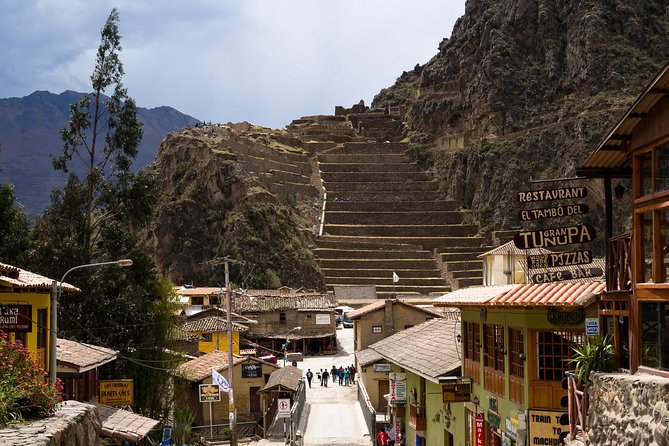
Pisac Archaeological Park sits near the town of Pisac at about 2,972 meters. The ruins occupy a mountain position, and that height explains much of the site’s importance. It offered control over the valley and added protection from possible attacks by groups from the Anti region.
The site is commonly linked to the period of Inca expansion, with construction dated in the supplied information to the tenth and eleventh centuries. It is described as having urban and religious purposes. The name may connect to the Quechua word pisaqa, associated with a bird, perhaps because the layout was thought to suggest a bird’s shape.
What I find most useful here is learning to read the site as more than a pile of old walls. Look for the relationship between the mountain position, the terraces, and the buildings. The Incas were managing food production, movement, defense, and ceremony in one carefully placed complex.
The stonework deserves your attention. Inca builders shaped stones so closely that the angles fit without mortar. Your guide can point out how this method differs from ordinary rough masonry. It is one of those details that becomes more impressive once you stop looking only at the view and start looking at the joints between the stones.
The listed visit is one hour. That is enough to see the main areas with a focused explanation, but the terrain can make the hour feel active. One direct tip from the experience: do not treat this as a flat sightseeing stop. The tour descriptions and feedback make clear that some walks are strenuous, so wear shoes with a firm sole and let your guide set a sensible rhythm.
Pisac is also a place where photography can slow you down. The views are a major part of the appeal, and guides have been praised for taking memorable photos. If you want pictures of your whole group, ask early rather than waiting until the last minute.
Buffet lunch: a useful break in the middle of the route
Lunch is included at a buffet restaurant in the Sacred Valley. The information does not specify the menu or restaurant name, so I would not book this expecting a particular dish. The practical benefit is more important: you do not need to organize a separate meal while moving between major sites.
A buffet also helps a private group avoid a long discussion about where to eat. You can take the break you need, then continue. On a day with altitude, walking, and several stops, a proper meal is not a minor extra.
At $299 per person, included lunch contributes to the overall value, but it does not make the tour cheap. The strongest value comes from combining private transport, guide service, admission tickets, and a full route in one package. If you are traveling alone or as a couple and are comfortable with a shared group tour, you may find less expensive options. If you value privacy and convenience, the price is easier to justify.
A few more Cusco trips worth lining up side by side
- Classic Inca Trail Trek 4D/3N to Machu Picchu (Group Service)
★ 5.0 · 8,653 reviews - Cusco: Rainbow Mountain and Red Valley Day Trip with Meals
★ 4.9 · 4,893 reviews - Machu Picchu: 4-Day Inca Trail Trek with Panoramic Train Ride
★ 5.0 · 4,568 reviews - Salkantay Classic Trek 5 Days from Cusco
★ 5.0 · 4,062 reviews
Ollantaytambo: an Inca town you can still read
Ollantaytambo is often the most rewarding stop for people who want to understand how an Inca settlement functioned. The town preserves houses, streets, and canals associated with Tahuantinsuyo, the Inca realm. Instead of seeing only a ceremonial site, you get a sense of an organized town.
The name is connected to the local leader Ollanta, who, according to oral tradition, fell in love with a daughter of the Inca Pachacútec and was punished for it. That story adds human drama, but the stonework and town plan are the real reason to pay attention.
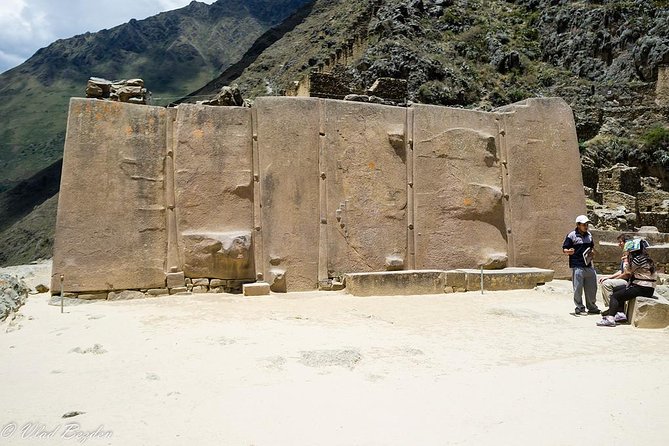
On the hill above town, the archaeological complex includes the Temple of the Sun and huge monoliths. Other named features include the Mañaracay, or Royal Hall, the Incahuatana, and the Princess Baths. Higher up, terraces form a fortress that helped protect the valley from possible incursions from groups coming out of the jungle regions.
The scale here can surprise you. Moving those huge stones would have required careful planning, skilled labor, and a strong command of the terrain. Your guide can help you understand what you are seeing instead of leaving you to guess which wall had which purpose.
Below the main complex, an especially well-preserved area north of Hanan Huacaypata Square includes 15 blocks of residences built on carved stone walls. This is where Ollantaytambo gains an advantage over a site that only offers monumental ruins. You can consider how people lived, moved, stored goods, and used water.
The one-hour stop is again an introduction rather than an exhaustive visit. The climb and uneven surfaces can be tiring. One guide was praised for adjusting the sightseeing tempo to the altitude, and that is exactly the approach you want here. A private tour gives you a better chance to pause when you need to, take photos, or ask for more explanation.
Chinchero: carved limestone beside a living town
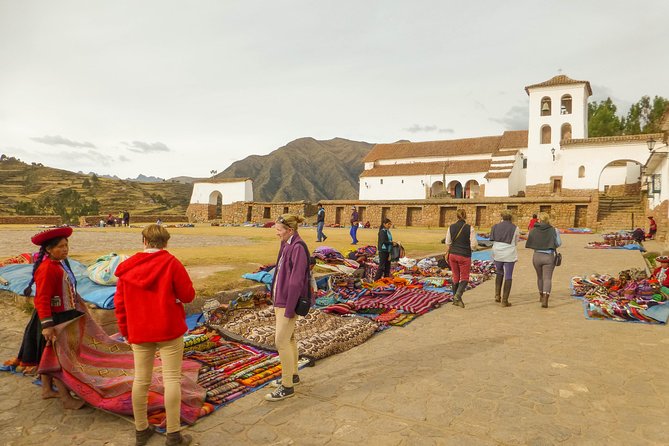
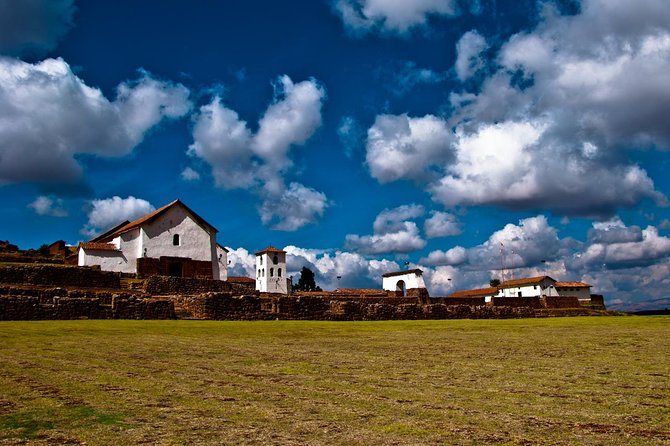
Chinchero was an important urban center, and its main center was located where the present church now sits. That combination makes the stop especially interesting. You are not viewing an isolated ruin. You are looking at an old Inca center within a place that remains part of daily life.
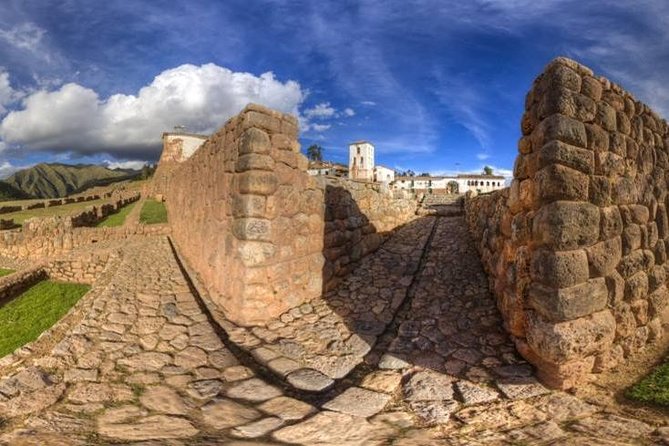
Near the church are formidable walls made from fitted polygonal stones. They form retaining walls and shape the terraces. You can also see large rooms with windows, niches, doors, and access points.
The present main square hosts Sunday fairs. On its eastern side, an Inca wall contains 12 niches, each about two meters high and 1.5 meters wide. The wall also supports another square that serves as an atrium in front of the church.
That layering is what makes Chinchero valuable. The site helps you see how later buildings and present-day community life occupy an older Inca setting. Your guide can explain the relationship between the church, the square, and the wall, giving the stop more meaning than a quick photo break.
The area also contains three shrines called Titiqaqa, Pumaqaqa, and Chincana. These are large limestone outcrops carefully carved into seats, stairways, cupboards, and channels. Terraces follow the shape of the ground, showing how closely construction responded to the terrain.
Chinchero receives about one hour on this route. The Sunday fair is specifically associated with the main square, but the tour information does not promise that your visit will take place on a Sunday. Plan on the archaeological and town setting, not on a guaranteed market experience.
The guide and driver can shape the whole day
A private tour is only as good as the people running it. Wilbert received particularly warm praise for being friendly, well informed, and so personable that the group felt close to him by the end of the day. Willie was also praised for his enthusiasm, photography, and strong command of the subject.
Guide assignments can vary, so you should not assume one specific person will lead your departure. Still, the strongest pattern is clear: the company has guides who can turn a packed route into a personal day rather than a series of rushed stops.
There is one small warning. A guide who is passionate about Inca history may repeat key points. That can help if you are trying to remember the basics, but it may feel repetitive if you already know a lot about Andean archaeology. You can improve the experience by asking specific questions about construction, farming, religion, or the relationship between each site and the valley.
The driver matters too. Julio was praised as an exceptionally capable driver. The Sacred Valley roads include mountain terrain, and a calm, competent driver lets you focus on the views instead of the bends.
How strenuous is the tour?
The tour is private and suitable for most people, but that does not mean it is effortless. The route includes archaeological sites built on hills, terraces, and uneven ground. Some walks are described as strenuous, particularly at the larger sites.
I would choose this tour if you are comfortable walking for much of a day and handling stairs or inclines. Bring water, wear sturdy shoes, and avoid rushing simply to match an imaginary schedule. The guide can adjust the pace, and that is one of the main benefits of booking privately.
The included first aid kit and oxygen balloon provide a measure of support, but they do not replace preparation. If you are concerned about altitude or exertion, speak with the tour provider before booking. The tour information says most people can participate, but individual fitness and altitude response still vary.
Is $299 per person a fair price?
At $299 per person, this is a premium day tour. You are paying for the private vehicle, hotel pickup, professional guide, transfers, lunch, first aid supplies, oxygen, camelid reserve admission, and entrance tickets to Pisac, Ollantaytambo, and Chinchero.
That package can be good value for a small group that wants convenience. You do not have to arrange separate transport between distant sites, handle admission at each entrance, or find a restaurant during the day. The private setup also gives you more control over photo stops and walking speed.
The value is weaker if you are focused only on the lowest price. A shared excursion may cost less, though it could give you less control over timing and group pace. I would compare the total cost of transport, guide service, meals, and tickets rather than comparing the headline price alone.
The route is also booked an average of 65 days ahead, which suggests that planning early is sensible, particularly if you want a private day on a specific date.
Who should book this Sacred Valley tour?
I would recommend it for couples, families, and small groups who want to see the main Sacred Valley highlights in one organized day. It suits people who value personal attention and would rather have one company handle the vehicle, guide, meal, tickets, and transfers.
It is also a strong fit if you want context at the ruins. These sites reward explanation. Without a guide, it is easy to admire the stones while missing how the buildings relate to defense, farming, water, religion, and town planning.
I would think twice if you dislike full days, steep paths, or repeated historical explanation. It may also be more than you need if you plan to spend several days in the valley and prefer a slower schedule with long visits at fewer places.
Free cancellation is available when you cancel at least 24 hours before the start time. The experience depends on good weather, and a cancellation for poor weather comes with the choice of another date or a full refund.
Should you book Peru Vip’s Sacred Valley route?
Book it if you want a private, well-organized introduction to four very different Andean sites and you are ready for a long walking day. The strongest reasons are the efficient route, included tickets and lunch, private transport, and guides such as Wilbert and Willie, who have been praised for warmth, clear information, photography, and flexibility.
Skip it if your main goal is the cheapest possible excursion or a slow archaeological study. For most people with one open day in Cusco, though, the mix of animals, terraces, Inca towns, huge stones, and living community spaces makes this a useful and rewarding choice.
FAQ
How long does the Sacred Valley tour last?
The tour lasts approximately 9 hours and 30 minutes.
Is hotel pickup included?
Yes. Pickup at your hotel is included.
Is this a private tour?
Yes. Only your group participates in the private tour or activity.
Which places are visited?
The route visits Awana Kancha, Pisac Archaeological Park, Ollantaytambo Archaeological Park, and the Chinchero Archaeological Complex.
Are entrance tickets included?
Yes. Admission to the South American camelid reserve and entrance tickets to Pisac, Ollantaytambo, and Chinchero are included.
Is lunch included?
Yes. A buffet lunch at a restaurant in the Sacred Valley is included.
Are there strenuous walks?
Yes. Some locations on the tour involve strenuous hikes, and the archaeological sites include hills, terraces, and uneven paths.
Can the tour be canceled for bad weather?
Yes. The experience requires good weather. If it is canceled because of poor weather, you can choose another date or receive a full refund.
Added recently around Cusco
- Super valley or vip valley★ 5.0 · 13 reviews
- the Incas’ Sacred Valley★ 5.0 · 27 reviews
- Sacred Valley of the Incas Day Trip from Cusco★ 5.0 · 6 reviews
- Small-Group Tour: Rainbow Mountains Hiking from Cusco★ 4.0 · 5 reviews
- Excursion to the Sacred Valley of the Incas from Cusco★ 5.0 · 8 reviews
- Maras + Moray & Textile Experience★ 5.0 · 14 reviews
- Tour EN Cuatrimoto POR la Montaña 7 Colors Hike 5 Minutes★ 4.5 · 32 reviews
- rainbow mountain★ 4.0 · 4 reviews
Sacred Valley Tours, compared.
Sacred Valley & Maras Salt Mines Tour with Lunch
Read our review →
Moray, Maras Salt Mines & Chinchero Weavers Tour
Read our review →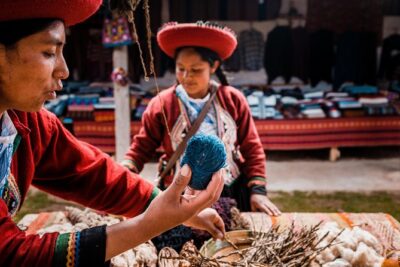
2-Day Tour: Sacred Valley and Machu Picchu by Train
Read our review →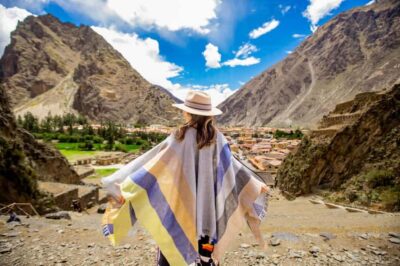
Sacred Valley, Pisac, Ollantaytambo, Salt Mines Moray
Read our review →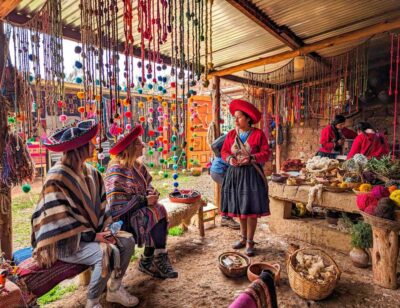
Chinchero,Moray & Salt Mines drop-off in Ollantaytambo
Read our review →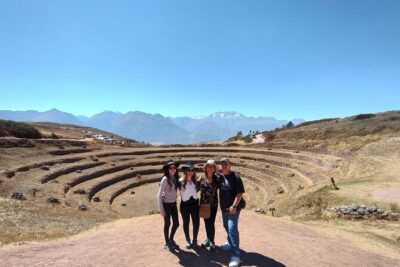
Sacred Valley and Maras Moray Tour with Full Day Buffet Lunch
Read our review →

Browse the lists this tour appears in