
Reviewed · AREQUIPA TOURS
Sillar Route and Culebrillas Petroglyphs
White stone tells Arequipa’s story. This half-day trip takes you from Yanahuara’s famous arches to the quarries that supplied Arequipa’s colonial buildings, then into the narrow Culebrillas canyon to see ancient petroglyphs. I especially like the chance to watch local stone workers explain their craft and the short walk through the winding ravine.
The $19 price is hard to beat for transport, a guide, and two entrance fees. I also like that the tour fits neatly into four hours, leaving room for other Arequipa plans. The main caution is that the quarry and canyon are dusty, sunny, and uneven, while some departures have felt rushed or less informative than promised.
In This Review
- Key points before you book
- Why the Sillar Route matters in Arequipa
- Yanahuara: 20 minutes above the city
- Añashuayco quarry: the source of Arequipa’s white stone
- Culebrillas canyon: the best walk of the day
- Guide quality and language balance
- Timing, transport, and the four-hour schedule
- What to bring for dust, sun, and rough ground
- Is $19 a good deal?
- Who should book this outing?
- Should you book the Sillar Route?
- FAQ
- How long does the Sillar Route and Culebrillas tour take?
- What is included in the price?
- Is the canyon walk difficult?
- Is the tour suitable for older adults?
- Should I bring mosquito repellent?
- Can I cancel for a full refund?
Key points before you book
- See Arequipa’s famous white sillar at its source, with local artisans explaining how the volcanic stone is cut and used.
- Yanahuara offers a quick volcano panorama, including Misti, Chachani, and Pichu Picchu.
- Culebrillas is the most atmospheric stop, with a serpentine ravine, wall petroglyphs, and traditional apachetas.
- The canyon walk is easy to moderate but bumpy, with a five-minute slope near the end.
- Dust protection matters: bring a face mask, water, sun protection, and sturdy shoes.
- Guide quality can shape the day, with guides such as Mike, Tony, Alexandra, Christina, and Sandra receiving very different comments about English delivery and detail.
Why the Sillar Route matters in Arequipa
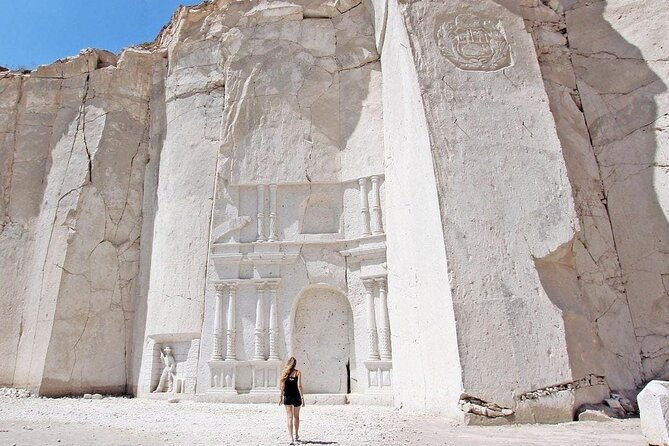
Arequipa is often called the White City because so many central buildings use sillar, a pale volcanic stone. This is not simply decorative masonry. The stone gives the city its distinctive color and helps explain why Arequipa’s churches, courtyards, arches, and grand colonial facades look so different from those in other Peruvian cities.
The quarry visit gives you a useful connection between the city center and the people who produced its building material. Instead of seeing sillar only as a polished wall or carved doorway, you see the rough volcanic rock being extracted and shaped. Local builders explain their techniques and show how the stone has been used.
That practical link is the real value of the tour. You are not just looking at a pretty white city. You are seeing the source of one of its defining materials.
The experience is not a museum visit with long, carefully arranged displays. Much of the quarry time involves walking around, watching demonstrations, and looking at carved figures and stone forms. If you want detailed architectural history at every stop, you may find the explanations too brief. If you like seeing traditional work in an outdoor setting, the visit is more rewarding.
A few more Arequipa trips worth lining up side by side
- 2 day 1 night trek / Colca Canyon
★ 5.0 · 1,069 reviews - From Arequipa: Colca Canyon Full-Day Guided Tour with Meals
★ 4.5 · 982 reviews - Tour to the Salinas Lagoon and National Reserve in Arequipa
★ 4.5 · 548 reviews
Yanahuara: 20 minutes above the city
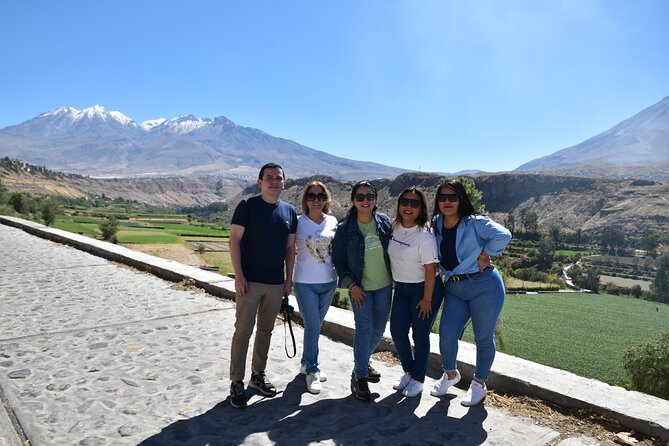
The tour begins with hotel pickup and a short transfer to Yanahuara, a traditional district known for its white sillar arches. The viewpoint looks across Arequipa and toward three snow-capped volcanoes: Misti, Chachani, and Pichu Picchu.
This is a short orientation stop, not a full neighborhood visit. You have about 20 minutes, which is enough to take photographs, see the arches, and get your first sense of Arequipa’s setting. The volcanoes are a major part of the view, although haze and the time of day can affect what you see.
One practical point matters here: some departures have spent longer than expected at the viewpoint and then shortened the quarry or canyon stops. Other departures have reached Yanahuara late because of city traffic. If you care more about the quarry and petroglyphs than the panorama, pay attention to the guide’s timing and do not assume every stop will receive the exact advertised minutes.
Yanahuara works best as a brief opening scene. It shows you the finished architectural use of sillar before you see the raw material outside the city.
Añashuayco quarry: the source of Arequipa’s white stone
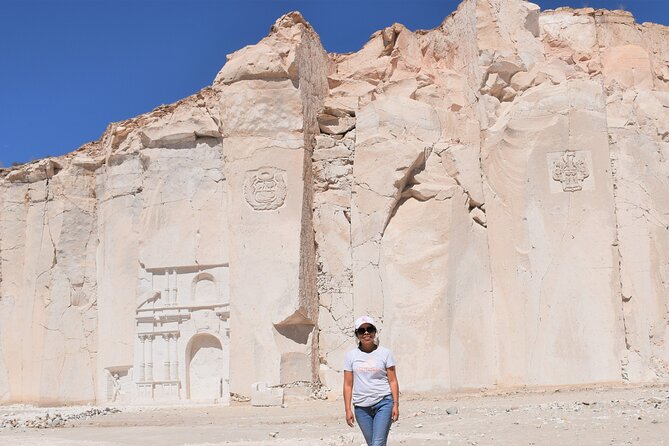
The main quarry stop lasts about an hour and includes the S/5 entrance fee. The pale stone walls and open-air setting make this the most educational part of the tour when the guide provides good context.
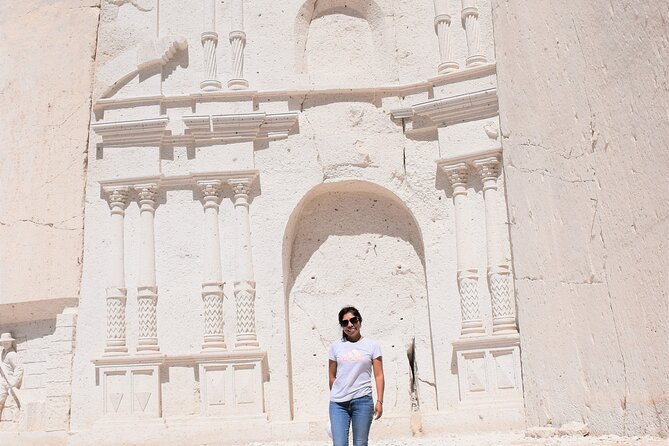
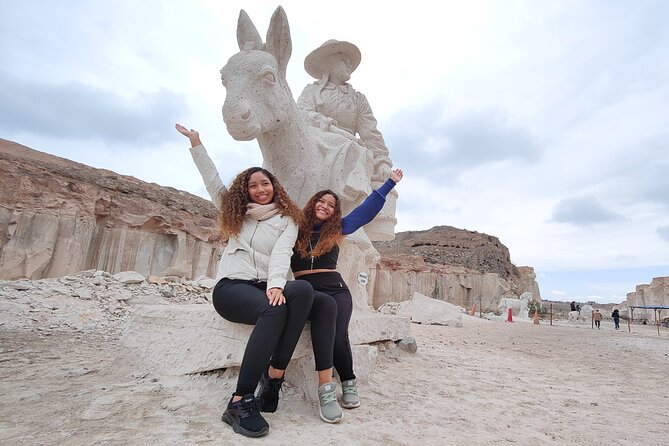
You can watch artisans explain how they work with volcanic stone and how sillar is prepared for construction. The site also includes carved sculptures and photo-friendly stone creations. Several people have particularly enjoyed these carvings, and they are likely to be the most immediately appealing part for anyone who likes unusual photographs.
There is a trade-off. The quarry can be hot and dusty, and the experience may feel more like a working site than a polished attraction. Some departures have offered only a short explanation before leaving you to walk around. That freedom suits you if you prefer to explore at your own pace, but it can feel thin if you booked the tour mainly to learn about Arequipa’s architecture and stonework.
Also check what is included in the entrance. The tour includes the Añashuayco admission fee, but some carved areas or photo sections may require a small additional payment. The extra amount described in the feedback was only a few soles per section, but the surprise can be irritating when the most impressive sculptures are not part of the basic route.
Bring a face covering. Dust from the quarry and the vehicle roads can be unpleasant, especially when the van windows stay closed. One person specifically praised the comfortable air-conditioned van, while another reported that the air conditioning did not work. That contrast suggests vehicle condition can vary, so a mask remains useful even on a warm day.
Culebrillas canyon: the best walk of the day
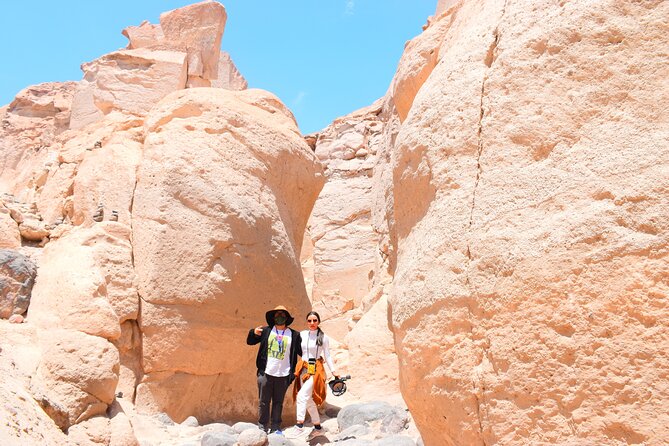
After the quarry, the vehicle travels about 15 minutes to Culebrillas. The ravine is known for its curving, narrow rock formations, shaped by an ancient river. The walk takes about 20 minutes, followed by a slope of roughly five minutes.
I would treat this as the highlight of the outing. The quarry explains Arequipa’s building material, but Culebrillas gives you a more physical experience. You walk between rock walls, follow the winding passage, and look for petroglyphs marked on the canyon surfaces.
The drawings are not always easy to see. Bright midday sun can wash out the markings, and the dark volcanic rock does not always make the animal shapes clear. You will need patience and a good imagination. Do not expect large, sharply outlined carvings that announce themselves from a distance.
The path is manageable for most people, but it is not smooth. You may encounter loose or uneven ground, and the final slope requires a little extra care. Wear shoes with a good grip. This is not a suitable outing for anyone who has difficulty walking on rough surfaces, and it is specifically not recommended for older adults because of the rugged canyon walk.
The canyon can also feel crowded when several groups enter the narrow passage together. Photography takes patience because people may be walking through the same frame. If you want pictures, stay aware of the group but take the time you need. Several departures have felt rushed here, which is unfortunate because the canyon is the part that rewards slowing down.
At the end, you see apachetas, small stone mounds connected with local spiritual tradition. They are modest, but they add cultural meaning to the walk. Listen carefully when the guide explains them, since the significance can be easy to miss if the group is moving quickly.
Also leaving from Arequipa, and nothing like the above:
- From Arequipa: Sillar Route Trek
★ 4.2 · 461 reviews - Colca Full Day Tour
★ 4.5 · 429 reviews - Rafting Arequipa – Chili River Canoeing – Cusipata Rafting Arequipa
★ 5.0 · 332 reviews - Arequipa: Chili River White Water Rafting with Hotel Pickup
★ 4.8 · 329 reviews
Guide quality and language balance
The company uses certified guides, and the strongest experiences have depended on guides who make the bilingual format work well. Mike was praised for clear English and Spanish explanations, while Alexandra was described as warm and effective in both languages. Christina and Sandra also received positive comments for their information and attention to English-speaking participants.
That said, not every bilingual departure has been equally smooth. Some English explanations have been delivered quickly, after longer Spanish explanations, leaving English speakers with less time or detail. One practical request helps: ask the guide to slow down in English if you are struggling to follow.
Tony received both warm and sharply negative comments. Some people found him entertaining and well informed. Another person had difficulty understanding his fast English and felt unclear about meeting points and directions. This does not mean every departure with the same guide will be poor, but it shows why communication matters on a group tour with several stops.
A good guide should explain not only what you are looking at, but why it matters. At the quarry, that means connecting the stone to Arequipa’s buildings. At Culebrillas, it means pointing out the petroglyphs and explaining the apachetas. If the guide gives only a short talk followed by free time, the experience can feel more like transport between photo stops.
Timing, transport, and the four-hour schedule
The advertised duration is about four hours. That makes this a useful choice if you have a free morning or afternoon and want to see something outside central Arequipa without giving up a full day.
The return drive from Culebrillas to the city center takes about 40 minutes. That commute is a meaningful part of the schedule, so the actual time walking and looking around is shorter than four hours. Traffic can also change the balance. One departure began 45 minutes late after a city event, reducing time at Yanahuara and the quarry.
The group size is capped at 18 people. Some departures have had about 12 passengers, which feels more comfortable than a packed minibus. The transport reports are mixed. One person praised the air conditioning and comfortable van, while others complained about a full vehicle, poor ventilation, or unsafe driving. Another person was placed in a front middle seat without a seatbelt, which is a serious concern.
Use your seatbelt whenever one is available, and ask before departure if you are unsure about seating. The operator has also been praised for checking seatbelts and carrying break-glass hammers, so safety standards may vary by vehicle or departure. If the driving feels too fast on rough roads, speak up.
Pickup communication has usually been handled by WhatsApp the day before, with staff providing the meeting time and advice about what to bring. Still, there have been mistakes, including a wrong couple being collected and a delayed pickup. Confirm your hotel address and pickup time in writing.
The return is not always a hotel drop-off. The stated plan is to return to the city center or a tourist stop, and one response specifically clarified that the tour ends at a central stop rather than each hotel. Arrange your onward plans with that in mind.
What to bring for dust, sun, and rough ground
The basic packing list is simple, but it can make the difference between an enjoyable outing and four uncomfortable hours.
- Face mask or buff for quarry dust and dusty roads
- Water
- Closed shoes with good grip
- Sun protection
- Comfortable clothing that can handle dust
- Mosquito or sand-fly protection, based on the operator’s advice
The insect warning needs a little clarification. Some people were told to bring mosquito repellent, but the insects encountered were described as sand flies rather than mosquitoes. Spray may not be effective for every person, and one account specifically preferred oil. The town itself was not reported to have mosquitoes, but conditions around the quarry may differ.
If you have a dust allergy, this tour is not recommended. The quarry is an active, exposed setting, and the canyon road can add more dust. A mask is worth carrying even if you normally do not use one.
Is $19 a good deal?
At $19 per person, this is one of the more affordable ways to combine Yanahuara, the sillar quarry, and Culebrillas in one outing. The price includes a certified guide, shared transport, and the S/5 entry to Añashuayco plus the S/5 entry to Culebrillas.
For me, the value is strongest if you want convenience. Hiring separate transport to reach the quarry and canyon could take more planning, while this tour links the sites in a compact schedule. It is also a practical first look at Arequipa’s surroundings.
The price does not guarantee a premium experience. You may spend much of the day in a minibus, and the educational detail depends heavily on the guide. Possible extra payments for selected sculpture areas also mean the advertised price may not cover every photo opportunity.
The tour is good value when you arrive with realistic expectations. Think of it as a quick field trip with a strong canyon walk, not an in-depth archaeological or architectural course.
Who should book this outing?
I would recommend it to you if you have a spare half-day in Arequipa, want to see the source of sillar, enjoy short walks, and prefer a low-cost shared tour. It suits people who like a mix of scenery, local craft, unusual stone carvings, and simple archaeology.
It is less suitable if you need a slow pace, quiet conditions, guaranteed air conditioning, or long expert explanations. You should also think twice if you have a dust allergy, difficulty walking over uneven ground, or strong concerns about minibus seating and driving.
English-speaking participants should confirm that the guide can provide full explanations in English. Guides such as Mike, Alexandra, Christina, and Sandra received strong praise for bilingual service, but the quality has not been consistent on every departure.
Should you book the Sillar Route?
Book it if you want an inexpensive and efficient introduction to Arequipa beyond the historic center. Culebrillas is the strongest reason to go, while the quarry gives useful context for the white stone you will see throughout town.
Skip it if you are already visiting several quarries, dislike dusty outdoor sites, or want a carefully paced cultural tour with guaranteed detail. If you do book, protect your time by confirming pickup, asking about the return point, carrying a mask, and wearing sturdy shoes. With those expectations set, this is a worthwhile half-day addition to an Arequipa stay.
FAQ
How long does the Sillar Route and Culebrillas tour take?
The tour lasts approximately four hours. The return from Culebrillas to the city center takes about 40 minutes.
What is included in the price?
The price includes a certified guide, shared group transport, the S/5 entrance to Añashuayco, and the S/5 admission to Culebrillas.
Is the canyon walk difficult?
The Culebrillas walk takes about 20 minutes and includes a slope of roughly five minutes. The route is somewhat rugged, so good-grip shoes are recommended.
Is the tour suitable for older adults?
It is not recommended for older adults because the Culebrillas canyon includes an uneven hike.
Should I bring mosquito repellent?
The operator provides repellent advice one day before the tour. Some people encountered sand flies near the quarry, so insect protection may be useful, although the insects were not necessarily mosquitoes.
Can I cancel for a full refund?
You can cancel at least 24 hours before the local start time for a full refund. Cancellations or changes made less than 24 hours before departure are not accepted for a refund.
Added recently around Arequipa
- gazebos cannon of the coca★ 5.0 · 28 reviews
- Sillar Route★ 5.0 · 4 reviews
- Salinas Lagoon + Mini Volcano DE Lojen★ 5.0 · 9 reviews
- Full Day Tour To The Salt Lake Salinas in Arequipa★ 4.5 · 34 reviews
- 3-Day Colca Canyon trek with Professional Guide★ 5.0 · 40 reviews
- Trekking, Waterfalls and Thermal Baths★ 4.5 · 47 reviews
- Walking Tour Arequipa Including Santa Catalina Monastery★ 4.0 · 8 reviews
- Walking City tour including the Monastery of Santa Catalina★ 5.0 · 6 reviews
Arequipa Tours, compared.

Tour to the Salinas Lagoon and National Reserve in Arequipa
Read our review →
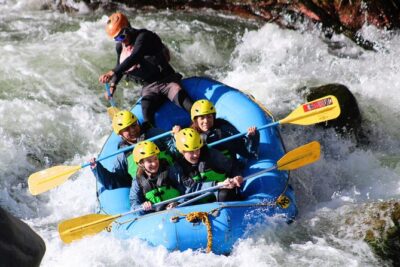
Rafting Arequipa – Chili River Canoeing – Cusipata Rafting Arequipa
Read our review →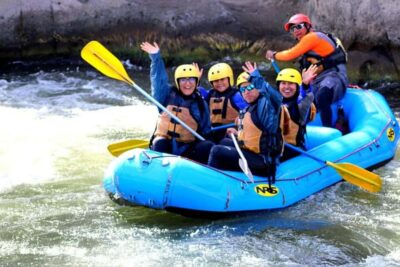
Chili River White Water Rafting with Hotel Pickup
Read our review →
Browse the lists this tour appears in