
Reviewed · MACHU PICCHU TOURS
Small Group: 4-Day Inca Trail Trek to Machu Picchu
The hardest steps lead to the best views. This four-day trek follows the classic Inca Trail from Km 82 to Machu Picchu, combining high mountain passes, cloud forest, ancient ruins, camping, and a sunrise arrival at the Sun Gate. At $850 per person, it offers a lot for a permit-based trek: meals, tents, porters, transport, a chef, and a guide are all part of the package.
I love the small-group format, which keeps the experience more personal than a large hiking departure. I also like the care built into the trip, including a personal porter for 5 kilograms of gear, hot water each morning, an inflatable mattress, and a dining tent with tables and chairs. The main drawback is physical: this is a demanding high-altitude hike, not a gentle walk to Machu Picchu.
You should also check the group-size wording before paying. The tour is described in one place as limited to 10 people and elsewhere as a maximum of 12. That difference is worth clarifying, especially if a quiet group is one of your main reasons for booking. The trail permit is also essential, and popular dates can sell out about five months ahead.
In This Review
- Key points before you book
- Why this Inca Trail trek is different
- Day 1: Km 82 to Wayllabamba
- Day 2: Dead Woman’s Pass and Pacaymayo
- Day 3: Runkurakay, Sayacmarca, and Wiñayhuayna
- Day 4: Sun Gate to Machu Picchu
- Camping, food, and porter support
- How hard is the four-day route?
- The guide and crew make the difference
- Is $850 good value?
- Who should book this trek?
- Should you book the Inkayni Peru Tours trek?
- FAQ
- How long is the Inca Trail trek?
- What time does the tour start?
- Where does the hike begin?
- What is the highest point on the trek?
- Is food included?
- Is a sleeping bag included?
- How much gear can a personal porter carry?
- Is transport from Cusco included?
- Are Huayna Picchu and Machu Picchu Mountain included?
- Do I need my passport?
Key points before you book
- Dead Woman’s Pass reaches 4,215 meters: Day 2 is the toughest section, with a long climb followed by a steep descent to Pacaymayo.
- The Sun Gate arrival is the payoff: You reach Inti Punku on foot and get your first view of Machu Picchu from above.
- Camping support is unusually complete: A chef, cooking porters, tents, dining shelter, mattress, pillow, and morning hot water are included.
- Your gear allowance is limited: A personal porter carries up to 5 kilograms, while you carry your daypack and inflatable pillow.
- The ruins keep coming: Patallacta, Runkurakay, Sayacmarca, Phuyupatamarca, and Wiñayhuayna make the walk more than a long approach to the citadel.
- The $850 price covers the main machinery: Pick-up in Cusco, the trail transfer, food, camping support, the return train, and transport back to Cusco are included.
Why this Inca Trail trek is different
The classic Inca Trail is not simply a path ending at Machu Picchu. It is a four-day route through several climate zones and a chain of Inca sites, with the final approach made through the Sun Gate rather than by arriving first in Aguas Calientes.
That matters. On a train-based visit, Machu Picchu can feel like a single spectacular stop. Here, the effort gives the destination a longer story. You walk through the Kusichaca Valley, pass ceremonial and agricultural sites, sleep near the trail, and earn the first view of the citadel from Inti Punku.
The group size should help. A smaller departure makes it easier to ask questions, set a sensible walking rhythm, and get attention if the altitude or steep steps begin to wear you down. Guides such as Freddy, Edwin, Ronald, Herlin, Paul, and Yo-yo have been praised for combining local insight with humor and steady encouragement.
The named staff vary by departure, so you cannot assume you will hike with Freddy or any other particular guide. Still, the strongest pattern is clear: the guiding and support crew are a major part of the experience, not just the people who point out ruins.
More Hiking Tours in Cusco
- Classic Inca Trail Trek 4D/3N to Machu Picchu (Group Service)
★ 5.0 · 8,653 reviews - Machu Picchu: 4-Day Inca Trail Trek with Panoramic Train Ride
★ 5.0 · 4,568 reviews - Salkantay Classic Trek 5 Days from Cusco
★ 5.0 · 4,062 reviews
Day 1: Km 82 to Wayllabamba
The morning begins early, with pick-up from your Cusco hotel at about 5:00 a.m. A private bus heads toward the Sacred Valley, passing through Chinchero, Urubamba, and Ollantaytambo before reaching Km 82 after roughly two and a half hours.
This transfer is more than a necessary ride. It gives you a first look at the changing Andean scenery and helps you reach the official trailhead with the group together. Breakfast is not included on Day 1, so eat before pick-up or bring food with you.
The hike starts with an ascent to Wilka Rakay. From there, you get views of Patallacta and the Kusichaca Valley, with Inca ruins and highland plants appearing along the way. The first day covers about five hours, making it the easiest hiking day by comparison, though altitude can make even a moderate climb feel serious.
The night is spent camping at Wayllabamba, at about 3,000 meters. A chef prepares dinner while the support team sets up camp. You sleep in a spacious four-person tent shared by two people, with an inflatable mattress provided.
The tents are still tents, of course. You are not getting hotel comfort, and weather can change quickly. But a dining shelter, chairs, tables, hot water in the morning, and organized meal service make the first night much easier than carrying and managing all your own equipment.
Day 2: Dead Woman’s Pass and Pacaymayo
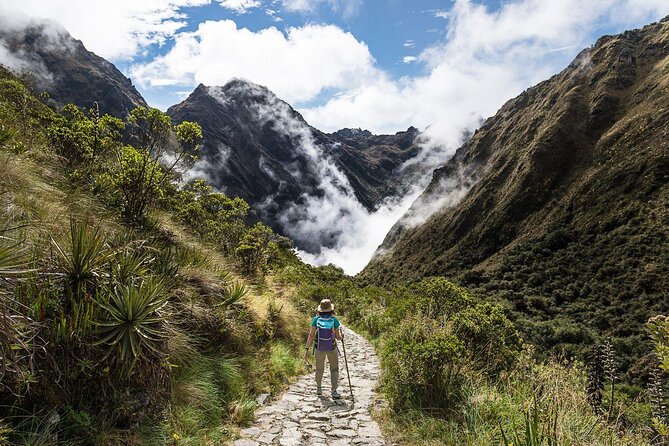
Day 2 is the physical test. After breakfast, you climb for about an hour toward Tres Piedras, or the Three Stones, then continue through cloud forest before reaching the long ascent to Dead Woman’s Pass.
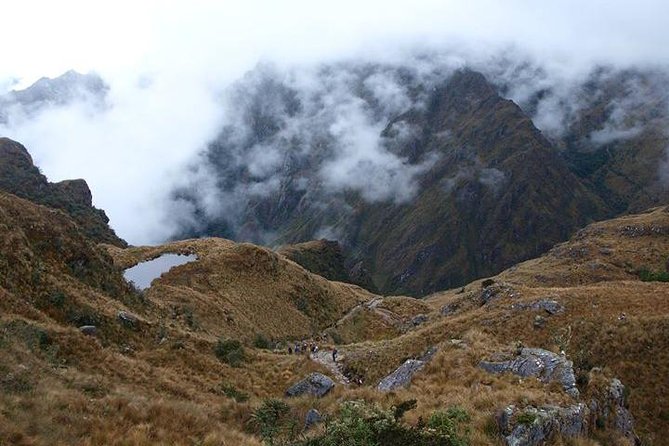
At 4,215 meters, Abra de Warmihuañusca is the highest point of the trek. The climb is demanding because of the altitude, the uneven stone steps, and the steady gain in height. You should not treat the seven-hour estimate as a promise that the day will feel manageable. Your pace, weather, rest stops, and acclimatization all matter.
The pass itself is broad and exposed, with wide views of the surrounding mountains. Reaching the top can feel like a major personal victory, but the work is not over. The route drops steeply to Pacaymayo, at 3,600 meters, where you camp for the night.
This climb and descent are why the tour asks for moderate physical fitness and warns people with heart disease, back problems, or other serious medical conditions. A current passport is required, and you should carry personal medication in your daypack.
Your guide’s judgment matters here. Freddy has been praised for knowing when to encourage people and when to let them rest. That is the kind of support you want on a high pass. Even so, no guide can remove the altitude, so take the climb slowly and do not race stronger members of the group.
Day 3: Runkurakay, Sayacmarca, and Wiñayhuayna
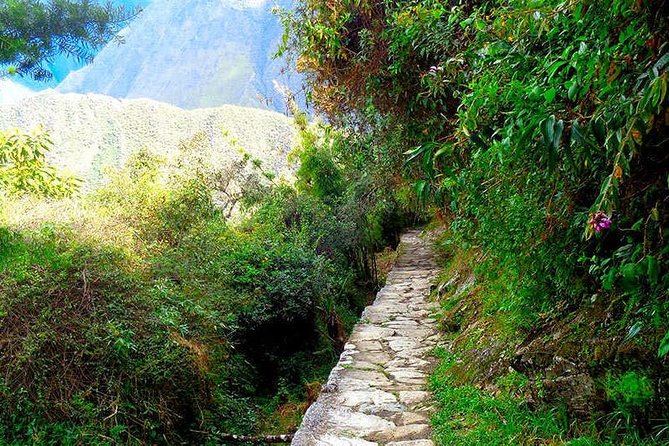
Day 3 is the longest day, at about eight hours, but it may also be the most rewarding for people who enjoy archaeology and scenery in equal measure.
The morning begins with a 45-minute climb to Runkurakay, an Inca resting site. Another 45 minutes brings you to Runkurakay Pass at about 4,000 meters. From there, the route descends toward Sayacmarca, a striking stone complex built on a steep mountainside.
After Sayacmarca, you follow a well-preserved section of Inca road to Chaquicocha for lunch. The quality of the food is one of this tour’s strongest points. Chefs named in the trip accounts include Sabino, Herminios, Mario, and Nazario, and the meals have been praised for generous portions, variety, and fresh preparation despite the camping conditions.
Vegetarians can request suitable meals, but you should provide dietary information before the trek. Do not wait until the first dinner to explain a restriction.
The afternoon route enters high Andean cloud forest. You follow a narrow ridge to Phuyupatamarca Pass, with views toward the Sacred Valley, high peaks, and Machu Picchu. Ceremonial sites and terraces appear during the descent to Wiñayhuayna, the final campsite.
Wiñayhuayna is an important moment in the route. You are now close to Machu Picchu, but the trail still asks for attention. Tired legs, stone steps, and changing weather can make the final camp feel like both a reward and a test of patience.
The support team carries cooking and camping equipment, while your personal porter carries up to 5 kilograms of your gear. You still need a daypack with essentials, and the inflatable pillow is listed as something you carry yourself. Pack lightly and keep rain protection handy.
Other Inca Trail departures:
- Short Inca Trail to Machu Picchu 2D/1N
★ 5.0 · 3,007 reviews - 2-Day Inca Trail to Machu Picchu with Panoramic Train
★ 5.0 · 1,876 reviews - Inca Trail 4-Day 3-Night Trek to Machu Picchu with Expert Guides
★ 5.0 · 733 reviews - Cusco: 4-Day Inca Trail to Machu Picchu with Accommodation
★ 4.8 · 432 reviews
Day 4: Sun Gate to Machu Picchu
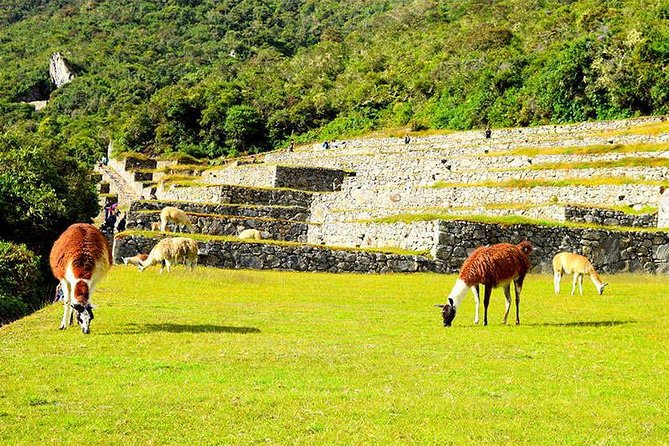
The final morning starts early. The last stretch to Inti Punku, the Sun Gate, takes about an hour and is relatively easy compared with the previous days.
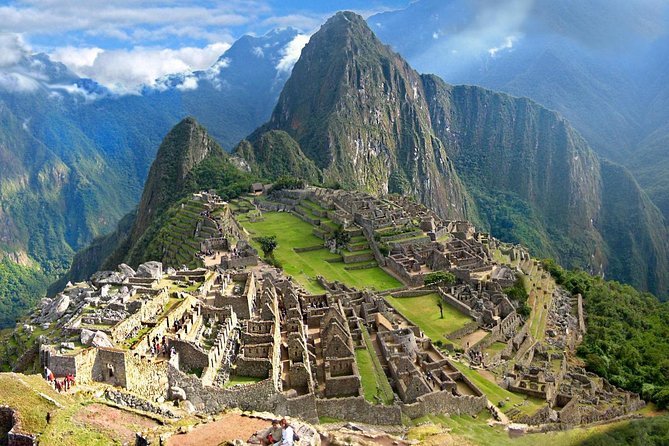
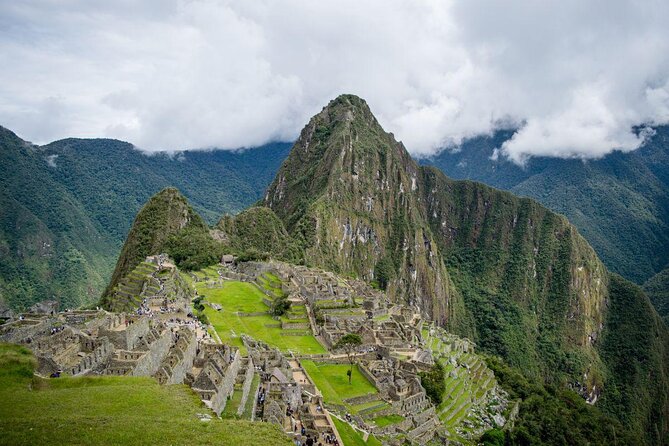
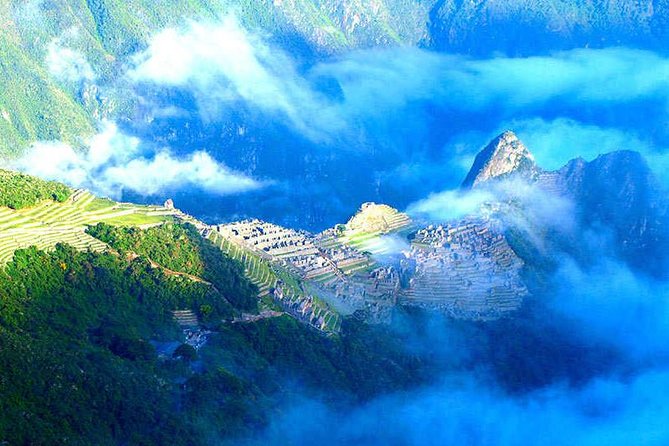
The reward is your first view of Machu Picchu from the trail. If weather cooperates, you may see the sun rise over the Andes and look down toward the citadel. This is one of the best reasons to choose the Inca Trail instead of a direct train visit. You arrive with a sense of place and progress, not just a ticket and a bus ride.
From the Sun Gate, the trail descends for about 45 minutes to the upper terraces, where you can take the familiar high-angle photographs. Your guide then leads a tour inside the citadel, covering temples, ceremonial areas, terraces, and storage buildings.
Pay close attention to the ticket wording for this part. The itinerary notes an optional extra cost for a new ticket if you want to re-enter Machu Picchu. Huayna Picchu and Machu Picchu Mountain also require separate pre-booked admission. Neither mountain hike is included in the listed price.
After the citadel visit, you take a bus to Aguas Calientes. Lunch on Day 4 is not included, nor is dinner, so budget for both. You then return by train to Ollantaytambo, followed by a private van to Cusco.
The full day is listed at about nine hours. That includes the final trail, the Machu Picchu visit, the bus to Aguas Calientes, and the return transport. It is a long finish, but the return train saves you from repeating the trail.
Camping, food, and porter support
At $850, the value rests heavily on what is included behind the scenes. You get a professional English-speaking guide, a chef, porters for cooking and camping equipment, a personal porter for 5 kilograms, three breakfasts, three lunches, and three dinners.
The dining tent is a useful touch. Eating at a table with a hot meal is a small luxury after a day of climbing. The food has received especially strong praise, with dishes described as varied, filling, well seasoned, and surprisingly polished for a mountain kitchen.
Camping equipment includes a shared four-person tent, an inflatable mattress, and an inflatable pillow. A sleeping bag is not included, but it can be rented from the local operator. Water is included after the first four hours of the trek, so bring your own supply for the opening section.
The package also includes an oxygen bottle and first-aid kit. These are sensible safety provisions, but they do not replace acclimatization, personal caution, or travel insurance. Insurance is strongly recommended and is not included.
Porters make a major difference. You carry less, but the porters still do strenuous work at high altitude. Pack only what you need, respect the weight limit, and bring small personal essentials such as sunscreen, insect repellent, hand sanitizer, toiletries, a headlamp with spare batteries, warm layers, and rain protection.
How hard is the four-day route?
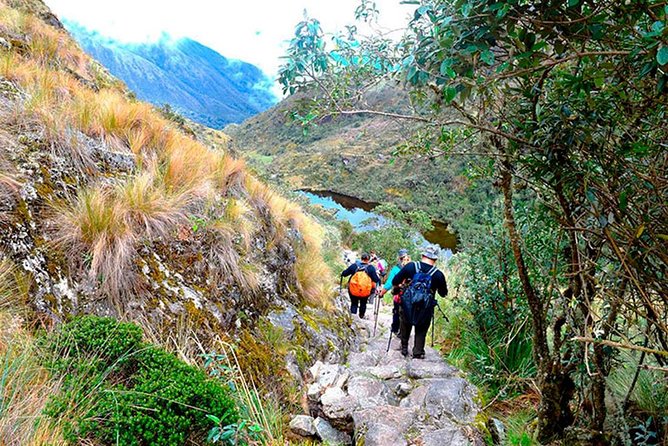
You need moderate physical fitness, but that phrase can sound softer than the trek really is. The route includes long climbs, steep descents, high passes, uneven stone paths, and four days of changing weather.
The highest points are above 4,000 meters, and the tour reaches 4,215 meters at Dead Woman’s Pass. One account calculated roughly 71,000 steps over the trek, including both uphill and downhill sections. That gives you a useful sense of the scale.
You should arrive in Peru prepared for sustained walking and allow time in Cusco to adjust to the altitude. The supplied information does not specify an acclimatization schedule, so you should ask the operator what they recommend before the 5:00 a.m. departure.
The weather can run from blazing sun to hail and heavy rain. Bring waterproof clothing, a warm jacket, gloves, a hat, and sturdy walking boots. A poncho is not excessive. It may be the item you are happiest to have.
The minimum age is six, but the fitness warning matters more than the age rule. A young child may technically qualify and still struggle with the length, altitude, cold, or steep steps. Use honest judgment.
The guide and crew make the difference
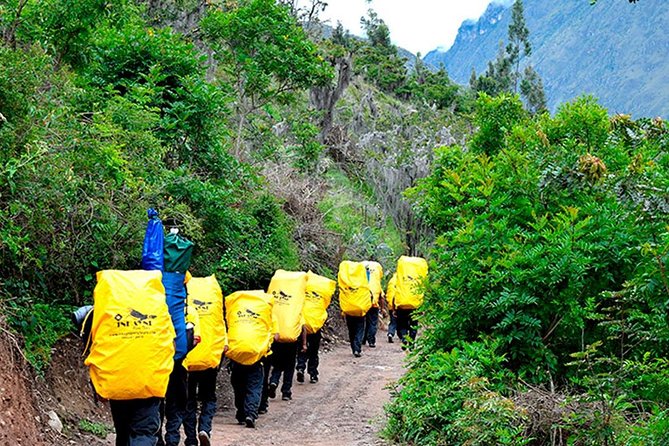
The strongest part of this trip is the human care. The guide is responsible for history, route decisions, timing, group morale, and your general sense of security. The porters and chef make the camping system work.
Freddy has been praised for combining Inca history, culture, nature, and personal reflection. Paul is remembered for short stories and activities that gave the ruins a stronger sense of meaning. Ronald brought enthusiasm for Machu Picchu, Peru, and his own ancestry, while Herlin kept the group informed and smiling through a physically demanding route.
The chef is just as important after eight hours on the trail. Sabino, Herminios, Mario, and Nazario are each praised for meals that went well beyond basic camping fare. You might get three-course meals, local dishes, warm drinks, and enough food to restore your energy.
The exact crew depends on the departure, and you cannot request a specific person based on the information provided. But the local character of the operation is a real advantage for people who want more than a quick photo stop.
Is $850 good value?
For a four-day permit-based Inca Trail trek, $850 is a strong package price if the stated inclusions are delivered. You are paying for the trail permit and Machu Picchu access, transfers from Cusco, the train and bus return, a guide, a chef, porters, tents, meals, water after the first four hours, and camping equipment.
You still need to budget for a sleeping bag rental, Day 1 breakfast, Day 4 lunch and dinner, travel insurance, and optional mountain tickets. Those extras do not undermine the value, but they should be part of your real trip budget.
The return transport is especially convenient. After a long day at Machu Picchu, you do not need to arrange your own train, bus, or connection back to Cusco. The group travels by train to Ollantaytambo and then by private van.
The main financial risk is the strict cancellation policy. The experience is non-refundable and cannot be changed for any reason. Since permits sell out quickly, confirm your dates, passport details, flight plans, fitness, and insurance before booking.
Who should book this trek?
You should consider it if you want the classic foot approach to Machu Picchu, enjoy active trips, and value local guides and strong camp support. It suits hikers who can manage long days and who are willing to trade hotel comfort for ruins, mountain passes, and a powerful arrival at the Sun Gate.
It is less suitable if you dislike camping, have serious medical concerns, need flexible cancellation, or want a relaxed sightseeing schedule. The trek is not a simple four-day tour with occasional walking. The walking is the main event.
The small group, included porter support, generous cooking operation, and return transport make this a sensible choice for a first major trek. Just clarify the group-size limit, ask about current permit availability, and understand which Machu Picchu re-entry or mountain tickets cost extra.
Should you book the Inkayni Peru Tours trek?
I would choose this trip if your priority is the journey itself, not just reaching Machu Picchu. The ruins are excellent, but the real reward comes from the changing terrain, the high passes, the quiet camps, and the final approach through the Sun Gate.
Book early, train for sustained uphill walking, and pack for rain, cold, sun, and altitude. If you do that, the $850 price gives you a well-supported route with unusually strong food and a local crew that can add meaning to every hard-earned step.
FAQ
How long is the Inca Trail trek?
The trek lasts approximately four days. The daily hiking times are listed as about five hours on Day 1, seven hours on Day 2, eight hours on Day 3, and nine hours on Day 4 including the Machu Picchu visit and return transport.
What time does the tour start?
Hotel pick-up begins at about 5:00 a.m. on Day 1.
Where does the hike begin?
The hike begins at Km 82, the official starting point of the Inca Trail, after a bus journey from Cusco through the Sacred Valley.
What is the highest point on the trek?
The highest listed point is Dead Woman’s Pass, or Abra de Warmihuañusca, at 4,215 meters, or 13,828 feet.
Is food included?
Breakfast, lunch, and dinner are included for Days 1 through 3. Breakfast on Day 1 and lunch and dinner on Day 4 are not included.
Is a sleeping bag included?
No. A sleeping bag can be rented from the local tour operator.
How much gear can a personal porter carry?
The included personal porter carries up to 5 kilograms of your gear. You must carry your own daypack and inflatable pillow.
Is transport from Cusco included?
Yes. The package includes hotel pick-up, transport to Km 82, the return train to Ollantaytambo, and a private van back to Cusco.
Are Huayna Picchu and Machu Picchu Mountain included?
No. Entrance to Huayna Picchu is not included, and tickets for Huayna Picchu or Machu Picchu Mountain must be pre-booked separately.
Do I need my passport?
Yes. You must bring your current valid passport on the day of the trek. An ISIC card is also needed if you are a student seeking the applicable discount.
More Hiking Days from Cusco
- 4-Day Salkantay Trek with Sky Camp Stay
★ 5.0 · 3,346 reviews - Salkantay Trek 5D/4N with Glass Cabins, Domes and Hobbit House
★ 5.0 · 2,488 reviews - Rainbow Mountain Full Day Trek
★ 5.0 · 1,469 reviews - 5-Day Premium Salkantay Trek
★ 5.0 · 788 reviews
Other Ways to Reach Machu Picchu
- From Cusco: Full-Day Group Tour of Machu Picchu
★ 4.7 · 1,767 reviews - Machu Picchu Day Trip from Cusco
★ 4.5 · 1,644 reviews - 2-Day Tour: Sacred Valley and Machu Picchu by Train
★ 5.0 · 1,127 reviews - Machu Picchu: Full-Day Tour from Cusco with Optional Lunch
★ 4.6 · 927 reviews
Added recently around Cusco
- the Incas’ Sacred Valley★ 5.0 · 27 reviews
- Sacred Valley of the Incas Day Trip from Cusco★ 5.0 · 6 reviews
- Super valley or vip valley★ 5.0 · 13 reviews
- Small-Group Tour: Rainbow Mountains Hiking from Cusco★ 4.0 · 5 reviews
- Excursion to the Sacred Valley of the Incas from Cusco★ 5.0 · 8 reviews
- Maras + Moray & Textile Experience★ 5.0 · 14 reviews
- Tour EN Cuatrimoto POR la Montaña 7 Colors Hike 5 Minutes★ 4.5 · 32 reviews
- rainbow mountain★ 4.0 · 4 reviews
Machu Picchu Tours, compared.
Classic Inca Trail Trek 4D/3N to Machu Picchu (Group Service)
Read our review →
Machu Picchu: 4-Day Inca Trail Trek with Panoramic Train Ride
Read our review →
2-Day Inca Trail to Machu Picchu with Panoramic Train
Read our review →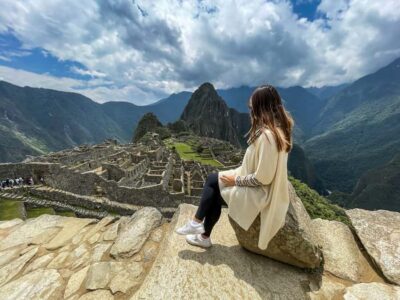
2-Day Tour: Sacred Valley and Machu Picchu by Train
Read our review →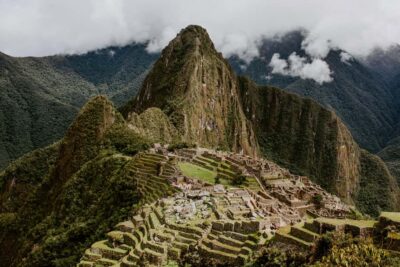
Machu Picchu: Full-Day Tour from Cusco with Optional Lunch
Read our review →Browse the lists this tour appears in