
Reviewed · LAKE TITICACA TOURS
Taquile Community Homestay – Responsible Tourism
Slow travel pays off here. This Taquile Island homestay gives you time with local families, traditional weaving, and a quieter view of Lake Titicaca than a rushed day trip. I especially like the overnight stay and the chance to support a community-run tourism system. The main catch is simple: expect a basic room, an outside bathroom, long boat rides, and an uphill walk at nearly 4,000 meters.
I also like that most of the first day’s meals and activities are arranged for you, while the island itself remains largely free of Western-style development. You will need moderate fitness and some adaptability, especially if you are not yet used to high altitude.
In This Review
- Key Points Before You Book
- Why Spend the Night on Taquile?
- The Boat From Puno and the Stop at Uros
- Arriving at Taquile: The 150-Meter Climb
- Learning Taquilean Traditions Through Weaving
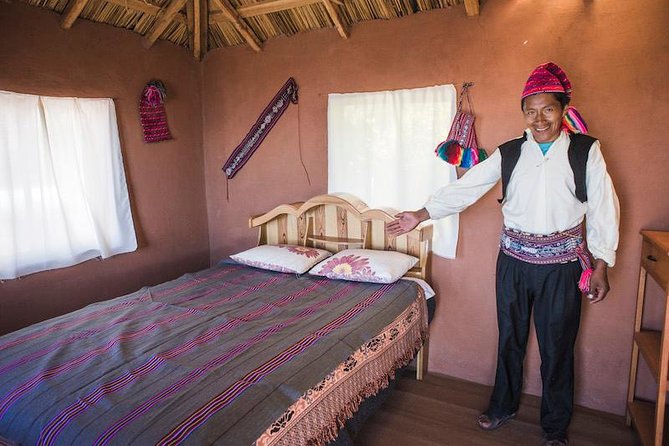
- Sleeping in a Family-Run B&B
- A Quiet Second Morning Before the Boat Back
- What the $80 Price Really Buys
- Who Will Enjoy This Taquile Stay?
- Should You Book the Taquile Community Homestay?
- FAQ
- How long does the Taquile Community Homestay last?
- How long is the boat ride to Taquile?
- Is hotel pickup in Puno included?
- What type of accommodation is provided?
- Is the walk to the B&B difficult?
- Are meals included?
Key Points Before You Book
- Taquile sits at roughly 4,000 meters, so the 150-meter climb from the pier can feel harder than it looks.
- The overnight stay is in a simple family-run B&B with an external bathroom, not a conventional hotel.
- A stop at the Uros floating islands breaks up the first boat journey from Puno.
- Traditional weaving is central to island life, with time to learn about local customs and visit a community handicraft cooperative.
- The boat ride takes about three and a half hours going out and three hours returning, using shared boat service.
- The $80 price includes the overnight stay, breakfast, dinner, guide, activities, port pickup, and round-trip boat transfer, but hotel pickup and drop-off are not included.
Why Spend the Night on Taquile?
Taquile is not best understood as a quick photo stop. The value of this trip comes from staying long enough for the island to slow down around you.
A typical day excursion gives you a few hours to walk, eat, shop for handicrafts, and return to Puno. This program adds a night in a rural family home, a second morning on the island, and more time to speak with your hosts or walk without a group pressing you toward the next stop.
Taquileans have developed a community-based tourism system in which families rotate hosting duties and opportunities. That arrangement helps spread income through the island rather than concentrating it in one business. It also gives you a more direct connection with daily life, though the experience is not polished for hotel-style comfort.
I would choose this stay if you want conversation, simplicity, and time to watch how a remote island community works. I would skip it if you need a private bathroom, a soft bed, a tightly timed schedule, or plenty of restaurant choice.
The operator also supports a small project called Yachay Ñan, a library intended to help local children with reading and comprehension. That is a meaningful extra, though you should see it as a community project connected to the trip, not as the central activity.
More of Lake Titicaca by boat:
- From Puno: Uros, Amantaní & Taquile Islands 2-Day Tour
★ 4.5 · 452 reviews - Tour to Uros and Taquile Islands in a Fast Boat
★ 5.0 · 419 reviews - From Puno: Floating Islands of the Uros Half-Day Tour
★ 4.4 · 394 reviews
The Boat From Puno and the Stop at Uros
Your first morning begins after breakfast with a meeting at the pier in Puno. A local collaborator waits there, and the shared boat service then carries you across Lake Titicaca toward Taquile.
The outward journey takes about three and a half hours. That is a substantial stretch of time on the water, so you should treat the boat ride as part of the experience rather than a simple transfer. The lake views and open sky are a large part of the appeal, but anyone prone to motion sickness should plan accordingly.
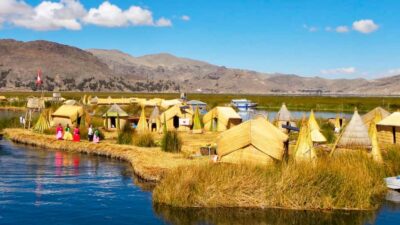
The route includes a short stop at the Uros floating islands. This gives you a look at another famous Lake Titicaca community before continuing to Taquile. The stop also breaks the long crossing, although it means the first day includes a tourist-oriented visit before the quieter island stay begins.
The information for this experience describes the boat as shared service, even though the activity itself is listed as private for your group. In practical terms, your arranged activities may be private to your booking, while the boat crossing is shared. That distinction matters if you are expecting a private vessel.
Hotel pickup in Puno is not included. You meet at the pier, and port pickup is included. After returning to Puno, the activity ends at the meeting point, so you need to arrange your own onward transfer to your hotel.
Arriving at Taquile: The 150-Meter Climb
You arrive at Taquile at about noon. The path from the pier to the family-run B&B climbs roughly 150 meters.
The walk is described as not technically difficult, but altitude changes the calculation. At around 4,000 meters above sea level, a short uphill route can leave you breathing hard. Move slowly, keep your daypack light, and do not try to race the group.
This is one of the most important details in the whole program. The walk is manageable for someone with moderate fitness, but it can be uncomfortable if you have just arrived in the Puno area or are not adjusting well to altitude.
Wear shoes with a good grip and bring layers. Conditions can change quickly, and the island stay is simple. The supplied information specifically advises adaptability, especially in cold weather. You should pack warm clothing rather than assuming the daytime sun will keep you comfortable after dark.
Once you reach the accommodation, you will have a base for the afternoon and evening. Do not expect a resort. The B&B is rural and family-run, with an outside toilet. That arrangement is part of the cultural exchange, but it is also the clearest reason this trip will not suit everyone.
Learning Taquilean Traditions Through Weaving
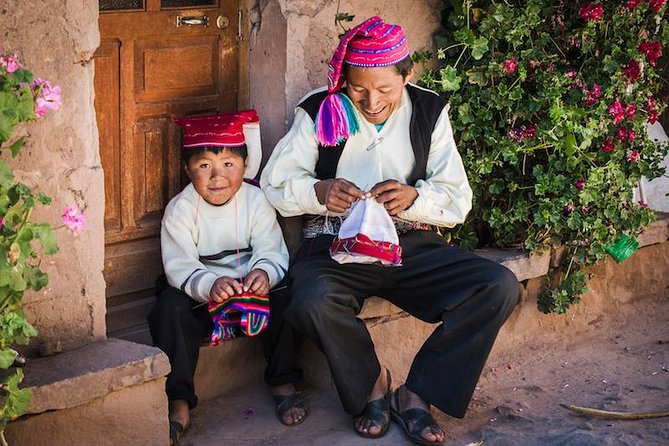
Taquile is particularly known for its textile work. During your time on the island, you learn about local customs and the role of weaving in community life.
The handicrafts are not just decorative souvenirs. They are a visible part of Taquilean identity and a way for local families to earn income while preserving traditional skills. A visit to the local cooperative gives you a chance to see and buy island-made products directly.
I like this part of the experience because it connects the scenery with real work. You are not simply looking at a beautiful island. You are learning how people express identity, support households, and pass knowledge between generations.
The cultural activities are not described as a fixed performance schedule. That is a strength if you want a less staged visit, but it also means the exact rhythm may vary. You spend the day getting to know local culture and traditions, with a local guide helping explain what you see.
You may also have a chance to visit an outdoor sanctuary with an island guide. This detail appears in descriptions of the Taquile program, along with time at the handicraft cooperative and the chance to see the island at sunrise. These moments are likely to feel more rewarding when you allow the visit to unfold at a calm pace rather than treating each stop as a checklist.
A few more Puno trips worth lining up side by side
- From Cusco: Vinicunca Rainbow Mountain ATV Tour with Meals
★ 4.6 · 1,060 reviews - Uros and Taquile Islands on New and Comfortable SpeedBoat
★ 4.5 · 254 reviews - Lake Titicaca (Day Trip) Uros & Taquile Islands
★ 4.5 · 245 reviews - Lake Titicaca 2-Day Tour to Uros, Amantani and Taquile
★ 4.4 · 199 reviews
Sleeping in a Family-Run B&B
The overnight stay is the heart of the program, and it requires clear expectations.
Your accommodation is a very simple rural B&B run by a local family. The bathroom is outside the sleeping area. The description does not promise private hotel facilities, modern plumbing, heating, or luxury bedding, so you should plan for basic conditions.
That simplicity can be a real advantage. You have a better chance of sharing ordinary moments with your hosts, asking questions, and seeing how a family participates in Taquile’s responsible tourism model. Past arrangements have included families such as Cecilio’s, but host duties rotate, so you should not assume a particular household will receive you.
The trade-off is comfort. Cold temperatures may make the night feel longer, and the outside bathroom can be inconvenient. Bring a warm sleep layer, a headlamp, and only the essentials for the overnight portion. The information provided does not mention Wi-Fi, heating, or in-room facilities, so do not count on them.
Meals on the first day are generally arranged as part of the homestay, and dinner is included. Coffee or tea is also listed. The next morning begins with a traditional breakfast, giving you another chance to eat with the family before the return journey.
There is one point worth checking before departure. The day-one description says full board, but the inclusion list names breakfast and dinner while the second day specifically says lunch is free. Because those details do not line up perfectly, confirm whether day-one lunch is included and budget for drinks and any other food not covered.
A Quiet Second Morning Before the Boat Back
The second morning is intentionally open. After breakfast, you can spend more time with the family or go for a walk around the island.
This is a strong reason to choose the overnight option instead of a day trip. You are not forced to leave immediately after breakfast, and you may catch a different mood on the island in the morning. The supplied program also highlights sunrise as one of the memorable parts of the stay.
You must be at the pier by 2 p.m. at the latest for the return boat. That gives you a useful block of free time, but it is not an unlimited day. If you wander, keep your watch in view and leave plenty of time for the walk back down to the port.
Lunch on the second day is not included. You should ask how and where to arrange it locally, and you should carry some money for food and drinks. Dinner after returning to Puno is also free, as is the hotel transfer.
The return boat takes about three hours. Once you arrive in Puno, the activity ends back at the meeting point. You then make your own way to your accommodation.
What the $80 Price Really Buys
At $80 per person, this is a good-value experience if you use the inclusions. You are paying for a two-day cultural visit, an overnight stay, breakfast, dinner, local taxes, activities, a local guide, port pickup, and round-trip boat transportation.
The price is not simply buying a bed on an island. It helps connect your spending with a local hosting system, guide services, food, transport, and community activities. That makes it more useful than a quick stop that leaves little income behind.
Still, the cost is not all-inclusive. Hotel pickup and drop-off are excluded. Drinks are excluded, and lunch is clearly excluded on the second day. The inconsistent wording about first-day lunch means you should clarify that item before booking.
The experience is most economical for people already staying in Puno and able to reach the pier. It becomes less convenient if you need a full door-to-door service or if your schedule allows no flexibility around the boat departure.
The activity is frequently reserved well ahead, with an average booking time of about 149 days. That suggests you should plan ahead, especially if you have fixed dates in Puno. Free cancellation is available if you cancel at least 24 hours before the start time. Changes or cancellations inside that window are not refunded.
Who Will Enjoy This Taquile Stay?
I would recommend this experience to you if you:
- Want a genuine family-based stay rather than a standard hotel.
- Care about responsible tourism and direct community income.
- Enjoy traditional crafts, local food, and unhurried cultural contact.
- Can handle a 150-meter uphill walk at high altitude.
- Are comfortable with an outside bathroom and simple facilities.
- Have enough time in Puno for two long boat crossings.
Families can also take part, but children must be accompanied by an adult. The child rate applies only when sharing with two paying adults. Vegetarian food is available if you request it when booking, and you should provide any other dietary requirements in advance.
I would be cautious about booking if altitude has already caused you problems, if you need accessible accommodation, or if you dislike long boat rides. The activity data only states that moderate physical fitness is required, so anyone with specific mobility or health concerns should ask the operator for more detail before paying.
Should You Book the Taquile Community Homestay?
Book it if you want the most personal version of a Lake Titicaca visit and you are happy to trade comfort for time, contact, and local hospitality. The overnight stay, rotating host system, weaving traditions, and open second morning give this trip more substance than a standard island excursion.
Do not book it expecting luxury, a private boat, or a perfectly itemized meal plan. Confirm the first-day lunch arrangement, pack for cold conditions, prepare for the altitude, and arrange your own hotel transport in Puno.
For the right person, this is a memorable two-day addition to a Peru itinerary. The best moments are likely to come not from a packed schedule, but from sitting with a family, watching island life continue at its own pace, and looking up at the huge sky above the lake.
FAQ
How long does the Taquile Community Homestay last?
The experience lasts approximately two days. You travel from Puno to Taquile on the first day, stay overnight, and return to Puno on the second day.
How long is the boat ride to Taquile?
The boat ride from Puno to Taquile takes about three and a half hours. The return journey takes about three hours.
Is hotel pickup in Puno included?
No. You meet at the pier in Puno. Port pickup and round-trip shared boat transportation are included, but hotel pickup and drop-off are not.
What type of accommodation is provided?
You stay overnight in a simple, rural, family-run B&B on Taquile. The bathroom is outside the accommodation.
Is the walk to the B&B difficult?
The walk from the pier involves about 150 meters of elevation gain. It is described as not difficult in itself, but the altitude is around 4,000 meters, so moderate physical fitness is required.
Are meals included?
Breakfast and dinner are included, along with coffee or tea. The second-day lunch is free. The description also refers to full board on the first day, so you should confirm whether the first-day lunch is covered. Drinks are not included.
Added recently around Puno
- Walking City tour Puno★ 4.5 · 12 reviews
- Uros Sunset Kayak Private Tour★ 5.0 · 5 reviews
- Uros Reed Floating Islands & Taquile Island Titicaca Puno Full Day★ 4.0 · 38 reviews
- Uyuni Express 3 days from Puno Copacabana and Isla del Sol★ 5.0 · 16 reviews
- Two-Day Tour to Uros with Amantani and Taquile from Puno★ 5.0 · 44 reviews
- Uros Amantani Taquile Full Day tour★ 5.0 · 7 reviews
- Uros Floating Islands★ 3.0 · 13 reviews
- Tour island Uros, Amantani and Taquile 02days/01 night lake titicaca★ 5.0 · 5 reviews
Lake Titicaca Tours, compared.
Tour to Uros and Taquile Islands in a Fast Boat
Read our review →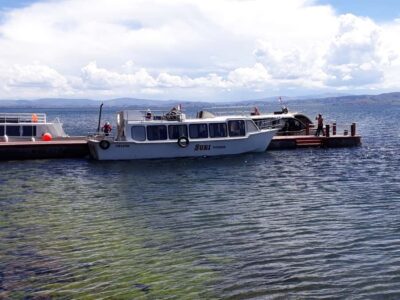
Uros and Taquile Islands on New and Comfortable SpeedBoat
Read our review →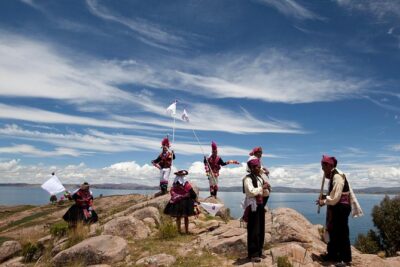
Lake Titicaca (Day Trip) Uros & Taquile Islands
Read our review →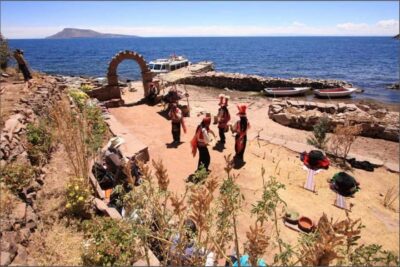
Lake Titicaca 2-Day Tour to Uros, Amantani and Taquile
Read our review →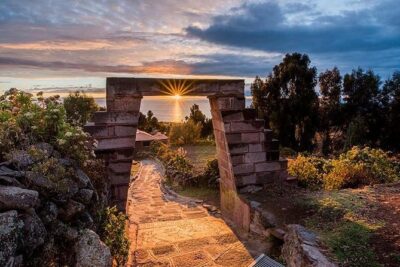
Full-Day Tour of Lake Titicaca and Uros & Taquile
Read our review →Browse the lists this tour appears in