
Reviewed · INCA RUINS & ARCHAEOLOGICAL SITES
Tour to the archaeological sanctuary of Pachacamac + Lunch Show
Ancient temples meet a lively Peruvian lunch. This eight-hour Lima outing pairs the Pachacamac archaeological sanctuary with a buffet, traditional dances, and a Peruvian Paso horse show at Mamacona. I like the easy private pickup from Miraflores, San Isidro, or Barranco, and I like the way a bilingual guide connects the ruins with present-day Peruvian culture. The main caution is Lima traffic, which can disrupt the schedule and shorten time at the site.
The tour costs $128.21 per person, including private transportation, a guide, entrance tickets, lunch, dances, and the horse show. That is a fair price if you value door-to-door service and a private group, though drinks cost extra and the long program may feel full for anyone who prefers a slow archaeological visit.
- The 45-minute ride south of Lima takes you from the city to Pachacamac in private tourist transport.
- The site museum displays about 290 objects from a collection of more than 6,500 registered pieces.
- Pachacamac’s temples and sacred compounds show the importance of this coastal religious center.
- The Temple of the Sun is built from adobe and was painted red.
- Mamacona combines lunch and entertainment with dances from Peru’s three regions.
- The Peruvian Paso horse show adds a polished modern cultural performance to the ancient site visit.
In This Review
- Why Pachacamac Makes a Good Lima Day Trip
- The Pachacamac Site Museum Sets the Scene
- Walking Through the Acllahuasi and the Inca Road
- Seeing the Red Adobe Temple of the Sun
- Lunch, Dance, and Horses at Mamacona
- How the Timing Works in Real Life
- Is the $128.21 Price Worth It?
- Who Will Enjoy This Pachacamac Tour Most?
- My Recommendation for Booking
- FAQ
- Where does pickup take place?
- What time does the tour start?
- How long does the experience last?
- Is transportation included?
- Is lunch included?
- What performances are included?
Why Pachacamac Makes a Good Lima Day Trip
Pachacamac gives you a useful break from Lima’s urban streets. The sanctuary lies south of the city, and the private ride takes about 45 minutes each way under normal conditions. You do not need to arrange a taxi, negotiate a fare, or work out how to reach an archaeological site outside central Lima.
That convenience matters because the tour begins with pickup at your hotel or Airbnb at about 9:00 a.m. Pickup is offered in Miraflores, San Isidro, and Barranco. Confirm your exact address carefully, especially if your accommodation has a similar name to another property. One delayed pickup caused a late start on an earlier outing, and heavy traffic then forced the group to leave Pachacamac sooner than planned.
The experience is private, so only your group takes part. That gives you a little more breathing room than a large coach tour, and it lets the guide explain things at a pace that suits your group. The guide also provides commentary during the drive, including information about places you pass on the way.
English is offered, and the guide service is bilingual. Patrick received especially warm praise for his clear English and Spanish, friendly manner, and flexible approach. A good guide makes a real difference here because the ruins can otherwise appear to be a series of adobe walls and dusty platforms without much context.
The Pachacamac Site Museum Sets the Scene
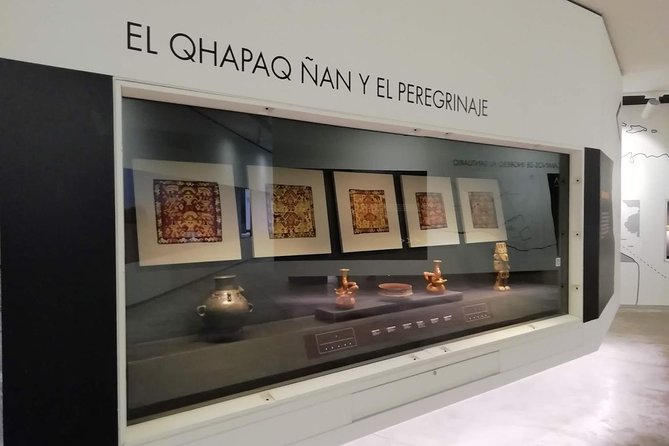
Your first substantial stop is the Pachacamac Site Museum, where you spend about an hour. The museum belongs to Peru’s Ministry of Culture and sits within the archaeological sanctuary, so you begin with objects and explanations before walking among the remains.
The collection contains more than 6,500 registered pieces made from materials including ceramics, wood, plant matter, metal, and textiles. About 290 are on display. That difference is worth noting: the museum is not enormous, but it gives you a focused introduction rather than trying to show everything held in storage.
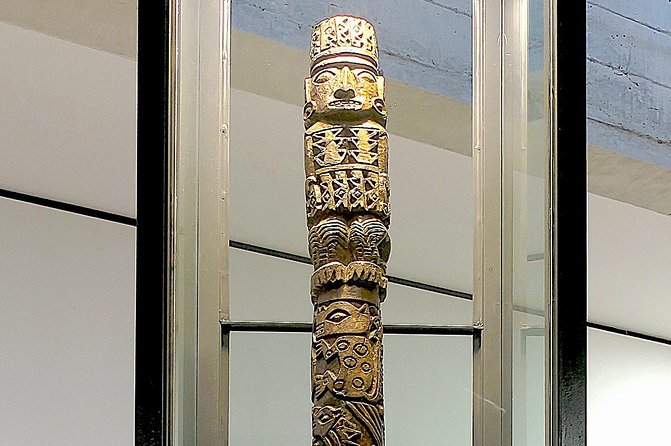
The most important object is the idol of Pachacamac. This emblematic piece helps explain why the sanctuary mattered for centuries. Pachacamac was a major religious center on Peru’s central coast, and the museum gives you a better basis for understanding the temples, roads, and sacred compounds that follow.
I recommend paying attention to the materials as much as the objects themselves. Ceramics are familiar to most visitors, but plant material, textiles, wood, and metal show how many kinds of craft and labor supported this religious center. The museum also gives the guide a useful starting point for explaining the cultures connected with Pachacamac.
More Ruins & Archaeology Tours in Lima
- Lima: Pachacamac Ruins & Barranco Half-Day Guided Tour
★ 4.6 · 296 reviews - Pre Inca Temple of Pachacamac Half-Day Tour from Lima
★ 4.5 · 283 reviews - Tour to the Archaeological Sanctuary of Pachacamac (small group)
★ 5.0 · 260 reviews
Walking Through the Acllahuasi and the Inca Road
After the museum, the tour continues through the sanctuary. One important stop is the Acllahuasi, known as the Temple of the Virgins of the Sun. This was a sacred compound where selected women lived and worked. Selection could relate to manual skills, culinary ability, or physical beauty, and these women served the state.
The Acllahuasi at Pachacamac was apparently among the largest and most important on Peru’s coast. That detail changes how you read the site. You are not simply looking at a residence or temple. You are seeing part of a state system that connected religious practice, labor, food preparation, and political power.
The guide then points out the Qhapaq Ñan, or Great Inca Trail. The road system extended for about 25,000 kilometers and connected Cusco with the wider Inca Empire. At Pachacamac, the road helps show how this coastal sanctuary fitted into a much larger network.
This is one of the tour’s strongest educational moments. The road is not just an old route. It shows how people, officials, goods, and religious ideas could move across a huge territory. The guide’s explanations are particularly useful because the physical remains may not immediately tell you what you are seeing.
The walking portion includes sacred compounds in the lower part of the sanctuary, followed by a climb up an ascending ramp toward the Temple of the Sun. Wear comfortable shoes and be ready for sun exposure. The tour data does not specify the exact walking distance or shade available, so you should expect a site visit that involves movement between separate areas rather than a short museum stroll.
Seeing the Red Adobe Temple of the Sun
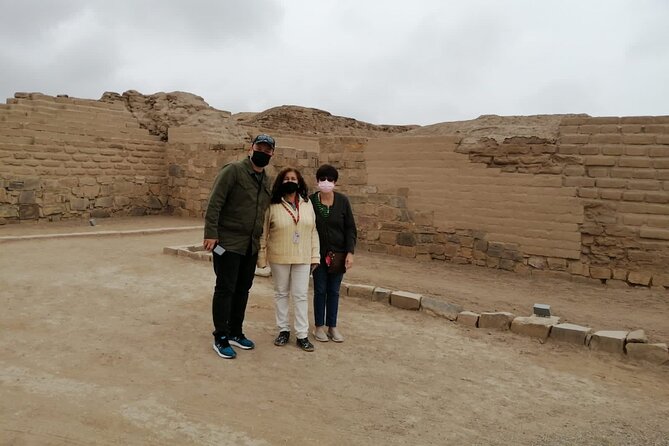
The Temple of the Sun is the largest sun temple on the coast. It was built from adobe and painted red, though the remains naturally require you to use some imagination when picturing its original appearance.
The tour takes you around the temple rather than treating it as a quick photo stop. Its size reflects the organizational effort needed to build such a structure from adobe. Even in ruined form, the temple helps you grasp the scale of authority and labor behind Pachacamac.
This part of the visit is also where traffic pressure can matter. The planned sanctuary stops take roughly three hours in total, with about an hour at the museum, an hour among the sacred compounds and Great Inca Trail, and another hour around the Temple of the Sun. If your pickup runs late, the schedule may need to be tightened.
One earlier outing had a delayed start, some site areas closed, and less time at Pachacamac because of traffic. That does not make the tour a poor choice, but it is a useful warning: Lima roads can affect an otherwise carefully arranged day. Ask your guide about the timing as soon as you meet, and keep your expectations flexible.
Lunch, Dance, and Horses at Mamacona
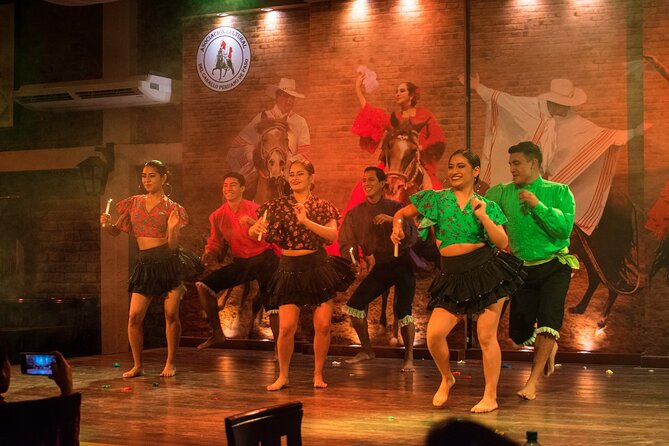
After Pachacamac, the group goes to the Mamacona hacienda for about three hours. This is where the day shifts from archaeology to living cultural performance. Your buffet lunch is included, and you watch typical dances from Peru’s three regions.
The lunch is a practical part of the package. You do not need to search for a restaurant after the site visit, and the buffet offers a variety of choices. Drinks are not included, so bring extra money for beverages. That small cost is easy to overlook when comparing tour prices.
The dances provide a broad introduction rather than a detailed study of one local tradition. You see how Peru presents its coastal, Andean, and Amazonian cultures through music, costume, and movement. If you have only a short time in Lima, this gives you a compact cultural program without requiring separate evening reservations.
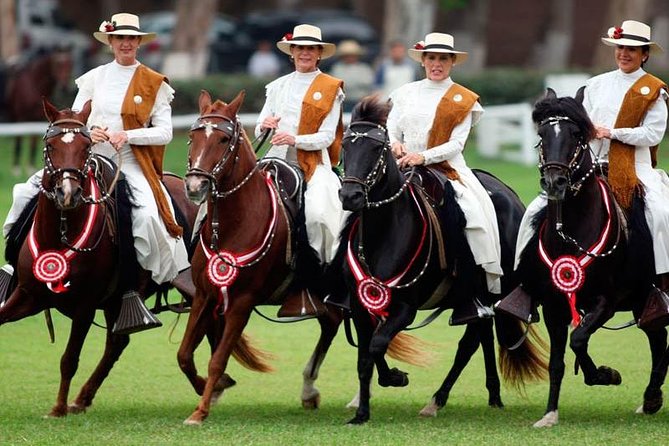
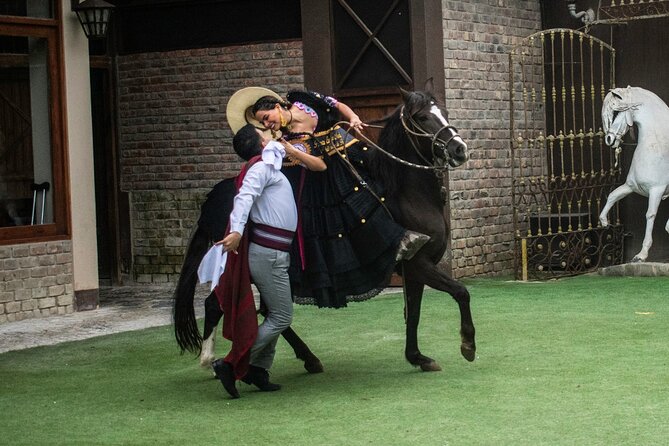
The Peruvian Paso horse show is the highlight for many people. The breed is known for its distinctive way of moving, and the performance gives you a chance to see the horses handled in a formal setting. You also have the opportunity to ride around the hacienda.
The horse show was praised for its quality, and the restaurant staff made a strong impression for their friendly service. The combination of buffet, dances, horses, and a hacienda setting makes this more than a simple meal stop. At the same time, it is a staged cultural performance, not an everyday rural event. I would enjoy it as a polished presentation of Peruvian traditions, while keeping that distinction in mind.
More ruins and archaeology near Lima:
- From Pyramids & Bohemian Streets: Lima Miraflores & Barranco Tour
★ 5.0 · 257 reviews - Caral, The Oldest Civilization in the Americas:Day Trip from Lima
★ 5.0 · 199 reviews - Lima: Pachacamac Inca Archaeological Complex Tour
★ 4.8 · 164 reviews - Lima Bike Tour Miraflores – Barranco + Huaca Pucllana!
★ 4.5 · 137 reviews
How the Timing Works in Real Life
The advertised duration is about eight hours, starting around 9:00 a.m. and ending with a return to your hotel. The structure is sensible:
- About 45 minutes to reach Pachacamac
- One hour in the site museum
- One hour visiting the Acllahuasi, Great Inca Trail, and lower sacred compounds
- One hour around the Temple of the Sun
- About three hours at Mamacona for lunch, dances, and horses
- The return journey to Lima
Those times are approximate, not promises. Lima traffic can be severe, and one delayed pickup changed the day’s rhythm. If your schedule includes a flight, a separate afternoon booking, or a timed museum visit, I would not place it too close to the tour’s expected return.
The private format helps. You are not waiting for a large group at every hotel, and only your own party participates. Still, private transport cannot make Lima traffic disappear. Confirm the pickup time and location the day before, and allow room for the return trip.
The experience is offered in English, and the guide is bilingual. If you need a language other than English, the listed information does not confirm availability. Most people can participate, but the exact accessibility arrangements are not specified, so ask the operator if anyone in your group has mobility needs.
Is the $128.21 Price Worth It?
At $128.21 per person, this is not the cheapest way to see Pachacamac. The price includes private transportation, an official tourism guide, museum and archaeological site admission, buffet lunch, typical dances, the Paso horse show, and a ride around the hacienda.
That package can be good value if you want a full day with little planning. Separate transport to Pachacamac, entrance tickets, a guide, lunch, and a cultural show could add up quickly. You are also paying for the convenience of pickup and drop-off in the main tourist districts.
The value is less clear if your main goal is serious archaeology. The tour gives each main area about an hour, then devotes three hours to Mamacona. Someone fascinated by ancient architecture may prefer a longer, more specialized visit with more time for close observation and questions.
You should also budget for drinks and tips. Neither is included. The price is easiest to justify when you want a balanced day that joins ancient Peru with a modern cultural presentation, rather than a tour focused only on ruins.
Who Will Enjoy This Pachacamac Tour Most?
I would recommend this outing to first-time visitors who want a simple way to see a major site outside Lima. It works well for couples, families, and small private groups who appreciate hotel pickup and a guide who can explain the drive as well as the ruins.
It also suits anyone who wants more than an archaeological visit. The Mamacona program gives you lunch, dancing, horses, and a taste of how Peruvian culture is presented today. Patrick’s friendly bilingual style is a good example of how the guide can tie the two halves of the day together.
You may want another option if you dislike scheduled performances, prefer independent sightseeing, or want to spend most of your day among ancient structures. The long lunch show is central to the experience, not an optional add-on.
The tour is also a better fit for a free day than for a tightly planned one. The eight-hour estimate is useful, but traffic, pickup problems, or closed site areas can change the balance between ruins and lunch. Treat the schedule as a framework rather than a guarantee.
My Recommendation for Booking
Book this tour if you want private convenience, clear historical explanation, and a broad cultural day in Lima. Pachacamac gives you an important archaeological stop, while Mamacona keeps the afternoon social and entertaining. The combination is easy to arrange and offers good value for someone who would otherwise need to organize several separate activities.
Think twice if you want a quiet, highly focused study of the sanctuary. The site visit is substantial but not leisurely, and the horse show and dances take a large share of the day. Confirm your accommodation details, allow extra time for traffic, and remember that drinks cost more.
The cancellation terms are friendly: you can cancel for a full refund up to 24 hours before the local start time. With a 4.9 rating from seven published ratings, the experience has made a strong impression, especially for the guide, horse show, buffet variety, and helpful staff. My call is positive, with one practical condition: leave your afternoon open and see Pachacamac as part of a varied Lima day, not as a stand-alone archaeology lecture.
FAQ
Where does pickup take place?
Pickup is offered from hotels or Airbnbs in Miraflores, San Isidro, and Barranco.
What time does the tour start?
The listed start time is 9:00 a.m.
How long does the experience last?
The full experience lasts approximately eight hours.
Is transportation included?
Yes. Private transportation is included for the journey to Pachacamac and the return to your hotel.
Is lunch included?
Yes. A buffet lunch at the Mamacona hacienda is included, but drinks are not included.
What performances are included?
The experience includes typical dances from Peru’s three regions, a Peruvian Paso horse show, and the opportunity to ride around the hacienda.
Added recently around Lima
- Yoga Classes in Miraflores, Lima★ 4.5 · 20 reviews
- Magic Water Circuit Tour★ 4.0 · 5 reviews
- Private Walking Tour Lima Heritage Downtown Half Day★ 4.5 · 12 reviews
- Wonders of Peru & Huaraz 16-Day Tour★ 5.0 · 8 reviews
- Water Magic Circuit Lima Night Tour by Panoramic Bus★ 4.5 · 11 reviews
- Visit to the Larco Museum in Lima★ 5.0 · 5 reviews
- Guided Tours in Colonial and Modern Lima★ 5.0 · 54 reviews
- Bizarre Foods Tour for Adventurous Foodies★ 5.0 · 9 reviews
Inca Ruins & Archaeological Sites, compared.
Half-Day City Tour with Sacsayhuaman and Q’enco
Read our review →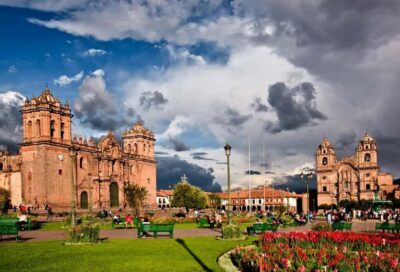
City Tour Cusco Qoricancha Sacsayhuaman y Tambomachay
Read our review →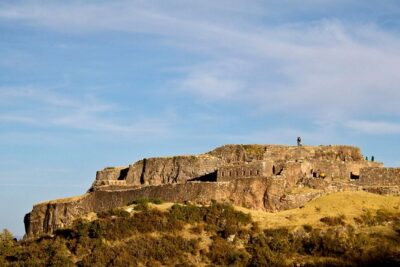
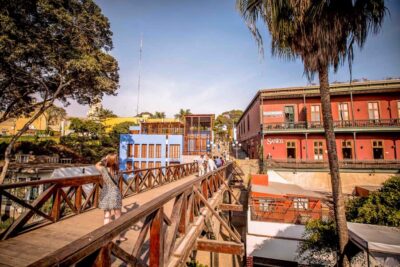
Pachacamac Ruins & Barranco Half-Day Guided Tour
Read our review →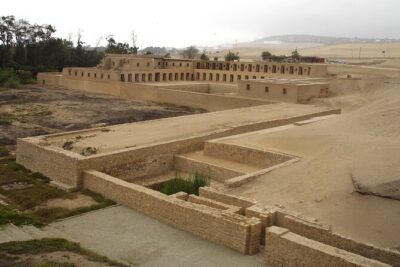
Pre Inca Temple of Pachacamac Half-Day Tour from Lima
Read our review →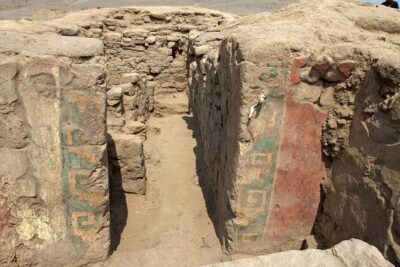
Tour to the Archaeological Sanctuary of Pachacamac (small group)
Read our review →
From Pyramids & Bohemian Streets: Lima Miraflores & Barranco Tour
Read our review →
City Tour | Half-Day Tour to 4 Archaeological Sites
Read our review →Browse the lists this tour appears in