
Reviewed · HIKING TOURS IN AREQUIPA
Trek to the Route of the Sillar and Culebrillas in Arequipa
Stone tells Arequipa’s story. This half-day outing takes you from city streets to the Añashuayco quarries, where pale volcanic stone is still cut by hand, then into the narrow Culebrillas canyon. I like the chance to see both the working quarry and the huge stone carvings, and I like that the tour includes transport and a guide for only $13 per person. The main drawback is timing: traffic can slow the drive, and the stop at the quarry may feel rushed.
The trip also offers a useful first look at Arequipa’s volcano views and the Chilina Valley. You should know that the advertised hot-springs stop in Chivay is not included in the detailed route, which ends back in Arequipa after Culebrillas.
In This Review
- What makes this Arequipa stone tour worth considering
- Why Arequipa is built from sillar
- The 9:15 departure and first volcano viewpoint
- Entering the Añashuayco Quarry after the 45-minute drive
- The mega carving and the hands-on stone demonstration
- A 30-minute transfer to Quebrada de Culebrillas
- Returning to Arequipa by van
- What the $13 price really includes
- The guide and the importance of tour quality
- What to bring and how to plan your day
- Who should book the Sillar Route?
- Should you book it?
- FAQ
- Where does the tour begin?
- What time does the tour start?
- How long does the experience last?
- Where does the tour finish?
- What languages are available?
- Is transport included?
- Is a guide included?
- Are entrance fees included?
- Does the tour include the Chivay hot springs?
What makes this Arequipa stone tour worth considering
- Añashuayco is a working quarry: You see the source of the white volcanic ashlar used throughout Arequipa, not just a finished monument.
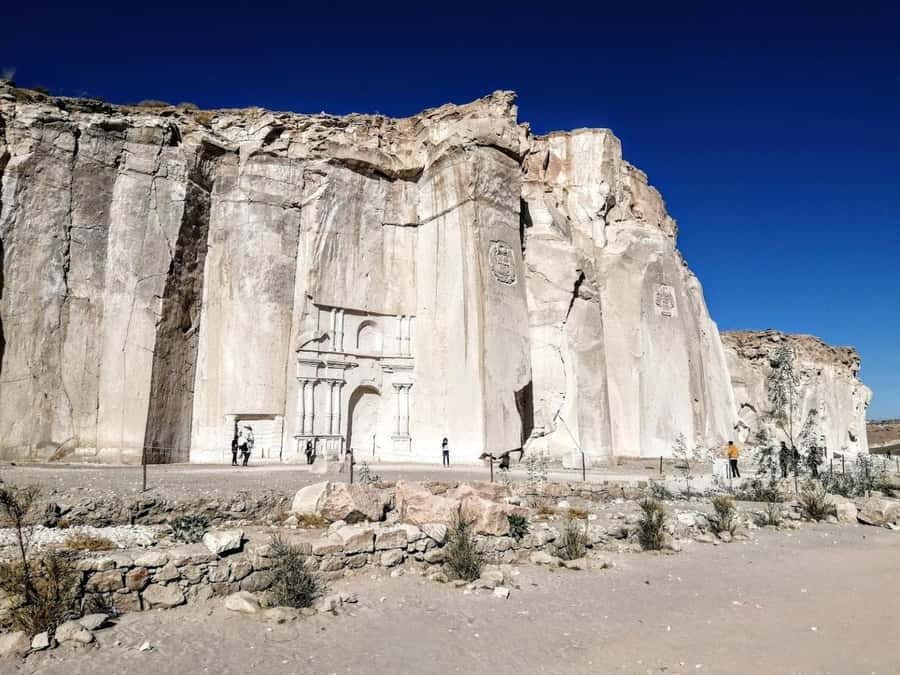
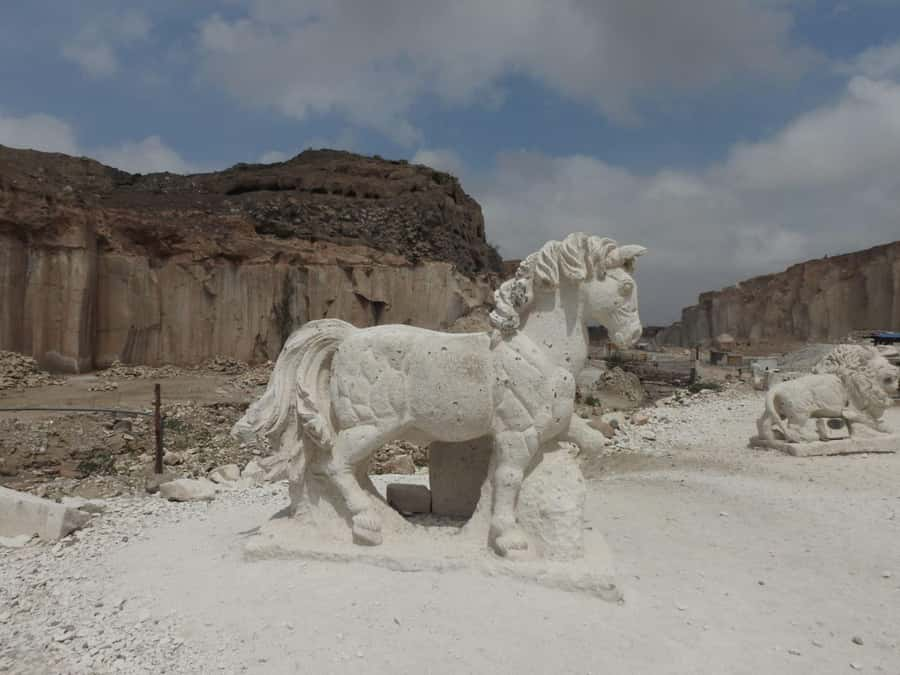
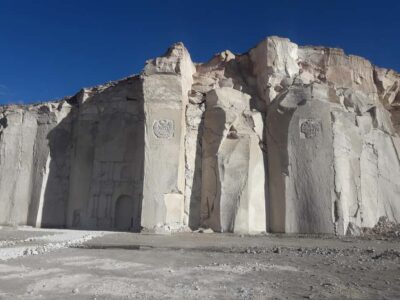
- The Church of the Company of Jesus carving is enormous: Local stonemasons created a mega carving as a tribute to one of Arequipa’s best-known buildings.
- You can try cutting the stone: A stonemason may explain the work and let you make a small hands-on attempt.
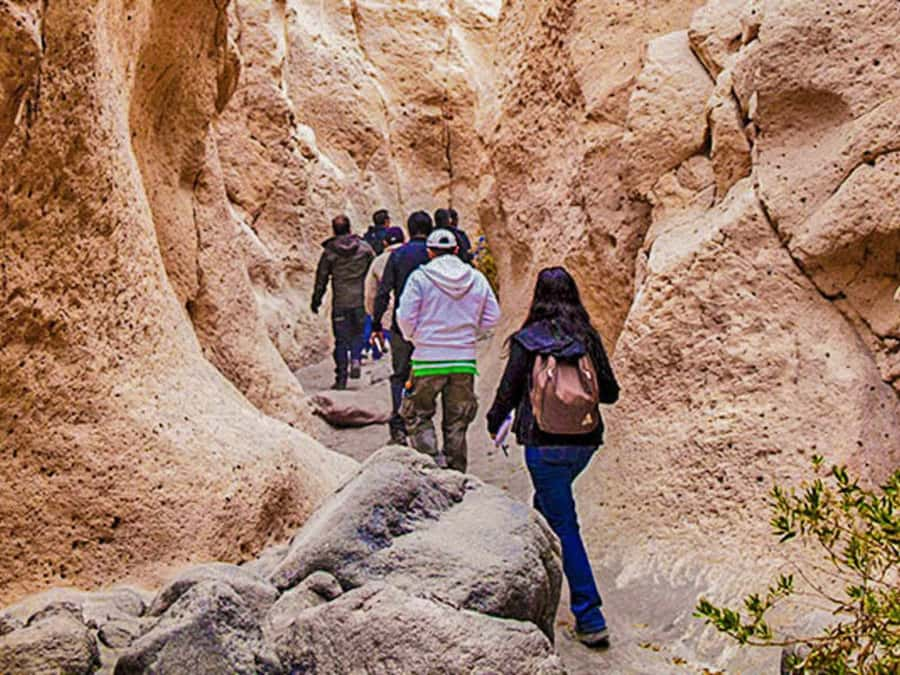
- Culebrillas adds a short canyon walk: The 20-minute walk follows a narrow channel shaped by water.
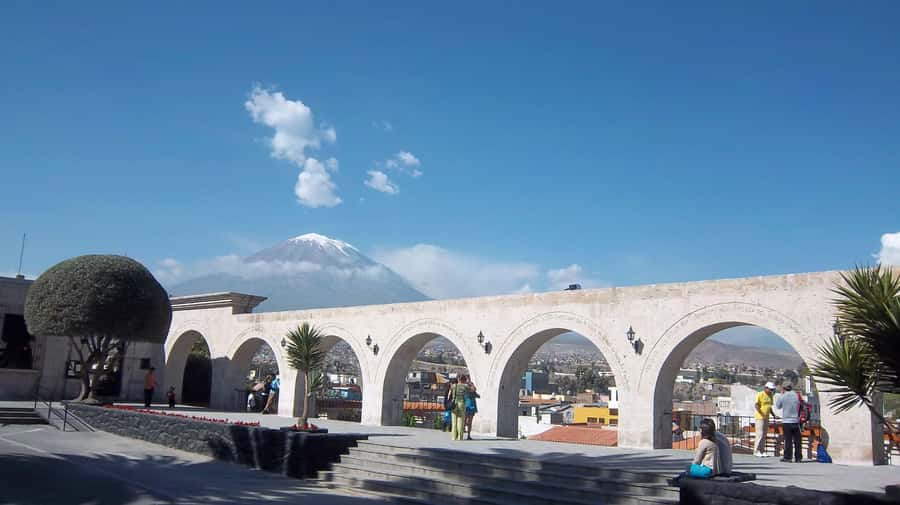
- The route begins with volcano views: A viewpoint gives you a chance to see the volcanoes and Chilina Valley before the quarry visit.
- The price is low, but extras matter: Transport and a professional guide are included, while entrance fees of 10 soles are not.
Why Arequipa is built from sillar
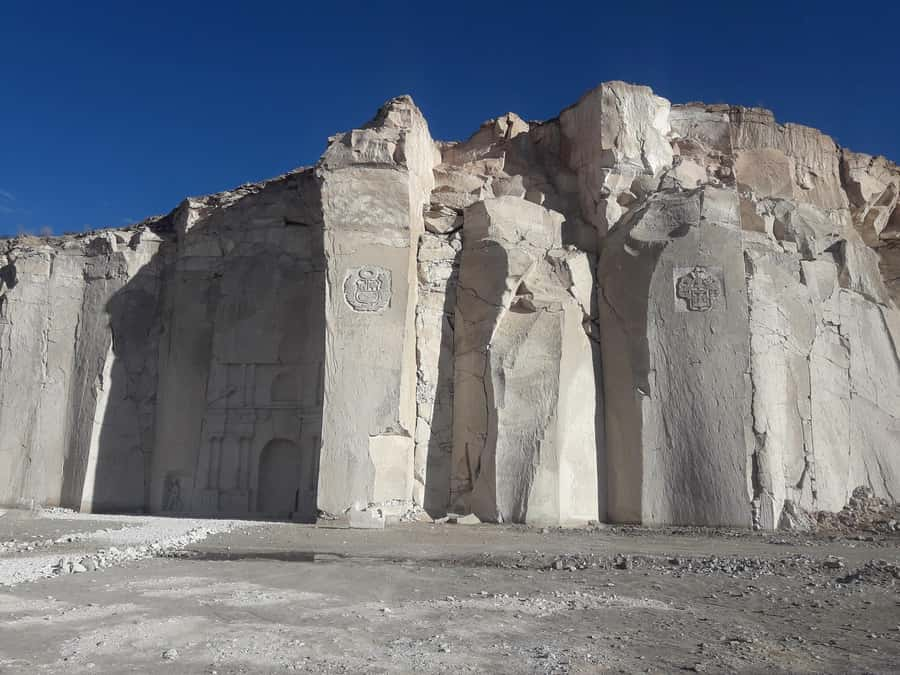
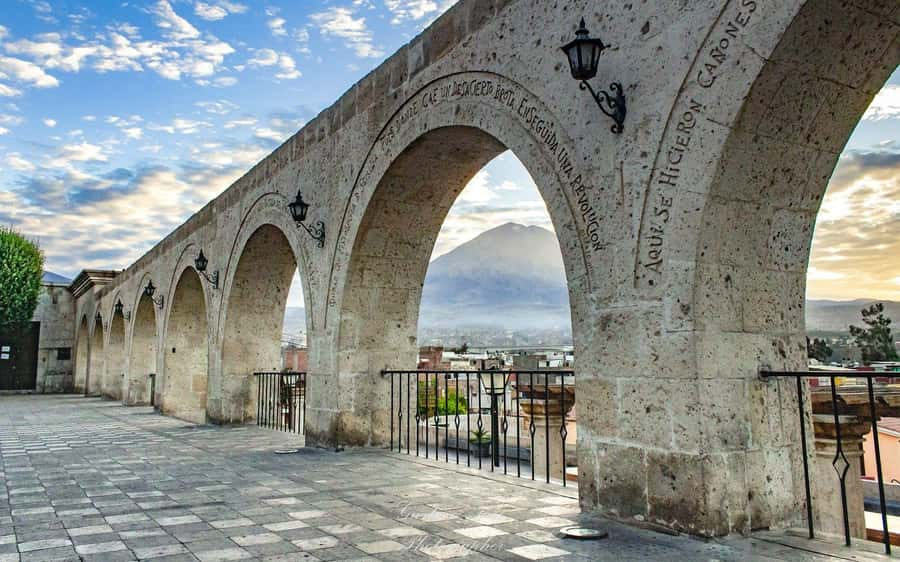
Arequipa is famous for its pale buildings, and sillar is the reason. This light-colored volcanic stone came from deposits formed by ancient volcanic activity in the region. It is softer than many building stones when first cut, which allows masons to shape it into walls, arches, columns, and decorative work.
The stone gives the city a consistent look. In bright sunlight, Arequipa’s historic buildings can appear almost white. On this tour, you get to connect that polished city center with the rough source material outside town.
I find that connection valuable. A city tour can show you elegant façades, but the Sillar Route explains how those façades came into being. You also see that the material is not simply an old relic. The Añashuayco quarry remains active, and stonemasons still work the rock.
That working element is the heart of the visit. The quarry is not staged as a museum. It is a place where stone is extracted and shaped, with the practical limits and uneven pace that come with real labor.
More Hiking Tours in Arequipa
- 2 day 1 night trek / Colca Canyon
★ 5.0 · 1,069 reviews - From Arequipa: Sillar Route Trek
★ 4.2 · 461 reviews - Colca Canyon Trek 3 Day 2 Night
★ 5.0 · 328 reviews
The 9:15 departure and first volcano viewpoint
The outing begins around 9:15 a.m. at the operator’s office on C. Álvarez Thomas 115. At the meeting point, your name is checked against a list before the group receives basic instructions and boards the tourist vehicle.
The first drive takes about 20 minutes. The exact viewpoint can vary by season, but the purpose is the same: pause for a broad look toward the volcanoes and the Chilina Valley. This is a useful opening stop because it gives you a sense of Arequipa’s setting before the tour turns toward stone.
You get about 20 minutes for photographs and a break. I would use this time for wide views rather than expecting a long guided visit. The tour description allows for a different traditional viewpoint at the beginning depending on conditions, so the precise photo stop is not fixed.
The volcano view also helps explain why the quarries exist. The stone is tied to the area’s volcanic past, and the white walls of the quarry make more sense after you have seen the volcanic setting around Arequipa.
Entering the Añashuayco Quarry after the 45-minute drive
From the viewpoint, the vehicle continues toward Añashuayco. The drive is listed as about 30 minutes in the stop-by-stop route, while the broader schedule describes reaching the quarry around 45 minutes into the trip. Either way, allow for road conditions and city traffic.
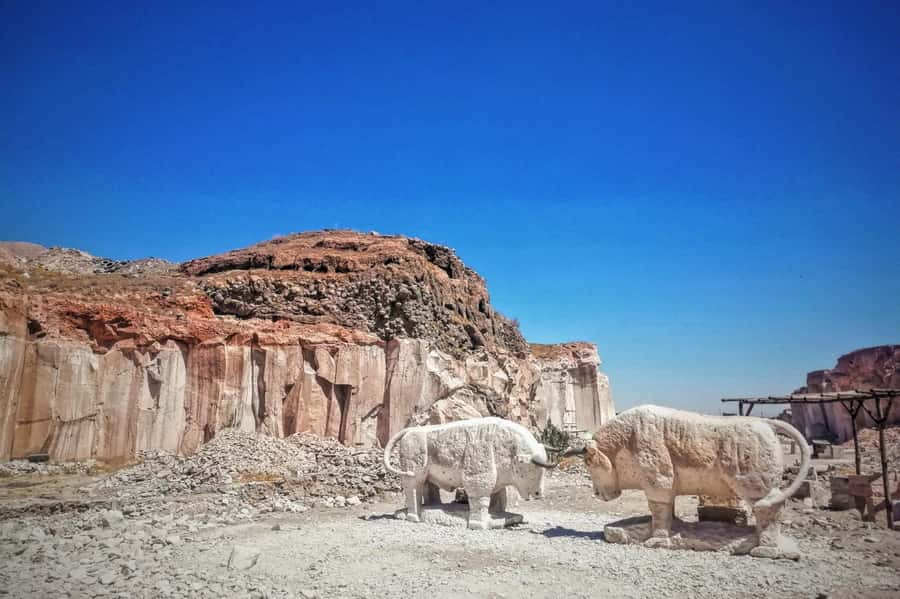
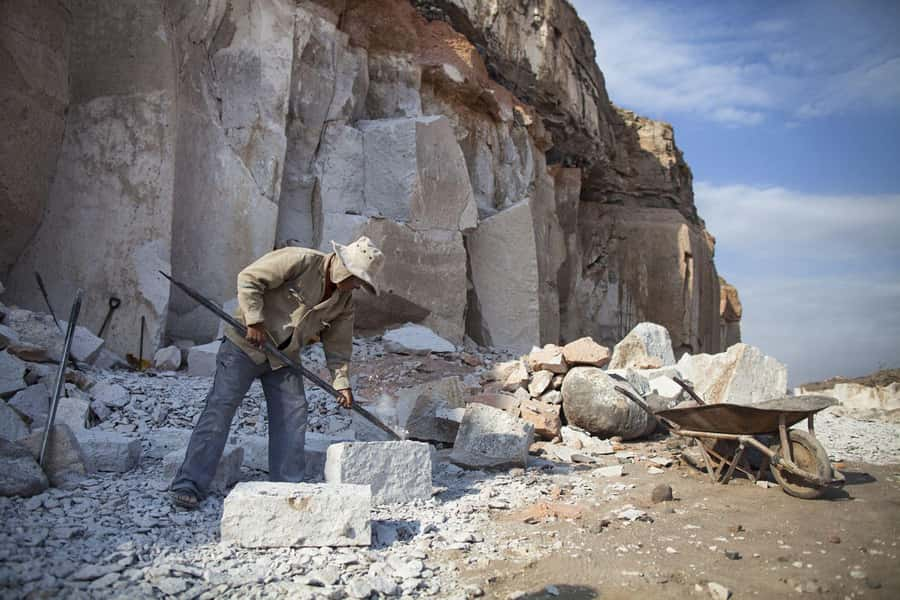
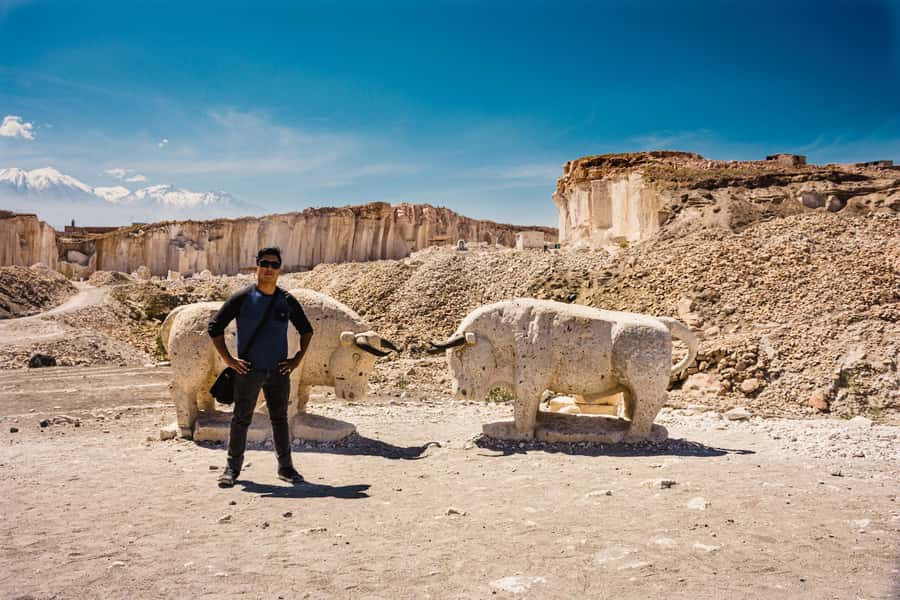
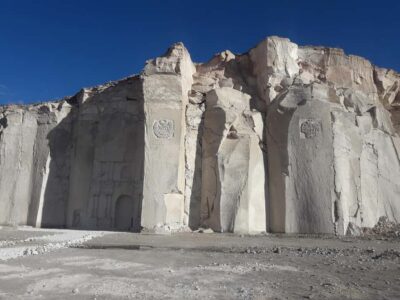
This is the part of the tour where the scenery changes sharply. The quarry contains tall ignimbrite walls, cut into dramatic cliffs by years of extraction. The rock faces are not natural canyon walls in the usual sense. Their shape comes from removing blocks of ashlar, so the site looks like a meeting point between geology and construction work.
The guided visit lasts about an hour. You learn how ashlar is produced and how it has been used in Arequipa. The guide’s explanation matters here because the quarry itself can otherwise look like a large pale cut in the ground. With context, the marks on the walls and the scattered blocks become evidence of a working process.
The quarry is still active, and the stonemasons begin their work early. Depending on the day and the pace of the group, you may see workers carrying out their usual tasks. That is one reason to approach the stop respectfully. This is not only a photo set. It is also a workplace.
The mega carving and the hands-on stone demonstration
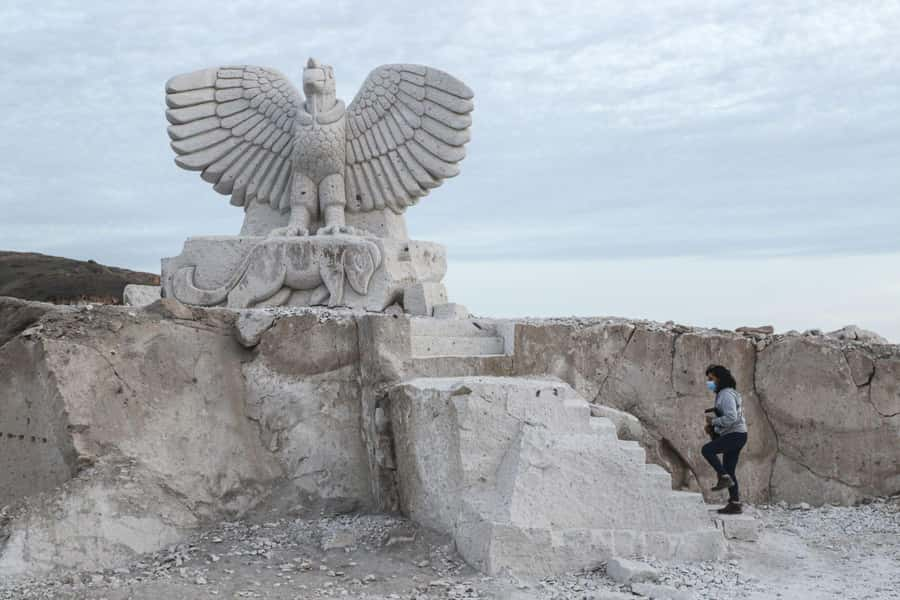
The most obvious feature at Añashuayco is the mega carving of the Church of the Company of Jesus. Local stonemasons made it from the same kind of stone associated with Arequipa’s architecture. Its scale gives you a quick sense of what skilled workers can do with a material that looks plain in an uncut block.
I like this stop because it turns an abstract explanation into something you can see. You are not only told that sillar was used for churches. You see a church image carved directly into the quarry setting.
There may also be a visit with one of the stonemasons. The worker can explain the daily job and allow you to try cutting one of the stone blocks yourself. That small activity will not turn you into a mason in five minutes, but it gives you a better feel for the material and the effort involved.
Bring patience to this part of the tour. One account praised the sculptures as extremely impressive but felt the group had to move on too quickly. If you want time for close photographs, listen carefully to the guide’s timing and take your essential pictures early.
The tour is strongest when the explanation and demonstration get enough breathing room. It is weaker when traffic eats into the schedule or the group hurries through the quarry. That is the main practical tradeoff of booking a short excursion.
More hiking days from Arequipa:
- From Arequipa: 2-Day Colca Canyon Trekking Tour
★ 4.8 · 243 reviews - Colca Trekking 2days from Arequipa
★ 4.5 · 212 reviews - 2 Day 1 Night Trek / Colca Canyon
★ 4.5 · 92 reviews - 4 hours Tour: Route of Sillar with Trek in Culebrillas
★ 4.2 · 69 reviews
A 30-minute transfer to Quebrada de Culebrillas
After Añashuayco, the vehicle takes about 30 minutes to reach Quebrada de Culebrillas. This second stop has a different character. Instead of a broad quarry cut by extraction, you enter a smaller canyon shaped by the passage of water.
The walk inside the canyon lasts about 20 minutes, with roughly 30 minutes allocated for the visit, photographs, and a break. You should expect a short walk rather than a demanding trek. The appeal is the enclosed setting and the chance to see how water formed a narrow channel through the stone.
Culebrillas works well as a companion to Añashuayco. The first stop shows human labor changing volcanic rock. The second shows natural water shaping the ground. You get two clear explanations for the forms around you without needing a full-day hike.
The short duration is also a limitation. If you prefer long walks, quiet exploration, or time for detailed photography, this stop may feel brief. The schedule keeps the outing accessible, but it does not allow for a slow canyon outing.
Returning to Arequipa by van
The return drive takes about 45 minutes, ending on Av. La Marina in Arequipa. The overall duration is listed as 270 minutes, or four and a half hours. The detailed stop times add up to less than that, so the difference likely allows for traffic, loading, instructions, and variations in road conditions.
That buffer is important. One Italian visitor found the experience interesting and fascinating but noted that traffic greatly increased the time needed to reach the quarry. You should not plan a tight appointment immediately after the tour, especially if you are visiting during a busy period.
The vehicle is the practical reason this trip works at a low price. Reaching the quarry and canyon independently would require arranging transport and working out the route yourself. Here, you can sit back while the guide handles the sequence of stops.
The tradeoff is that you follow a fixed schedule. You cannot simply stay longer at the mega carving or extend the Culebrillas walk because the vehicle must keep moving. This suits you if you want a clear introduction to the route, not an open-ended day in the quarries.
What the $13 price really includes
At $13 per person, this is a strong value for a short excursion. Tourist transport and a professional guide are included, and you visit two distinct sites plus a viewpoint. For the price, the quarry access and local stone explanation do most of the work.
You must add the entrance fees, listed as 10 soles. The information does not make clear whether that amount applies to both places together or to specific sites, so keep the fee in your budget and confirm the exact charge at booking or before departure.
The low price also explains why you should keep expectations realistic. This is not a private archaeology tour with unlimited time. It is a shared, efficient route built around transport, a short guided visit, and a compact canyon walk.
I would consider it particularly good value if you have limited time in Arequipa and want something beyond the central monuments. It is less suitable if your priority is a relaxed pace, extensive hiking, or a private guide focused only on your questions.
The guide and the importance of tour quality
The experience depends heavily on the guide. A strong guide can explain the difference between the volcanic deposit and the finished ashlar, introduce the work of the stonemasons, and keep the day moving without making it feel hurried.
The available feedback is mostly positive but not uniform. One Australian visitor described the tour as awesome and praised the guide’s enthusiasm. Another visitor gave a low score and described the guide as appearing impaired by alcohol or drugs. That is a serious complaint, even though it represents one reported experience rather than a general pattern.
I would book with this in mind, not as a reason to reject the outing automatically. The overall rating is 4 out of 5 from nine reviews, but the small number means individual guide performance can have a noticeable effect. If the guide seems unwell or unsafe, raise the issue with the operator promptly.
The tour is offered in English and Spanish. If you want detailed explanations about stone production, choose the language in which you can ask questions most easily.
What to bring and how to plan your day
Wear shoes suitable for a short walk over uneven quarry and canyon ground. The supplied details do not specify trail conditions, so basic walking footwear is a sensible choice rather than formal shoes.
Plan on time outside the van for the viewpoint, the quarry visit, and the Culebrillas walk. Bring water and protect yourself from strong sun, especially during the open viewpoint and quarry portions. These are simple precautions for a morning spent among pale rock and exposed cliffs.
Keep your camera ready at the quarry. The church carving and high ignimbrite walls are the key images, while Culebrillas offers closer canyon views. If you like taking your time with photographs, you may need to choose your favorite angles quickly.
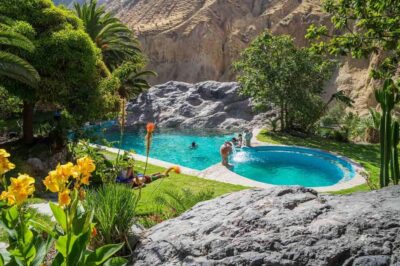
Do not schedule Chivay hot springs as part of this four-and-a-half-hour outing. The highlights mention a relaxing soak in Chivay after the trek, but the detailed route does not include Chivay, hot springs, or a transfer there. The listed finish is Av. La Marina in Arequipa, so confirm this point before paying if the hot springs are important to you.
Who should book the Sillar Route?
I would recommend this tour to you if you want a short introduction to Arequipa’s building stone, prefer organized transport, and enjoy seeing a working craft rather than only finished monuments. It also suits photographers who want quarry walls, carved stone, volcano views, and a narrow canyon in one morning.
Families and casual walkers may appreciate the short Culebrillas hike and the limited walking time. The itinerary includes hiking, but it is not presented as a strenuous trek.
I would think twice if you dislike fixed schedules or want a quiet, slow visit. Traffic can stretch the journey, and the quarry stop may feel rushed. You should also confirm the hot-springs claim and entrance-fee details before booking.
Should you book it?
Book it if you have about half a day, want to see where Arequipa’s famous sillar comes from, and value a $13 transport-and-guide package. The working quarry, Church of the Company of Jesus carving, and Culebrillas canyon give the trip more substance than a simple viewpoint outing.
Skip it if your main goal is Chivay, a long hike, or a leisurely private experience. For most visitors with limited time in Arequipa, though, this is a practical way to connect the city’s pale architecture with the people and places behind it.
FAQ
Where does the tour begin?
It begins at the main office at C. Álvarez Thomas 115 in Arequipa. The meeting-point coordinates are -16.4003911, -71.53703469999999.
What time does the tour start?
The journey begins at approximately 9:15 a.m. Starting times can vary, so check availability when booking.
How long does the experience last?
The stated duration is 270 minutes, or four and a half hours.
Where does the tour finish?
The tour finishes at Av. La Marina in Arequipa, Peru.
What languages are available?
The live guide service is available in English and Spanish.
Is transport included?
Yes. Tourist transport by van is included in the experience.
Is a guide included?
Yes. A professional live tour guide is included.
Are entrance fees included?
No. Entrance fees are not included. The listed additional cost is 10 soles.
Does the tour include the Chivay hot springs?
The detailed route does not include Chivay or a hot-springs visit. Since the hot springs are mentioned among the highlights but not in the route, confirm this detail before booking if it is important to you.
Added recently around Arequipa
- gazebos cannon of the coca★ 5.0 · 28 reviews
- Sillar Route★ 5.0 · 4 reviews
- Salinas Lagoon + Mini Volcano DE Lojen★ 5.0 · 9 reviews
- Full Day Tour To The Salt Lake Salinas in Arequipa★ 4.5 · 34 reviews
- 3-Day Colca Canyon trek with Professional Guide★ 5.0 · 40 reviews
- Trekking, Waterfalls and Thermal Baths★ 4.5 · 47 reviews
- Walking Tour Arequipa Including Santa Catalina Monastery★ 4.0 · 8 reviews
- Walking City tour including the Monastery of Santa Catalina★ 5.0 · 6 reviews
Hiking Tours in Arequipa, compared.
4 hours Tour: Route of Sillar with Trek in Culebrillas
Read our review →
Browse the lists this tour appears in