
Reviewed · COLCA CANYON TOURS
2-Day Group Tour to Colca Canyon from Arequipa to Puno
The Andes save their best views for the long road. This two-day trip links Arequipa, Colca Canyon, and Puno with a useful overnight stop in Yanque, and I like that it combines wildlife at Pampa Cañahuas with the chance to see condors at Cruz del Condor. I also like the small-group format, professional guides, hotel pickup, breakfast, and onward transfer to Puno. The main drawback is the second day: the ride to Puno can be long, and the handoff from the canyon tour to a larger coach has caused confusion for some passengers.
You should also prepare for serious altitude. The route reaches roughly 4,800 to 4,850 meters, or about 15,700 to 15,900 feet, before dropping toward the canyon and later climbing through the highlands again. Guides such as Henry, Carlos, Ali, and Susanna have earned praise for clear explanations and patient help, but the transport arrangements can feel less polished than the scenery.
In This Review
- Key points before you book
- What this two-day route really gives you
- Day one: from Arequipa to the high pass
- Pampa Cañahuas Reserve and Andean wildlife
- Volcanoes, lakes, and the 4,800-meter pass
- Yanque overnight: a pause in the canyon country
- Day two: the Colca Canyon viewpoint
- Mirador Cruz del Condor
- From Chivay to Puno by coach
- Guides, vehicles, and group size
- Altitude, comfort, and what to pack
- Is $340.95 a fair price?
- Who should book this route?
- Final verdict: scenic and practical, with a tiring finish
- FAQ
- How long does the tour last?
- What time does pickup begin?
- Is accommodation included?
- Is an English-speaking guide included?
- How high does the route go?
- Are condor sightings guaranteed?
- Can I cancel for a full refund?
Key points before you book
- Wildlife comes early: Pampa Cañahuas is a strong first stop for vicuñas, llamas, alpacas, flamingoes, ibises, and Andean birds.
- The altitude is the real challenge: The road crosses passes near 4,800 meters, so take the first day slowly and keep warm.
- Cruz del Condor is weather and luck dependent: You get about an hour at the viewpoint, but condors may not appear.
- Yanque gives you a useful overnight pause: You can rest, visit hot springs, take a short walk, or enjoy canyon views.
- The Puno transfer is long: The onward coach from the Colca area can take about six hours, with limited sightseeing compared with day one.
- The group is intended to stay small: The stated maximum is 10 people, though one account described a group of about 15.
What this two-day route really gives you
At $340.95 per person, this is not a cheap bus transfer. You are paying for a guided route through one of Peru’s most dramatic highland regions, one night of lodging, breakfast, excursions, drivers, and the practical connection between Arequipa and Puno.
That last point matters. If your itinerary already includes both cities, this trip can replace a separate journey while adding Colca Canyon along the way. You get scenery, wildlife, an overnight stay, and an organized arrival transfer instead of piecing the route together yourself.
The value depends on how much you care about having explanations and transport arranged. If you want the fastest possible trip from Arequipa to Puno, this is too slow. If you want to see the canyon without returning to Arequipa, it makes more sense.
The tour begins with hotel pickup around 7:00 a.m. Confirmation is subject to availability and is sent within 48 hours of booking. A minimum of two people is required, and you need to provide a passport image and your preferred bed arrangement, either single or matrimonial.
Other Colca Canyon trips:
- 2 day 1 night trek / Colca Canyon
★ 5.0 · 1,069 reviews - From Arequipa: Colca Canyon Full-Day Guided Tour with Meals
★ 4.5 · 982 reviews - Colca Full Day Tour
★ 4.5 · 429 reviews
Day one: from Arequipa to the high pass
The first morning is mostly a road journey, but it is not empty road time. The route climbs steadily from Arequipa toward the reserve and the high pass, with several stops for photos and short looks at the surrounding country.
Your guide and driver are important here. A good guide turns a long transfer into a lesson about animals, altitude, volcanoes, and farming. Carlos has been praised for excellent English and helpful service, while Ali received warm comments for explaining the region in detail. The driving also matters on winding mountain roads, and the driver has been praised for making passengers feel safe.
Pampa Cañahuas Reserve and Andean wildlife
Pampa Cañahuas is one of the first worthwhile stops. Keep your camera ready, but do not expect a zoo-like encounter. The animals live in open highland country, so sightings depend on where they are feeding and how close the vehicle can get.
You may see vicuñas, alpacas, llamas, flamingoes, ibises, and the Andean eagle. The vicuñas are especially fitting for this setting, with their slender bodies and pale coats blending into the high puna grass. The reserve adds life to a route that might otherwise be a long climb through empty hills.
This is also a good place to notice how quickly the scenery changes. Arequipa begins at a much lower elevation, then the road enters broad, cold country marked by volcanoes, open grassland, and mountain lakes. Bring layers, water, sunscreen, and something for your head. At nearly 5,000 meters, even a short walk can feel like work.
Volcanoes, lakes, and the 4,800-meter pass
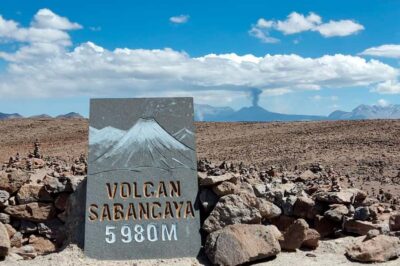
The road passes views of Ampato, Sabancaya, Huallca, and Misti. Some of these peaks may show snow or volcanic activity, depending on conditions, but the tour does not promise a particular sight on a particular day.
The highest point is about 4,800 meters. That altitude is not a minor footnote. You can feel breathless after simple movement, and the cold and sun can be surprisingly strong. The best approach is to move slowly, avoid rushing at viewpoints, and follow your guide’s advice.
One practical concern is that the route description also gives a later high point of about 4,850 meters on the way to Puno. In plain terms, this is a high-altitude trip from start to finish. If you have a known problem with altitude, ask a medical professional before booking.
A few more Arequipa trips worth lining up side by side
- Tour to the Salinas Lagoon and National Reserve in Arequipa
★ 4.5 · 548 reviews - From Arequipa: Sillar Route Trek
★ 4.2 · 461 reviews - Rafting Arequipa – Chili River Canoeing – Cusipata Rafting Arequipa
★ 5.0 · 332 reviews - Arequipa: Chili River White Water Rafting with Hotel Pickup
★ 4.8 · 329 reviews
Yanque overnight: a pause in the canyon country
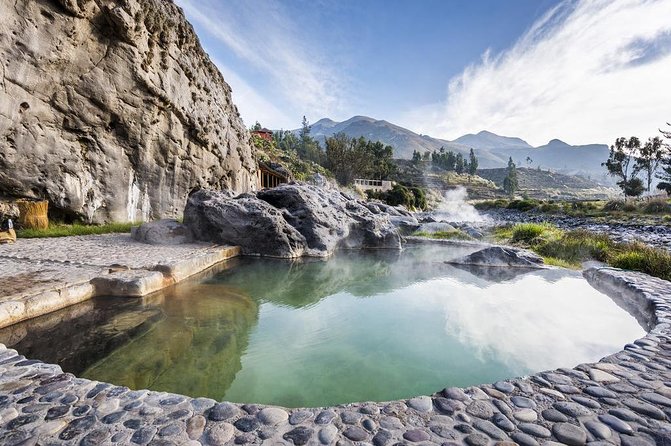
After about four hours on the road, you descend toward Yanque and check into your accommodation. The overnight stay is not presented as a luxury resort experience, despite one description using that language. A better expectation is a comfortable lodge or hotel that gives you a place to sleep and recover.
The town offers a welcome change of pace. Your afternoon is free, so you can choose how much energy to spend. You might visit the thermal springs, take a short trek, or stay at the hotel and look toward the beginning of the canyon and its terraces.
A hot-spring visit is an optional extra rather than part of the listed inclusions. One account placed the admission at 15 soles and described the pools as more like a swimming pool than a remote natural spring. That sounds about right for your expectations: pleasant after a cold, high-altitude morning, but not a private wilderness soak.
This free afternoon is one of the better design choices in the trip. You have already spent hours climbing through the Andes, and the next morning starts early. A little unstructured time gives you a chance to rest rather than race from one viewpoint to another.
Your package includes one breakfast, but lunch and the hot springs are not listed among the included items. Check the day’s arrangements with your guide so you know when to carry cash and when meals are on your own.
Day two: the Colca Canyon viewpoint
The second morning starts very early, around 6:30 a.m. in one account. You leave the hotel and head toward the canyon viewpoints, reaching the main area after roughly an hour, although the full journey to Cruz del Condor can take longer depending on the hotel and road conditions.
The early departure is sensible. Cruz del Condor is the main event, and arriving early gives you the best chance of seeing condors during the usual viewing period. It also helps you avoid spending the whole day on the road after breakfast.
Mirador Cruz del Condor
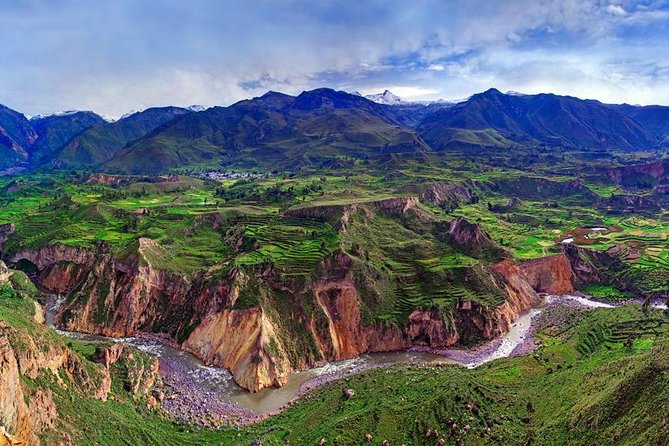
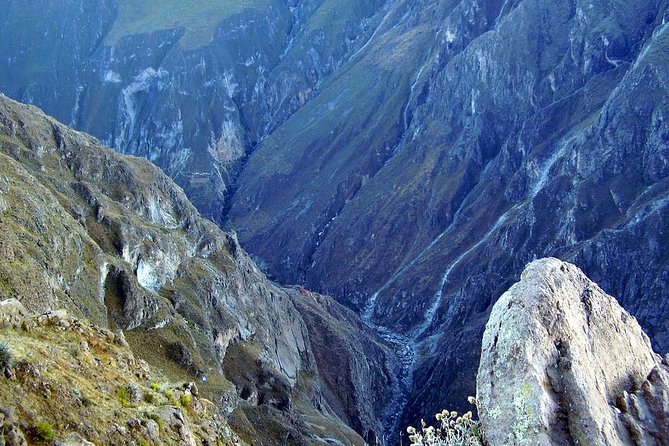
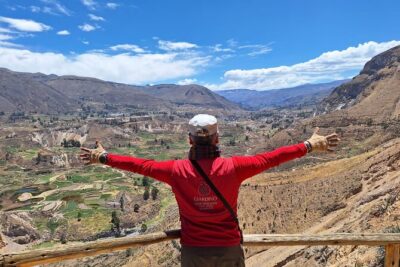
At Cruz del Condor, the canyon reaches around 1,200 meters in depth. The viewpoint looks into steep walls and broad folds of rock, with the road tracing the high rim. The scale is difficult to grasp at first because the canyon is so wide and the condors can appear tiny against it.
You receive about an hour at the viewpoint. That sounds short, but it is enough to look for birds, take photographs, and absorb the view if the conditions cooperate.
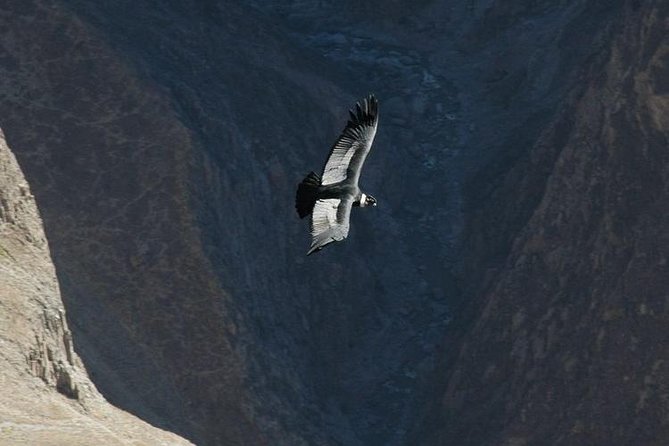
The condors are never guaranteed. One account had excellent canyon weather but no bird appearance. That is not a failure of the tour. These are wild birds, not scheduled performers. Go for the canyon first and treat a condor sighting as a bonus.
If you do see one, watch for the characteristic pattern: a dark body, broad wings, and slow circles on rising air. Keep your eyes on the open space above the canyon, not only at the nearest rock face.
You will likely make additional stops at other viewpoints on the return toward Chivay. These breaks help, since the canyon is not best understood from one platform alone. The terraces and folded valley show how people have worked this difficult terrain over generations, though the main focus here is scenery rather than an extended cultural program.
From Chivay to Puno by coach
After the canyon visits, the route returns to Chivay. Here the trip changes character. Instead of continuing in the same small tour vehicle, you may be transferred to a tourist coach, identified in one account as the 4M service.
The coach journey to Puno can take roughly six hours. One description gives a 1:00 p.m. departure and arrival around 7:00 p.m., with a couple of rest and snack stops. The official schedule describes the transfer more briefly, so you should treat the exact duration as changeable.
This is the weakest part of the experience for many reasons. The scenery remains striking, with highland lakes, lagoons, trout farms, flamingoes, and broad mountain country, but you spend a long time sitting after an already early morning.
The quality of the onboard guiding may also change. Your Colca guide may be excellent, yet the larger coach may have a different escort whose explanations are limited. One passenger described a frustrating delay in Juliaca after the driver and guide became confused about the route. That sort of problem is not normal sightseeing, but it shows why you should keep your hotel address, phone, and transfer details handy.
The positive side is comfort and practicality. The coach is described as well kept, and restroom and snack breaks are included along the way. At the end of the ride, a private driver is meant to meet you and take you to your Puno hotel. Confirm this handoff with your guide before leaving Chivay, especially if your final drop-off instructions differ from the standard plan.
Guides, vehicles, and group size
The strongest part of this trip is the human service. Henry was praised for making the Arequipa to Colca route interesting, Carlos for polished English and personal help, Ali for detailed explanations, and Susanna for helping passengers cope with the long transfer toward Puno.
Those names also point to an important truth: service can vary by departure date. The operator is Cultural Immersion Travel Peru E.I.R.L., and the package includes a professional English-speaking guide and driver, but you should not assume the same guide will accompany you from Arequipa all the way into Puno.
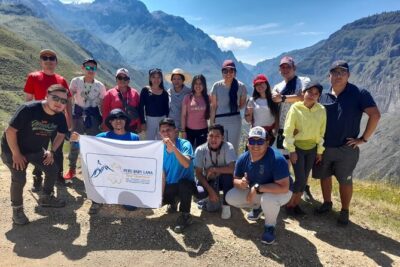
The stated maximum is 10 people, which would be a good size for quick stops and personal questions. One past account described around 15 people in a small bus, so the actual number may not always match the advertised maximum. Ask about group size if that detail matters to you.
Transportation is a mix of vehicles. The first section uses a tour vehicle for stops and commentary. The final section may use a larger tourist coach. That arrangement is practical, but it is also the source of the trip’s biggest weakness: the changeover can feel abrupt, and the final bus ride is more transfer than tour.
Altitude, comfort, and what to pack
You need to take the elevation seriously. The route reaches about 4,800 meters on day one and approximately 4,850 meters on the way toward Puno. You may find yourself short of breath even while walking a short distance at a viewpoint.
Pack:
- Warm layers, gloves, and a hat
- Sunscreen and sunglasses
- Water and small snacks
- Comfortable shoes for short walks
- Cash for optional activities and personal purchases
- Your hotel details in Arequipa and Puno
- A passport copy or clear passport image for booking requirements
The schedule is active but not built around long hikes. Most people can participate, though the altitude makes this more demanding than the short walks suggest. If you prefer gentle sightseeing and dislike early mornings or long bus rides, this will test your patience.
Is $340.95 a fair price?
The price is reasonable if you value convenience. It covers the hotel pickup, transport, driver, English-speaking guide, overnight accommodation, breakfast, excursions, taxes, and the transfer into Puno. Booking those pieces separately could take time and still leave you responsible for getting between the canyon and your next hotel.
The price is less attractive if you mainly want a quick look at the canyon. The long journey to Puno takes up much of the second day, and the final coach section may feel like a necessary connection rather than part of the sightseeing.
Accommodation is another value question. Expect a comfortable overnight stop, not high-end luxury. If the hotel quality is central to your decision, ask for the property name before paying.
The overall rating is 4.1 from nine ratings, which fits the experience as described: strong guiding, impressive scenery, and good organization in many cases, balanced by a tiring transfer and occasional confusion at the bus change.
Who should book this route?
I would choose this trip if you have limited time and want to connect Arequipa and Puno while seeing Colca Canyon. It suits you if you value a guide, prefer arranged transport, enjoy wildlife and mountain scenery, and can handle a high-altitude road journey.
It is also a good fit for people who want an overnight pause instead of rushing to the canyon and back in one day. The free afternoon in Yanque gives you breathing room, and the hot springs offer an easy way to relax.
I would hesitate if you want deep canyon hiking, luxury accommodation, or a leisurely transfer to Puno. This is a sightseeing and transportation package with a canyon highlight, not a multi-day trek. I would also think twice if altitude is a serious concern or if you need a perfectly smooth door-to-door handoff.
Book early if your dates are fixed. The experience is often reserved about 58 days ahead, and confirmation depends on availability. Cancellation terms are unusually strict: a full refund requires cancellation at least 44 full days before departure, a 50 percent refund applies from 14 to 44 days, and cancellations within 14 days receive no refund.
Final verdict: scenic and practical, with a tiring finish
I like this trip for its route. You see wildlife at Pampa Cañahuas, volcanoes and high lakes, the vast Colca Canyon, and the possibility of condors before continuing to Puno. The included transport and overnight stay remove much of the planning burden.
The tradeoff is clear. Day one is beautiful but high, day two begins before sunrise, and the ride to Puno can last six hours. If you accept that the final leg is a long coach transfer, not a second sightseeing tour, the package offers a useful and memorable way to cross southern Peru.
FAQ
How long does the tour last?
The experience lasts approximately two days, beginning in Arequipa and ending with transfer to your hotel in Puno.
What time does pickup begin?
The stated start time is 7:00 a.m., with hotel pickup offered in Arequipa.
Is accommodation included?
Yes. The package includes one night of accommodation and one breakfast.
Is an English-speaking guide included?
Yes. A professional English-speaking guide and professional driver are included.
How high does the route go?
The route reaches approximately 4,800 meters on the first day and about 4,850 meters during the journey toward Puno.
Are condor sightings guaranteed?
No. The tour takes you to Mirador Cruz del Condor for about an hour, but condors are wild animals and may not appear.
Can I cancel for a full refund?
Yes, but you must cancel at least 44 full days before the experience start time. A 50 percent refund is available for cancellations made 14 to 44 full days ahead, while cancellations within 14 days are nonrefundable.
Added recently around Arequipa
- gazebos cannon of the coca★ 5.0 · 28 reviews
- Sillar Route★ 5.0 · 4 reviews
- Salinas Lagoon + Mini Volcano DE Lojen★ 5.0 · 9 reviews
- Full Day Tour To The Salt Lake Salinas in Arequipa★ 4.5 · 34 reviews
- 3-Day Colca Canyon trek with Professional Guide★ 5.0 · 40 reviews
- Trekking, Waterfalls and Thermal Baths★ 4.5 · 47 reviews
- Walking Tour Arequipa Including Santa Catalina Monastery★ 4.0 · 8 reviews
- Walking City tour including the Monastery of Santa Catalina★ 5.0 · 6 reviews
Colca Canyon Tours, compared.
2-Day Tour Colca Canyon in Arequipa with end in Puno
Read our review →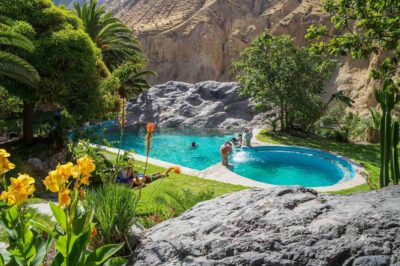
Browse the lists this tour appears in