
Reviewed · COLCA CANYON TOURS
2 Days and 1 Night Tour from Puno to Colca Canyon and Arequipa
The Andes serve up a spectacular road trip. This $230, two-day journey links Puno and Arequipa with flamingo-filled lagoons, volcanic viewpoints, hot springs, Andean villages, and the famous condors of Colca Canyon. I like that it turns a long transfer into a sightseeing trip, and I like that transport, meals, a three-star hotel, a bilingual guide, and the Colca entrance ticket are included.
The main trade-off is the schedule. You leave Puno around 6:10 AM, reach Chivay after lunch, then rise again at 6:00 AM for the canyon. This is not a slow, lingering trip. It is a busy route with plenty to see, and the high altitude at Patapampa, 4,910 meters, adds another practical concern.
In This Review
- Key points to know before booking
- Why this route works better than a plain transfer
- Laguna Lagunillas brings wildlife into the first morning
- Salinas and Aguada Blanca leads to Patapampa
- Chivay combines lunch, hot springs, and a folk evening
- Colca Canyon begins with an early start
- Cruz del Condor is the trip’s big moment
- Villages and terraces add human scale
- The final lunch and arrival in Arequipa
- What the $230 package really includes
- Who should book this Andean road trip?
- Should you book the Puno to Colca Canyon tour?
- FAQ
- How long is the tour from Puno to Arequipa?
- What time does pickup begin in Puno?
- Is the Colca Canyon entrance ticket included?
- Is the La Calera Thermal Baths entrance included?
- What meals are included?
- How high is the Patapampa viewpoint?
- How large is the tour group?
Key points to know before booking
- A useful Puno to Arequipa connection: You see major sights along the route instead of spending a full day on a plain bus transfer.
- Patapampa reaches 4,910 meters: The volcano views are superb, but you should take the altitude seriously.
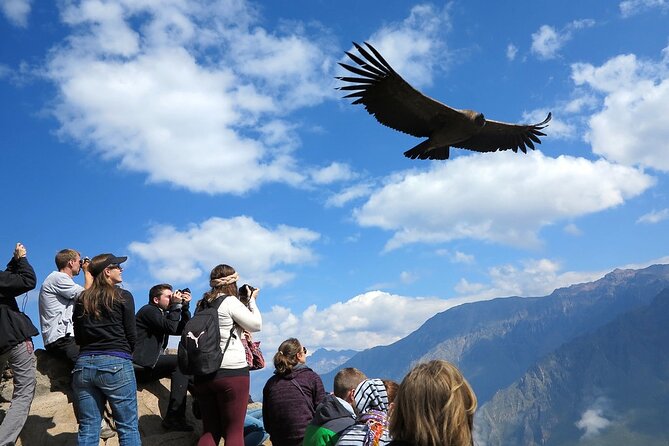
- Cruz del Condor is the headline stop: You get about two hours there, with a real chance to see Andean condors gliding over the canyon.
- Chivay gives the trip its overnight pause: You have hot springs, a folk show, dinner, and a three-star hotel before the early canyon visit.
- The $230 price covers much of the trip: Two lunches, breakfast, dinner, accommodation, transport, guiding, and the Colca ticket are included.
- The group is capped at 15 people: That is small enough for a more manageable road trip without the price of a private tour.
Why this route works better than a plain transfer
Puno and Arequipa are separated by a long stretch of high Andean country. You can treat that distance as a tedious travel day, or you can use it to see wildlife, volcanoes, villages, hot springs, and one of Peru’s grandest natural sights.
That is the real value here. The tour is not just a canyon visit. It is a practical two-day route that carries you from Lake Titicaca country to Arequipa while filling the journey with planned stops.
At $230 per person, the price makes sense if you want an organized package. You are paying for tourist transport from Puno through Chivay and Colca Canyon to Arequipa, plus meals, lodging, a guide, and the required canyon ticket. You still pay separately for La Calera Thermal Baths, listed at 5 to 15 soles, and tips are not included.
The group limit of 15 matters. You will not have the freedom of a private car, but you also avoid the scale of a huge coach group. The tour uses a bilingual guide, and guides such as Peter, Raul, and Bryan have been praised for clear explanations. Bryan was specifically able to guide in French and English, while Peter provided information in two languages during the full route.
Other Colca Canyon trips:
- Package 2 days Puno Colca Arequipa Canyon
★ 4.5 · 6 reviews - 2 day 1 night trek / Colca Canyon
★ 5.0 · 1,069 reviews - From Arequipa: Colca Canyon Full-Day Guided Tour with Meals
★ 4.5 · 982 reviews
Laguna Lagunillas brings wildlife into the first morning
Pickup begins early, between 6:10 and 6:20 AM, at your hotel in Puno. The first major stop comes at Laguna Lagunillas, a high-altitude lake surrounded by broad Andean scenery.
You get about 20 minutes here. That is enough time for photographs and a quick look for pink flamingos, Andean ducks, and migratory birds. The stop is short, so think of it as a scenic breath of fresh air rather than a full nature walk.
The lake is a good opening because it shows you the quieter side of the route. There are no grand buildings or staged attractions. You simply pause beside water and open country, then continue toward Chivay.
Bring a jacket and keep your camera ready. The morning start can be cold, and the stop is built around views and wildlife rather than shelter or extended facilities. Since sightings are natural, nobody can promise flamingos or every bird named in the program.
Salinas and Aguada Blanca leads to Patapampa
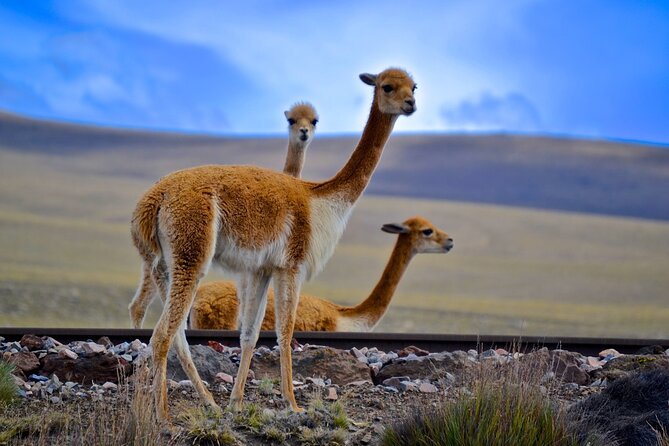
The road continues through the Salinas and Aguada Blanca National Reserve, a protected area where vicuñas can often be seen in the wild. These graceful camelids are one of the most memorable animals in the high Andes, especially when you spot them beside the road rather than behind a fence.
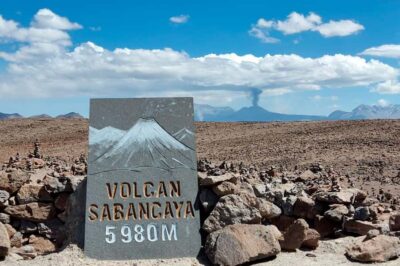
The big viewpoint is Mirador de los Andes at Abra Patapampa. At 4,910 meters above sea level, it is the highest point of the tour. From here, you can look toward the Cordillera Occidental and several volcanoes, including Misti, Chachani, Sabancaya, and Ubinas.
You have about 45 minutes at the viewpoint. That sounds generous, but the altitude changes how long you may want to walk or stand outside. Keep your pace slow, avoid unnecessary exertion, and follow your guide’s advice. The view is the reward, not a race to the farthest edge of the lookout.
This is also the tour’s clearest altitude warning. Even if you feel fine in Puno, Patapampa is higher. The route is suitable for most people according to the supplied information, but anyone concerned about altitude should plan carefully and discuss the trip with a medical professional before booking.
Chivay combines lunch, hot springs, and a folk evening
You arrive in Chivay around 1:00 or 1:30 PM. The day has already been long, so the buffet lunch is well timed. Two lunches are included in the package, along with breakfast and dinner, and the food is described as typical Andean fare.
After lunch, you have time to settle into the hotel. The accommodation is a three-star property, and the available feedback specifically praised the hotel. It is a practical overnight base rather than the main attraction, but that pause is important after the early departure from Puno.
The afternoon visit goes to La Calera Thermal Baths, where the water is listed at 38 degrees Celsius. The mineral-rich pools offer a welcome chance to loosen up after hours on the road. Entrance is not included, so budget an extra 5 to 15 soles per person.
The hot springs are optional in the financial sense, but they are one of the tour’s best ideas. You are not being asked to spend the entire afternoon on another viewpoint. You get a warm, relaxing break before the evening meal.
After dark, you return to Chivay for dinner and a folk show featuring dances from Arequipa and Chivay. The program says you can take part, so expect an evening with audience participation rather than a silent performance. I would keep your expectations sensible: this is a group dinner show, not a private cultural event. Still, it gives the overnight stop a bit of local character.
A few more Puno trips worth lining up side by side
- 3 Hours of Route during Sunset in Kayak by Lake Titicaca
★ 5.0 · 13 reviews - Lake Titicaca Puno Tour 2 Days 1 Night
★ 4.5 · 7 reviews - Uros Sunset Kayak Private Tour
★ 5.0 · 5 reviews - Tour island Uros, Amantani and Taquile 02days/01 night lake titicaca
★ 5.0 · 5 reviews
Colca Canyon begins with an early start
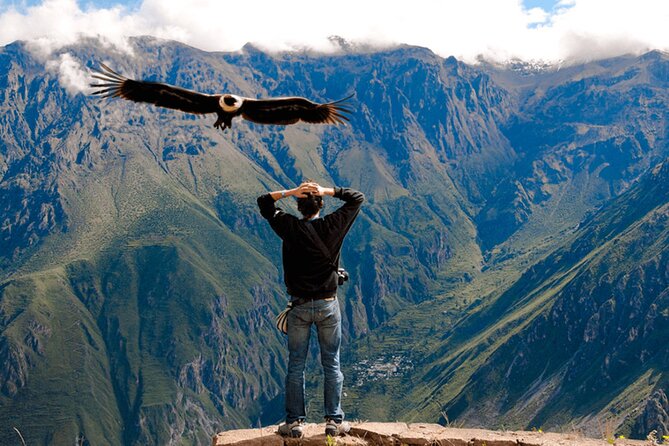
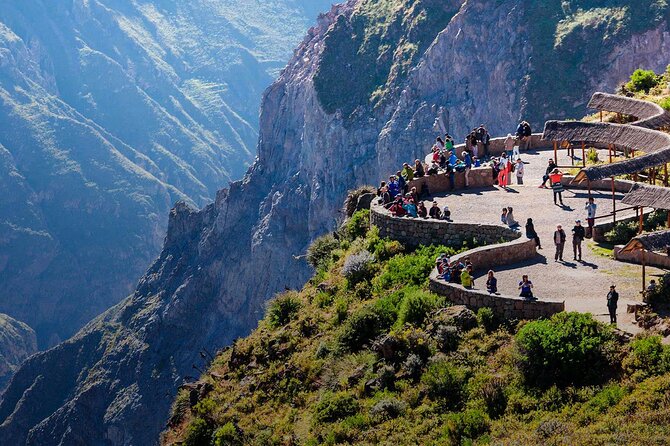
Day two begins at 6:00 AM with breakfast at the hotel. You then head into Colca Canyon, one of the deepest canyons in the world, with more than 4,000 meters of depth.
The canyon area includes steep walls, mountain views, and pre-Inca terraces. You have about two hours to explore the surrounding area and take in the scale of the place. The terraces are especially valuable because they connect the dramatic scenery with the work of earlier Andean communities. This is not only a photo stop. It shows how people shaped and farmed difficult mountain slopes.
The timing is practical. An early departure gives you a chance to reach the main condor viewpoint before the day becomes too advanced, but it also means you need to be ready for another active morning after the previous day’s long drive.
Wear shoes suitable for walking and bring layers. The exact walking conditions are not specified, so you should not expect a demanding trek, but the canyon area includes viewpoints and surrounding paths. Your guide will direct the group and explain where to go.
Cruz del Condor is the trip’s big moment
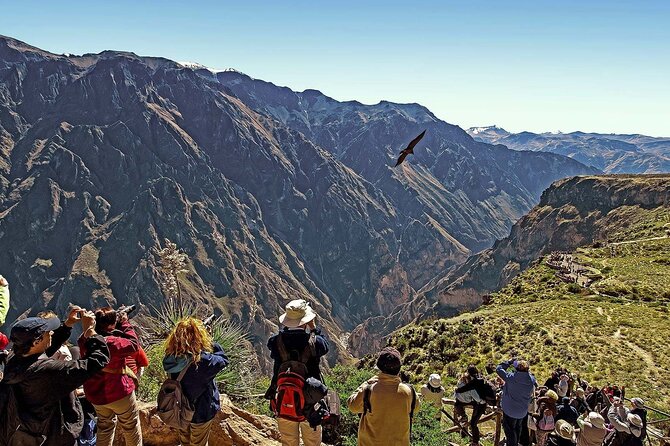
Cruz del Condor is the most famous stop in Colca Canyon, and the tour allows about two hours here. The goal is to watch Andean condors ride the air currents above the canyon.
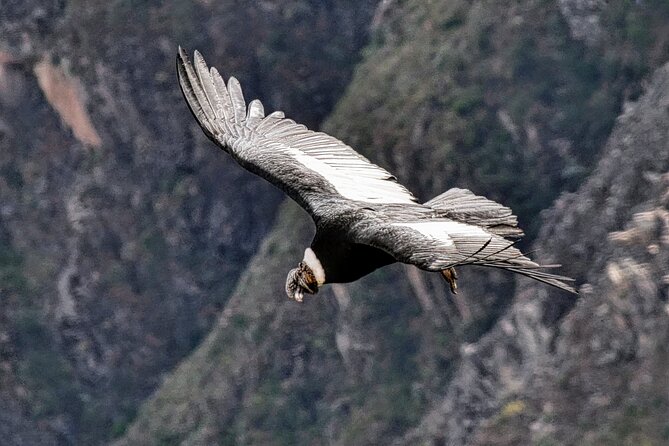
These birds are among the largest flying birds in the world. When one glides across the canyon, the contrast between its broad wings and the huge rock walls gives the stop its drama. The viewing area also gives you time for photographs, but I would spend part of the visit simply watching the sky.
Condor sightings are never guaranteed. One group was taken to an extra viewpoint when sightings were rare that season, which shows useful flexibility from the guiding team. Still, you should book this as a canyon and highland tour first, with condors as a major possibility rather than a promised performance.
The two-hour allocation is a strength. A rushed ten-minute stop would make the birds much harder to spot and leave little time to appreciate the canyon. Two hours gives you room to wait, watch, and enjoy the setting even if the condors keep their distance.
Villages and terraces add human scale
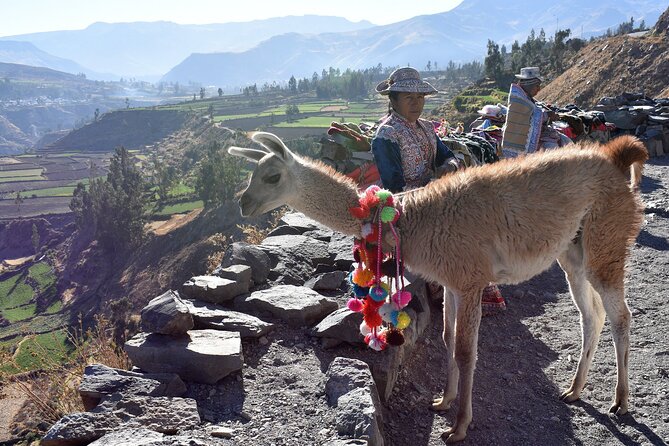
The return to Chivay passes through Pinchollo, Maca, and Yanque. The stop lasts about one hour and focuses on colonial architecture, old churches, Andean village life, and agricultural terraces that are still in use.
This part keeps the tour from becoming a sequence of giant views. The villages show how people live within the canyon region, and the churches and terraces give you a clearer sense of local continuity. The stop is brief, so you will get an introduction rather than a detailed village study.
That limitation is worth knowing. If you want long walks, extended conversations, or a full cultural program in each town, this route will feel too quick. If you want a useful look at several communities without giving up the canyon and condor stops, the one-hour visit works well.
The final lunch and arrival in Arequipa
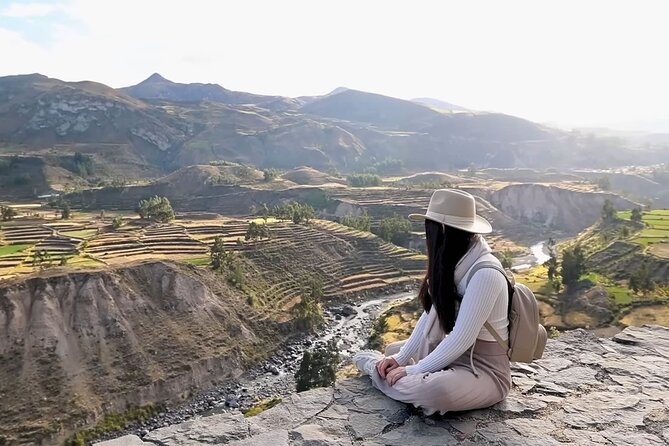
Before leaving Chivay, you have a final buffet lunch with a selection of Andean dishes. Then the bus continues to Arequipa, with arrival expected between 4:30 and 5:00 PM at Plaza de Armas.
This ending is one of the tour’s strongest practical features. You do not need to return to Puno, and you do not lose another day arranging transport from Chivay. The tour functions as sightseeing and relocation in one package.
Arrival times are estimates, so I would avoid booking a flight, timed attraction, or important appointment in Arequipa that evening. Roads, stops, and group timing can affect the final arrival. The Plaza de Armas is a clear central endpoint, which makes it easier to continue your stay in Arequipa.
What the $230 package really includes
The price includes:
- Tourist transport from Puno to Chivay, Colca Canyon, Chivay, and Arequipa
- A bilingual guide
- One night in a three-star hotel
- Breakfast
- Dinner
- Two lunches
- The Colca Canyon tourist ticket
That bundle removes several common costs and decisions. You do not need to arrange separate buses, compare hotels in Chivay, or purchase the canyon ticket on the road.
The package also offers good value for anyone who wants a simple plan. You trade some independence for a fixed schedule, shared transport, and a guide who handles the route. The main extra cost listed is La Calera, plus tips and anything else not named.
Confirmation arrives at booking. The stated start time is 6:00 AM, while pickup is described as 6:10 to 6:20 AM, so check your exact hotel pickup details before the morning of departure. The tour is near public transport, and most people can participate, but the high altitude and long days deserve serious thought.
Who should book this Andean road trip?
I would choose this tour if you want to travel from Puno to Arequipa and prefer to turn the transfer into a full experience. It suits first-time visitors who want the main Colca highlights without planning several separate connections.
It is also a good fit if you value organization. Guides have been praised for clear information, strong historical explanations, and careful attention to the group. Raul and driver Alex were singled out for taking good care of their party, while Peter and Bryan were praised for handling bilingual guiding.
I would think twice if you want a relaxed pace. The first day starts early and covers a great deal of ground. The second day starts early again, and the final bus to Arequipa keeps the schedule moving.
I would also consider a private or slower trip if your main goal is photography, birdwatching, or extended village visits. The group size is limited to 15, but the itinerary still has fixed stops and firm travel times.
Should you book the Puno to Colca Canyon tour?
Book it if you want strong scenery, a real chance to see condors, hot springs, included meals, and a direct route to Arequipa for $230. The combination of transport and sightseeing is the strongest reason to choose it.
Skip it if you dislike early mornings, shared schedules, or high-altitude travel. For everyone else, this is a well-packed way to cross southern Peru, with enough cultural and natural stops to make the long road worthwhile.
Free cancellation is available up to 24 hours before the start time for a full refund. Changes or cancellations made less than 24 hours before departure are not accepted for a refund.
FAQ
How long is the tour from Puno to Arequipa?
The experience lasts approximately two days and one night. It begins with pickup in Puno and ends at Plaza de Armas in Arequipa, with expected arrival between 4:30 and 5:00 PM on day two.
What time does pickup begin in Puno?
The stated start time is 6:00 AM. Hotel pickup is described as taking place between 6:10 and 6:20 AM, so you should confirm the precise pickup arrangement when booking.
Is the Colca Canyon entrance ticket included?
Yes. The Colca Canyon tourist ticket is included in the tour price.
Is the La Calera Thermal Baths entrance included?
No. Entrance to La Calera costs approximately 5 to 15 soles per person and is paid separately.
What meals are included?
The package includes breakfast, dinner, and two lunches. Lunch is served in Chivay on both days, and the meals feature typical Andean dishes.
How high is the Patapampa viewpoint?
Abra Patapampa, also called the Mirador de los Andes, is 4,910 meters above sea level. It is the highest point reached during the tour.
How large is the tour group?
The maximum group size is 15 people. A bilingual guide accompanies the group, and the tour uses tourist transport between Puno, Chivay, Colca Canyon, and Arequipa.
Added recently around Puno
- Walking City tour Puno★ 4.5 · 12 reviews
- Uros Reed Floating Islands & Taquile Island Titicaca Puno Full Day★ 4.0 · 38 reviews
- Uyuni Express 3 days from Puno Copacabana and Isla del Sol★ 5.0 · 16 reviews
- Uros Sunset Kayak Private Tour★ 5.0 · 5 reviews
- Two-Day Tour to Uros with Amantani and Taquile from Puno★ 5.0 · 44 reviews
- Uros Amantani Taquile Full Day tour★ 5.0 · 7 reviews
- Uros Floating Islands★ 3.0 · 13 reviews
- Tour island Uros, Amantani and Taquile 02days/01 night lake titicaca★ 5.0 · 5 reviews
Colca Canyon Tours, compared.
2-Day Tour Colca Canyon in Arequipa with end in Puno
Read our review →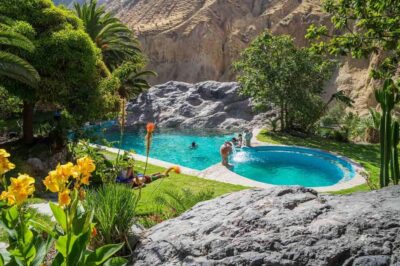
Browse the lists this tour appears in