
Reviewed · COLCA CANYON TOURS
Package 2 days Puno Colca Arequipa Canyon
The Andes put on a grand show. This two-day route links Puno with Colca Canyon and Arequipa, giving you high-altitude views, village stops, thermal pools, local food, and a real chance to see an Andean condor. I especially like the easy hotel pickup in Puno and the fact that transport, meals, a Chivay hotel, and the Colca tourist ticket are included. The main drawback is the early start and long hours on the road, with thin air at almost 5,000 meters.
You pay $189 per person for a packed transfer and sightseeing trip rather than a simple ride from one city to another. The scenery and friendly local contact earn this tour a strong 4.7 rating from six published ratings, but you should bring warm clothes, sunscreen, a hat, and some cash for extras.
In This Review
- Five useful things to know before you go
- Why this Puno to Arequipa route works well
- Day one: lagoons, high passes, and arrival in Chivay
- Laguna Lagunillas
- Abra Patapampa at 4,910 meters
- Chivay: food, hot springs, and an evening of local culture
- Day two: the condor viewpoint and the Colca Canyon
- Cruz del Condor
- Yanque and the smaller Colca Valley towns
- The final drive to Arequipa
- What the $189 price really covers
- Comfort, altitude, and the practical tradeoffs
- Who should book this two-day trip
- Should you book the Puno, Colca, and Arequipa tour?
- FAQ
- Where does the tour begin?
- Where does the tour end?
- How long does the tour last?
- Is transportation included?
- Is accommodation included?
- Which meals are included?
- Is the Colca Canyon entrance fee included?
- Are the thermal baths included?
- Is the condor sighting guaranteed?
Five useful things to know before you go
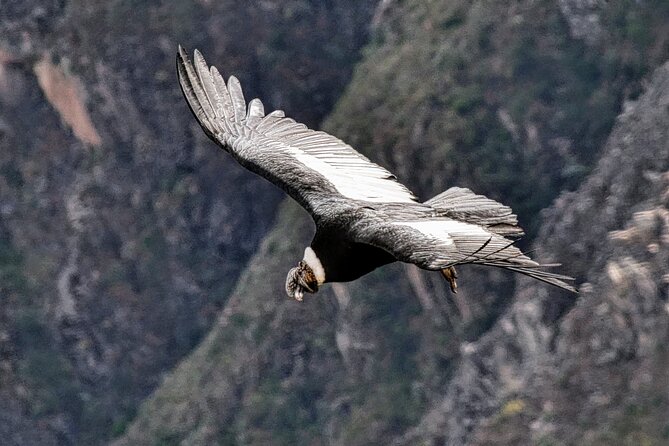
- Condor viewing is the headline moment: Cruz del Condor gives you about two hours above the Colca Canyon, but sightings depend on nature and are never guaranteed.
- The highest stop reaches 4,910 meters: Abra Patapampa can feel cold and tiring, so take it slowly and keep your day simple.
- Chivay is more than a lunch stop: You get a hotel, buffet meals, hot springs, evening music, and traditional dancing.
- The route ends near Arequipa’s Plaza de Armas: Arrival is expected between 4:30 and 5:00 p.m. on the second day.
- The price covers most major costs: Two lunches, breakfast, dinner, transport, accommodation, and the Colca tourist ticket are included.
- Pack cash for the hot springs: Entry costs 5 to 15 soles per person and is optional.
Why this Puno to Arequipa route works well
This is a smart choice if you need to travel from Puno to Arequipa and want the journey to feel like part of your Peru trip. Instead of spending two days only on a bus, you stop at lagoons, high mountain passes, Andean villages, and one of the country’s famous condor viewpoints.
The pace is full, but the route has a clear shape. Day one carries you from Puno across the highlands to Chivay. Day two focuses on the Colca Canyon before continuing to Arequipa. You are not returning to Puno, so the tour makes practical sense for an onward itinerary.
The vehicle is air-conditioned and designed for the full route from Puno through Chivay and Cruz del Condor to Arequipa. The group size is capped at 15 people, which should make hotel pickup and short stops easier than on a large coach.
Still, do not mistake this for a relaxed escape. Pickup begins between 6:00 and 6:20 a.m., and the second day also begins at 6:00 a.m. You will spend several hours in the vehicle, with the best views appearing between stops.
Other Colca Canyon trips:
- 2 Days and 1 Night Tour from Puno to Colca Canyon and Arequipa
★ 4.5 · 21 reviews - 2 day 1 night trek / Colca Canyon
★ 5.0 · 1,069 reviews - From Arequipa: Colca Canyon Full-Day Guided Tour with Meals
★ 4.5 · 982 reviews
Day one: lagoons, high passes, and arrival in Chivay
Your morning begins at your hotel in Puno. The early departure is useful because it lets the route cover a large stretch of the Peruvian highlands before reaching Chivay, but you should have your things ready the night before. The listed meeting time says midnight, yet the actual pickup detail gives the useful time: between 6:00 and 6:20 a.m.
As you leave Puno, the scenery opens into broad highland plains, small lagoons, and areas where Andean birds gather. This is a quiet start, with the appeal coming from space, sky, and changing mountain views rather than a long list of monuments.
Laguna Lagunillas
The first planned stop is Laguna Lagunillas, with about 20 minutes to look around and take pictures. Admission is free.
This is a short stop, so keep your camera ready and do not expect a long walk or a full nature outing. The lagoon gives you an early taste of the high-altitude scenery and a chance to stretch before the road climbs higher.
The highlands can look spare and exposed, but that is part of their character. You may see Andean birds around the water, while the surrounding plains give you a strong sense of how far you are from Peru’s coastal cities.
Abra Patapampa at 4,910 meters
Next comes Abra Patapampa, the highest point on the route at 4,910 meters above sea level. You get about 40 minutes here, with time for photographs and an explanation from your guide about the area’s geology and Andean customs.
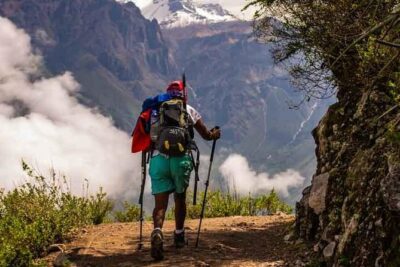
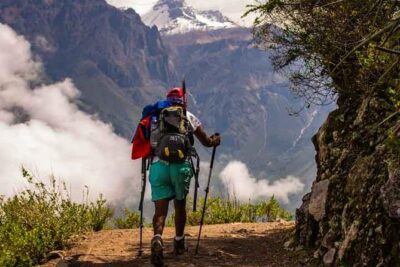
This is an impressive viewpoint, but it is also the part of the trip most likely to test your body. At this height, cold air and reduced oxygen can make even a short walk feel harder. Stay near the vehicle if needed, move slowly, and do not treat the stop like a race to every viewpoint.
From Abra Patapampa, you may see the volcanoes Misti, Chachani, and Ubinas. These broad views are one reason the route is worth taking, especially if you enjoy dramatic mountain scenery more than urban sightseeing.
Bring a warm layer even if Puno feels mild when you leave. One published account specifically advises warm clothing, sunscreen, a hat, and cash. That is sound advice here. The sun can feel strong at high altitude, while the air remains cold.
A few more Puno trips worth lining up side by side
- From Cusco: Vinicunca Rainbow Mountain ATV Tour with Meals
★ 4.6 · 1,060 reviews - From Puno: Uros, Amantaní & Taquile Islands 2-Day Tour
★ 4.5 · 452 reviews - Tour to Uros and Taquile Islands in a Fast Boat
★ 5.0 · 419 reviews - From Puno: Floating Islands of the Uros Half-Day Tour
★ 4.4 · 394 reviews
Chivay: food, hot springs, and an evening of local culture
Chivay is the gateway to the Colca Valley and your base for the night. The town is described with picturesque streets, a lively square, and a friendly local atmosphere. You have a hotel stay here, along with dinner and breakfast.
Lunch is served as a buffet with local and international dishes. That variety is helpful after a long morning, particularly if you are still adjusting to the altitude or simply need familiar food. The included meal also keeps the day’s costs under control.
In the afternoon, you can visit natural thermal pools with water around 38 degrees Celsius. The hot springs cost an additional 5 to 15 soles per person, so bring cash if you want to go. This is an optional stop, not part of the included price.
The pools are a sensible way to break up the day. After hours in a vehicle and a high pass, warm water can feel restorative. Just remember that this is an extra charge, and the provided details do not specify the exact facility or how long you will spend there.
The evening includes traditional regional music and dancing, along with typical dishes from the Colca Valley. This gives the overnight stop more character than a basic hotel stay. You get a look at local performance traditions and food in a setting tied to the valley itself.
The cultural program may not suit you if you prefer a quiet night after an early morning. If you like seeing local customs presented through music, dancing, and dinner, it adds useful context to the scenery.
Day two: the condor viewpoint and the Colca Canyon
Day two starts at 6:00 a.m. after breakfast at the hotel. The early departure is not arbitrary. The morning stop at Cruz del Condor is planned around the chance to see Andean condors riding rising air above the canyon.
You should expect another early morning rather than a slow hotel breakfast. Pack your camera, water, warm clothes, and sun protection before sitting down to eat.
Cruz del Condor
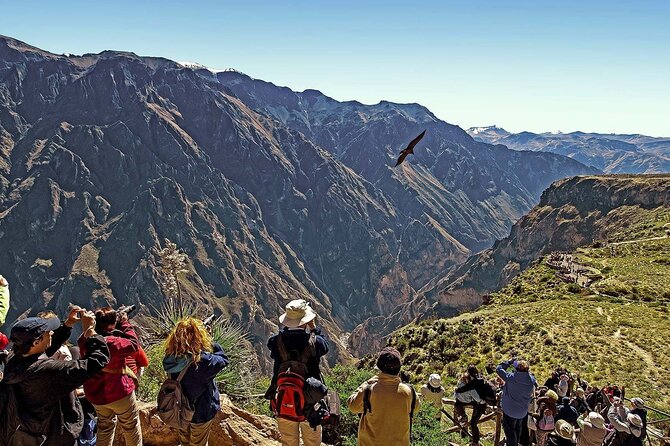
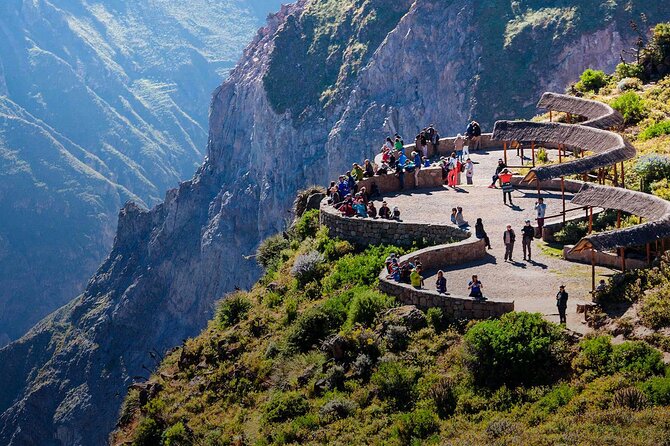
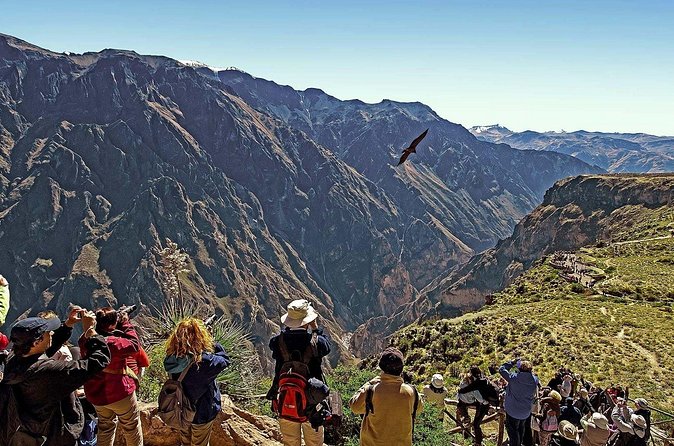
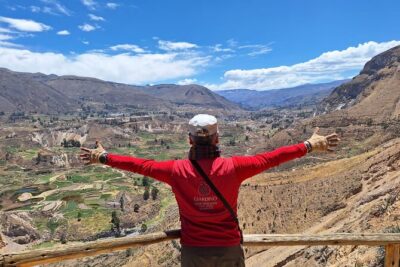
Cruz del Condor is the tour’s main attraction. You spend about two hours at the viewpoint, where you can look across the Colca Canyon and watch for the Andean condor.
The condor is one of the Andes’ most recognized birds, and seeing one glide above the canyon can be a remarkable moment. One published account describes being lucky enough to see a condor and rated the tour very highly. Another person had an excellent view from the lookout but did not see any condors.
That difference matters. The viewpoint is worthwhile even if the birds stay away, but you should not book this tour on the assumption that a sighting is certain. Weather, air currents, and animal behavior are outside the operator’s control.
The canyon itself is the other reason to linger. Two hours gives you time to watch the sky, take photographs, and absorb the scale of the valley rather than rushing through a ten-minute photo stop. The exact walking conditions are not specified, so stay aware of the altitude and follow your guide’s instructions.
Yanque and the smaller Colca Valley towns
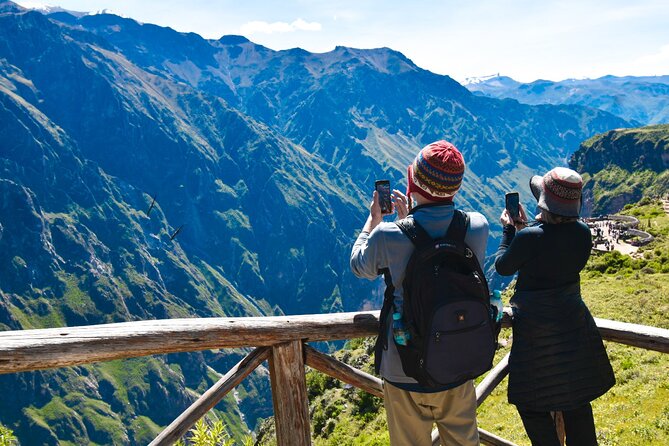
On the return toward Chivay, the route passes through small towns, including Yanque. You have about an hour for village scenery, photographs, churches, and local products such as toasted corn and Andean cheese.
This part of the day helps put the canyon in a human setting. The Colca Valley is not only a dramatic viewpoint. It is also a place of villages, religious buildings, food traditions, and daily life.
The stop is flexible enough to let you look around, but the details do not promise a long guided visit inside every church. Think of it as a short village circuit with stories, legends, photographs, and tastes along the way.
I like this section because it slows the visual rhythm after the big canyon viewpoint. You move from a huge natural setting to smaller details that are easier to remember: a church facade, a local snack, or a conversation with someone from the valley.
The final drive to Arequipa
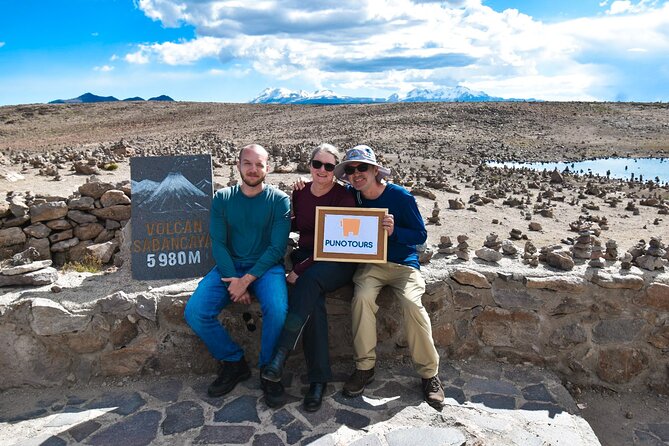
Back in Chivay, you have another buffet lunch before leaving the Colca Valley. Two lunches are included in the package, along with breakfast and dinner. The second lunch is useful because the last transfer to Arequipa still takes about three hours.
The final road section shows the scenery changing as you approach the city. The trip ends near Arequipa’s historic Plaza de Armas between 4:30 and 5:00 p.m., a convenient drop-off area if you are staying near the center.
This arrival time is worth noting when planning your hotel or evening. It gives you part of the evening in Arequipa, but road conditions and the day’s schedule can affect the exact timing. Do not book a tight evening flight or an inflexible appointment based only on the estimated arrival.
What the $189 price really covers
At $189 per person, the package offers solid value for a two-day route with several major inclusions:
- Air-conditioned tourist transport for the full Puno to Arequipa journey
- Hotel accommodation in Chivay
- Breakfast
- Dinner
- Two lunches
- Colca tourist ticket
- Pickup from your Puno hotel
The value is strongest if you would otherwise need to arrange separate transport, a Chivay hotel, meals, and Colca entry fees. The package also saves you from piecing together the route between Puno, the canyon, and Arequipa.
The hot springs are the clear extra cost, at 5 to 15 soles per person. Other expenses are not specified, so keep some local currency handy. The published advice to carry cash is practical.
The package does not list other drinks, snacks, personal purchases, or services outside the stated inclusions. Plan for those on your own rather than assuming the price covers every expense.
Comfort, altitude, and the practical tradeoffs
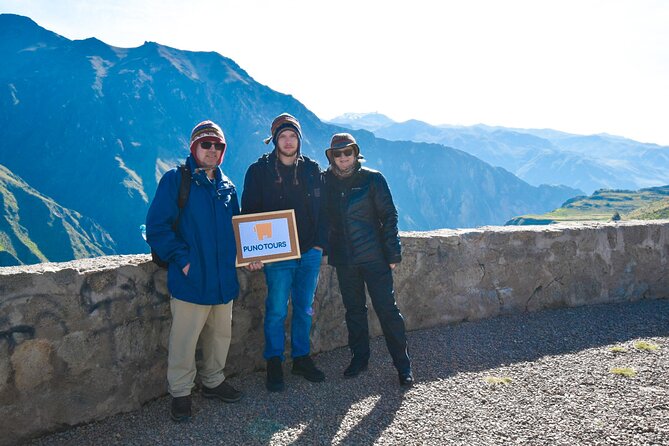
Most people can take part, and the vehicle has air conditioning. The group limit of 15 is a useful middle ground: small enough to avoid a huge bus crowd, but large enough that the tour may not feel private or highly flexible.
Altitude is the main physical issue. Puno is already high, and Abra Patapampa reaches 4,910 meters. Even if you normally walk without trouble, the height can make you feel winded or uncomfortable. The schedule gives you stops, but it does not turn the route into a gentle acclimatization program.
You should wear layers, protect your skin from the sun, and keep your belongings close during photo stops. The review comments also suggest that May can offer sunny days and quiet nights, though that is one person’s experience rather than a promise about conditions.
The tour is offered in English, and pickup is provided from hotels in Puno. Confirmation is received at booking, and the activity is near public transportation. Free cancellation is available up to 24 hours before the local start time. Changes or cancellations inside that 24-hour window are not accepted for a refund.
Who should book this two-day trip
I would recommend this route if you want to connect Puno and Arequipa while seeing the Colca Valley along the way. It suits you especially well if you value scenery, condor viewing, village stops, included meals, and a straightforward plan.
It is also a good fit for couples, families, and friends who want plenty of shared photo opportunities. The published comments repeatedly praise the views, friendly local people, and the sense of a special occasion with companions.
I would think twice if you dislike early mornings, long road transfers, or high-altitude stops. You may also prefer a slower Colca itinerary if you want more time in each village or a greater chance to rest between activities.
Should you book the Puno, Colca, and Arequipa tour?
Book it if you want an efficient two-day link between three important southern Peru destinations, with the Colca Canyon as the centerpiece. The best parts are the wide highland scenery, the two-hour Cruz del Condor stop, Chivay’s hot springs and evening culture, and the convenience of having transport, meals, accommodation, and the Colca ticket handled together.
Go in with realistic expectations. A condor may appear, but it may not. The altitude can be demanding, and the schedule is busy. If you pack warm layers, sunscreen, a hat, comfortable clothing, and cash for the thermal baths, you will be much better prepared to enjoy this memorable stretch of the Andes.
FAQ
Where does the tour begin?
Pickup is provided from your hotel in Puno between 6:00 and 6:20 a.m.
Where does the tour end?
The tour ends near the historic Plaza de Armas in Arequipa, usually between 4:30 and 5:00 p.m. on day two.
How long does the tour last?
The tour lasts approximately two days.
Is transportation included?
Yes. An air-conditioned tourist vehicle is included for the route from Puno through Chivay and Cruz del Condor to Arequipa.
Is accommodation included?
Yes. One hotel night in Chivay is included.
Which meals are included?
The package includes breakfast, dinner, and two lunches.
Is the Colca Canyon entrance fee included?
Yes. The Colca tourist ticket is included.
Are the thermal baths included?
No. Access to the thermal baths is optional and costs 5 to 15 soles per person.
Is the condor sighting guaranteed?
No. The tour visits Cruz del Condor for the chance to see Andean condors, but sightings depend on natural conditions and are not guaranteed.
Added recently around Puno
- Walking City tour Puno★ 4.5 · 12 reviews
- Uros Reed Floating Islands & Taquile Island Titicaca Puno Full Day★ 4.0 · 38 reviews
- Uyuni Express 3 days from Puno Copacabana and Isla del Sol★ 5.0 · 16 reviews
- Uros Sunset Kayak Private Tour★ 5.0 · 5 reviews
- Two-Day Tour to Uros with Amantani and Taquile from Puno★ 5.0 · 44 reviews
- Uros Amantani Taquile Full Day tour★ 5.0 · 7 reviews
- Uros Floating Islands★ 3.0 · 13 reviews
- Tour island Uros, Amantani and Taquile 02days/01 night lake titicaca★ 5.0 · 5 reviews
Colca Canyon Tours, compared.
2-Day Tour Colca Canyon in Arequipa with end in Puno
Read our review →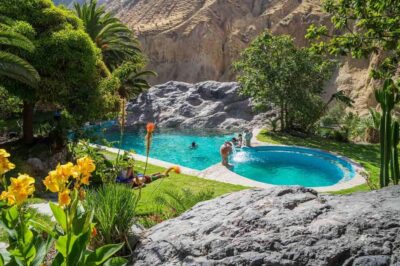
Browse the lists this tour appears in