
Reviewed · MACHU PICCHU TOURS
4 Day Lares Trek to Machu Picchu 2024
High passes reward steady legs. This four-day route pairs the Lares hot springs with a quieter trek through high Andean valleys, then finishes at Machu Picchu. I especially like the chance to visit villages, see llamas and alpacas, and learn about local life rather than simply marching from one famous ruin to another. The strong cooking team, guides such as Soledad and Wilian, and attentive porters also add real value.
The main caution is altitude. You climb to 4,750 meters on the second day, then descend to the Sacred Valley before continuing by train to Aguas Calientes. That is a serious mountain day, not a casual walk, and the itinerary gives you little spare time if you struggle with high elevation or prefer a slower pace.
In This Review
- Key points at a glance
- Why the Lares route feels different
- Day 1: Lares hot springs to Kiswarani
- Day 2: Quishuarani and the 4,750-meter Condor Pass
- Day 3: From the highlands to the Sacred Valley
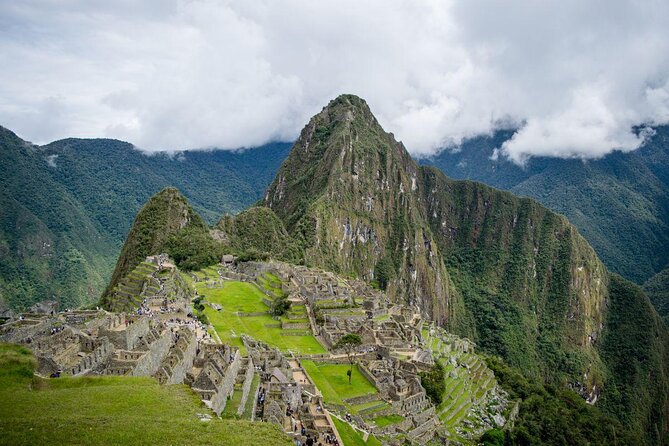
- Day 4: Sunrise at Machu Picchu
- What the $600 price really covers
- Comfort, camping, and the support team
- Who should book this trek
- Should you book the Lares Trek to Machu Picchu?
- FAQ
- How long is the Lares Trek to Machu Picchu?
- What time does the tour start?
- What meals are included?
- Are the Machu Picchu entrance and train included?
- Are Huayna Picchu and Machu Picchu Mountain included?
- How difficult is the trek?
Key points at a glance
- Lares hot springs begin the adventure: Soak in several natural pools before the first climb.
- The second day reaches 4,750 meters: The Condor Pass section is the physical test of the trek.
- Local culture is part of the route: Visits with Andean families include weaving, crops, clothing, and daily life.
- Meals receive exceptional care: The chefs are praised for creative food, including a traditional pachamanca.
- Machu Picchu comes with a guided visit: Plan on two to three hours inside the citadel, with extra mountain hikes sold separately.
- The $600 price covers the big expenses: Transport, permits, guide, chef, camping, meals, and one hotel night are included.
Why the Lares route feels different
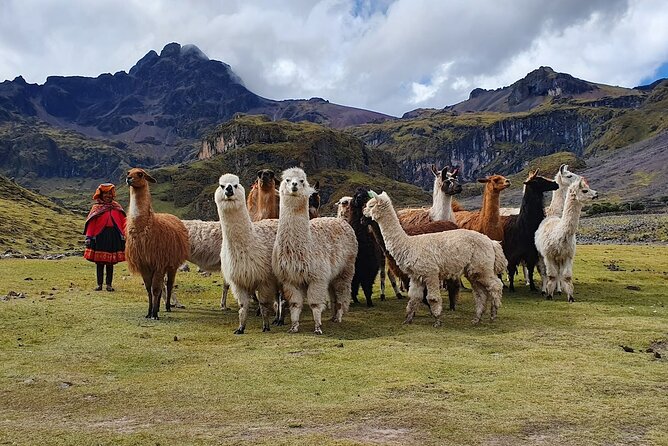
Many Cusco itineraries race toward Machu Picchu. This one takes the longer scenic road through the Lares Valley, where the main attraction is not a single monument but the changing mountain world around you. You walk beside waterfalls, lakes, llamas, alpacas, and small communities before reaching the Inca citadel at the end.
That order matters. Machu Picchu is easier to appreciate after several days in the Andes. You have already seen how people live at high altitude, how water shapes the valleys, and how difficult mountain travel can be. The famous ruins become part of a larger story rather than a quick photo stop.
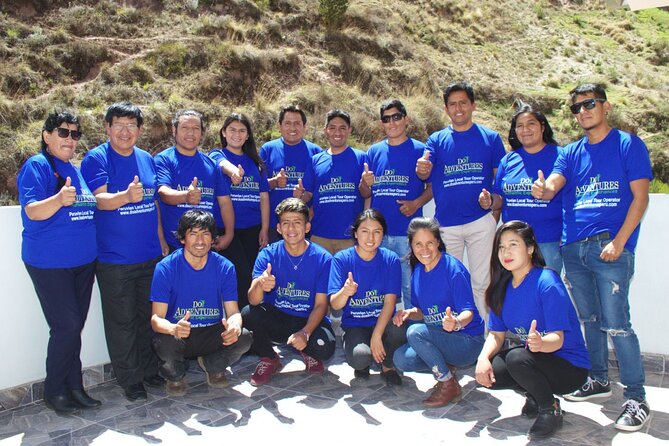
The group size is capped at 10 people. That is small enough for a guide to notice how you are handling the climb, while still giving you company on long walking days. The strongest praise goes to the guides and support crew. Soledad is described as patient and encouraging, while Wilian is praised for mixing Inca and pre-Inca culture with humor. Walter also receives repeated credit for guiding and adapting the pace.
The company works with local people, including horsemen and porters. Names that come up often include Segundino, Raymundo, and the cooks Florencia and German. You should not assume you will receive a particular guide or cook, but the repeated attention to the local crew is a good sign for anyone who values personal service and local employment.
More Hiking Tours in Cusco
- Classic Inca Trail Trek 4D/3N to Machu Picchu (Group Service)
★ 5.0 · 8,653 reviews - Machu Picchu: 4-Day Inca Trail Trek with Panoramic Train Ride
★ 5.0 · 4,568 reviews - Salkantay Classic Trek 5 Days from Cusco
★ 5.0 · 4,062 reviews
Day 1: Lares hot springs to Kiswarani
The day begins around 5:00 a.m. in Cusco, followed by a roughly three-hour drive to Lares. That early start is not glamorous, but it gets you into the mountains while the day is still young. After breakfast, you have time at the Lares hot springs, where pools offer different water temperatures.
The springs are a smart first stop. You can loosen up after the drive, enjoy the mountain setting, and begin the trek at a manageable pace. They are also one of the few parts of the itinerary that feel restful. Once you leave the pools, the route becomes a proper high-altitude walk.
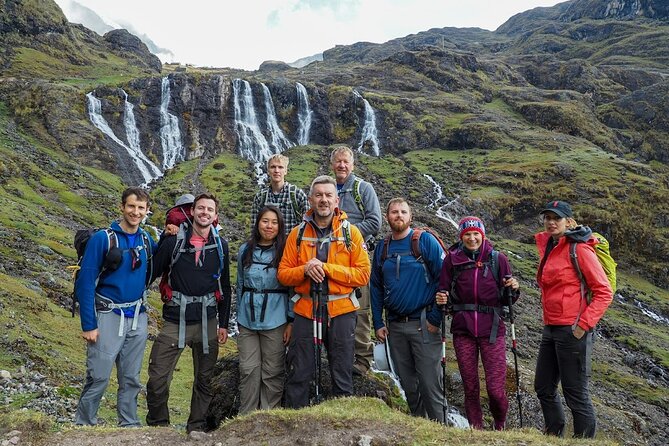
The first hiking section takes about four hours and ends at the first camp near Kiswarani, at 3,900 meters. Along the way, expect views of mountains and waterfalls, plus a visit to Kiswarani Village. Llamas and alpacas are part of the scenery, not just a staged attraction.
A seven-hour day sounds reasonable on paper, but remember that this includes transport, breakfast, the hot springs, and hiking. At nearly 3,900 meters, even a moderate climb can feel slow. You should carry only what you need for the day and keep your pace steady. The support team handles camping equipment and transport of supplies, but the supplied information does not specify exactly how much of your personal luggage you may hand over.
The first night is camping. Tents, chairs, tables, and other camping equipment are included, along with dinner. The crew has been praised for hot drinks, blankets, comfortable tents, and food that goes well beyond basic trail fare. Sleeping bags are not included, however. You can rent one for $20, or bring your own suitable equipment.
Day 2: Quishuarani and the 4,750-meter Condor Pass
Day two is the hardest part of the trip. You wake in camp with coffee or coca tea, eat breakfast, and begin a four-hour ascent toward Condor Pass. At 4,750 meters, or 15,583 feet, this is a major altitude gain for anyone who is not used to the Andes.
The reward is a chain of mountain lakes and wide views toward the tallest peaks of the Sacred Valley. You may see birds, llamas, and alpacas along the route. The setting changes as you climb, with open highland scenery replacing the lower valley feel of day one.
After the pass, the route drops for about three hours to Canchacancha Village, at 3,750 meters. That descent is welcome for your lungs, but it can be tiring for your knees. Hiking poles are not included, though you can rent them for $15. I would consider that a sensible extra for this day, especially if you are not used to steep descents.
The itinerary refers to this section as beginning at Quishuarani and ending near Canchacancha. It is a long day of approximately seven hours, with most of the physical effort concentrated in the climb to the pass. You should take the altitude seriously. A moderate fitness level is required, but fitness alone does not guarantee comfort at 4,750 meters.
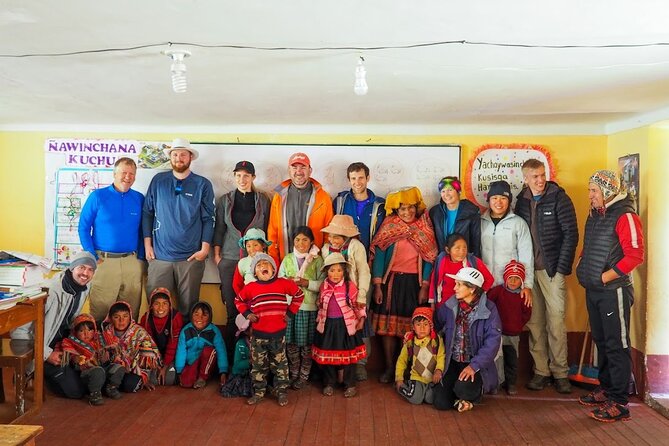
The human side of the day is just as important as the scenery. You have opportunities to interact with local children and see mountain communities in their own setting. Keep that contact respectful. A friendly greeting and genuine interest are better than treating the village as a backdrop for photographs.
Day 3: From the highlands to the Sacred Valley
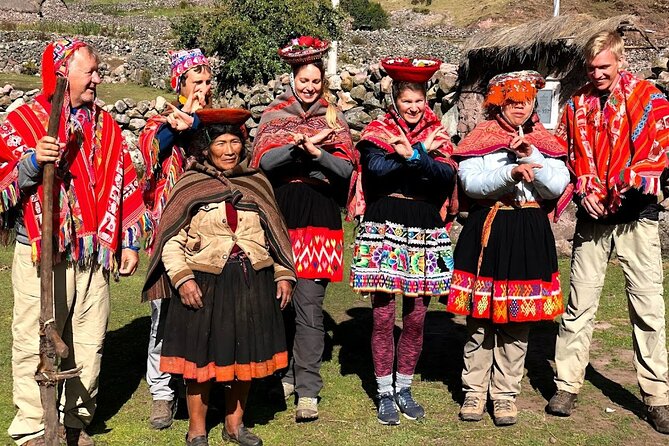
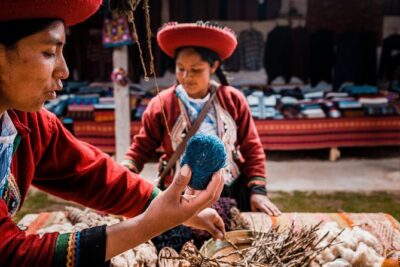
The third day begins in the tent with breakfast, followed by a visit with local villagers. This is one of the most worthwhile parts of the itinerary because it gives context to the walk. Details mentioned during the visits include traditional clothing, weaving, crop production, and everyday life in the Andes.
You then hike downhill for about four hours toward the Sacred Valley. After two nights at high altitude, the descent should feel easier on your breathing, although your legs may be tired. A special picnic lunch breaks up the walk and gives the cooking team another chance to show what it can do.
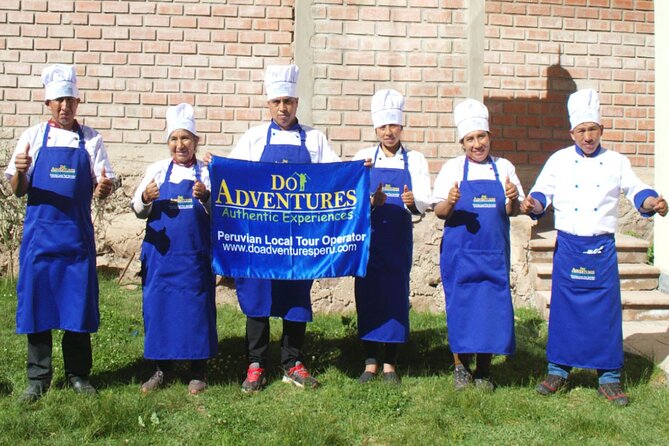
Food is one of the clearest strengths of this trip. The cooks are repeatedly praised for restaurant-level meals, and pachamanca receives special mention. This traditional cooking method uses heated stones to prepare food, and it gives the meal a strong connection to Andean practice. You receive breakfast on all four days, three lunches, and three dinners, which removes much of the cost and planning involved in feeding yourself on the route.
The afternoon packs in several major stops. You visit the Salineras of Maras, the famous salt terraces near the Sacred Valley, then continue to Ollantaytambo before boarding the train to Aguas Calientes. This is a busy transition day. The walk, picnic, salt terraces, ruins, train, and hotel check-in all fit into roughly eight hours.
That schedule is efficient, but not leisurely. You should expect the Maras and Ollantaytambo visits to be part of a moving itinerary rather than long independent explorations. Still, combining them with the Lares route gives you a much fuller picture of the region than a trek alone.
You spend the third night at a hotel in Aguas Calientes. That shower, proper bed, and change of setting come at the right moment. The tour includes two camping nights and one hotel night, so do not expect a resort stay or extra free nights unless you arrange them yourself.
Longer treks from Cusco:
- 4-Day Salkantay Trek with Sky Camp Stay
★ 5.0 · 3,346 reviews - Salkantay Trek 5D/4N with Glass Cabins, Domes and Hobbit House
★ 5.0 · 2,488 reviews - 5-Day Premium Salkantay Trek
★ 5.0 · 788 reviews - Lares Valley Trek with Hot Spring 4-Day, 3-Night
★ 5.0 · 656 reviews
Day 4: Sunrise at Machu Picchu
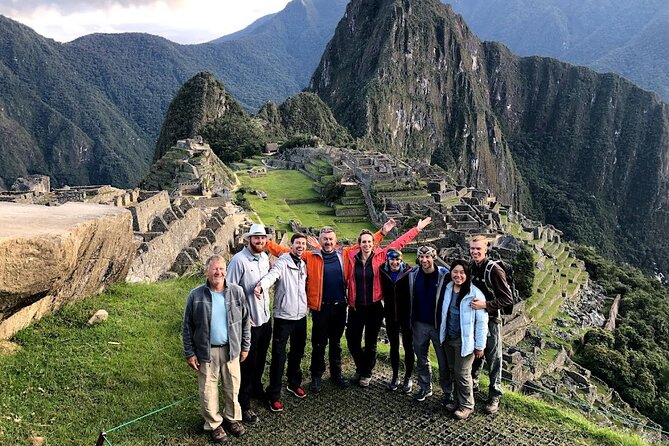
The final morning starts with an early hotel breakfast and the first bus to Machu Picchu. The goal is to reach the citadel in time to see the sunrise above the ruins. Sunrise conditions are never guaranteed, especially in a mountain climate, but the early entry gives the visit a quieter and more dramatic beginning than a late arrival.
You pass the Machu Picchu checkpoint and walk to the viewpoints before joining a two to three-hour guided tour. The guide covers the main buildings, the site’s history, its engineering, and the meaning behind key features. This guided portion is important. Without context, Machu Picchu can become a beautiful collection of stone walls. With a good guide, its water systems, terraces, construction, and ceremonial spaces make much more sense.
The guides praised most warmly are Soledad, Walter, and Wilian. Their strengths differ slightly in the descriptions: Soledad is especially valued for encouragement and adjusting the pace, Walter for hospitality and organization, and Wilian for lively explanations of Inca and pre-Inca culture. Your actual guide may differ, but these are useful names to know when confirming your booking.
After the guided visit, you may have time to explore independently, subject to the site’s current access rules and the schedule of your group. Huayna Picchu and Machu Picchu Mountain are not included. Each requires an additional $50 entrance fee, and these hikes must be booked far in advance. Do not count on adding one at the last minute.
After Machu Picchu, you take the bus back to Aguas Calientes for lunch at your own expense. Then you board the Expedition Train to Ollantaytambo, meet the private vehicle, and drive back to Cusco. Arrival at your hotel is scheduled for about 7:30 p.m.
That return is long. If you want a quiet evening in Cusco, this is not it. The benefit is that the entire four-day package brings you back without requiring you to arrange separate trains, buses, and transfers.
What the $600 price really covers
At $600 per person, the trip is priced as a bundled trekking service rather than a basic guided hike. The package includes:
- Private van transportation
- Consetur bus service
- Expedition Train
- Entrance to the Lares Trail
- Entrance to the Machu Picchu archaeological site
- Guide for the full tour
- Professional chef
- Camping equipment such as tents, chairs, and tables
- Two nights of camping
- One hotel night
- Four breakfasts
- Three lunches
- Three dinners
That is a strong amount of coverage for the price. The permits, train, private vehicle, meals, camping crew, hotel, and guide can be expensive and complicated to arrange separately. You also avoid the hassle of coordinating the connection from the mountains to Aguas Calientes.
Budget for the extras. Sleeping bags cost $20, air mattresses $20, and trekking poles $15. Huayna Picchu or Machu Picchu Mountain costs $50. Lunch in Aguas Calientes on the final day and gratuities for the team are also outside the package.
The value depends on your priorities. If you want a short, low-cost visit to Machu Picchu, this is too much hiking. If you want a supported mountain trip with food, camping, cultural stops, and transport already organized, $600 is reasonable.
Comfort, camping, and the support team
Camping at 3,900 meters and after a high pass will never feel like a hotel. Cold nights are part of the deal. Still, the support details make a difference. Hot drinks, blankets, chairs, tables, and a dedicated cook help turn a hard day into a manageable evening.
The food is more than fuel. Florencia and German receive special praise for meals, while the cooking team as a whole is credited with preparing excellent food throughout the route. The mention of pachamanca is especially appealing because it connects the meal to local tradition rather than treating camp dining as an afterthought.
Porters, horsemen, and muleteers also shape the experience. Segundino is praised for handling transportation of equipment carefully, and the porters are described as hospitable and attentive. You should remember that this is demanding work. Gratuities are not included, so carry some cash if you want to thank the team.
The itinerary says the service has a maximum of 10 people. That limit matters on a route where the guide may need to monitor pace, altitude, and group cohesion. It also makes village visits and shared meals more personal than they would be in a large coach group.
Who should book this trek
I would recommend this trip to you if you want:
- A quieter alternative to the most famous routes toward Machu Picchu
- High mountain scenery and several lakes
- Time with Andean communities
- A small group with a guide and support crew
- Meals and camping handled for you
- A complete route from Cusco to Machu Picchu and back again
It suits people with a moderate fitness level who can handle long walking days and steep altitude changes. The second day is the key test. You should be comfortable with four hours of uphill hiking followed by three hours of descent, all in thin air.
I would hesitate to recommend it if you dislike camping, need a relaxed schedule, or have not prepared for high altitude. The early start, 4,750-meter pass, and late return to Cusco leave little room for an easygoing holiday rhythm.
The booking terms also require care. Confirmation is sent within 48 hours, subject to availability, and the experience requires a minimum number of participants. If the minimum is not met, you are offered another date or experience, or a full refund. Otherwise, the booking is non-refundable and cannot be changed for any reason, so confirm your dates before paying.
Should you book the Lares Trek to Machu Picchu?
Book it if the journey matters as much as the destination. The hot springs, high lakes, local villages, excellent cooking, and thoughtful guides give the trip its character. Machu Picchu is the final prize, but the Lares Valley is what makes this more than a standard ruins visit.
Skip it if you want the easiest possible route or a long, unhurried day at Machu Picchu. The itinerary is tightly packed, and the Condor Pass demands real effort. For a prepared hiker who wants mountain scenery, local contact, and a well-supported route for $600, this is a strong choice.
FAQ
How long is the Lares Trek to Machu Picchu?
The experience lasts approximately four days. Hiking and sightseeing take about seven hours on days one and two, eight hours on day three, and eight hours on day four.
What time does the tour start?
The scheduled start time is 5:00 a.m. The first day begins with pickup in Cusco and a drive of about three hours to the Lares hot springs.
What meals are included?
The package includes four breakfasts, three lunches, and three dinners. Lunch in Aguas Calientes on the fourth day is not included.
Are the Machu Picchu entrance and train included?
Yes. The package includes entrance to the Machu Picchu archaeological site, the Consetur bus, the Expedition Train, and the required private vehicle transportation.
Are Huayna Picchu and Machu Picchu Mountain included?
No. Either additional mountain entrance costs $50, and the hike must be booked far in advance.
How difficult is the trek?
A moderate level of physical fitness is required. The hardest section climbs to Condor Pass at 4,750 meters, followed by a descent to Canchacancha at 3,750 meters.
More Hiking Days from Cusco
- Rainbow Mountain Full Day Trek
★ 5.0 · 1,469 reviews - Rainbow Mountain Day Trip from Cusco: Vinicunca Hiking Tour
★ 4.5 · 737 reviews - Inca Trail 4-Day 3-Night Trek to Machu Picchu with Expert Guides
★ 5.0 · 733 reviews - Humantay Lake Full Day Trek from Cusco with Lunch
★ 5.0 · 726 reviews
Other Ways to Reach Machu Picchu
- Short Inca Trail to Machu Picchu 2D/1N
★ 5.0 · 3,007 reviews - 2-Day Inca Trail to Machu Picchu with Panoramic Train
★ 5.0 · 1,876 reviews - From Cusco: Full-Day Group Tour of Machu Picchu
★ 4.7 · 1,767 reviews - Machu Picchu Day Trip from Cusco
★ 4.5 · 1,644 reviews
Added recently around Cusco
- Guided tour of the mountain of colors in Cusco★ 5.0 · 11 reviews
- 2-Day Private Short Inca Trail to Machu Picchu★ 5.0 · 15 reviews
- City Tour Cusco – Group★ 5.0 · 4 reviews
- Tour Sacred Valley with Maras and Moray★ 5.0 · 15 reviews
- San Pedro Market Tour with Peruvian Cooking Class★ 5.0 · 31 reviews
- Walking Culinary Experience★ 5.0 · 41 reviews
- City Tour in Cusco★ 4.5 · 10 reviews
- Rainbow Mountain Small-Group Full-Day Hike from Cusco with Meals★ 4.5 · 15 reviews
Machu Picchu Tours, compared.
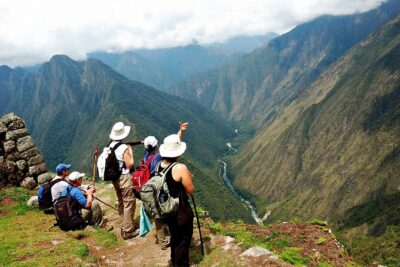
Classic Inca Trail Trek 4D/3N to Machu Picchu (Group Service)
Read our review →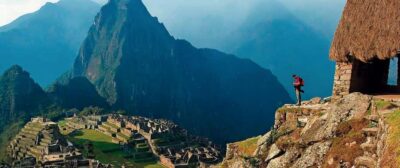
Machu Picchu: 4-Day Inca Trail Trek with Panoramic Train Ride
Read our review →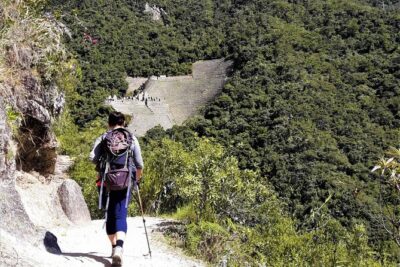
2-Day Inca Trail to Machu Picchu with Panoramic Train
Read our review →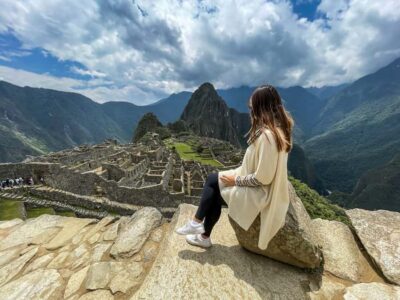
2-Day Tour: Sacred Valley and Machu Picchu by Train
Read our review →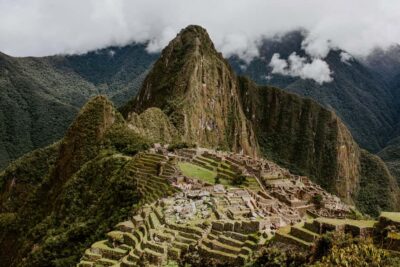
Machu Picchu: Full-Day Tour from Cusco with Optional Lunch
Read our review →Browse the lists this tour appears in