
Reviewed · MACHU PICCHU TOURS
4-Day Lares Trek to Machu Picchu from Cusco
High passes lead to an unforgettable finish. This four-day route pairs the quieter Lares Trek with Machu Picchu, giving you mountain scenery, local communities, two nights of camping, and a final night in Aguas Calientes. I like the small-group format, with an average of four people and a maximum of 15, and I like that a local bilingual guide leads both the trek and the Machu Picchu visit. The main caution is simple: this is a hard hike, with much of the route above 4,000 meters.
The trip costs $847 per person, which is not cheap, but the price covers a lot: transport from Cusco to Lares, camping equipment, a cook, three meals each day, horses carrying gear, the train, buses, a hotel in Aguas Calientes, and guided entry to Machu Picchu. You still need to budget for a sleeping bag, drinks, hot springs, tips, and optional mountain hikes.
Guide Percy receives especially warm praise for his humor, English, care, and experience. The food also earns serious credit, with a dedicated cook preparing fresh Peruvian meals and vegetarian dishes when requested ahead of time. That combination of good support, hearty food, and a small group can make a demanding trek far more manageable.
In This Review
- Key points before you book
- Why choose the Lares route instead of a standard trek?
- Day 1: From Cusco to Lares and Wakawasi
- Day 2: Crossing 4,400-meter Ipsayccocha Pass
- Day 3: Leaving the mountains for Ollantaytambo
- Day 4: Early buses and a guided Machu Picchu visit
- Food, camping, and luggage support
- How much value do you get for $847?
- The guide and group size
- Who should book this trek?
- Should you book the Lares Trek to Machu Picchu?
- FAQ
- How difficult is the Lares Trek?
- What is included in the $847 price?
- Is a sleeping bag included?
- Can I request vegetarian meals?
- Are Huayna Picchu and Machu Picchu Mountain included?
- Where does the tour end in Cusco?
Key points before you book
- The high point is Ipsayccocha Pass at 4,400 meters, making altitude the main physical concern.
- You camp near Wakawasi and Patacancha, where llamas, alpacas, crop fields, and local families provide a more grounded Andean experience.
- Your bags receive practical help, with horses carrying cooking gear plus up to 7 kilos per trekker for the first three days.
- Machu Picchu gets a proper guided visit, followed by free time for your own photographs and exploration.
- The average group size is only four people, though the operator may take up to 15.
- Huayna Picchu and Machu Picchu Mountain cost extra, and both require advance booking.
Why choose the Lares route instead of a standard trek?
The Lares Trek offers a different feel from a route focused entirely on ancient Inca paths. You still get a major mountain crossing and a famous archaeological finish, but the first two days center on highland communities, grazing animals, lakes, glaciers, and native crops.
That matters if you want more than a fast approach to Machu Picchu. The route passes through Wakawasi and Patacancha, where you camp close to communities and see daily life connected to farming and livestock. You should not expect a polished cultural show. The appeal is the setting itself, and the chance to see people living in a high mountain environment.
The tradeoff is that the route is physically demanding without offering the same continuous archaeological interest found on the classic Inca Trail. Its rewards are views, altitude, quiet, and contact with rural Peru. If ruins are your main reason for hiking, the final day at Machu Picchu carries most of that historical weight.
More Hiking Tours in Cusco
- Classic Inca Trail Trek 4D/3N to Machu Picchu (Group Service)
★ 5.0 · 8,653 reviews - Machu Picchu: 4-Day Inca Trail Trek with Panoramic Train Ride
★ 5.0 · 4,568 reviews - Salkantay Classic Trek 5 Days from Cusco
★ 5.0 · 4,062 reviews
Day 1: From Cusco to Lares and Wakawasi
Your day begins early, with pickup from your Cusco accommodation around 6:00 a.m. A van takes you to Lares Town at about 2,900 meters. This transfer is included, but breakfast is not, so you should eat before pickup or carry something simple for the road.
Lares is also the location of hot springs. You can pay about 10 soles to visit them before the hike. This is an optional extra, and the early start means you should keep an eye on the clock. A long soak may sound appealing before six hours on foot, but the trek schedule comes first.
The walking begins with a zigzagging climb toward Wakawasi, at roughly 3,850 meters. The day covers about 14 kilometers and takes around six hours. The route brings views of glaciers, wildlife, and scattered local communities, with the altitude making the climb feel harder than the distance suggests.
Your camp is at the Wakawasi community. This is one of the route’s most meaningful parts because you stay close to local families rather than sleeping in a town hotel. The accommodation is basic camping, with a tent for two people and a sleeping mattress supplied. Solo participants share a tent with another person, while couples receive their own tent.
Dinner is included, prepared by the camp cook. Three dinners, three lunches, three breakfasts, and three snacks are included across the trip, but Day 1 breakfast is your responsibility. Bring a reusable water bottle, and carry extra cash for drinks and snacks, which can cost much more along the trail.
Day 2: Crossing 4,400-meter Ipsayccocha Pass
Day 2 is the hardest section for many people. You begin with about four hours of uphill walking to Ipsayccocha Pass, at 4,400 meters. That is high altitude by any measure, so your pace needs to be steady rather than fast.
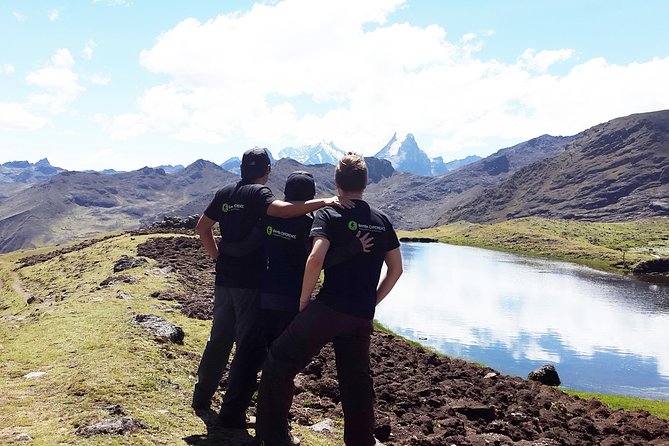
The pass is the day’s major reward. From this height, you can expect broad mountain views, though clouds and weather may affect what you see. The route then drops for roughly 40 minutes to a lakeside lunch stop beside Ipsayccocha Lake.
After lunch, you continue downhill for another three hours to Patacancha, at approximately 3,800 meters. The full day covers about 15 kilometers and takes around eight hours. The descent is easier on your breathing than the climb, but uneven ground and tired legs can make it demanding.
Patacancha provides a strong finish to the hiking portion. Camp is surrounded by llamas, alpacas, and native crop plantations. These details give the day a clear sense of place. You are not simply moving through empty mountains. You are passing through a working agricultural region where animals and crops remain part of everyday life.
A moderate level of fitness is the stated minimum, but I would prepare for more than a casual moderate hike. You need to be comfortable walking for six to eight hours and handling sustained climbs at high elevation. Warm clothing is essential, as are rain protection, gloves, a hat, and good hiking boots.
Day 3: Leaving the mountains for Ollantaytambo
The third day begins at Patacancha with four more hours of walking to Ollantaytambo. The route covers about 12 kilometers. Compared with Day 2, it is shorter, but you will already have two demanding days behind you.
Ollantaytambo is where the trip shifts from trekking to transport. After lunch, you board the tourist train to Aguas Calientes, the town below Machu Picchu. The train is included, as is the bus from Ollantaytambo back to Cusco on Day 4.
You spend the night in a three-star hotel in Aguas Calientes. After two nights in tents, this hotel bed and a shower should feel welcome. Solo participants share a room with another participant, while couples have a private room.
Your guide meets you to explain the next day. That briefing is useful because Day 4 starts very early and involves buses, a guided site visit, free time, a train, and a long return transfer to Cusco.
Aguas Calientes gives you a little breathing room. You can walk around town, find cafes, internet cafes, shops, board games, cards, and places to sit. An extra night can be arranged if you want a slower visit, though it is not part of the standard four-day plan.
One point to understand: you do not have a guide during the train and bus transfers. The guide is with you for the trek and the Machu Picchu tour, but the transport portions are on your own. That is not difficult for most people, but it means you should pay attention to instructions, tickets, meeting points, and departure times.
Longer treks from Cusco:
- 4-Day Salkantay Trek with Sky Camp Stay
★ 5.0 · 3,346 reviews - Salkantay Trek 5D/4N with Glass Cabins, Domes and Hobbit House
★ 5.0 · 2,488 reviews - 5-Day Premium Salkantay Trek
★ 5.0 · 788 reviews - Lares Valley Trek with Hot Spring 4-Day, 3-Night
★ 5.0 · 656 reviews
Day 4: Early buses and a guided Machu Picchu visit
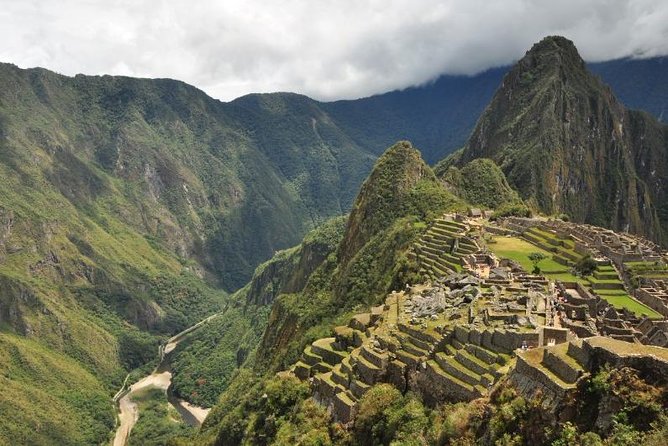
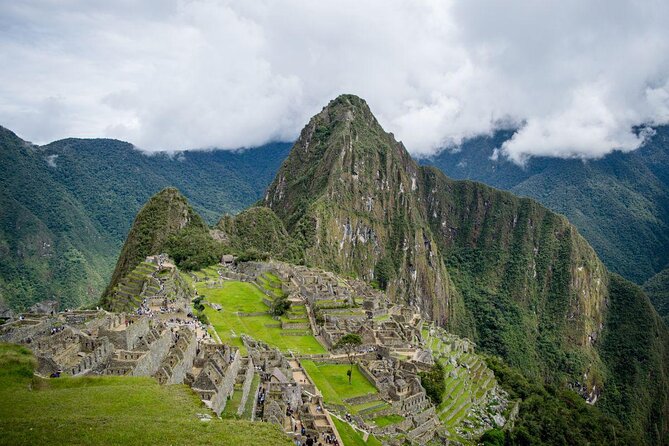
The final day starts before sunrise. You take one of the first buses, scheduled around 5:30 a.m., for the 25-minute ride up to Machu Picchu. The early departure is worthwhile because the site can appear through morning mist as the light changes.
Your guide leads a tour of about two hours, covering the major sites and explaining the history of the sanctuary. This is an important part of the package. Machu Picchu is too large and significant to appreciate fully by simply wandering without context, especially on a first visit.
After the guided walk, you have free time to explore and take photographs. The schedule allows you to enjoy the site at your own pace, but do not expect unlimited time. You still need to return by bus to Aguas Calientes, visit the area near the train station if you wish, and catch the train to Ollantaytambo.
Huayna Picchu is available as an optional extra. The steep trail takes about 45 to 60 minutes and can be muddy. Only 400 passes are available each day, split between 7:00 a.m. and 10:00 a.m. You must request and purchase the ticket at least two weeks in advance.
Machu Picchu Mountain is another optional hike, also at an extra cost. Its ticket must be arranged at least one week ahead. I would not add either climb casually after two hard trekking days. If the mountain hike is a personal priority, plan around it from the beginning and confirm the correct entry time.
After the train to Ollantaytambo, you take a bus back to Cusco. Arrival is expected around 8:00 p.m. The drop-off is at Plaza San Francisco, not at your accommodation, so arrange your own final walk or taxi.
Food, camping, and luggage support
Food is one of the strongest features of this trip. The cook prepares fresh meals with local ingredients, and the menus are designed to provide plenty of energy. Breakfast may include porridge, quinoa, oats, eggs, pancakes, bread, bananas, and hot drinks.
Lunch and dinner can include soups, quinoa, potatoes, rice, chicken, beef stew, pasta, and Peruvian dishes such as aji de gallina or ajiaco de olluco. Snacks may include popcorn, cookies, crackers, and hot drinks. A vegetarian option is available for every meal if you request it at least two days before departure.
The meal plan is generous, but you should still carry trail snacks and water. Bottled water is not included. Extra drinks can become expensive on the trail, so bring enough cash for refills, snacks, and sports drinks.
Horses carry the cooking and camping equipment, along with up to 7 kilos for each trekker during the first three days. This allowance includes about 2.5 kilos for your sleeping bag and mattress, plus about 2.5 kilos of personal belongings. Confirm how you will pack the remaining allowance before departure, since you should not assume the horses will carry every item you bring.
A sleeping bag is not included, but rental costs $15 for the trek. You should also bring or rent hiking poles, rain pants, a poncho, trekking boots, sandals, warm socks, thermal layers, a headlamp or flashlight, sunscreen, sunglasses, and waterproof bags for electronics.
How much value do you get for $847?
At $847 per person, this is a substantial purchase. The value comes from the amount of support packed into four days. You receive the Cusco pickup, transport to Lares, two nights of camping, a cook, meals, snacks, horse support, emergency oxygen, a first-aid kit, the train, buses, a hotel in Aguas Calientes, and a guided Machu Picchu visit.
The price also reduces the need to arrange separate transport between remote trail sections and Machu Picchu. That is useful in Peru, where a missed connection can cause real trouble. The small-group average of four adds further value, since a guide can give more attention to individual pace and questions.
Still, $847 does not cover everything. Add the sleeping bag rental if needed, breakfast on Day 1, lunch on Day 4, bottled water, the Lares hot springs, optional mountain tickets, tips, and your Cusco accommodation. You also need to get yourself from the final drop-off point to your hotel.
Tips are optional. Suggested amounts are 40 to 60 soles per trekker for the guide, 30 to 40 soles for an assistant guide, 60 to 80 soles for each horseman from the full group, and 150 to 200 soles for the cook from the full group. These are suggestions, not mandatory charges.
The guide and group size
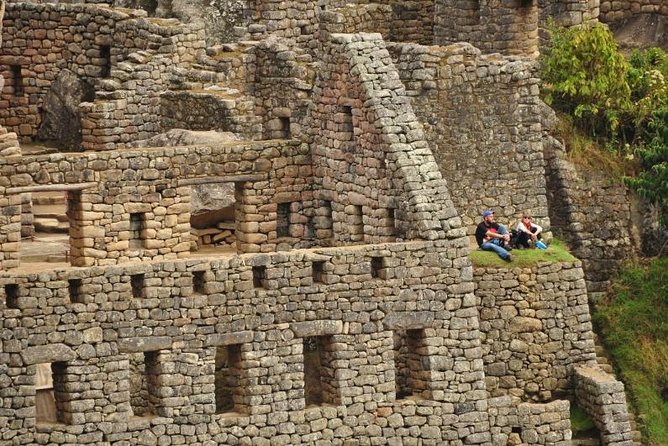
The tour uses a professional bilingual guide for the trek and the Machu Picchu visit. Percy is specifically praised for strong English, humor, experience, helpfulness, and consideration during the hike. Those qualities matter on a high-altitude route, where clear instructions and a calm attitude can make a difficult day feel less intimidating.
The group maximum is 15, but the average is four. That difference is worth noting. You may get a very intimate group, but you should still prepare for a larger party on some departure dates.
Regular departures are offered on Monday, Wednesday, and Saturday. Daily departures are possible when a group of four or more is formed. A mandatory briefing takes place at 6:00 p.m. the evening before departure at the Cusco office on Calle Matara 242, second floor.
Who should book this trek?
I would recommend this trip to you if you want a demanding Andean hike without giving up the comfort of a hotel night and organized train transport. It suits people who value mountain scenery, local communities, fresh camp food, and a small group more than a nonstop schedule of ruins.
Families can consider it because the minimum age is seven, but the high pass and long walking days deserve serious thought. The age rule does not mean every seven-year-old will enjoy eight hours at 4,400 meters.
You should be in good physical condition and allow time in Cusco to adjust to altitude before setting out. The supplied information calls for moderate fitness, but the pass is high and the second day is long. If you dislike cold nights, shared tents, early starts, or basic trail conditions, choose a shorter or lower route.
Also remember the passport rules. You must provide your full name, birth date, nationality, passport number, and passport expiration date when booking. Your passport must be valid for at least six months after the trip, and if you renew it after booking, carry the old passport or a photocopy used for the reservation.
Should you book the Lares Trek to Machu Picchu?
Book it if you want a full mountain experience rather than a quick Machu Picchu package. The high pass, rural communities, animals, camp cooking, and small group make the first two days feel like a real journey, while the train, hotel, and guided sanctuary visit give the trip a comfortable finish.
Skip it if you want an easy holiday, dislike shared camping, or are not prepared for altitude. The $847 price is fair for the services included, but extra costs and the non-refundable booking rule mean you should confirm your fitness, passport details, optional hikes, and travel dates before paying.
For the right person, this is a strong four-day route: tough in the middle, well supported throughout, and rewarded by an early visit to Machu Picchu.
FAQ
How difficult is the Lares Trek?
The hike is difficult and requires good physical condition. Much of the route reaches about 4,000 meters, with the highest point at Ipsayccocha Pass, 4,400 meters.
What is included in the $847 price?
The price includes Cusco accommodation pickup, transport to Lares, camping, a three-star hotel in Aguas Calientes, meals, snacks, a cook, horses for equipment and limited personal belongings, tourist trains, buses, a bilingual guide, emergency oxygen, and the guided Machu Picchu visit.
Is a sleeping bag included?
No. A sleeping bag can be rented in Cusco for $15 for the trek.
Can I request vegetarian meals?
Yes. Vegetarian meals are available for every meal, but you should request them at least two days before departure.
Are Huayna Picchu and Machu Picchu Mountain included?
No. Both hikes cost extra. Huayna Picchu should be booked at least two weeks ahead, and Machu Picchu Mountain should be booked at least one week ahead.
Where does the tour end in Cusco?
The return bus is expected to arrive around 8:00 p.m. at Plaza San Francisco. You must make your own way from there to your accommodation.
More Hiking Days from Cusco
- Rainbow Mountain Full Day Trek
★ 5.0 · 1,469 reviews - Rainbow Mountain Day Trip from Cusco: Vinicunca Hiking Tour
★ 4.5 · 737 reviews - Inca Trail 4-Day 3-Night Trek to Machu Picchu with Expert Guides
★ 5.0 · 733 reviews - Humantay Lake Full Day Trek from Cusco with Lunch
★ 5.0 · 726 reviews
Other Ways to Reach Machu Picchu
- Short Inca Trail to Machu Picchu 2D/1N
★ 5.0 · 3,007 reviews - 2-Day Inca Trail to Machu Picchu with Panoramic Train
★ 5.0 · 1,876 reviews - From Cusco: Full-Day Group Tour of Machu Picchu
★ 4.7 · 1,767 reviews - Machu Picchu Day Trip from Cusco
★ 4.5 · 1,644 reviews
Added recently around Cusco
- Guided tour of the mountain of colors in Cusco★ 5.0 · 11 reviews
- 2-Day Private Short Inca Trail to Machu Picchu★ 5.0 · 15 reviews
- San Pedro Market Tour with Peruvian Cooking Class★ 5.0 · 31 reviews
- City Tour Cusco – Group★ 5.0 · 4 reviews
- Tour Sacred Valley with Maras and Moray★ 5.0 · 15 reviews
- Walking Culinary Experience★ 5.0 · 41 reviews
- City Tour in Cusco★ 4.5 · 10 reviews
- One Day Tour to Humantay Lagoon★ 5.0 · 8 reviews
Machu Picchu Tours, compared.
Classic Inca Trail Trek 4D/3N to Machu Picchu (Group Service)
Read our review →
Machu Picchu: 4-Day Inca Trail Trek with Panoramic Train Ride
Read our review →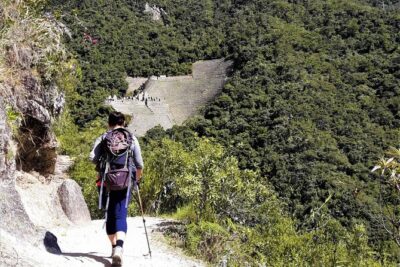
2-Day Inca Trail to Machu Picchu with Panoramic Train
Read our review →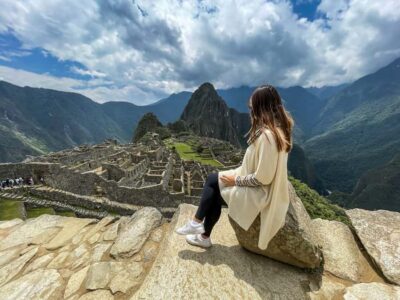
2-Day Tour: Sacred Valley and Machu Picchu by Train
Read our review →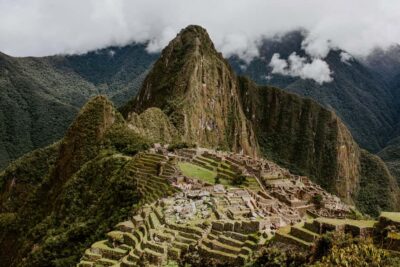
Machu Picchu: Full-Day Tour from Cusco with Optional Lunch
Read our review →Browse the lists this tour appears in