
Reviewed · MACHU PICCHU TOURS
4-Day Lares Trek to Machu Picchu
High passes, quiet valleys, and a hot-spring finish. This four-day Lares Trek gives you a more remote route to Machu Picchu, with time among Andean villages, alpaca herds, glacial lakes, and old Polylepis forests. I especially like the small private-group format and the way the crew carries the camping equipment, food, and up to 8 kilograms of your personal gear. I also like the mix of hard hiking and comfort, with a night in Aguas Calientes before visiting Machu Picchu.
The main caution is altitude. The trail reaches 15,678 feet at Pachacutec Pass, followed by long descents on rough ground. You should arrive ready for a serious mountain walk, and you should not expect a relaxed sightseeing holiday simply because the final day is spent at Machu Picchu.
In This Review
- Key points at a glance
- What the $690 price really covers
- Day 1: Huaran to Acopata through the Cancha Cancha Valley
- Day 2: The hard climb to 15,678 feet
- Day 3: Lakes, Lares hot springs, and the train to Aguas Calientes
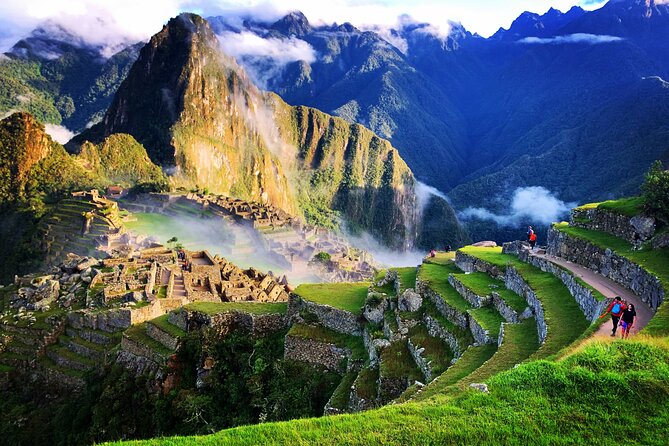
- Day 4: Machu Picchu without a rushed arrival
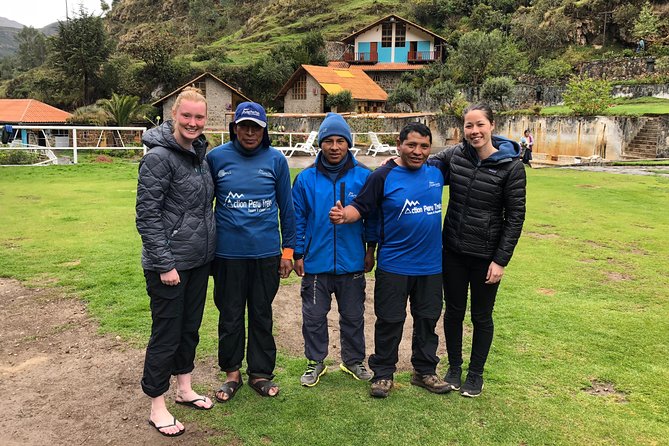
- The crew and the comfort of supported camping
- Fitness, altitude, and what to pack
- Who will enjoy this route most
- Booking, cancellation, and final practical checks
- Should you book the Lares Trek to Machu Picchu?
- FAQ
- How high does the Lares Trek climb?
- Are meals included?
- Is a sleeping bag included?
- How much personal luggage can the horses carry?
- Is Machu Picchu admission included?
- What is the cancellation policy?
Key points at a glance
- 15,678-foot Pachacutec Pass: The highest point brings huge views of Pitusiray and Sahuasiray, but altitude makes this the hardest section.
- A quieter alternative to the Inca Trail: The route passes through Cancha Cancha, Quishuarani, and Cuncani, with a strong focus on rural Andean life.
- Two nights of supported camping: Horses carry tents, food, tables, chairs, and other equipment, while a chef prepares the meals.
- Lares hot springs on Day 3: A soak gives your legs a welcome break before the drive to Ollantaytambo and train to Aguas Calientes.
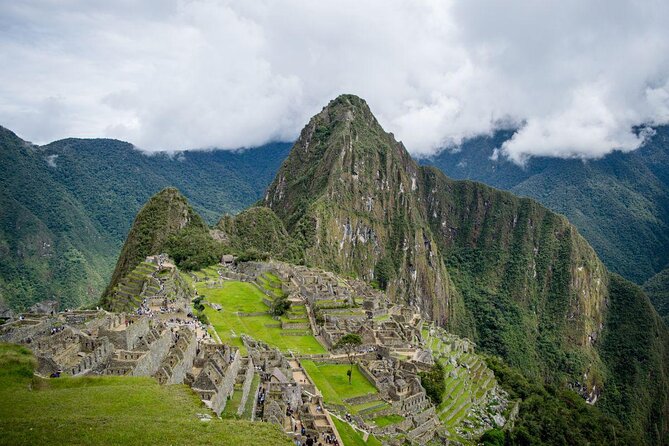
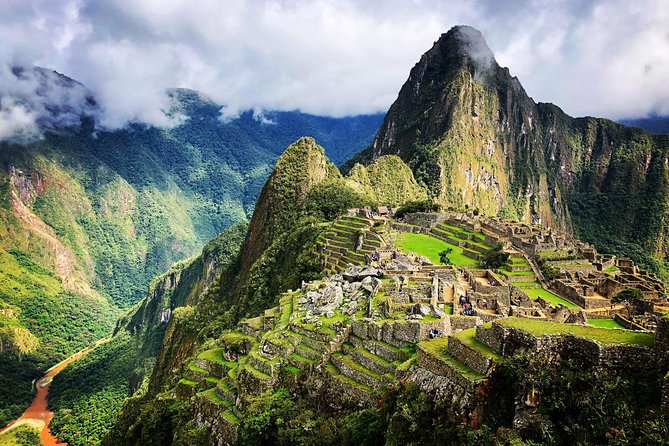
- Machupicchu with a two-hour guided visit: You see the citadel on the final morning, then return to Cusco by train and private van.
- Strong personal care from the crew: Guides such as Christian Pena and Ronald have been praised for patience, flexibility, safety, and detailed explanations.
What the $690 price really covers
At $690 per person, this is not simply a walk with a guide. The price includes a guide, pre-trek briefing, private transportation, camping equipment, chef, horse handlers, horses, meals, an emergency horse, emergency oxygen, a medical kit, one night in a double-occupancy bed and breakfast in Aguas Calientes, trains, buses, and transport back to your Cusco hotel.
That package matters in the Andes. You are not carrying the kitchen, dining tent, tables, chairs, or sleeping gear. A horse carries up to 8 kilograms of your personal belongings in a duffle bag, which lets you hike with a much lighter daypack. The crew also brings an extra horse for emergencies, a practical detail on a high-altitude route far from easy road access.
The price does not include a sleeping bag, though one can be rented for $30. Day 4 lunch in Aguas Calientes is also on you, as are tips for the guide, chef, and horse handlers. I would budget for those extras before you book, especially because a good crew does a great deal of work behind the scenes.
The value is strongest if you want a fully supported trek without organizing separate transfers, meals, camping equipment, train tickets, and the Machu Picchu visit yourself. You can arrange each piece independently, but that creates many points where a small mistake can cause a large problem. Here, the route is joined together from your Cusco pickup to your return to the city.
More Hiking Tours in Cusco
- Classic Inca Trail Trek 4D/3N to Machu Picchu (Group Service)
★ 5.0 · 8,653 reviews - Machu Picchu: 4-Day Inca Trail Trek with Panoramic Train Ride
★ 5.0 · 4,568 reviews - Salkantay Classic Trek 5 Days from Cusco
★ 5.0 · 4,062 reviews
Day 1: Huaran to Acopata through the Cancha Cancha Valley
Your morning begins with a 6:30 pickup from your hotel. A private bus takes about an hour and a half to Huaran, at roughly 9,840 feet in the Sacred Valley. This is the trailhead, where the horses are loaded and the walking begins.
The first day follows the Cancha Cancha River northward. The climb is gentle at first, which is helpful as your body adjusts to the altitude and the rhythm of the trek. You pass cultivated fields and old Polylepis forests, a high-Andean tree habitat that supports a wide range of bird life.
The river valley is the star of this opening section. You get a gradual introduction to mountain scenery rather than an immediate wall of stone and altitude. The route also gives you a look at farming communities and the way settlement follows water and workable ground in the Andes.
Lunch comes about halfway through the hike. Afterward, you pass the village of Cancha Cancha before continuing to Acopata, your first campsite. The full walking day takes about six hours, though the overall stop is listed at roughly eight hours with breaks and the day’s activity.
Your first night is likely to feel more basic than the later hotel stay. The crew supplies a four-person tent for every two people, along with a mattress and pillow. There is also a kitchen tent and a dining tent with tables and chairs, so you are not eating from your lap or sleeping without support.
Day 2: The hard climb to 15,678 feet
Day 2 is the test. After an early breakfast, you climb for about two and a half hours to Pachacutec Pass, the highest point of the route at 15,678 feet. That is serious altitude, even for a fit hiker, and the climb can feel slow.
The reward is one of the trek’s finest views. From the pass, Pitusiray and Sahuasiray snowcapped mountains rise in front of you. The high ridgeline, open sky, and broad Andean views give this day a grand scale that is very different from the enclosed river valley of Day 1.
After the pass, the trail drops for about two hours to a lakeside lunch stop. The descent continues for another hour and a half into the valley, passing several glacial lakes along the way. Descending may sound easier than climbing, but steep downhill sections can be tough on knees and ankles. This is where trekking poles become especially useful.
You may see alpacas, llamas, and sheep grazing near the route. The high country also offers the chance to spot Gray Brocket Deer, viscachas, Andean Geese, the Giant Coot, Puna Hawks, and perhaps an Andean Condor. Wildlife is never guaranteed, so bring binoculars if birds and animals matter to you, but do not treat sightings as part of the fixed schedule.
The night is spent at Quishuarani village, known for its typical stone houses. This gives the trek a stronger connection to rural Peru than a route that moves only between famous viewpoints. You are sleeping near a living community, not just passing through an empty mountain zone.
Expect a long day of about eight hours when hiking and breaks are counted together. The route is demanding because of the pass, the altitude, and the long descent. You will want warm layers ready in your daypack, since conditions can change sharply at this elevation.
Day 3: Lakes, Lares hot springs, and the train to Aguas Calientes
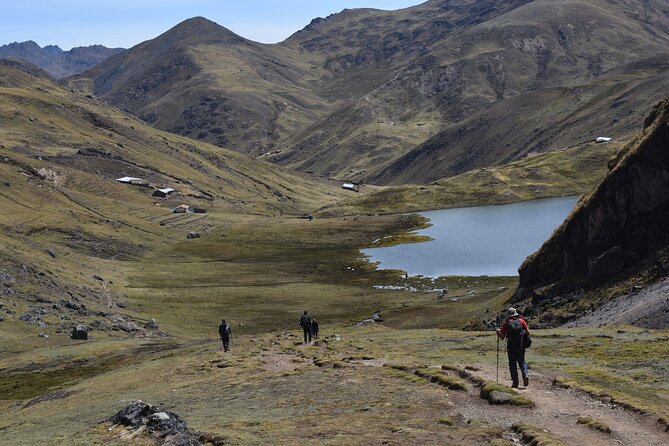
The third morning brings another climb, this time toward the Willcaccasa mountain pass. The ascent takes about two to three hours and again opens to views of the Andes, turquoise lakes, and high valleys.
After crossing the pass, you descend for roughly one and a half to two hours, passing more lakes on the way to Cuncani village. The route then continues downhill for another two to three hours toward the Lares Valley. This is another long day on the legs, but the direction is mostly down after the pass.
The reward is Lares hot springs. You stop here for lunch and have time for a well-earned soak. After two nights in mountain camps and two high passes, this is exactly the kind of reset that makes sense in the itinerary. Bring a swimsuit and keep a towel handy, since the hot springs are not an optional luxury added at the last minute. They are a central part of the day.
Once you leave Lares, a private van takes about three hours to Ollantaytambo, at 9,158 feet. You have dinner there before boarding the train to Aguas Calientes. The train connection is a major practical advantage of this route. You do not need to add another full hiking day between the Lares Valley and Machu Picchu.
You spend the night at a bed and breakfast in Aguas Calientes. The room is based on double occupancy, so solo visitors should confirm the supplement or room arrangement when booking. This overnight stay also means you do not have to rush from a remote trail directly into the citadel.
The listed activity time for Day 3 is about five hours, but the day is longer in real terms because of the drive, dinner, train, check-in, and changes between transport. Pack your evening essentials where you can reach them easily rather than burying them in the duffle bag.
Longer treks from Cusco:
- 4-Day Salkantay Trek with Sky Camp Stay
★ 5.0 · 3,346 reviews - Salkantay Trek 5D/4N with Glass Cabins, Domes and Hobbit House
★ 5.0 · 2,488 reviews - 5-Day Premium Salkantay Trek
★ 5.0 · 788 reviews - Lares Valley Trek with Hot Spring 4-Day, 3-Night
★ 5.0 · 656 reviews
Day 4: Machu Picchu without a rushed arrival
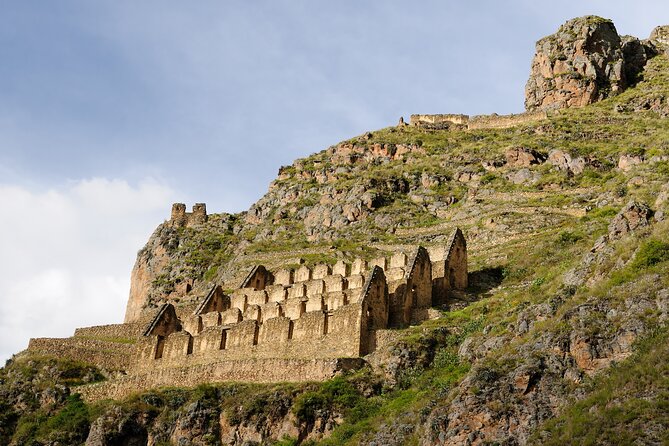
You have breakfast at the hotel before taking the bus up the winding road to Machu Picchu. The bus handles the steep approach, leaving you with the main event rather than another punishing climb.
A guide leads a two-hour walking tour of the citadel. That matters because Machu Picchu is not best understood as a collection of impressive stones. A good guide helps you follow the site’s layout, purpose, and setting, while also keeping the visit organized.
Christian Pena has been praised for his explanations of history, geography, plants, and the surrounding region. Ronald has also been singled out for long experience, careful attention, and a strong sense of safety. Guides can vary by departure, so you should not assume a particular person will lead your trip, but these names give you a useful sense of the company’s strongest reported staff.
After the guided visit, you have free time to explore before taking the bus back to Aguas Calientes. Day 4 is listed at about four hours, not counting all waiting and transport time. You then take the Expedition train to Ollantaytambo, continue by private van, and get dropped at your hotel in Cusco.
Day 4 lunch is not included. Aguas Calientes is the place to plan for that meal, and you should leave enough time for eating, returning to the station, and boarding the train.
The crew and the comfort of supported camping
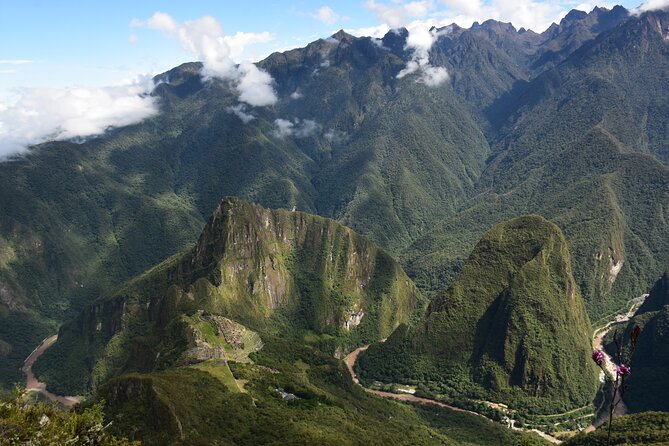
The people supporting this trek may shape your experience as much as the scenery. The standard team includes a guide, chef, horse handlers, and horses. One past group described a larger crew with two chefs, and other trips included a chef and assistant, so the exact team may depend on group needs and departure arrangements.
Meals are a real strength. The chef prepares three breakfasts, three lunches, and three dinners, including food made in camp. Reports describe filling, varied meals served far from roads and shops. That is useful, not just pleasant. High-altitude hiking burns energy, and a reliable hot meal can make the next morning far easier.
The horse handlers carry the heavy equipment and personal duffle bags. The crew may also bring warm water for washing, hot water bottles, and extra blankets. These comforts are not guaranteed in every detail, but they have been part of the care provided on past departures.
The sleeping bag deserves special attention. One past October departure found the provided sleeping bag insufficiently warm at night. Mountain nights can be cold, particularly near the high passes, so I would rent the $30 sleeping bag or bring a suitable down or synthetic bag. Do not rely on ordinary travel bedding.
Fitness, altitude, and what to pack
You need a moderate level of physical fitness, but the altitude is the bigger issue. The highest point is 15,678 feet, and the route includes long climbs and steep descents on both Days 2 and 3. You should be comfortable walking for several hours at a time before choosing this trip.
Give yourself time in Cusco before the trek if your wider schedule allows. The tour includes a hotel briefing one or two days before departure, which is a useful chance to ask about pace, gear, duffle weight, and the day’s conditions. The briefing does not remove the need to take altitude seriously.
Your original passport is required. If you received a new passport after booking, bring both the old and new documents. Machu Picchu access and train travel make this a document you cannot leave behind.
Pack:
- Trekking boots and trekking poles
- Warm fleece, thermal underwear, gloves, and light long pants
- Several tops and socks
- Rain jacket or poncho
- Sun hat, sunglasses, and factor 35 or higher sun block
- Headlamp
- Toiletries, toilet paper, wet wipes, and a personal towel
- Insect repellent
- Camera with spare batteries
- Binoculars, if you want to look for Andean birds and animals
Batteries run down faster at high altitude, so carry spares. Trekking poles are strongly useful on steep descents, and you can rent them from the operator.
Who will enjoy this route most
I would choose this trek if you want mountain scenery and village life without following the classic Inca Trail. The route feels less crowded, and private groups let the guide adjust the pace and respond to individual needs.
It is a good fit for hikers who value service. The horses, chef, private transport, emergency equipment, and hotel night remove much of the logistical burden. Past trips have also included women in their 50s who felt well cared for, though that should not be mistaken for an easy fitness level.
You may prefer another plan if you dislike camping, struggle with high altitude, or want a gentle route with short walking days. The two passes are not decorative names on a map. They define the challenge.
This is also a private activity, meaning only your group participates. That gives you more control than a large shared departure, but you should still ask how many people will be in your group and who will guide it before paying.
Booking, cancellation, and final practical checks
The experience is often reserved about 27 days ahead, so booking roughly a month before departure is a sensible guide. Confirmation is provided at booking, and the start time is 6:30 in the morning.
Free cancellation is available if you cancel at least 24 hours before the local start time. Cancellations or changes made inside that window are not accepted for a refund. Service animals are allowed, though the high-altitude terrain and camping conditions still make a direct discussion with the operator wise.
Before departure, confirm the sleeping bag rental, duffle arrangements, hotel room setup, exact meeting point, guide, and train details. Those small checks can prevent surprises on a trip with several changes between walking, van, bus, and rail.
Should you book the Lares Trek to Machu Picchu?
I would book this trek if you want a quiet, high-altitude route with strong support and you are prepared for genuine physical effort. The best parts are the Pachacutec Pass views, the remote villages and lakes, the hot springs, and the smooth connection into Machu Picchu.
The $690 price is reasonable for what is bundled: guide, chef, horses, camping infrastructure, meals, private transfers, trains, hotel night, and site transport. Add the sleeping bag, Day 4 lunch, and crew tips to your working budget.
Choose it for the route and the care, not because it is easy. If you can handle the altitude and cold nights, this is a thoughtful alternative to the more famous trail, with a better look at the highland communities along the way.
FAQ
How high does the Lares Trek climb?
The highest point is Pachacutec Pass at 15,678 feet. Day 3 includes a second pass at Willcaccasa mountain, but no elevation is provided for that pass.
Are meals included?
Yes. The price includes three breakfasts, three lunches, and three dinners. Lunch on Day 4 in Aguas Calientes is not included.
Is a sleeping bag included?
No. You can rent one from the operator for $30, or bring your own down or synthetic sleeping bag.
How much personal luggage can the horses carry?
A horse carries up to 8 kilograms of your personal gear. The operator provides a duffle bag for this purpose.
Is Machu Picchu admission included?
The itinerary includes bus transportation to Machu Picchu and a two-hour guided tour of the citadel. The supplied tour details list no separate admission charge, so confirm current entry arrangements when booking.
What is the cancellation policy?
You can cancel for a full refund up to 24 hours before the experience starts. Cancellations or changes made less than 24 hours before the local start time are not accepted.
More Hiking Days from Cusco
- Rainbow Mountain Full Day Trek
★ 5.0 · 1,469 reviews - Rainbow Mountain Day Trip from Cusco: Vinicunca Hiking Tour
★ 4.5 · 737 reviews - Inca Trail 4-Day 3-Night Trek to Machu Picchu with Expert Guides
★ 5.0 · 733 reviews - Humantay Lake Full Day Trek from Cusco with Lunch
★ 5.0 · 726 reviews
Other Ways to Reach Machu Picchu
- Short Inca Trail to Machu Picchu 2D/1N
★ 5.0 · 3,007 reviews - 2-Day Inca Trail to Machu Picchu with Panoramic Train
★ 5.0 · 1,876 reviews - From Cusco: Full-Day Group Tour of Machu Picchu
★ 4.7 · 1,767 reviews - Machu Picchu Day Trip from Cusco
★ 4.5 · 1,644 reviews
Added recently around Cusco
- Super valley or vip valley★ 5.0 · 13 reviews
- the Incas’ Sacred Valley★ 5.0 · 27 reviews
- Sacred Valley of the Incas Day Trip from Cusco★ 5.0 · 6 reviews
- Small-Group Tour: Rainbow Mountains Hiking from Cusco★ 4.0 · 5 reviews
- Excursion to the Sacred Valley of the Incas from Cusco★ 5.0 · 8 reviews
- Maras + Moray & Textile Experience★ 5.0 · 14 reviews
- Tour EN Cuatrimoto POR la Montaña 7 Colors Hike 5 Minutes★ 4.5 · 32 reviews
- rainbow mountain★ 4.0 · 4 reviews
Machu Picchu Tours, compared.
Classic Inca Trail Trek 4D/3N to Machu Picchu (Group Service)
Read our review →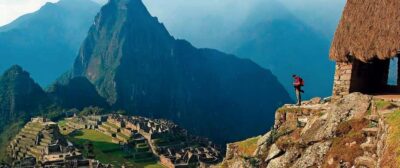
Machu Picchu: 4-Day Inca Trail Trek with Panoramic Train Ride
Read our review →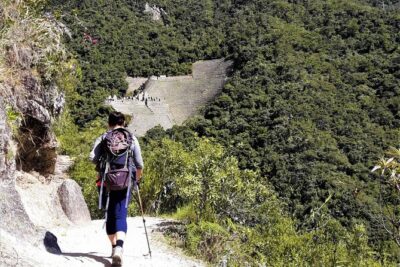
2-Day Inca Trail to Machu Picchu with Panoramic Train
Read our review →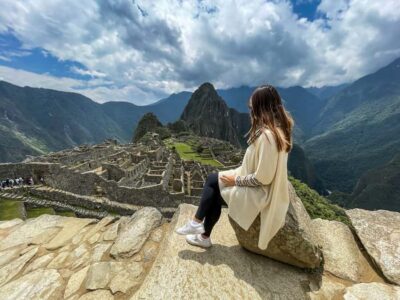
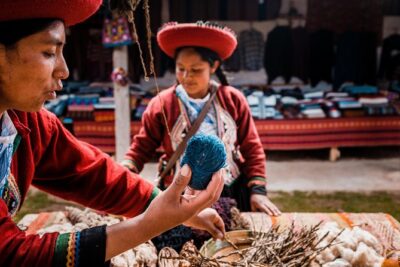
2-Day Tour: Sacred Valley and Machu Picchu by Train
Read our review →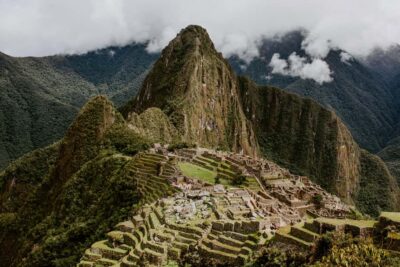
Machu Picchu: Full-Day Tour from Cusco with Optional Lunch
Read our review →Browse the lists this tour appears in