
Reviewed · MACHU PICCHU TOURS
4-Day Salkantay Trek to Machu Picchu
Altitude comes first, and rewards arrive daily. This four-day route from Cusco gives you Humantay Lake and Salkantay Pass, two of the Andes’ most striking sights, before reaching Machu Picchu by way of the high jungle. I especially like the local guides, who bring patience, humor, and useful knowledge of Inca culture, plants, and mountain terrain. The included Peruvian meals, camping support, hotel night, and return transport also make the $810 price easier to understand.
The main catch is the physical demand. You climb to 4,650 meters, sleep at 3,920 meters on the coldest night, and walk as much as 24 kilometers in a day. You also need to budget for trail and site fees, bottled water, tips, and any optional train or mountain hike.
In This Review
- Key points at a glance
- What the $810 price really covers
- Day one: Humantay Lake and a cold night at 3,920 meters
- Day two: Salkantay Pass at 4,650 meters
- Day three: From the high jungle to Aguas Calientes
- Day four: Machu Picchu before the crowds build
- Food, camping, and the support team
- How difficult is this Salkantay Trek?
- What makes the guiding valuable
- Who should book this trip?
- Should you book the 4-Day Salkantay Trek?
- FAQ
- How long is the Salkantay Trek to Machu Picchu?
- What time does the tour start?
- What is the highest point of the trek?
- How high is the first campsite?
- Is camping included?
- Is a sleeping bag included?
- How much luggage can the mules carry for each person?
- Is there a vegetarian meal option?
- Is the train from Hydroelectric Station to Aguas Calientes included?
- Are Huayna Picchu and Machu Picchu Mountain included?
- What transport is included after Machu Picchu?
- What is not included in the price?
Key points at a glance
- Humantay Lake on day one: A steep climb leads to a turquoise mountain lake backed by snow-covered Andean peaks.
- 4,650-meter Salkantay Pass: This is the trek’s high point, with optional horse rental available for 100 to 120 soles.
- Small groups: The maximum is 16 people, with an average group size of about four.
- Local support team: A bilingual guide, cook, horse handlers, and mules carry equipment plus up to 7 kilos for each trekker.
- Aguas Calientes hotel night: After two nights camping, you get a night in a three-star hotel before visiting Machu Picchu.
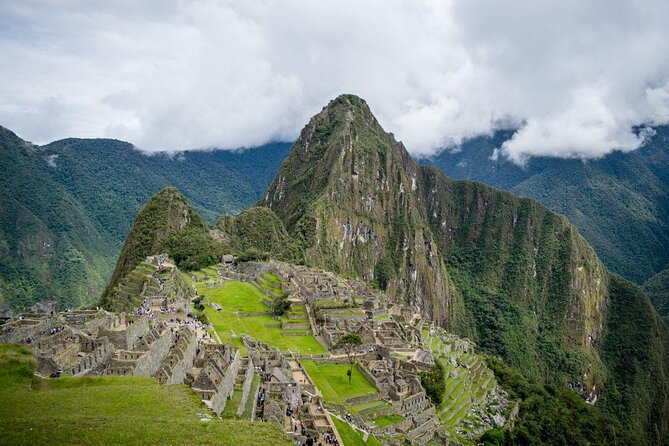
- Early Machu Picchu entry: The first buses leave around 5:30 am, giving you a chance to see the citadel as morning mist clears.
What the $810 price really covers
At $810 per person, this is not a bare-bones hiking package. The fee includes transport from Cusco to the trailhead, three camping meals each day on the route, two snacks, two nights of camping, one night in a three-star hotel at Aguas Calientes, a bilingual guide, cooking support, mules, sleeping mats, tents, the Machu Picchu bus, train to Ollantaytambo, and onward bus transport to Cusco.
That package removes a lot of planning. You do not need to arrange separate transport between Cusco, Challacancha, La Playa, Santa Teresa, Hydroelectric Station, Aguas Calientes, Ollantaytambo, and Cusco. For a remote trek with several moving parts, that matters.
Still, the advertised price is not the final possible cost. The Salkantay trail permit is listed at PEN 133 per person, and the Machu Picchu fee is listed at PEN 48. Bottled water, a sleeping bag rental, tips, and meals not listed in the package are extra. If you want to ride from Hydroelectric Station to Aguas Calientes instead of walking, the listed optional train cost is $30.
I see good value here if you want a supported trek rather than a fully independent hike. The service is more comfortable than carrying all your own equipment, but it remains a demanding mountain trip, not a soft adventure.
More Hiking Tours in Cusco
- Classic Inca Trail Trek 4D/3N to Machu Picchu (Group Service)
★ 5.0 · 8,653 reviews - Machu Picchu: 4-Day Inca Trail Trek with Panoramic Train Ride
★ 5.0 · 4,568 reviews - Salkantay Classic Trek 5 Days from Cusco
★ 5.0 · 4,062 reviews
Day one: Humantay Lake and a cold night at 3,920 meters
Your day starts early, with pickup at about 5:30 am. A tourist-class bus takes you to Mollepata at 2,900 meters, where you can stretch your legs and buy snacks. From there, a car continues to Challacancha, the point where the walking begins.
The first hiking section takes about three hours to Soraypampa. Lunch comes with wide views of snow-covered mountains, so the meal is also your first proper pause in the high Andes. From Soraypampa, you walk uphill to Humantay Lake. The climb takes about an hour and a half each way.
Humantay Lake is the visual reward of the opening day. Its water and surrounding peaks make this one of the route’s most memorable stops, but the altitude makes the climb feel harder than the distance suggests. Take your time. A strong pace is less important than arriving with enough energy for the return walk.
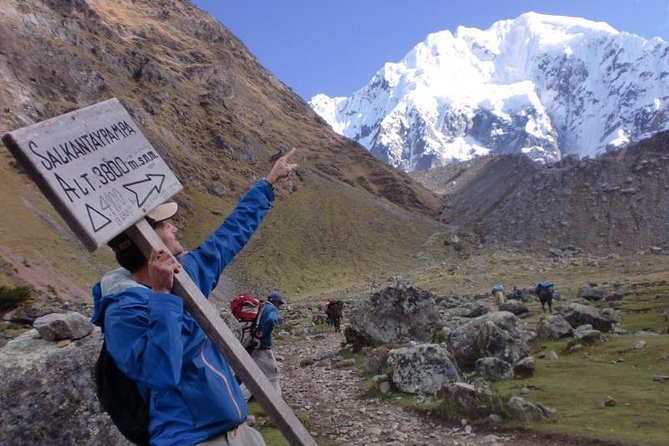
The total distance for the day is about 14 kilometers, with around six hours of walking. You then return to the camp at Soraypampa, located at 3,920 meters. This is the highest and coldest campsite of the trip, so warm layers, gloves, and a good sleeping bag are important.
Camping here is part of the appeal, but it is also where the trip gets real. You are sleeping high in the Andes after an early start and a full hiking day. Dinner is included, and the sensible plan is to eat, organize your gear, and sleep early.
Breakfast is not included on day one. You should have something ready or buy snacks during the morning stop.
Day two: Salkantay Pass at 4,650 meters
Day two is the hardest and most important hiking day. Breakfast is scheduled for around 6:00 am, followed by roughly four hours of climbing to the Salkantay Pass.
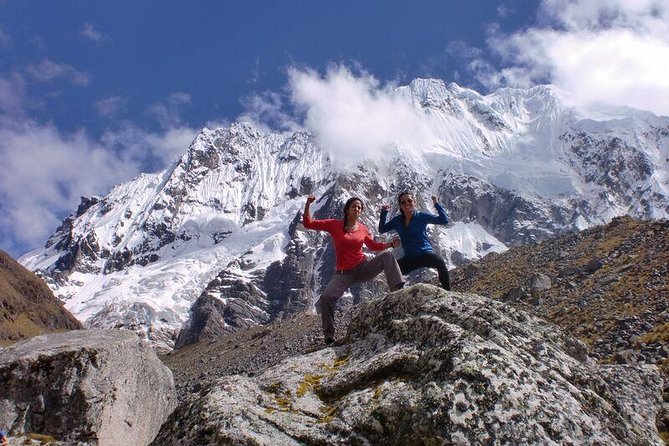
At 4,650 meters, the pass sits between Salkantay Mountain and Humantay Mountain. You may see snow, and the views reach across a stark, high section of the Andes. This is the point where altitude, rather than trail distance, becomes the main challenge.
A horse can be rented for the ascent for about 100 to 120 soles. That option may be useful if you are struggling with the altitude or want to save strength for the rest of the day. It is wise to treat the horse as a practical backup, not as a failure. The route is demanding enough without trying to prove something to the mountain.
From the pass, you descend for about two hours to Huayracpampa, where lunch is served. The downhill section is easier on your breathing but can be tiring on your knees. Trekking poles would be useful here, though they are not listed among the included equipment.
After lunch, you continue for about three more hours toward Challhuay or Colcapampa, near the start of the high-jungle zone at roughly 2,900 meters. The day covers about 22 kilometers and may take around nine to ten hours.
This is a long day, so listen to your guide and accept a steady pace. Guides such as Junior, Percy, Cesar, Francisco, and Chino have been praised for adjusting speed, encouraging people on steep climbs, and explaining the geography and culture along the way. Your exact guide depends on the departure, but the setup favors personal attention because the average group is small.
Day three: From the high jungle to Aguas Calientes
The scenery changes sharply on day three. After breakfast at about 6:30 am, you walk through the upper jungle, cross the Santa Teresa River, and pass smaller streams, waterfalls, tropical plants, and fruit-growing areas.
This section gives the trek a useful rhythm. The first two days focus on cold, high mountain terrain. Now the air becomes warmer as you descend toward Santa Teresa at 1,700 meters. You also see more plant life and water along the route.
Lunch is served at La Playa, around 2,200 meters. Afterward, a car takes you to Santa Teresa, then another vehicle continues to Hydroelectric Station. The combined car transfers take about 40 minutes from Santa Teresa to the station.
From Hydroelectric Station, you walk for about three hours to Aguas Calientes. The full day covers approximately 24 kilometers and takes around nine hours, including transport. You can pay an additional $30 for the train from Hydroelectric Station to Aguas Calientes if you do not want to walk this final section.
The walking route into Aguas Calientes is a good fit for people who want to complete the trek on foot. The optional train makes sense if your legs are worn out or if you want to reach town with more energy for the next morning.
Aguas Calientes is a sharp change from the campsites. You get a night in a three-star hotel, plus access to cafes, shops, internet cafes, and places with board games and cards. Dinner is included, but lunch and dinner on day four are not, so keep some money for food in town.
Longer treks from Cusco:
- 4-Day Salkantay Trek with Sky Camp Stay
★ 5.0 · 3,346 reviews - Salkantay Trek 5D/4N with Glass Cabins, Domes and Hobbit House
★ 5.0 · 2,488 reviews - 5-Day Premium Salkantay Trek
★ 5.0 · 788 reviews - Lares Valley Trek with Hot Spring 4-Day, 3-Night
★ 5.0 · 656 reviews
Day four: Machu Picchu before the crowds build
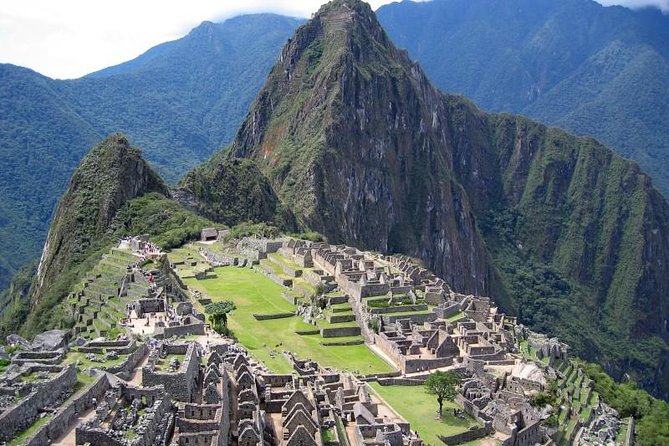
The final morning begins early. The first buses to Machu Picchu leave around 5:30 am, and taking one of them gives you the best chance of seeing the citadel in soft morning light, with mist lifting from the surrounding mountains.
Your guide provides a walking tour of about two hours. This is more valuable than simply entering and wandering around, since the guide can explain the site’s construction, Inca culture, and surrounding geography. One guide, Percy, was especially praised for giving detailed answers about both the trail and Machu Picchu itself.
After the guided portion, you can explore on your own. Huayna Picchu and Machu Picchu Mountain are optional add-ons, and both require advance booking. The listed fee for either hike is PEN 200 per person. Huayna Picchu allows 400 people per day, so you need to request that ticket ahead of time.
You return to Aguas Calientes by bus, with departures about every 15 minutes from the entrance, or walk down to town in about an hour. The return train goes to Ollantaytambo, followed by a bus to Cusco. Drop-off is late in the day at Plaza San Francisco, and you arrange your own transport from there to your accommodation.
This makes day four longer than it first appears. Machu Picchu is the main event, but the train and bus connection afterward still takes time. Do not schedule an important evening flight from Cusco.
Food, camping, and the support team
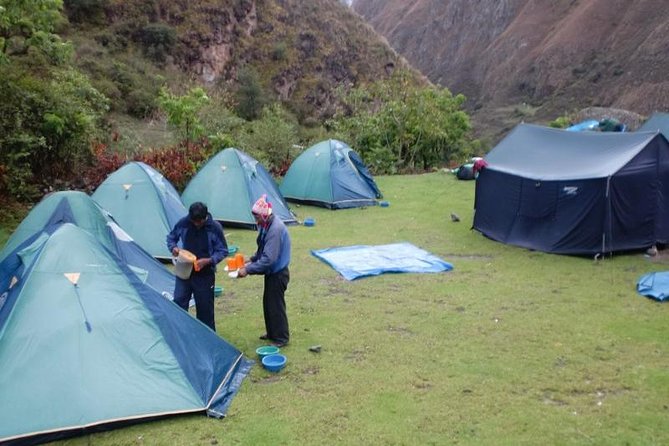
Three breakfasts, three lunches, three dinners, and two snacks are included. The meals use typical menus, and the cooking team has received especially strong praise. Peruvian dishes are a welcome part of the experience, and vegetarian meals are available if you request them when booking.
You sleep in tents for two people, with a basic sleeping pad and foam mat included. Couples get their own tent, while solo participants share a tent or hotel room with another person. A sleeping bag is not included, but rental is listed at $15.
Mules and horse handlers carry cooking and camping equipment, plus up to 7 kilos for each trekker. That allowance includes 3 kilos for your sleeping bag and mattress and 4 kilos of personal items. Pack carefully. The allowance is helpful, but it does not mean you can bring a large suitcase.
The team also carries a first aid kit and emergency oxygen bottle. Those items are reassuring at high altitude, but they do not replace physical preparation or sensible acclimatization.
How difficult is this Salkantay Trek?
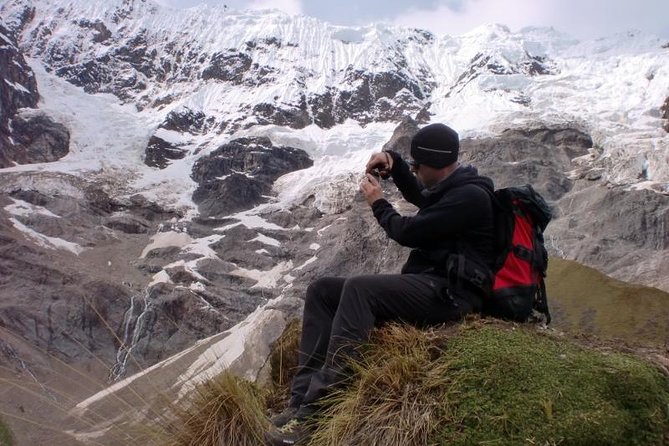
You should have a strong level of physical fitness. The itinerary includes steep climbs, long descents, high altitude, and major temperature changes between roughly 4,000 and 2,000 meters.
Day two is the key test. The 4,650-meter pass can be affected by cold, thin air, and possible snow. Day three is also long because the route combines hiking with transfers before the three-hour walk to Aguas Calientes.
The age minimum is seven, but the more useful question is fitness and altitude tolerance. A child may meet the age rule but still find the route too difficult. Families should make that call carefully.
Physical preparation helps. Walking regularly, adding hills or stairs, and carrying a light daypack can make the long days less of a shock. You should also allow time in Cusco to adjust to altitude before starting, although the tour information does not specify a required acclimatization period.
What makes the guiding valuable
The guide is one of the strongest reasons to choose this trip. The tour includes a bilingual professional guide for both the trek and Machu Picchu, and the small group allows the pace to be adjusted.
The best guiding here appears to combine practical help with cultural context. Guides named in the feedback, including Junior, Ruth, Percy, Cesar, Francisco, and Chino, were praised for kindness, humor, clear English, encouragement, and explanations of local plants, geography, Inca culture, and history.
That matters on a route with long quiet stretches. You are not just walking from one camp to another. A good guide helps you understand why the terrain changes, how the mountains relate to the route, and what you are seeing at Machu Picchu.
Tips are optional, but customary in Latin America. Suggested amounts are 40 to 60 soles per trekker for the guide, 30 to 40 soles for an assistant guide, 60 to 80 soles for each horseman from the group, and 150 to 200 soles for the cook from the whole group. Use those figures as guidance, not a rule.
Who should book this trip?
I would choose this trek if you want a scenic alternative to the classic Inca Trail and enjoy a mix of mountain hiking, camping, local food, and organized transport. It suits people who want Machu Picchu as the finale rather than the only focus.
It is also a good match if you value a small group. With an average of four and a maximum of 16, you have a better chance of asking questions and receiving a pace that fits the group.
I would hesitate if you dislike early starts, cold camping, long hiking days, or basic facilities. You should also think twice if you want a relaxed Machu Picchu visit. The trek reaches the site after several demanding days, and the return to Cusco is still long.
The experience has a 4.7 rating from 36 reviews, with 94 percent recommending it. The most praised elements are consistent: guides who are kind and encouraging, local food, strong scenery, and a well-run support team. Those are exactly the areas that can make or break a multi-day hike.
The cancellation policy is strict. The experience is non-refundable and cannot be changed after booking, so check your dates, passport details, fitness, and required documents carefully before paying. You must provide your full passport name, birth date, nationality, passport number, and passport expiration date.
Should you book the 4-Day Salkantay Trek?
Book it if you want a serious but supported mountain route with spectacular scenery, a small group, local guides, and a comfortable hotel night before Machu Picchu.
Do not book it simply because four days sounds short. The route packs high altitude, long walking days, cold camping, road transfers, and an early Machu Picchu morning into that schedule.
For a fit person who wants scenery, Peruvian food, cultural context, and a clear route to Machu Picchu, the value is strong. Bring warm clothing, leave room in your budget for fees and tips, and prepare your legs before you arrive.
FAQ
How long is the Salkantay Trek to Machu Picchu?
The experience lasts approximately four days. Hiking distances are listed as about 14 kilometers on day one, 22 kilometers on day two, and 24 kilometers on day three.
What time does the tour start?
Pickup begins at approximately 5:30 am on day one. The first buses to Machu Picchu also leave Aguas Calientes at about 5:30 am on day four.
What is the highest point of the trek?
The highest point is Salkantay Pass at 4,650 meters. It lies between Salkantay Mountain and Humantay Mountain.
How high is the first campsite?
The first campsite at Soraypampa is located at about 3,920 meters. It is the highest and coldest campsite on the route.
Is camping included?
Yes. Two nights of camping are included, with a tent for two people, a basic sleeping pad, and a foam sleeping mat.
Is a sleeping bag included?
No. A sleeping bag can be rented for the listed price of $15 per person.
How much luggage can the mules carry for each person?
The mule support includes up to 7 kilos per trekker. This includes 3 kilos for a sleeping bag and mattress and 4 kilos for personal items.
Is there a vegetarian meal option?
Yes. Vegetarian meals are available, but you must request this option when booking.
Is the train from Hydroelectric Station to Aguas Calientes included?
No. The standard plan includes a three-hour walk from Hydroelectric Station to Aguas Calientes. An optional train transfer is listed at $30 per person.
Are Huayna Picchu and Machu Picchu Mountain included?
No. Both hikes require advance booking and cost an additional PEN 200 per person. Huayna Picchu has a limit of 400 people per day.
What transport is included after Machu Picchu?
The package includes the bus from Aguas Calientes to Machu Picchu and back, the tourist train from Aguas Calientes to Ollantaytambo, and a bus from Ollantaytambo to Cusco.
What is not included in the price?
Day one breakfast, day four lunch and dinner, bottled water, Cusco accommodation, tips, optional services, trail and site fees, and optional mountain hikes are not included.
More Hiking Days from Cusco
- Rainbow Mountain Full Day Trek
★ 5.0 · 1,469 reviews - Rainbow Mountain Day Trip from Cusco: Vinicunca Hiking Tour
★ 4.5 · 737 reviews - Inca Trail 4-Day 3-Night Trek to Machu Picchu with Expert Guides
★ 5.0 · 733 reviews - Humantay Lake Full Day Trek from Cusco with Lunch
★ 5.0 · 726 reviews
Other Ways to Reach Machu Picchu
- Short Inca Trail to Machu Picchu 2D/1N
★ 5.0 · 3,007 reviews - 2-Day Inca Trail to Machu Picchu with Panoramic Train
★ 5.0 · 1,876 reviews - From Cusco: Full-Day Group Tour of Machu Picchu
★ 4.7 · 1,767 reviews - Machu Picchu Day Trip from Cusco
★ 4.5 · 1,644 reviews
Added recently around Cusco
- Guided tour of the mountain of colors in Cusco★ 5.0 · 11 reviews
- 2-Day Private Short Inca Trail to Machu Picchu★ 5.0 · 15 reviews
- San Pedro Market Tour with Peruvian Cooking Class★ 5.0 · 31 reviews
- City Tour Cusco – Group★ 5.0 · 4 reviews
- Tour Sacred Valley with Maras and Moray★ 5.0 · 15 reviews
- Walking Culinary Experience★ 5.0 · 41 reviews
- City Tour in Cusco★ 4.5 · 10 reviews
- One Day Tour to Humantay Lagoon★ 5.0 · 8 reviews
Machu Picchu Tours, compared.
Classic Inca Trail Trek 4D/3N to Machu Picchu (Group Service)
Read our review →
Machu Picchu: 4-Day Inca Trail Trek with Panoramic Train Ride
Read our review →
2-Day Inca Trail to Machu Picchu with Panoramic Train
Read our review →
2-Day Tour: Sacred Valley and Machu Picchu by Train
Read our review →
Machu Picchu: Full-Day Tour from Cusco with Optional Lunch
Read our review →Browse the lists this tour appears in