
Reviewed · MACHU PICCHU TOURS
5-Day All-Inclusive Salkantay Trek To Machu Picchu
The Andes change by the hour. This five-day Salkantay trek takes you from Cusco’s high-altitude streets to glacial Humantay Lake, across the 4,600-meter Salkantay Pass, and down through coffee country to Machu Picchu. I like the small groups, capped at eight people, and the way the price covers guides, meals, camping gear, mules, entrance fees, transport, and a hotel in Aguas Calientes.
I also like the strong personal touch reported by past hikers, especially from guides such as Edwin and Julio Cesar. They adjusted walking pace and even changed plans when conditions called for it. The main caution is altitude and effort: Day 2 reaches 15,090 feet, and one hiker became ill despite spending several days in Cusco first.
In This Review
- Quick takeaways
- What the $699 price really covers
- Day 1: From Challacancha to Humantay Lake
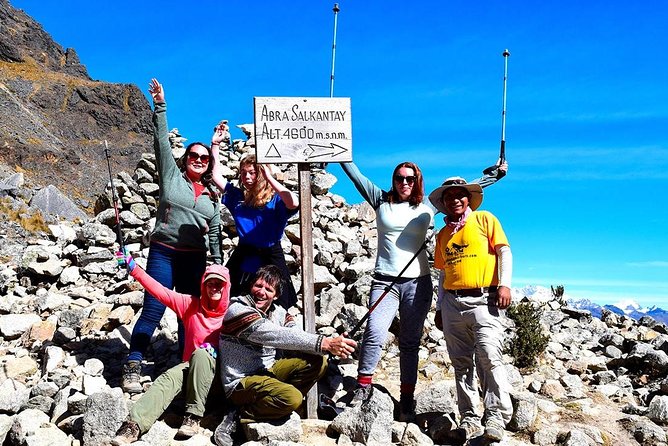
- Day 2: Crossing the 4,600-meter Salkantay Pass
- Day 3: Waterfalls, farms, and coffee country
- Day 4: Llactapata and the railway walk
- Day 5: Machu Picchu without rushing the history
- Guides, food, and the small-group advantage
- Fitness, packing, and altitude advice
- Who should book this Salkantay route?
- Should you book it?
- FAQ
- How long is the Salkantay trek to Machu Picchu?
- What time does the tour start?
- How large is the group?
- What is the highest point of the trek?
- Is Humantay Lake included?
- Are meals included?
- Is a sleeping bag provided?
- Is Huayna Picchu included?
- What documents should I bring?
Quick takeaways
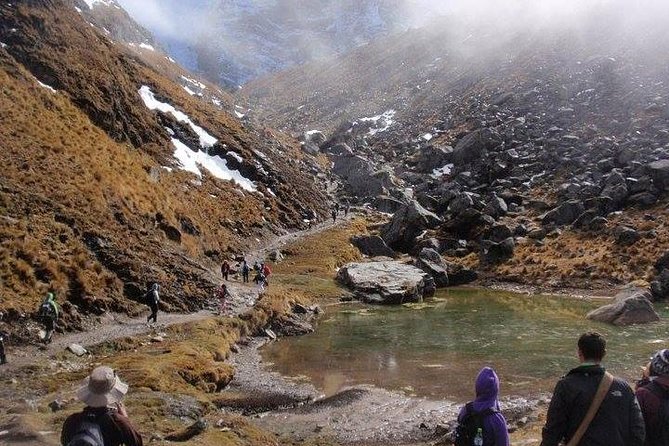
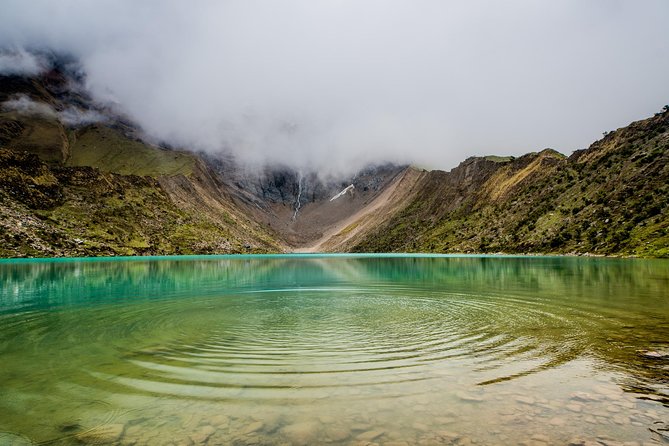
- Humantay Lake arrives on Day 1: You reach the turquoise lake at 4,200 meters after beginning from Challacancha.
- The Salkantay Pass is the high point: Day 2 brings a demanding climb to 4,600 meters, followed by a long descent.
- The scenery keeps changing: Snowy peaks give way to cloud forest, waterfalls, farms, coffee plantations, and railway tracks.
- Small groups matter: A maximum of eight people allows the guide to adjust the pace and offer more direct help.
- Meals are a major strength: A dedicated chef prepares four breakfasts, four lunches, and four dinners, with several reports praising the quantity and quality.
- The price covers a lot: At $699 per person, the package includes camps, mules, most meals, Machu Picchu entry, buses, train transport, and the return to Cusco.
What the $699 price really covers
At $699 per person, this is not a bare-bones hike where you carry everything and sort out Machu Picchu at the end. The fee includes an English-speaking guide, an assistant guide for groups of nine or more, a chef, mules for cooking and camping equipment, and transport from your hotel to the trailhead.
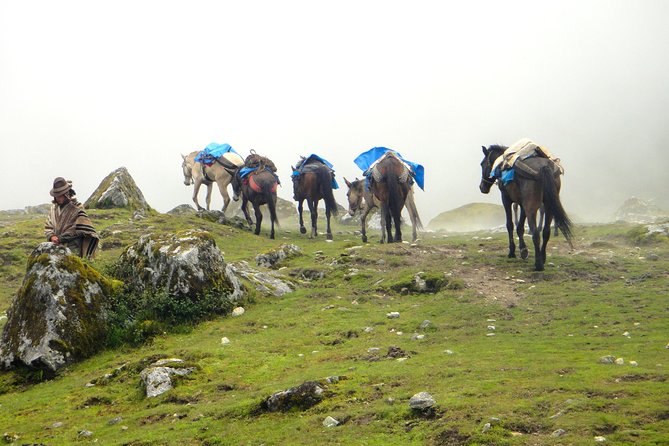
Your mule allowance includes up to 7 kilograms of personal belongings. That is useful, but it is not a license to pack your entire suitcase. You still need a daypack for water, warm layers, rain gear, sunscreen, medication, and anything you need during the day.
Camping equipment is supplied, including a dining tent with tables and chairs, a four-person tent shared by two hikers, and an inflatable Thermarest mattress. A sleeping bag is extra, with local rental listed at $25. You should count that cost when comparing this tour with other Salkantay packages.
The package also includes four breakfasts, four lunches, and four dinners. Day 1 breakfast is not included, and Day 5 lunch and dinner are also your responsibility. Water is supplied after the first four hours of trekking, so bring enough for the early part of Day 1.
The final section is well organized on paper. You receive the Machu Picchu entrance ticket, round-trip bus transport between Aguas Calientes and the citadel, a train to Ollantaytambo, and a private van back to Cusco. Huayna Picchu or Machu Picchu Mountain is not included, so add that cost only if you secure the required extra ticket in advance.
For a five-day trip with transport and food arranged, the price is strong. The value becomes even better if you appreciate not having to hire camping gear, organize porters, book the hotel, or manage the return journey yourself.
More Hiking Tours in Cusco
- Classic Inca Trail Trek 4D/3N to Machu Picchu (Group Service)
★ 5.0 · 8,653 reviews - Machu Picchu: 4-Day Inca Trail Trek with Panoramic Train Ride
★ 5.0 · 4,568 reviews - Salkantay Classic Trek 5 Days from Cusco
★ 5.0 · 4,062 reviews
Day 1: From Challacancha to Humantay Lake
The alarm comes early. Pickup begins around 5:30 a.m., followed by a bus ride from Cusco, at 3,399 meters, to Mollepata, at 2,900 meters. Mollepata is your last practical stop for supplies, restrooms, and a stretch before the trail begins.
The bus continues to Challacancha at 3,600 meters. Here you meet the support team, and mules take the cooking and camping equipment, along with the personal bags included in your allowance. That arrangement lets you walk with a lighter pack, though you still need to carry your own daily essentials.
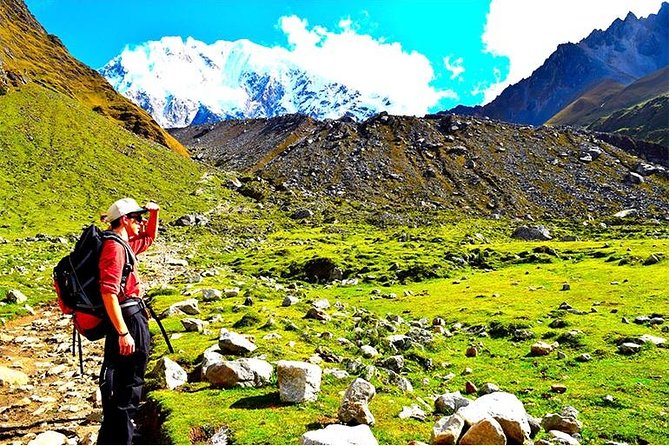
The first walk heads toward Soraypampa. The views open toward Salkantay Mountain and the Apurímac Valley, with the high Andes already doing most of the talking. Lunch is served at Soraypampa, and the promised hearty Peruvian meal is welcome because the afternoon climb is still ahead.
Humantay Lake sits at 4,200 meters. Its blue-green water beneath the surrounding peaks is one of the trek’s great visual rewards, but the altitude makes the short approach feel harder than the distance suggests. Take your time. You do not win anything by racing to the lake and arriving breathless.
After enjoying the lake, you return to camp for dinner and a night in a tent. The first day lasts about eight hours, and it combines travel, a substantial hike, and a high-altitude viewpoint. It is a full opening act, not a gentle warm-up.
Day 2: Crossing the 4,600-meter Salkantay Pass
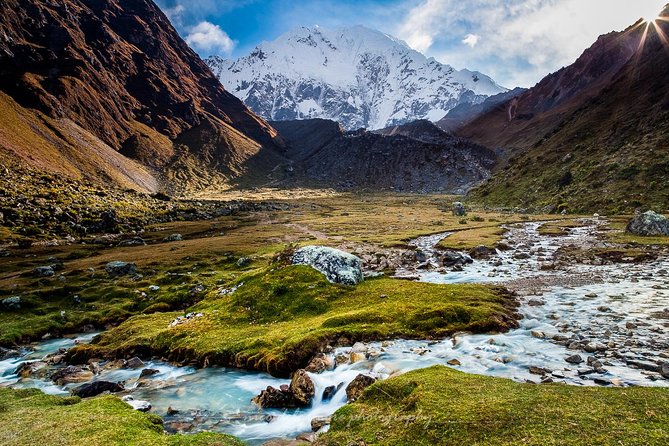
Day 2 is the physical test. You climb toward Salkantay Pampa and the huge face of Salkantay Mountain, which reaches 6,264 meters. The trail tops out at the Salkantay Pass, 4,600 meters above sea level.
This is the moment to judge your pace honestly. The pass is the highest point of the route, and thin air can affect you even if you are fit. The tour requires moderate physical fitness and recommends spending two or three days above 3,000 meters before starting. That advice is not decorative. Use your time in Cusco to acclimatize.
At the pass, you get wide views toward Salkantay Peak and the valleys below. The setting feels severe and open, with rocky ground and snow-covered summits replacing the greener country seen later in the trip.
The route then drops to Huayracmachay for lunch. After eating, you continue downhill for about three hours toward Challway, at 2,920 meters. The descent brings warmer air and more plant life, but it can be tiring in a different way. Knees and feet often notice a long downhill more than a steady climb.
Day 2 lasts about eight hours. It is the day when a guide’s judgment matters most. Past hikers have praised Edwin, JC, and Julio Cesar for adjusting pace, encouraging tired hikers, and changing plans when a lighter option made more sense. That flexibility is worth more than a fast guide who treats the schedule as sacred.
Day 3: Waterfalls, farms, and coffee country
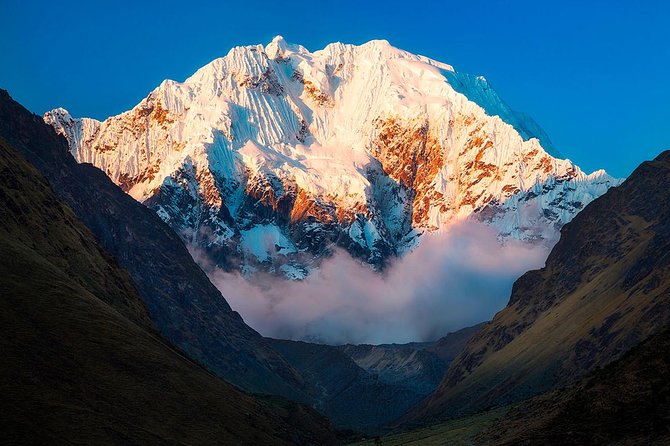
The scenery changes sharply on Day 3. You enter the high jungle, also called the eyebrow of the Amazon, and spend roughly five hours walking among waterfalls, fruit trees, and thick plant growth.
This section gives your legs a break from the stark high mountains, though it is still a serious walking day. The route passes through small Andean farms and coffee plantations, making the trek feel connected to daily life rather than limited to grand viewpoints.
Wildlife sightings are possible, including Peru’s bright red-and-orange Cock of the Rock, butterflies, and other jungle species. Nothing is guaranteed, so bring patience and keep your eyes open. The point is not a staged wildlife encounter, but a chance to notice the changing plants and birds as the altitude drops.
Lunch comes at Playa Sahuayaco. In the afternoon, you continue downstream toward Lucmabamba, at 2,000 meters. Lucmabamba is the final campsite and a gateway to the path leading to Llactapata.
The walking time is listed at about six hours, making this a slightly shorter day than the first two. It is still worth packing insect repellent, sunscreen, hand sanitizer, and a light rain layer. The lower, warmer section requires different clothing from the cold pass above.
The food team is a real advantage here. Several hikers singled out the cooking, with names including Reuben, Nazario, and Ronald attached to praise for generous, multi-course Peruvian meals. That matters after hours on the trail. A warm dinner served at camp is a small luxury that changes the feel of a demanding trek.
Longer treks from Cusco:
- 4-Day Salkantay Trek with Sky Camp Stay
★ 5.0 · 3,346 reviews - Salkantay Trek 5D/4N with Glass Cabins, Domes and Hobbit House
★ 5.0 · 2,488 reviews - 5-Day Premium Salkantay Trek
★ 5.0 · 788 reviews - Lares Valley Trek with Hot Spring 4-Day, 3-Night
★ 5.0 · 656 reviews
Day 4: Llactapata and the railway walk
Day 4 begins with a gradual two-hour climb from Lucmabamba to Llactapata, an Inca complex at 2,840 meters. Its ridge position provides views toward Machu Picchu and Sayacmarca through the cloud forest.
This is an important stop because it gives you an early look at Machu Picchu before the main visit. The site also adds historical context to the walk. You are not simply moving from camp to camp, you are following a route through an area shaped by Inca engineering and settlement.
From Llactapata, the trail descends for about 90 minutes to the Hydroelectric Station. Lunch comes there before the final three-hour walk to Aguas Calientes along the railway tracks.
The railway section is much easier than the pass, but it is not a polished sightseeing path. You need to pay attention and follow the guide’s instructions around the tracks. Its appeal lies in the change of pace: after several days of mountain trails, you walk through the lower valley toward the town where most visitors begin their Machu Picchu visit.
Aguas Calientes brings a proper bed at the WAMAN Hotel, listed as a three-star property. You have time to rest and explore town before meeting the group for dinner. This night is useful for more than comfort. It gives you a chance to shower, charge devices, organize your daypack, and sleep before the early start at Machu Picchu.
Day 5: Machu Picchu without rushing the history
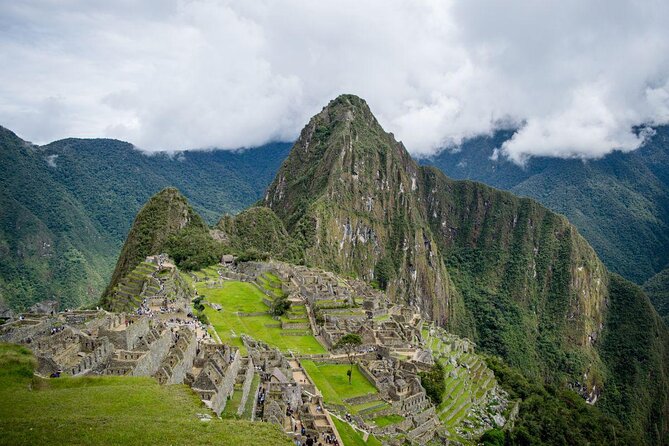
After breakfast, you take a morning bus up to Machu Picchu. Inside the Historic Sanctuary, your guide leads a detailed visit through the temples, ceremonial spaces, terraces, and storage structures.
The guided portion is important. Machu Picchu can look like a beautiful pile of stone if you do not understand how its spaces worked. A good guide helps you see the difference between religious areas, agricultural terraces, and practical structures, while placing the citadel within the wider Inca world.
Huayna Picchu and Machu Picchu Mountain require separate tickets. If you have secured one, you can add the climb for a higher view. This is an optional extra, not something to assume will be available at the last minute.
After the main visit, the group returns to Aguas Calientes for a short rest and lunch at your own expense. In the afternoon, the train heads to Ollantaytambo, where a private van takes you back to Cusco.
That return arrangement is one of the package’s strongest practical features. After five days of walking, you do not have to negotiate separate train tickets, buses, and a taxi or collectivo connection back to the city.
Guides, food, and the small-group advantage
The group limit is eight people, with a minimum of three required for a booking. That is small enough for direct conversation and sensible pace changes. It also makes it easier to ask questions about plants, local traditions, Peruvian history, or the route without losing the guide in a crowd.
Edwin receives repeated praise for being attentive, encouraging, and flexible. Julio Cesar is described as careful and personable, with a talent for explaining local plants, fruit, culture, and language. Elio Mach is praised for offering suggestions and adjusting the pace. Other guides named in the feedback include JC and Paul.
Guides are not interchangeable, of course, and your assigned person may be different. Still, the pattern is clear: the company’s strength is personal service rather than a large, impersonal operation.
The chef and support crew also matter. Meals are described as abundant and creative, with one family receiving five-course hot meals and another praising the cooking from Ronald. Pepe is praised for making sure belongings arrived safely and tents were ready. Those behind-the-scenes jobs are easy to overlook until you are tired, hungry, and standing in camp waiting for your bed.
One caution deserves equal space. A hiker became sick from altitude on the first night and found that the guides did not have medication or a ready accommodation plan unless extra money was paid for a horse. Bring your own prescribed or approved medication, and ask your doctor what is suitable for you. The tour provides oxygen and a first aid kit, but that is not the same as a full medical service.
Fitness, packing, and altitude advice
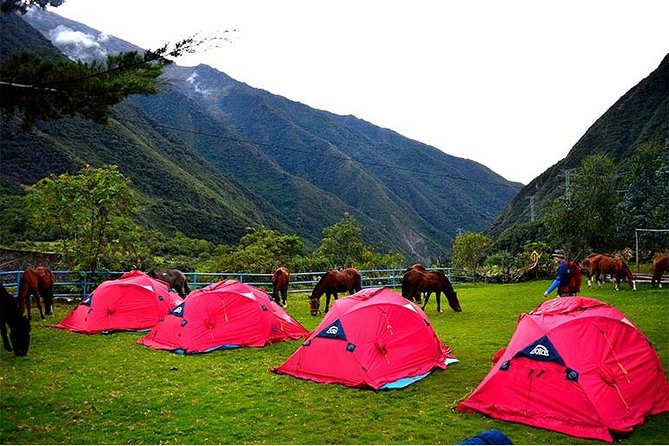
You need moderate physical fitness for this trip. The stated walking times range from six to eight hours, with steep climbs, long descents, high altitude, and changing weather.
Pack for several climates:
- Walking boots with good support
- Waterproof jacket or rain poncho
- Warm jacket, hat, and gloves
- Comfortable trousers and T-shirts
- Sunscreen rated factor 35 or higher
- Insect repellent and toiletries
- Hand sanitizer and personal medication
- Torch with spare batteries
- Original passport and ISIC card if you need a student discount
Your passport is required on the day of travel. Contact the address on your booking voucher with special requirements and flight information.
Spend two or three days above 3,000 meters before the trek if possible. Cusco is a natural place to do this, but acclimatization is not a guarantee against altitude sickness. Drink water, walk slowly, tell your guide when you feel unwell, and do not treat a serious symptom as a character test.
The minimum age is five, but that does not mean every five-year-old is ready for an eight-hour mountain day. Families should consider the child’s stamina, comfort with tents, and response to altitude. The tour is particularly attractive for active families with older children, thanks to the small group and included meals.
Who should book this Salkantay route?
I would choose this trek if you want a full Andean route rather than a quick train visit to Machu Picchu. You get the high pass, a glacial lake, cloud forest, farms, coffee country, an Inca site, and the famous citadel in one trip.
It suits you if you value an organized package and want the difficult pieces handled for you. You still hike hard, but mules carry much of the shared equipment, a chef handles meals, and the company arranges the hotel, buses, train, and return van.
It is less suitable if you dislike camping, struggle with altitude, have back problems, heart disease, or another serious medical condition. It is also a poor match if you want a slow schedule with short walking days. The route is active from the first morning.
The tour carries a 4.9 rating from 102 reviews and is recommended by 99 percent of its customers. That is a strong record, especially given the route’s physical demands. The most praised elements are the guides, food, scenery, small groups, and careful organization.
Should you book it?
Book this Salkantay trek if you want excellent value in a small group and are prepared for real mountain walking. The $699 price covers enough major costs to make planning simple, while the changing scenery gives you much more than a direct route to Machu Picchu.
Before paying, confirm availability, arrange travel insurance, budget $25 for a sleeping bag rental if needed, and decide if you want Huayna Picchu or Machu Picchu Mountain. Most importantly, arrive acclimatized and ready to speak up if altitude affects you.
The cancellation terms are strict: the experience is non-refundable and cannot be changed after booking. Make your dates, passport details, fitness level, and extra-ticket plans certain before committing.
FAQ
How long is the Salkantay trek to Machu Picchu?
The experience lasts approximately five days, beginning in Cusco and ending with transport back from Ollantaytambo to Cusco on Day 5.
What time does the tour start?
Pickup begins at approximately 5:30 a.m.
How large is the group?
The maximum group size is eight people. A minimum of three people per booking is required.
What is the highest point of the trek?
The Salkantay Pass is the highest point, at 4,600 meters, or about 15,090 feet.
Is Humantay Lake included?
Yes. The route visits Humantay Lake on Day 1, and the admission ticket is included.
Are meals included?
Four breakfasts, four lunches, and four dinners are included. Breakfast on Day 1 and lunch and dinner on Day 5 are not included.
Is a sleeping bag provided?
No. A sleeping bag can be rented from the local tour operator for $25.
Is Huayna Picchu included?
No. Huayna Picchu requires an additional ticket purchased in advance. Machu Picchu Mountain also requires an extra ticket.
What documents should I bring?
Bring your current original passport. If you are a student seeking the discount, also bring your ISIC card.
More Hiking Days from Cusco
- Rainbow Mountain Full Day Trek
★ 5.0 · 1,469 reviews - Rainbow Mountain Day Trip from Cusco: Vinicunca Hiking Tour
★ 4.5 · 737 reviews - Inca Trail 4-Day 3-Night Trek to Machu Picchu with Expert Guides
★ 5.0 · 733 reviews - Humantay Lake Full Day Trek from Cusco with Lunch
★ 5.0 · 726 reviews
Other Ways to Reach Machu Picchu
- Short Inca Trail to Machu Picchu 2D/1N
★ 5.0 · 3,007 reviews - 2-Day Inca Trail to Machu Picchu with Panoramic Train
★ 5.0 · 1,876 reviews - From Cusco: Full-Day Group Tour of Machu Picchu
★ 4.7 · 1,767 reviews - Machu Picchu Day Trip from Cusco
★ 4.5 · 1,644 reviews
Added recently around Cusco
- Guided tour of the mountain of colors in Cusco★ 5.0 · 11 reviews
- 2-Day Private Short Inca Trail to Machu Picchu★ 5.0 · 15 reviews
- City Tour Cusco – Group★ 5.0 · 4 reviews
- Tour Sacred Valley with Maras and Moray★ 5.0 · 15 reviews
- San Pedro Market Tour with Peruvian Cooking Class★ 5.0 · 31 reviews
- Walking Culinary Experience★ 5.0 · 41 reviews
- City Tour in Cusco★ 4.5 · 10 reviews
- One Day Tour to Humantay Lagoon★ 5.0 · 8 reviews
Machu Picchu Tours, compared.
Classic Inca Trail Trek 4D/3N to Machu Picchu (Group Service)
Read our review →
Machu Picchu: 4-Day Inca Trail Trek with Panoramic Train Ride
Read our review →
2-Day Inca Trail to Machu Picchu with Panoramic Train
Read our review →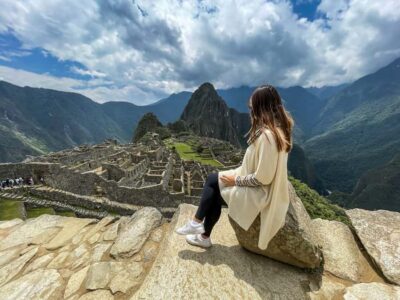
2-Day Tour: Sacred Valley and Machu Picchu by Train
Read our review →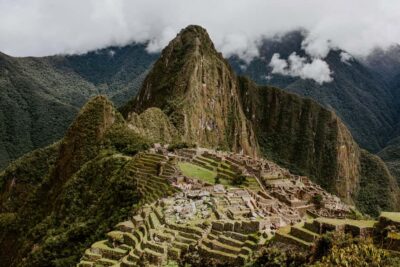
Machu Picchu: Full-Day Tour from Cusco with Optional Lunch
Read our review →Browse the lists this tour appears in