
Reviewed · MACHU PICCHU TOURS
5-Day Salkantay Trek to Machupicchu Sky Lodge Dome
Five days, four very different worlds. This Salkantay Trek to Machu Picchu combines high mountain passes, glacial lakes, jungle paths, a coffee plantation, geodesic domes, and the famous Inca citadel. I like the small group size of up to 10 people and the unusually comfortable camps, especially the domes with private bathrooms and hot showers. I also like that meals, a cook, mules, transport, the Machu Picchu ticket, and the return train are included in the $700 price. The main concern is communication: one couple discovered only at the pre-trek briefing that their Machu Picchu tickets had not yet been sorted out.
This is not a gentle walk with a scenic finish. You reach 4,650 meters on the second day, then descend through warmer country toward Aguas Calientes. You need a reasonable level of fitness, time to adjust to Cusco’s altitude, and patience for an early start each morning.
The reward is variety. The route changes from cold mountain air to forest, farmland, coffee country, and the Urubamba Valley. Guides such as Roberto and Abel have earned especially warm praise, while cooks Mario and Exaltación helped make the long days more manageable with good meals and steady care.
In This Review
- Six things to know before choosing the trek
- Why this Salkantay route is different
- Day one: Cusco to Soraypampa and Humantay Lagoon
- Day two: The Salkantay Pass at 4,650 meters
- Day three: From high country to coffee plantation
- Day four: Llactapata, Santa Teresa, and the railway walk
- Day five: Machu Picchu at sunrise
- The Machu Picchu ticket issue deserves attention
- What the $700 package covers
- Who should book this trek?
- Should you book the Salkantay Trek to Machu Picchu?
- FAQ
- How long is the Salkantay Trek to Machu Picchu?
- What is the highest point of the trek?
- Are Machu Picchu tickets included?
- Where do you sleep during the trek?
- Is food included?
- How much luggage can the mules carry?
- Can you climb Huayna Picchu or Machu Picchu Mountain?
Six things to know before choosing the trek
- The highest point is 4,650 meters: The Salkantay Pass is the hardest physical section and can bring cold, wind, or even snow.
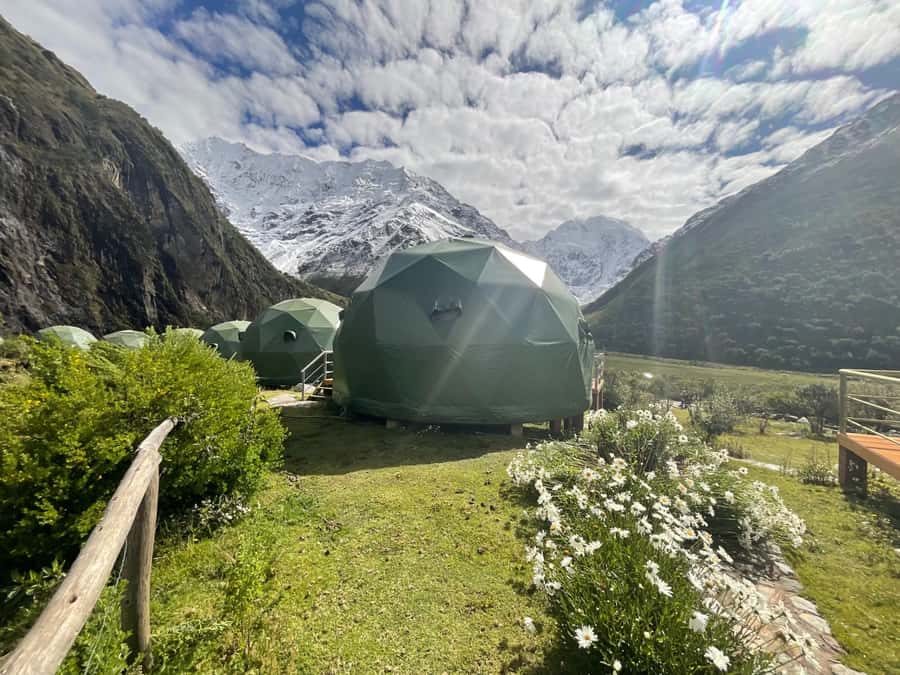
- The first night is in a private-bathroom dome: The setup is comfortable, but the first night can be very cold, so bring proper warm clothing.
- Day three includes coffee work: At the plantation, you harvest, roast, and grind coffee instead of simply walking past the crops.
- Your luggage arrangement changes on day four: Mules carry up to 7 kilos per person through the early portion, but you carry your own bags from day four unless you pay about 20 soles to send luggage ahead.
- Machu Picchu tickets need confirmation: Ask for the ticket, entry time, bus, and train details in writing before the trek begins.
- The $700 price covers a lot: Transport, four nights of accommodation, meals, a cook, guide, entrance ticket, bus, and train are included, but sleeping bags and trekking poles are extra.
Why this Salkantay route is different
The classic Salkantay appeal is the shift from high Andes to tropical forest. You do not spend five days looking at the same type of scenery. One morning can begin beside snow-capped peaks, while the next takes you through coffee fields and banana plantations.
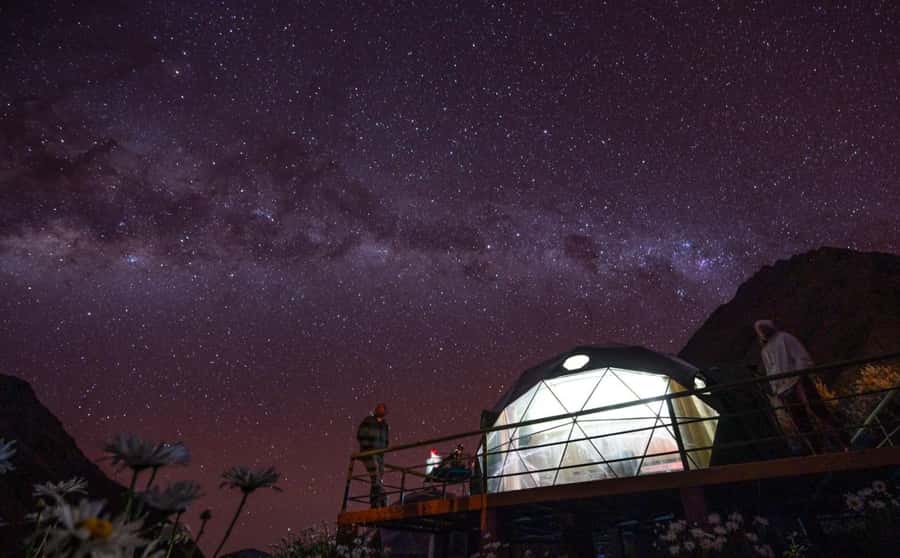
I also like the way the overnight stops break up the effort. You sleep in domes at Soraypampa, Chaullay, and a coffee plantation near La Playa, then spend the final night in a hotel in Aguas Calientes. This is far more comfortable than a basic tent-based trek, though the domes should not be mistaken for heated rooms.
The trip costs $700 per person. That is a substantial amount, but the package includes many expenses that can add up on their own: private transport from Cusco to the trailhead, a bilingual guide, a cook, food, mules, camping equipment, dome accommodation, a hotel, Machu Picchu entry, the bus up to the citadel, the train to Ollantaytambo, and the ride back to Cusco.
The value is strongest if you want a supported trek and do not want to arrange each piece separately. It is less attractive if you already have camping equipment, prefer independent hiking, or want to avoid a fixed group schedule.
More Hiking Tours in Cusco
- Classic Inca Trail Trek 4D/3N to Machu Picchu (Group Service)
★ 5.0 · 8,653 reviews - Machu Picchu: 4-Day Inca Trail Trek with Panoramic Train Ride
★ 5.0 · 4,568 reviews - Salkantay Classic Trek 5 Days from Cusco
★ 5.0 · 4,062 reviews
Day one: Cusco to Soraypampa and Humantay Lagoon
Your pickup is scheduled for around 4:30 to 5:00 in the morning from a hotel inside Cusco’s historic center. That early departure matters. You travel by van for about two hours to Mollepata, where breakfast is provided, then continue for about 40 minutes to Challacancha.
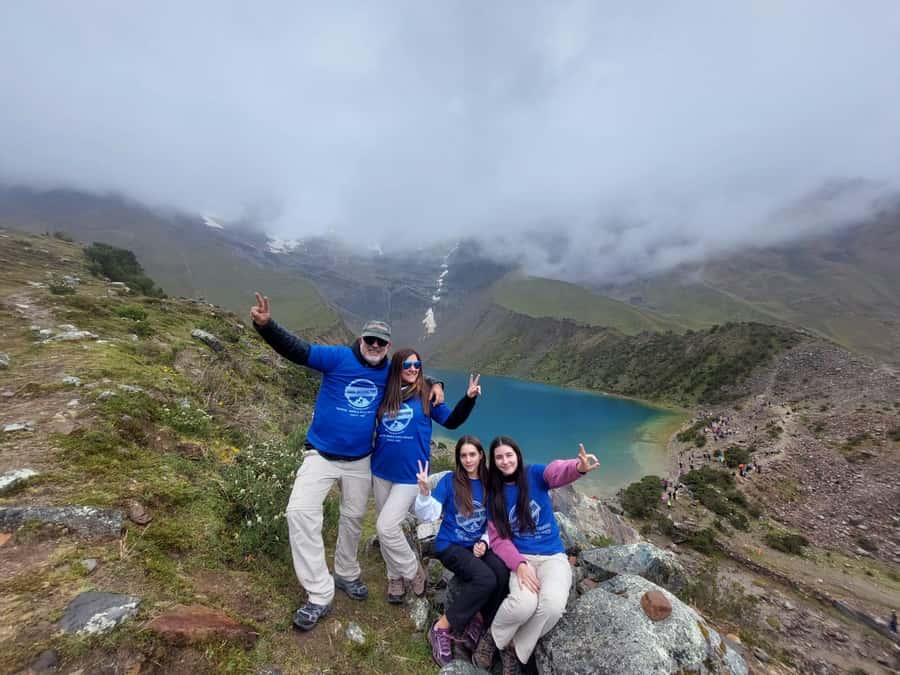
The walking begins at Challacancha. The major goal is Humantay Lagoon, one of the most striking stops on the route. The lake sits beneath high mountain peaks, and the setting gives you an immediate sense of the altitude and scale of the Andes.
The first day is short on the calendar but not necessarily easy on the body. You are starting early, gaining altitude, and walking after a long transfer from Cusco. If you have just arrived in Peru, this is not the right moment to test your fitness. The operator recommends arriving in Cusco at least two days before the trek so you can adjust.
After the lagoon, you continue to Soraypampa and spend the night in a geodesic dome. Each dome has a private bathroom and hot shower, a welcome luxury in a remote camp. The catch is temperature. One night in the domes was described as very cold, and that is especially important for night one at high elevation.
Bring thermal layers, a warm hat, and clothing you can wear to bed. A sleeping bag is not included, so you must bring or rent one separately.
The first day also includes an Andean ceremony offering to Mother Earth. It gives the route a cultural note beyond the physical challenge, though the exact length and format of the ceremony may vary.
Day two: The Salkantay Pass at 4,650 meters
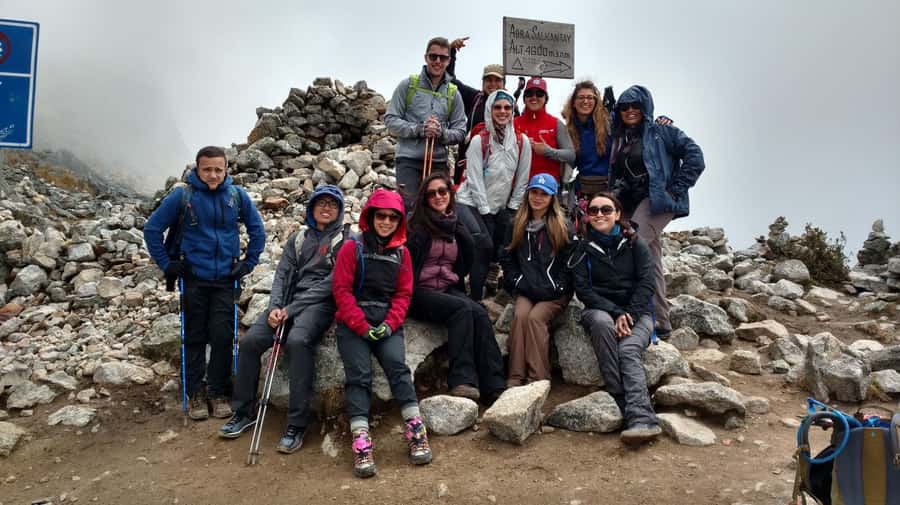
Breakfast is around 5:30 a.m., followed by the trek toward the highest point of the journey. The Salkantay Pass reaches 4,650 meters, or about 15,200 feet, between the Salkantay and Tucarhuay mountains.
This is the day to take seriously. The air is thin, the morning can be cold, and the ascent is the trek’s main physical test. You might see snow near the pass, and the views of the two snow-capped mountains are the payoff for the effort.
Your guide sets the walking pace, but you still need to monitor yourself. Altitude sickness can affect fit people, and no itinerary can guarantee how your body will react. That is why the extra days in Cusco matter. Walk steadily, drink water, and tell your guide early if you feel unwell.
After the pass, the route continues toward Chaullay. The change in temperature and scenery begins as you lose elevation. You spend the night in another dome with a private bathroom and hot shower.
This is also the point where good guiding matters most. Roberto received strong praise for his care and practical help, and Abel was described as professional. A small group of no more than 10 people gives the guide a better chance to notice when someone needs a slower pace or a short rest.
Day three: From high country to coffee plantation
Breakfast is scheduled for 6:30 a.m. The route now enters the high jungle, following the Lluskamayo River and crossing various streams on the way to La Playa.
The walking time is about four hours, but the character of the day matters more than the number. You have left the coldest mountain section and are moving through warmer country with crops and forest. After the stark heights of day two, this change feels dramatic.
The overnight stop is a coffee plantation, where you sleep in geodesic domes. This is the most distinctive accommodation on the route because the plantation is part of the activity, not just a place to put your bag down.
You learn how coffee is handled by taking part in harvesting, roasting, and grinding. That small hands-on session gives you a better connection to the crops around you. It also helps explain why this route feels like several trips joined together.
Meals are prepared by the trek cook, and the food is one of the strongest parts of the package. Mario and Exaltación were singled out for their cooking, while the included snacks help during the long walking days. Vegetarian and vegan meals are available at no extra charge if requested ahead of time.
Longer treks from Cusco:
- 4-Day Salkantay Trek with Sky Camp Stay
★ 5.0 · 3,346 reviews - Salkantay Trek 5D/4N with Glass Cabins, Domes and Hobbit House
★ 5.0 · 2,488 reviews - 5-Day Premium Salkantay Trek
★ 5.0 · 788 reviews - Lares Valley Trek with Hot Spring 4-Day, 3-Night
★ 5.0 · 656 reviews
Day four: Llactapata, Santa Teresa, and the railway walk
Day four begins around 6:30 a.m. and aims for Llactapata. You follow part of an original Inca trail and pass through an area where local residents grow crops and harvest fruit.
The stop offers views into the Urubamba Valley, with Salkantay Mountain behind you and, if conditions cooperate, your first glimpse of Machu Picchu. That first distant view is a well-timed reward because the trek is now nearing its final target.
The itinerary also mentions the chance to harvest various fruits. You may see coca and banana plantations as the route continues toward Hydroelectric. After lunch at Hydroelectric, you walk along the railway tracks for about two and a half hours to Aguas Calientes.
This final stretch is not a mountain trail. It is a long, mostly practical connection into town, and the hard surface and steady rail line can feel less inspiring after the earlier views. Still, it gives you a memorable approach to Machu Picchu, with the river valley and train route guiding you toward the town.
Luggage needs attention here. Mules carry equipment, food, and up to 7 kilos of personal luggage per person through the first three days. From day four, you must carry your own bag unless you pay about 20 soles to send it by car from La Playa to Hydroelectric and then by train to Aguas Calientes.
That small fee may be worth it after four days of walking. Confirm the arrangement with your guide before leaving La Playa, rather than waiting until the bags become a problem.
In Aguas Calientes, you sleep in a hotel instead of a dome. The hotel was described as acceptable rather than special, but the practical point is more important: you get a bed, a shower, and a chance to prepare for Machu Picchu.
You can also visit the town’s hot springs. Entry costs 10 soles, paid separately. After the trek, this is a simple pleasure, though you should not treat it as part of the package price.
Day five: Machu Picchu at sunrise
The final morning begins around 5:00 a.m. You have breakfast, then take the first bus from Aguas Calientes at about 5:30 a.m. The ride to Machu Picchu takes roughly 25 minutes.
An early bus gives you a better chance to see the citadel in morning light and avoids wasting the first part of your entry period on the uphill walk from town. The bus is included, as is the Machu Picchu entrance ticket.
Your guide provides about two hours of touring inside the site. After that, you can explore on your own according to the access rules attached to your ticket.
Huayna Picchu is an optional climb that takes about one hour and 45 minutes to reach the top. Machu Picchu Mountain is another possible add-on. Either requires advance booking and availability, so do not assume you can decide at the gate.
The return train leaves sometime around 2:00 p.m., 4:00 p.m., or 6:20 p.m., depending on availability. You travel for about two hours to Ollantaytambo, where private transport takes you back to Cusco.
That return can make day five long. You need to balance your desire for more time at Machu Picchu with the reality of reaching Cusco later in the day. Confirm the train departure before the trek so you know how much free time you have inside the citadel.
The Machu Picchu ticket issue deserves attention
The biggest practical warning concerns communication, not the trail. The package says Machu Picchu tickets are included, yet one couple reached the pre-trek briefing without clear confirmation that their tickets had been secured.
That uncertainty forced them to seek a solution and shorten their walking plans by one day. Roberto helped them work out what to do and advised them on getting the needed tickets, but this should not be left to the guide at the last minute.
Before you depart, ask for these details:
- Your Machu Picchu entry ticket
- Your entry date and time
- The bus arrangement from Aguas Calientes
- Your train departure time
- Whether an optional mountain permit is included
- The exact hotel name in Aguas Calientes
Keep copies of confirmations on your phone. If the office cannot answer clearly, keep asking until the details are settled. A famous archaeological site with controlled entry is not the place for vague arrangements.
What the $700 package covers
The inclusions are generous for a supported five-day trek. You receive a bilingual English and Spanish guide, hotel pickup, transport from Cusco to Soraypampa, and private transport from Ollantaytambo back to Cusco.
The food package includes four breakfasts, four lunches, four dinners, and four snacks. A cook prepares the meals, and the kitchen setup includes a dining tent, tables, and chairs.
Accommodation is another major part of the value. You get three nights in luxury domes with private bathrooms and hot showers, followed by one night in an Aguas Calientes hotel. You also receive mules and horsemen for gear support, with a 7-kilo luggage limit per person.
The package includes the Machu Picchu ticket, the uphill bus, the Aguas Calientes to Ollantaytambo train, and a first aid kit. You still need to budget for a sleeping bag, trekking poles, the first breakfast, and the final dinner.
Who should book this trek?
I would choose this route if you want a serious high-altitude walk but prefer more comfort than standard camping. The private bathrooms, hot showers, cooked meals, and hotel night make the route easier to manage than a bare-bones trek.
It suits people who enjoy changing scenery and do not mind early starts. You should be comfortable walking for several hours at a time and handling a major pass at 4,650 meters.
I would not recommend it for anyone with heart problems, back problems, limited mobility, or a pregnancy. The experience is marked as wheelchair accessible in its general details, but the trek itself is not suitable for people with mobility impairments. Ask the provider to clarify what accessibility refers to before paying.
The route also suits vegetarians and vegans, since those meals are available without an extra charge when requested ahead of time. A small group is useful if you want more direct contact with your guide and cook.
Should you book the Salkantay Trek to Machu Picchu?
Book it if you want the full Salkantay progression: Humantay Lagoon, the 4,650-meter pass, jungle paths, coffee production, Llactapata, the railway walk, and Machu Picchu. The domes are a real selling point, and the food and guiding can make the demanding route feel well supported.
Before booking, make sure you are acclimatized, prepared for a cold first night, and ready to carry your own luggage from day four. Most important, get written confirmation of your Machu Picchu ticket and train schedule.
With those points settled, the $700 price offers solid value for a five-day, four-night route that combines difficult walking with more comfort than many treks in the Cusco Region.
FAQ
How long is the Salkantay Trek to Machu Picchu?
The trek lasts five days and four nights, beginning with pickup in Cusco and ending with return transport from Ollantaytambo to Cusco.
What is the highest point of the trek?
The highest point is the Salkantay Pass at 4,650 meters, or about 15,200 feet, between Salkantay and Tucarhuay mountains.
Are Machu Picchu tickets included?
Yes, Machu Picchu entry and the uphill bus from Aguas Calientes are included. Confirm your ticket, entry time, and bus details before the trek begins.
Where do you sleep during the trek?
You spend the first three nights in geodesic domes at Soraypampa, Chaullay, and a coffee plantation near La Playa. The fourth night is in a hotel in Aguas Calientes.
Is food included?
The package includes four breakfasts, four lunches, four dinners, and four snacks. The first breakfast and final dinner are not included. Vegetarian and vegan meals are available at no extra charge if requested.
How much luggage can the mules carry?
Mules carry up to 7 kilos of personal luggage per person through the first three days. From day four, you carry your own bags unless you arrange paid luggage transport, which costs about 20 soles.
Can you climb Huayna Picchu or Machu Picchu Mountain?
Yes, either climb may be possible as an optional addition, but permits must be booked in advance and depend on availability.
More Hiking Days from Cusco
- Rainbow Mountain Full Day Trek
★ 5.0 · 1,469 reviews - Rainbow Mountain Day Trip from Cusco: Vinicunca Hiking Tour
★ 4.5 · 737 reviews - Inca Trail 4-Day 3-Night Trek to Machu Picchu with Expert Guides
★ 5.0 · 733 reviews - Humantay Lake Full Day Trek from Cusco with Lunch
★ 5.0 · 726 reviews
Other Ways to Reach Machu Picchu
- Short Inca Trail to Machu Picchu 2D/1N
★ 5.0 · 3,007 reviews - 2-Day Inca Trail to Machu Picchu with Panoramic Train
★ 5.0 · 1,876 reviews - From Cusco: Full-Day Group Tour of Machu Picchu
★ 4.7 · 1,767 reviews - Machu Picchu Day Trip from Cusco
★ 4.5 · 1,644 reviews
Added recently around Cusco
- 2-Day Private Short Inca Trail to Machu Picchu★ 5.0 · 15 reviews
- Guided tour of the mountain of colors in Cusco★ 5.0 · 11 reviews
- City Tour Cusco – Group★ 5.0 · 4 reviews
- Tour Sacred Valley with Maras and Moray★ 5.0 · 15 reviews
- San Pedro Market Tour with Peruvian Cooking Class★ 5.0 · 31 reviews
- Walking Culinary Experience★ 5.0 · 41 reviews
- City Tour in Cusco★ 4.5 · 10 reviews
- One Day Tour to Humantay Lagoon★ 5.0 · 8 reviews
Machu Picchu Tours, compared.
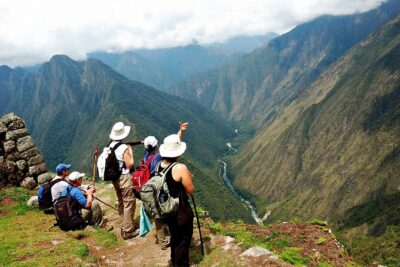
Classic Inca Trail Trek 4D/3N to Machu Picchu (Group Service)
Read our review →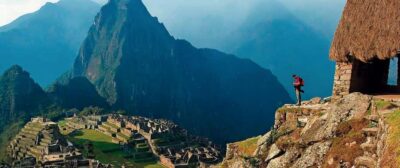
Machu Picchu: 4-Day Inca Trail Trek with Panoramic Train Ride
Read our review →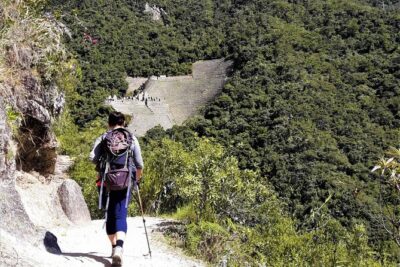
2-Day Inca Trail to Machu Picchu with Panoramic Train
Read our review →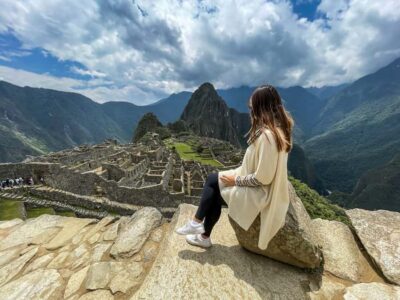
2-Day Tour: Sacred Valley and Machu Picchu by Train
Read our review →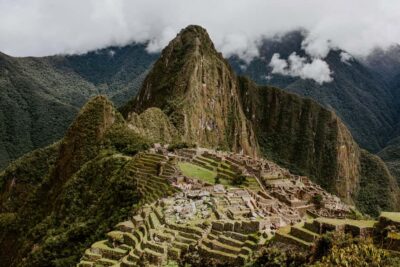
Machu Picchu: Full-Day Tour from Cusco with Optional Lunch
Read our review →Browse the lists this tour appears in