
Reviewed · MACHU PICCHU TOURS
Cusco: 4-Day Lares Trek to Machu Picchu with Panoramic Train
This trek trades crowds for mountain life. I like the way this four-day trip combines a demanding high-altitude hike with hot springs, weaving communities, Maras, Ollantaytambo, and Machu Picchu. I also like that muleteers carry up to 7 kilograms of camping gear, while cooks prepare three hearty dinners, three lunches, and four breakfasts.
The main catch is altitude. You reach 4,750 meters at Condor Pass, sleep at 3,900 meters on the first night, and camp again at 3,750 meters. Cold nights, thin air, and long walking days mean you need a good fitness base. The price is $690 per person, which is fair for the amount of transport, food, camping support, entry fees, and guiding included, but this is not a soft adventure.
In This Review
- The Lares Trek at a Glance
- Why Choose Lares Instead of a More Direct Route?
- Day One: Markets, Hot Springs, and the Blue Lagoon
- Day Two: Condor Pass and Quechua Village Life
- Day Three: From Potato Fields to the Sacred Valley
- Day Four: Machu Picchu Before the Crowds
- What the $690 Price Really Covers
- Food, Guides, and Group Experience
- What to Pack for Two Cold Nights
- Should You Book the Lares Trek?
- FAQ
- How long does the Lares Trek to Machu Picchu take?
- What languages are available?
- What is the highest point on the trek?
- How many nights are spent camping?
- Is food included?
- Is camping equipment included?
- How much camping gear can the muleteers carry?
- Are Huayna Picchu or Machu Picchu Mountain tickets included?
- Is the tour suitable for people with mobility or heart problems?
The Lares Trek at a Glance
- Condor Pass reaches 4,750 meters: Expect serious altitude, sweeping views, and a steady climb rather than a casual walk.
- Two nights are spent camping: Muleteers carry food and equipment, but you still need warm clothing and suitable sleeping gear.
- Women-run weaving cooperatives add local context: You can see Andean textile traditions and support community-based work.
- Lares Hot Springs offer a welcome first stop: The pools sit among mountain views and help ease you into the trip.
- The route includes Maras and Ollantaytambo: You get more than a trek, with traditional salt production and a living Inca town.
- The Vistadome train finishes the journey in style: Large windows make the return to Ollantaytambo part of the sightseeing.
Why Choose Lares Instead of a More Direct Route?
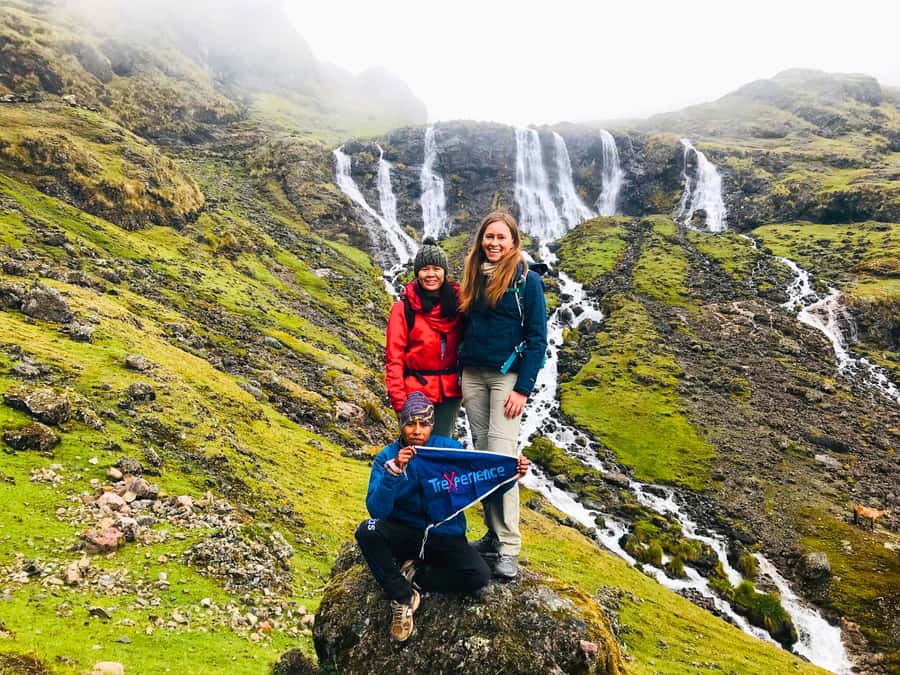
The Lares route gives you a quieter look at rural life in the Cusco region. Rather than heading straight toward Machu Picchu, you pass potato fields, alpaca herds, mountain lakes, waterfalls, and small Quechua-speaking communities.
That slower approach matters. You are not simply checking off Machu Picchu. You are also seeing how people farm at high altitude, how textiles are made, and how food and equipment move through the mountains with the help of horses and muleteers.
I especially like the balance between outdoor effort and cultural stops. You get an authentic village visit, a traditional offering ceremony, and a chance to learn a few Quechua phrases. At the same time, the trip includes comfortable transport, a hotel in Machu Picchu Pueblo, and a panoramic train instead of making every part of the journey a hard walk.
The route is still physically serious. One French family described the difficulty as manageable, but noted that low oxygen and cold nights reduced their energy. That is a useful way to think about it: the trail may be suitable for fit families and friends, but altitude can make ordinary walking feel much harder.
More Hiking Tours in Cusco
- Classic Inca Trail Trek 4D/3N to Machu Picchu (Group Service)
★ 5.0 · 8,653 reviews - Machu Picchu: 4-Day Inca Trail Trek with Panoramic Train Ride
★ 5.0 · 4,568 reviews - Salkantay Classic Trek 5 Days from Cusco
★ 5.0 · 4,062 reviews
Day One: Markets, Hot Springs, and the Blue Lagoon
Your early pickup comes from your Cusco or Sacred Valley accommodation. If your hotel is outside the Cusco district, you need to reach a meeting point near the main square. The driver holds a sign with your last name, and you should wait in the lobby about 10 minutes before pickup.
The first stops ease you into the region. At Calca’s market, you see local produce and meat before continuing to Ancashmarca, an ancient Inca site. The morning also includes a high plateau with Puyas de Raimondi, unusual giant bromeliads known for their tall flowering stalks.
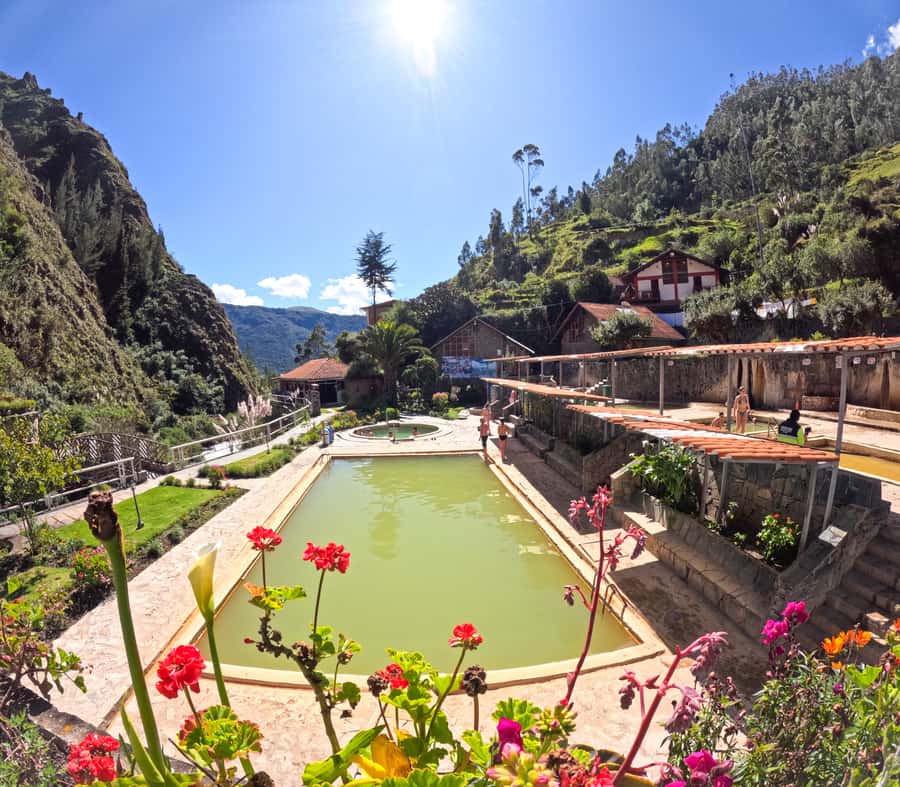
Then comes Lares Hot Springs. Breakfast is served with mountain views, and the pools give your legs a gentle start before the trek itself. This is one of the cleverest parts of the schedule. You are not thrown straight into a high pass after leaving Cusco. Instead, you get food, warmth, and a slower introduction to the altitude.
A visit to a weaving cooperative follows. You can learn how Andean textiles are produced and see the value of women-run community enterprises. This is more meaningful than a quick souvenir stop because it connects the patterns and techniques to the people who keep them in use.
From there, a vehicle takes you to Pampacorral, where the hike begins. The trail leads through valleys dotted with alpacas and fields of potatoes. You stop in Kiswarani for a freshly prepared lunch, then follow a waterfall toward the Blue Lagoon campsite.
The campsite sits at about 3,900 meters. After coca tea, dinner, and time beneath the stars, you will want warm layers and a good sleeping setup. A sleeping bag and air mattress are not included, though both can be rented. The cold is not a minor detail. One family specifically warned that camp nights were very cold, so pack thermal clothing rather than relying on a thin fleece.
Day Two: Condor Pass and Quechua Village Life
Day two is the hardest section for most people. You wake with coca tea or coffee at your tent, eat breakfast, and begin the climb through valleys filled with lakes and Andean wildlife.
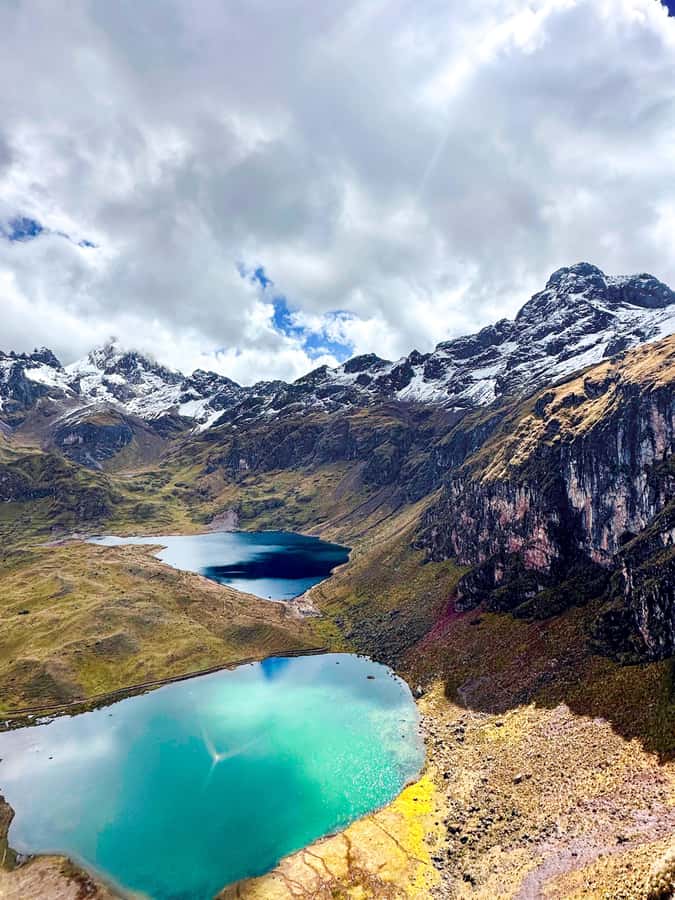
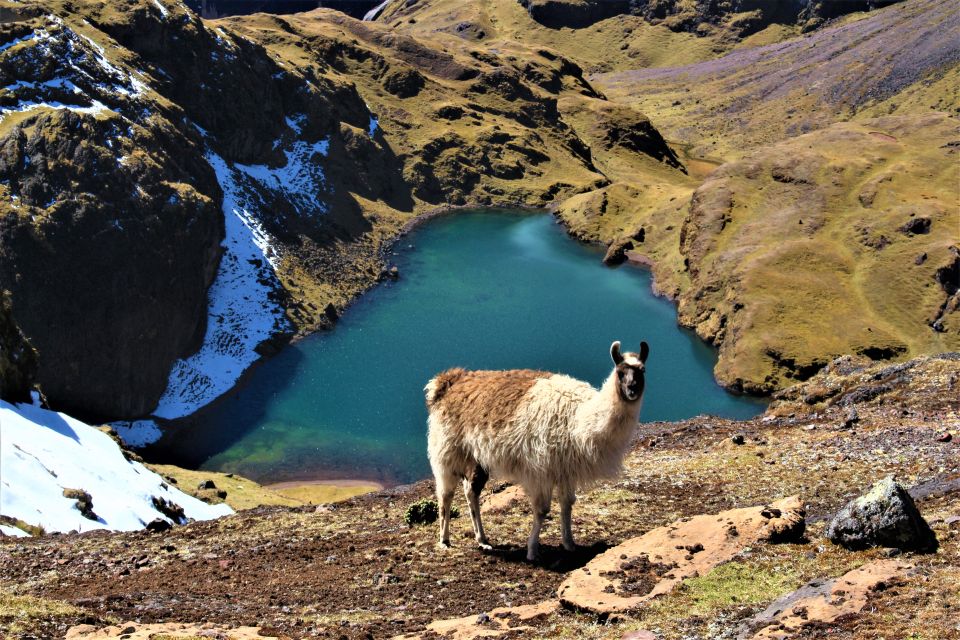
The goal is Condor Pass at 4,750 meters. The height is the challenge, but it is also the reward. From the pass, you get broad views of snowy peaks and turquoise lagoons. The trail is not described as technical, but the combination of steep ascent, cold, and thin air calls for patience.
Your guide can adjust the pace and allow regular pauses. That flexibility is important. A French family praised its guide for matching the group’s speed and stopping as often as needed. You should still tell the guide early if you feel unwell rather than trying to prove something on the climb.
At the pass, the group takes part in a traditional offering ceremony before descending. This gives the crossing a sense of place and connects the walk to Andean customs.
A hot lunch in Acopata follows the descent. That meal is more than a pleasant extra. On a high-altitude trek, warm food and regular meals help keep the day manageable. The cooks prepare three lunches, three dinners, and four breakfasts across the trip, and special diets can be requested when you book. Vegan meals were handled well on one trip, which is encouraging for anyone with dietary needs.
The afternoon continues through valleys with llamas and alpacas before reaching Canchacancha at about 3,750 meters. You meet local families, learn a few Quechua words, and spend the night with mountain views. This is the most community-focused part of the trek, and it helps the route feel like more than a scenic hike.
Day Three: From Potato Fields to the Sacred Valley
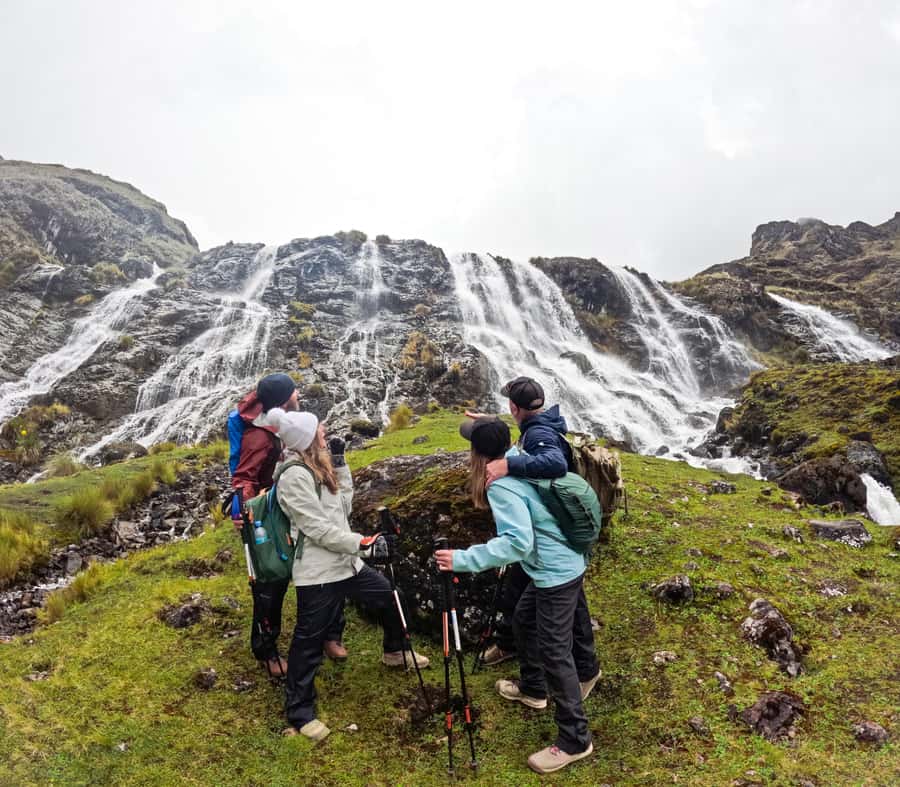
After breakfast, you have time to explore Canchacancha. The visit includes local homes and the school, with an opportunity to donate supplies. Bring any donation only if you genuinely want to. It should be practical and arranged with the tour provider rather than treated as an obligation.
The day’s four-hour downhill hike shows how quickly the land changes with altitude. You move from potato fields into the warmer Sacred Valley, where corn and avocado crops replace the high mountain farming. That shift gives you a clear sense of Peru’s vertical geography, with different crops and ways of life appearing as you lose elevation.
You finish the walk in Huaran at about 2,700 meters and stop for a picnic lunch. Here you say goodbye to the muleteers and chef who supported the camping portion. Their work is easy to underestimate. They carry food and equipment so you can hike with a lighter load, and their support is a major reason the trek can include fresh meals in remote camps.
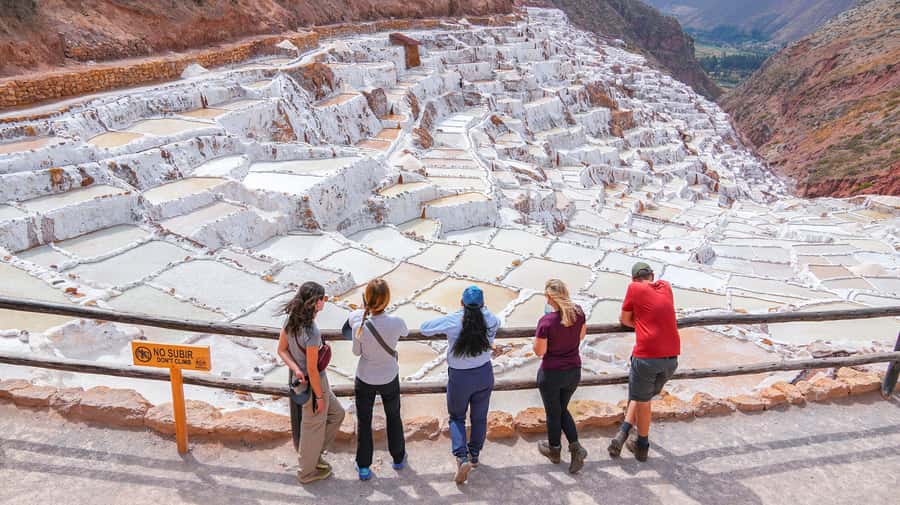
A private van then takes you to the Salineras of Maras. The salt mines are built from many small evaporation pools, supplied by salty spring water. Traditional salt harvesting continues here, and your guide explains how the system works. The visit provides a useful change of pace after three days of walking.
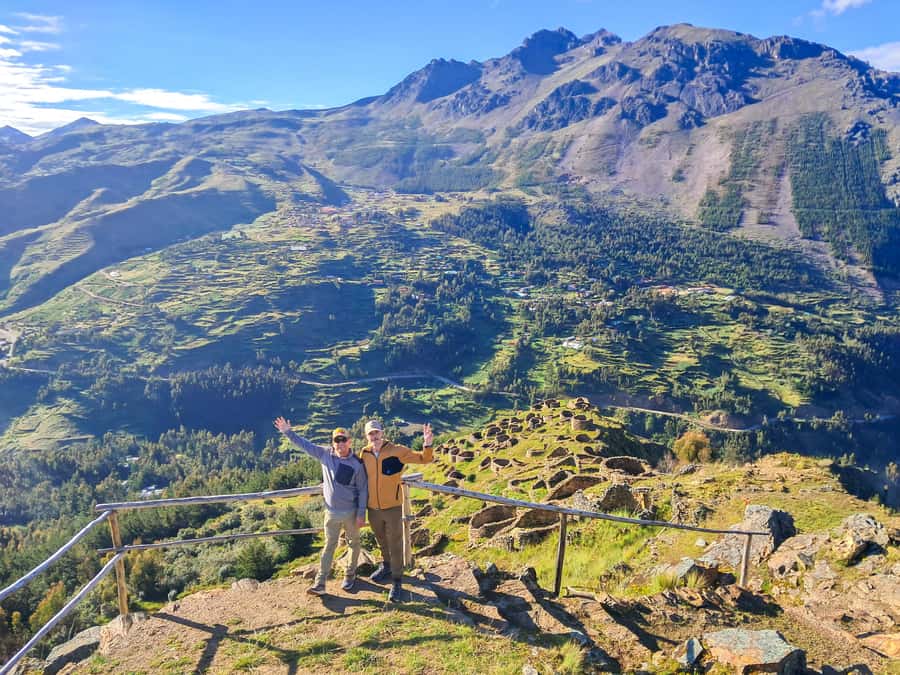
Next comes Ollantaytambo, described as the last living Inca town. Its stone streets and old layout make it more than a transport stop. You have time to see how the town remains part of daily life before dinner and the train journey to Machu Picchu Pueblo.
You spend the night in a comfortable three-star hotel. That hotel night is well timed. After two cold camps and a long downhill hike, a real bed, a shower, and a little private space feel like luxury.
Longer treks from Cusco:
- 4-Day Salkantay Trek with Sky Camp Stay
★ 5.0 · 3,346 reviews - Salkantay Trek 5D/4N with Glass Cabins, Domes and Hobbit House
★ 5.0 · 2,488 reviews - 5-Day Premium Salkantay Trek
★ 5.0 · 788 reviews - Lares Valley Trek with Hot Spring 4-Day, 3-Night
★ 5.0 · 656 reviews
Day Four: Machu Picchu Before the Crowds
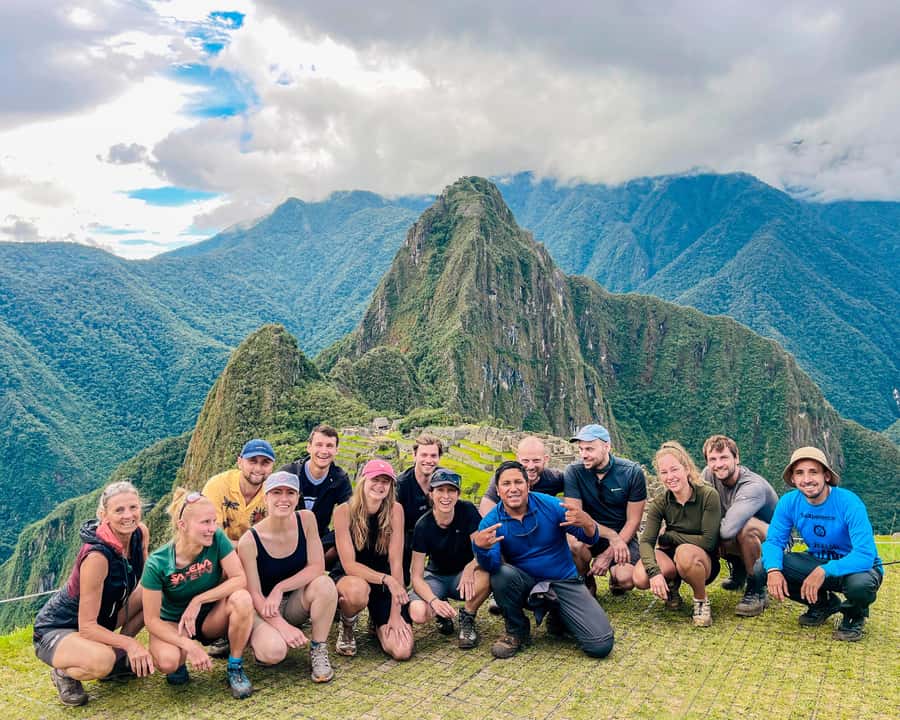
The final day begins early with breakfast, followed by the bus up to Machu Picchu. The aim is to reach the citadel around sunrise, when the first light reaches the stone terraces and surrounding peaks.
Your guide leads a two to three-hour walking tour through the main landmarks. You learn about Inca engineering, daily life, and the way the site was built into the mountain setting. The guided visit matters here because Machu Picchu can otherwise become a blur of terraces, walls, and photo stops. A guide helps explain what you are seeing and gives the site a human scale.
You will pause at iconic viewpoints for broad photographs. If you want to climb Huayna Picchu or Machu Picchu Mountain, those tickets are optional add-ons and are not part of the $690 price. Do not assume you can add them at the last minute. Check availability and cost when arranging the trip.
After the citadel, you return to Aguas Calientes for lunch and free time. Lunch is not included, so keep cash available. You then board the Vistadome train to Ollantaytambo.
The Vistadome is a strong finish. Its large windows provide clear views of the valley as the train moves back toward the Sacred Valley. After arriving in Ollantaytambo, a private transfer takes you to Cusco by evening.
What the $690 Price Really Covers
At $690, this is not a bargain-basement trek, but the inclusions make the price easier to justify. You receive a certified professional guide, hotel pickup and drop-off, Machu Picchu entry, Maras Salt Mines entry, Lares Hot Springs entry, the bus to Machu Picchu, and the Vistadome return train.
The support team also matters. Two nights of camping include cooks, horses, and muleteers to carry food and equipment. Your personal duffle can hold up to 7 kilograms, leaving you to carry only a daypack with water, camera equipment, extra layers, and personal items.
The trip includes four breakfasts, three lunches, and three dinners. You still pay for your final lunch in Aguas Calientes, plus any rental sleeping bag, air mattress, or trekking poles. Travel insurance is also your responsibility and is recommended.
The strongest value comes from combining several separate experiences into one trip: the Lares route, hot springs, village visits, Maras, Ollantaytambo, Machu Picchu, and a premium train ride. If you already have camping equipment and enjoy guided trekking, the package is particularly practical. If you dislike cold nights or want a relaxed Machu Picchu visit, the price may not compensate for the effort.
Food, Guides, and Group Experience
The food receives some of the highest praise. The camping chefs prepare fresh meals in demanding conditions, and special diets can be accommodated when provided at booking. Vegan meals were handled successfully, which is useful information for plant-based hikers.
Guiding can shape the whole trip. Manolo was singled out as an excellent guide, and another group had a memorable experience with Filio. The service appears to include patient pacing, cultural explanations, and help with the practical side of high-altitude walking.
Group size is not specified, so you should ask before booking if that affects your decision. One previous departure had only one booking party, creating a very private experience, but you should not assume every date will be that small.
The tour runs in English and Spanish. Children must be accompanied by an adult. Because the itinerary includes steep and high-altitude sections, it is not suitable for pregnant people, wheelchair users, people with mobility impairments, serious back problems, or heart problems.
What to Pack for Two Cold Nights
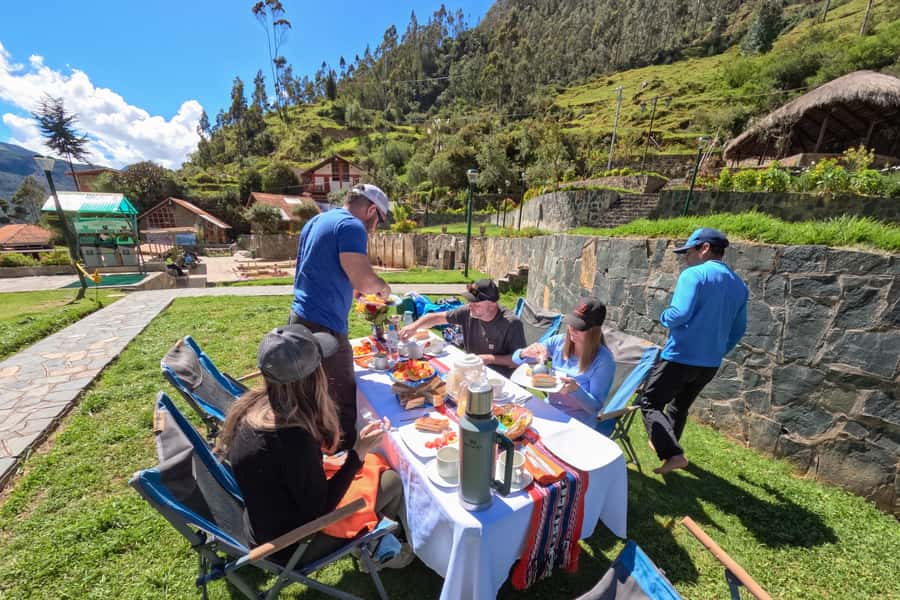
Pack for changing conditions. Cusco mornings, high camps, and the Sacred Valley can feel very different within the same trip.
Bring:
- Passport and cash
- Hiking shoes and comfortable walking shoes
- Warm layers, hiking pants, and weather-appropriate clothing
- Rain gear, sunscreen, sunglasses, and a sun hat
- Toiletries, hand sanitizer or tissues, and insect repellent
- Camera and spare essentials
- A sleeping bag and air mattress, or arrange rentals
- Trekking poles if you find them useful
Your duffle is limited to 7 kilograms, so pack carefully. Keep valuables, documents, medication, water, and one warm layer in your daypack. Alcohol, drugs, weapons, sharp objects, smoking, and littering are not allowed.
Should You Book the Lares Trek?
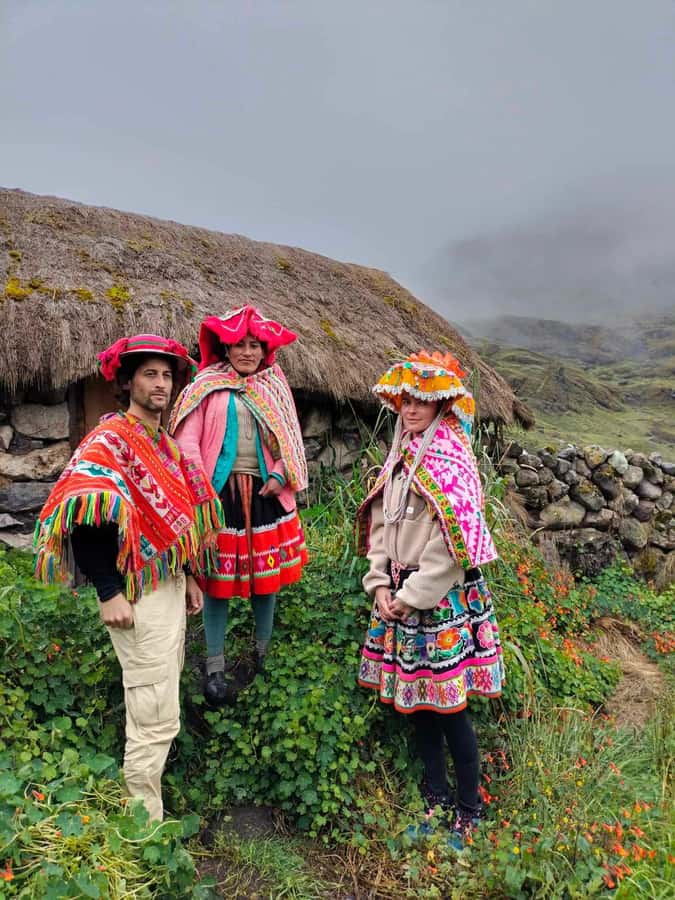
Book this trip if you want Machu Picchu paired with real mountain walking, village contact, hot springs, and a strong support crew. It suits fit couples, friends, and families with older children who can manage altitude and cold.
Skip it if you want easy sightseeing, dislike tents, or have a medical condition affected by high elevation. You also need to accept the non-refundable booking policy and arrange travel insurance before departure.
For the right person, this is a well-balanced four-day route. The scenery is superb, but the best part is the variety: a market, ancient stonework, weaving, hot springs, high lakes, Quechua villages, salt pools, Ollantaytambo, Machu Picchu, and a wide-window train ride. Just respect the altitude, pack for cold nights, and let the guide set the pace.
FAQ
How long does the Lares Trek to Machu Picchu take?
The experience lasts four days, including the Lares Trek, Machu Picchu visit, and return to Cusco.
What languages are available?
The guided experience is available in English and Spanish.
What is the highest point on the trek?
The trail reaches Condor Pass at 4,750 meters.
How many nights are spent camping?
You spend two nights camping, followed by one night in a comfortable three-star hotel in Machu Picchu Pueblo.
Is food included?
The tour includes four breakfasts, three lunches, and three dinners. Lunch on the final day in Aguas Calientes is not included.
Is camping equipment included?
A sleeping bag, air mattress, and trekking poles are not included. They can be rented upon request.
How much camping gear can the muleteers carry?
A personal duffle bag of up to 7 kilograms can be carried by the muleteers.
Are Huayna Picchu or Machu Picchu Mountain tickets included?
No. Entrance tickets to Huayna Picchu and Machu Picchu Mountain are optional add-ons.
Is the tour suitable for people with mobility or heart problems?
No. The experience is not suitable for wheelchair users or people with mobility impairments, serious back problems, or heart problems. It is also not suitable for pregnant people.
More Hiking Days from Cusco
- Rainbow Mountain Full Day Trek
★ 5.0 · 1,469 reviews - Rainbow Mountain Day Trip from Cusco: Vinicunca Hiking Tour
★ 4.5 · 737 reviews - Inca Trail 4-Day 3-Night Trek to Machu Picchu with Expert Guides
★ 5.0 · 733 reviews - Humantay Lake Full Day Trek from Cusco with Lunch
★ 5.0 · 726 reviews
Other Ways to Reach Machu Picchu
- Short Inca Trail to Machu Picchu 2D/1N
★ 5.0 · 3,007 reviews - 2-Day Inca Trail to Machu Picchu with Panoramic Train
★ 5.0 · 1,876 reviews - From Cusco: Full-Day Group Tour of Machu Picchu
★ 4.7 · 1,767 reviews - Machu Picchu Day Trip from Cusco
★ 4.5 · 1,644 reviews
Added recently around Cusco
- Guided tour of the mountain of colors in Cusco★ 5.0 · 11 reviews
- 2-Day Private Short Inca Trail to Machu Picchu★ 5.0 · 15 reviews
- City Tour Cusco – Group★ 5.0 · 4 reviews
- Tour Sacred Valley with Maras and Moray★ 5.0 · 15 reviews
- San Pedro Market Tour with Peruvian Cooking Class★ 5.0 · 31 reviews
- Walking Culinary Experience★ 5.0 · 41 reviews
- City Tour in Cusco★ 4.5 · 10 reviews
- One Day Tour to Humantay Lagoon★ 5.0 · 8 reviews
Machu Picchu Tours, compared.
Classic Inca Trail Trek 4D/3N to Machu Picchu (Group Service)
Read our review →
Machu Picchu: 4-Day Inca Trail Trek with Panoramic Train Ride
Read our review →
2-Day Inca Trail to Machu Picchu with Panoramic Train
Read our review →
2-Day Tour: Sacred Valley and Machu Picchu by Train
Read our review →
Machu Picchu: Full-Day Tour from Cusco with Optional Lunch
Read our review →Browse the lists this tour appears in