
Reviewed · MACHU PICCHU TOURS
Cusco: 4-Day Salkantay Trek to Machu Picchu, Panoramic Train
The Andes give you no easy mornings. This four-day route from Cusco to Machu Picchu combines high mountain trekking, comfortable overnight stays, Andean food, and a stylish return by panoramic train. I like the smart mix of Humantay Lake and Salkantay Pass, followed by a hotel night in Aguas Calientes. I also like the food program, especially the Pachamanca barbecue and coffee-making stop.
The main catch is the physical demand. Day two reaches 4,630 meters, or 15,190 feet, and includes about eight hours of walking. The second night in Collpapampa may also feel basic, with extra charges reported for a hot shower. At $552 per person, this is a strong package for the transport, meals, guide, camping, and Machu Picchu connection, but you should be ready for a real trek, not a sightseeing tour with a little walking.
In This Review
- The best parts of this four-day route
- Why this Salkantay trip is worth considering
- Day one: Humantay Lake and the first night at SalkaGlamp
- Day two: Salkantay Pass at 4,630 meters
- Day three: Pachamanca, coffee, and the road to Aguas Calientes
- Day four: Machu Picchu and the panoramic train
- Comfort, equipment, and what you carry
- Guides, safety, and group size
- Is $552 a fair price?
- Who should book this Salkantay trek?
- FAQ
- How difficult is the Salkantay Trek?
- Where does pickup take place?
- What accommodation is included?
- Is food included during the trek?
- Are Huayna Picchu and Machu Picchu Mountain included?
- What train returns to Cusco?
- Should you book it?
The best parts of this four-day route
- Humantay Lake before breakfast has fully worn off: The turquoise lake and snowy mountain views make day one memorable from the start.
- Salkantay Pass reaches 4,630 meters: This is the physical and visual high point, with wide views beneath Salkantay Mountain.
- Three different types of lodging: You sleep in a glamping tent, an Andean hut, and a 3-star hotel in Aguas Calientes.
- Pachamanca and coffee in Lucmabamba: You see traditional cooking underground and prepare fresh coffee from locally grown beans.
- A small group of up to 16 people: That gives your guide a better chance to keep track of different walking speeds.
- Vistadome or 360° train back to Cusco: After four days on foot, the large windows and panoramic views are a welcome change.
Why this Salkantay trip is worth considering
Salkantay is a good choice if you want Machu Picchu with more effort and scenery than the usual rail-only visit. The route crosses several climate zones. You begin among high Andean peaks, pass through cold mountain terrain, and then descend into cloud forest and warmer jungle country.
I like that the tour does not treat the trek as a simple march from camp to camp. You get local food, a coffee experience, and a traditional cooking activity. Those stops give the route a stronger connection to daily life in the Andes.
The package also removes many practical headaches. Your Cusco hotel pickup, trail transport, meals, camps, hotel, Machu Picchu connection, and return train are arranged. A guide leads the route, and the company carries safety equipment including a satellite phone, first-aid kit, and oxygen tank.
Still, do not mistake comfort for ease. The glamping tent and hotel soften the trip, but they do not shorten the steep climbs. You need good walking shoes, rain gear, warm layers, sunscreen, and the ability to handle long days at altitude.
More Hiking Tours in Cusco
- Classic Inca Trail Trek 4D/3N to Machu Picchu (Group Service)
★ 5.0 · 8,653 reviews - Machu Picchu: 4-Day Inca Trail Trek with Panoramic Train Ride
★ 5.0 · 4,568 reviews - Salkantay Classic Trek 5 Days from Cusco
★ 5.0 · 4,062 reviews
Day one: Humantay Lake and the first night at SalkaGlamp
Your day begins early, with pickup around 4:30 a.m. from accommodation in Cusco’s historic center. Be in the lobby 10 minutes before the scheduled time. If you stay outside the Cusco district, you meet the group at a designated location near the main square.
The drive heads through Andean valleys to Mollepata, where you stop for breakfast. From there, the vehicle continues to Challacancha, the trailhead for the walk toward Humantay Lake.
The climb to the lake is one of the more demanding short hikes on the trip. You gain height quickly, but the reward is clear: Humantay’s striking turquoise water sits below mountain peaks, with the rough slopes and snow-covered summits creating a dramatic setting for photographs.
Take your time here. The high altitude can make a short uphill walk feel much longer than expected. Sunglasses, a sun hat, sunscreen, and layers are useful because mountain weather can change quickly.
After visiting the lake, you descend to Soraypampa for lunch. That downhill section gives your legs a break, though steep ground can still be tough on knees. The route then continues to the Salkantaypampa glamping camp.
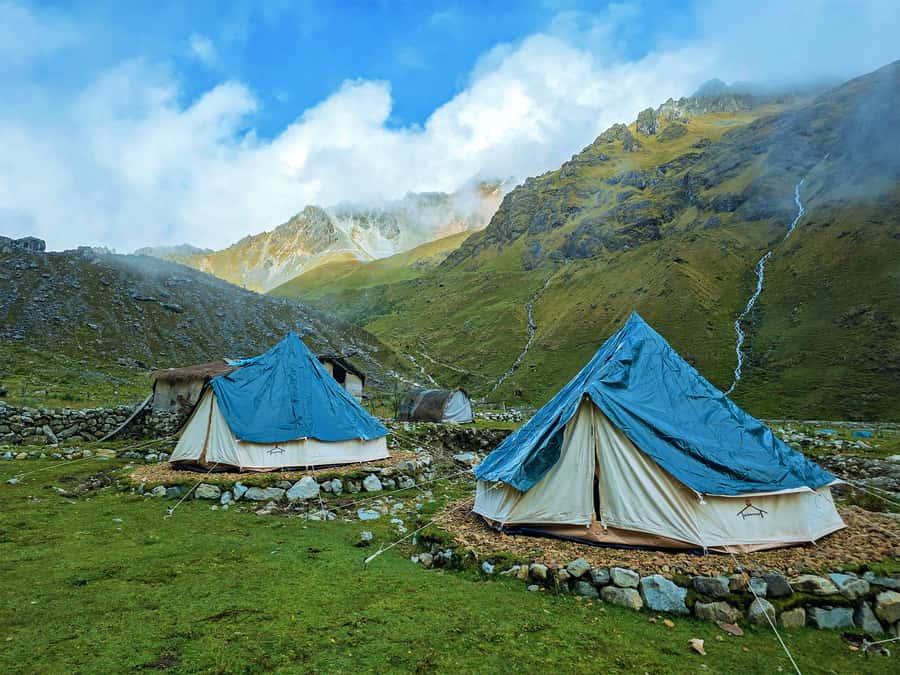
The glamping setup is one of the tour’s better comfort touches. You sleep in a tent with a pillow and sleeping pad provided, rather than carrying a full camping kit yourself. Dinner is served at camp, and the setting beneath the Andes gives you a quiet night away from towns and traffic.
The first day is long because of the early start, the drive, the lake hike, and the walk to camp. You will appreciate having a warm meal waiting at the end. Water and daily snacks are also included on the trail.
Day two: Salkantay Pass at 4,630 meters
Day two is the test. Coffee or coca tea is brought to your tent in the morning, followed by breakfast. Then you begin the roughly two-hour climb to Salkantay Pass, the highest point of the trek.
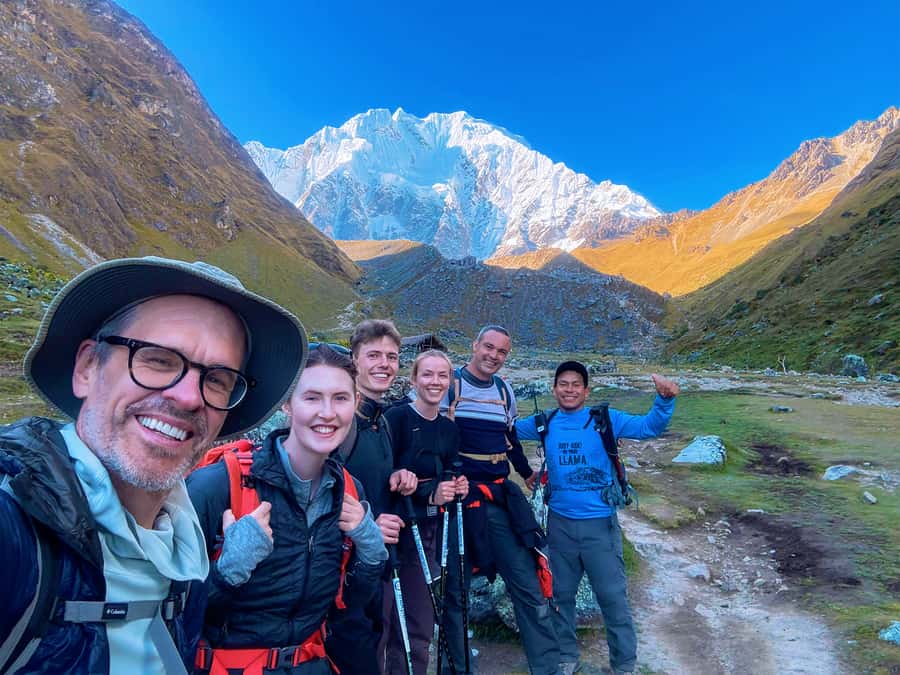
At 4,630 meters, altitude is the issue, not just distance. The pass offers broad views of snow-covered peaks and the lake below Salkantay Mountain, but you may need to walk slowly and keep your breathing steady. This is where preparation matters. Spend time acclimatizing in Cusco before the trek, and tell your guide quickly if you feel unwell.
The descent to Wayracmachay takes about three hours, where lunch provides a needed pause. The trail then continues for another three hours into cloud forest. This change is one of the route’s strongest features. Cold, open mountain terrain gives way to flowers, orchids, and hummingbirds.
The scenery shifts so sharply that the walking feels varied rather than repetitive. You are not simply seeing one type of mountain view for four days. You move from exposed high-altitude country into thicker, warmer vegetation.
By evening, you reach Collpapampa and sleep in Andean huts. This is the night where expectations need adjusting. The huts are more basic than the glamping camp and the hotel in Aguas Calientes. Some recent feedback points to poor conditions in the huts and shared facilities, as well as an extra fee for a hot shower.
That does not erase the value of the stop, but it is a real weakness in an otherwise well-planned trip. Bring toiletries, hand sanitizer or tissues, and a sense of humor about rustic facilities. If a hot shower matters to you, ask about the charge before using it.
The long second day is also where the small-group format helps. The group is limited to 16 people, and the tour has guides who can support slower walkers. In one account, guide William stayed toward the back and helped people who needed more time. That kind of support matters when the group has different levels of fitness.
Day three: Pachamanca, coffee, and the road to Aguas Calientes
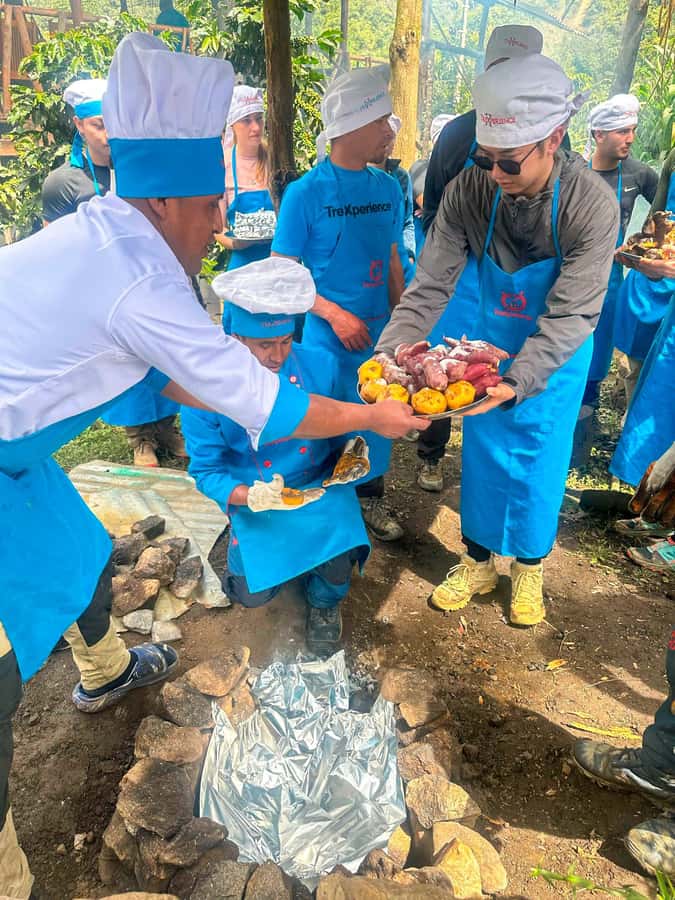
After breakfast at Collpapampa, you walk for about three hours to Lucmabamba. By this point, the route has moved into warmer country, and the vegetation feels very different from the pass above.
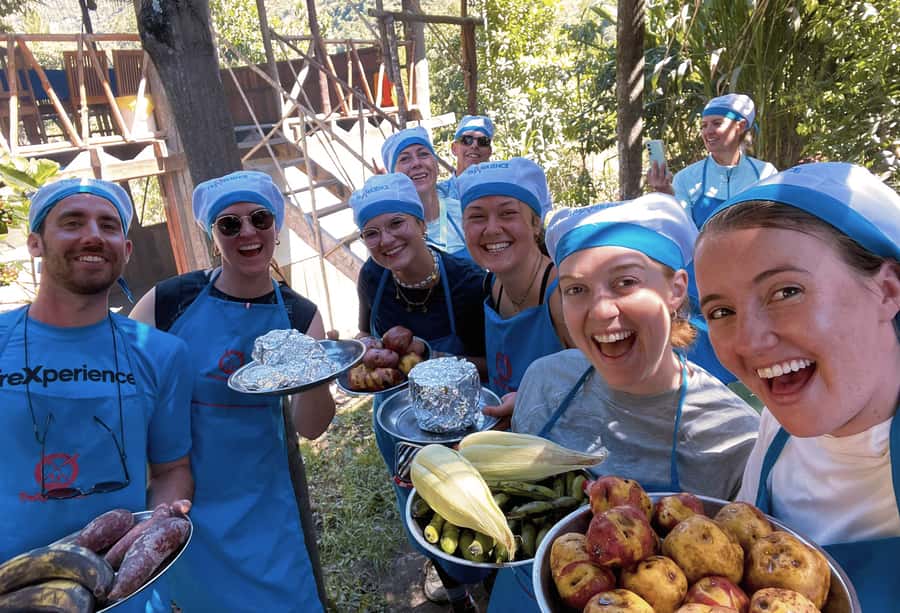
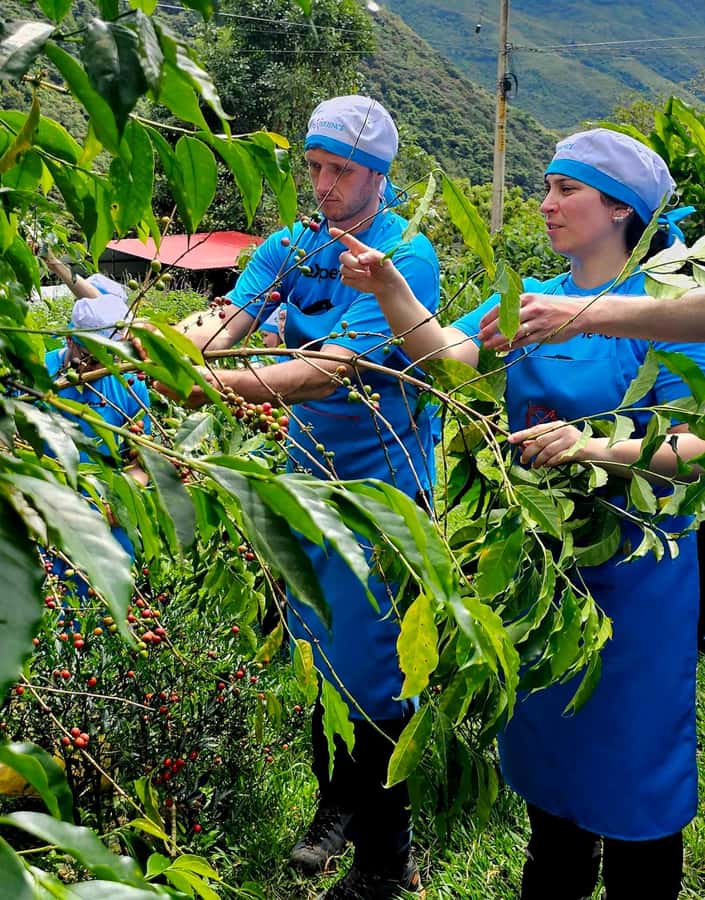
The Lucmabamba stop gives day three its character. Pachamanca is a traditional Andean barbecue cooked underground with hot stones. Vegetables, fruits, and meats are placed into the earth, then slow-cooked before being uncovered and served.
This is more interesting than another standard packed lunch. You get to see a traditional cooking method and eat a meal connected to the region. The tour also includes a cooking class, so you are not only watching the food arrive at the table.
Coffee is the other highlight. At a local farm, you learn how coffee moves from bean to cup, then prepare your own fresh espresso. This is a useful stop for anyone who likes to understand local products rather than simply drink them. The activity also breaks up the walking day at just the right point.
Food is one of the most praised parts of this trip. The cooks prepare three breakfasts, three lunches, and three dinners on the trail, with local dishes and enough variety to keep up with the physical work. Several guides and cooks have received strong praise, including chef Zenobio, chef Ismael, chef Dionissios, and chef Felix.
Dietary requirements should be given when you book. The meals are included, but lunch on the final day in Aguas Calientes is not.
After Lucmabamba, a vehicle takes you to Hidroeléctrica. From there, you walk for about three hours to Aguas Calientes, also known as Machu Picchu Pueblo. This final walk is not the high point of the trek, but it is a fitting transition from the rural route to the town below Machu Picchu.
In Aguas Calientes, you check into a 3-star hotel, eat dinner at a local restaurant, and get a proper bed before the early visit to the citadel. After two nights outdoors or in basic huts, this hotel night is a welcome reset.
Longer treks from Cusco:
- 4-Day Salkantay Trek with Sky Camp Stay
★ 5.0 · 3,346 reviews - Salkantay Trek 5D/4N with Glass Cabins, Domes and Hobbit House
★ 5.0 · 2,488 reviews - 5-Day Premium Salkantay Trek
★ 5.0 · 788 reviews - Lares Valley Trek with Hot Spring 4-Day, 3-Night
★ 5.0 · 656 reviews
Day four: Machu Picchu and the panoramic train
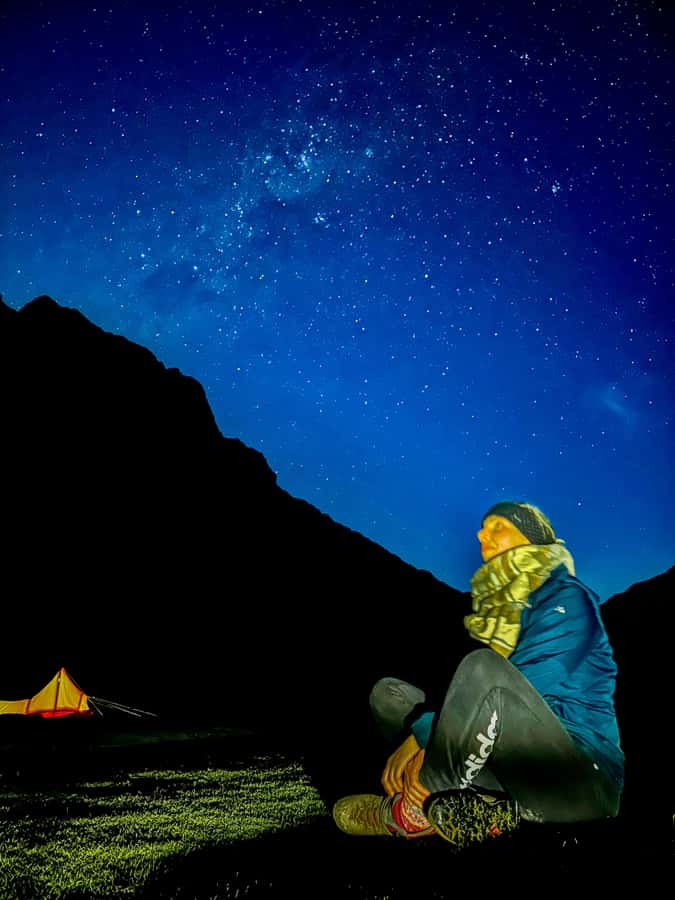
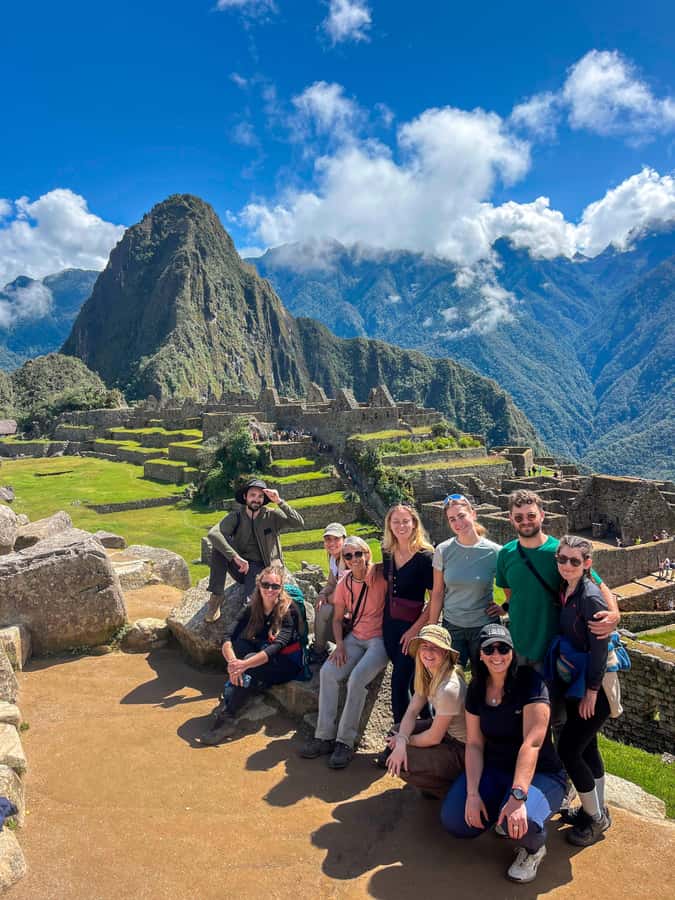
The final day starts early so you can catch one of the first buses up to Machu Picchu. An early departure helps you reach the citadel before the day becomes crowded and gives you a chance to see morning light over the mountains.
Your guide leads a two to three-hour visit through the key areas of Machu Picchu. The tour uses Circuit 2 by default, although Circuit 1 or Circuit 3 may be assigned if the preferred route is sold out.
Pay attention when booking because the information about Machu Picchu admission requires confirmation. Entrance tickets are listed among the inclusions, while the booking details also say Machu Picchu tickets must be arranged ahead of time. Ask the operator to confirm exactly what is included, which circuit you have, and whether any ticket action is needed before you pay.
Huayna Picchu and Machu Picchu Mountain are not part of the standard visit. Those require advance booking, and availability can be limited. If one of these climbs matters to you, arrange it before the trip rather than hoping to add it at the last minute.
After the guided visit, you return to Aguas Calientes for lunch at your own cost. Then you board either the Vistadome or 360° panoramic train for the return journey.
This train upgrade is a pleasant finish. Large windows let you watch the mountains and river valleys slide past without asking your tired legs to do any more work. Once you return to Cusco, the team transfers you to your hotel.
Comfort, equipment, and what you carry
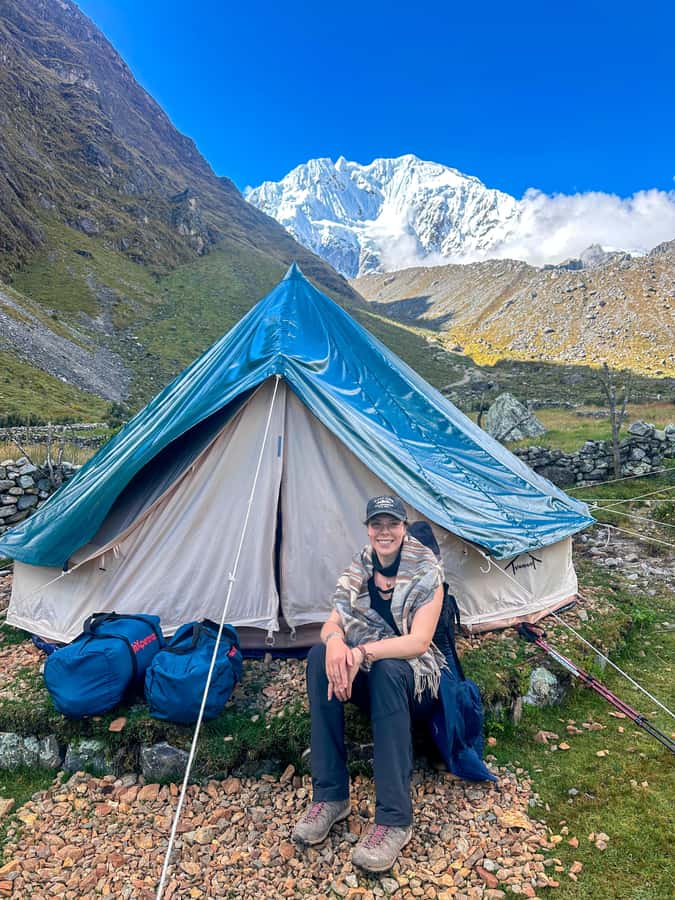
You receive a duffle bag for up to 7 kilograms, or about 11 pounds, of personal belongings. That is useful because you do not have to carry every item on your back during the trek. Pack only what you need for four days, and keep your passport, money, camera, and daily essentials with you.
The tour provides a pillow, sleeping pad, rain poncho, and hand towels. A sleeping bag, air mattress, and trekking poles can be rented, but they are not included.
Your personal packing list should include:
- Hiking shoes with a secure sole
- Warm clothing for the pass
- Rain gear and a change of clothes
- Sunscreen, sunglasses, and a sun hat
- Insect repellent for lower, warmer sections
- Toiletries and hand sanitizer
- A flashlight
- Cash for personal expenses
- Your passport and student card, if relevant
The trip includes water and snacks each day, but carry a refillable bottle if you have one. You should also inform the company about food restrictions at booking.
Guides, safety, and group size
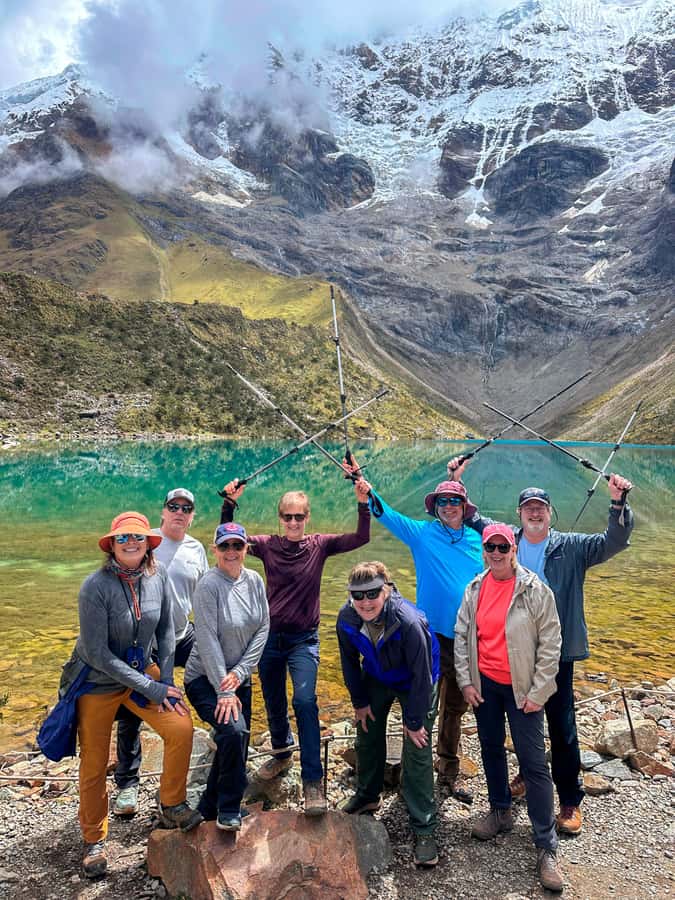
The tour runs with English- and Spanish-speaking guides. The strongest part of the service is the care given by the guiding and cooking teams.
Guide Alex has been praised for explaining the daily plan, Inca culture, and mountain stories clearly. José has been described as attentive throughout the route, while Evangelino helped people who needed extra time or assistance with belongings. Roger and William were also praised for their history explanations, humor, and support at the back of the group.
That matters on Salkantay because the walking pace can split the group. A guide who stays aware of the slowest walkers makes the experience less stressful.
Safety equipment includes a satellite phone, first-aid kit, and oxygen tank. These supplies do not remove the risks of high-altitude trekking, but they show that the operator has planned for serious conditions.
The route is not suitable for pregnant women, people with heart or back problems, people with mobility impairments, or wheelchair users. Children must have a responsible adult with them, and unaccompanied minors are not allowed.
Is $552 a fair price?
At $552 per person, the value is good if you want an organized trek rather than arranging every piece yourself. The price covers pickup and drop-off, guides, trail entrance fees, meals, snacks, water, three nights of lodging, the Pachamanca and coffee activities, and the return train.
The train is especially useful to price separately in your mind. After several long walking days, returning by Vistadome or 360° train is far more comfortable than adding another major hike.
You are paying for convenience as well as transport. The company handles the handoff from Cusco to the trail, from the trail to Aguas Calientes, and from the train back to your hotel.
The weak point is the uneven quality of lodging. Glamping and the 3-star hotel sound comfortable, but the Collpapampa huts may not meet the same standard. Also remember to budget for the final lunch, possible rental equipment, and any optional mountain tickets.
The activity is non-refundable, so do not book until your dates, fitness, passport details, and Machu Picchu ticket arrangements are settled.
Who should book this Salkantay trek?
I would choose this trip if you want:
- A demanding route with major mountain views
- Machu Picchu included in a four-day plan
- Meals and camps arranged for you
- A small group with active guide support
- Cultural food and coffee activities
- A comfortable train ride back to Cusco
I would look elsewhere if you want short walking days, polished accommodation every night, or a flexible cancellation policy. The pass is high, the second day is long, and the Collpapampa huts are the least reliable part of the stay.
FAQ
How difficult is the Salkantay Trek?
The trek is physically demanding. Day two includes a two-hour climb to Salkantay Pass at 4,630 meters, followed by about six more hours of descent and walking into the cloud forest.
Where does pickup take place?
Pickup is included from accommodation in Cusco’s historic center. You should wait in the hotel lobby 10 minutes before the scheduled pickup. If you stay outside the Cusco district, you meet the group at a designated point near the main square.
What accommodation is included?
You spend one night in a glamping tent at Salkantay Camp, one night in Andean huts at Collpapampa, and one night in a 3-star hotel in Aguas Calientes. Breakfast is included at the hotel.
Is food included during the trek?
Yes. The package includes three breakfasts, three lunches, three dinners, water, and daily snacks on the trail. The final-day lunch in Aguas Calientes is not included.
Are Huayna Picchu and Machu Picchu Mountain included?
No. Optional hikes to Huayna Picchu or Machu Picchu Mountain require advance booking. Circuit 2 is assigned by default for the Machu Picchu visit, although Circuit 1 or 3 may be used if needed.
What train returns to Cusco?
The return is by either the Vistadome or 360° panoramic train. The tour team transfers you to your Cusco hotel after the train journey.
Should you book it?
Book this Salkantay trek if you want a full Andean challenge with strong support, generous trail meals, and a few memorable local experiences beyond Machu Picchu. The high point is the combination of Humantay Lake, Salkantay Pass, cloud forest, Pachamanca, and coffee.
Before booking, confirm the Machu Picchu ticket and circuit, ask about the Collpapampa shower charge, and decide if you need to rent a sleeping bag or trekking poles. If you can accept one basic night and prepare for altitude, the $552 package offers a well-organized path from Cusco to Machu Picchu without stripping away the sense of effort that makes the journey worthwhile.
More Hiking Days from Cusco
- Rainbow Mountain Full Day Trek
★ 5.0 · 1,469 reviews - Rainbow Mountain Day Trip from Cusco: Vinicunca Hiking Tour
★ 4.5 · 737 reviews - Inca Trail 4-Day 3-Night Trek to Machu Picchu with Expert Guides
★ 5.0 · 733 reviews - Humantay Lake Full Day Trek from Cusco with Lunch
★ 5.0 · 726 reviews
Other Ways to Reach Machu Picchu
- Short Inca Trail to Machu Picchu 2D/1N
★ 5.0 · 3,007 reviews - 2-Day Inca Trail to Machu Picchu with Panoramic Train
★ 5.0 · 1,876 reviews - From Cusco: Full-Day Group Tour of Machu Picchu
★ 4.7 · 1,767 reviews - Machu Picchu Day Trip from Cusco
★ 4.5 · 1,644 reviews
Added recently around Cusco
- Guided tour of the mountain of colors in Cusco★ 5.0 · 11 reviews
- 2-Day Private Short Inca Trail to Machu Picchu★ 5.0 · 15 reviews
- City Tour Cusco – Group★ 5.0 · 4 reviews
- Tour Sacred Valley with Maras and Moray★ 5.0 · 15 reviews
- San Pedro Market Tour with Peruvian Cooking Class★ 5.0 · 31 reviews
- Walking Culinary Experience★ 5.0 · 41 reviews
- City Tour in Cusco★ 4.5 · 10 reviews
- One Day Tour to Humantay Lagoon★ 5.0 · 8 reviews
Machu Picchu Tours, compared.
Classic Inca Trail Trek 4D/3N to Machu Picchu (Group Service)
Read our review →
Machu Picchu: 4-Day Inca Trail Trek with Panoramic Train Ride
Read our review →
2-Day Inca Trail to Machu Picchu with Panoramic Train
Read our review →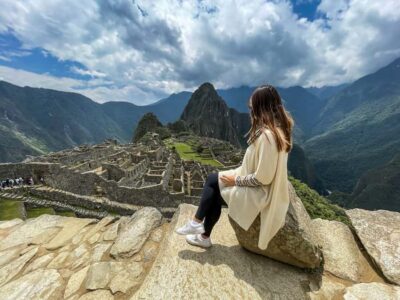
2-Day Tour: Sacred Valley and Machu Picchu by Train
Read our review →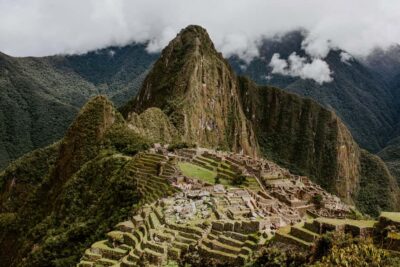
Machu Picchu: Full-Day Tour from Cusco with Optional Lunch
Read our review →Browse the lists this tour appears in