
Reviewed · MACHU PICCHU TOURS
Lares Trek to Machu Picchu: 4-Day Tour
Get beyond the usual Machu Picchu route. This four-day Lares Trek links high Andean passes, farming villages, hot springs, Ollantaytambo, and Machu Picchu in one small-group trip from Cusco. I like the quiet trails and the close look at village life, and I also like that a guide, cook, mules, camping gear, meals, trains, and Machu Picchu admission are arranged for you.
The main catch is altitude. On the second day, you cross Ipsay Pass at about 4,600 meters, or 15,456 feet. That is serious high-altitude walking, even though the route is manageable for a reasonably fit person who has spent time acclimatizing in Cusco. The early starts, simple camps, and fixed schedule also require some stamina and flexibility.
The tour costs $602.06 per person and is limited to eight people. That price is fair for Peru, given the guide, cook, muleteers, three nights of meals, camping equipment, Aguas Calientes lodging, train tickets, and private return transport. Still, you pay extra for your sleeping bag, Lares hot springs, Huayna Picchu, and your final lunch.
In This Review
- Key points before you reserve
- Why choose Lares instead of the Inca Trail?
- Day 1: Calca, Lares hot springs, and Huacahuasi
- Day 2: Ipsay Pass and the high point of the trek
- Day 3: Pumamarka, Ollantaytambo, and the train to Aguas Calientes
- Day 4: Machu Picchu, Circuit 2, and optional Huayna Picchu
- Guides, cooks, and the small-group advantage
- What $602.06 includes, and what it does not
- Who will enjoy this trek most?
- Should you book the Lares Trek to Machu Picchu?
- FAQ
- How high does the Lares Trek climb?
- How long is the tour?
- Is Machu Picchu admission included?
- Is Huayna Picchu included?
- What meals are included?
- What documents and booking conditions apply?
Key points before you reserve
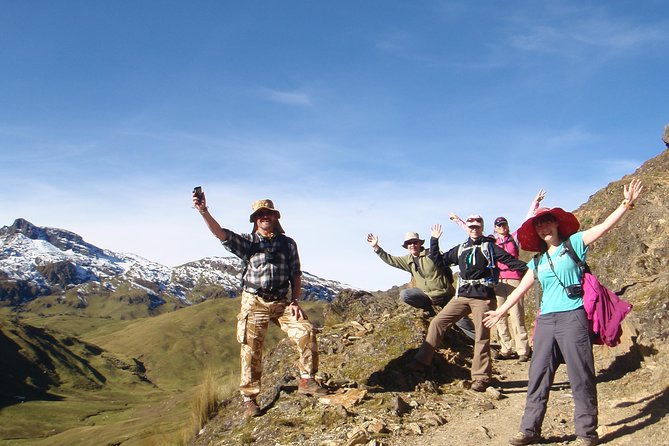
- Ipsay Pass reaches 4,600 meters: The second day is the physical test of the trip, with thin air, steep walking, and dramatic views around Ipsaycocha Lake.
- Lares feels quieter than the Inca Trail: You pass alpaca and llama herds, farm plots, and traditional villages, with far fewer organized groups on the trail.
- Your main luggage travels by mule: You can leave up to 7 kilograms of personal belongings with the muleteers, which makes the walking easier.
- The food receives unusually strong praise: The cooks prepare fresh meals in camp, and dishes are included for three breakfasts, three lunches, and three dinners.
- Machu Picchu timing matters: Circuit 2 and Huayna Picchu require carefully spaced entry times. Huayna Picchu must be booked in advance and costs extra.
- The group is genuinely small: A maximum of eight people allows guides such as Luis or René to adjust rest stops and walking speed more easily.
Why choose Lares instead of the Inca Trail?
The Lares route gives you a different kind of Andean experience. The famous Inca Trail focuses on stone paths, archaeological sites, and the traditional approach through the Sun Gate. Lares is more about mountain scenery and present-day village life.
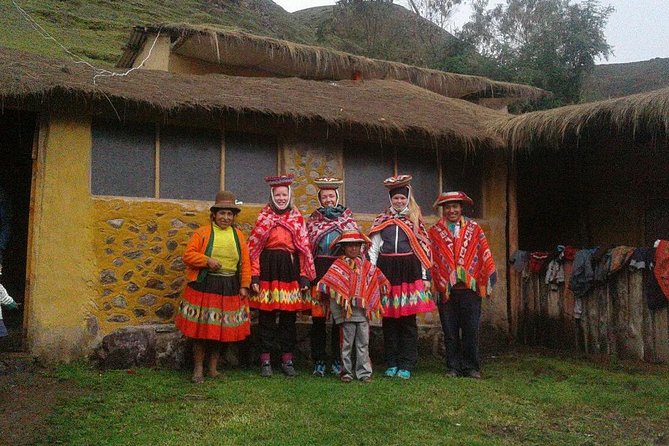
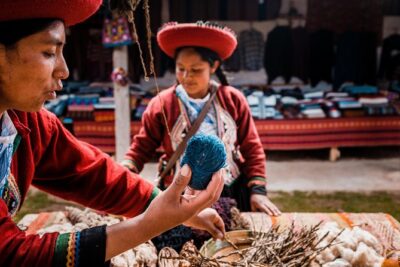
You pass through farming country where people tend crops and tend alpaca and llama herds. Traditional clothing is part of daily life here, not a costume arranged for a tour. The route also feels quieter. One couple reported seeing only one other organized group during the trek.
That quiet comes with a trade-off. Lares has fewer major ruins along the first two days, and the route is physically demanding at high altitude. If your priority is a continuous chain of Inca archaeology, the classic Inca Trail may suit you better. If you want open mountain views and contact with rural communities, Lares makes a strong alternative.
The trip also avoids a long stretch of camping before Machu Picchu. After the walking section, you spend a night in Aguas Calientes, the rail town below the citadel. That gives you a bed and hot water before the final visit, though the town can be noisy. Bring earplugs, especially if you are a light sleeper.
More Hiking Tours in Cusco
- Classic Inca Trail Trek 4D/3N to Machu Picchu (Group Service)
★ 5.0 · 8,653 reviews - Machu Picchu: 4-Day Inca Trail Trek with Panoramic Train Ride
★ 5.0 · 4,568 reviews - Salkantay Classic Trek 5 Days from Cusco
★ 5.0 · 4,062 reviews
Day 1: Calca, Lares hot springs, and Huacahuasi
The day begins around 5:00 a.m. with pickup in Cusco. The drive takes you toward Calca at about 2,900 meters, then across the Sacred Valley and onward to Lares. The trip to Lares takes about two hours after crossing the valley, so you should expect a long morning before the walking starts.
A stop at the Lares hot springs breaks up the drive. You can relax there before lunch, but the entrance fee is not included. The charge is listed as 10 soles, so carry local currency.
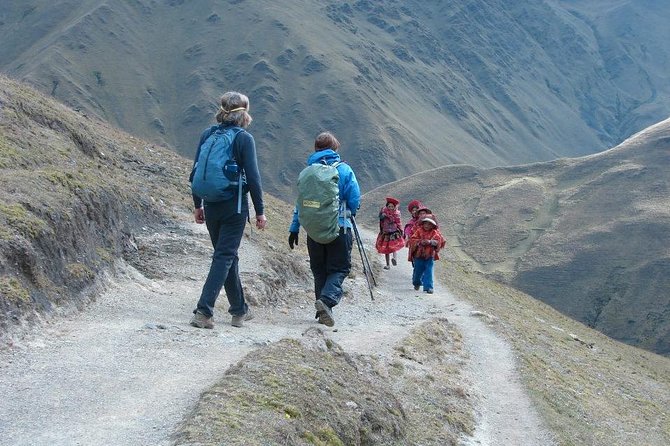
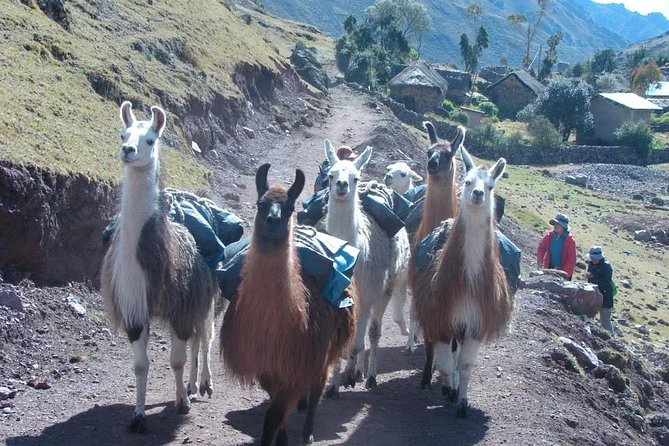
The first walking section takes roughly four and a half hours toward Huacahuasi, the first camp. This is a useful introduction to the pace and scenery. You may see alpaca and llama herds, mountain fields, and village homes, while your guide explains local customs and Andean life.
The overnight arrangement can vary. The planned setup uses tents, mattresses, and kitchen and dining tents, but a small group may sleep near a local family or in a covered space if the weather is especially cold. That can make the night more comfortable, though you should still expect basic conditions rather than hotel-style camping.
I like this first day because it starts with a cultural and practical contrast: a hot spring, a long drive through the Sacred Valley, then a walk into quieter mountain country. The drawback is the early departure. You should be ready the night before, with your daypack packed and water within reach.
Day 2: Ipsay Pass and the high point of the trek
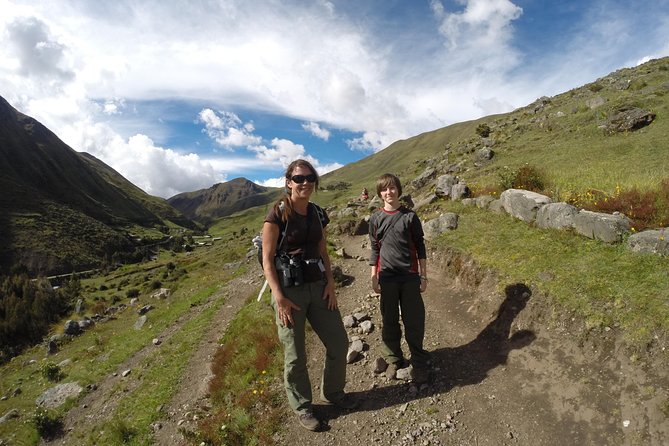
Day two is the heart of the Lares Trek. You leave early and climb toward Ipsay Pass, reaching about 4,600 meters. The nearby Ipsaycocha Lake sits at roughly 4,280 meters, surrounded by broad mountain views and high valleys.
This is not a casual walk. The altitude is the issue, more than the distance alone. People who had spent two days in Cusco before starting reported fewer problems, while another person developed altitude sickness and needed help getting medicine from a pharmacy. A sensible plan is to arrive in Cusco early enough to rest and acclimatize before this tour.
Your guide should set a steady pace, but you still need to speak up if you feel unwell. Headache, nausea, unusual tiredness, or dizziness deserve attention. The tour carries a first aid kit and oxygen tank, but those are safety measures, not substitutes for acclimatization or medical judgment.
Near the pass and lake, the views become the reward for the effort. You may see Andean farmers in bright ponchos and distinctive hats, working small plots or caring for animals. One account also described seeing wild chinchillas near the pass, along with a coca-leaf ceremony honoring the Earth. Such moments are part of what makes this route feel connected to local culture rather than just a mountain endurance test.
After lunch near Ipsaycocha Lake, you descend toward Patacancha. The full day lasts about eight hours. The route ends in or near the village, where the evening is usually simple and local in character. Depending on the group and arrangements, you may camp there or be transported onward to Ollantaytambo.
This point is worth clarifying before departure. The published plan places the night in Patacancha, while a small-group experience used a bus to Ollantaytambo after the Lares walking section. Ask the operator exactly where your group will sleep and how much transport is planned. It may affect how much walking you do on day three.
Day 3: Pumamarka, Ollantaytambo, and the train to Aguas Calientes
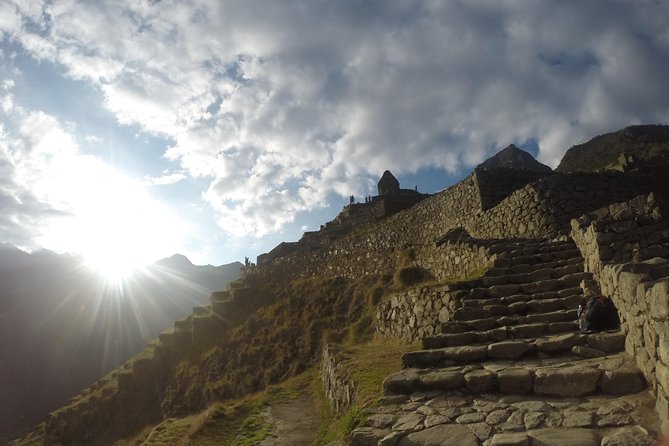
Day three is easier on your legs, though it remains full of worthwhile stops. The plan starts with a viewpoint over the valley, followed by about two hours of walking to Pumamarka. There, you see Inca terraces before finishing in Ollantaytambo.
Ollantaytambo is one of the most rewarding towns in the Sacred Valley. Its steep Inca terraces and old stone streets give you a strong sense of how the valley settlements were organized. The tour may include a guided visit, and you should make good use of any free time to walk through town.
The timing here matters. Ollantaytambo is not just a transit point for the train. It is a major historical stop, and the town gives you a gentler way to reconnect with archaeology after two demanding days in the mountains.
Later, you take the train to Aguas Calientes. Your one-night stay is included, as is the train from Machu Picchu to Ollantaytambo on the return journey. The accommodation described by one couple had hot water and was comfortable, a welcome change after camping.
Aguas Calientes is convenient but not peaceful. Restaurants, shops, music, and the steady flow of people heading to Machu Picchu give the town a busy feel. You can use the evening for dinner and rest, but do not count on complete quiet. Earplugs are a useful addition to your packing list.
The listed itinerary gives this day about six hours. That includes the walking and the transition to the train, so keep your daypack light and your travel documents easy to reach.
Longer treks from Cusco:
- 4-Day Salkantay Trek with Sky Camp Stay
★ 5.0 · 3,346 reviews - Salkantay Trek 5D/4N with Glass Cabins, Domes and Hobbit House
★ 5.0 · 2,488 reviews - 5-Day Premium Salkantay Trek
★ 5.0 · 788 reviews - Lares Valley Trek with Hot Spring 4-Day, 3-Night
★ 5.0 · 656 reviews
Day 4: Machu Picchu, Circuit 2, and optional Huayna Picchu
The final day starts early. The published plan describes a walk of about one hour and 30 minutes up to Machu Picchu, followed by a guided visit of roughly two hours. One account used a bus for the ascent, so confirm the exact arrangement and whether a bus ticket is included for your departure time.
An early start is worthwhile. The citadel is most rewarding before the day becomes crowded, and one guide, Luis, timed the visit so sunlight moved across the mountain during the entrance. Your guide leads the main visit, then you have free time to explore on your own.
Circuit 2 is often chosen because it gives a broad visit through the principal viewpoints and central areas. The exact route depends on the ticket issued for your date, so do not assume unlimited movement inside the site. Machu Picchu access is controlled, and entry rules can change.
You can use free time for Huayna Picchu, Inti Punku, or the Inca Bridge if your ticket and schedule allow. Huayna Picchu is optional and not included. It must be reserved in advance, and the timing needs careful planning.
A useful scheduling tip comes from the way the tour arranged one couple’s tickets: allow about two hours or more between the start of your Circuit 2 visit and your Huayna Picchu time. That gives you a chance to complete much of the main circuit before beginning the climb. If you book Huayna Picchu separately, do not choose a slot that overlaps with your guided Machu Picchu entry.
After Machu Picchu, you return by train to Ollantaytambo, then continue by private car to your Cusco hotel. The final day is listed at about four hours, but rail and site-entry schedules can make it feel longer. Your last lunch in Aguas Calientes is not included.
Guides, cooks, and the small-group advantage
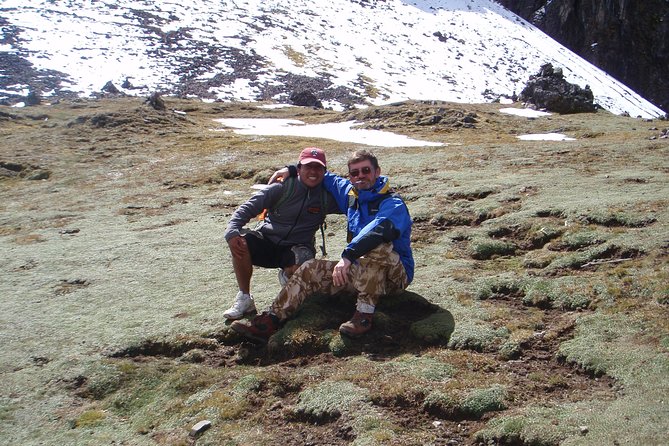
The strongest part of this tour is the personal service. Luis is repeatedly singled out for patience, calm pacing, cultural explanations, and practical help. René is also praised for adjusting rest stops, explaining Andean traditions, and leading a small ceremony at a mountain pass.
That matters on a high-altitude trek. A guide who notices when you need a break can make the day feel possible rather than punishing. The group limit of eight also helps. You are not lost in a large procession, and there is more room for questions and photos.
The food is another major strength. The cook travels ahead, sets up the kitchen, and prepares fresh meals at camp. Three breakfasts, three lunches, and three dinners are included. Several accounts describe the food as far better than expected, which is no small thing after a cold, tiring day outdoors.
Muleteers carry the camping equipment and a larger bag for each person. The stated limit for personal items is 7 kilograms per person. Keep your walking pack light, but carry essentials yourself: water, rain protection, warm layers, sun protection, medication, and anything you need during the day.
The tour provides tents, mattresses, kitchen and dining tents, and a first aid kit with oxygen. You must bring or rent a sleeping bag. Confirm the camping setup before leaving Cusco, especially if you have specific needs for cold-weather gear.
What $602.06 includes, and what it does not
At $602.06 per person, the tour is not a budget hike, but it covers a substantial amount. Included services are:
- Hotel pickup and transport from Cusco to Lares
- English and Spanish professional guide
- Cook, muleteers, and mules
- Tents, mattresses, and dining and kitchen tents
- Three breakfasts, three lunches, and three dinners
- One night of lodging in Aguas Calientes
- Machu Picchu entrance
- Train from Machu Picchu to Ollantaytambo
- Private car from Ollantaytambo to your Cusco hotel
- First aid kit and oxygen tank
The value comes from coordination. You are not separately arranging a mountain transfer, pack animals, campsite staff, Machu Picchu admission, a hotel in Aguas Calientes, a train, and the final private ride. For a first visit to Peru, that can remove a lot of stress.
Budget for the extras. The sleeping bag is not included, the Lares hot springs cost 10 soles, Huayna Picchu requires a separate advance ticket, and your final lunch in Aguas Calientes is on you. You should also carry money for personal purchases and tips, although no tip amount is specified.
The experience is non-refundable and cannot be changed for any reason after booking. That is important because mountain plans can be affected by illness, weather, or changing personal circumstances.
Who will enjoy this trek most?
I would choose this tour if you want a quieter route to Machu Picchu and are interested in living Andean communities, high mountain scenery, and a guide-led experience. It also suits you if you prefer having meals, transport, camping staff, and tickets organized in one package.
You do not need to be an extreme hiker. One account described the trek as manageable for someone moderately fit, with the first two days being the hardest and the final two days easier. Still, 4,600 meters is a serious altitude, and fitness does not prevent every altitude problem.
This is less suitable if you want a relaxed holiday with late mornings, private transfers at every stage, and hotel rooms throughout. It may also frustrate you if you expect the itinerary to run exactly the same way for every group. The overnight location after Patacancha and the transport to Machu Picchu may vary, so confirm those details.
The tour has a minimum booking requirement of two people and a minimum age of six. Most people can participate, but the altitude and long walking days should guide your decision more than the minimum age.
Should you book the Lares Trek to Machu Picchu?
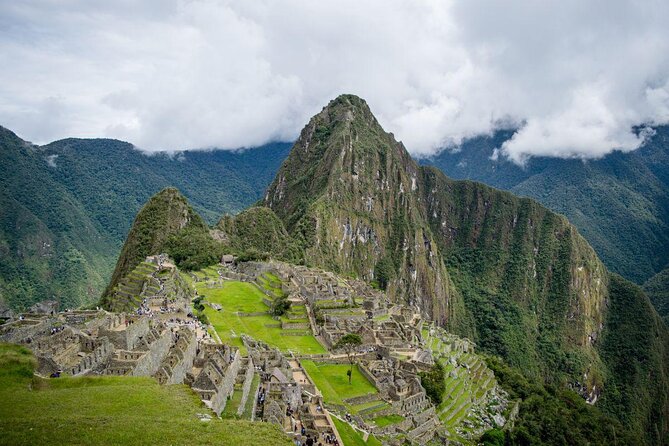
Yes, if you want a quieter, more human route to Machu Picchu and can handle high altitude. The combination of village life, alpaca and llama herds, hot springs, Ipsay Pass, Pumamarka, Ollantaytambo, and the citadel gives you much more than a direct trip to the ruins.
I especially like the small group, the strong guiding, and the care put into meals and logistics. Book only after allowing time to acclimatize in Cusco, checking the sleeping bag plan, and confirming the day two overnight location and Machu Picchu transport.
If Huayna Picchu is important to you, reserve it early and space its entry time well after Circuit 2. If you want a gentle walking holiday, choose another plan. For an active visitor who values quiet trails and direct contact with the Andes, this is a very good use of four days.
FAQ
How high does the Lares Trek climb?
The route crosses Ipsay Pass at about 4,600 meters, or 15,456 feet. Ipsaycocha Lake is at roughly 4,280 meters.
How long is the tour?
The tour lasts approximately four days. The listed walking and sightseeing times are about seven hours on day one, eight hours on day two, six hours on day three, and four hours on day four.
Is Machu Picchu admission included?
Yes. Entrance to Machu Picchu is included in the tour price.
Is Huayna Picchu included?
No. Huayna Picchu is optional, requires a separate ticket, and must be booked in advance.
What meals are included?
The tour includes three breakfasts, three lunches, and three dinners. Your final lunch in Aguas Calientes is not included.
What documents and booking conditions apply?
You need a current valid passport on the day of travel. A minimum of two people is required per booking, the maximum group size is eight, and the experience is non-refundable and cannot be changed after booking.
More Hiking Days from Cusco
- Rainbow Mountain Full Day Trek
★ 5.0 · 1,469 reviews - Rainbow Mountain Day Trip from Cusco: Vinicunca Hiking Tour
★ 4.5 · 737 reviews - Inca Trail 4-Day 3-Night Trek to Machu Picchu with Expert Guides
★ 5.0 · 733 reviews - Humantay Lake Full Day Trek from Cusco with Lunch
★ 5.0 · 726 reviews
Other Ways to Reach Machu Picchu
- Short Inca Trail to Machu Picchu 2D/1N
★ 5.0 · 3,007 reviews - 2-Day Inca Trail to Machu Picchu with Panoramic Train
★ 5.0 · 1,876 reviews - From Cusco: Full-Day Group Tour of Machu Picchu
★ 4.7 · 1,767 reviews - Machu Picchu Day Trip from Cusco
★ 4.5 · 1,644 reviews
Added recently around Cusco
- Super valley or vip valley★ 5.0 · 13 reviews
- the Incas’ Sacred Valley★ 5.0 · 27 reviews
- Sacred Valley of the Incas Day Trip from Cusco★ 5.0 · 6 reviews
- Small-Group Tour: Rainbow Mountains Hiking from Cusco★ 4.0 · 5 reviews
- Excursion to the Sacred Valley of the Incas from Cusco★ 5.0 · 8 reviews
- Maras + Moray & Textile Experience★ 5.0 · 14 reviews
- Tour EN Cuatrimoto POR la Montaña 7 Colors Hike 5 Minutes★ 4.5 · 32 reviews
- rainbow mountain★ 4.0 · 4 reviews
Machu Picchu Tours, compared.
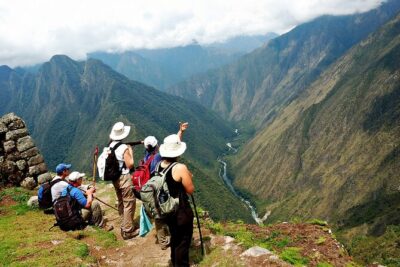
Classic Inca Trail Trek 4D/3N to Machu Picchu (Group Service)
Read our review →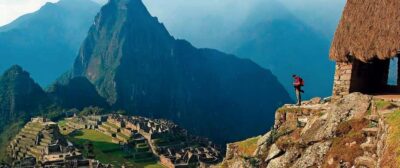
Machu Picchu: 4-Day Inca Trail Trek with Panoramic Train Ride
Read our review →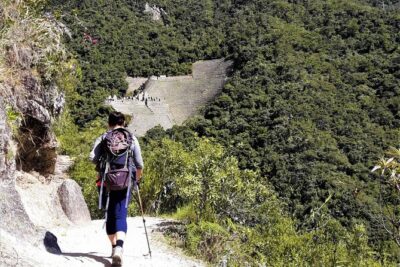
2-Day Inca Trail to Machu Picchu with Panoramic Train
Read our review →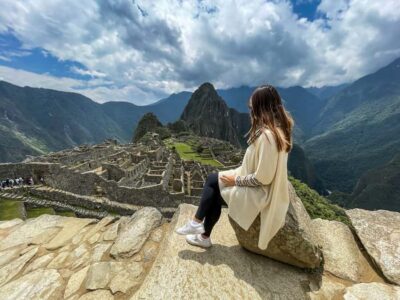
2-Day Tour: Sacred Valley and Machu Picchu by Train
Read our review →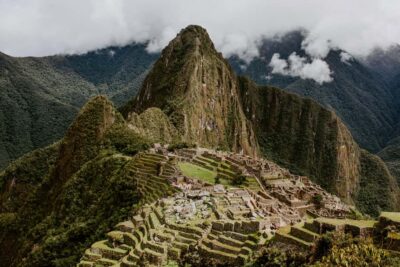
Machu Picchu: Full-Day Tour from Cusco with Optional Lunch
Read our review →Browse the lists this tour appears in