
Reviewed · MACHU PICCHU TOURS
Lares Trek to Machu Picchu 4 Days
The hard part earns the best views. This four-day route from Cusco combines remote Andean villages with turquoise lagoons, glacier views, hot springs, Maras salt pools, and Machu Picchu. I especially like the small maximum group of 15 and the chance to spend time with a local family in Cancha Cancha, rather than simply walking through mountain scenery.
I also like that horses and muleteers carry the general gear and up to 7 kilograms of your belongings. The main caution is the altitude: the second day reaches 4,500 meters and involves about seven hours of walking, so this is a serious trek, not a gentle sightseeing trip with a short hike added on.
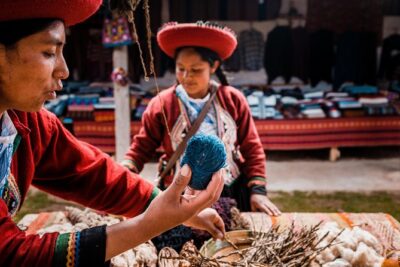
- Cancha Cancha at 3,900 meters: Spend an afternoon with a local family and learn about weaving, customs, and daily life.
- Pachacutec Pass at 4,500 meters: The toughest day brings lagoons, glaciers, alpacas, and wide mountain views.
- Quechua culture along the trail: Remote communities still use traditional clothing and speak Quechua.
- Lares hot springs: Two hours of soaking provide welcome relief after the high-altitude trek.
- Maras and Ollantaytambo: Visit more than 3,000 pre-Inca salt pools, then explore one of the Sacred Valley’s most historic towns.
- Machu Picchu at the end: The trip finishes with a guided visit and early bus ride to the citadel.
In This Review
- Why This Lares Route Feels Different
- Day One: From Cusco to Cancha Cancha
- Day Two: Pachacutec Pass at 4,500 Meters
- Day Three: Hot Springs, Maras, and Ollantaytambo
- Day Four: Machu Picchu and the Return to Cusco
- What the $750 Price Covers
- Food, Safety, and Comfort on the Trail
- Who Should Choose the Lares Trek
- Should You Book This Lares Trek?
- FAQ
- How long is the Lares Trek to Machu Picchu?
- What is the highest point on the trek?
- What level of fitness is required?
- Is camping equipment included?
- How much personal luggage can the horses and mules carry?
- Is the Machu Picchu entrance and guided visit included?
- What happens if bad weather cancels the tour?
Why This Lares Route Feels Different
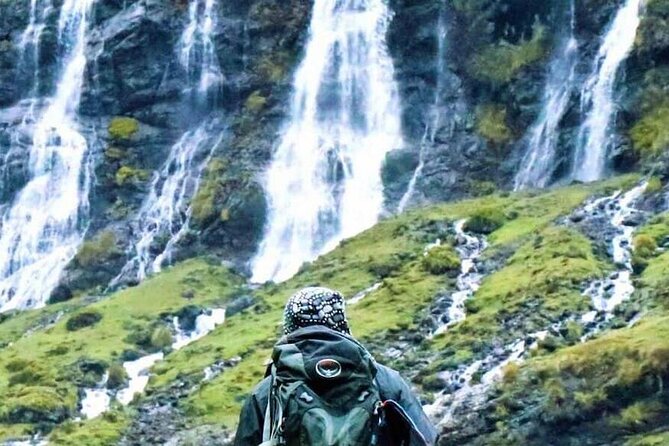
The Lares Trek is a good choice if you want Machu Picchu to be part of a bigger Andean experience. The famous Inca Trail puts more attention on archaeological remains along the path. This route puts more attention on mountain communities, working animals, high passes, lagoons, and life in the Andes today.
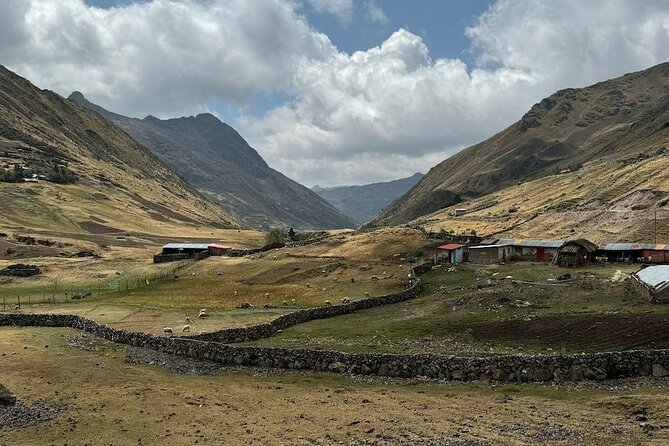
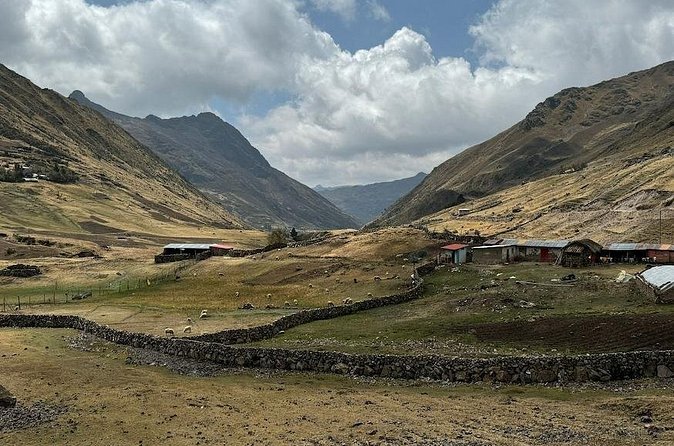
That difference matters. You do not simply walk toward a famous ruin. You pass through places where local people still farm, weave, herd alpacas, wear traditional clothing, and speak Quechua. The cultural visits are not rushed photo stops. On the first afternoon, you spend meaningful time with a family in Cancha Cancha, with the guide helping explain customs and daily routines.
The group limit of 15 is another practical advantage. A group this size is large enough to share the experience but small enough for the guide to offer help during the harder sections. The overall rating is 4.9 from 68 ratings, and 97 percent of participants recommend the experience. Those figures fit the strongest themes in the feedback: good organization, friendly staff, striking scenery, and attentive support.
Day One: From Cusco to Cancha Cancha
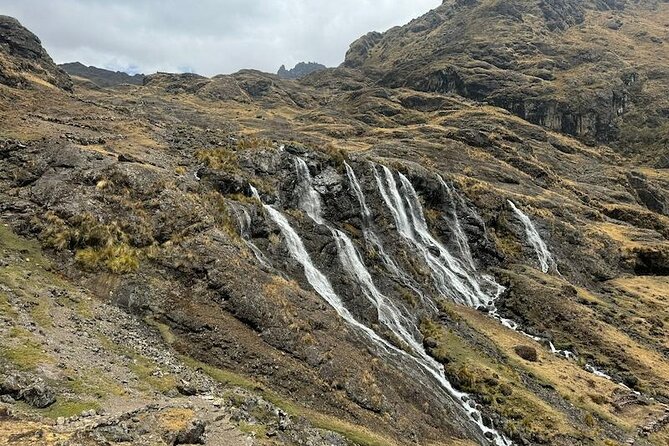
The day begins early. The stated start time is 4:00 a.m., while the departure from Cusco is described as around 5:00 a.m. Confirm the exact pickup time before you go, because this is an early start either way.
You ride from Cusco to the peaceful village of Huaran. There, you have breakfast and meet the muleteers and horses who support the trek. This is more than a transport detail. Carrying tents, cooking equipment, food, and part of your personal gear lets you walk with a lighter pack, which becomes important at altitude.
From Huaran, the first walk takes about three hours and climbs gradually to Cancha Cancha at 3,900 meters. The pace is more forgiving than the next day, but the altitude is already serious. I would treat this as an acclimatization test rather than a warm-up. Walk slowly, drink regularly, and do not spend your energy trying to prove anything during the first morning.
Lunch is prepared by the trekking cook and served beside the river. A professional cook and full kitchen equipment are included, and the meals are part of the value of the package. On a remote trek, a hot, organized meal can make a real difference to comfort and morale.
Cancha Cancha is one of the more authentic parts of the route. You camp there and spend the afternoon with a local family, learning about weaving traditions and daily life. The setting gives the cultural side of the trek real weight. You are not only hearing about Andean customs in a museum or city tour. You are seeing how those traditions fit into a mountain community.
After dark, the guide explains Inca constellations and their connection to planting and harvesting. The night sky is part of the experience here, not just a backdrop for a photograph. Since you are camping at high altitude, bring warm layers and be prepared for basic conditions.
More Hiking Tours in Cusco
- Classic Inca Trail Trek 4D/3N to Machu Picchu (Group Service)
★ 5.0 · 8,653 reviews - Machu Picchu: 4-Day Inca Trail Trek with Panoramic Train Ride
★ 5.0 · 4,568 reviews - Salkantay Classic Trek 5 Days from Cusco
★ 5.0 · 4,062 reviews
Day Two: Pachacutec Pass at 4,500 Meters
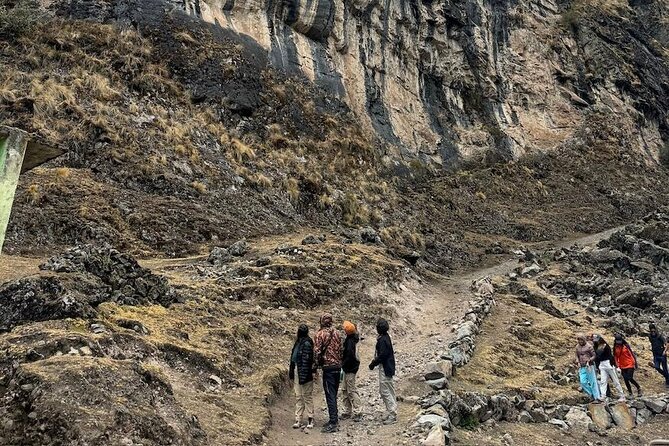
Day two is the physical test. You wake with Andean tea or coffee, then set out for about seven hours of walking toward Pachacutec Pass, which reaches 4,500 meters, or 14,763 feet.
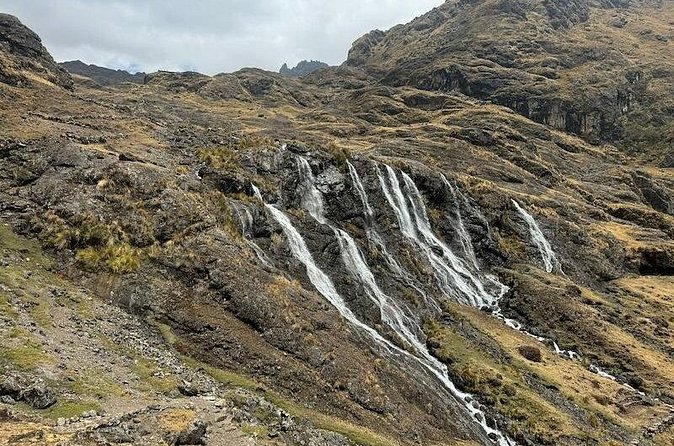
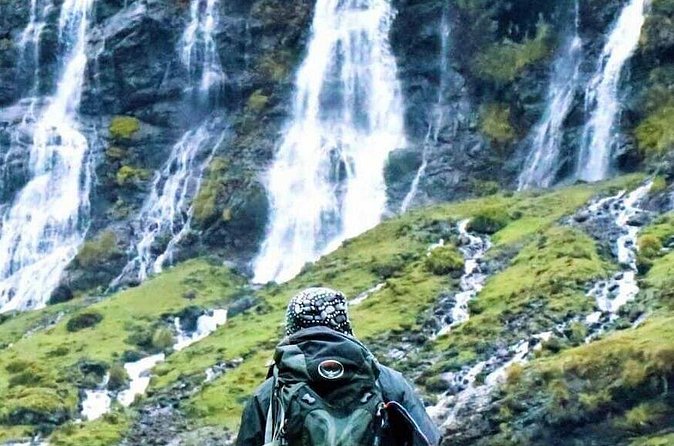
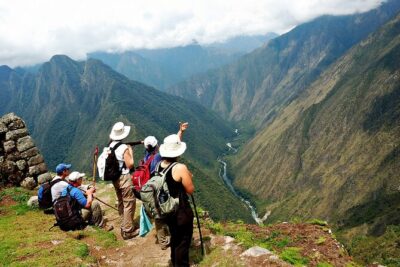
The scenery is the reward for the effort. The route includes turquoise lagoons, glaciers, alpacas, and broad views across the mountains. This is the day most likely to appear in your favorite photographs, but the pictures will not show the thin air or the steady work required to reach the pass.
You should have a good level of physical fitness for this trip. The description specifically calls for strong fitness, and that advice should be taken seriously. The combination of altitude, a long walking day, and a high pass can feel demanding even if you are comfortable hiking at home.
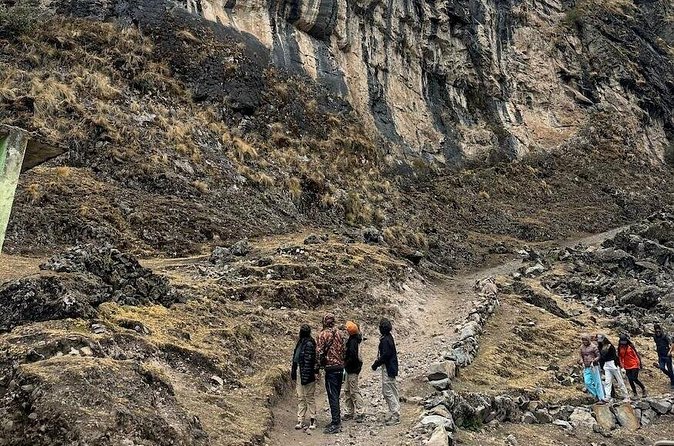
The descent leads toward Quiswarani, a community at about 3,700 meters. The route passes through remote areas where local people still wear traditional clothing and speak Quechua. Your guide acts as a cultural interpreter, helping you understand what you see rather than leaving you to treat the villages as scenery.
This is one of the best reasons to choose the Lares route. The cultural element continues while you walk. It is part of the place itself, not a separate performance added to the day.
You camp in Quiswarani and have dinner prepared by the cook. Three dinners, four breakfasts, and three lunches are included. The meal plan covers the trek and the final touring day, but you should still budget for anything you want outside the provided meals, especially in Aguas Calientes.
Day Three: Hot Springs, Maras, and Ollantaytambo
After breakfast, you leave the camping team and take private transport to the Lares hot springs. The two-hour visit is well placed after the hardest walking day. Natural pools and mountain views offer time to rest before the trip shifts from trekking to sightseeing.
The hot springs are not just a pleasant extra. They give your legs a recovery period and break up what could otherwise be a long sequence of hiking, driving, and train connections. You should still be sensible about the heat after strenuous exercise, especially at altitude.
The next stop is Urubamba in the Sacred Valley, where you have an Andean buffet lunch. The meal features local ingredients and regional dishes. Because lunch is included, you do not need to spend time hunting for a restaurant, and the group can keep to its schedule.
In the afternoon, you visit the Maras salt mines. More than 3,000 pre-Inca salt pools spread across the slopes, each supplied by mineral-rich water and still harvested through traditional methods. The site is visually unusual, but it also shows how an old working system continues to support local production.
The final stop is Ollantaytambo. You have free time to walk its cobbled streets and see its Inca-era character before meeting for dinner at a local restaurant. This free period is useful because it gives you a little control over the pace. You can explore, take photographs, or simply sit down after two demanding days.
After dinner, you board the train to Aguas Calientes. This is a full day, listed at about seven hours, and the number of transitions can make it feel longer. You move from hot springs to lunch, salt pools, town streets, dinner, and a train. The reward is waking near Machu Picchu rather than facing a long transfer from Cusco on the final morning.
Day Four: Machu Picchu and the Return to Cusco
The final morning begins early with one of the first buses from Aguas Calientes to Machu Picchu. The plan aims for sunrise over the sacred mountains, a memorable way to reach the citadel.
Sunrise timing can depend on weather and the exact bus schedule, so I would think of the early departure as your best chance rather than a guarantee. Poor weather can obscure the mountains, but the early start still helps you enter before the day becomes more crowded.
A guide leads about two hours inside Machu Picchu. The visit covers the agricultural, residential, and religious sectors, along with the site’s architecture and spiritual importance. A guided visit is valuable here because the stonework and terraces do not explain themselves. The guide gives the ruins a structure and helps you understand how the different areas worked together.
The Machu Picchu entrance ticket and guided visit are included. Huayna Picchu is not included, and adding that mountain hike costs $70 per person. If you want that option, check availability and arrange it before assuming you can add it at the last minute.
After the guided visit, you return to Aguas Calientes. You have free time for lunch, souvenir shopping, the local museum, or the hot springs. This open period is a welcome change after the tightly timed morning, though you will need to keep an eye on the departure schedule.
The return uses the Expedition train to Ollantaytambo, followed by private transport to Cusco. The round-trip tourist train is included. A Vistadome upgrade for the return costs $65 per person, but the standard Expedition service already gets you back as planned.
Longer treks from Cusco:
- 4-Day Salkantay Trek with Sky Camp Stay
★ 5.0 · 3,346 reviews - Salkantay Trek 5D/4N with Glass Cabins, Domes and Hobbit House
★ 5.0 · 2,488 reviews - 5-Day Premium Salkantay Trek
★ 5.0 · 788 reviews - Lares Valley Trek with Hot Spring 4-Day, 3-Night
★ 5.0 · 656 reviews
What the $750 Price Covers
At $750 per person, this is not a bare-bones hike. The price includes transport, round-trip train travel, Machu Picchu admission, a guided visit, camping support, a professional cook, kitchen equipment, meals, horses, muleteers, a first aid kit, and emergency oxygen.
That collection of services gives the price reasonable value. You are paying for more than a guide and a trail. You are also paying for the logistics of moving food and camping equipment through remote country, arranging transport between the trek and Sacred Valley, securing the train, and coordinating the Machu Picchu visit.
The included horses and mules can carry general equipment and up to 7 kilograms of your personal belongings. Pack carefully, because the 7-kilogram allowance is not a suggestion to bring a large suitcase. You still need a daypack for items you want during the walk.
Several useful items cost extra:
- Sleeping bag: $15 per person
- Inflatable mattress: $20 per person
- Professional trekking poles: $15 per person
- Personal tent: $30 per person
- Huayna Picchu hike: $70 per person
- Vistadome return train upgrade: $65 per person
These charges are clear, but they can raise the final cost. If you need a sleeping bag, mattress, poles, and tent, add $80 per person. Ask what camping equipment is already supplied and what you are expected to bring before booking.
Food, Safety, and Comfort on the Trail
The food support is one of the practical strengths of this trip. A professional cook prepares the meals, and the package includes four breakfasts, three lunches, and three dinners. The menu is described as Andean and locally sourced on the Sacred Valley lunch day.
The safety equipment includes a first aid kit and an emergency oxygen tank. That is reassuring at high altitude, but it does not remove the need to take altitude symptoms seriously. The guide can support you, but you remain responsible for pacing yourself and speaking up if you feel unwell.
Camping is part of the experience, and comfort will be basic. The package does not automatically include a sleeping bag, inflatable mattress, personal tent, or professional trekking poles. Those rental prices are modest compared with the total tour cost, but you should settle the details before departure.
The trip is limited to a maximum of 15 people. That is a useful balance for a route involving high passes and remote communities. The feedback repeatedly praises the organization, the friendly staff, and the attention given during the trek. One recurring theme is that the team helps participants feel safe and comfortable, especially during demanding sections.
Who Should Choose the Lares Trek
I would recommend this route to you if you want:
- A high-altitude trek with a strong physical challenge
- Smaller communities and cultural contact
- Remote scenery rather than a route focused only on ruins
- A structured trip with cooks, muleteers, transport, and train tickets included
- A guided Machu Picchu visit at the end
- A mix of camping, hot springs, Sacred Valley sights, and rail travel
I would be more cautious if you dislike early mornings, camping, long hikes, or sudden changes in altitude. The seven-hour second day is the key issue. You should also consider the 4,500-meter pass carefully if you have limited hiking experience or are not used to high elevations.
The route is especially appealing for people who value photography and nature. Each stage offers a different subject: village life, lagoons, glaciers, alpacas, salt pools, cobbled streets, and the stone terraces of Machu Picchu. Couples and small groups of friends should find the format easy to share, while solo participants benefit from the organized support and limited group size.
The cancellation terms are strict. The experience is non-refundable and cannot be changed for any reason. If bad weather forces the operator to cancel, you are offered a different date or a full refund. That makes travel insurance worth considering, especially for a trip with several prepaid transport and entrance components.
Should You Book This Lares Trek?
Book it if you want Machu Picchu reached through real mountain travel, not simply a train ride from the Sacred Valley. The combination of Cancha Cancha, Quechua communities, Pachacutec Pass, Lares hot springs, Maras, Ollantaytambo, and Machu Picchu gives the four days a satisfying range.
The deciding question is your fitness. If a seven-hour hike to 4,500 meters sounds challenging but manageable, this route offers excellent scenery and strong cultural value for $750. If you want an easy road trip with a short walk, choose another Machu Picchu plan.
Before paying, confirm the 4:00 a.m. meeting time, ask exactly which camping equipment is included, and decide if you need the sleeping bag, mattress, poles, or tent rentals. With those details settled, this is a well-organized choice for an active visitor who wants the Andes to be more than a backdrop.
FAQ
How long is the Lares Trek to Machu Picchu?
The experience lasts about four days. The walking portions take about three hours on day one and seven hours on day two, with sightseeing, transport, and Machu Picchu visits on the remaining days.
What is the highest point on the trek?
The highest point is Pachacutec Pass at 4,500 meters, or 14,763 feet.
What level of fitness is required?
The tour requires a strong physical fitness level. The main challenge is the seven-hour hike to Pachacutec Pass at high altitude.
Is camping equipment included?
A professional cook and full kitchen equipment are included, along with camping support. Sleeping bags, inflatable mattresses, professional trekking poles, and personal tents are listed as optional paid rentals.
How much personal luggage can the horses and mules carry?
The horses and mules carry general equipment and up to 7 kilograms of your personal belongings.
Is the Machu Picchu entrance and guided visit included?
Yes. The Machu Picchu entrance ticket and guided visit are included. The Huayna Picchu mountain hike costs an additional $70 per person.
What happens if bad weather cancels the tour?
If the experience is canceled because of poor weather, you are offered a different date or a full refund. Personal cancellations or requested changes are non-refundable.
More Hiking Days from Cusco
- Rainbow Mountain Full Day Trek
★ 5.0 · 1,469 reviews - Rainbow Mountain Day Trip from Cusco: Vinicunca Hiking Tour
★ 4.5 · 737 reviews - Inca Trail 4-Day 3-Night Trek to Machu Picchu with Expert Guides
★ 5.0 · 733 reviews - Humantay Lake Full Day Trek from Cusco with Lunch
★ 5.0 · 726 reviews
Other Ways to Reach Machu Picchu
- Short Inca Trail to Machu Picchu 2D/1N
★ 5.0 · 3,007 reviews - 2-Day Inca Trail to Machu Picchu with Panoramic Train
★ 5.0 · 1,876 reviews - From Cusco: Full-Day Group Tour of Machu Picchu
★ 4.7 · 1,767 reviews - Machu Picchu Day Trip from Cusco
★ 4.5 · 1,644 reviews
Added recently around Cusco
- Super valley or vip valley★ 5.0 · 13 reviews
- the Incas’ Sacred Valley★ 5.0 · 27 reviews
- Sacred Valley of the Incas Day Trip from Cusco★ 5.0 · 6 reviews
- Small-Group Tour: Rainbow Mountains Hiking from Cusco★ 4.0 · 5 reviews
- Excursion to the Sacred Valley of the Incas from Cusco★ 5.0 · 8 reviews
- Maras + Moray & Textile Experience★ 5.0 · 14 reviews
- Tour EN Cuatrimoto POR la Montaña 7 Colors Hike 5 Minutes★ 4.5 · 32 reviews
- rainbow mountain★ 4.0 · 4 reviews
Machu Picchu Tours, compared.
Classic Inca Trail Trek 4D/3N to Machu Picchu (Group Service)
Read our review →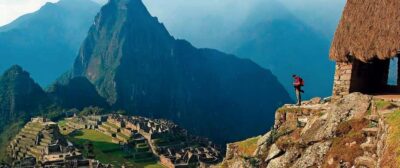
Machu Picchu: 4-Day Inca Trail Trek with Panoramic Train Ride
Read our review →
2-Day Inca Trail to Machu Picchu with Panoramic Train
Read our review →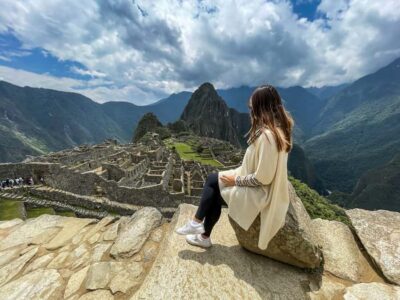
2-Day Tour: Sacred Valley and Machu Picchu by Train
Read our review →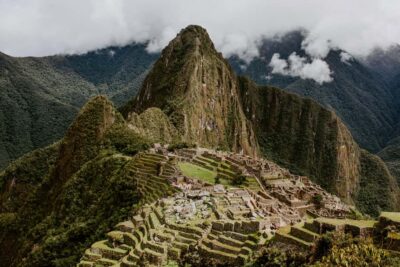
Machu Picchu: Full-Day Tour from Cusco with Optional Lunch
Read our review →Browse the lists this tour appears in