
Reviewed · MACHU PICCHU TOURS
Lares Trek To Machupicchu With Thermal Baths 4Days
High passes, quiet trails, warm baths. This four-day route from Cusco to Machu Picchu trades the crowded Inca Trail for a more remote walk through the Lares Valley, with mountain camps, Andean communities, two major passes, and a well-earned soak in Lares hot springs. I especially like the small maximum group of 16 and the care built into the trek, including a chef, porters, llamas, first-aid supplies, and emergency oxygen.
The food is another strong point. Chef Balero, also called Valerio in one account, prepared memorable meals, including vegetarian dishes and a special tea for a hiker with an upset stomach. Guides such as Ali, Alex, Mesias, and Segundo are praised for their patience, cultural explanations, and good spirits. The main drawback is the altitude: day two reaches 15,420 feet, and the days include long climbs and descents. You need a moderate fitness level, and you should be comfortable camping at nearly 12,600 feet.
In This Review
- Key points before you book
- Why the Lares route feels different
- Day one: Huaran to Cancha Cancha
- Day two: Pachacutec Pass at 15,420 feet
- Day three: Willcaccasa Pass and Lares hot springs
- Day four: Machu Picchu and the return to Cusco
- Adding Huayna Picchu to the visit
- Food, camping, and the people who make it work
- Is $600 a fair price?
- Who should book this trek?
- Final call: a strong choice for active Machu Picchu planning
- FAQ
- Where does the Lares Trek start?
- How long is the Lares Trek to Machu Picchu?
- What is the highest point on the route?
- Are meals included?
- Is camping equipment included?
- Is Huayna Picchu included?
- How many people can join the tour?
Key points before you book
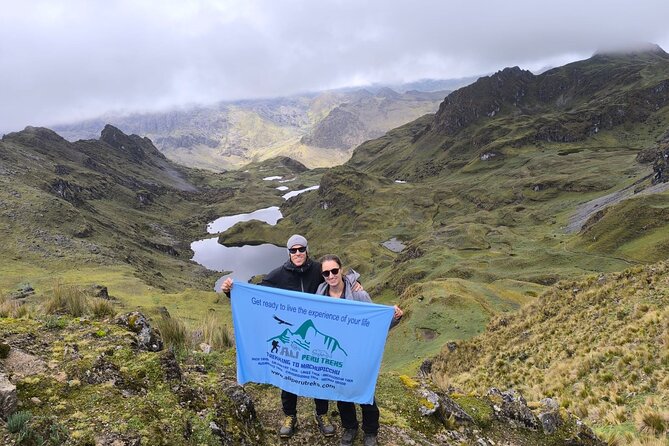
- Two high passes make this a serious mountain trek: Pachacutec Pass reaches 15,420 feet, while Willcaccasa Pass reaches 14,399 feet.
- The Lares hot springs arrive at the right moment: after several days of climbing and descending, you can rest in thermal waters before continuing to Ollantaytambo.
- Local culture is part of the route: visits to Cancha Cancha and a local family near Quishuarani add human context to the mountain scenery.
- The trail is quieter than the famous Inca Trail: the route description and direct accounts point to long stretches with few other groups.
- Meals and camp support are a major part of the value: a chef, porters, horsemen, llamas, camping equipment, and three lunches and dinners are included.
- Huayna Picchu is optional and costs extra: the steep climb takes about 45 minutes each way, and its ticket is not included in the $600 price.
Why the Lares route feels different
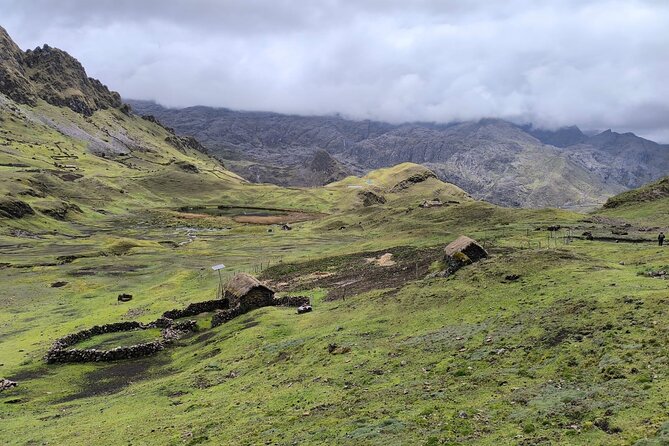
The Lares Trek is a good choice if you want Machu Picchu to be the finish line of a real mountain journey, not the only active part of the trip. You spend the first three days walking through high Andes country, passing waterfalls, lagoons, villages, and mountain passes before reaching the Inca citadel by train.
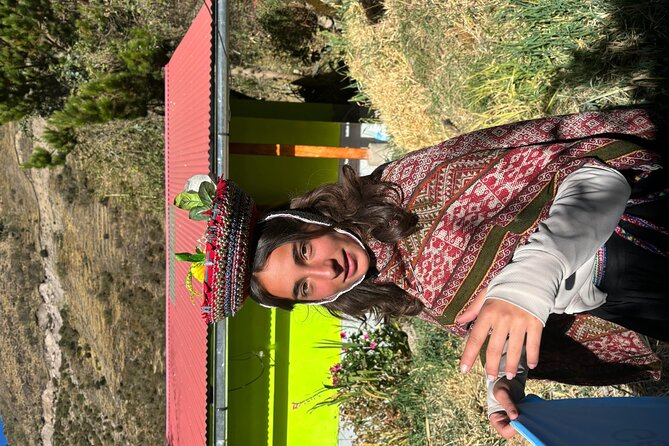
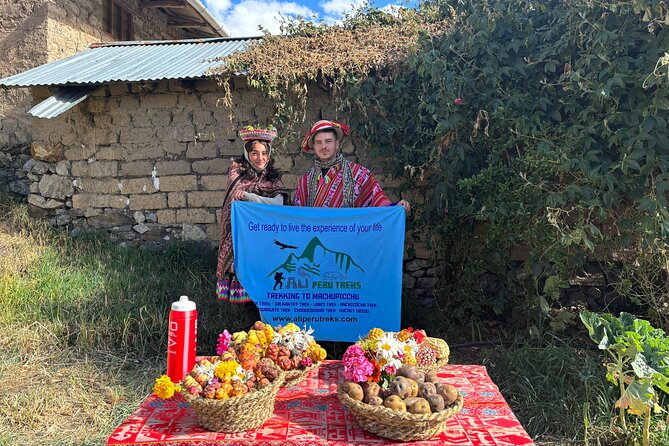
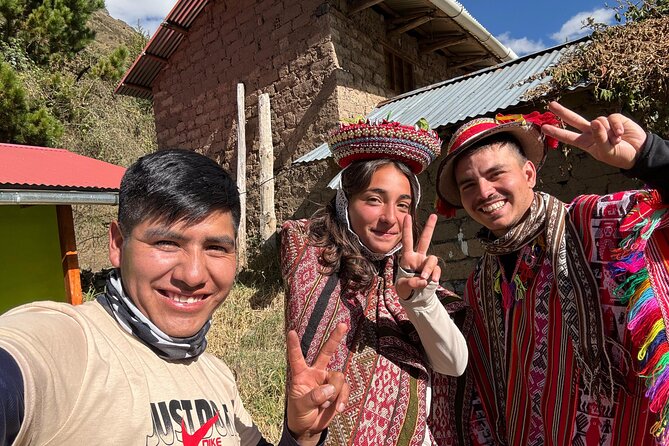
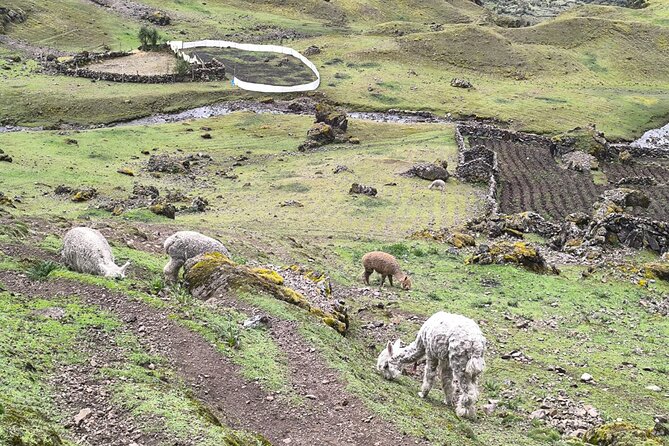
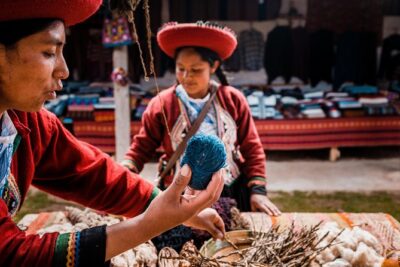
This route also gives you more contact with present-day Andean life. In Cancha Cancha, you visit a local school and learn about farming traditions. Near Quishuarani, you meet a local family and hear more about agriculture in the highlands. These moments matter because the mountains are not just scenery. They are home, pasture, farmland, and sacred ground.
The route is quieter than the classic Inca Trail, according to the experience details and direct comments from people who took it. That can make the walking feel more personal and calm. The tradeoff is that the Lares route is not easy. You gain solitude, but you also face higher passes and a demanding second day.
Altitude is the issue to take seriously. The first campsite sits at 12,631 feet, higher than many visitors have experienced before. The second day rises above 15,000 feet, where even a fit person may move slowly. The program includes emergency oxygen and a first-aid kit, but those supplies are a safety net, not a substitute for preparing properly.
More Hiking Tours in Cusco
- Classic Inca Trail Trek 4D/3N to Machu Picchu (Group Service)
★ 5.0 · 8,653 reviews - Machu Picchu: 4-Day Inca Trail Trek with Panoramic Train Ride
★ 5.0 · 4,568 reviews - Salkantay Classic Trek 5 Days from Cusco
★ 5.0 · 4,062 reviews
Day one: Huaran to Cancha Cancha
Your morning begins with pickup at about 6:00 a.m. from a hotel in Cusco, Urubamba, or Pisaq. The supplied meeting information also gives a 5:00 a.m. start time, so you should confirm the exact pickup hour during the required safety briefing the evening before.
The drive takes about two hours and passes through the Sacred Valley before reaching Huaran at 9,514 feet. Breakfast is served there by the trekking chef. This is a smart start because you get a proper meal before the first climb, rather than trying to begin a high-altitude walk with only a quick snack.
From Huaran, you walk for about three hours through ancient cloud forest. The climb is described as gentle, and the forest offers a chance to watch birds. The change in scenery is one of day one’s pleasures. You begin in a greener, lower setting, then gradually move toward the open high Andes.
Lunch is served near the Cancha Cancha community. A visit to the local school and conversations about agricultural customs give this stop more meaning than a simple rest break. You get a glimpse of how families live and work at high altitude, while also seeing the route as a community road rather than a marked attraction built only for visitors.
The final ascent takes about two hours and passes the Ríos Waterfalls. Your campsite is in Cancha Cancha at 12,631 feet. On arrival, hot tea is served, followed by dinner. This is where the support team starts to earn its keep. While the porters and horsemen handle camp duties, you can settle in, warm up, and focus on rest.
The first day is listed at roughly six hours of walking. It is not the hardest day, but the altitude makes the final climb feel longer than the clock suggests.
Day two: Pachacutec Pass at 15,420 feet
Day two is the physical test. After breakfast at Accopata camp, you climb for about three hours toward Pachacutec Pass. At 15,420 feet, this is the highest point of the trip and the section that should shape your decision to book.
The reward is a broad mountain view with the snow-covered peaks of Pitusiray and Sahuasiray. At the summit, your guide performs a spiritual offering to the Apus, the sacred mountain spirits of the Andes. This adds cultural weight to the climb and helps you understand why high passes carry such importance in local traditions.
The descent lasts about two hours and leads to Qoyalayccocha Lagoon at 12,795 feet. Lunch is served near the water. After a high climb, the descent may feel welcome, but downhill walking can be hard on knees and ankles. Trekking poles are not included, though you can rent them from the company, and they would be useful here.
The final two-hour section leads to Quishuarani camp at 12,103 feet. You then visit a local family to learn about agricultural traditions. The combination of a difficult mountain day and a personal cultural stop gives the day a good rhythm, though you may be tired by the time the evening program begins.
Dinner follows, with a chance to look at Andean constellations if conditions allow. The description says this is potential rather than guaranteed, so treat it as a pleasant extra, not a promised activity.
Day two takes about eight hours and is the longest walking day. You should expect a slow pace, regular rests, and a very early night. I would not schedule any important activity for the evening after this trek.
Day three: Willcaccasa Pass and Lares hot springs
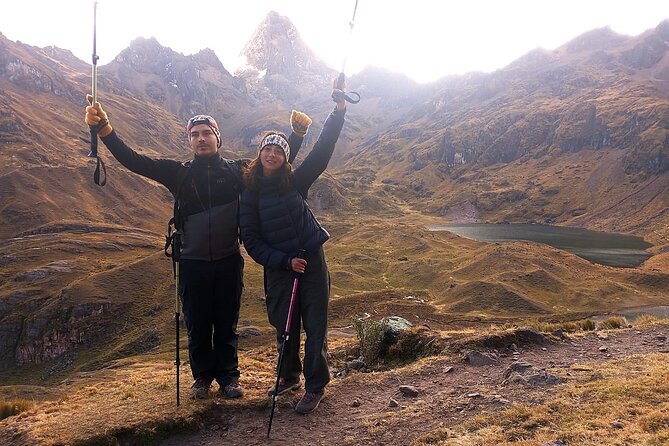
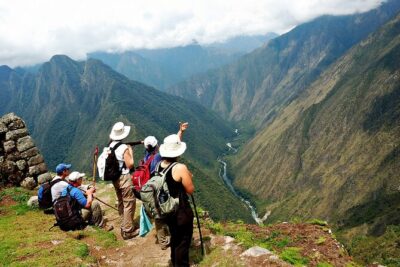
The morning begins at Quishuarani with breakfast and a two-hour climb to Willcaccasa Pass at 14,399 feet. It is lower than Pachacutec Pass, but it still demands steady effort. The views include Andean peaks and turquoise lagoons, giving you one more grand mountain scene before the route turns toward the thermal baths.
After reaching the pass, you descend for a long stretch. The route pauses at Cuncani village at 11,811 feet, then continues for about three hours to the Lares hot springs. The long descent is worth noting. Many people focus on the uphill work, but hours of downhill walking can be just as tiring, especially after two nights of camping.
The hot springs are the payoff. You can soak in medicinal thermal waters after the physical work of the trek, giving your legs a chance to recover before the final transfer. Lunch is included, and then you say goodbye to the horsemen, chef, and porters who supported the walk.
A private van takes you about three hours to Ollantaytambo at 9,160 feet. Dinner is served in this historic town, described here as the Last Living Inca City, before you board the train to Aguas Calientes. The train ride brings you down to 6,692 feet, a welcome change after the high camps.
You spend the night in a three-star hotel in Aguas Calientes. That hotel night is important. Instead of finishing the trek and immediately visiting Machu Picchu, you get a shower, a bed, and a chance to organize your small day pack.
The walking portion of day three is listed at about six hours, but the full day is longer once you add the van, dinner, train, and hotel check-in. Keep your expectations practical. This is a transition day, not a lazy spa afternoon.
Longer treks from Cusco:
- 4-Day Salkantay Trek with Sky Camp Stay
★ 5.0 · 3,346 reviews - Salkantay Trek 5D/4N with Glass Cabins, Domes and Hobbit House
★ 5.0 · 2,488 reviews - 5-Day Premium Salkantay Trek
★ 5.0 · 788 reviews - Lares Valley Trek with Hot Spring 4-Day, 3-Night
★ 5.0 · 656 reviews
Day four: Machu Picchu and the return to Cusco
After an early breakfast, you take a bus from Aguas Calientes to Machu Picchu. The ride takes about 25 minutes. Your guide leads a two-hour tour of the citadel, explaining Inca history and culture before giving you time to explore independently.
The guided portion is useful because Machu Picchu can feel like a maze of terraces, temples, walls, and viewpoints. A guide also helps connect the structures to the wider story of the Inca Empire. Afterward, your free time lets you move at your own pace and take photographs without constantly following the group.
Your hotel stores your larger luggage, so you only need a day pack. Pack water, sun protection, and anything you need for several hours away from the hotel. The supplied schedule advises returning to Aguas Calientes no later than two hours before your train departure. Follow that advice. The town is compact, but train timing is not something to gamble with.
The return train to Ollantaytambo takes about two hours. Staff meet you there and drive you back to your hotel in Cusco. The day is listed as about three hours, not counting waiting, exploration, train travel, and the road transfer. In real terms, it is a full travel day.
Adding Huayna Picchu to the visit
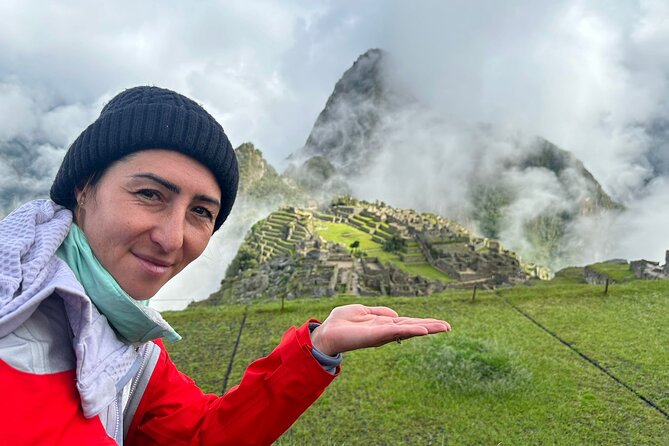
Huayna Picchu is an optional extra. Its separate ticket is not included, and the climb adds about 90 minutes, with 45 minutes up and 45 minutes back down.
The mountain rises to 8,724 feet and sits beside the Machu Picchu citadel, with the Vilcanota River around its northern side. The route is steep and narrow, with stairs cut into exposed rock near vertical drops. That description is enough to make the decision clear: choose it only if you are comfortable with steep mountain steps and have the required ticket.
You should also consider how Huayna Picchu fits into the guided visit and free time. The standard program already includes a two-hour tour and independent exploration, so an extra climb may reduce the time you have to see the main citadel at a relaxed pace. The ticket must be arranged separately.
Food, camping, and the people who make it work
The $600 price includes three breakfasts, three lunches, and three dinners during the trek, plus breakfast at the Aguas Calientes hotel. Meals use local natural ingredients, and the cooking receives some of the strongest praise attached to this experience.
Chef Balero prepared generous meals and made a special tea for a hiker with stomach trouble. Vegetarian food also received specific praise, so you should communicate dietary needs clearly before departure. The information supports confidence in the kitchen, but it does not give a full sample menu.
Two nights of camping are included with comfortable equipment. Sleeping bags, air mattresses, and trekking poles are not included, though all three can be rented through the company. Check what the supplied camping equipment covers so you know what you still need to rent.
Llamas carry luggage, while horsemen, porters, and the chef support the group. This means you do not need to carry every piece of trekking gear yourself, but you should still expect to carry your day pack with water, warm layers, rain protection, and personal items.
Guide support is another clear strength. Ali is praised for careful explanations and patience. Alex is described as warm and attentive, while Mesias guided both the trek and Machu Picchu. Segundo helped set up camp and gave the group more time to explore. The exact guide and staff lineup can vary, but these names show the kind of service the company aims to provide.
Is $600 a fair price?
At $600 per person, the package covers a lot: hotel pickup, professional guides, chefs, porters, llamas, two mountain camps, all trek meals, thermal bath admission, the Aguas Calientes hotel, buses to and from Machu Picchu, the train, and the return transfer to Cusco.
The value is strongest if you want one organized purchase rather than separate bookings for transport, lodging, food, and permits. The train and Machu Picchu transfers alone can make independent planning complicated, while the support team removes much of the practical work.
There are extra costs to allow for. Sleeping bags, air mattresses, and trekking poles are optional rentals. Lunch on the last day is not included, and Huayna Picchu requires a separate ticket. The package also says dinner and lunch three times, so check the meal schedule if you have special dietary needs.
For a four-day mountain trip with camping, hot springs, a hotel, trains, buses, and a guide, the price appears strong. It is not the cheapest possible way to reach Machu Picchu, but it offers more than a basic transfer package. The real question is whether you want the demanding trek that comes with that value.
Who should book this trek?
I would recommend it to you if you want:
- High-altitude mountain scenery and quiet trails
- A serious physical challenge without giving up a hotel night
- Local community visits alongside natural scenery
- A support crew that handles camp, food, and luggage
- Machu Picchu reached as the finish of a longer journey
- Thermal baths after several demanding days
I would be cautious if you dislike cold camping, long descents, early starts, or thin air. The route is described as suitable for people with moderate fitness, but the 15,420-foot pass is not a casual walk. You should also be ready for a packed schedule on day three, when hiking, hot springs, a van ride, dinner, and a train all happen in one day.
The group limit of 16 keeps the experience from becoming a large procession. Still, group pace matters on steep ground, and you should expect to walk as part of a guided party rather than completely alone.
Free cancellation is available up to 24 hours before the start time for a full refund. Changes or cancellations made inside that window are not accepted for a refund, based on the stated policy.
Final call: a strong choice for active Machu Picchu planning
Book this Lares Trek if you want the Andes to be the main event, with Machu Picchu as the grand finish. The quiet trail, community visits, strong food, high passes, thermal baths, and capable support crew give the trip real substance.
Skip it if you mainly want an easy visit to Machu Picchu or if high altitude worries you. Before paying, confirm the pickup time, ask what camping gear is supplied, arrange any rentals, and decide early if you want the separate Huayna Picchu ticket. For a fit hiker who wants culture, scenery, and practical support in one $600 package, this is a well-balanced route with plenty of memorable moments.
FAQ
Where does the Lares Trek start?
The experience starts in Cusco, Peru, with pickup available from hotels in Cusco, Urubamba, or Pisaq. The stated pickup time is around 6:00 a.m., while the meeting information also lists a 5:00 a.m. start, so confirm the exact time during the safety briefing.
How long is the Lares Trek to Machu Picchu?
The experience lasts approximately four days. It includes three days of trekking and travel, followed by a Machu Picchu visit on day four.
What is the highest point on the route?
The highest point is Pachacutec Pass at 15,420 feet. The route also crosses Willcaccasa Pass at 14,399 feet.
Are meals included?
Yes. The package includes four breakfasts, three lunches, and three dinners. Lunch on the final day is not included.
Is camping equipment included?
Two nights of camping with comfortable equipment are included. Sleeping bags, air mattresses, and trekking poles are not included, but they can be rented through the company.
Is Huayna Picchu included?
No. Huayna Picchu requires a separate ticket. The climb takes about 45 minutes up and 45 minutes back down, and the trail includes steep, narrow sections and stairs cut into rock.
How many people can join the tour?
The maximum group size is 16 people.
More Hiking Days from Cusco
- Rainbow Mountain Full Day Trek
★ 5.0 · 1,469 reviews - Rainbow Mountain Day Trip from Cusco: Vinicunca Hiking Tour
★ 4.5 · 737 reviews - Inca Trail 4-Day 3-Night Trek to Machu Picchu with Expert Guides
★ 5.0 · 733 reviews - Humantay Lake Full Day Trek from Cusco with Lunch
★ 5.0 · 726 reviews
Other Ways to Reach Machu Picchu
- Short Inca Trail to Machu Picchu 2D/1N
★ 5.0 · 3,007 reviews - 2-Day Inca Trail to Machu Picchu with Panoramic Train
★ 5.0 · 1,876 reviews - From Cusco: Full-Day Group Tour of Machu Picchu
★ 4.7 · 1,767 reviews - Machu Picchu Day Trip from Cusco
★ 4.5 · 1,644 reviews
Added recently around Cusco
- Super valley or vip valley★ 5.0 · 13 reviews
- the Incas’ Sacred Valley★ 5.0 · 27 reviews
- Sacred Valley of the Incas Day Trip from Cusco★ 5.0 · 6 reviews
- Small-Group Tour: Rainbow Mountains Hiking from Cusco★ 4.0 · 5 reviews
- Excursion to the Sacred Valley of the Incas from Cusco★ 5.0 · 8 reviews
- Maras + Moray & Textile Experience★ 5.0 · 14 reviews
- Tour EN Cuatrimoto POR la Montaña 7 Colors Hike 5 Minutes★ 4.5 · 32 reviews
- rainbow mountain★ 4.0 · 4 reviews
Machu Picchu Tours, compared.
Classic Inca Trail Trek 4D/3N to Machu Picchu (Group Service)
Read our review →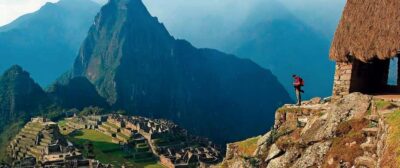
Machu Picchu: 4-Day Inca Trail Trek with Panoramic Train Ride
Read our review →
2-Day Inca Trail to Machu Picchu with Panoramic Train
Read our review →
2-Day Tour: Sacred Valley and Machu Picchu by Train
Read our review →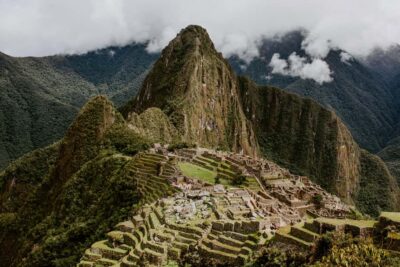
Machu Picchu: Full-Day Tour from Cusco with Optional Lunch
Read our review →Browse the lists this tour appears in