
Reviewed · MACHU PICCHU TOURS
Machu Picchu: 5-Day Salkantay Trek with Panoramic Train
The mountains make you earn the magic. This five-day Salkantay Trek pairs demanding high-altitude hiking with Humantay Lake, a Pachamanca meal, coffee farms, and a first look at Machu Picchu from Llactapata. I especially like the thoughtful camps and the excellent food, which turn a tough route into a more comfortable cultural journey.
I also like the small group size, capped at 16, and the care shown by guides such as Cesar, José, Roger, Gilbert, Edi, and Elias. The main caution is altitude: Day 1 reaches 4,200 meters, and the Salkantay Pass rises to 4,630 meters. You need stamina, warm layers, and a sensible plan for acclimatization.
In This Review
- Key points to know before booking
- Why this Salkantay route feels different
- Day 1: Humantay Lake at 4,200 meters
- Day 2: Crossing the Salkantay Pass
- Day 3: Pachamanca, coffee, and the first Machu Picchu view
- Day 4: Following the railway to Aguas Calientes
- Day 5: Machu Picchu and the panoramic train
- The guides and support crew make the difference
- What the $655 price really covers
- Who should book this trek?
- Should you book it?
- FAQ
- How difficult is the five-day Salkantay Trek?
- What time does pickup begin in Cusco?
- What accommodation is included?
- Are meals and dietary options included?
- Can I hike Huayna Picchu or Machu Picchu Mountain?
- What train returns to Cusco?
Key points to know before booking
- The Salkantay Pass reaches 4,630 meters: This is the trek’s hardest physical test and highest point.
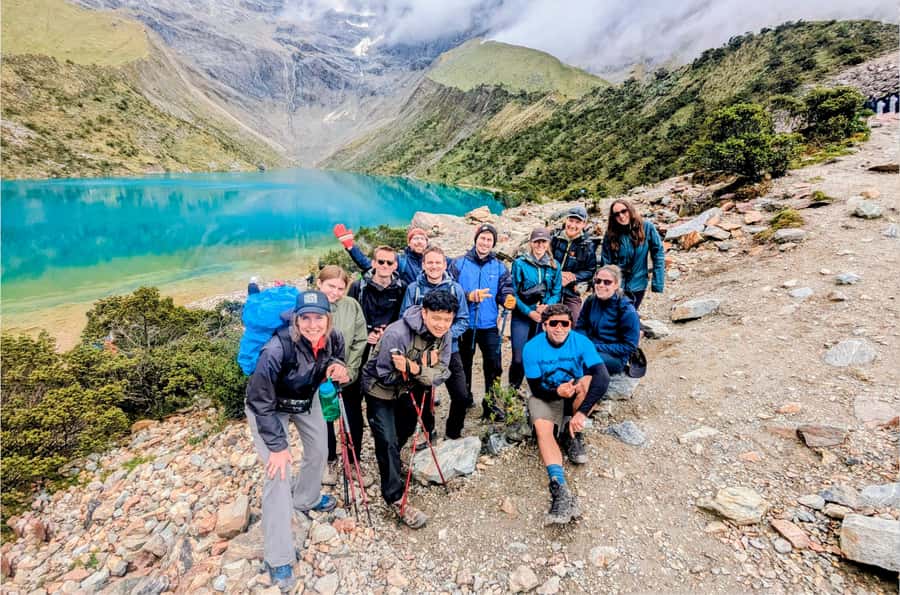
- Humantay Lake comes on Day 1: The turquoise water is spectacular, but the climb begins before your body has fully settled into the altitude.
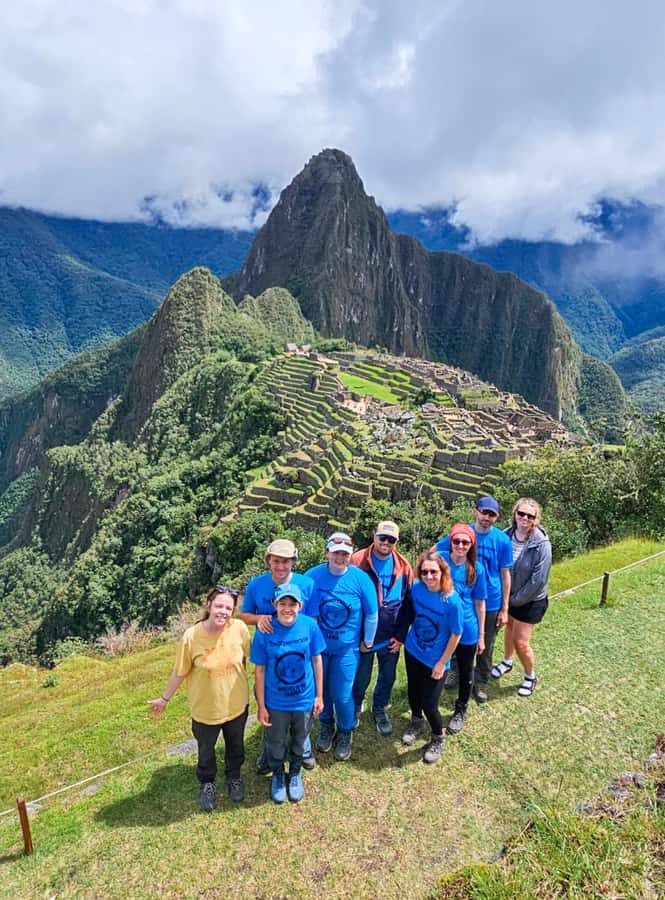
- Llactapata offers a special Machu Picchu view: You camp with the citadel visible in the distance before visiting it the next morning.
- Food is a major strength: Chefs prepare fresh breakfasts, lunches, dinners, snacks, and a traditional Pachamanca feast.
- You get comfort without losing the trail experience: The trip includes one glamping night, two camping nights, and one night in a three-star hotel.
- The $655 price covers a lot: Transport, permits, meals, lodging, guide services, gear support, and the panoramic train are included, though some hiking equipment costs extra.
Why this Salkantay route feels different
The Salkantay Trek is a fine choice if you want Machu Picchu to feel like the end of a journey rather than a quick stop on a sightseeing circuit. Over five days, you move from icy high country to cloud forest, coffee-growing country, and the railway town of Aguas Calientes.
That change in scenery gives the trek its character. One morning you are looking at glacial peaks. A day later, you are crossing wooden bridges near waterfalls and plantations. The route is not only about getting to Machu Picchu. It shows how sharply Peru’s climate zones change with altitude.
The trip also puts real attention into camp life. You are not simply handed a tent and left to manage the basics. The team provides hot drinks, snacks, clean water for refilling, sleeping pads, pillows, rain ponchos, and hand towels. Muleteers carry camping equipment, while cooks prepare multiple dishes at mealtimes.
That support matters. You still do the walking, but you are not spending your evenings hauling heavy gear or preparing food. Several guides have also been praised for adjusting the pace, taking regular breaks, and helping people who were struggling with altitude or fatigue.
More Hiking Tours in Cusco
- Classic Inca Trail Trek 4D/3N to Machu Picchu (Group Service)
★ 5.0 · 8,653 reviews - Machu Picchu: 4-Day Inca Trail Trek with Panoramic Train Ride
★ 5.0 · 4,568 reviews - Salkantay Classic Trek 5 Days from Cusco
★ 5.0 · 4,062 reviews
Day 1: Humantay Lake at 4,200 meters
Your first morning begins early, with pickup around 4:30 a.m. from a hotel or Airbnb near Cusco’s historic center. A three-hour drive takes you to Mollepata, where you eat breakfast and meet the trekking team.
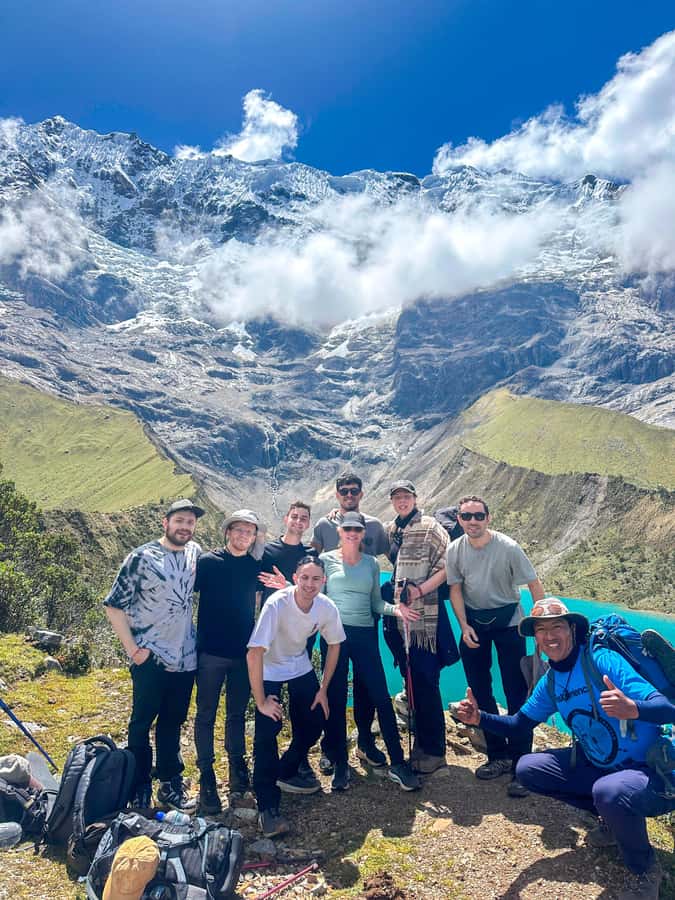
From the trailhead, you hike for about three hours to Humantay Lake. The turquoise water, backed by high mountain scenery, is one of the route’s most memorable sights. It is also an honest introduction to the physical demands ahead.
At 4,200 meters, even a moderate uphill walk can feel much harder than expected. You may be fit at home and still find yourself breathing heavily, walking slowly, or needing frequent pauses. Guides have helped people through headaches and altitude sickness, but you should not treat that support as a substitute for preparation.
After time at the lake, you descend to Soraypampa for lunch. The trail then rises gently for about two hours to the Salkantay glamp campsite at roughly 4,150 meters.
This first camp is one of the experience’s strongest comfort touches. You sleep in a large, cozy tent rather than a basic backpacking shelter, with dinner served after the day’s effort. At night, the high elevation brings clear skies and a remarkable view of the stars, with Salkantay Mountain looming above camp.
Bring warm clothing you can layer. Temperatures at this height can feel severe after sunset, even if the afternoon hike was sunny. A rented sleeping bag is available, and you should consider taking one if you do not already have suitable cold-weather equipment.
Day 2: Crossing the Salkantay Pass
Day 2 is the trek’s big test. You begin with coffee or coca tea, then hike toward the Salkantay Pass, reaching 4,630 meters.
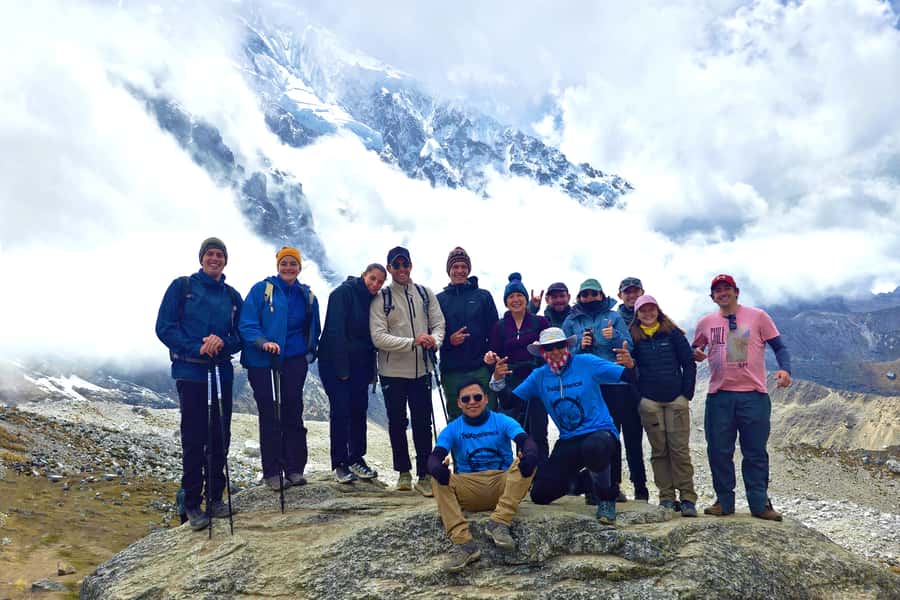
The pass is the highest point on the route. You get broad mountain views and a chance to pause near a glacial lake before the long descent. The scenery is dramatic, but this is not a gentle morning walk. The altitude, cold, and sustained climb require patience.
I would follow the guides’ advice closely about water, warm layers, sun protection, and rest breaks. The support team carries camping equipment, but you still need to carry your own daypack. Keep it light, ideally no larger than 25 liters.
After reaching the pass, the route drops toward Wayracmachay for lunch. The long descent is easier for some people than the climb, but it can be tiring on knees and ankles. Trekking poles are available to rent and are worth considering, especially if you are not used to steep downhill walking.
The afternoon brings a major change in scenery. High mountain terrain gives way to cloud forest, with warmer air and thicker plant life. By evening, you reach Collpapampa at about 2,770 meters and sleep in comfortable Andean huts.
This shift from cold mountain to humid forest is one reason the Salkantay route feels so varied. It also means you need clothing for several conditions in one day. A rain jacket, sun hat, warm layer, and insect repellent all belong in your daypack.
Day 3: Pachamanca, coffee, and the first Machu Picchu view
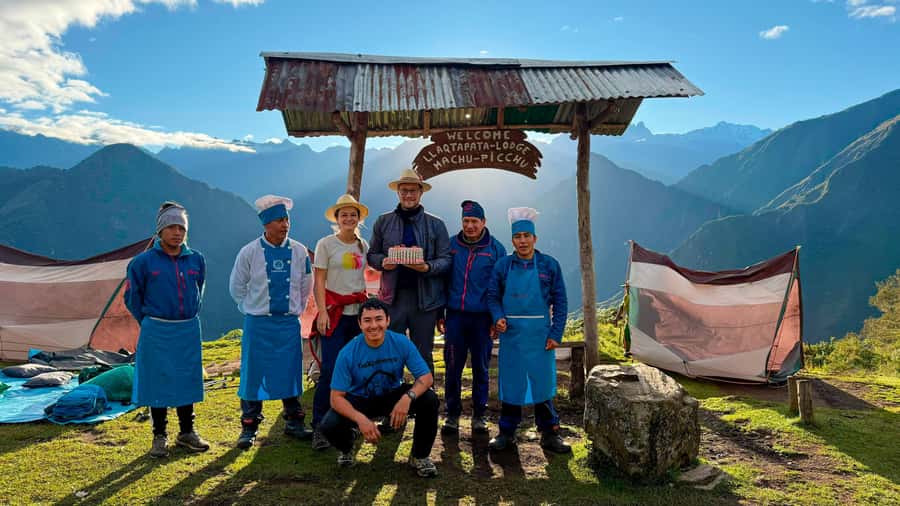
Day 3 is less about a single hard climb and more about local food, farming, and the route’s cultural side. After breakfast, you walk along scenic trails with wooden bridges, waterfalls, and plantations on the way to Lucmabamba at about 2,000 meters.
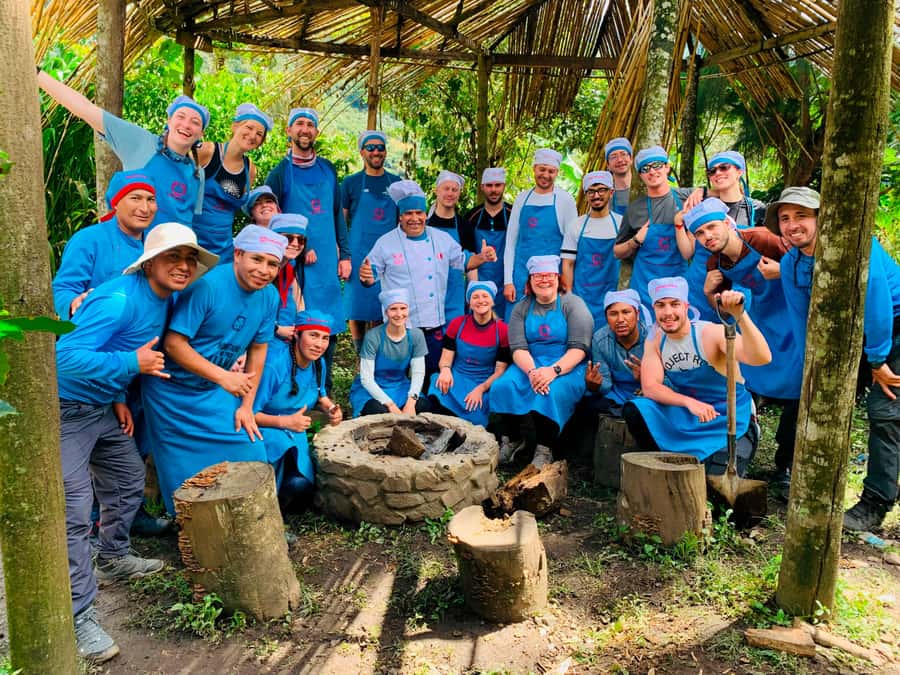
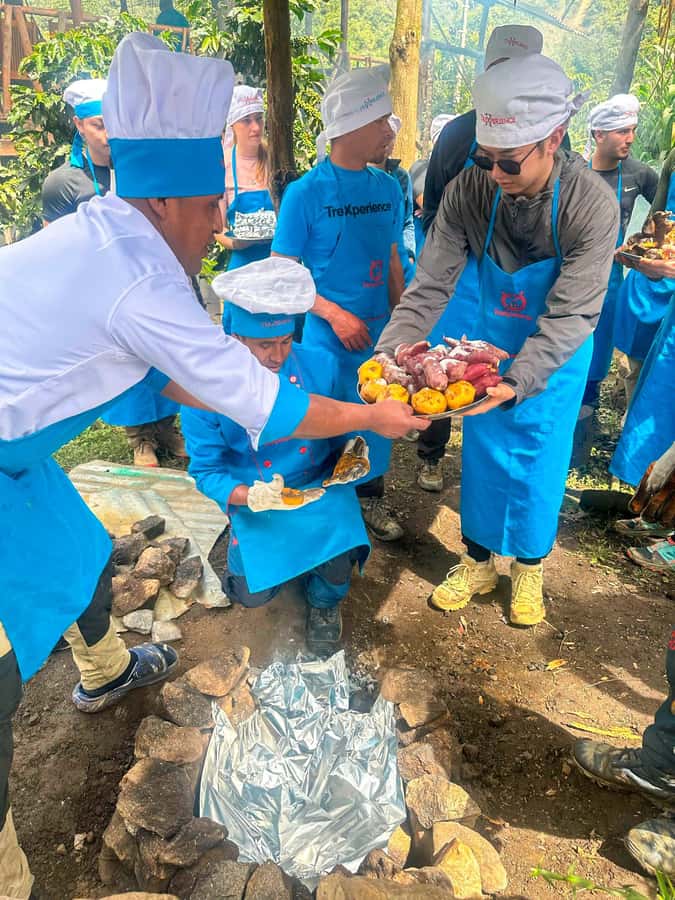
Here, you take part in a Pachamanca barbecue and cooking experience. Pachamanca is a traditional Andean method of cooking food with heated stones, often in an earth oven. It gives the meal a strong sense of place, and it is more meaningful than another standard packed lunch.
The coffee experience adds another local connection. You visit coffee farms, learn about the crop, and taste freshly brewed coffee. If you enjoy food and drink, this may be one of the most rewarding parts of the trip because it connects the trail to the communities along it.
The cooking team has earned especially high praise for the quality and variety of meals. Vegetarian options are available, and dietary needs should be shared when booking. Fresh food, snacks, hot drinks, and water refills help make the long days easier.
After lunch and the coffee visit, you follow part of the Inca Trail for around three hours to Llactapata, at approximately 2,750 meters. The climb leads to an Inca site with a distant view of Machu Picchu.
You camp at Llactapata with the citadel in sight. This is a clever piece of trip planning. Instead of seeing Machu Picchu for the first time only after arriving at the entrance gates, you get a quieter preview from the mountainside.
The campsite is also a practical reward after several demanding days. You can have coffee in the morning while looking toward Machu Picchu, then prepare for the final approach. Pack your camera, but keep your main luggage organized because the next day includes a change from camp to hotel.
Longer treks from Cusco:
- 4-Day Salkantay Trek with Sky Camp Stay
★ 5.0 · 3,346 reviews - Salkantay Trek 5D/4N with Glass Cabins, Domes and Hobbit House
★ 5.0 · 2,488 reviews - 5-Day Premium Salkantay Trek
★ 5.0 · 788 reviews - Lares Valley Trek with Hot Spring 4-Day, 3-Night
★ 5.0 · 656 reviews
Day 4: Following the railway to Aguas Calientes
The morning begins with a view toward Machu Picchu and freshly brewed coffee. You then descend for about two hours to the hydroelectric station.
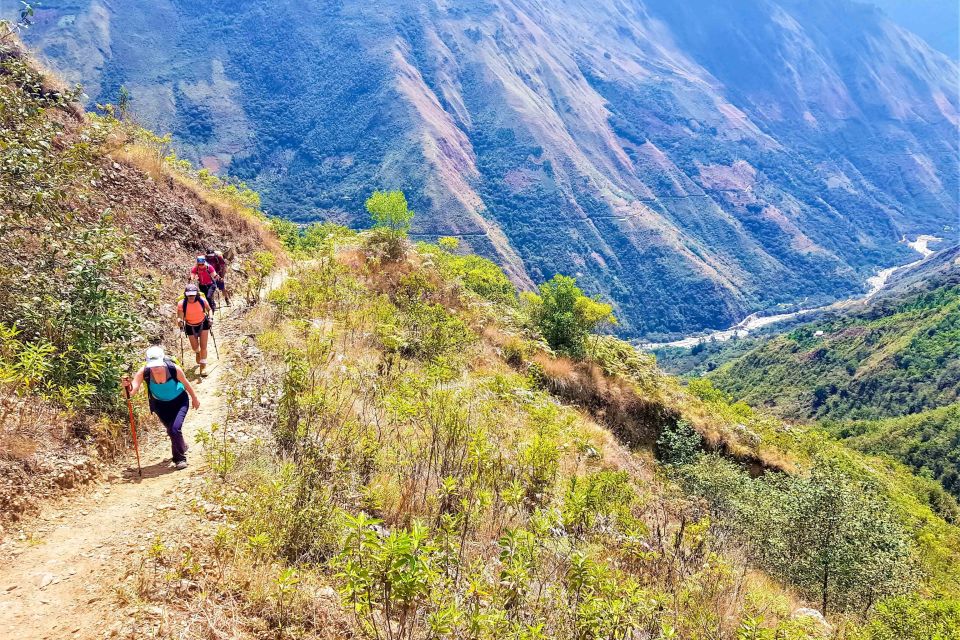
A final brunch with the trekking team follows before you start the three-hour walk along the railway and the Urubamba River toward Aguas Calientes. This section is much less strenuous than the pass crossing, but it can feel long after several days on your feet.
The railway walk is also the point where you should manage expectations. It is a practical route into town, not a remote mountain trail. You are following an established corridor used by trains and walkers, so the mood changes from wilderness to approach road.
A stop at Mandor Botanical Gardens adds interest. The area is known for orchids and birdlife, giving you a closer look at the plant life of the lower valley. It breaks up the railway walk and provides a calmer final stretch before Aguas Calientes.
Once in town, you check into a three-star hotel. This is a welcome change after camping and huts. You can explore the town, rest, or visit the hot springs before dinner at a local restaurant.
Aguas Calientes is a useful place to slow down. Do not spend the evening trying to pack in too much. You have an early start for Machu Picchu, and the main visit deserves your energy.
Day 5: Machu Picchu and the panoramic train
The final morning starts with breakfast and one of the first buses to Machu Picchu. An early arrival gives you the best chance of seeing the citadel in the morning light, though the exact conditions depend on weather and the day’s access arrangements.
A guided tour lasts around two to three hours. This is where a good guide adds real value. The ruins are beautiful on their own, but explanations about the buildings, setting, and Inca planning give you a better sense of what you are seeing.
After the guided visit, you have some time to explore independently. Huayna Picchu and Machu Picchu Mountain are possible add-ons, but their permits must be booked in advance. They are not included automatically, so decide before departure if one of these hikes matters to you.
The park has strict bag limits. Bring a lightweight backpack no larger than 25 liters because larger packs cannot be taken into Machu Picchu. Your passport is required, and passport details are needed when booking the trip.
After returning to Aguas Calientes, you have lunch before boarding the panoramic Vistadome or 360° train to Ollantaytambo. Large windows make the ride part of the sightseeing rather than a simple transfer.
A private van then takes you back to Cusco, with arrival expected around 7:30 p.m. It is a long final day. Arrange your Cusco plans with enough flexibility, since transport connections and mountain conditions can affect the schedule.
The guides and support crew make the difference
A demanding trek depends heavily on the people running it. The strongest part of this experience is the repeated care from the guide and kitchen teams.
Cesar has been praised for helping people through serious altitude problems while keeping the group moving safely. Roger has been singled out for handling transport complications and making sure people reached their connections. José is known for patience with slower walkers, clear answers, humor, and steady encouragement.
Gilbert has also been praised for adapting to different abilities and arranging an alternative for someone who could not complete every section on foot. Edi, Elias, Miguel, Renato, Klever, and other guides have received similar praise for historical explanations, morale, and practical help.
That does not mean every person will have the same guide. It does show what you should expect from a well-run small group: regular check-ins, advice about clothing and sunscreen, reminders to drink, and help when the altitude hits hard.
The cooks deserve equal credit. Meals can include several dishes, and vegetarian choices are available. The food has been described as better than meals eaten in Aguas Calientes, which is a remarkable result given the remote camps.
What the $655 price really covers
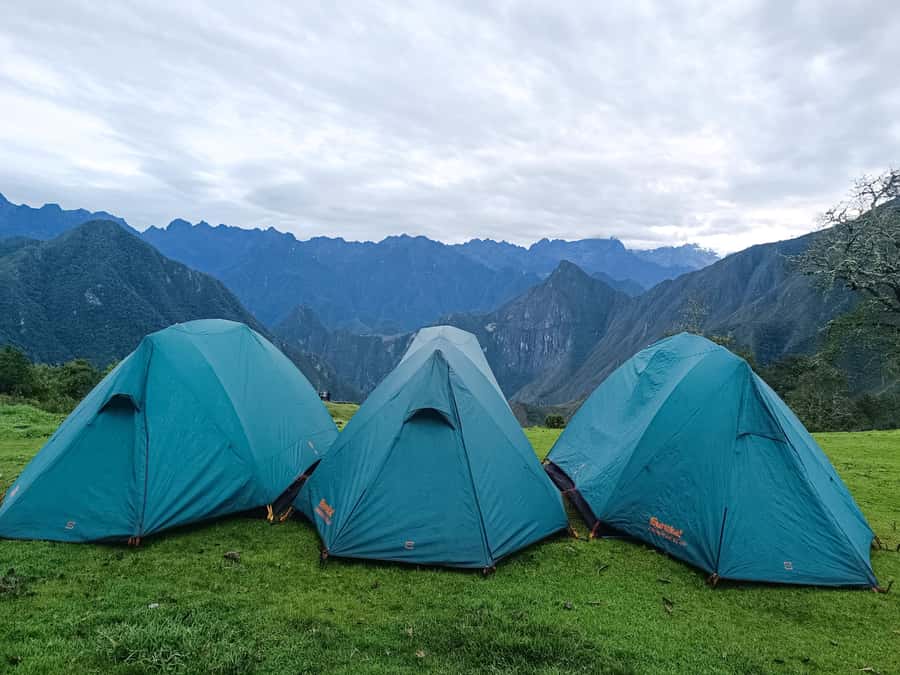
At $655 per person, this is not a bare-bones trek. The price includes Salkantay and Machu Picchu entrance fees, professional guides, hotel pickup and drop-off, buses to Machu Picchu, the panoramic return train, and private transport back to Cusco.
You also receive:
- Two nights of camping
- One night of glamping
- One night in a three-star hotel
- Four breakfasts, three lunches, and three dinners
- Daily snacks and drinking water
- A duffle bag with a 7-kilogram limit
- Muleteers for camping equipment
- Sleeping pad, pillow, rain poncho, and hand towels
- First-aid kit, satellite phone, and oxygen tank
The value is strongest if you would otherwise have to arrange several separate services. Food, permits, accommodation, trail support, and train transport are bundled together, reducing the number of details you must manage.
Budget extra for a sleeping bag, inflatable mattress, or trekking poles if needed. Huayna Picchu and Machu Picchu Mountain also cost extra and require advance booking. Carry cash in Peru. One useful tip from the experience is simple: you need it more often than you might expect.
The activity is non-refundable, so read the conditions carefully before paying. Passport name, number, expiry date, and country are required at booking.
Who should book this trek?
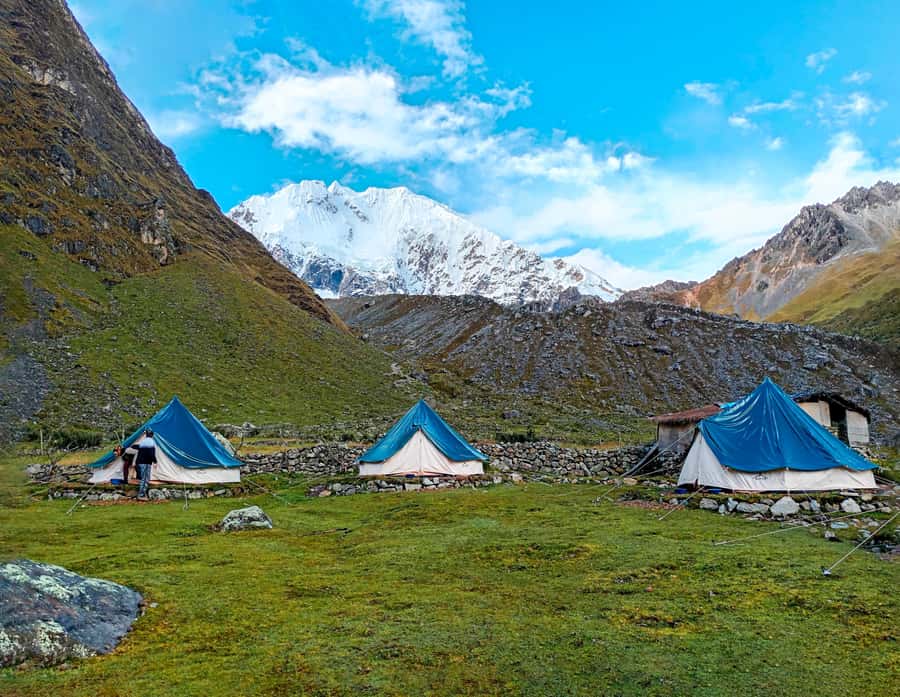
This route suits you if you want a physically active way to reach Machu Picchu and enjoy varied scenery along the way. You should be comfortable with long walking days, steep climbs, changing weather, and high altitude.
You do not need to be an elite mountaineer, but you do need motivation. One useful benchmark from the experience is being comfortable with walks of around 25 kilometers. Guides can adjust pace and offer support, but they cannot remove the distance or altitude.
This trip is not suitable for pregnant people, wheelchair users, or people with mobility, heart, or back problems. Children must be accompanied by an adult.
Prepare with comfortable hiking shoes, rain gear, warm layers, sun cream, a hat, sunglasses, insect repellent, toiletries, personal medication, tissues or toilet paper, hand sanitizer, and a head torch. Keep extra batteries and cash in your daypack.
Altitude deserves special attention. Some people had serious symptoms during the trek and found prescribed acetazolamide helpful, but medication decisions belong with your doctor. Arriving in Cusco with time to acclimatize is a sensible step, even though the early pickup makes the first day feel rushed.
Should you book it?
I would book this Salkantay Trek if you want a full journey to Machu Picchu, not just a guided ruin visit. The route offers mountain scenery, glacial water, cloud forest, coffee, a traditional meal, an Inca site, and a comfortable train ride home.
The best reasons to choose it are the strong food program, careful guides, small group size, and Llactapata campsite with Machu Picchu in view. The main reasons to hesitate are the very early first morning, the demanding altitude, the long walking days, and the non-refundable booking terms.
If you are fit, prepared, and willing to walk hard for the reward, the $655 package offers very good value. If altitude or sustained hiking is a serious concern, choose a shorter Machu Picchu plan instead.
FAQ
How difficult is the five-day Salkantay Trek?
The trek is physically demanding, especially on Day 1 and Day 2. You reach Humantay Lake at 4,200 meters and cross the Salkantay Pass at 4,630 meters. Motivation and comfort with long walks are important.
What time does pickup begin in Cusco?
Pickup is around 4:30 a.m. from a hotel or Airbnb near Cusco’s historic center. The first drive to Mollepata takes about three hours.
What accommodation is included?
You spend two nights camping, one night glamping at the Salkantay campsite, and one night in a three-star hotel in Aguas Calientes. Andean huts are used for the second night.
Are meals and dietary options included?
Four breakfasts, three lunches, three dinners, water, and daily snacks are included. Vegetarian and other dietary options are available if you advise the company when booking.
Can I hike Huayna Picchu or Machu Picchu Mountain?
You can add either mountain if you book the required pass in advance. Neither pass is included automatically in the tour price.
What train returns to Cusco?
You return from Aguas Calientes on a panoramic Vistadome or 360° train to Ollantaytambo. A private van then takes you to Cusco, with expected arrival around 7:30 p.m.
More Hiking Days from Cusco
- Rainbow Mountain Full Day Trek
★ 5.0 · 1,469 reviews - Rainbow Mountain Day Trip from Cusco: Vinicunca Hiking Tour
★ 4.5 · 737 reviews - Inca Trail 4-Day 3-Night Trek to Machu Picchu with Expert Guides
★ 5.0 · 733 reviews - Humantay Lake Full Day Trek from Cusco with Lunch
★ 5.0 · 726 reviews
Other Ways to Reach Machu Picchu
- Short Inca Trail to Machu Picchu 2D/1N
★ 5.0 · 3,007 reviews - 2-Day Inca Trail to Machu Picchu with Panoramic Train
★ 5.0 · 1,876 reviews - From Cusco: Full-Day Group Tour of Machu Picchu
★ 4.7 · 1,767 reviews - Machu Picchu Day Trip from Cusco
★ 4.5 · 1,644 reviews
Added recently around Cusco
- Guided tour of the mountain of colors in Cusco★ 5.0 · 11 reviews
- 2-Day Private Short Inca Trail to Machu Picchu★ 5.0 · 15 reviews
- San Pedro Market Tour with Peruvian Cooking Class★ 5.0 · 31 reviews
- City Tour Cusco – Group★ 5.0 · 4 reviews
- Tour Sacred Valley with Maras and Moray★ 5.0 · 15 reviews
- Walking Culinary Experience★ 5.0 · 41 reviews
- City Tour in Cusco★ 4.5 · 10 reviews
- One Day Tour to Humantay Lagoon★ 5.0 · 8 reviews
Machu Picchu Tours, compared.
Classic Inca Trail Trek 4D/3N to Machu Picchu (Group Service)
Read our review →
Machu Picchu: 4-Day Inca Trail Trek with Panoramic Train Ride
Read our review →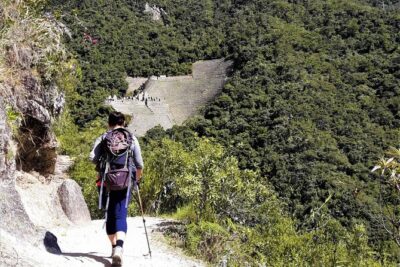
2-Day Inca Trail to Machu Picchu with Panoramic Train
Read our review →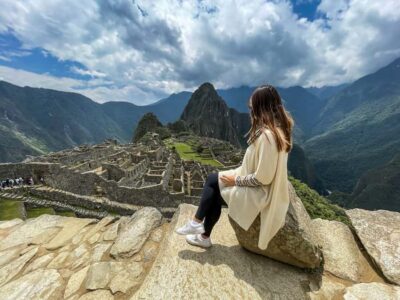
2-Day Tour: Sacred Valley and Machu Picchu by Train
Read our review →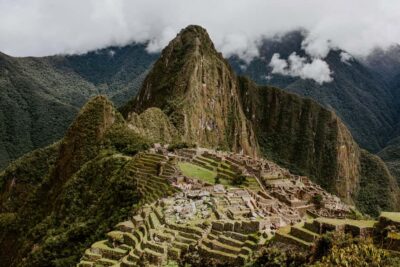
Machu Picchu: Full-Day Tour from Cusco with Optional Lunch
Read our review →Browse the lists this tour appears in